


Note: The My Life Through a Lens feature series began during Cultured. North East’s time as the arts and culture section of regional subscription platform, The QT (Feb to Jul 2024)
Joanne Coates, an award-winning visual artist spent a lot of time with her grandparents when she was growing up.
“My grandad would get me to use disposables over months and think about what I was making. I was about eight,” says the artist who spent her childhood in North Yorkshire and now lives between County Durham and the “tip” of the Yorkshire Dales National Park.
Her teenage years, when she was “part of an alternative culture of ‘grebos and goths’”, gave Joanne more opportunities to develop her passion for capturing life.
“I would go on nights out and borrow friends’ cameras to document our life,” she says.
“I don’t know where those images ended up but they were a document of our times and escapism.”
Joanne studied Fine Art before photography became “the only thing for me throughout a chaotic life, the only constant. It was never really a hobby for me. I didn’t really have the luxury of photography as a hobby, it was a necessity,” she adds.
Now an award-winning visual artist - and a farm worker - Joanne uses her photography to explore issues around class, and the countryside.
Asked what she finds most challenging to photograph, she answers, “Street photography. There is something inside me that won’t allow me to photograph in a way that is more voyeuristic.
“I don’t find it challenging but there are elements of photography as a medium I really don’t enjoy or won’t take part in,” she continues.
“Photography itself, its history always has links with political discourse. I think we need to think carefully about what we are doing when we make images.”
When it comes to those behind the camera who she admires, Joanne offers up a list of names.
“Tish Murtha, her story speaks to working class women in the arts. Judith Joy Ross’s work is beautiful it speaks of how images can function as more.
“Nan Goldin’s work and ability to put together work in this way speaks to political movements, her courageousness. Ute Mahler’s work is again someone whose work is ingrained in my mind.
“There are so many and it changes. I like photographers who think about sequence and the importance of creating a world, whether that is a photobook or exhibitions, how do images work together?”
As for tips for aspiring photographers, Joanne has one big one: “In the words of MaMa Cass - make your own kind of music.”
Follow Joanne Coates on Instagram
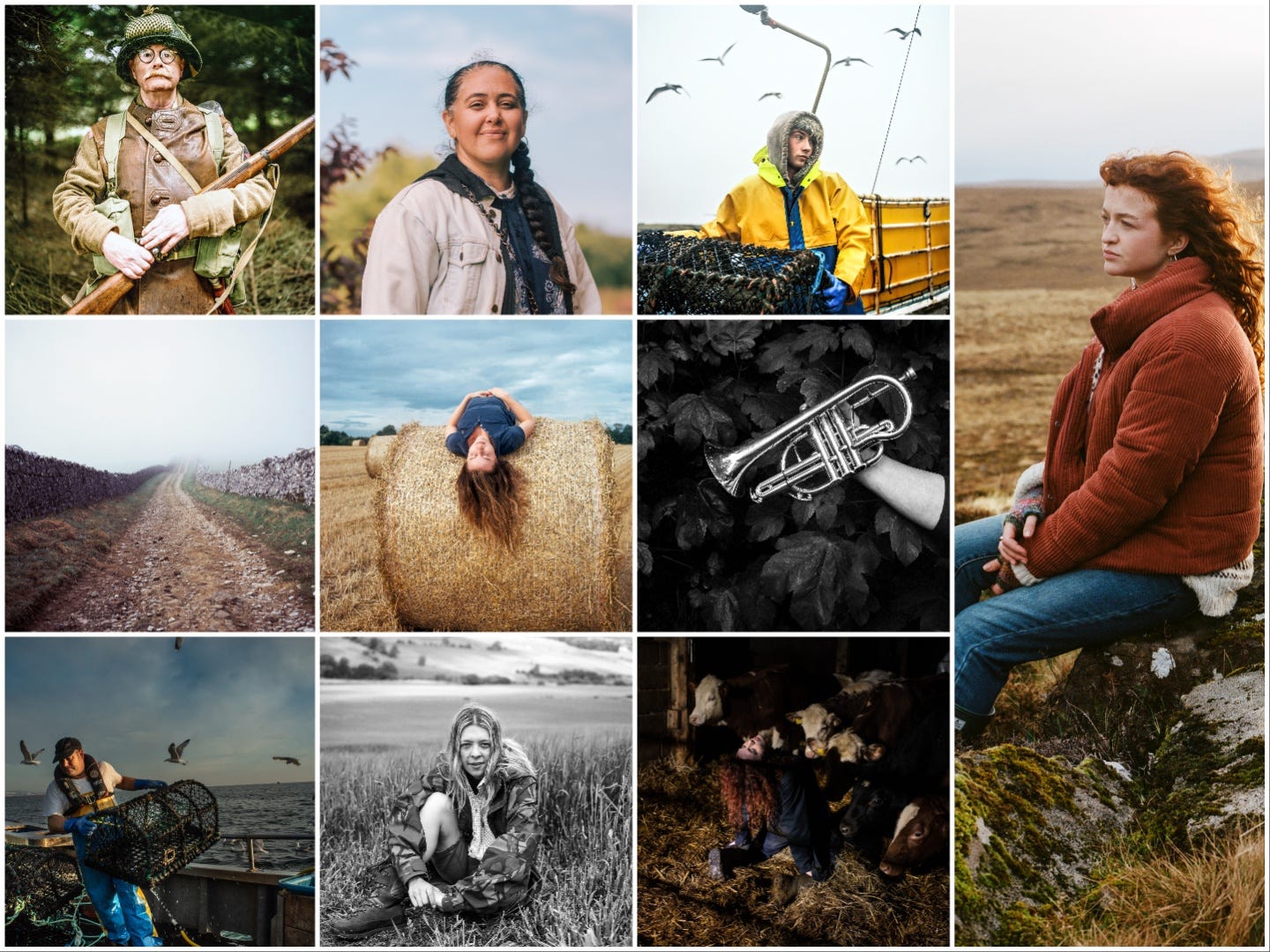
I didn’t own a camera before I went to study photography. I remember wanting to tell these complex social stories, I had theory and reasoning for what I wanted to do, but no access to equipment. I got onto a fine art course without A Levels. I had my art GCSE and passion.
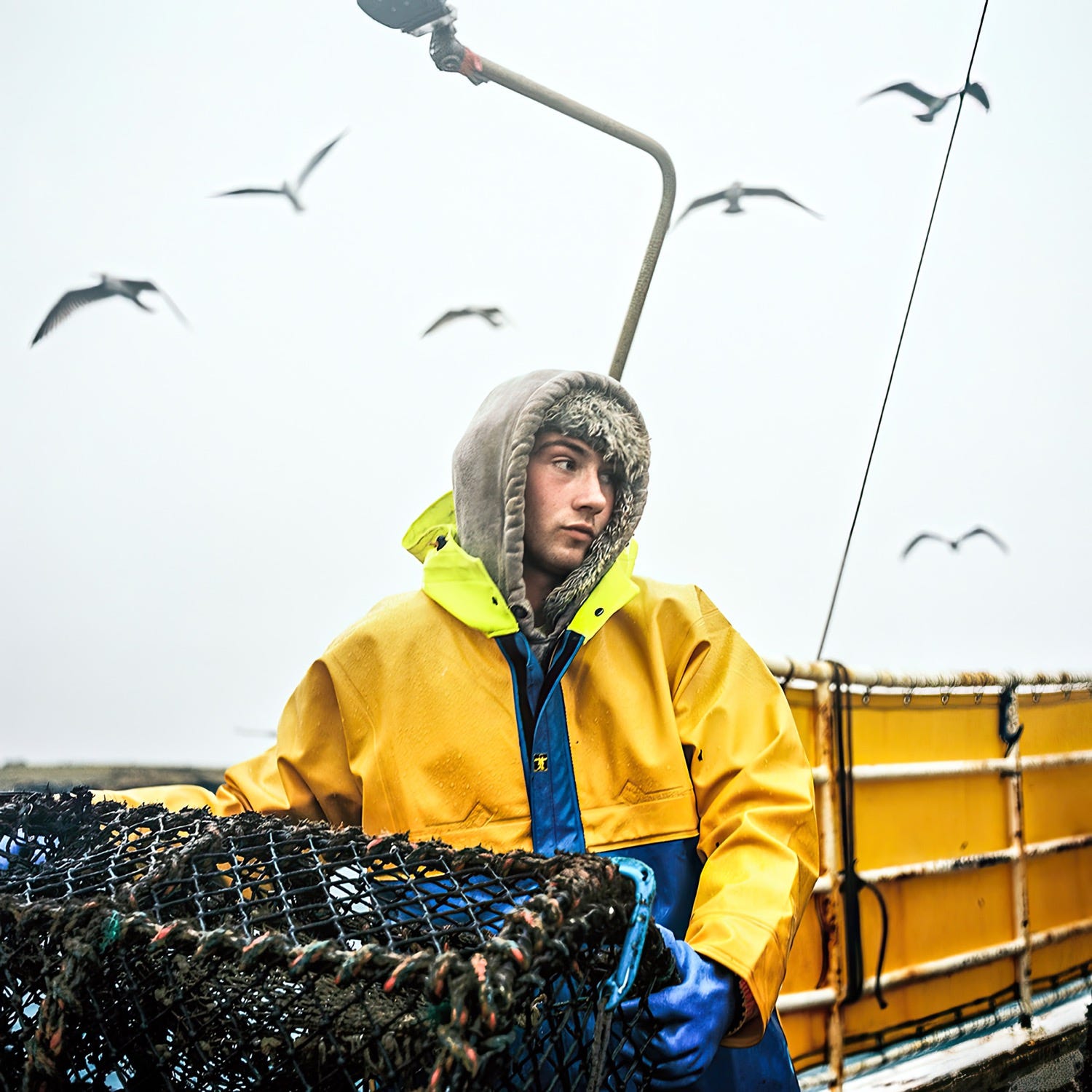
That was it. It was the first chance I got. I had a tutor who really believed in me, gave me the resources to start looking at and exploring class. The very first project I did was in 2012 - it went on to become my series North Sea Swells. I borrowed equipment from the university to make it, connecting to my family’s past of working with the sea. I ended up working on the series for a further five years.
My favourite projects are where I’m working in long form ways with communities. I usually work in a series of images, thinking of how they are connected to each other.
The way photography can tell stories through these sequences is really important. Liznojan was the series where I found myself.
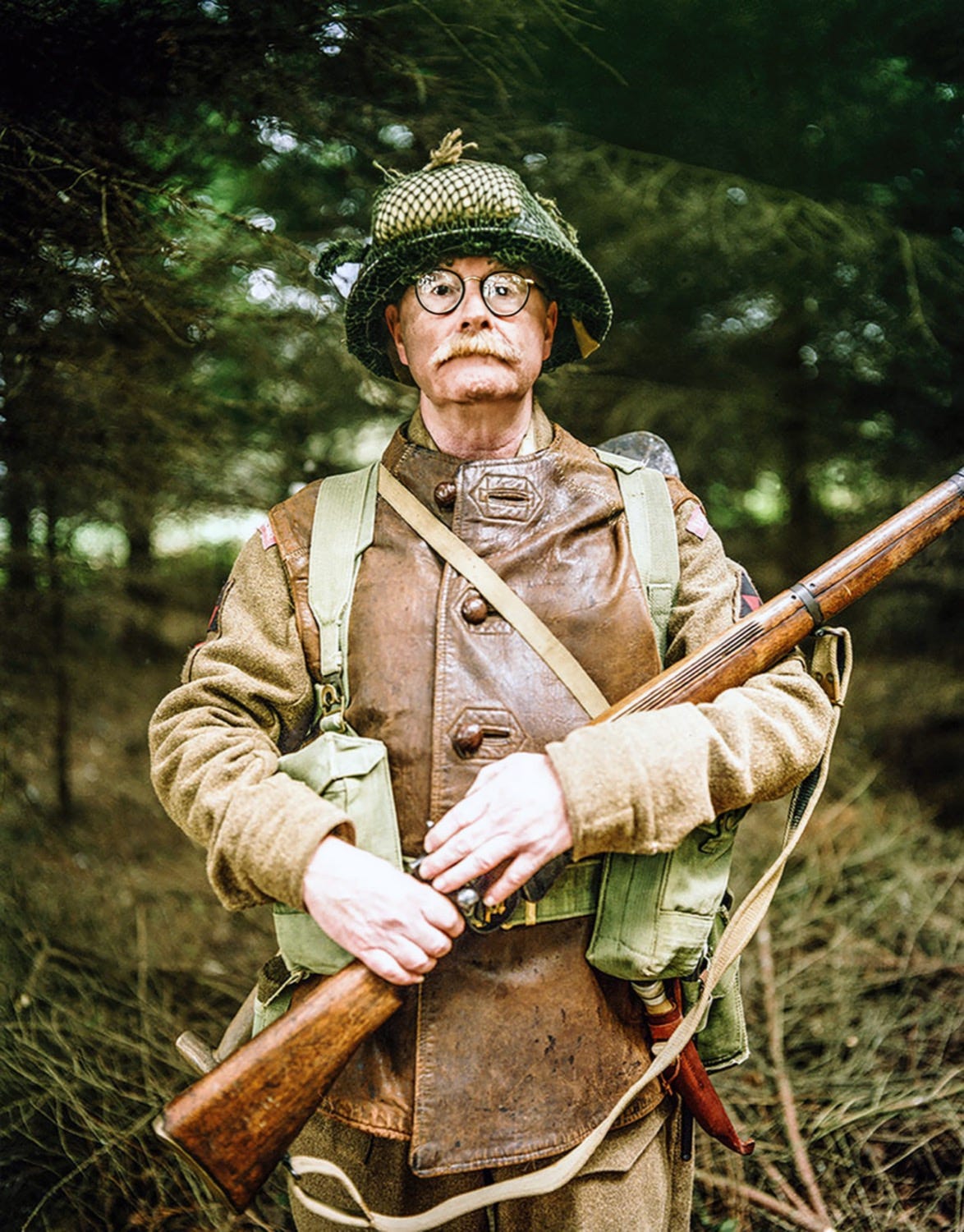
As a working class Northern student in London I felt really isolated, lost and in debt. University was meant to change everything... It made things worse. BUT! I really found my way of making images, learned how to use large format cameras, and how to develop film. This series was focusing on the hidden histories of the land, walking over 300 miles across the North of England along points of class history. I had these encounters with people along the way, that somehow talked of connection to place, past and identity.
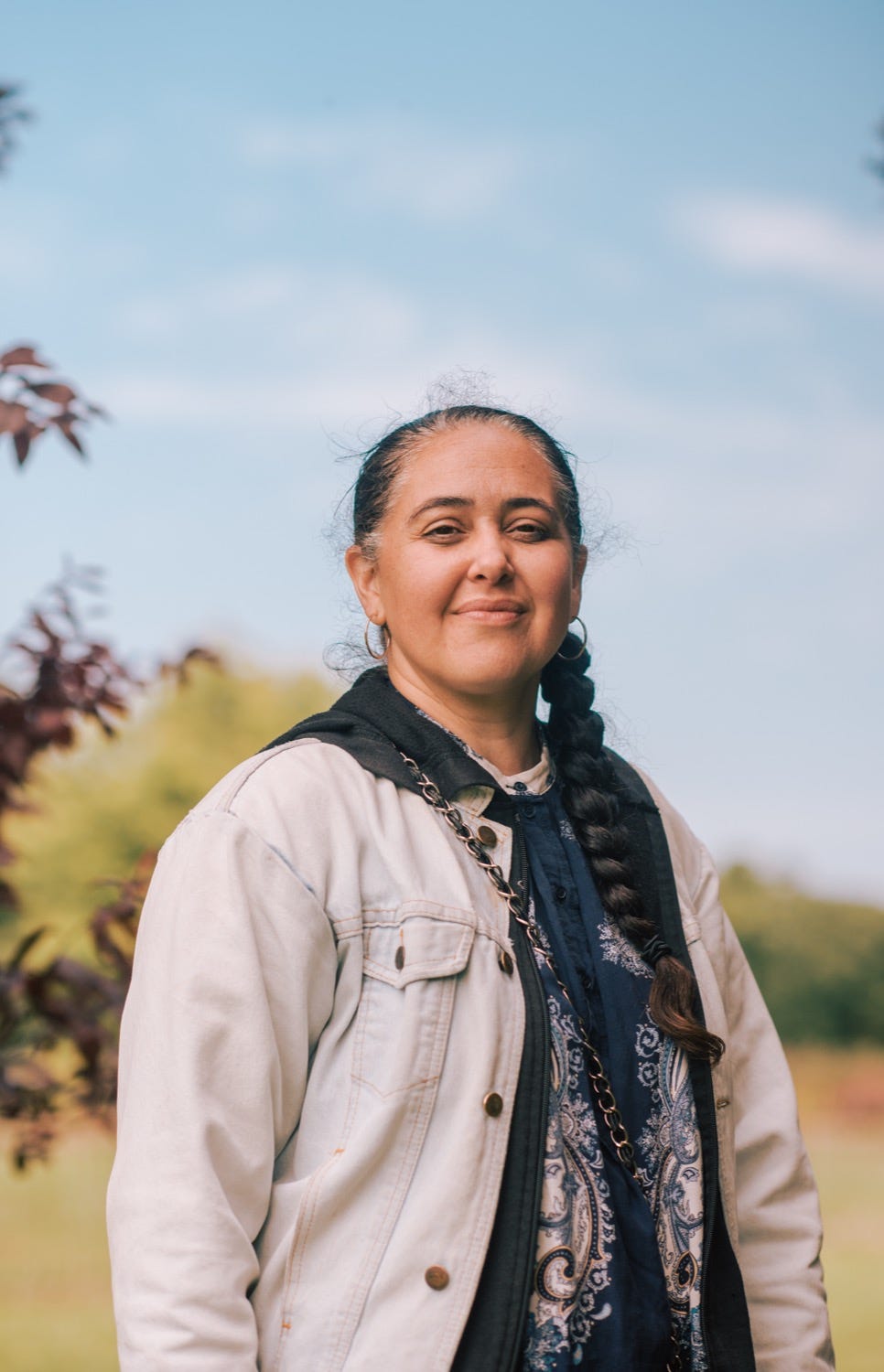
After university I came back home. Trying to make it work in the Tees Valley.
I carried on making work and started getting different commissions. A few years ago I worked on the series Seeds of Hope, which went on display in Albert Park Middlesbrough. It was looking at the ways communities come together in solidarity to provide help and support. It was interesting for me as this is what councils, and government should be doing. I met wonderful people. We looked at their favourite places and made collaborative portraits together.
Commissions that encapsulate my personal practice and reflect that are always what interests me. It was also shown outdoors and got me really interested in installation, showing work outside of gallery spaces.
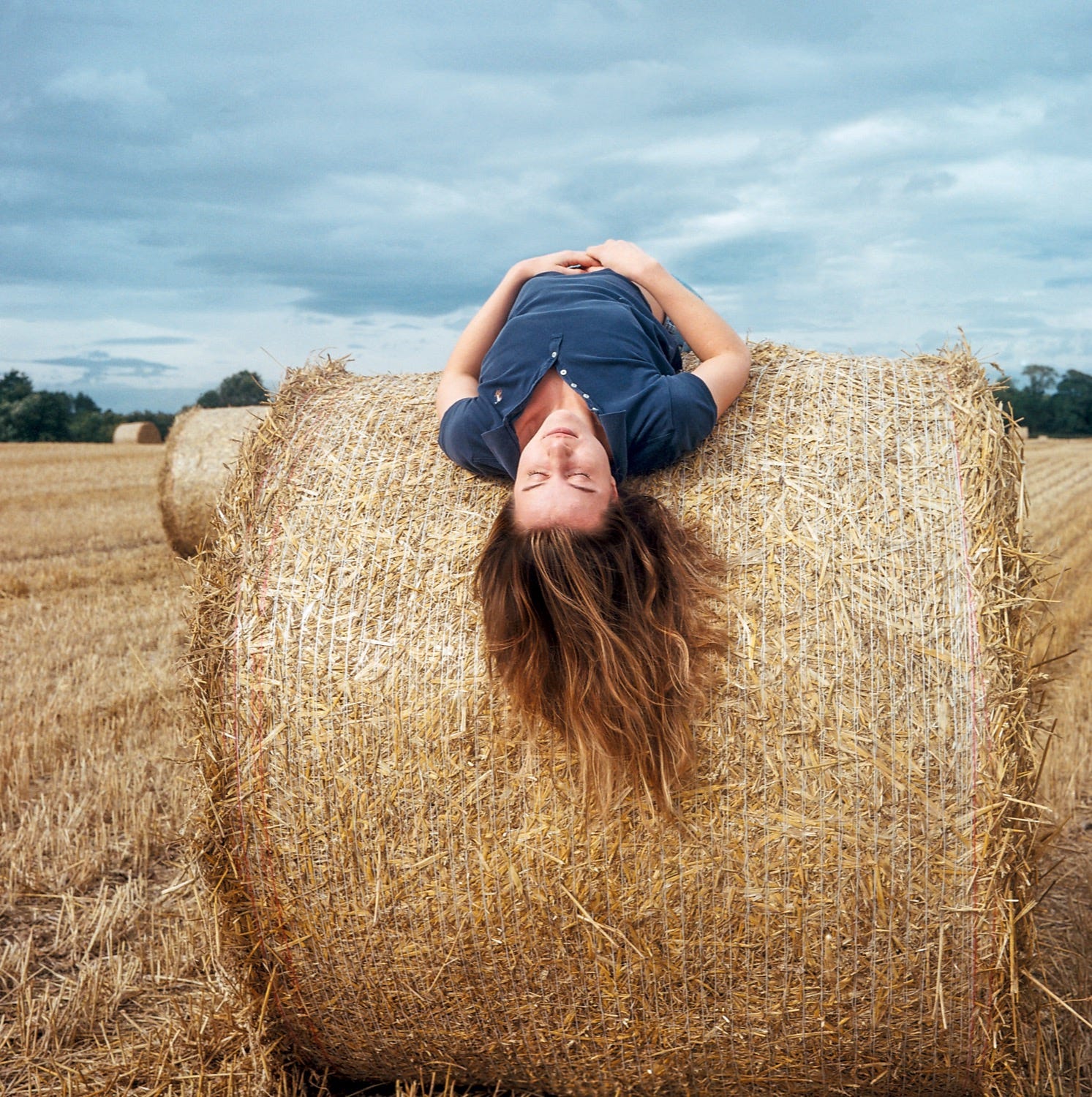
Poppy really embodies when someone collaborates with you fully. I had met Poppy a few times before making this portrait. Speaking with her about the land, nature, her role as a woman on the farm. We recorded audio together before deciding to make this portrait. Poppy had talked about connection and we decided together where and how to make this work.
Poppy was taking a break during the busy late summer combining period. This is one of my favourite images when it blends between the vision of the photographer and the generosity of the person being photographed creating this fusion. The series Daughters of the Soil looked at gender in agriculture. I worked with the wonderful Professor Sally Shortall, whose research has inspired policy changes.
Farms are imbued with gender stereotypes - sons inherit the land while women are invisible, with their enormous contribution to the farm rarely recognised. Over 80% of full and part-time working spouses on farms are women, while only 7% are recorded as the owner/ principal farmer.
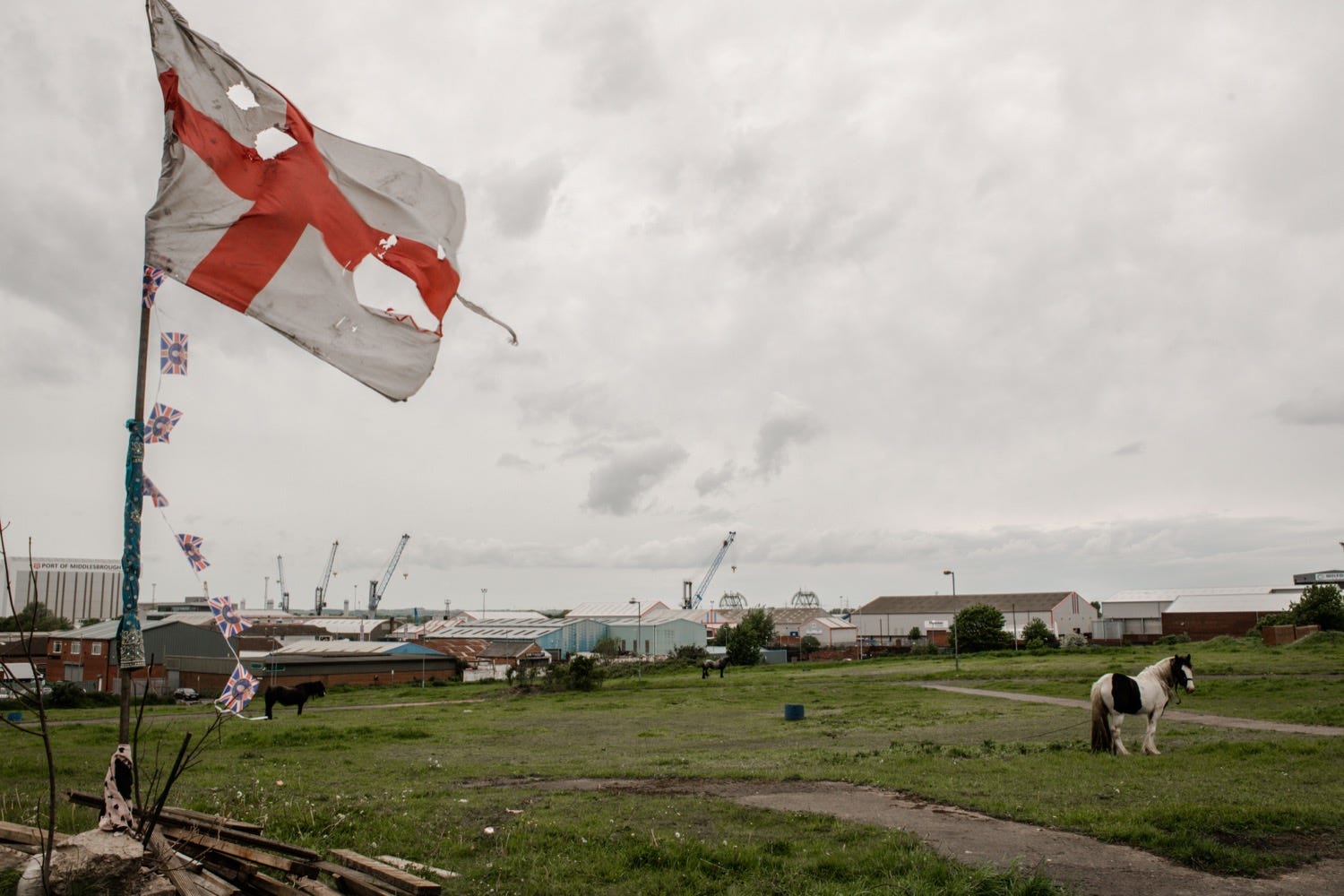
In recent times decentralised places have been hardest hit. This was an assignment for Bloomberg looking at the rising levels of crime in Middlesbrough. Walking around talking to people, thinking about how people see the North East, what is the stereotype and what is the reality. How do I contribute to that? How can I make images that tell this complexity?
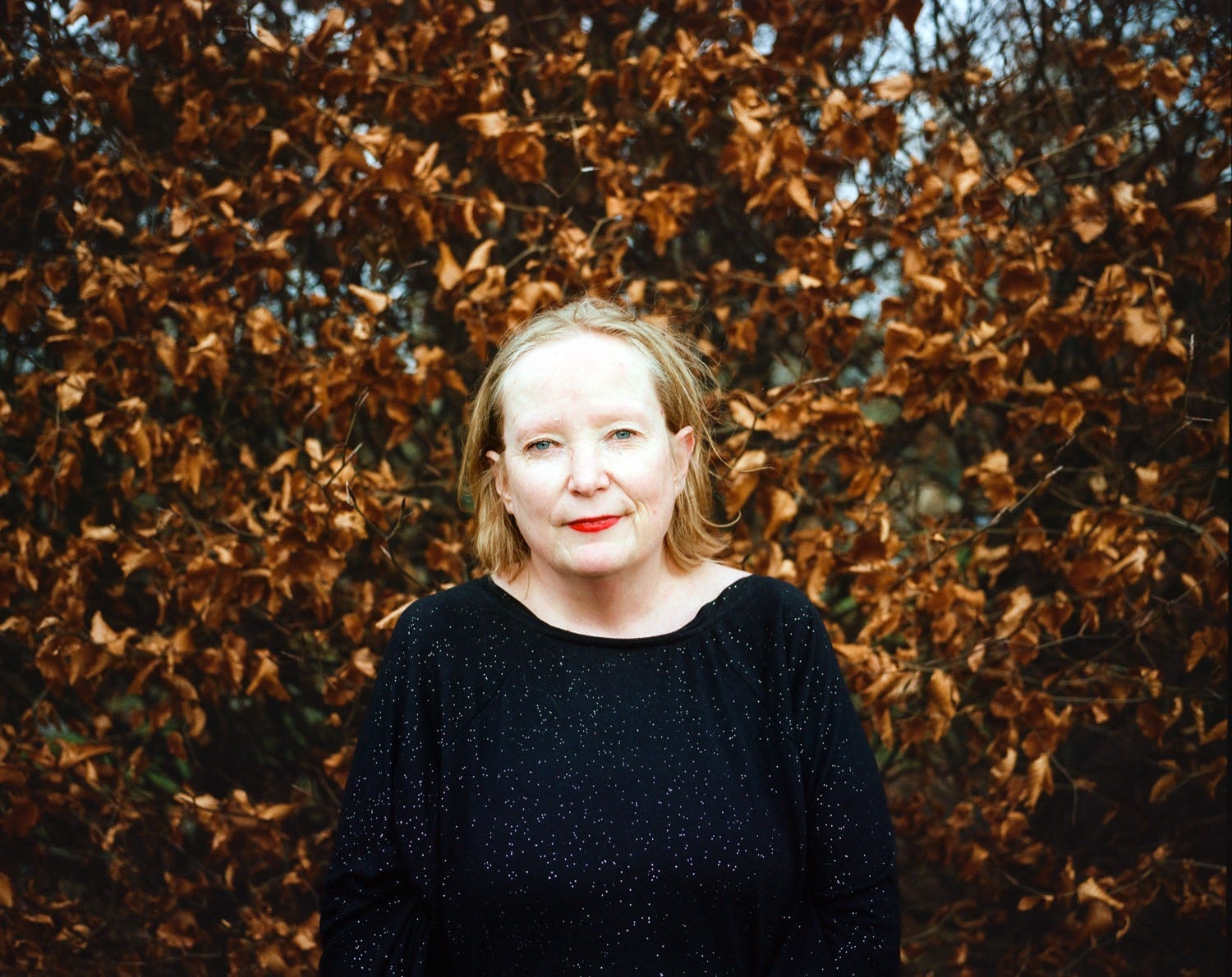
Ingrid runs the Well being hub and cafe, from a proud working class family and seeing the changes happening in the North East around poverty and lack of access to food, Ingrid stepped in. Ingrid was this amazing human, she talked about growing up in poverty and seeing struggle in the region.
How now it’s deeper than ever before and more ignored than ever before. So often these assignments go to London photographers, photographers based outside of the region, or those with no lived experience of poverty. I connected with Ingrid because of my own experience and struggles. This portrait really meant a lot to me.
I always photograph gently but want the people I work with to have dignity and to be shown in the way I see them and the work they are doing. For people to question, understand and to learn. Not to enhance already pre made stereotypes.
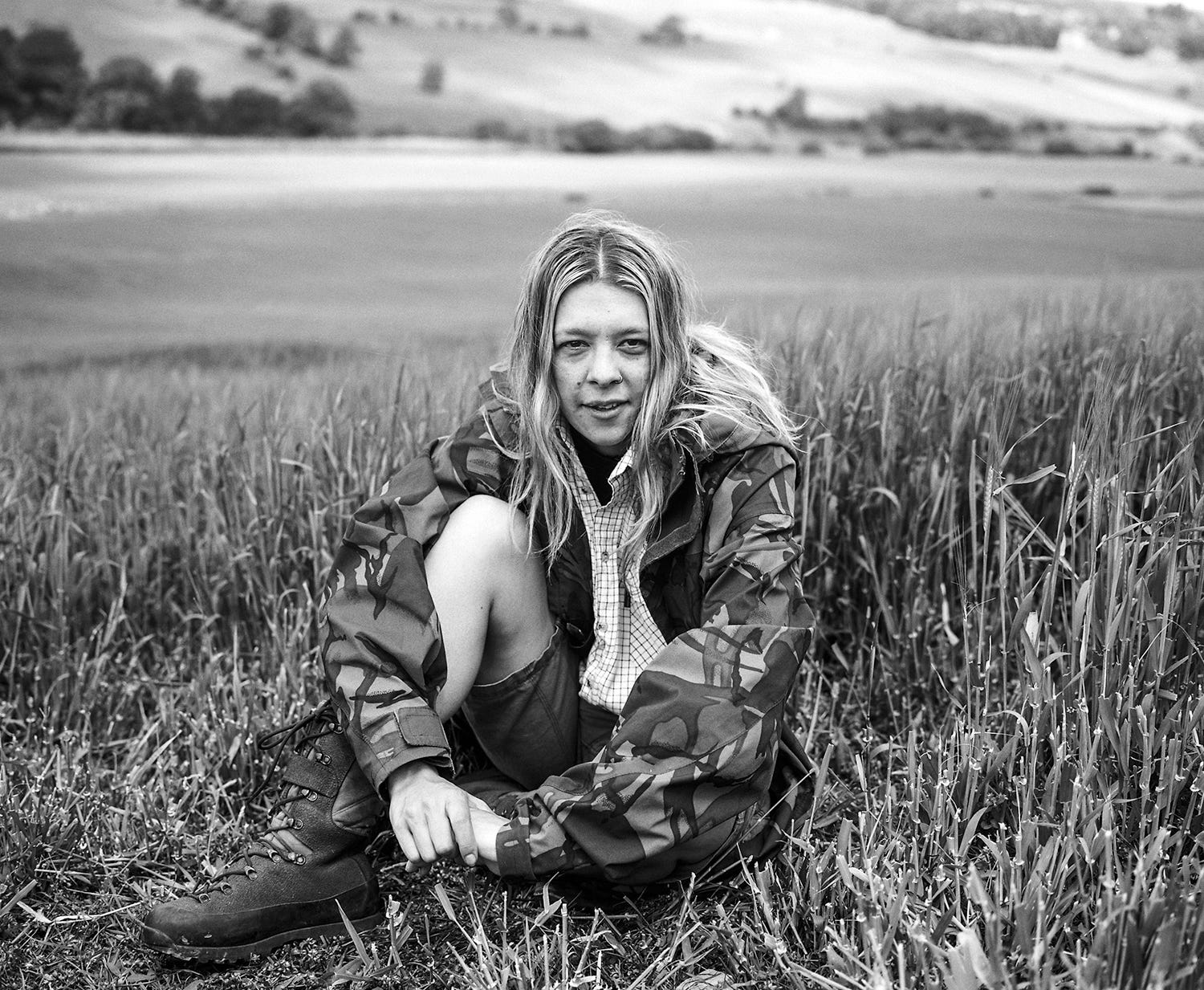
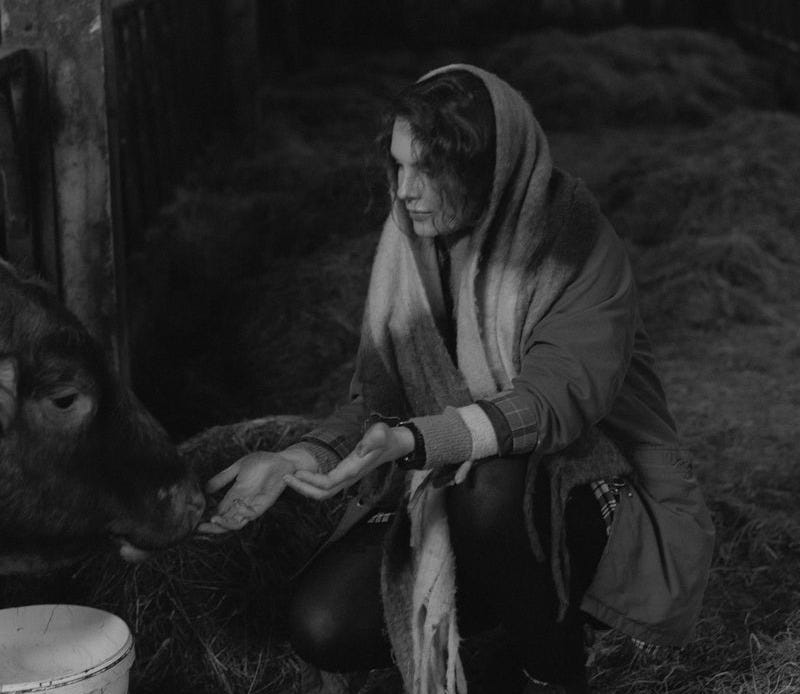
Kim is one of my closest friends. She is also a work mate. We milk cows together. I sometimes set myself too rigorous codes and ethical challenges. Some rules are made to be broken, this image is an example of that. Since I was a teenager borrowing my boyfriend Dad’s camera I hadn’t ever photographed close friends. I often become friends with the people I make images with, so this strange rule I had set myself was a learning experience.
I liked working with Kim as she questioned me, asked what this was and why. The language I use, I don’t enjoy the power relationships in photography often. Subject versus capturer. We talked, we laughed, we made images around rural working class identities. It’s a reminder we don’t do this on our own, we learn and grow through others.
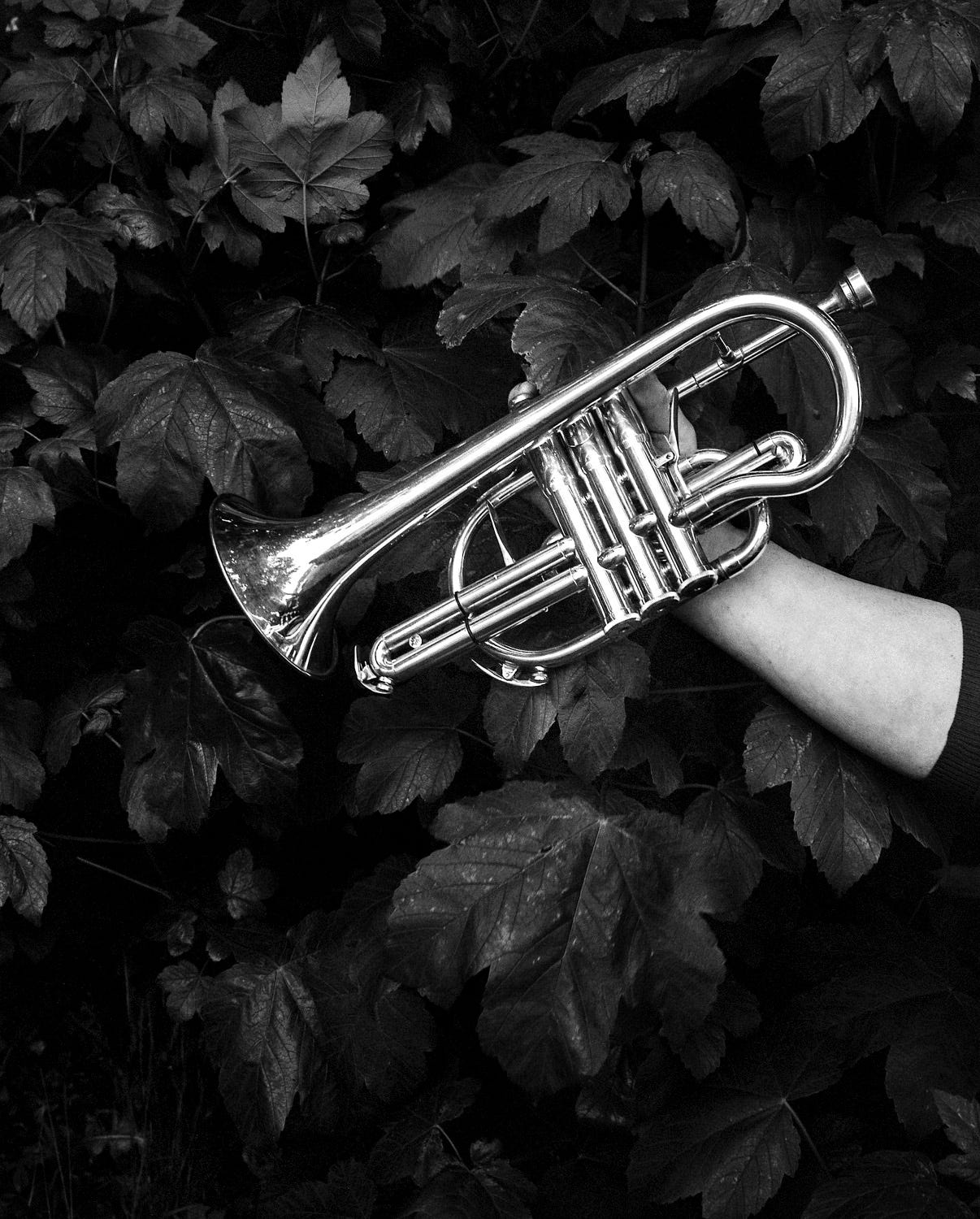
I had this opportunity to create work around class and the countryside through the Photoworks / Jerwood prize. Work made about the North East isn’t often by those from the region. As someone with lived experience of the complexities of rural life I wanted to challenge this notion of the rural idyll. I had started bringing sound into my work.
The work is an installation, a set of images and sound work. I really enjoy this multi-layered approach to storytelling. Lynn’s brass band features in the sound piece.
Having asked the 12 women involved to pick an object that spoke of their identity, each was different but all the objects referenced the complex history of this part of the world.
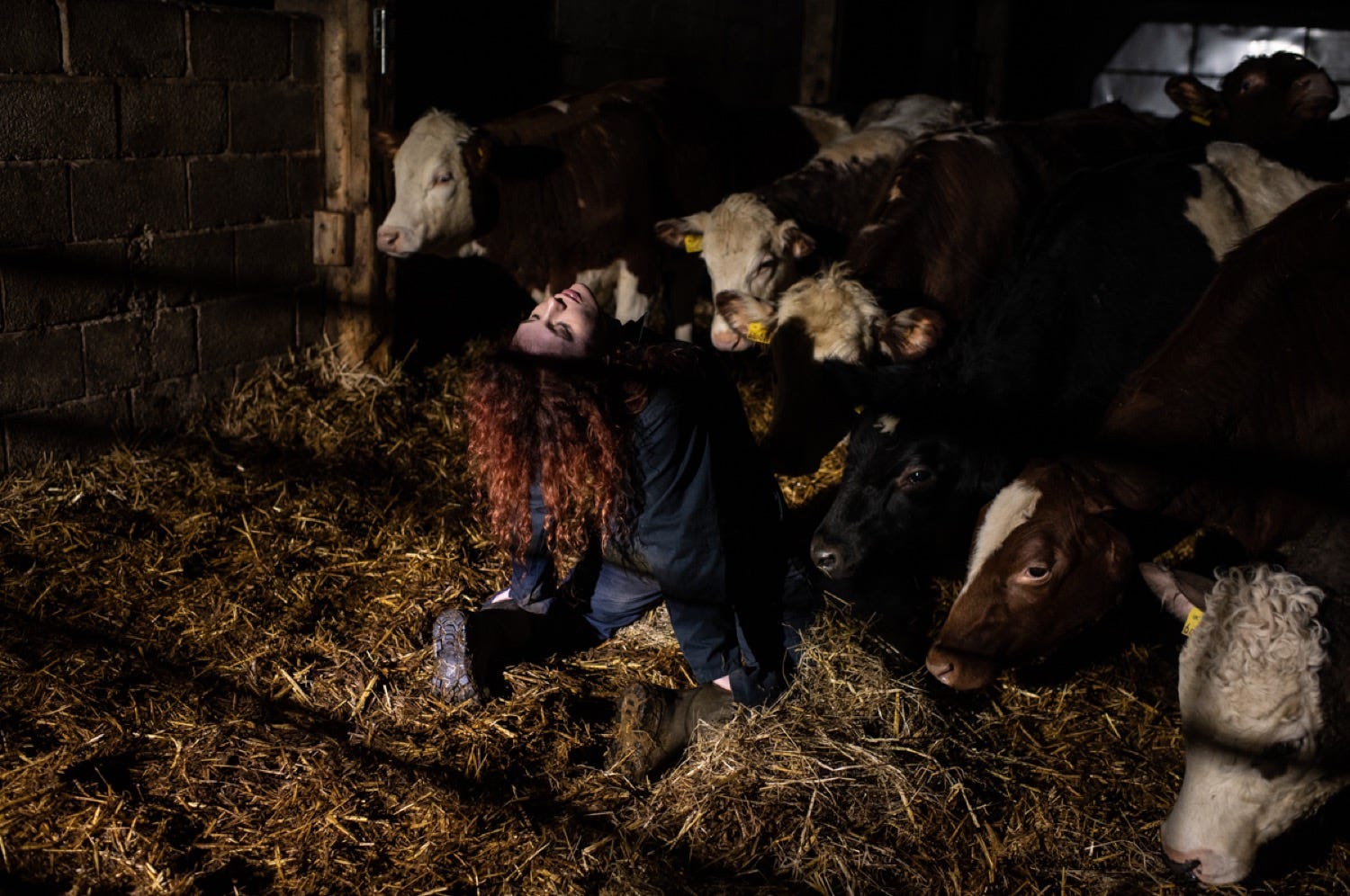
For some reason apart from an assignment at university I hadn’t photographed myself. We are mirrors and windows, not just one or the other. I was late diagnosed with Autism and ADHD.
I still struggle with this; in the countryside how much work you are able to do is often how your worth is valued.
I started exploring feelings around shame in this work last year. It has developed since these portraits. The change and freedom this work is allowing me to make has been vital.
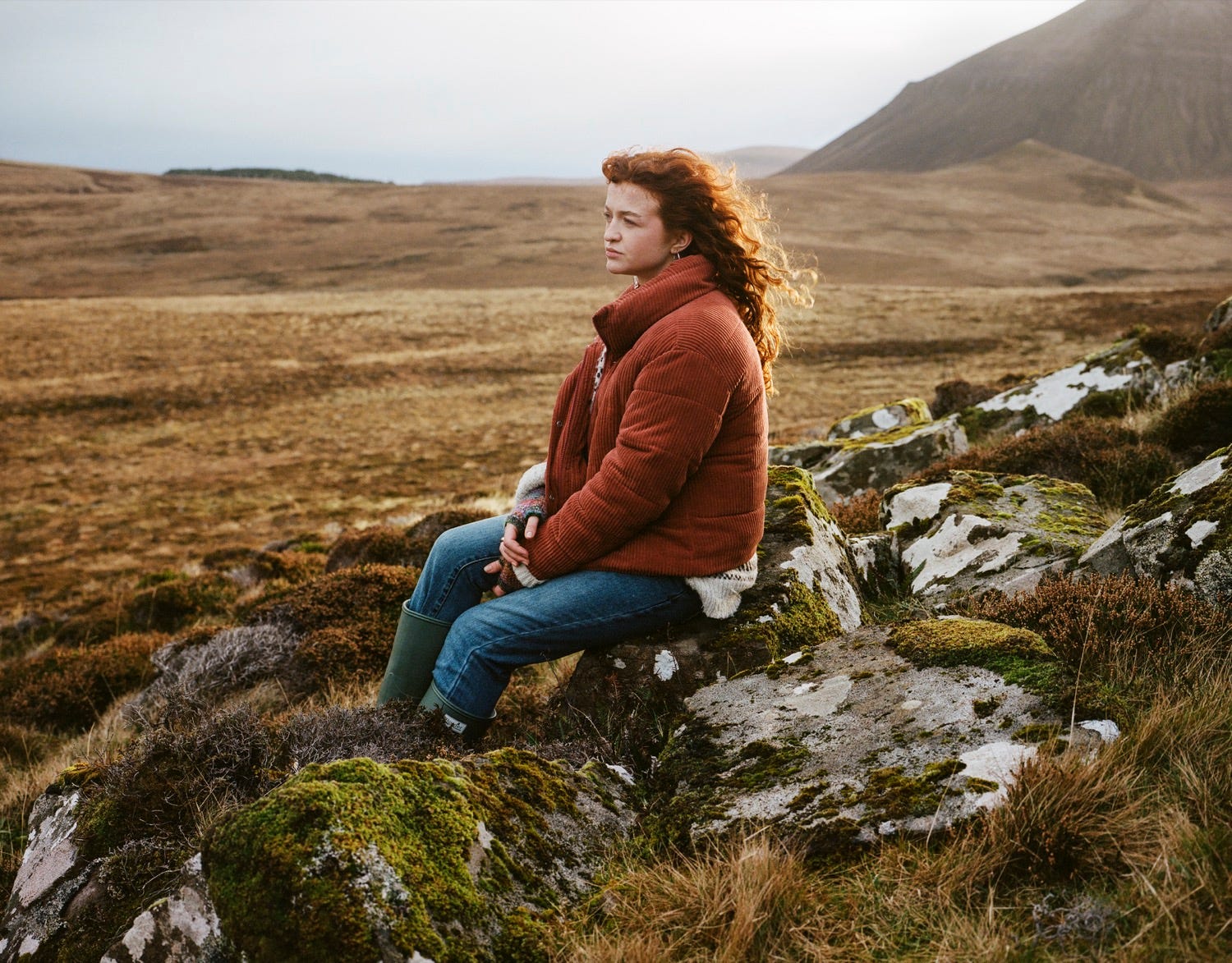
I started making this work around housing, and young people in rural areas as part of the Baltic Vasseur artist award.
Aisling is the carbon neutral islands officer for Hoy, that is how we first met and quite organically we began working together. The feelings, the fear, the isolation, the joy, the hope and the despair Aisling talks about were all rural issues I could resonate with.
This image was made where she used to play as a child, looking out to her new home in Stromness (the mainland Orkney), over her old home. Rural life is changing and has already passed the point of return.
Making this series really cemented my fear. It will become a theme park for the select few but it ignited my hope of its eloquent, passionate young people and why that can’t happen.