


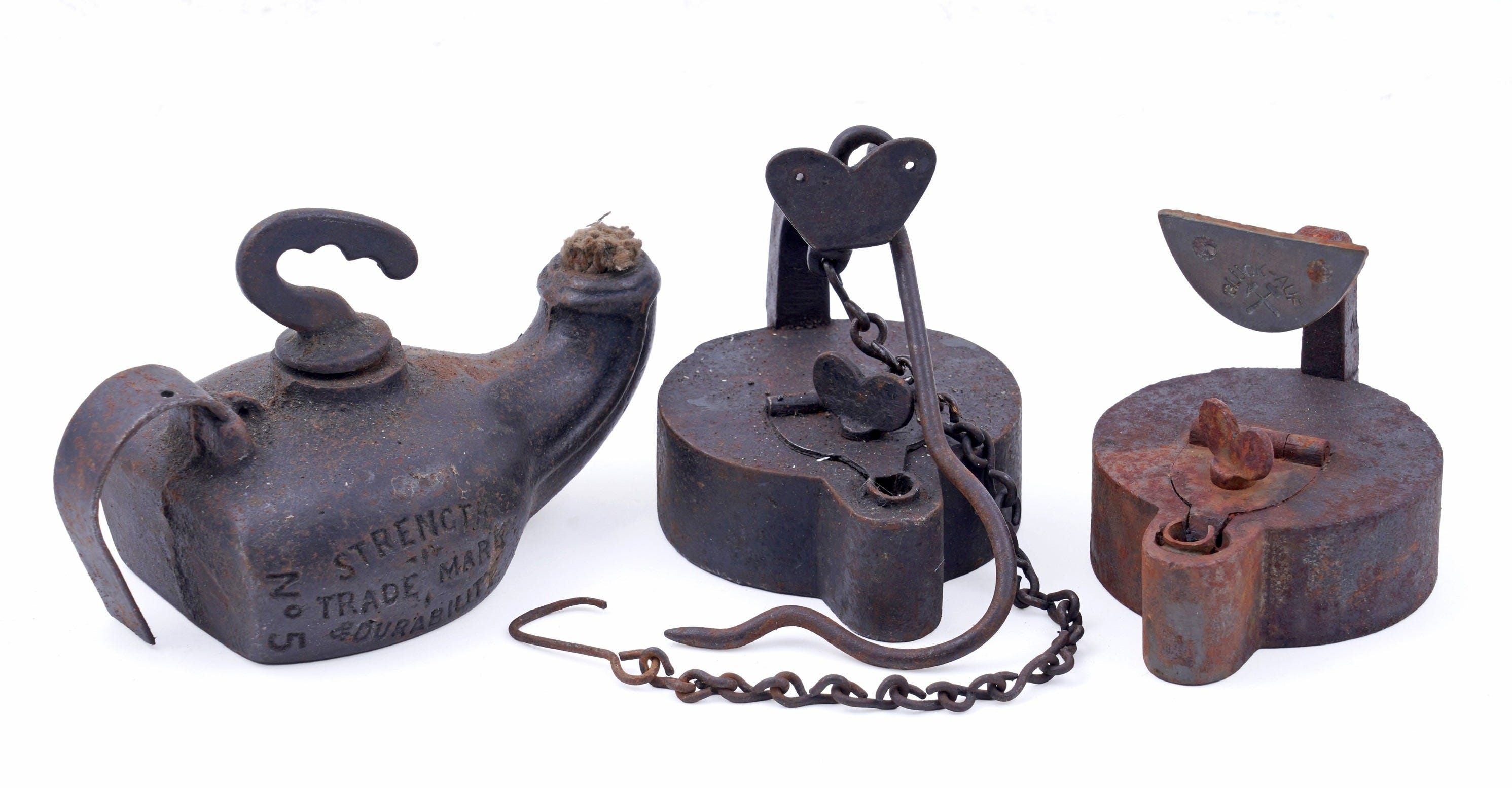
A lifetime collection capturing the North East’s colliery heritage has sold for £25,000, including fees.
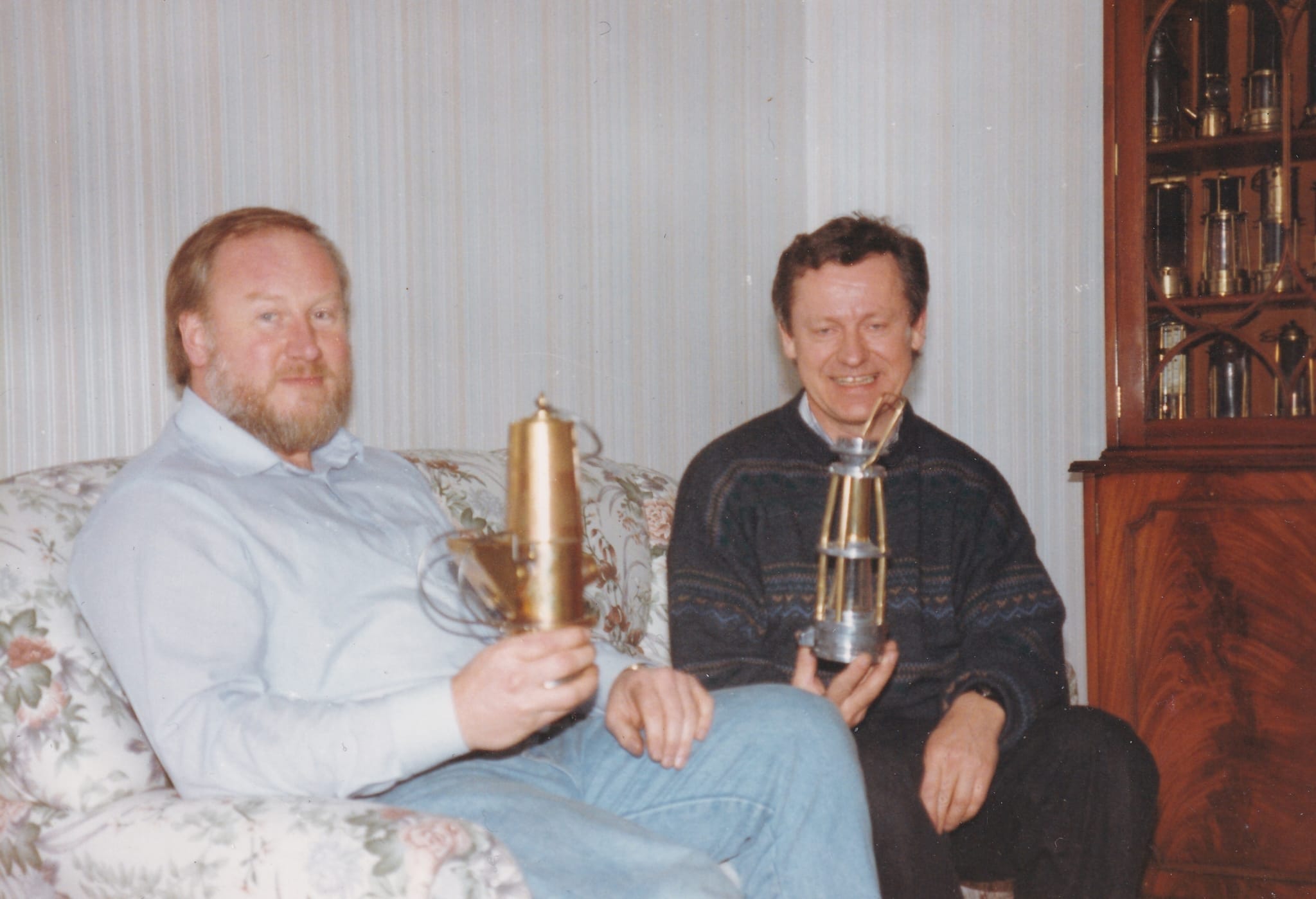
The late Bob Batey, from Dunston in Gateshead, built up an enormous collection of miners’ lamps and other pit items, which were sold by Newcastle auctioneers Anderson & Garland.
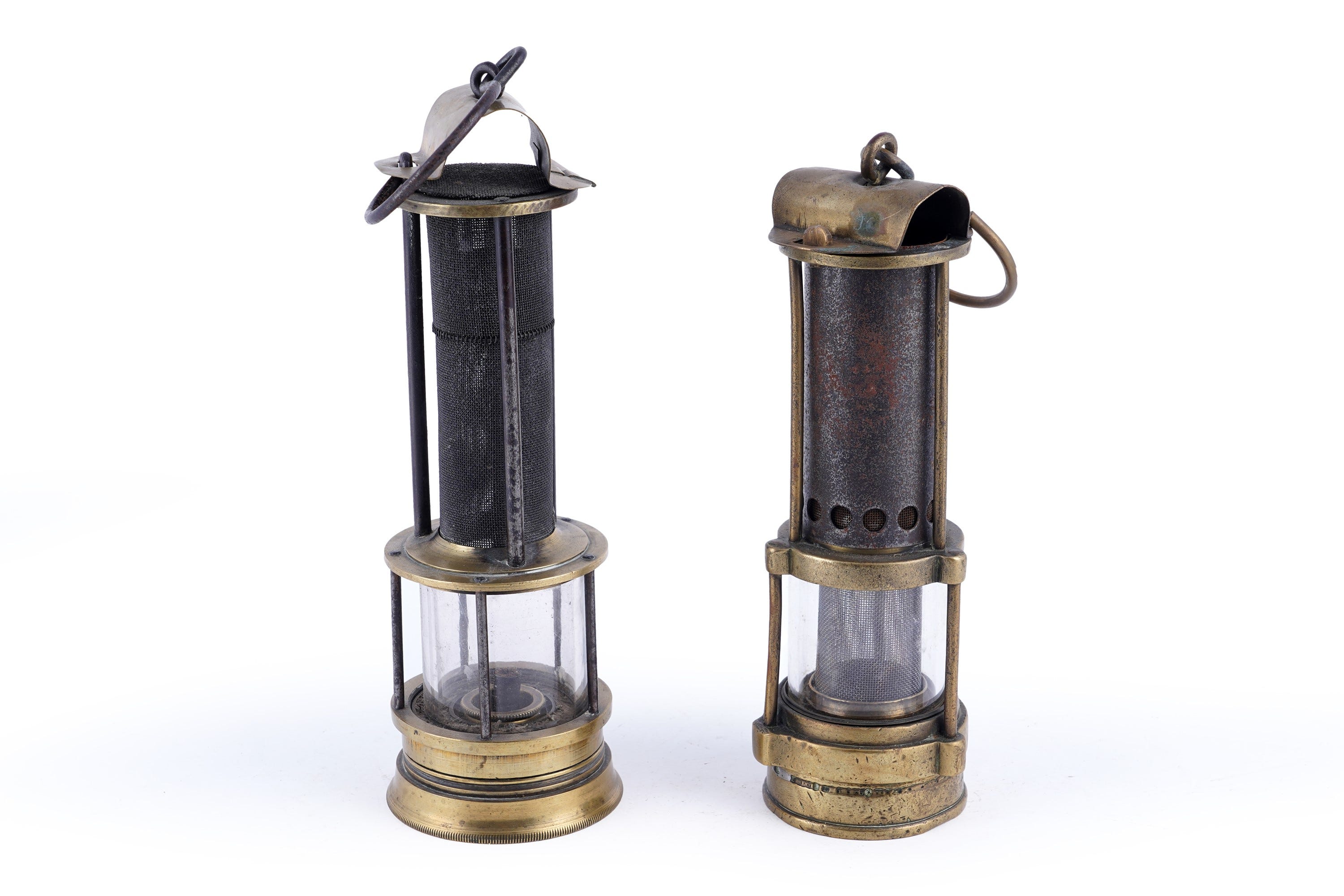
A ‘Davy 9’ type miner’s lamp, estimated at £300-£500, fetched £3,900, while a ‘Davy 7’ type lamp, with the same estimate, sold for £2,080.
A 19th-century ‘Jack Davy’ lamp, its arched top stamped ‘J. Abbot & Co. Limited Gateshead’, sold for £1,690 against an estimate of £150–£250.
Bob was given his first lamp by his father-in-law, who had carried it while working at Marley Hill Pit in Gateshead.
He began visiting the pit regularly, gathering stories and first-hand accounts from miners and building a depth of knowledge that came from people rather than books.
He became a regular face at the Lit & Phil library in Newcastle and Beamish Museum, where he spent hours researching. The relationship came full circle when Beamish later borrowed a number of his lamps to display at the opening of its drift mine.
He was equally well known on the collectors’ fair and antique shop circuit, seeking out pieces wherever he travelled and, in the years before the internet, building a network of fellow enthusiasts across the world.
Collectors from the United States, Australia, Germany and France would call or visit, whether for advice or to share a new find.
The collection included Clanny, Mueseler-type, Davy and Gateshead Patterson safety lamps, French and American lamps, Continental Frog-type lamps, paraffin lamps, safety helmets including 19th-century leather helmets, wrought-iron miners’ candle holders and pit tally tokens from North East collieries including Vane Tempest, East Hetton and Choppington.
Auctioneer Tom Robson described the collection as “wonderful”.
He said: “Every lamp in this sale has a story behind it, and in many cases Bob knew that story better than anyone else.
“Bob’s real joy came from rescuing and finding a lamp that had seen better days and bringing it back to life.
“Away from the pit and the workbench, he loved to sing the old songs at local folk clubs.”
George Stephenson, Humphry Davy and William Reid Clanny all worked on the development of mining safety lamps.
Clanny, who died in 1850, served as an assistant surgeon in the Royal Navy before moving to Bishopwearmouth in Sunderland, where he practised for 45 years.
He won medals from the Royal Society of Arts in 1816-17 for his invention and George Stephenson acknowledged a debt to Clanny’s research, while Humphry Davy invented his version of a lamp soon after visiting Sunderland in August 1815.
