


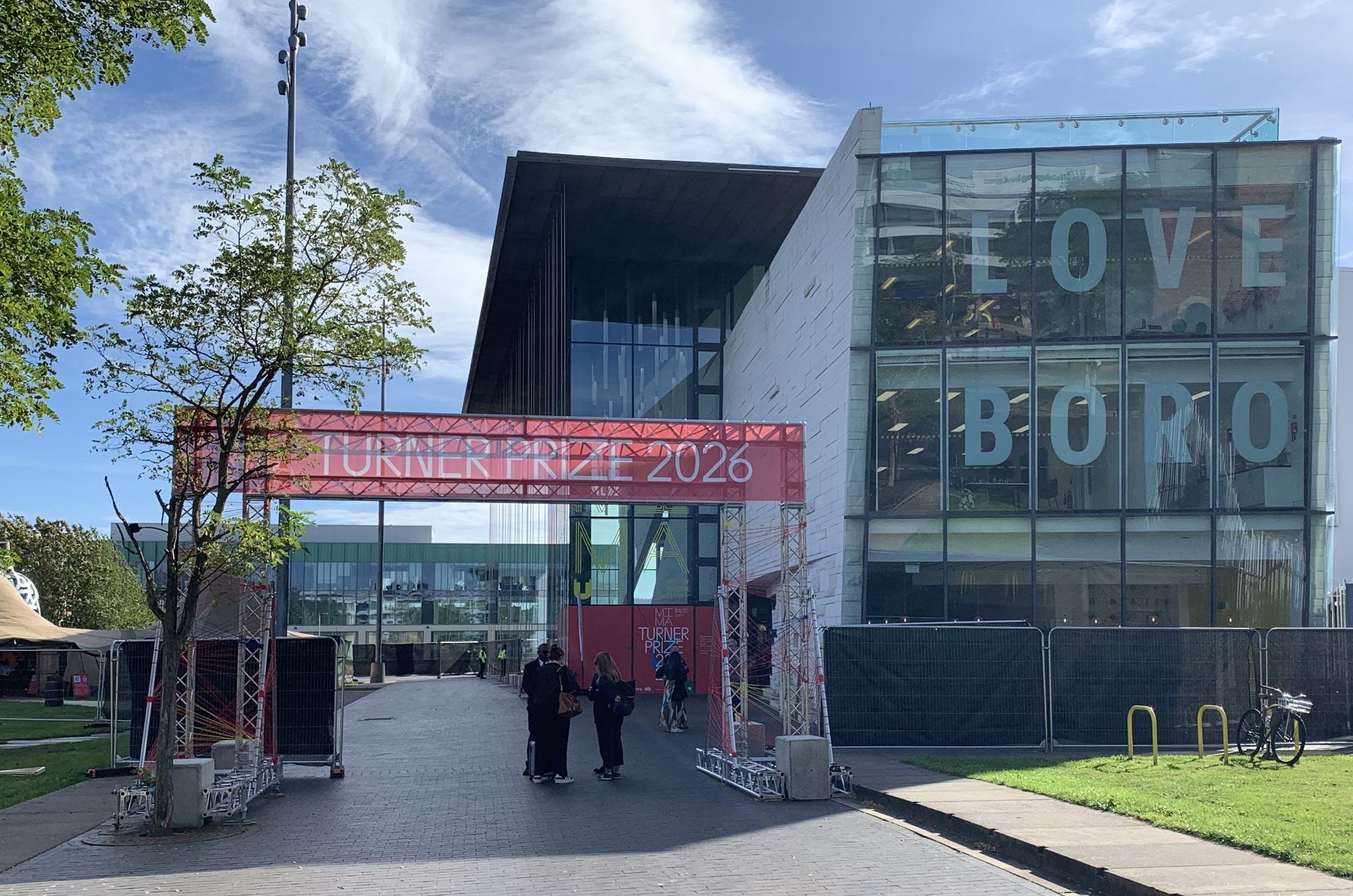
Four artists, four contenders for the 2026 Turner Prize – that’s £25,000 plus your name on the roll of honour and an immeasurable boost to public profile.
So now that the wraps are off their showcase exhibitions, who is going to win?
Nobody I asked at Thursday’s media preview had the foggiest idea, although the bookies will have calculated the odds.
When Baltic Centre for Contemporary Art hosted Turner Prize 2011, they made Martin Boyce hot favourite and he won (yep, those streetwise souls with loud jackets must know something about art).
The judges might have made up their minds already. They know what each artist is capable of, having shortlisted them on the basis of recent exhibitions of their work – but they were due at MIMA on Thursday afternoon (so I was told) to cast eyes and ears over these final flourishes.
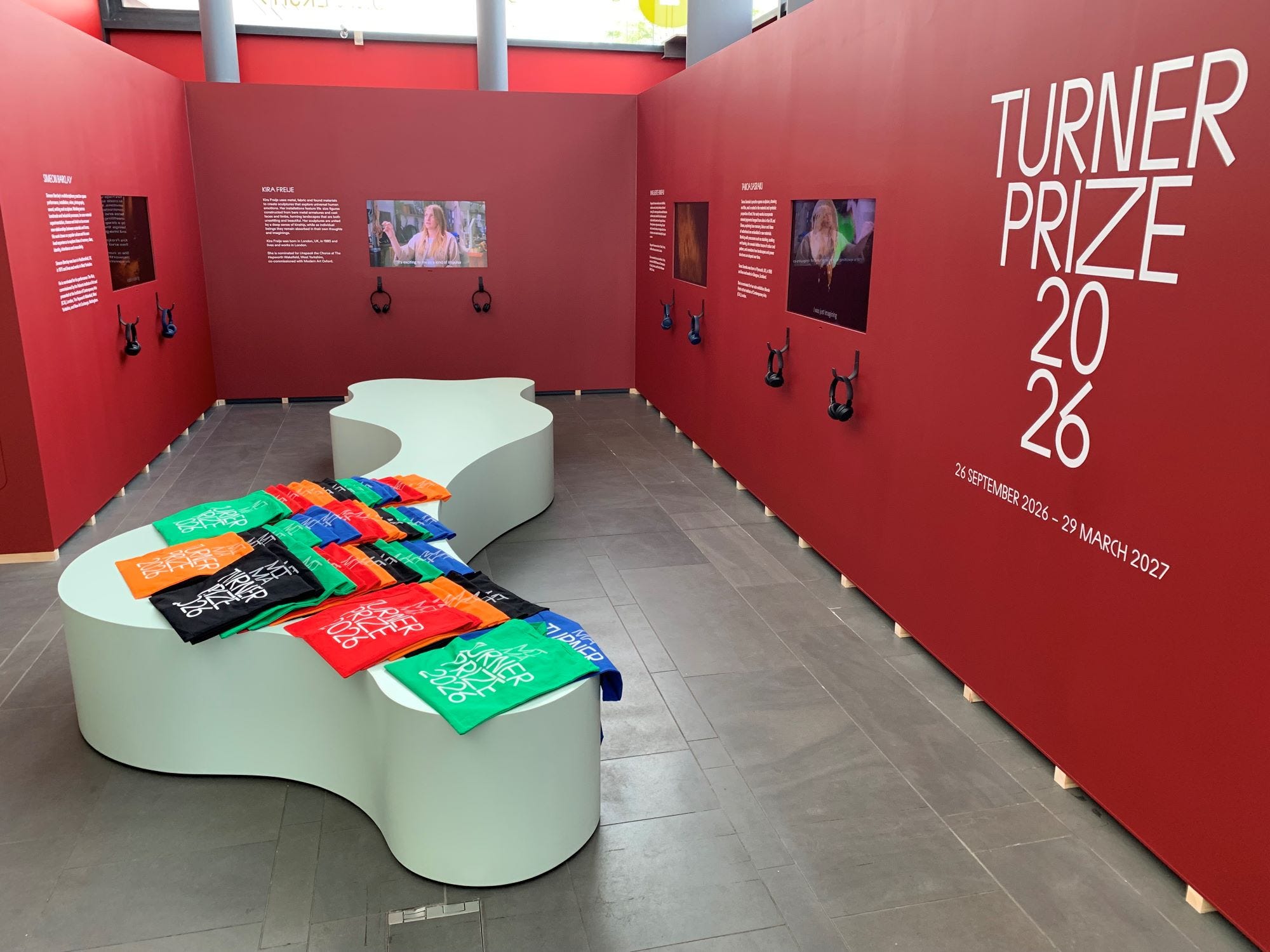
Indisputably a winner already is MIMA, on Thursday garlanded with Turner Prize banners to go with its LOVE BORO window decoration and with Centre Square alive with colourful goings on, courtesy of Middlesbrough Art Week.
If a gallery could wear a welcoming smile, this was it. Even a security man waylaid me to share nostalgic feelings evoked by old photos of Middlesbrough and the town’s steelmaking history that he’d seen at MIMA.
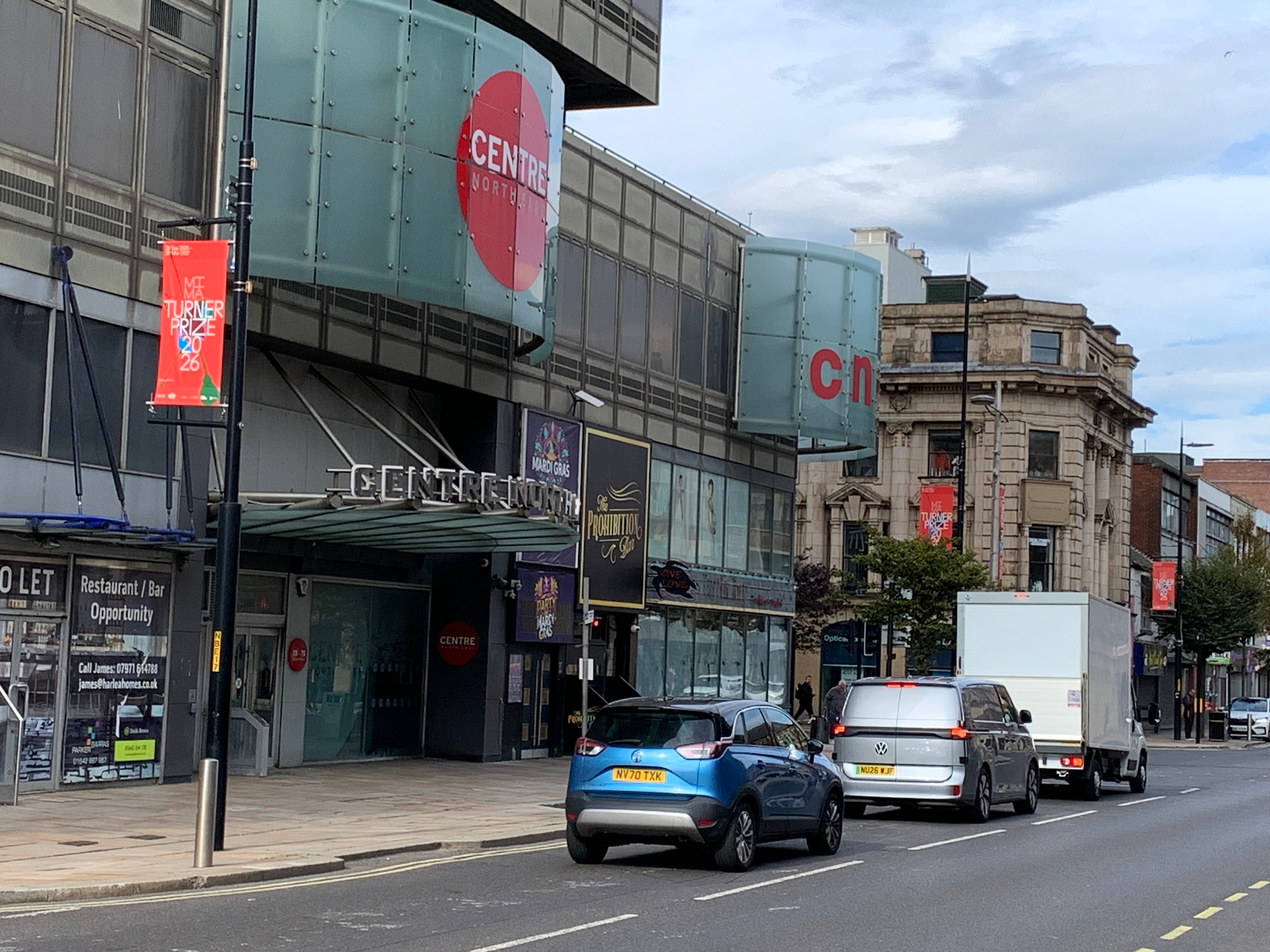
The Turner Prize branding was all over town, too, along with reminders of Art Week attractions, vying for some of the attention as the media descended – this time drawn to a good news story.
MIMA has done Turner Prize 2026 proud, for it is beautifully presented here, with a film introducing each contender free to view in the foyer and a useful list of past shortlists and winners prominently displayed.
In 1991, you’ll see, the prize went to Anish Kapoor whose mighty Temenos sculpture was ‘unveiled’ not far from MIMA in 2010 to help communicate a sense of pride and ambition in the region.
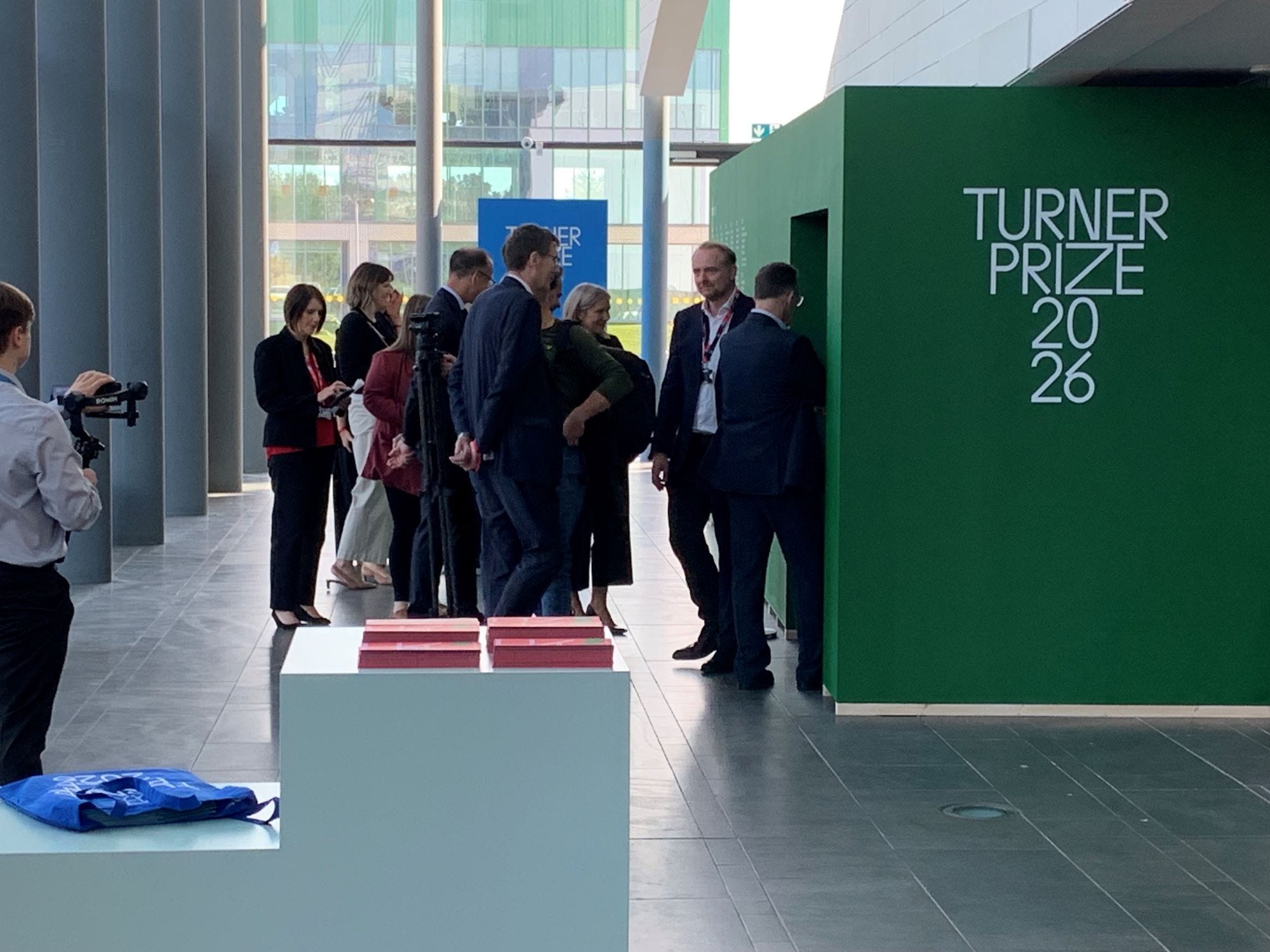
That message is still being communicated loud and clear, as you’ll see if you get to this bustling gallery which turns 20 next year.
It’s a crucible for contemporary art with an international profile but also home to the Middlesbrough art collection and deeply embedded in its local community.
This Turner Prize has a distinctly ‘Love Boro’ flavour. Guests at the VIP launch were to be treated – so I heard – to a comedy routine from Phil Dunning (Dickie in TV comedy Smoggie Queens).
You wouldn’t get that at Tate Britain (Tate being the organising institution, this year having partnered with MIMA).
The aim of the Turner Prize, according to Tate Britain director and jury chair Alex Farquarson, is “to promote public engagement with new developments in contemporary art in Britain”.
In past years, the unveiling of the final exhibitions has triggered controversy and even derision. Traditionally it was when the tabloid press would don the mantle of gallery expert, demanding: “But is it art?”
But the Turner Prize is popular and has endured. And maybe we have grown up with it, becoming more curious and accepting and less susceptible to a media-generated storm in a teacup.
Maybe.
So… to venture into the sanctum, the ground floor suite of galleries where three of this year’s contenders have their work displayed.
Slippers were handed out as we entered Marguerite Humeau’s exhibition with its snow white floor (she doesn’t want it kept that way, I was told. When the public gets in, she wants to track how people have navigated the rooms).
Humeau (born in France, based in London) turns to zoology, anthropology and science to create “dynamic, speculative worlds that resuscitate prehistoric pasts, animate lost voices and summon parallel presents and imagined futures”.
Dominating Humeau’s first room is Echo, a huge white elephant (the tabloids would have had their headline right there) sunk sadly to its knees with trunk extended.
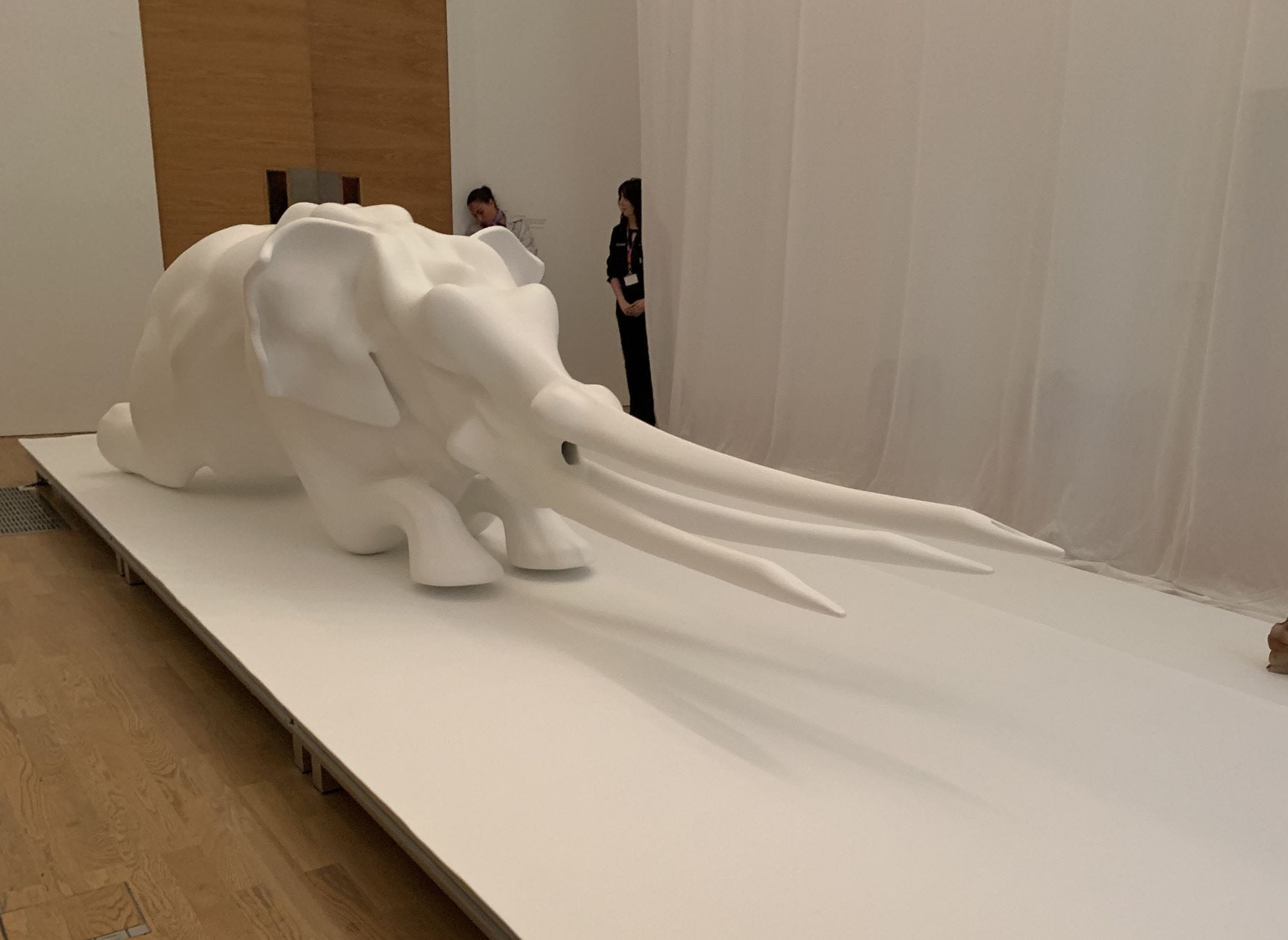
It’s a dying she elephant, although her death, according to the artist, “doesn’t feel like an ending. It becomes the condition for another world to emerge”. Humeau embraces change, “drawn to moments of transition because of their instability”.
Echo could easily occupy the empty Trafalgar Square plinth. You stumble over her a bit here but then you’ll probably jump when she emits one of her foghorn cries of despair.
In Humeau’s second room an extraordinary assemblage of platter-shaped creations reminded me of the fungal growth in the bathroom of unsavoury digs I once occupied as a student.
Similarly organic in appearance, the title The Holder of Wasp Venom is hardly reassuring. The label informs us it was made from beeswax, microcrystalline wax, pigments, 150-year-old walnut, handblown glass and wasp venom.
What would JMW Turner have made of that, or indeed many of the materials deployed in these four exhibitions in homage to his name?
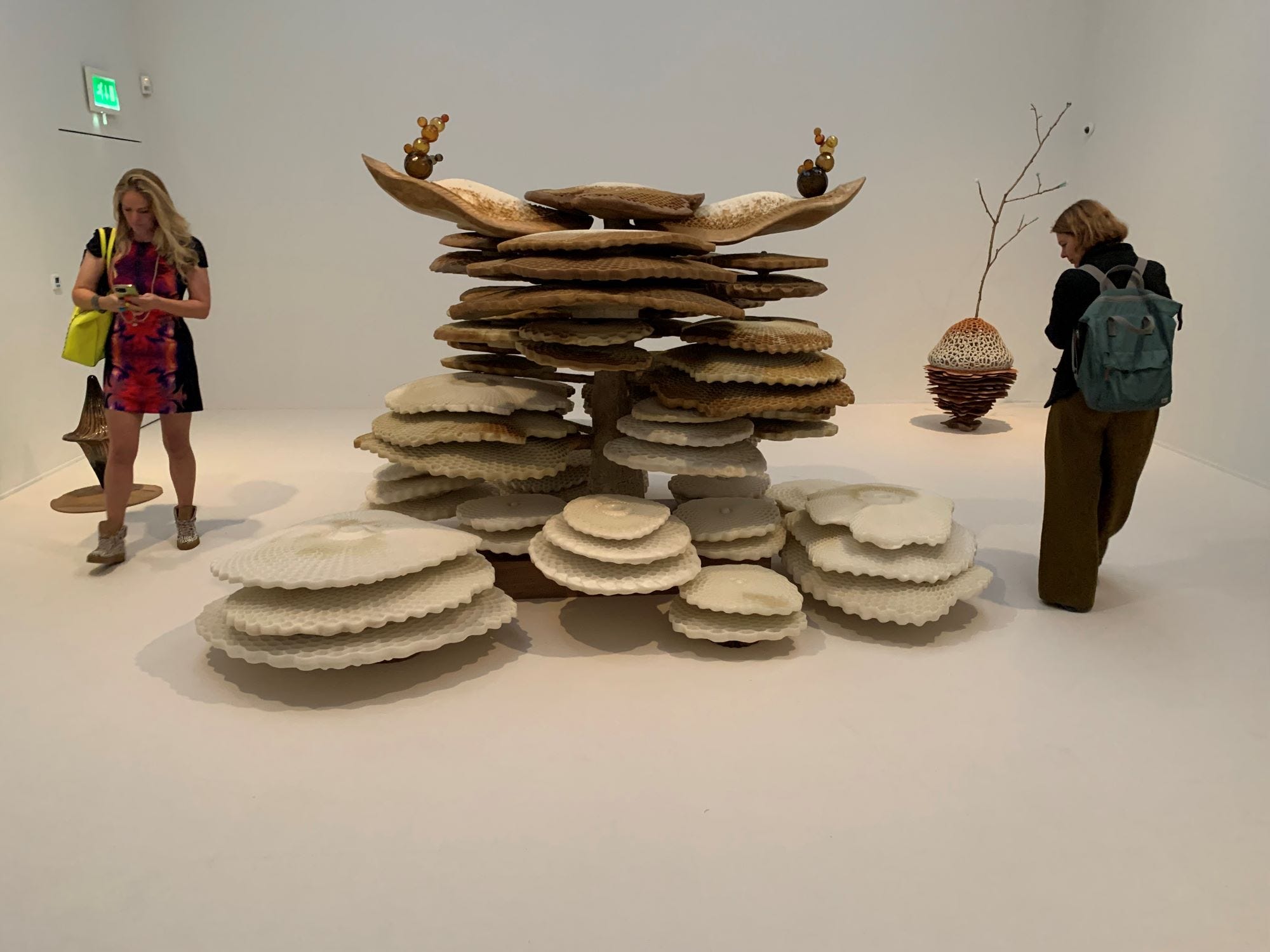
Humeau believes myths come not just from storybooks but from biology and the rituals once enacted to keep them alive. “My works are worlds that you enter,” she says, “and you are always invited to become part of them.”
I had to decline. Another world beckoned.
Passing through the door into Tanoa Sasraku’s exhibition, I was struck immediately by an oily, rubbery smell – perhaps emanating from the black matting on the floor - and an impression of order and control.
Nothing obviously organic here. It’s all straight lines and overriding black and gold. Black gold?
Sasraku (born in Plymouth, based in Glasgow) is interested in materials and where they come from, and in human power structures and the corporate world.
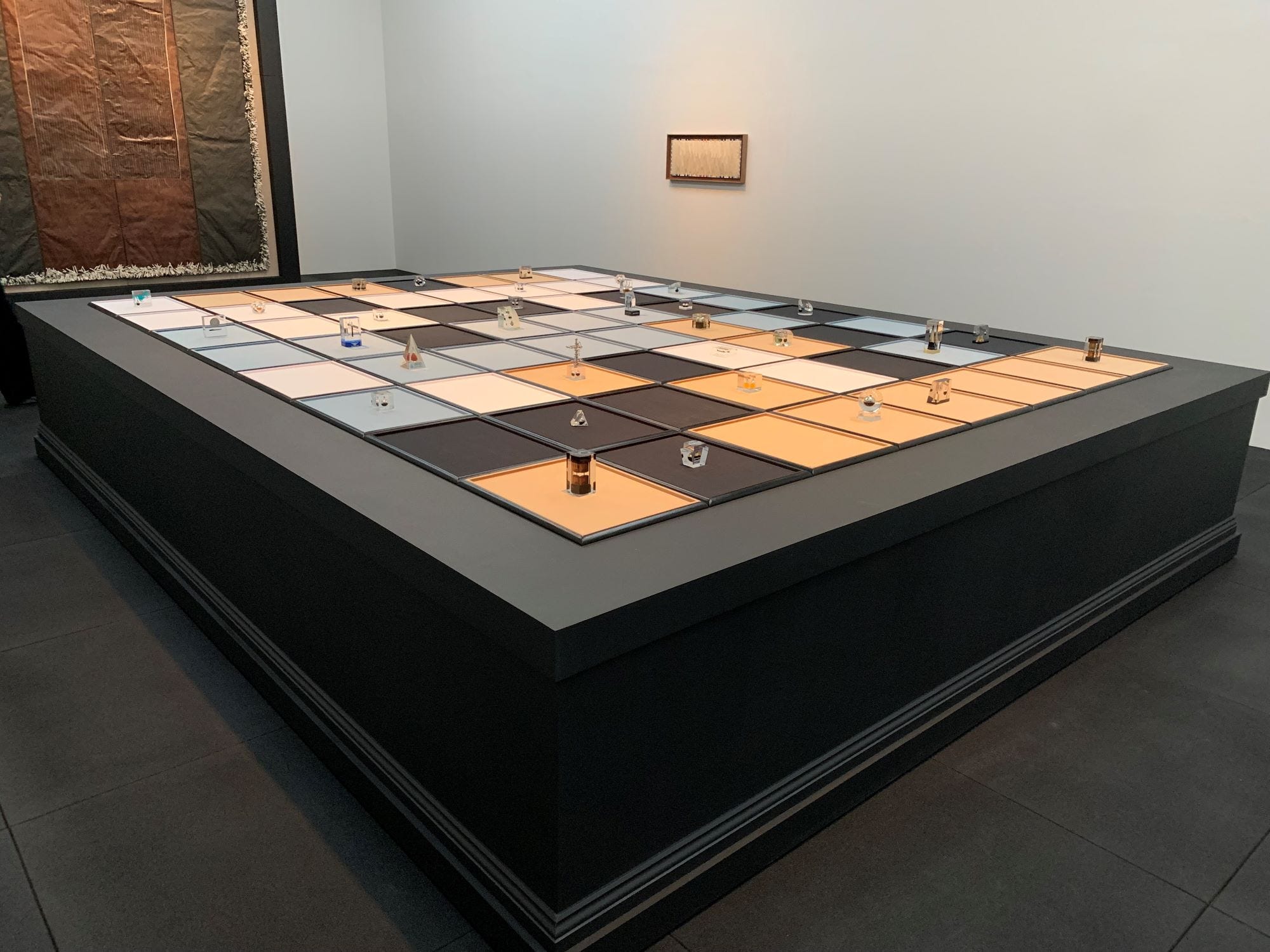
There’s a Trumpian aura here. A mighty table occupies much of the floor space, its surface chequered like a chess board and with pieces that are in fact oil company paperweights, hard plastic and containing crude oil. This is Watchlist.
A large and shimmering wall-mounted piece is called Mascot and the list of materials it incorporates is long. But it’s said to represent the artist’s interest in the part materials play in the world order.
The effect is ominous, undiminished by other wall-mounted pieces with titles like War on Terror and Desert Shield.
Simeon Barclay (born and based in West Yorkshire), who has turned a performance called The Ruin into an installation under the same name, changes the mood again – although it’s hardly more soothing.
You walk around a black box topped by scaffolding, the way lit by the sort of red lights you see on roadworks or building sites. Eventually it leads to a viewing gallery where the artist’s old family photos are projected onto a screen while he delivers a powerful, spoken word performance via the soundtrack.
There are, incongruously, balloons on the ceiling above and there’s a green neon sign saying JOHNNYS – in memory, we’re told, of a Huddersfield nightclub which is now flats.
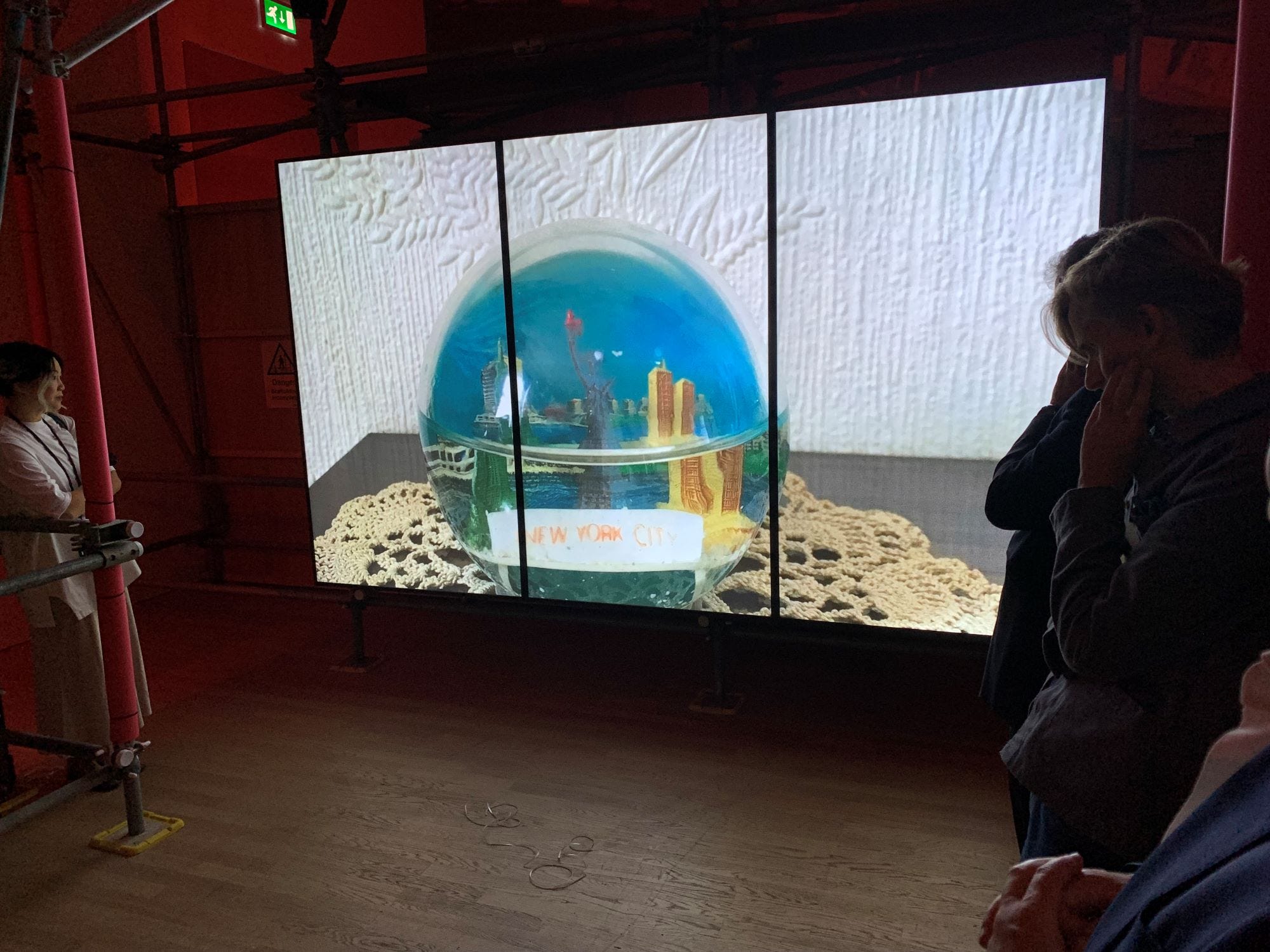
Barclay blends visual memories of his upbringing with references to the M62 motorway which was an ever-present feature.
“I want the installation,” he told an interviewer, “to evoke a ruin, this complex structure that is unresolved, constantly collapsing and reforming itself in transformation.”
You have to go upstairs to see work by the fourth contender, Kira Freije (born and based in London), and you can see immediately why she needed a big space, made to look even bigger by the reflective walls.
Here is Unspeak the Chorus which is like the set of a strange, possibly dystopian film.
The artist works closely with a lighting designer, Matt Daw, to create a special atmosphere. “Within the installation there is a faint water vapour haze that forms a gentle mist, giving the light a structure to hit and cling to,” she said.
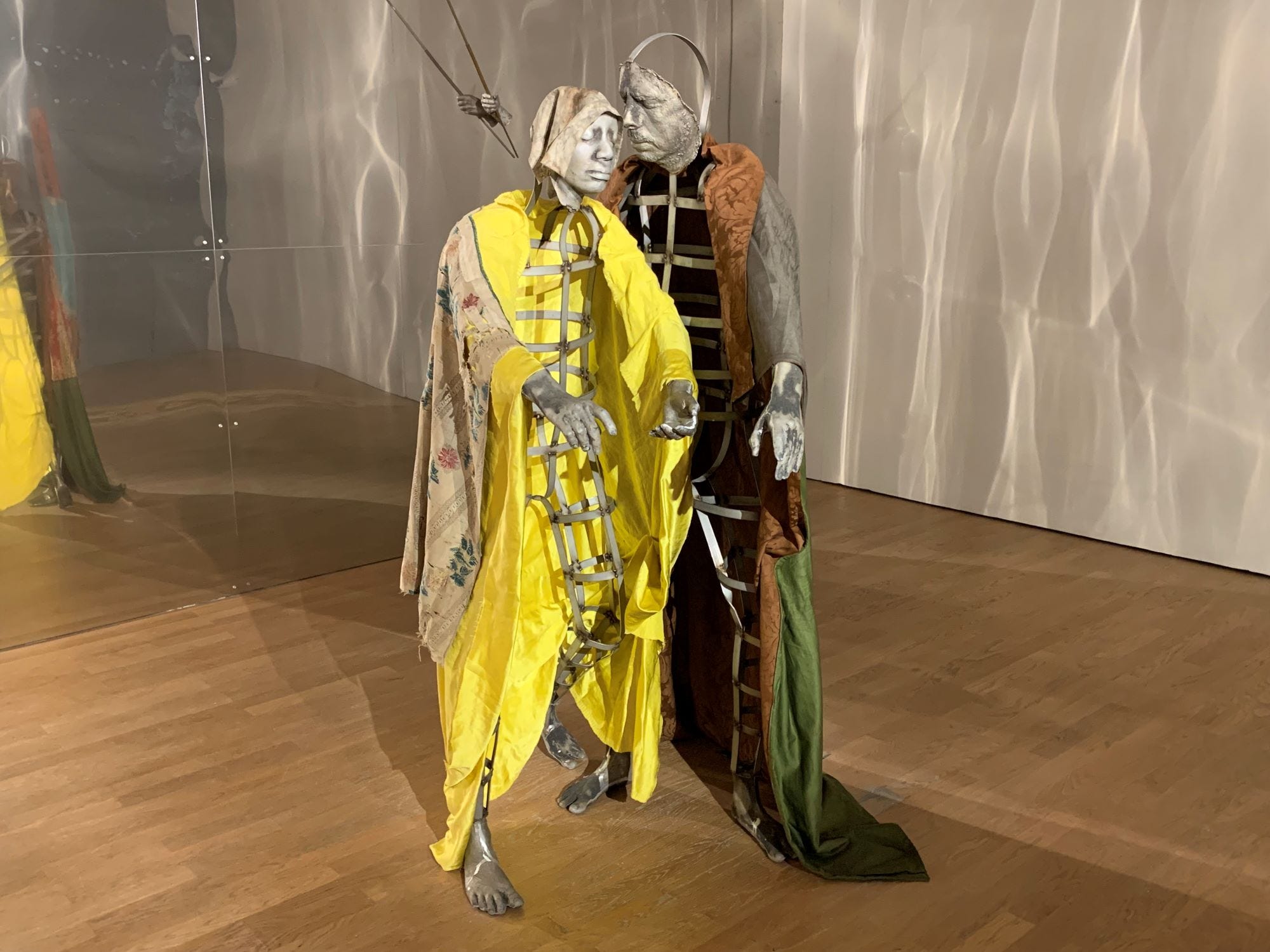
Is this what an AI takeover of humanity might look like?
I don’t know. The figures, alone or in groups, are constructed from a body-shaped stainless steel frame and have aluminium castings of body parts – hands, feet, faces – attached.
They look like people but clearly they’re not.
Scattered about are what look like buckets of water and there are some animal-like sculptures with which the humanoid figures interact. It’s strange and affecting. Could give you nightmares, I suppose, but it’ll be popular, I think.
And that’s it. There’s a lot to take in. None of these artists appears to have stinted in their efforts to impress and there’s something to like about all the exhibitions and lots of food for thought.
The winner will be announced on December 10 and the exhibitions run until March 29, 2027.
Before catching the train, I took in one of the Middlesbrough Art Week exhibitions where another intense competition was heating up.
Could the attendants at 15 Queen’s Square garner the most public feedback forms and snatch the title from the customary winner? It was being hotly debated. You won’t have to wait until December to get the result of that.
The rooms in this big empty building are currently dedicated to Lineage: Painting from the Tees Valley and it’s a vivid reminder that you don’t have be a Turner Prize contender to have something interesting to say.
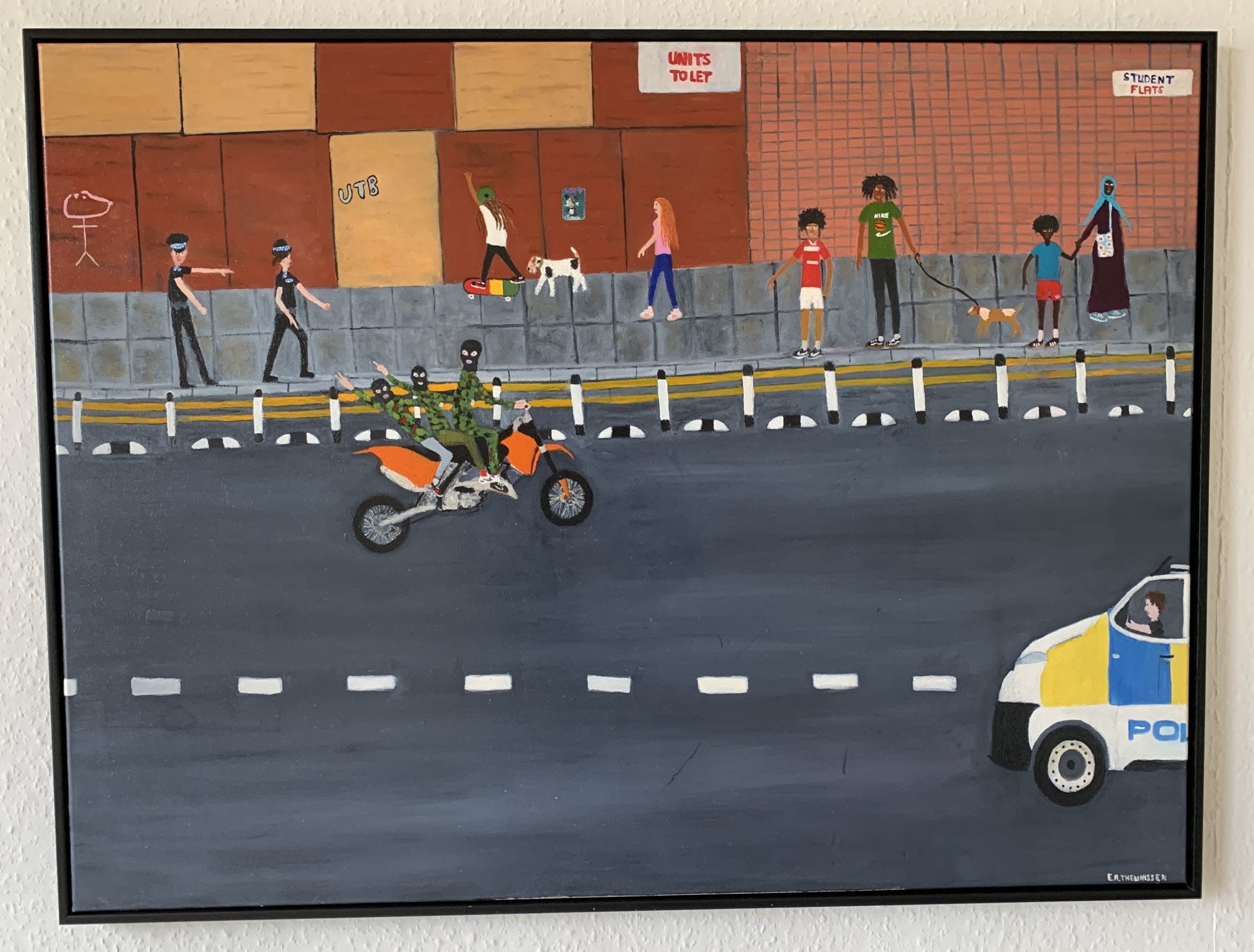
Errol Theunissen’s painting Police! Where? depicts Middlesbrough’s well-documented problems in such a jaunty way that it makes you smile.
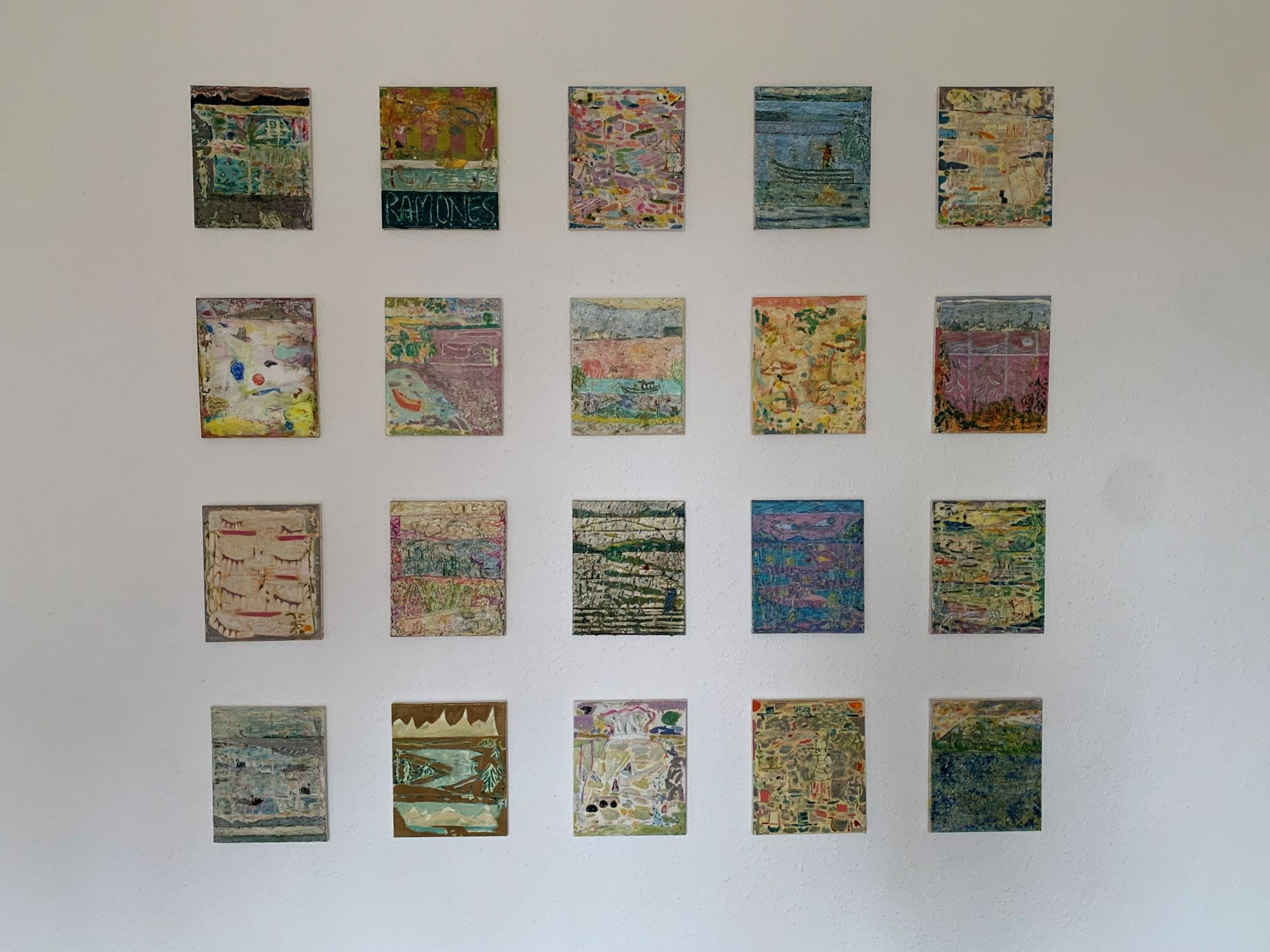
Gordon Dalton’s series Postcards from the Dead reflects the changing landscapes of the North East coast while Erin Dickson’s startling sculpture, PISSED, showing a girl relieving herself, references a painting by Rembrandt.
There are films, too, by Kate Stobbart (Hand Gesture Film, inspired by the gestures people make when conversing) and Charlie Murphy (K. Kiss, which recalls the artist’s ‘kiss casting’ sessions from 1999 to 2010.
Middlesbrough Art Week runs until October 3 and it’s all over the place.