

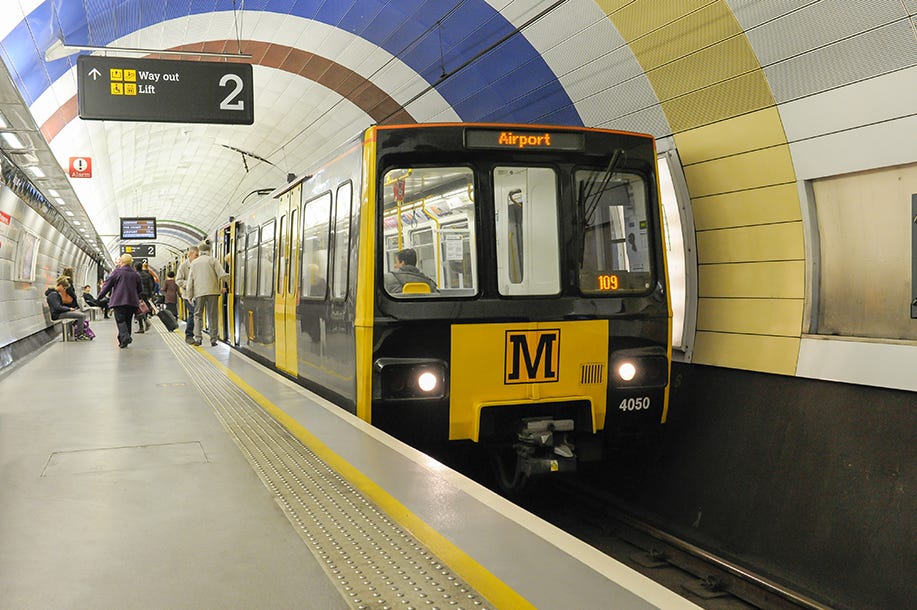
As Tyne and Wear Metro’s old trains enter their final weeks in service, two have been saved from the breaker’s yard as heritage exhibits which will illustrate their part in the region’s railway history.
Metro’s original Class 599 trains have carried 1.7 billion customer journeys since entering service in August 1980 (when a ticket was just eight pence) and have clocked up half a billion kilometres.
Only a handful of the old trains remain in service and their last official week of service will begin on Monday June 22, with an old train operating on both the Yellow and Green Metro lines from 9.30am to 5.30pm all week, until the early evening of Friday June 26.
This marks the last guaranteed week to travel on one of the Class 599 trains.
Of the two “heritage” trains, one has been gifted to the Stephenson Railway Museum in North Tyneside and talks are being held with another North East museum as a home for the other.
Another was donated to Tyne and Wear Fire and Rescue Service to support firefighter training.
The rest are being sent to a specialist breakers yard in County Durham where they will be recycled.
The train donated to the North Tyneside museum – in the original yellow and white Metro colour scheme – was the first prototype Metro carriage delivered to the Metro test track in 1975, five years ahead of the system opening in August 1980.
And the move is a homecoming for the old train, with the museum site at Middle Engine Lane in North Shields the former site of the Metro test track.
This is where the first two prototypes were tested before entering service on the system.
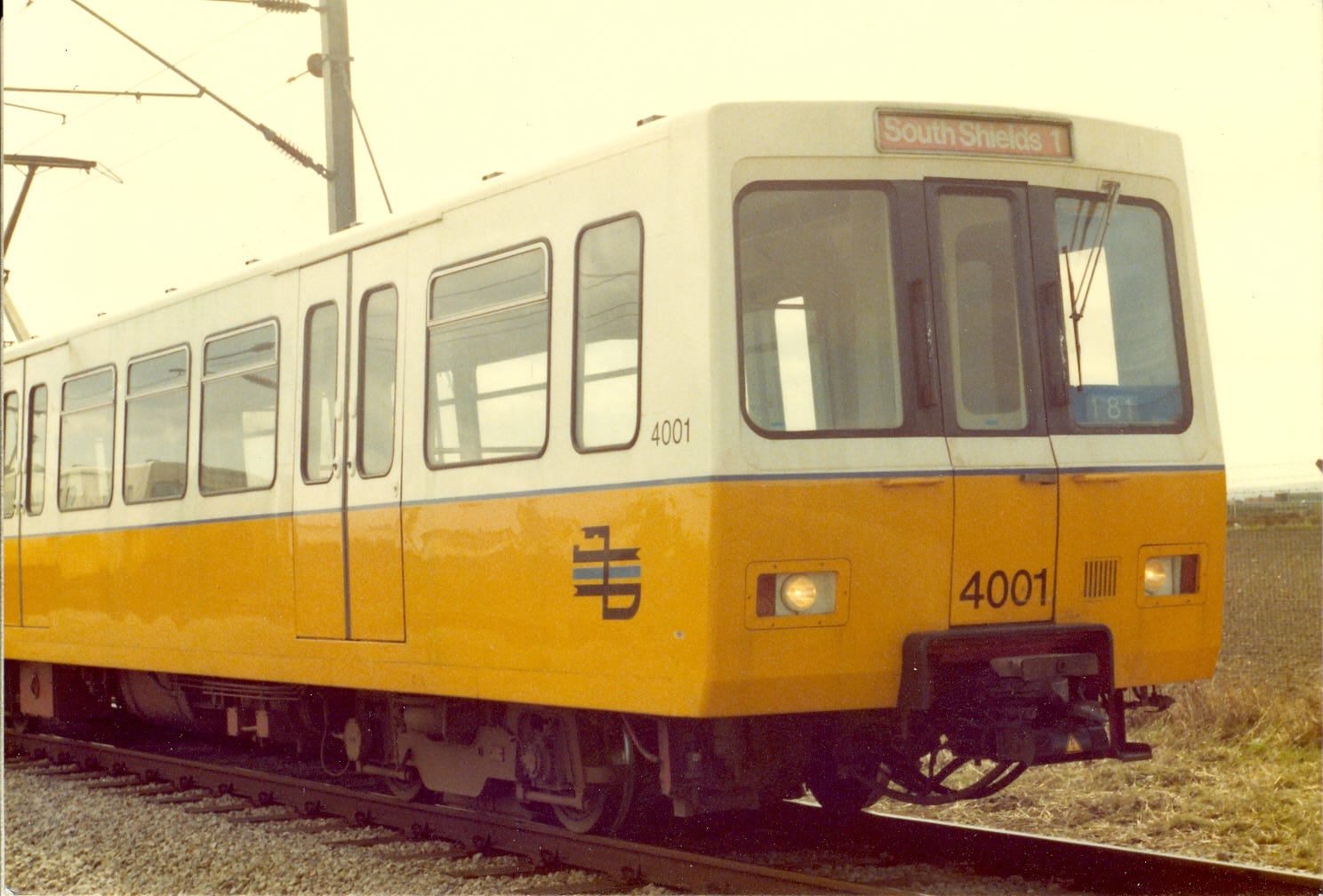
Cathy Massarella, managing director of Nexus, said: “I’m delighted that the first ever Metro train, carriage 4001, has been preserved and will be exhibited at the Stephenson Steam Railway.
“This was our first ever Metro prototype. It has given us 50 years of service on our system, first at the test track, and then in service for customers, so it’s only right that it’s being retained for heritage purposes.
“We rightly celebrate the service of these trains, which do have a heritage value that is being recognised.”
The Stephenson site is part of North East Museums, whose director Keith Merrin said: “The Metro has played such an important role in everyday life for so many people and this first prototype train is a significant part of that story.
“Displaying it at the Stephenson Steam Railway means visitors will be able to connect with this piece of North East transport history on the very site where it all began.”
Stephenson Steam Railway is supported by volunteers from the North Tyneside Steam Railway Association who play a key role in maintaining and operating the heritage railway.
Cathy adde: “The old Metro trains have given us sterling service over the last 46 years, but we’re now getting ready to say that historic farewell.
“These trains helped to change the face of public transport in our region in 1980, and over the four decades that followed. They have served us well, surpassing their expected life expectancy. They’ve now come to the end of the line. And they are making way for the new generation of trains.
“The coming weeks will be the final time that customers will get the chance to travel on the old carriages on our system. We’ve developed a special timetable for the 599s to run in service throughout the week to ensure those that want one last journey can do so.
“It’s undoubtedly the case that these Class 599 Metrocars are assured of their place in North East England’s railway heritage. When the last train leaves it’ll be a poignant moment in the history of our Metro system.”
North East Mayor Kim McGuinness said: “This is a really significant milestone for our region, one that I’ve no doubt will generate a lot of nostalgia and fond memories for many. It’s great that people will have one last chance to travel on them before they go.
“It’s the end of an era for Metro, but it’s time we look ahead. I want a better, cheaper, and more reliable transport network - one that works for everyone and makes it easier for local people to get to work, to school and out to socialise. That’s why we’ll continue to improve our Metro network, with an extension to Washington, a new signalling system and improvements to even more stations.”
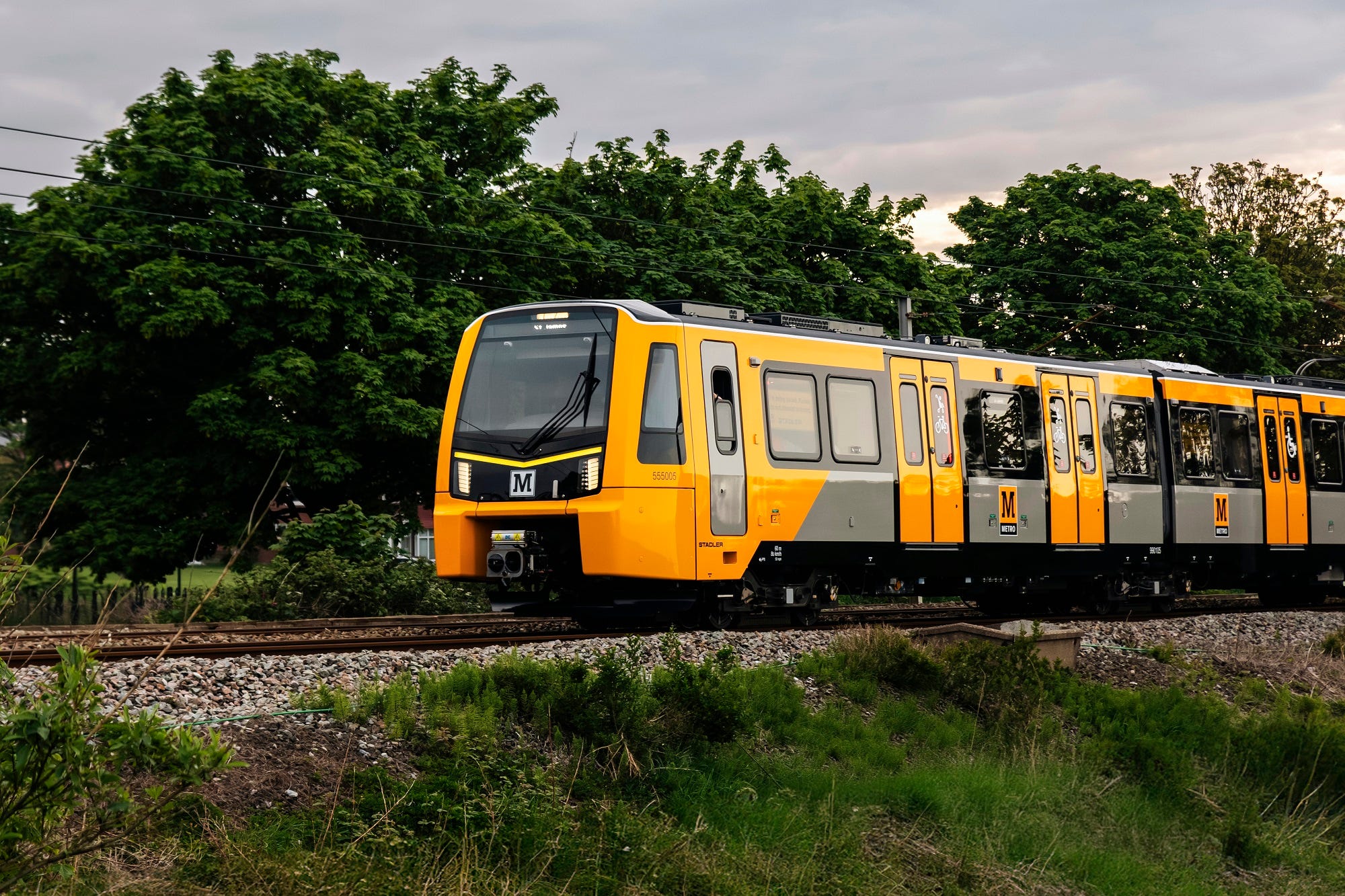
The old Metro trains are being replaced by the new £362m Stadler fleet from the Swiss manufacturer – it’s the biggest and most complex project in Metro’s history.