


“London might have the Bayeux Tapestry but we have treasures that are 100% worth seeing,” said Vicky Sturrs, director of programmes and collections at the Bowes Museum.
“And”, she added pointedly, “you can take photos.”
The famous embroidered account of the Norman Conquest is in temporary residence at the British Museum, having travelled from France in a delicate operation that had curators on tenterhooks.
The treasures referred to by Vicky might not be as old as the tapestry but they, too, are historically important and crossed the Channel in a significant gesture of entente cordiale – many for the first time.
The new Bowes exhibition, Impressions of Light, has been two-and-a-half years in the making.
It is the result of an unprecedented partnership between the museum in Barnard Castle and the gallery in the port city of Le Havre popularly known as MuMa.
Its full name, evidently a bit of a mouthful even for the French, is the Musée d’art modern André Malraux.
The exhibition traces the development of landscape painting through the 19th and into the 20th Century, the period embracing Impressionism, and it includes paintings by Monet, Pissarro, Boudin, Courbet and other star names of the art world.
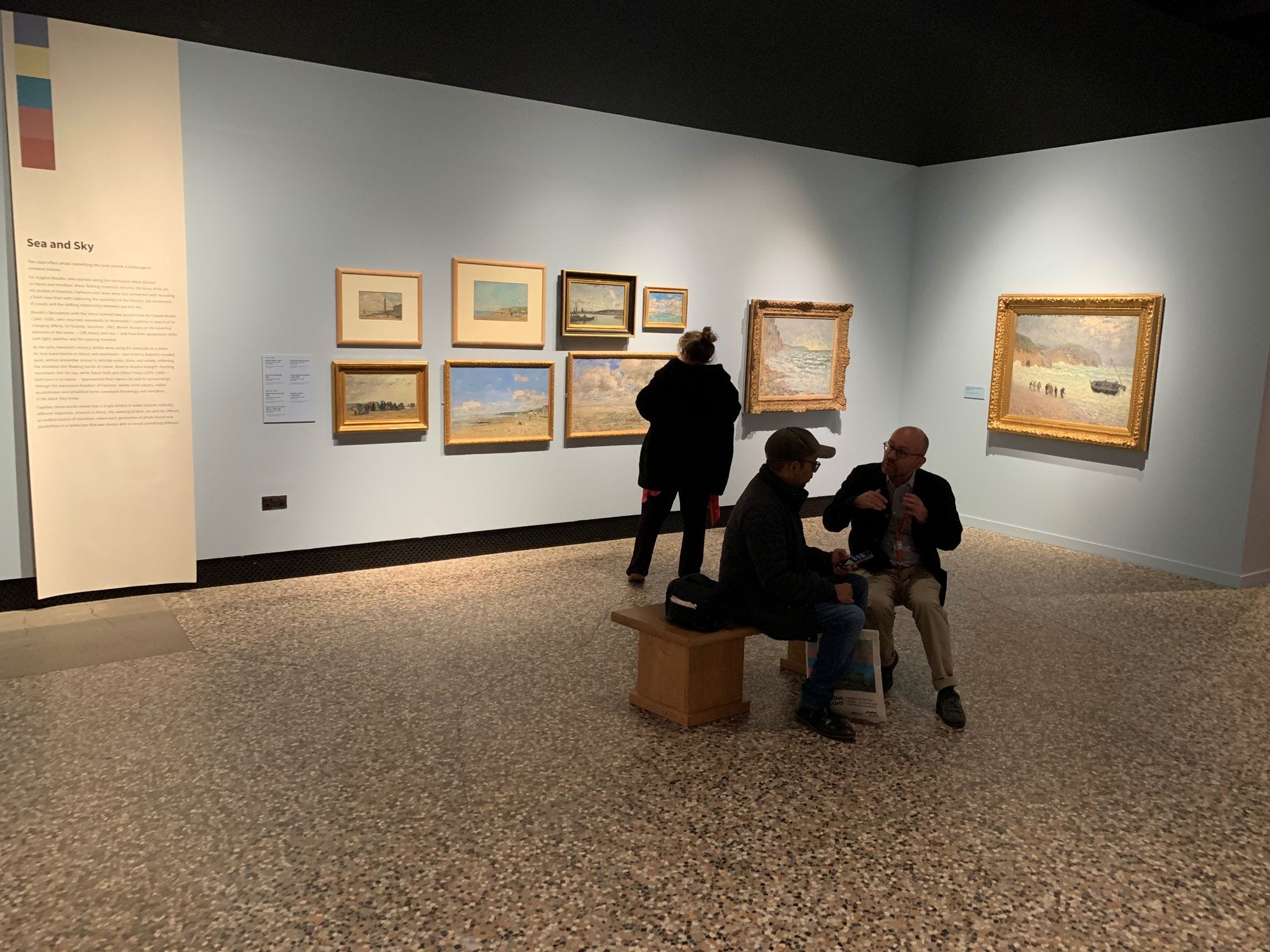
MuMa assistant curator Michaël Debris, having listened to Vicky’s introduction at the media preview, said his gallery did sometimes lend paintings, but usually one or two at a time – not the 41 you’ll see here, displayed with 20 from the Bowes collection.
“I think all curators in the world feel concerned when lending objects which are old and fragile,” he said diplomatically.
“Some of our paintings can’t travel at all.”
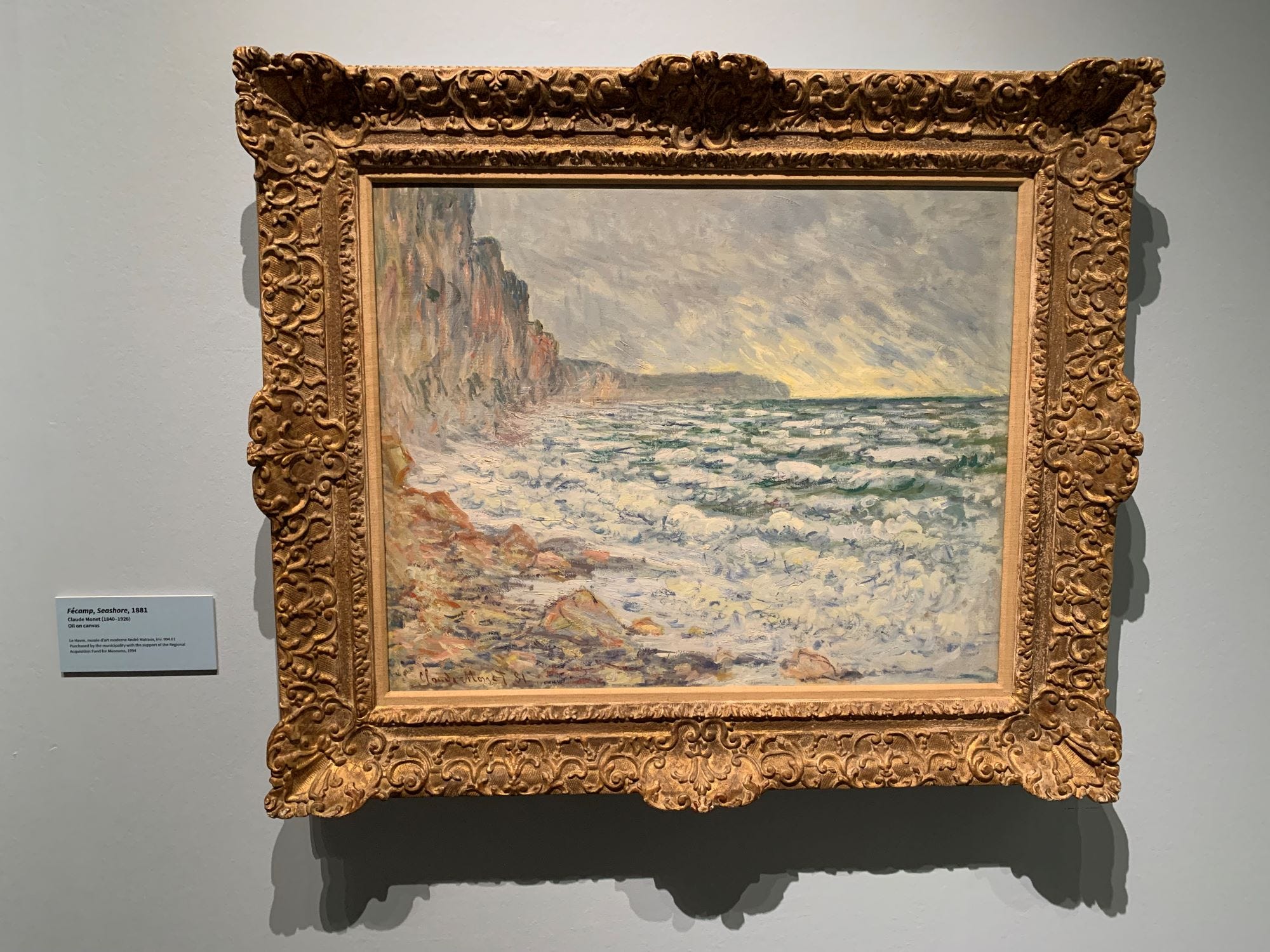
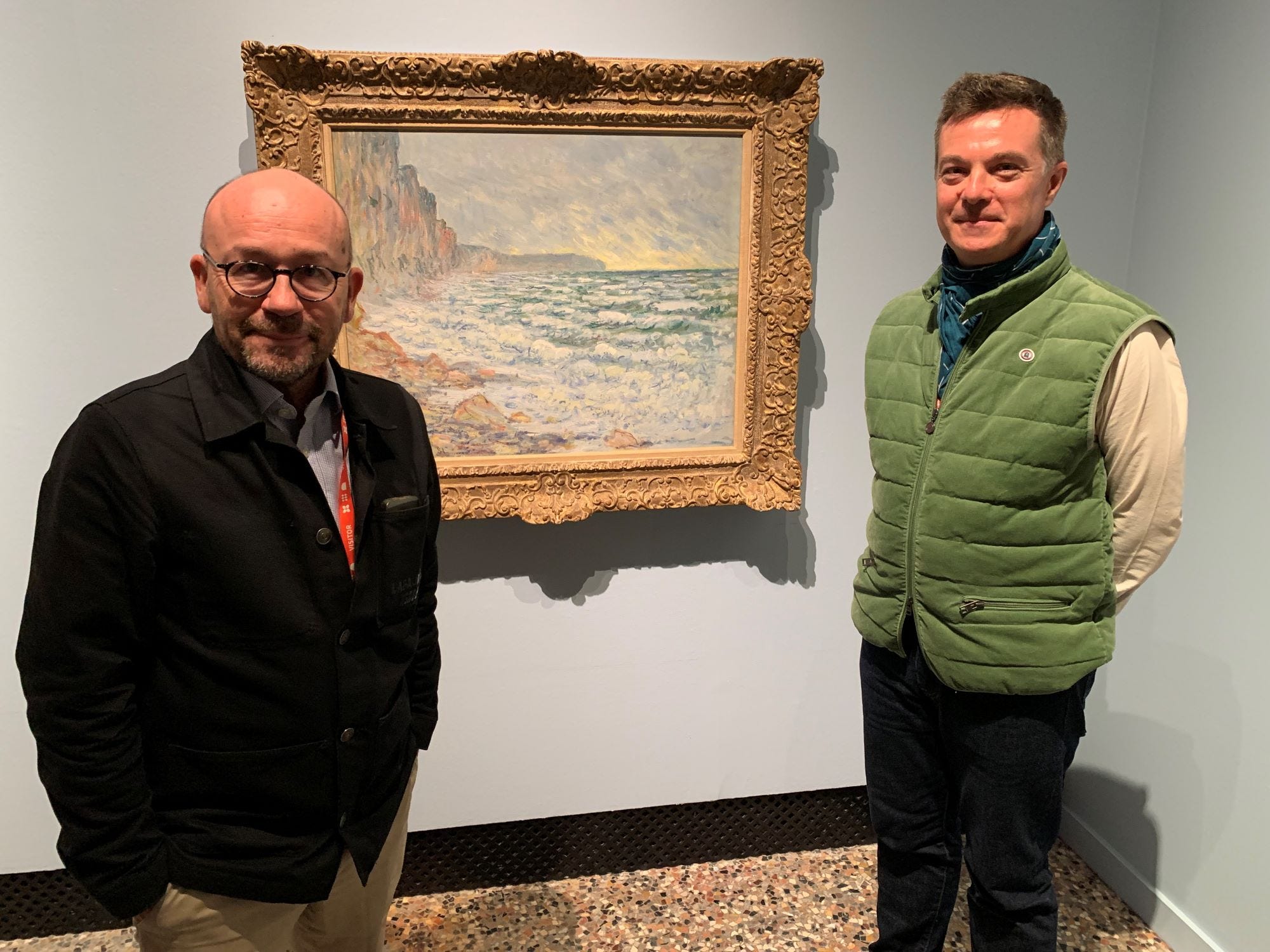
He appeared to swallow hard when asked about the likely auction value of the Monet painting in the show, a dramatic and robustly framed seascape called Fécamp, bord de mer (seaside).
Claude Monet, who grew up in Le Havre and was one of the founders of Impressionism, painted it in 1881, just seven years after the controversial First Impressionist Exhibition in Paris.
Alexandre Colliex, a director of Manifesto Expo, the Paris-based exhibition organiser which helped to bring MuMa and the Bowes together, chipped in to say MuMa owned six Monets.
“Three were given by Monet himself in 1910. The museum at the time wanted to build a collection of modern art but his paintings were already very expensive so he decided to give them three from his last series.”
One of those is from his famous Waterlilies series while another shows the Houses of Parliament swathed in London fog.
The painting at the Bowes, however, was acquired by the City of Le Havre in 1994.
None was for sale, Michaël said quickly and emphatically. MuMa, even if it wanted to do, which it didn’t, couldn’t sell any paintings, being their legally bound custodian.
But neither could it afford to pay the likely market price should another Monet become available.
Speculating over price tags is really the last thing to be doing when considering Impressions of Light. Far more interesting is the connection it makes between Le Havre and its artists and a market town in County Durham.
While it might seem unlikely at first glance, all parties agreed MuMa and the Bowes were perfect bedfellows.
“It brings two collections back together to a certain extent,” said Vicky.
That several of the artists are represented in both can be attributed to Bowes Museum founders John and Joséphine Bowes and their passion for collecting and for France.
She was French, a Paris clockmaker’s daughter who became an actress and talented landscape painter. He had wealth generated by the coal mines he owned.
They met in France, married and became a force to be reckoned with, buying pictures and furniture and all manner of decorative objects with a view to one day putting it on public display.
Vicky said they would have known Le Havre well, shipping many County Durham-bound purchases from the port and becoming acquainted with its lively art scene.
Meanwhile, pointed out Michaël Debris, coal from the North East entered France through the port.
One particular painting has shades of a Norman Cornish pit scene (a Cornish exhibition is also on at the Bowes).
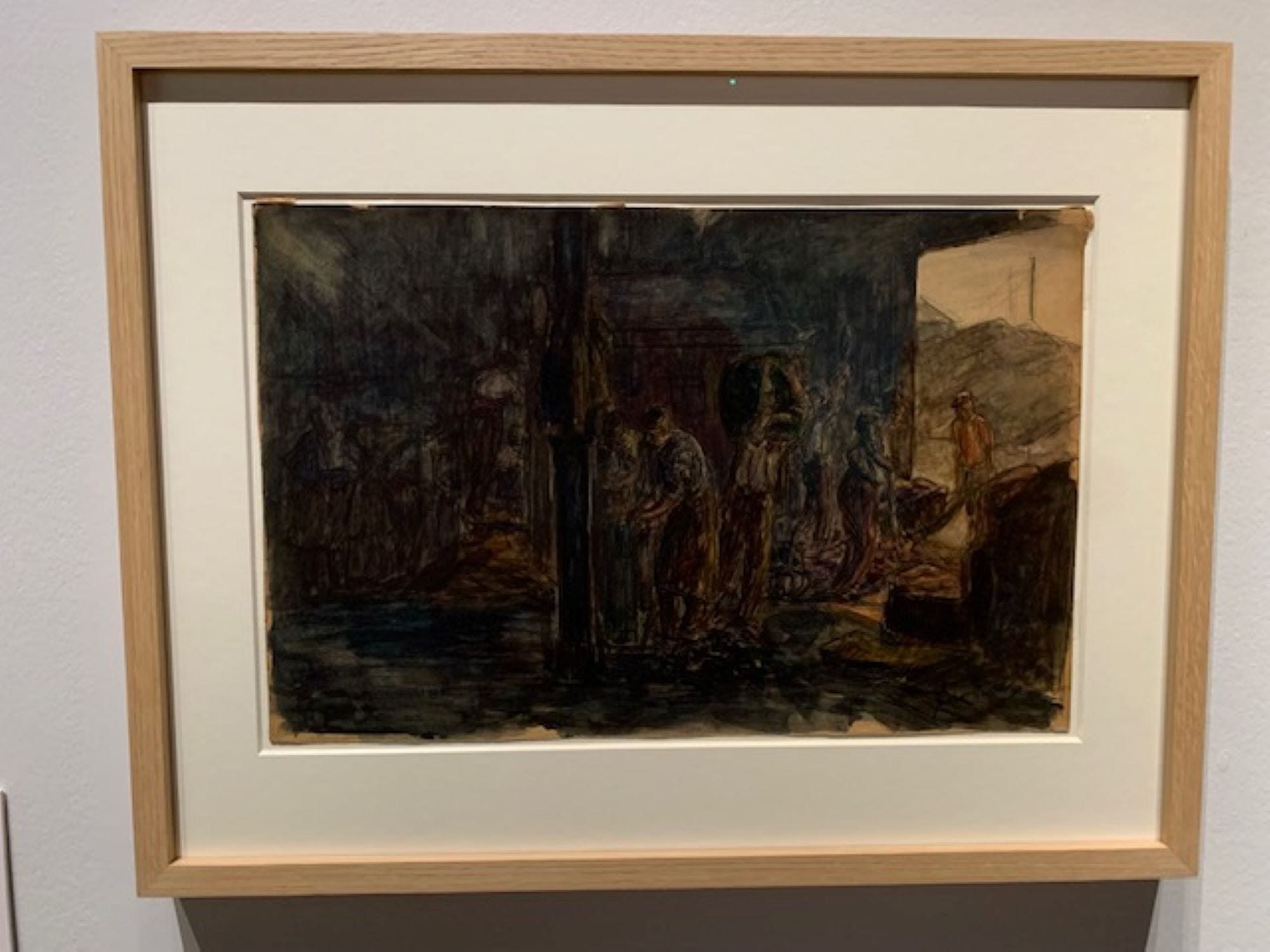
Gaston Prunier, born in Le Havre in 1863, specialised in painting the factories and docks, and his muted Sorting Coal in the Sheds, of 1899, makes a tangible link between the two places.
So does another – the first picture you’ll see on entering the gallery, positioned to make a point.
This is a small oil painting titled Le Havre Town Hall, painted in 1940 by Georges Binet (born: le Havre, 1865) and if it looks familiar, that’s not a coincidence, according to Vicky Sturrs.
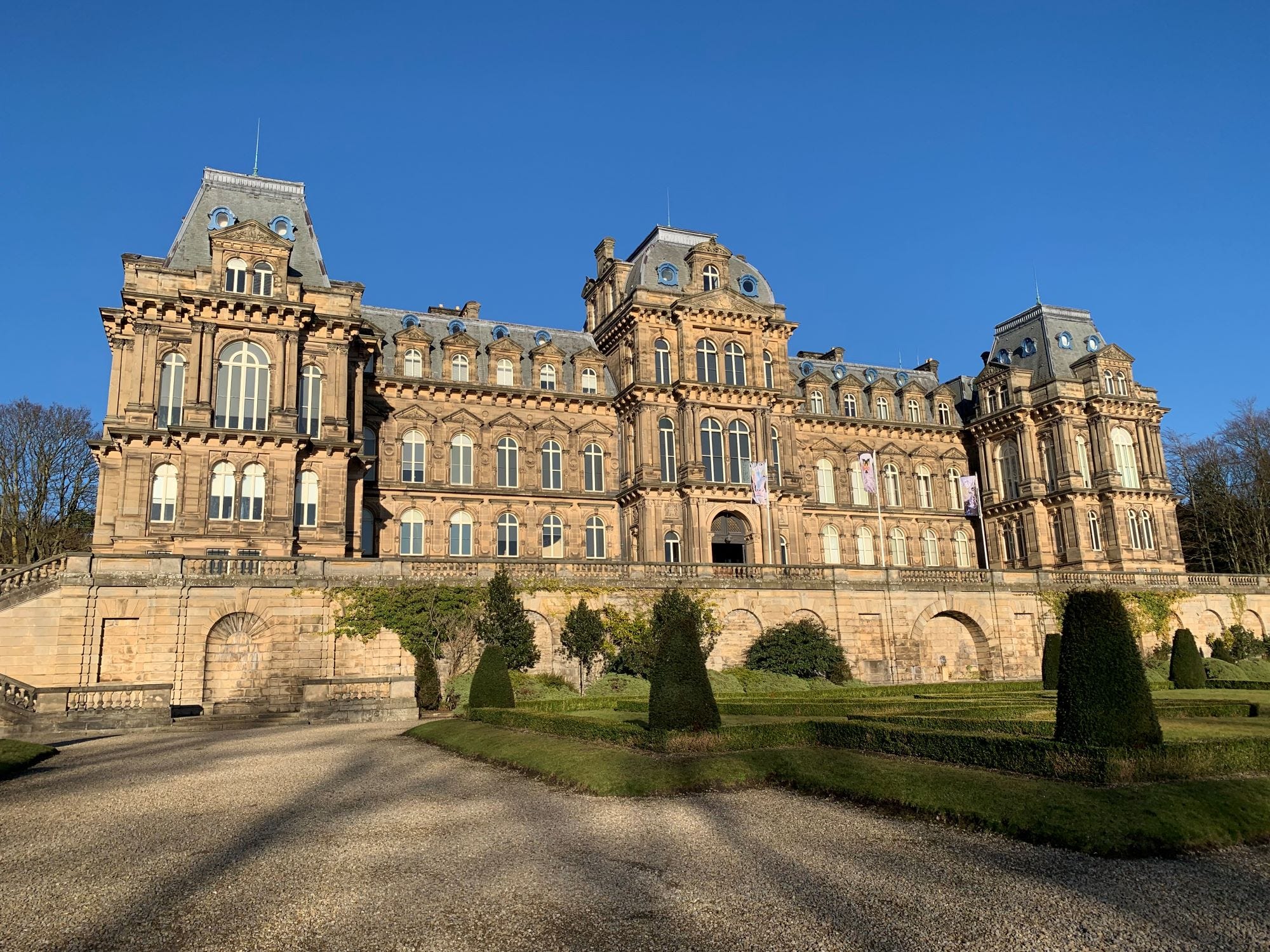
“This building directly inspired the Bowes Museum,” she said with certainty.
“It looks like the Bowes but it’s the old town hall in Le Havre, the ‘little Louvre’, and Joséphine and John would have known it well.
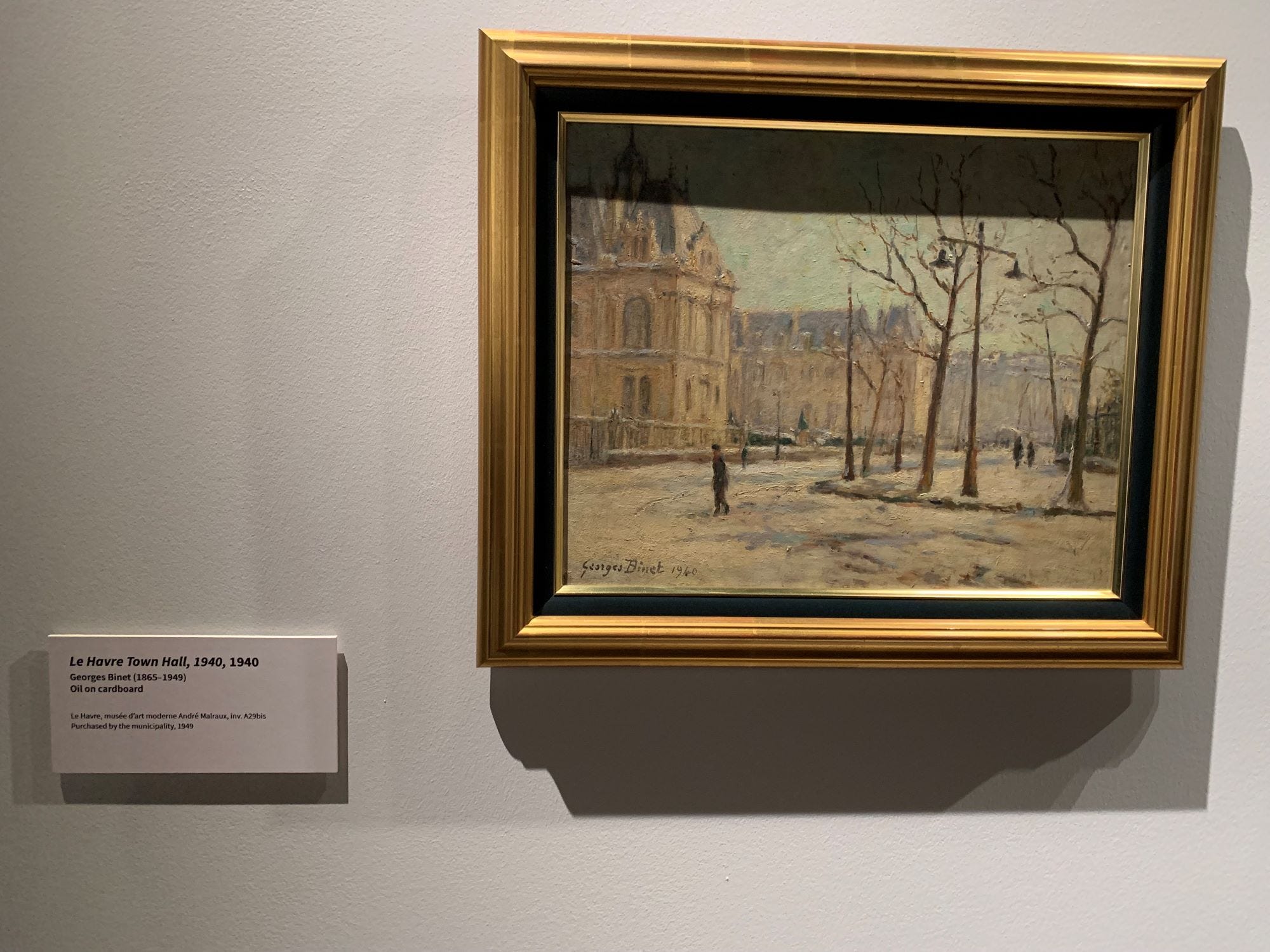
“It means there isn’t just a metaphorical connection between our two places. We are literally connected through bricks and mortar and I think that’s a really important grounding for this show.
“It also introduces the first section which is about our shared histories, showing industry, the port and the civic buildings that inspired Joséphine and John.”
Michaël Debris admitted it had been “quite astonishing” to see the chateau-like building which confronted them on arriving in Barnard Castle.
Here was another ‘little Louvre’, a purpose-built museum designed by a French architect, Jules Pellechet, to mimic the old building in Le Havre.
Search on Google for Le Havre Town Hall, however, and you might be disappointed to find a 1950s concrete structure. The old building didn’t survive long after Georges Binet committed it to canvas, being bombed flat during the Allied invasion of 1944.
The Bowes exhibition is divided into five sections. After Shared Histories come Working Landscapes, Heath and Stone, Sea and Sky, and finally Settled Landscapes.
Each features an array of beautiful paintings which Vicky hopes will show how the natural landscape went from being artistic backdrop to subject in its own right – before then taking some artists off on flights of fancy into abstraction.
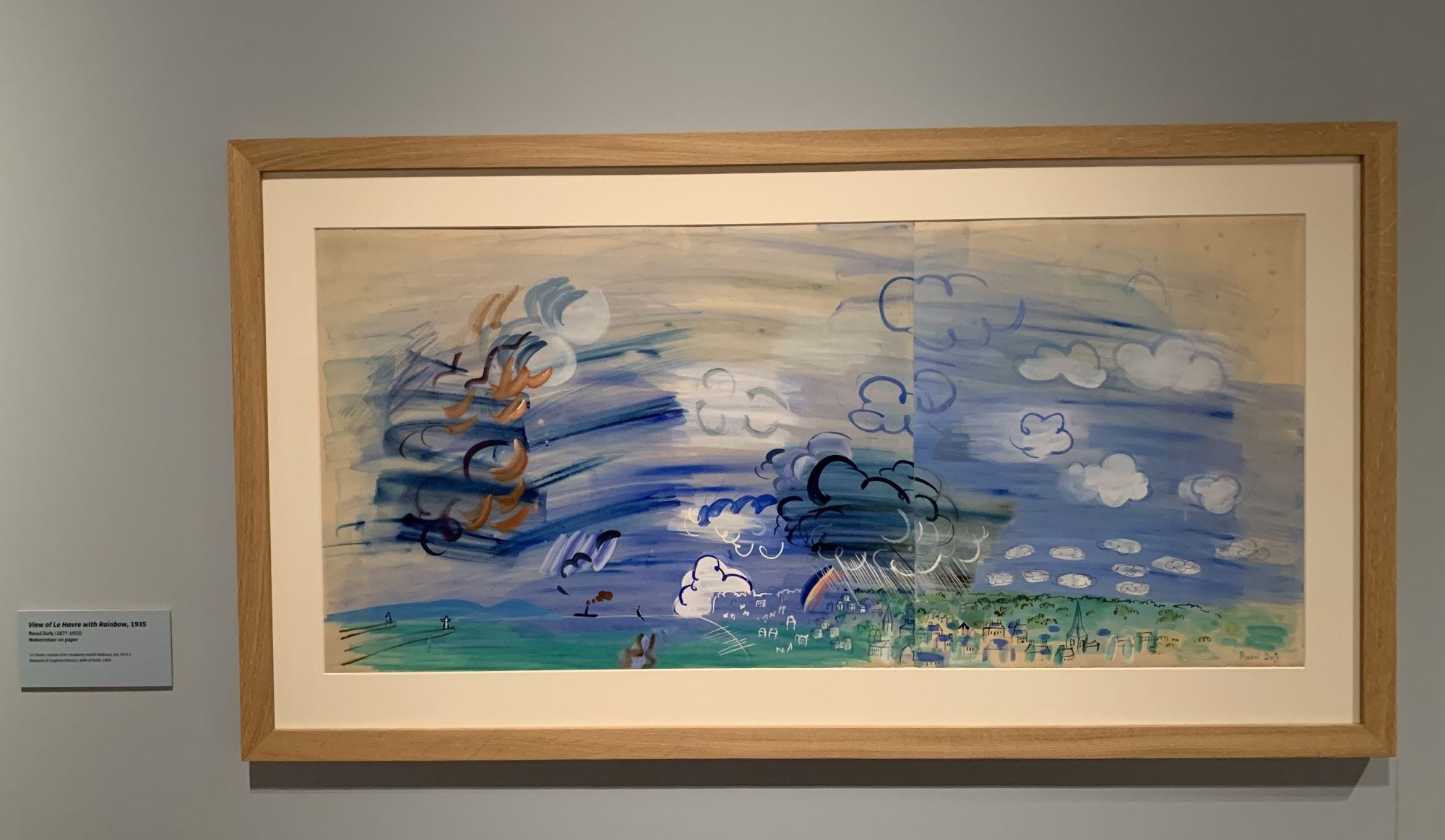
A favourite artist of Michaël Debris – and, he said, of many MuMa visitors – is Raoul Dufy whose paintings in the exhibition include the swirling View of Le Havre with Rainbow, from 1953.
He explained: “Dufy was born in Le Havre and painted the city all his life. This watercolour is very important. It was part of the bequest made by his widow when she died in 1963.
“He made Impressionist paintings as a young man but this was done much later. He had a language very much his own.”
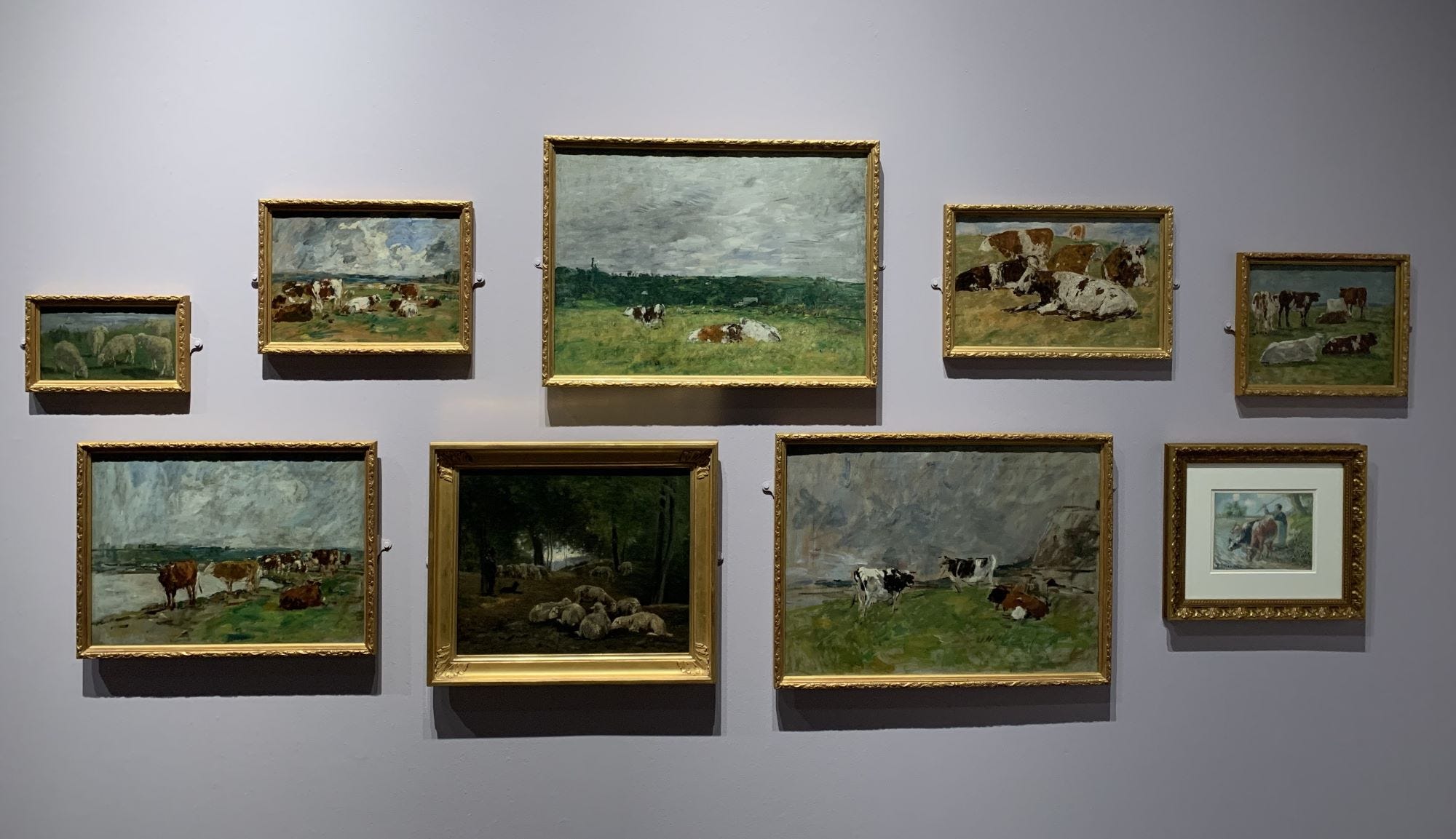
If in many paintings you see uncanny shades of rural County Durham, in the big trees, big skies and sweeping vistas, that’s by design. The curators, French and English, saw it too and wanted us to notice.
There are also quite a lot of placid cows, adding to the impression of a very grounded exhibition – but with that dash of exoticism provided by the likes of Monet and Dufy.
Everyone, of course, will have their favourites.
Impressions of Light: Masterpieces from MuMa Le Havre and The Bowes Museum runs until March 14, 2027.