


A weekend of events will celebrate the centenary of Northumberland’s vast Kielder Forest.
Over its 100 years, the forest’s 250 square miles, totalling 15 million trees, has evolved into a multi-purpose asset, producing timber and maturing into a wildlife sanctuary with its osprey breeding colony and half the population of England’s red squirrels.
It has also developed as a centre for leisure activities, with one of England’s largest mountain bike trail networks, and an array of forest artworks.
But there is one part of the forest which its visitors – over 400,000 a year – never see or set foot in.
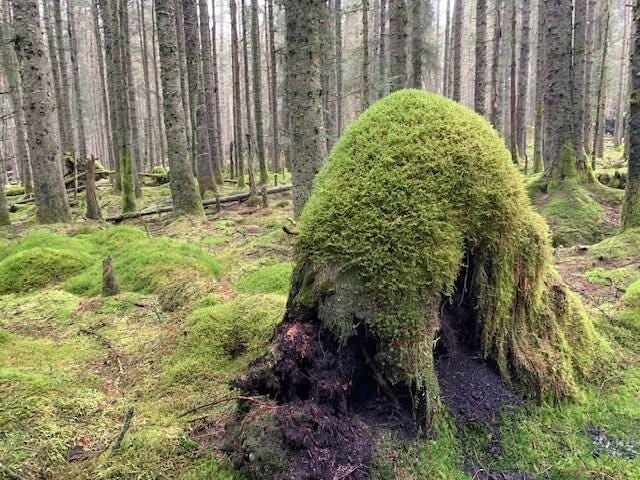
From the first plantings in 1926, it was decided that a section of the forest would remain untouched by any human activity, with nature left to take its course.
But as part of the 100th anniversary programme on Saturday and Sunday (September 5-6), 50 lucky folk will be taken to the secret wild location in what are already sell-out visits.
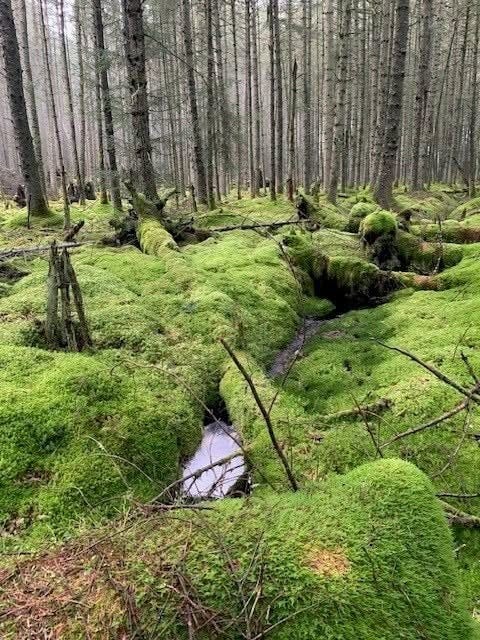
Alex MacLennan, Forestry England’s recreation and public affairs manager for Northumberland, said: “It is the very last remaining part of Kielder Forest which has not been touched since it was planted in 1926.
“The moss is about three feet deep. It is so untouched by mankind that it really is special.
“We are thrilled there is so much interest in this visit as part of the 100 Years of Kielder Forest celebration weekend – it is such a special part of the forest and seeing what happens to an area left untouched for 100 years since it was planted is unique in the UK.
“You get a real sense of time standing still when you visit and see the trees that have fallen over and melted into the soil as they rotted over the decades and how the moss is so deep with the clean air of Kielder.”
The celebrations will be held at Boggle Hole below Kielder Castle, and the castle itself, with Forestry England aiming to bring together families, former forestry workers, contractors and the communities connected to the forest over the past century.
Events on Saturday will include five running trails of different distances, a family cycle day, mountain bike rides, and a 5pm talk by Michael Lawson Smith on the driving force behind the creation of Kielder, Lord Robinson.
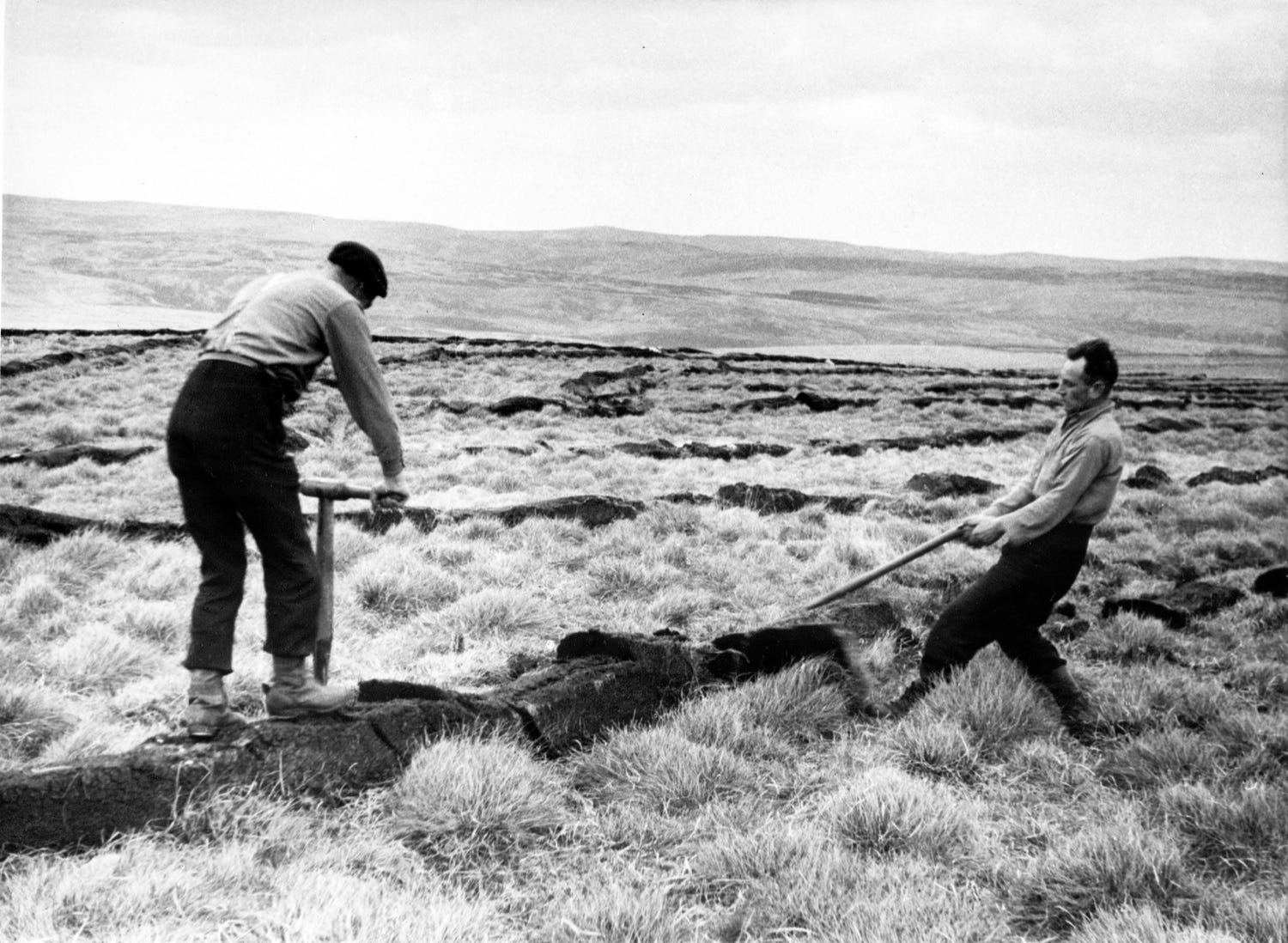
Roy Lister Robinson, later Baron Robinson of Kielder and Adelaide, was chairman of the Forestry Commission, which he helped establish, from 1919 to his death in 1957. There is a memorial cairn to Lord Robinson in the forest, where his ashes were scattered.
On Saturday evening music will include the Tarset Choir and Big Red and the Grinners. Catering and bar by The Duck House all weekend at the Forest Marquee.
Sunday includes 10am-4pm Kielder annual Vintage & Classic Vehicle Show; 11am and 1pm Working Forest Display (in woodland adjacent to car park and Forest Drive); 12pm, 2pm, 3pm & 4pm Live Forestry Display (in front of Marquee), including Horse Logging demo; Kielder Dog Show in front of Marquee, where there will also be an all-day display on the history of the forest.
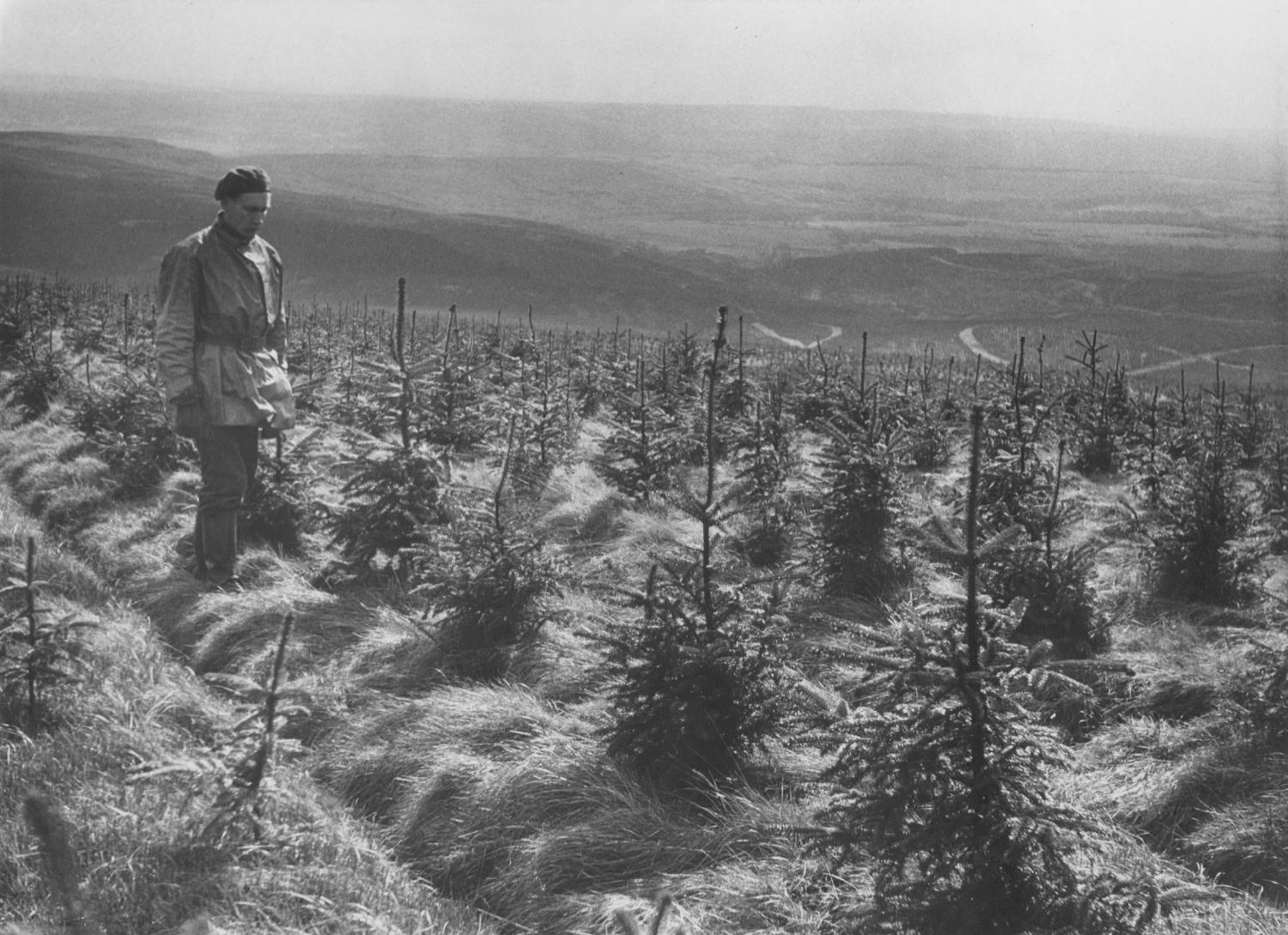
The story starts in 1926, when the Forestry Commission planted 45 acres between Stannersburn and Smales Farm to test the viability of planting on a larger scale.
It will highlight features such as the role played in the Second World War by the Women’s Timber Corps, known as the Lumberjills, who took on the work of foresters who had joined the Armed Forces.
Some were the daughters of forestry workers but most were from Tyneside, where they worked in a range of jobs.


A picture shows a line-up in 1943 of Lumberjills at Kielder, which included three Newcastle sisters: Elizabeth Knaggs, 31, ward maid at the Royal Victoria Infirmary, and Catherine, 28, and Isabella, 26, who both worked as packers. Sarah Lawrence was 16, Mary Welsh 15 and May Terry 18.
There were also developments, as in July 1940, when 65 aged ladies, the mothers and grandmothers of Tyneside shipyard workers, were transferred to Kielder Castle from Elswick Grange workhouse in the city, which was to become an emergency wartime hospital.
