



If the theatre company Ensemble ’84 were to adopt a motto, it could hardly be ‘Don’t run before you can walk’, nor even ‘Don’t bite off more than you can chew’.
‘Throw caution to the wind’ might be more appropriate, or perhaps best of all, ‘Fortune favours the brave’.
The company set up by Mark Dornford-May and his supporters in the former pit village of Horden, County Durham, recruited local people with little or no acting experience and plunged right in with an exhilarating opening production of Mother Courage and her Children, which is not to be undertaken lightly.
That May 2025 premiere of the Brecht classic, in an adaptation by Lee Hall, went down a storm and was revived in the autumn at Live Theatre.
True, the cast was bolstered by the experienced actors of the South African Isango Ensemble, an earlier Dornford-May success story, but the locals followed up with their own show about their mining heritage.
Pits, People and Players, marking Horden’s 125th anniversary, was delivered with the same confidence and panache.
Now comes production number three – and it’s Hamlet, but not as most of us will know it.
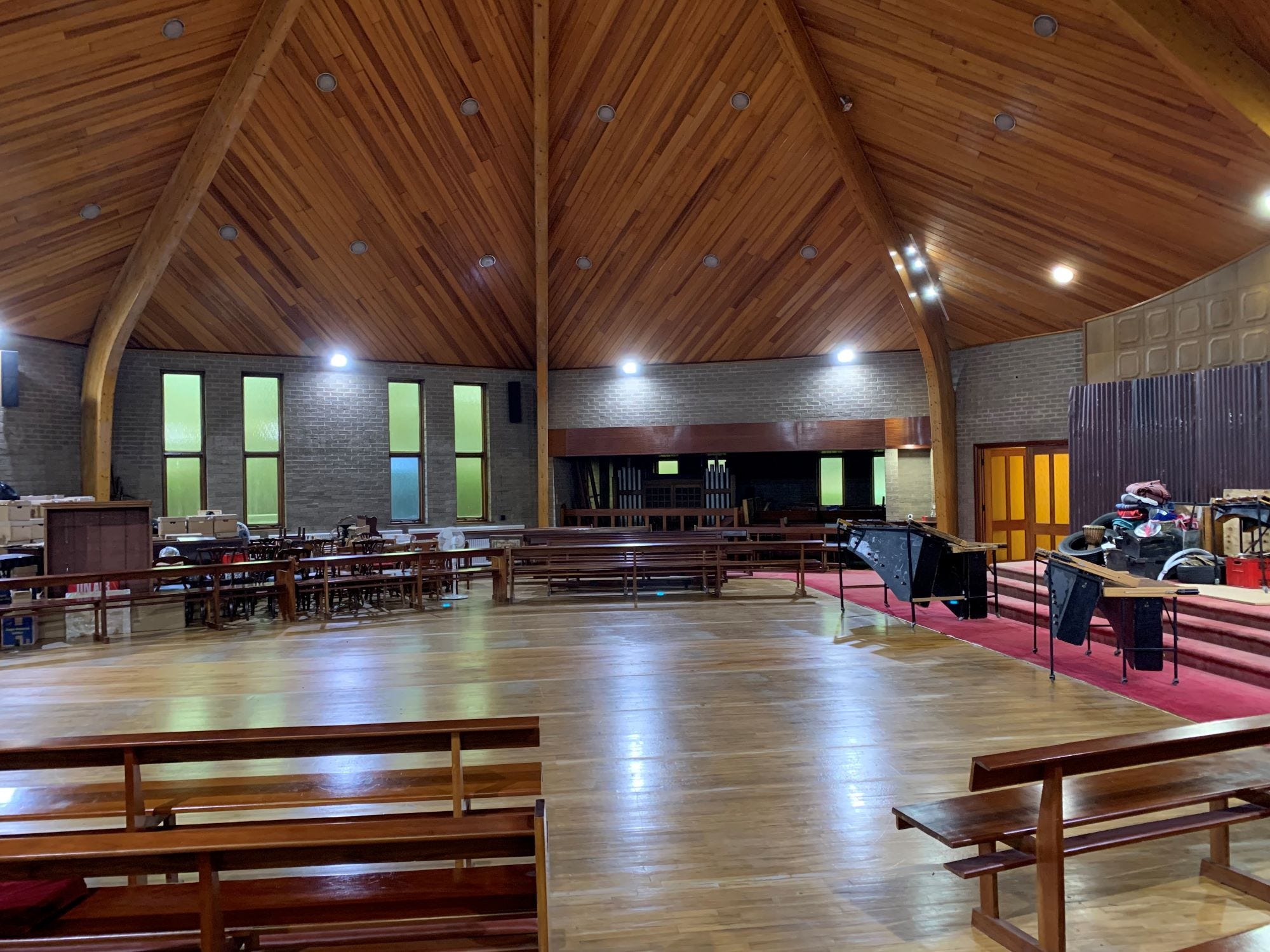
Due to open on May 26 (and running until June 6) it will be the first production in what they’re now calling The Playhouse, Horden, although it was formerly the Roman Catholic Church.
This is the new base of Ensemble ’84 which has relocated from its original, smaller home in the village’s Methodist Church.
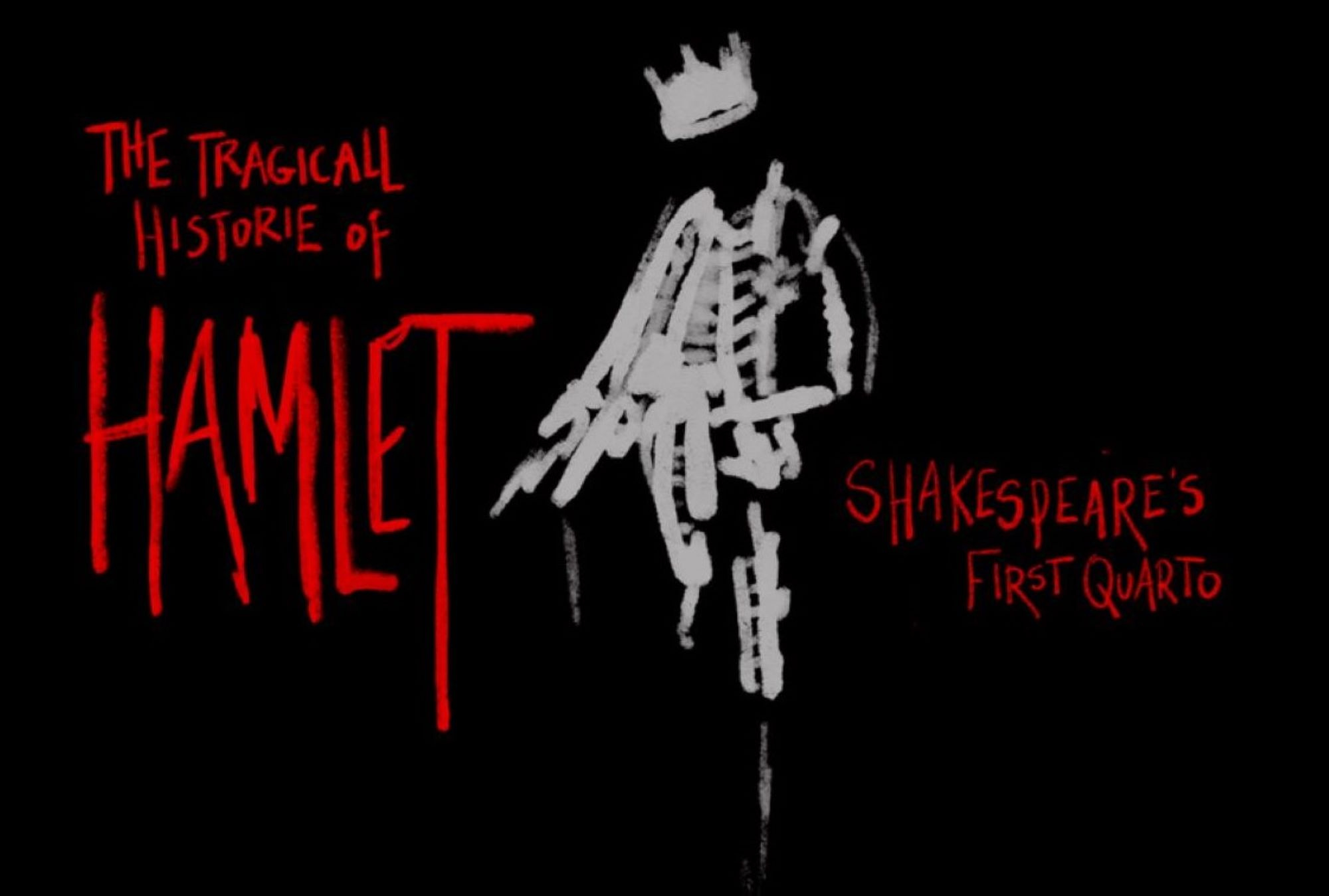
Official billing for this next production is The Tragicall Historie of Hamlet – Shakespeare’s First Quarto.
“Using the rarely performed First Quarto text of Hamlet, this striking new staging brings a shorter, urgent version to Shakespeare’s tragedy, combining powerful storytelling with live music, song and movement,” say the company.
“A kingdom is unsettled. The King of Denmark is dead, his brother now wears the crown, and Prince Hamlet is left grieving - and suspicious. When the ghost of his father appears with a terrible revelation, Hamlet is drawn into a dangerous quest for truth and revenge.
“As secrets unravel and loyalties are tested, the royal court becomes a place of spies, deception and growing madness. Hamlet must decide how to act in a world that no longer feels certain.”

This First Quarto text, the company go on to explain, “is a shorter, rarely performed version of Shakespeare’s tragedy that drives the story forward with pace, punch and clarity.
“Told with striking differences in structure, dialogue and character names, the story unfolds with compelling theatrical energy, bringing the drama, poetry and humanity of this great play vividly to life.”
Over the centuries, not everyone has approved of the First Quarto versions of Shakespeare’s plays which have been the subject of much debate.
Nowadays it’s the 36 First Folio versions that are studied, performed and seen as definitive.
These were collected and published posthumously in 1623 by one-time acting colleagues of Shakespeare, John Heminges and Henry Condell.
In the preface to the First Folio the pair refer to earlier versions of the texts as “diverse stolen and surreptitious copies, maimed and deformed by the frauds of injurious imposters”.
Among various theories is that these First Quarto texts had been scribbled down from memory by actors who had performed in the plays, or by spies in the audience who wanted to pinch them for rival companies to perform.
In those early days plays weren’t generally published since they were meant to be performed rather than read.
The First Quarto version of Hamlet, published in 1603 and dubbed the Bad Quarto by some scholars, has some scenes in a different order and some characters with different names. Polonius, for example, is Carambis.
Some of Hamlet’s famous soliloquies (speeches) are different, too. Instead of “To be or not to be, that is the question” (First Folio), the First Quarto has Hamlet saying: “To be or not to be, I (or ‘aye’) there’s the point.”
Mark Dornford-May, who has suggested the First Quarto texts might have been used for touring purposes, clearly sees merit in them.
And in case you were wondering, the name First Quarto refers only to the size of the paper, a quarto being a book measuring a little over eight inches by six inches in which eight pages were printed on a single sheet which was then folded twice to form four leaves.
The First Folio, on the other hand, measuring a little over eight by thirteen inches, was a book in which each sheet had been folded only once to form two leaves or four pages.
Any version of Hamlet is a significant undertaking but this production looks interesting from many perspectives. Go to the Ensemble ’84 website for updates and to buy tickets which are on sale now.