

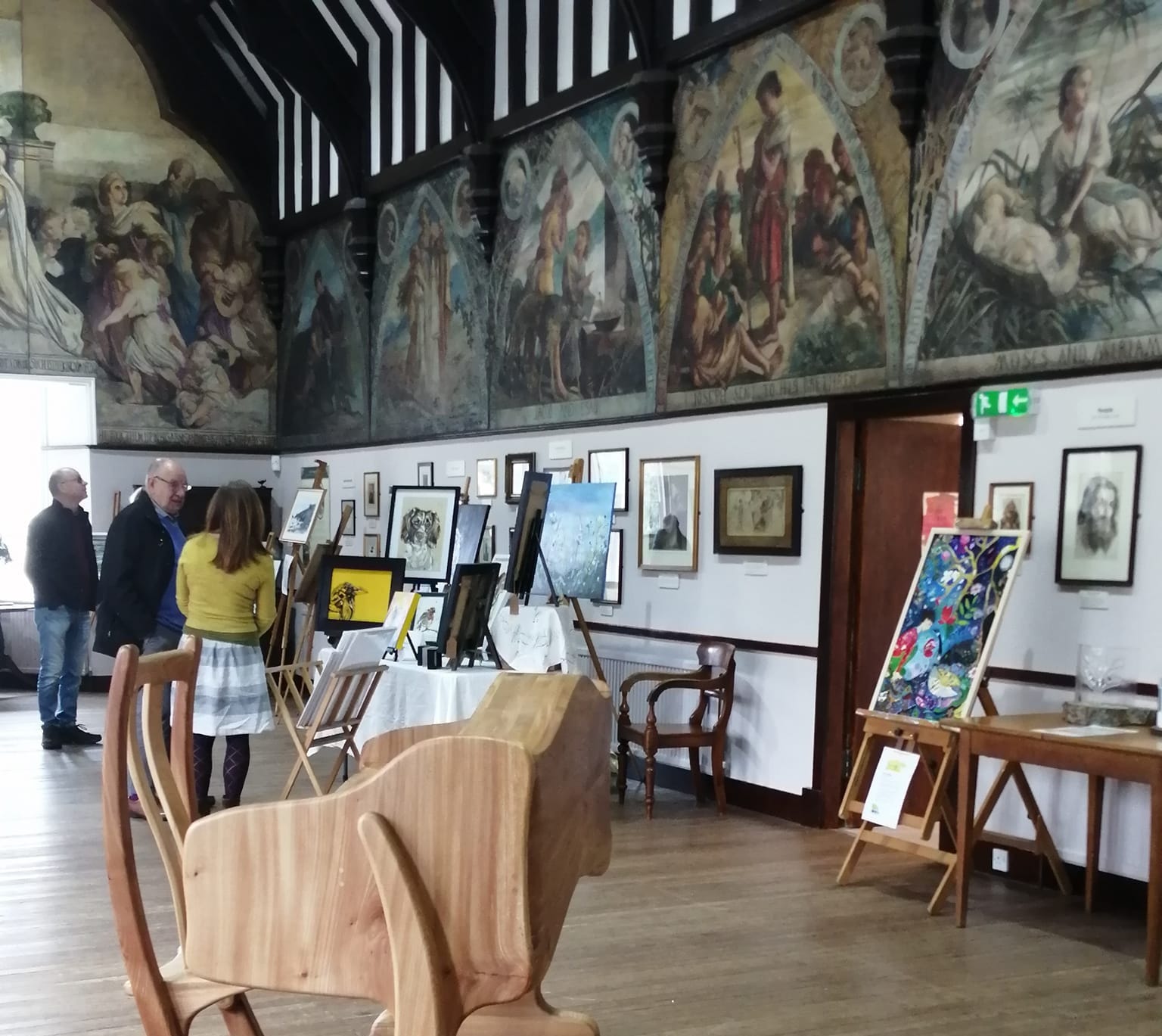
From her Northumberland castle home, Lady Louisa Waterford combined her love of art with her efforts to improve the lives of the local villagers.
An accomplished artist, she spent more than 20 years painting biblical murals to adorn the walls of the school which she built in 1860 at Ford village, using villagers and pupils as models. The school closed in 1957 and the Grade II* listed building was named Lady Waterford Hall.
It serves as the village hall and also a visitor attraction on the Ford & Etal estate.
Now Louisa, Marchioness of Waterford, will be celebrated in a free art exhibition at Etal Village Hall on Sunday (May 24) from 10.30am-4pm, when 30 submissions by artists will be judged.
The finalists’ entries from across the north of England and Scottish Borders range from film to paintings, textiles and sculpture.
The winner will be rewarded with the Louisa Waterford Prize and visitors can also vote for their favourite in the People’s Prize category on the day.
The event is organised by The Tin Shed, a collective which showcases the creations of artists and makers mainly from the north of England and Scotland via its online studios and pop-up fairs and exhibitions.
The Tin Shed has been awarded Best Arts and Events Organisation in the north of England by the SME Enterprise Awards for past two years.
It was founded and is run by Lesley McNish from her home in north Northumberland.
She said: “The aim of the prize is to commemorate the life and legacy of Louisa Waterford, her art and her philanthropic work which extended to other parts of Northumberland.
“The Prize celebrates the strengths of artists, makers and designers and pays tribute to Louisa, often described as a woman ahead of her time.
“Part of her philanthropic work included encouraging artisans to make a living from their skills. It’s an ethos we share at The Tin Shed today, in supporting artists and makers via our events and online studios.”
Among entries for this year’s prize are:
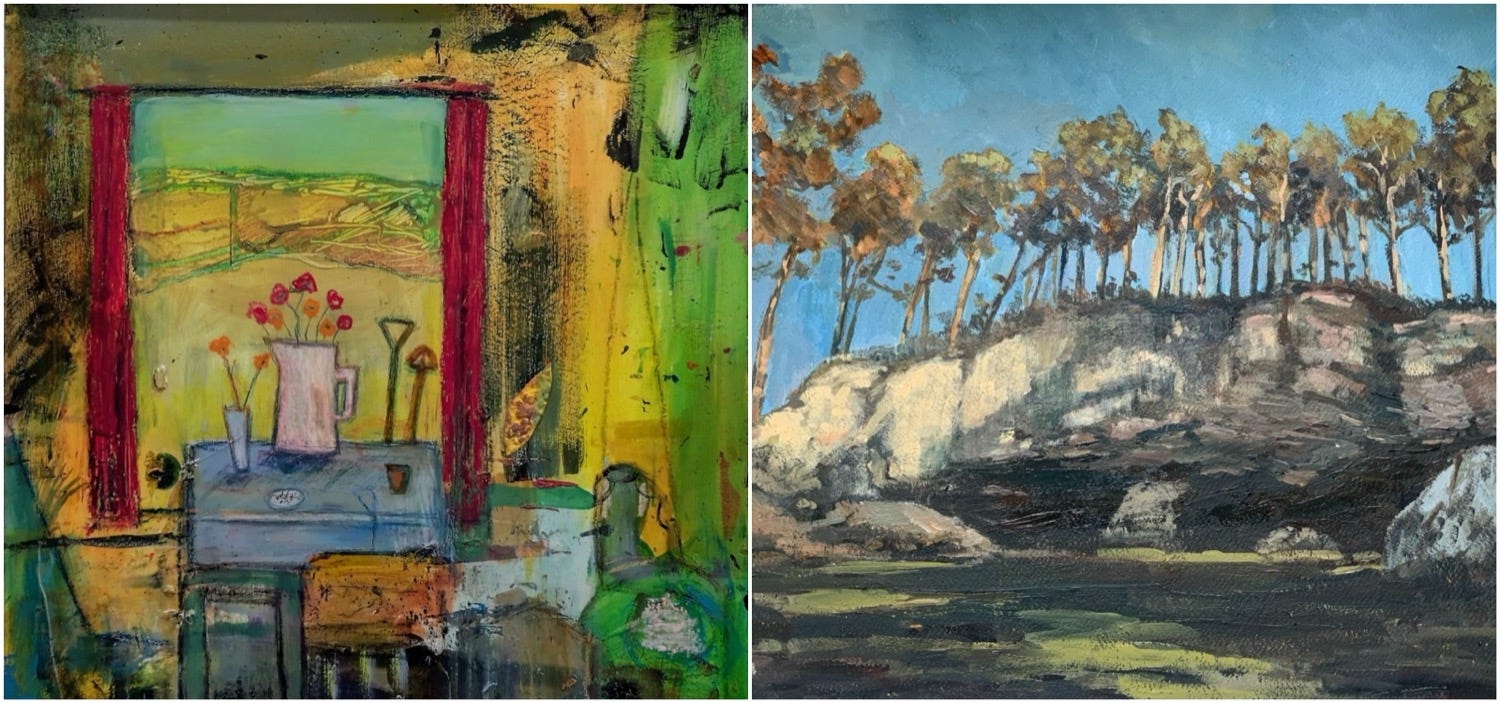
Gail Curry from Wallsend, who runs Wild and Free Gallery, with Grandpa’s Classroom, a painting of the interior of Gail’s grandpa’s allotment shed which was a safe, happy place for her.
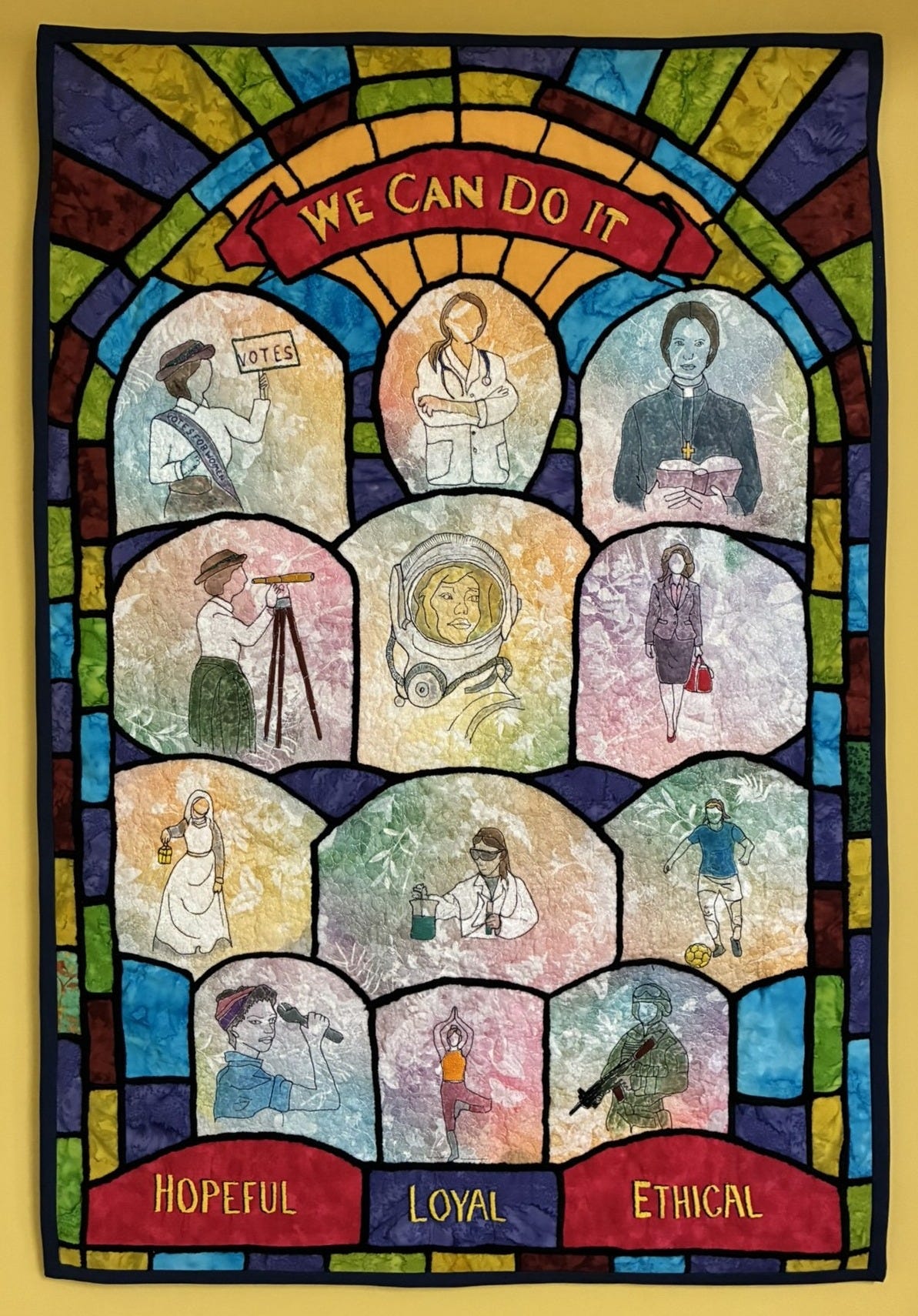
We Can Do It, an embroidered wall hanging by Morpeth’s Natalie Goodman, to celebrate Louisa Waterford and women challenging inequalities and driving forward social change.
Sarah O’Dowd, from Morpeth, with a painting titled Sanctuary at St Cuthbert’s Cave.
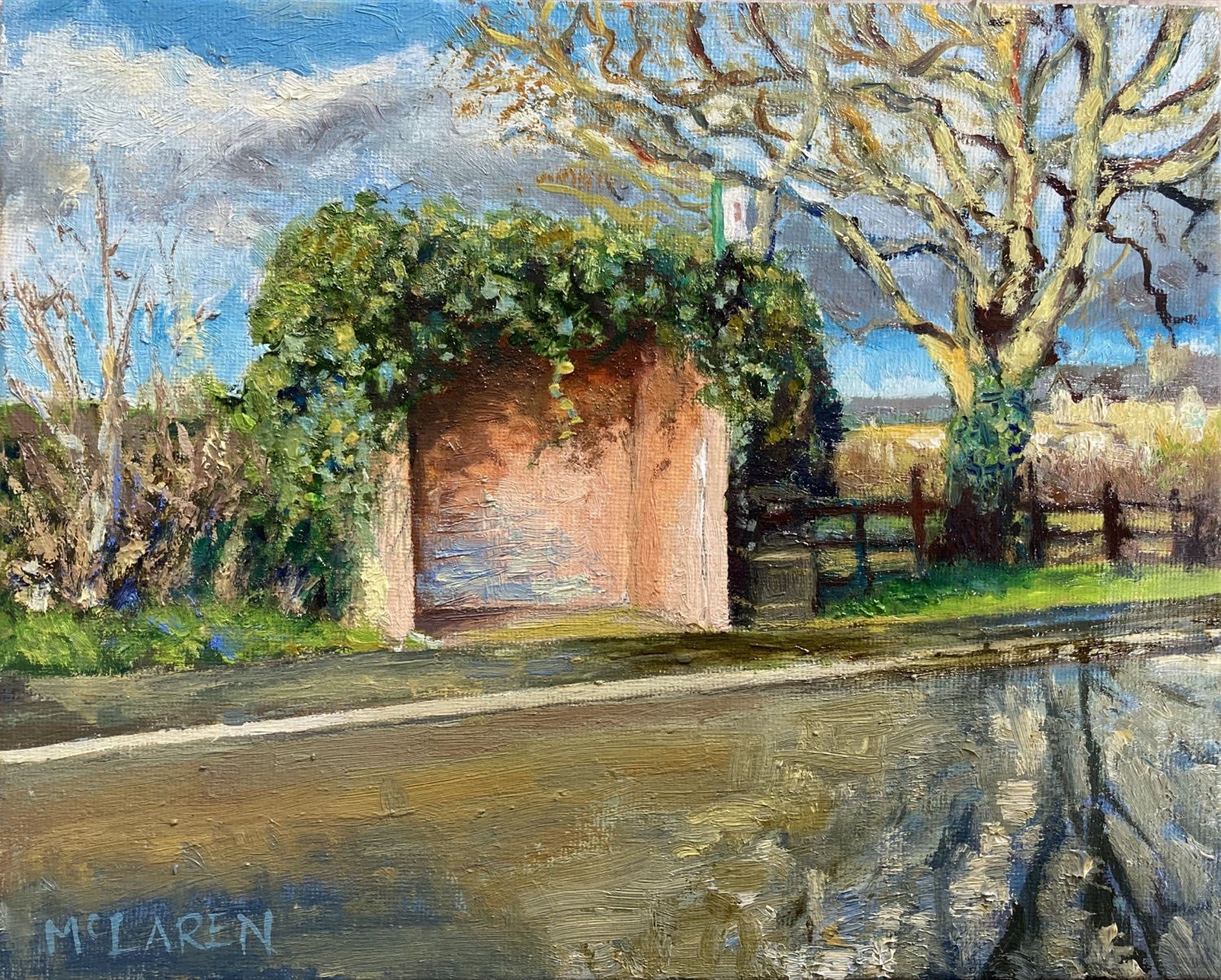
The Village Bus Stop, painted by Lindsey McLaren at Ravensworth in Gateshead.
Hartlepool’s John Emerson’s Totem of Time, an ash and cherry wood clock sculpture.
In addition to the exhibition, there will be solo exhibitions and demonstrations by other artists at Etal Village Hall and also at Lady Waterford Hall at Ford Village.
The Tin Shed grew out of Love Art North East, set up by Lesley in 2013. It started with an art fair in Jesmond Dene Visitors’ Centre in Newcastle, leading to a second monthly art fair, which took place at the city’s railway station, with other events at the Grainger Market and Grey’s Monument.
It ran for seven years until the Covid pandemic brought it to a halt.
“We trialled a small art fair at Etal just as pandemic restrictions were relaxed, when we still had to count the number of visitors to the space, and they were a huge success,” said Lesley.
“This led to our monthly Art at Etal events on the second Wednesday every month, April till October, where we pop-up with around a dozen artists every month. Every month is different, as artists dip in and out.”
As well as the art events, a second monthly event has been launched at Etal - a Sunday Makers’ Market on the first Sunday of the month from April to October. This is aimed at makers with traditional skills used in a contemporary way, from glassmakers, ceramicists and weavers, to jam makers, beekeepers, candlemakers and chocolatiers.
Lesley has also just set up a sister organisation, Pottery North, with Northumberland’s first pottery and glass fair organised for September 22 at Ellingham Hall near Chathill in Northumberland.
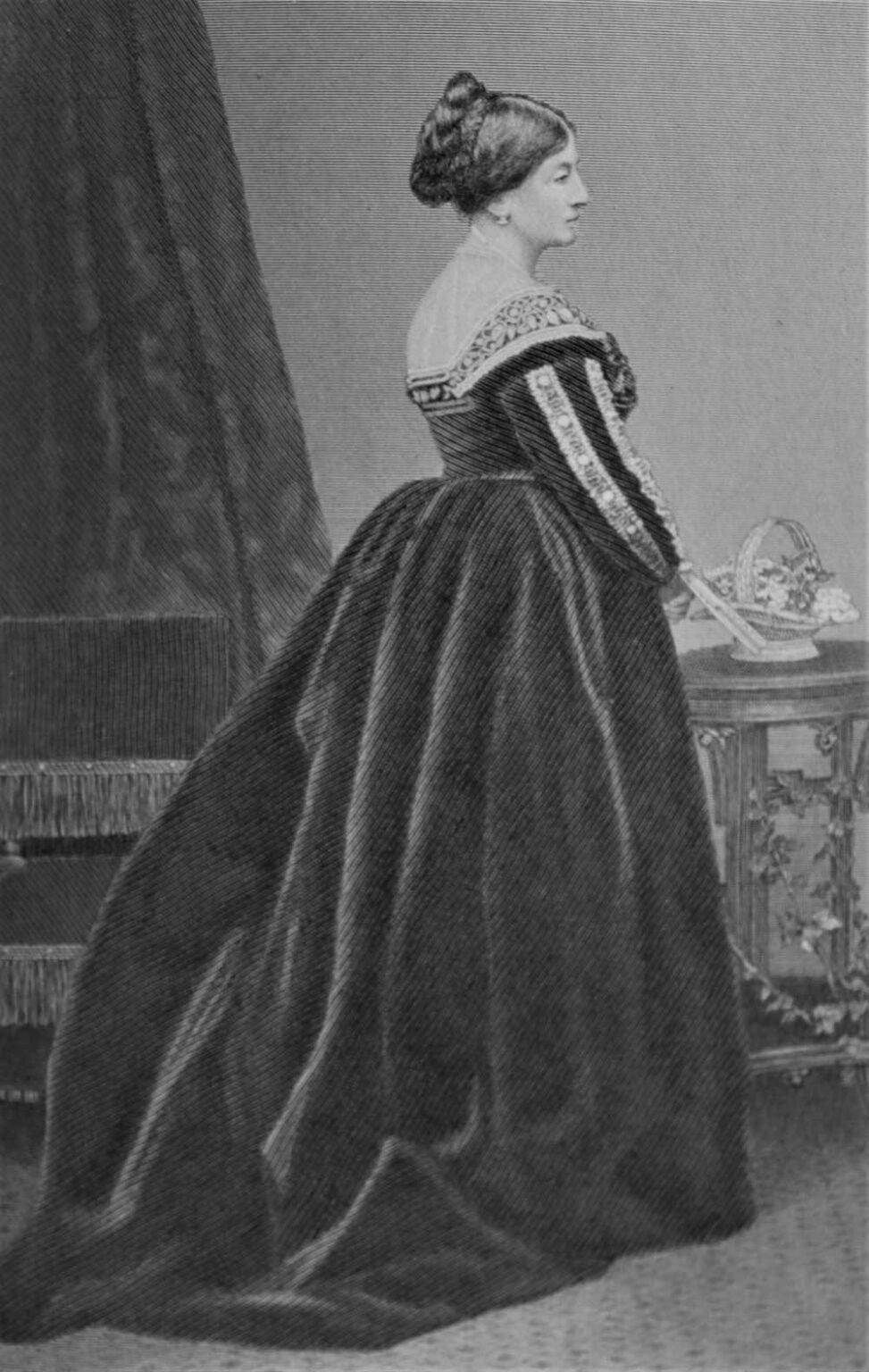
Born Lady Louisa Stuart at the British Embassy in Paris in 1818, where her father was ambassador, she became Marchioness of Waterford after marrying Henry Beresford, Lord Waterford. She moved from his family seat in Ireland to Ford Castle in Northumberland in 1860 following his death in a riding accident in the mid-1800s.
She and her husband built hundreds of new houses and a school for the estate workers in Ireland, as well as setting up sustainable craft industries to provide employment.
She also improved living conditions for the mining communities near Seaton Delaval Hall, which has links with her husband’s family, and was instrumental in setting up a women’s mission and fundraising following the nearby New Hartley pit disaster in 1862, which killed 204 men and boys.
Today Ford’s well-preserved buildings and the biblical scenes she painted stand as her legacy. The original visitors’ book reveals that people from all over the world came to admire the murals – from the Queen of the Netherlands to artist William Holman Hunt.
She died at Ford Castle in 1891 and is buried in the village churchyard.