

The Farne Islands are famous for their internationally-important seabird nesting colonies and grey seal population.
But it is the spiritual history of the islands off the Northumberland coast which will be highlighted in an upcoming TV series.
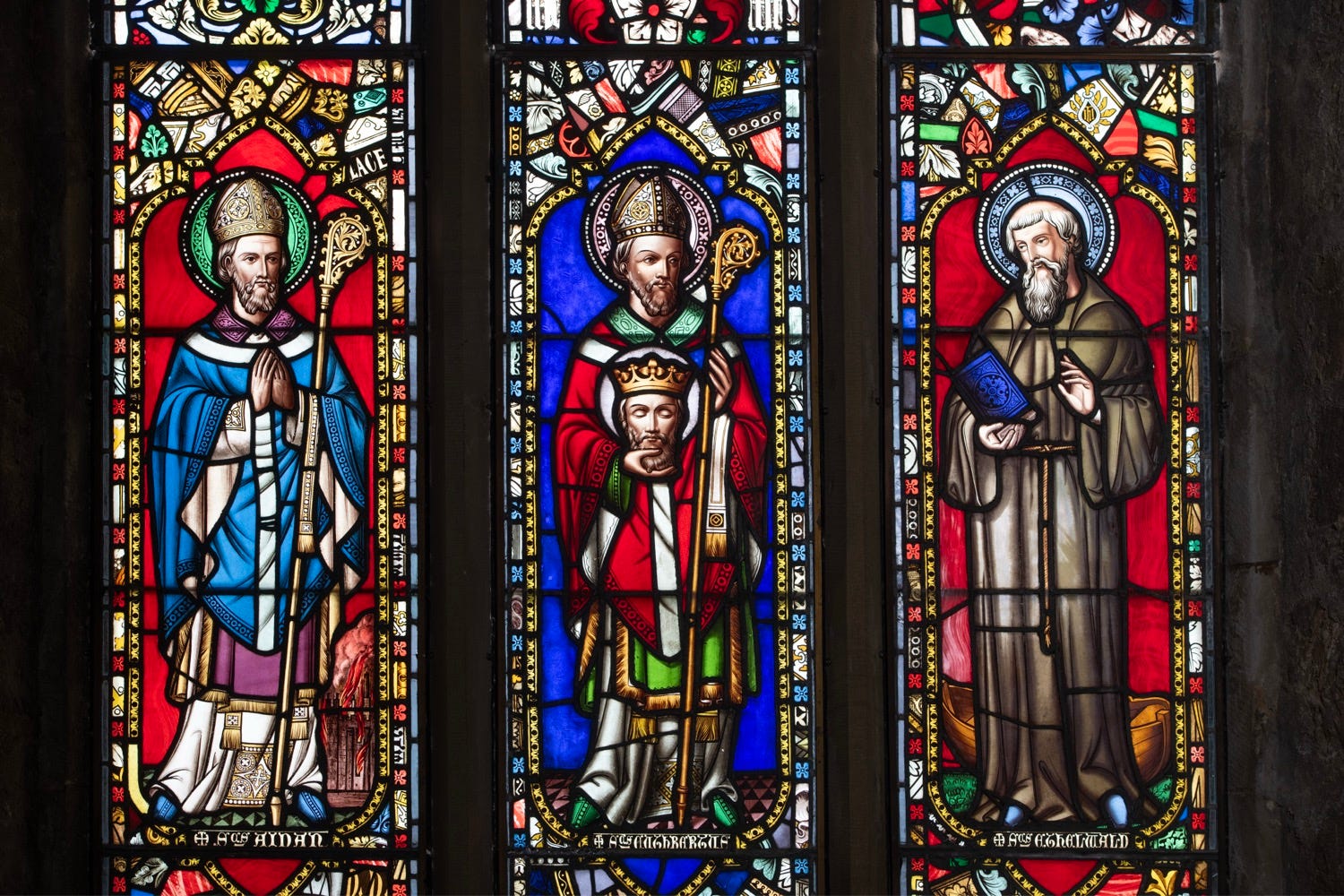
A striking stained-glass window in a centuries-old chapel on the Farne Islands was carefully removed for urgent conservation work last summer, following the discovery of structural instability in the surrounding stonework.
The delicate operation features in an episode of Hidden Treasures of the National Trust, airing on BBC Two on Friday, May 29 at 9pm (but available on iPlayer now)
This episode examines the remarkable heritage and conservation challenges faced by staff, volunteers and specialist conservators in remote places.
Each summer, hundreds of thousands of birds return to breed on the islands.
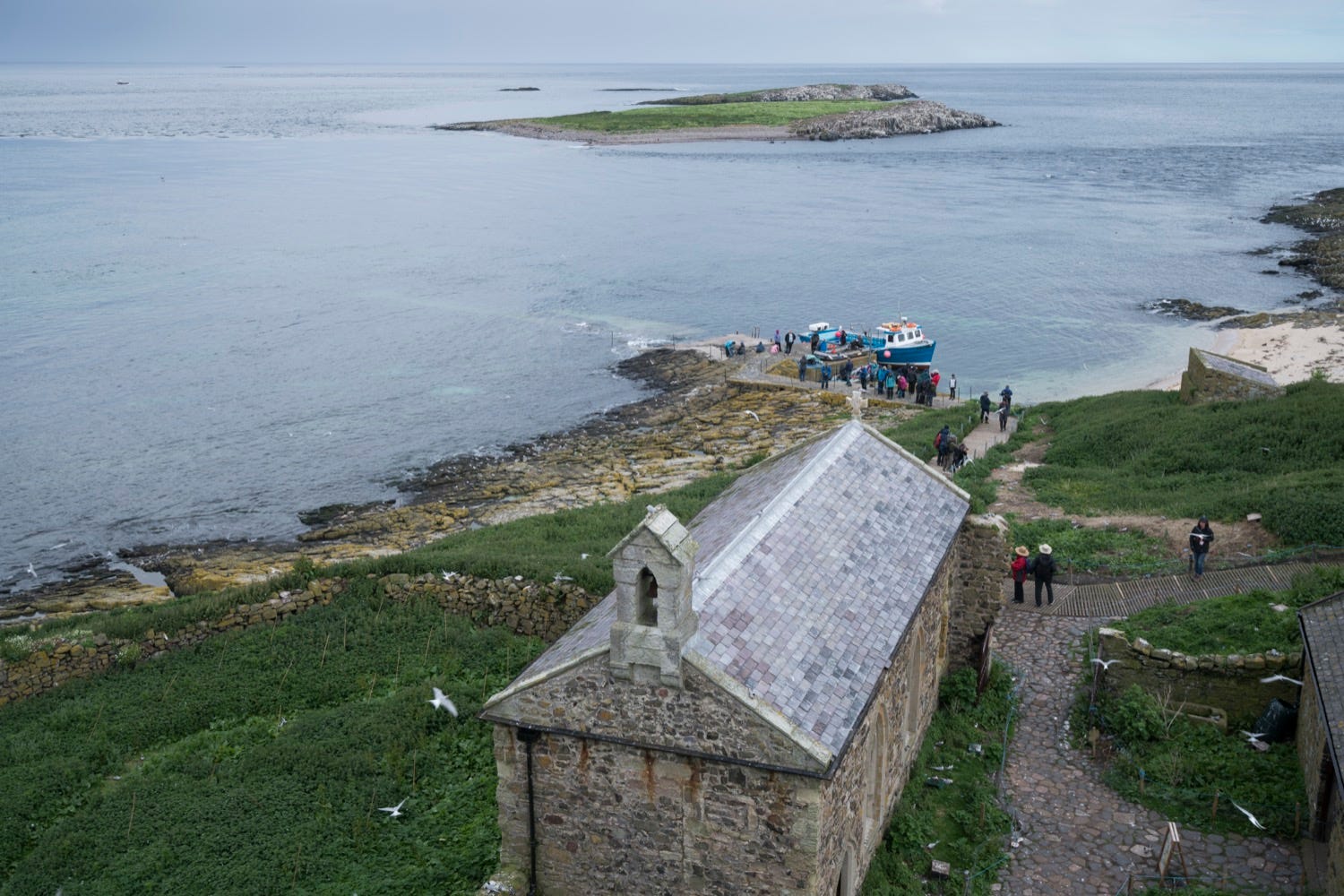
But the islands are also steeped in history. In the 7th century, St Cuthbert left nearby Lindisfarne to live a life of quiet devotion on Inner Farne, turning the islands into a place of pilgrimage that continues to resonate today.
Visitors arriving on Inner Farne can still step inside the medieval chapel dedicated to the saint, where a 19th-century stained-glass window depicts Cuthbert alongside other Northumbrian saints.
The window, by Newcastle-born stained glass artist William Wailes, was installed during the chapel’s restoration in 1844.
Wailes ran one of the biggest stained glass workshops in England and its output was incorporated in religious architecture around the world.
He exhibited in the Crystal Palace Exhibition in 1851 and in 1860 bought the Saltwell estate in Gateshead, building the now-park’s Saltwell Towers as his home.
On the Farne Islands, more than 150 years of exposure to harsh sea winds and salt spray had taken their toll on his window.
Nick Lewis, collections & house manager, said: “This remarkable Victorian window is one of the finest surviving examples of William Wailes’s work and extraordinary talent.
“While we protect it by shuttering the chapel during winter, the exposed nature of the islands means it remains vulnerable to the elements. This conservation work is vital to ensure it can be enjoyed for years to come.”
Specialist conservators from Iona Art Glass, which is based in Amble, worked with the National Trust to carry out the meticulous process of removing each pane of the historic window for repair.
During the work, they uncovered a serious and unexpected challenge - the stonework surrounding the window had become unstable, placing the window at risk.
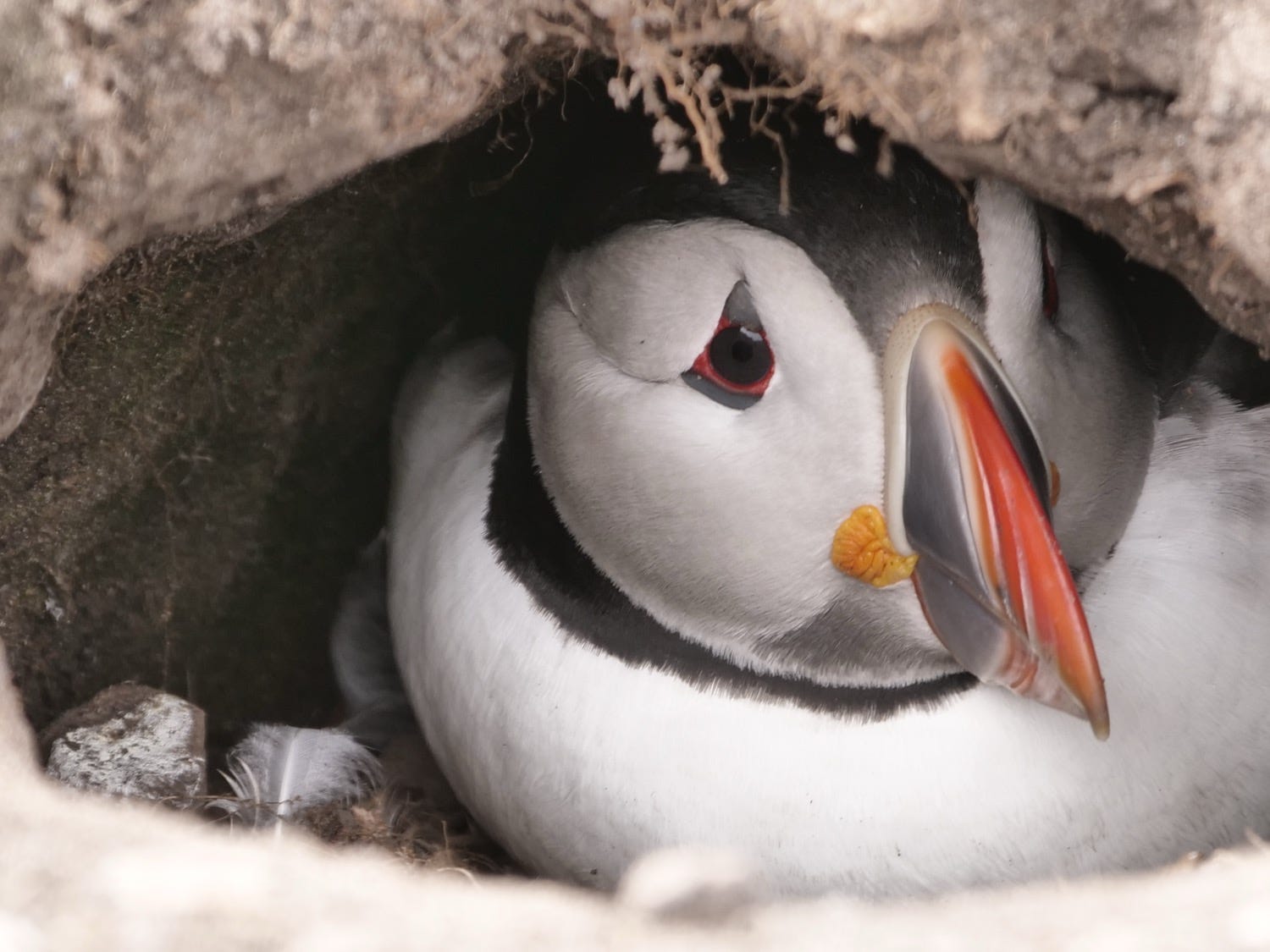
Also, for the first time, archaeologists are using cutting-edge technology to survey Inner Farne. Beneath the puffin burrows may lie the remains of lost buildings, some dating back to the island’s earliest history.
Until now, unstable ground caused by burrowing puffins has made conventional surveys impossible. Working with the University of Bradford’s School of Archaeological and Forensic Sciences, the team is using drone-mounted radar alongside traditional techniques to explore safer areas.
From lighthouses to connections with St Cuthbert, the project could reveal parts of the island’s story long thought lost.
Alongside the conservation effort, the programme also follows the work of National Trust rangers who spend months living on the islands each year to monitor the wildlife.
Area Ranger Sophia Jackson said: “Each summer, rangers carefully monitor puffin burrows and seabird populations, gathering crucial data to understand how species are responding to pressures such as climate change and shifting food supplies.
“Last year’s census recorded 38,500 pairs of puffins, a decline on previous counts, highlighting the importance of this ongoing work. The 2026 census has just begun, with every nest and chick playing a vital role in building a clearer picture of the future for these vulnerable populations.”
Hidden Treasures of the National Trust is produced by Blast Films in partnership with The Open University and was commissioned for BBC Arts.