

A community is preparing to mark the 200th anniversary of a pit disaster which left 19 women widowed and 62 children without fathers.
An explosion in the early morning of May 30 in 1826 killed 38 men and boys at the Stargate mine near Ryton. Eleven of the dead shared the surname of Robson.
In the main phase of burials, 27 of the victims were buried in a communal grave at Holy Cross church in Ryton.
Events organised by heritage group Brighten Ryton and Holy Cross church will remember the lost lives.
On Saturday May 30 at 3pm in the church, Hexham Brass Band and a community choir will join an anniversary commemoration of the tragedy at the burial location.
Brighten Ryton are also working with the local Crookhill Primary School on a project to remember the disaster, and this will be on display in the church.
Ahead of the above event, local historian and author Val Scully will give an illustrated talk on May 19 at 6.30pm in Stargate Hall, describing the history of the people and communities who lived and worked in and around the area where the disaster occurred.
Aidan Lawson, chairman of Brighten Ryton said: “We are inviting people young and old to join us at these anniversary events to remember and honour the memory of the 38 men and boys who lost their lives in this terrible tragedy.”
Terry Docherty, treasurer of Brighten Ryton, added: “The Stargate Pit disaster is an important part of our local history. It is a tragedy that reminds us of the hard, dangerous lives miners endured and on the back of which Britain, the industrial revolution, and the cultural history of the North East was built.
“We have an opportunity to reflect on the sacrifice that Durham Coalfield miners gave over the years, providing for their families, whilst working in what were the most dangerous of conditions without modern health and safety provisions.”
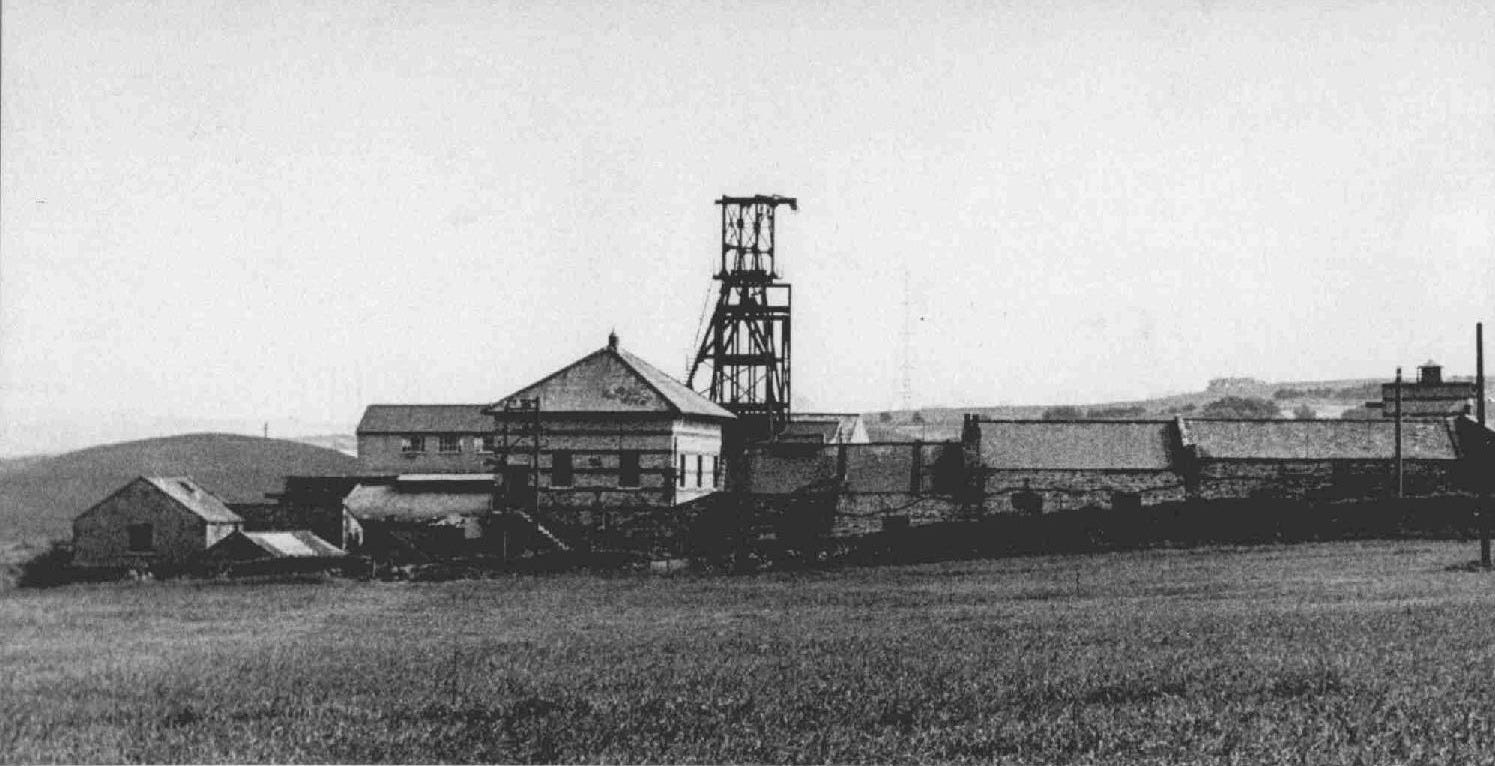
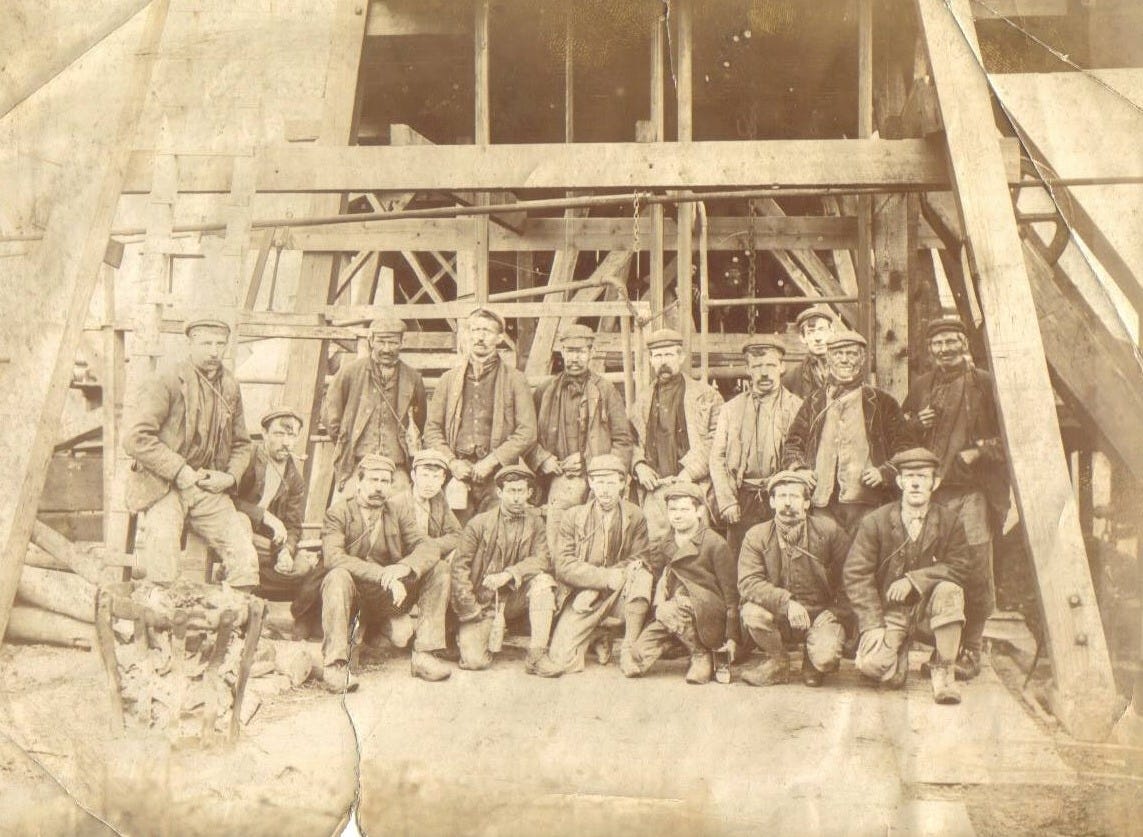
At Stargate, miners would descend into the pit in woven baskets, called corves, or by holding on the chain which lowered them.
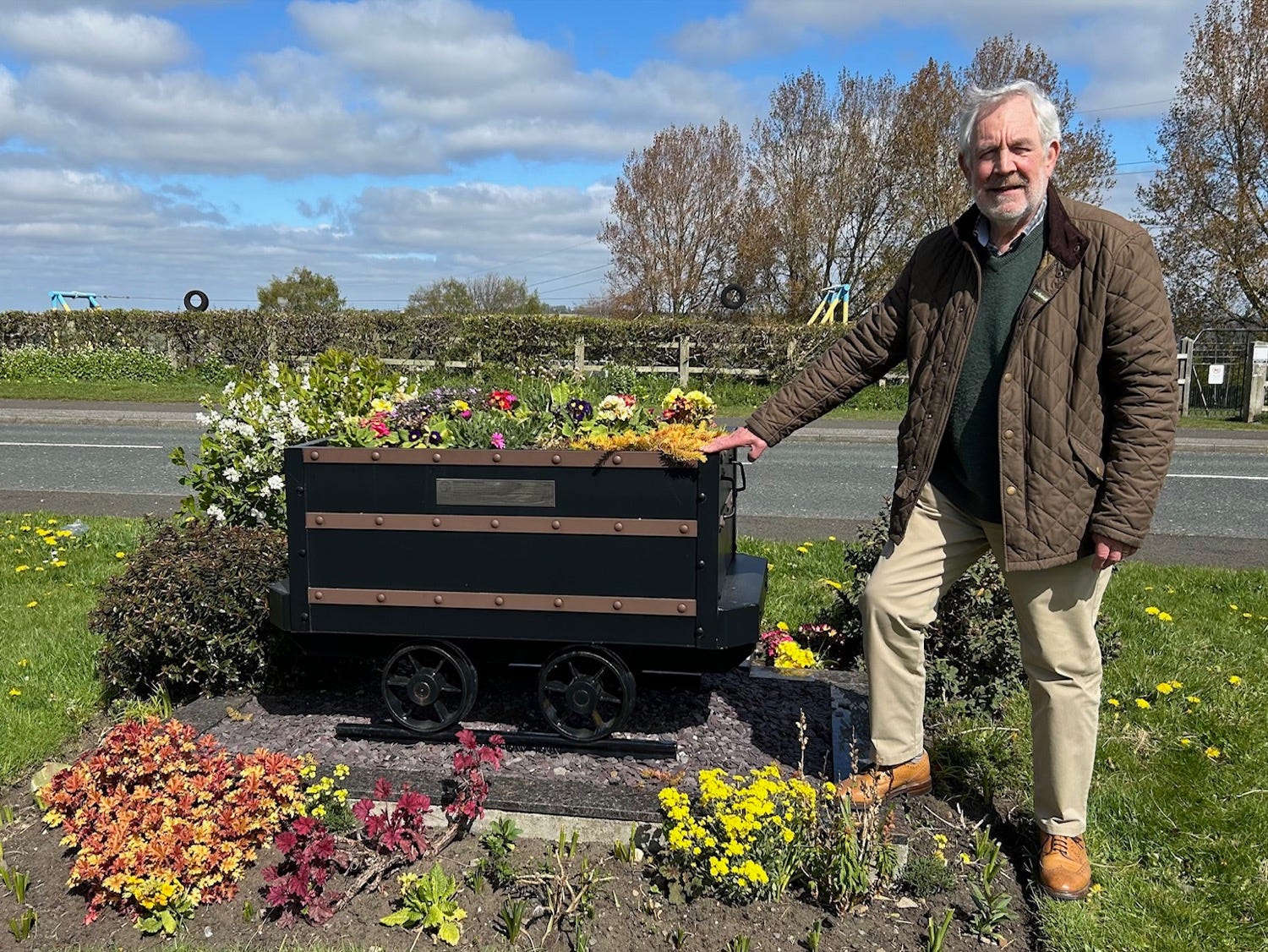
A memorial stone was placed on the communal grave mounds in the grounds of Holy Cross Church in 1993.
In 2018, a second memorial, a replica colliery tub, was unveiled near the site of the former pit which closed in 1963. This memorial includes the names of all the men and boys who died.
Terry said: “Although 200 years seems a long time ago, many of the family names of the people who died in the disaster are familiar to names we see in the area today.
“Eleven men and boys named Robson died, the Wheatley and Dowsey families each lost three members, the Howden, Liddle, Stokoe and Taylor families each lost two and the Brown, Clayton, Coulson, Errington, Forster, Grey, Hall, Newton, Parkin, Philipson, Scott, Turnbull, Waugh families all lost loved ones.
“In 2026, a disaster like Stargate would be international news, but although press reports from the time aren’t as detailed as we might like them to have been, we can still imagine the devastation, pain and sheer hardship that the loss of those men and boys would have caused to the community, and which would have been felt for many years after.”
A report on the inquest said: “The accident has, as might be expected, caused a strong and most melancholy sensation in the neighbourhood.”
What was then the rural Stargate pit, on the Townley Main waggonway, was opened in 1800 by the Dunns family of Stella Hall.
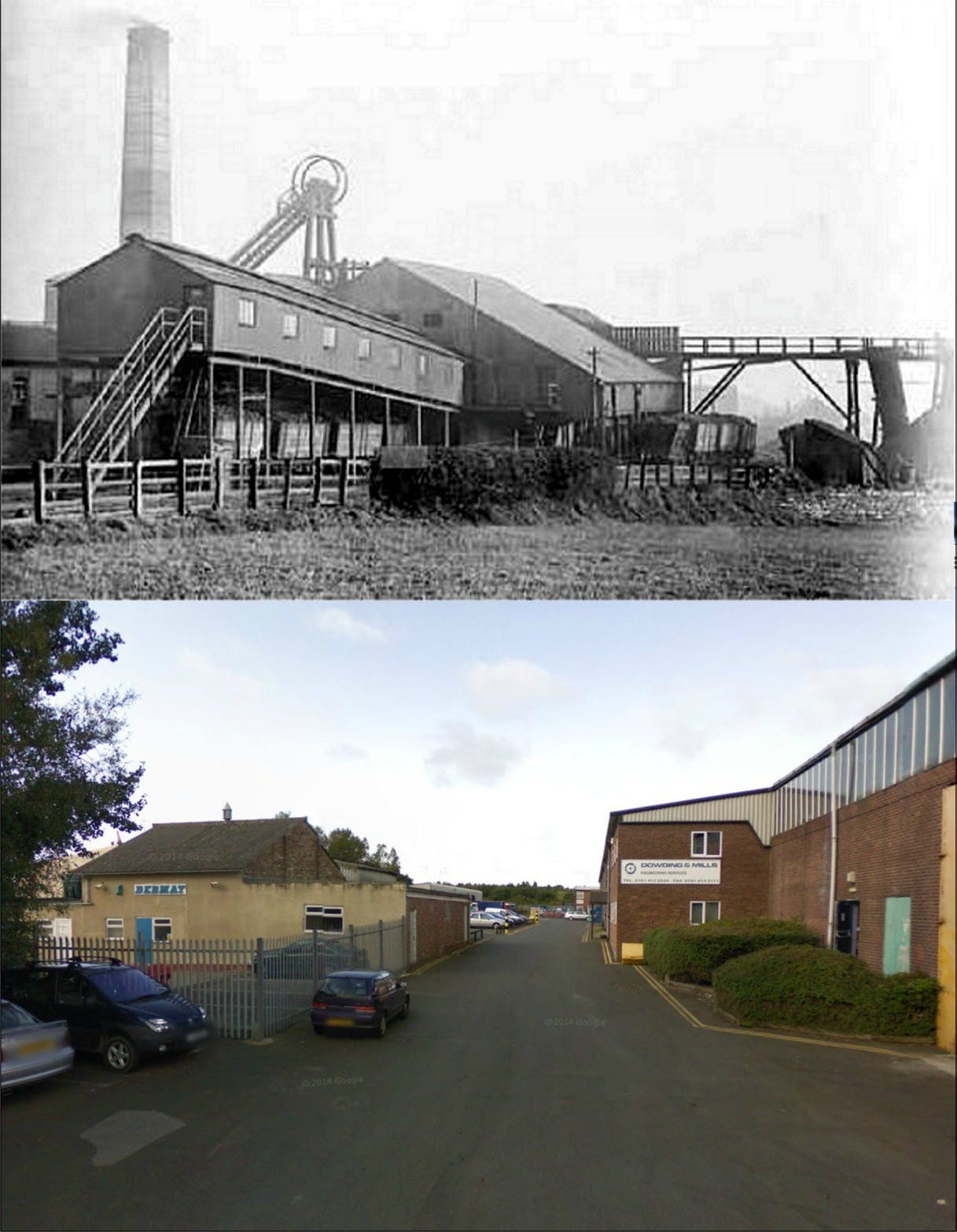
The Dunns’ lease expired in 1833, and the colliery, having been closed after the accident, was reopened by the Stella Coal Company. The colliery owners built the houses to form Stargate village.