

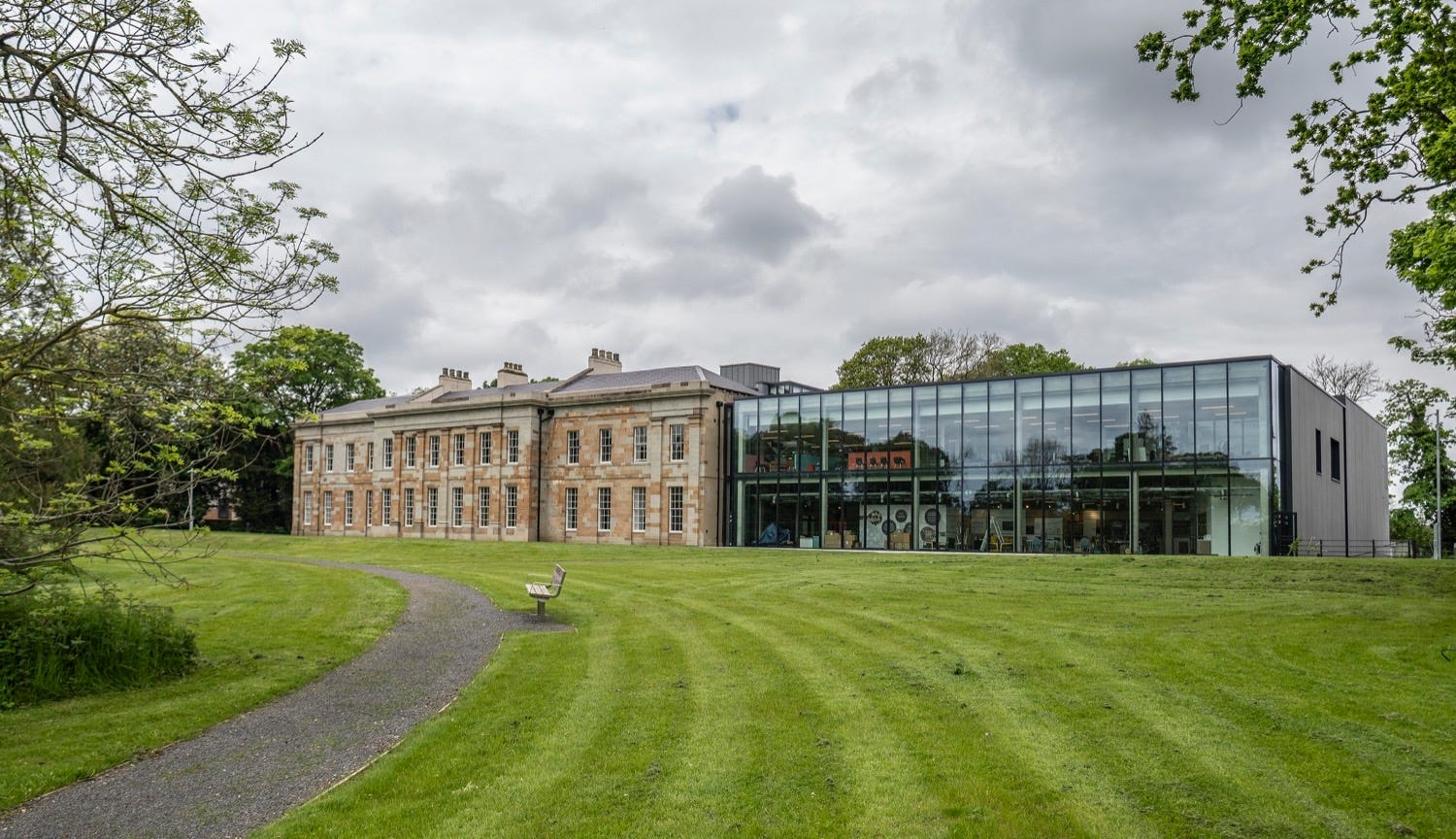
A heritage and cultural centre created from a restored and extended historic home has landed a national award.
The Story venue near Durham City, which occupies the listed Mount Oswald House, is the winner in the Royal Town Planning Institute Awards for Planning Excellence.
The Durham County Council venue received the award for Excellence in Planning for Heritage and Culture, which celebrates outstanding projects that have improved or enhanced places with a particular historical or cultural significance, for the benefit of the community and future generations.
Judges described The Story as a “big, bold, ambitious project delivering on heritage, culture, architecture and environmental objectives.”
The national RTPI Award was won in conjunction with Kier, the main contractor in delivering the design and build of The Story.
Coun Joe Quinn, Durham County Council Cabinet member for planning, investment and assets, said: “We are absolutely delighted at the success we have had at the RTPI awards.
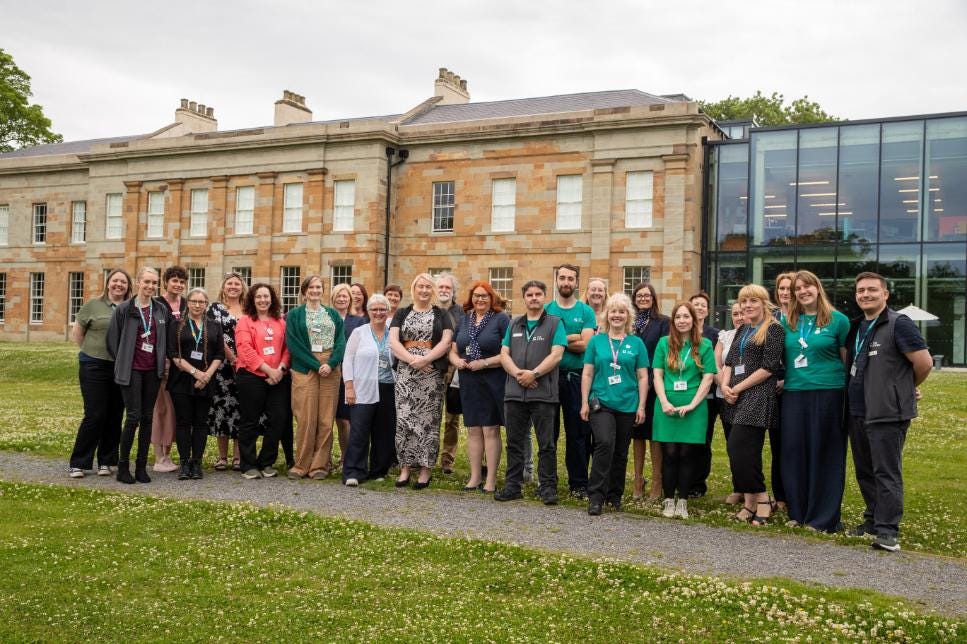
“To be named the winner of such a prestigious award, especially against a strong shortlisting which included other excellent North East projects, is a testament to the dedication and creativity that has been put into this venue.
“From conception to completion, we have worked hard to ensure The Story is a fresh and modern attraction which celebrates and honours County Durham’s heritage.”
Dan Doherty, regional director for Kier Construction North and Scotland, said: “It is fantastic to see The Story recognised. This award reflects the fantastic collaboration between our expert Kier team and Durham County Council.
“By carefully restoring the listed manor and complementing it with a contemporary extension, we have created a vibrant cultural and civic hub.
“Bringing this historic building back into public use is something we are immensely proud of.”
Other regional finalists in The Story’s awards category were The Rising project, which aims to breathe life into historic buildings and outdoor spaces at Raby Castle, Park and Gardens, and the Hopetown venue that presents Darlington’s story of railway engineering, ideas and invention.
The Story opened in June 2024 and was commended in the Constructing Excellence North East awards for both Regeneration & Conservation and Building Project of the Year, and was a finalist in the Royal Institute of Chartered Surveyors awards in the Refurbishment/Revitilisation category.
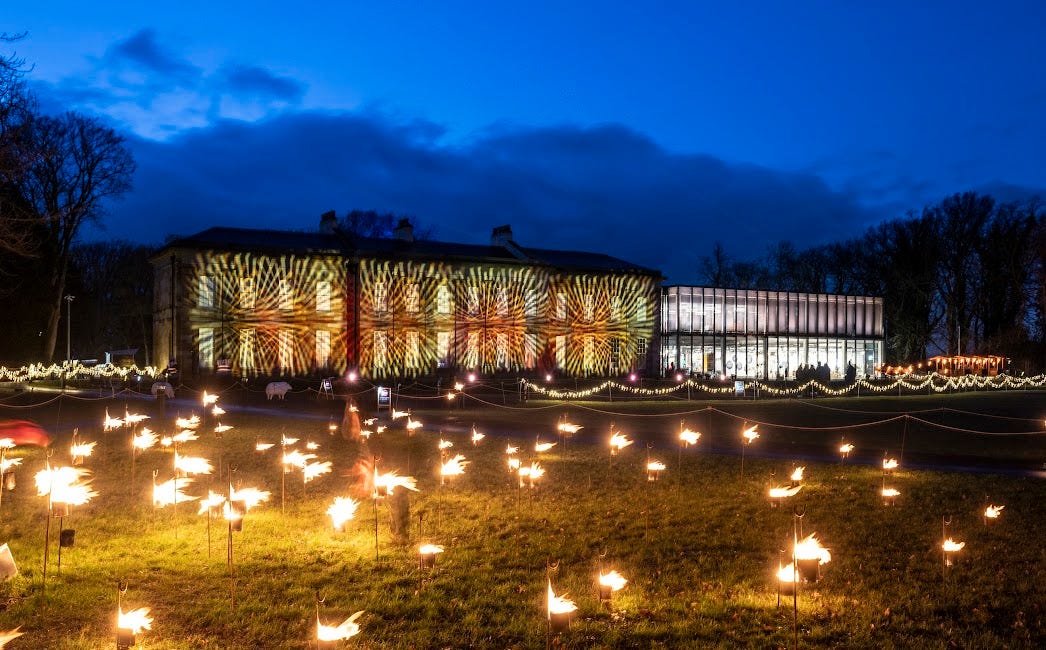
In its first year, The Story welcomed over 125,000 visitors and involved 1,672 children in discovering the county’s past at its school sessions, workshops and weekly Small Stories group.
It brings together different collections of historic records, documents and objects which reveal the lives of people throughout County Durham’s history.
County Durham Archives holds records of County Durham and Darlington, including the pre-1974 historic county between the Rivers Tyne and Tees.
The archives span over 900 years from its earliest parchment document of 1122 to modern digital records.
In addition to the archaeology collection, The Story maintains the Historic Environment Record, covering archaeological sites, ancient monuments, historic buildings, excavations, metal-detectorist finds and chance discoveries.

The Durham Light Infantry Collections contain uniforms, archives and medals charting the lives of individual soldiers.
Since 1758 the DLI has fought in every major British military campaign – with the exception of Waterloo and Gallipoli.
The Story is also the home of the County Registration Service and, during its first year, 708 couples married in its ceremony rooms, more than 2,100 notices of marriage or civil partnership were granted and 2,277 births registered.
The Story is open every day and entry is free. To stay up to date with the latest news and events, visit www.thestorydurham.org.
The Mount Oswald manor house was built for merchant John Richardby in 1800 and was expanded in the Georgian style in 1830.
It was acquired by the North Brancepeth Colliery Company in the 1890s, then in 1934 by the North of England Estates business owned by the McKeag family.
The business operated the Mount Oswald estate as the Durham City Golf Club until 1967. The property was then acquired by the Banks Group.