

Wild boar once roamed the North East landscape — and now their modern-day successors could help the recovery of declining bird species.
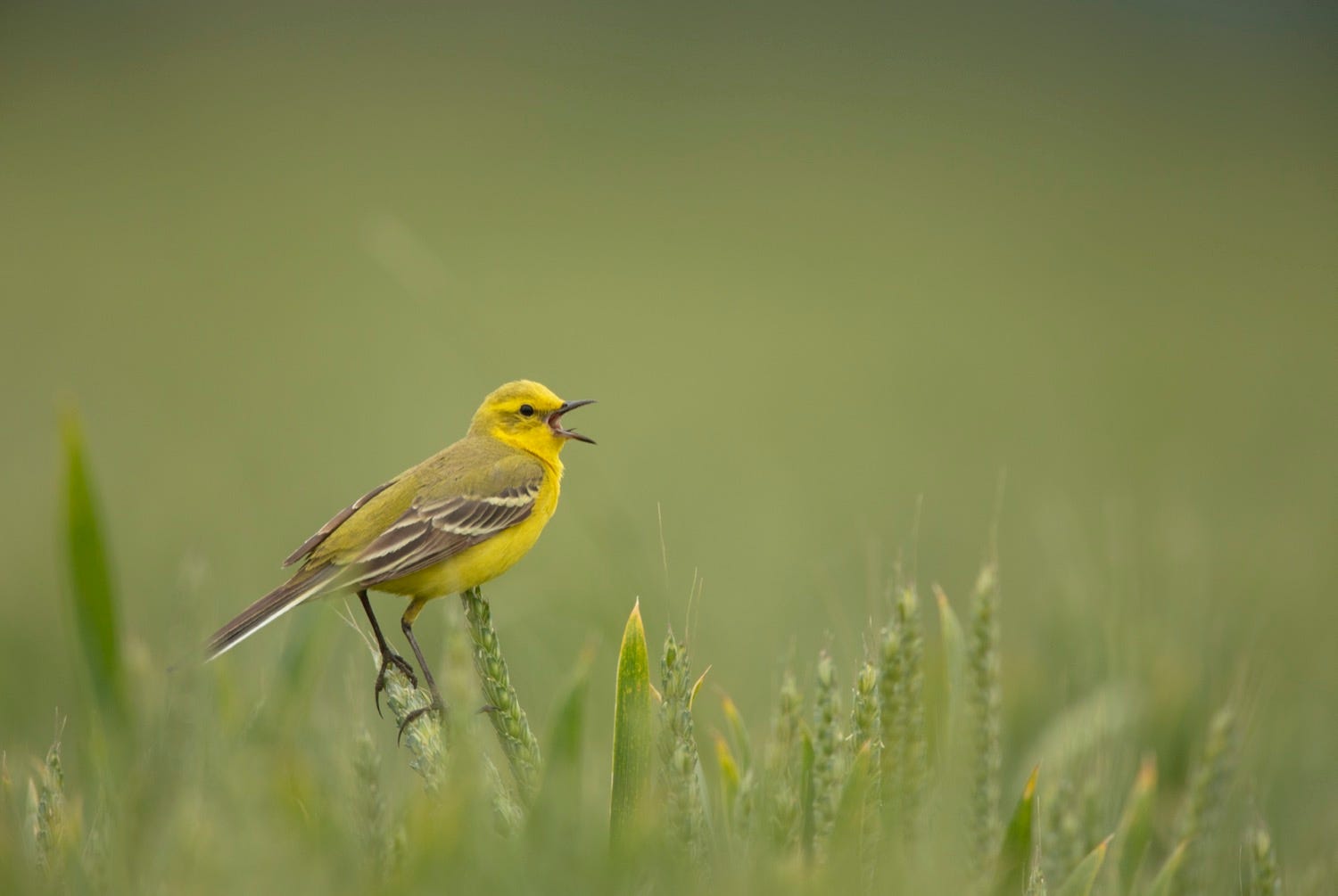
A four-year research project between Teesside University and the RSPB will investigate whether rewilding can help reverse declines of birds such as yellow wagtails, skylarks and short-eared owls, and shape future conservation work in the region and beyond.
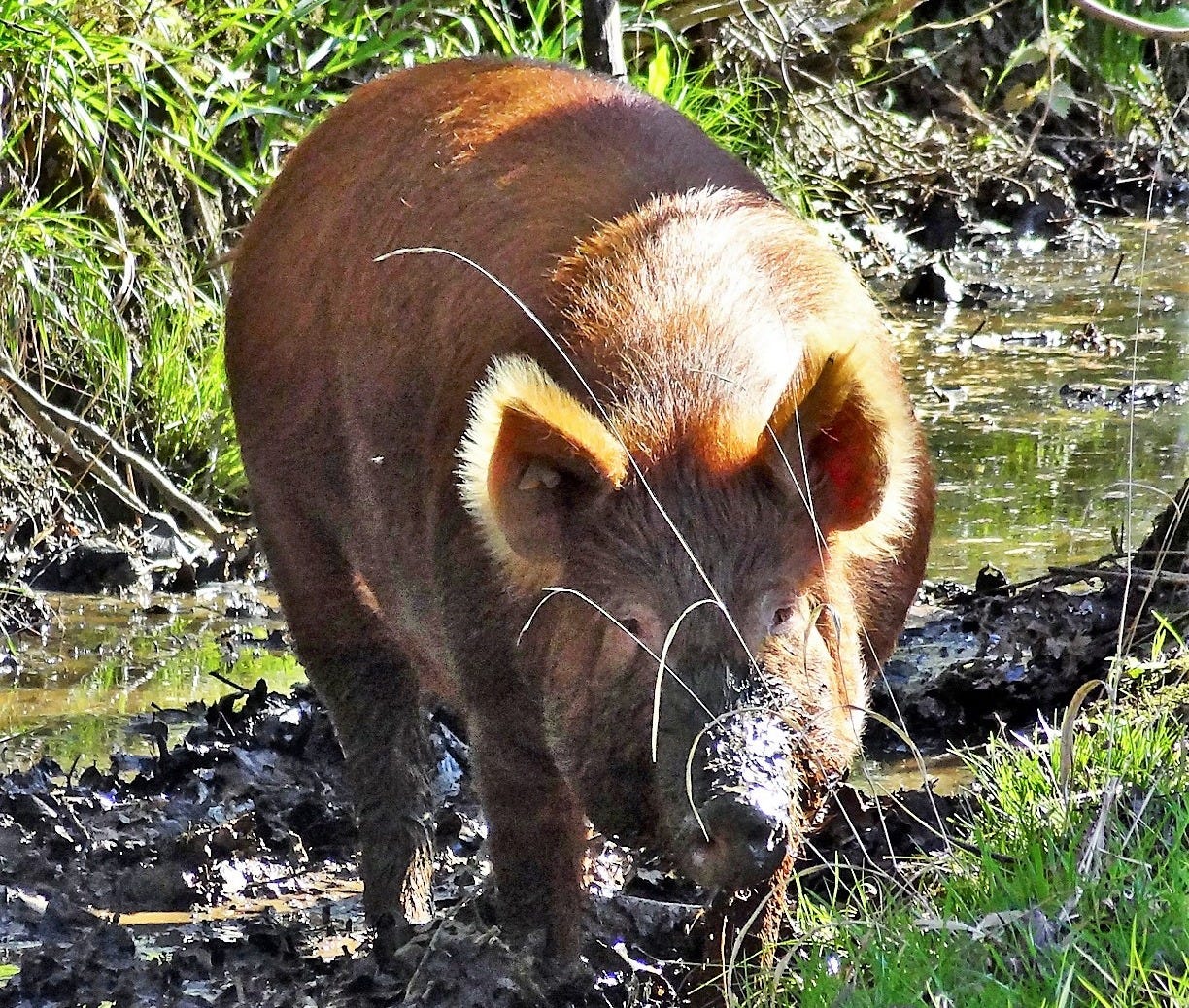
Tamworth pigs will be introduced at Wild Saltholme nature reserve on Teesside to mimic the behaviour of wild boar, naturally preparing ground and spreading seeds that support birdlife.
Across the UK there is a long history of meadow management techniques, including cutting for hay and grazing with livestock, and it is hoped the Tamworth pigs will replicate what wild boar would have been doing hundreds of years ago, treading and rooting in the ground for food, which helps spread seeds the birds depend upon.
The red-coloured Tamworth is one of seven British pig breeds listed by the Rare Breeds Survival Trust as ‘priority’.
The project will also investigate how practical measures including restoring native plants, managing wildflower meadows and controlling invasive vegetation could help nature recover more quickly and support a greater diversity of birdlife.
A PhD studentship based at Teesside University and Wild Saltholme will honour the legacy of late ornithologist and Teesside resident James Denis Summers-Smith, whose lifelong study of house sparrows inspired generations of conservationists.
From the 1970s, sparrows went into severe decline, although their diminished numbers still make them one of the most spotted garden birds in the North East in the annual RSPB Big Garden Birdwatch.
Summers-Smith studied this decline extensively, calling it “one of the most remarkable wildlife mysteries of the last 50 years”.
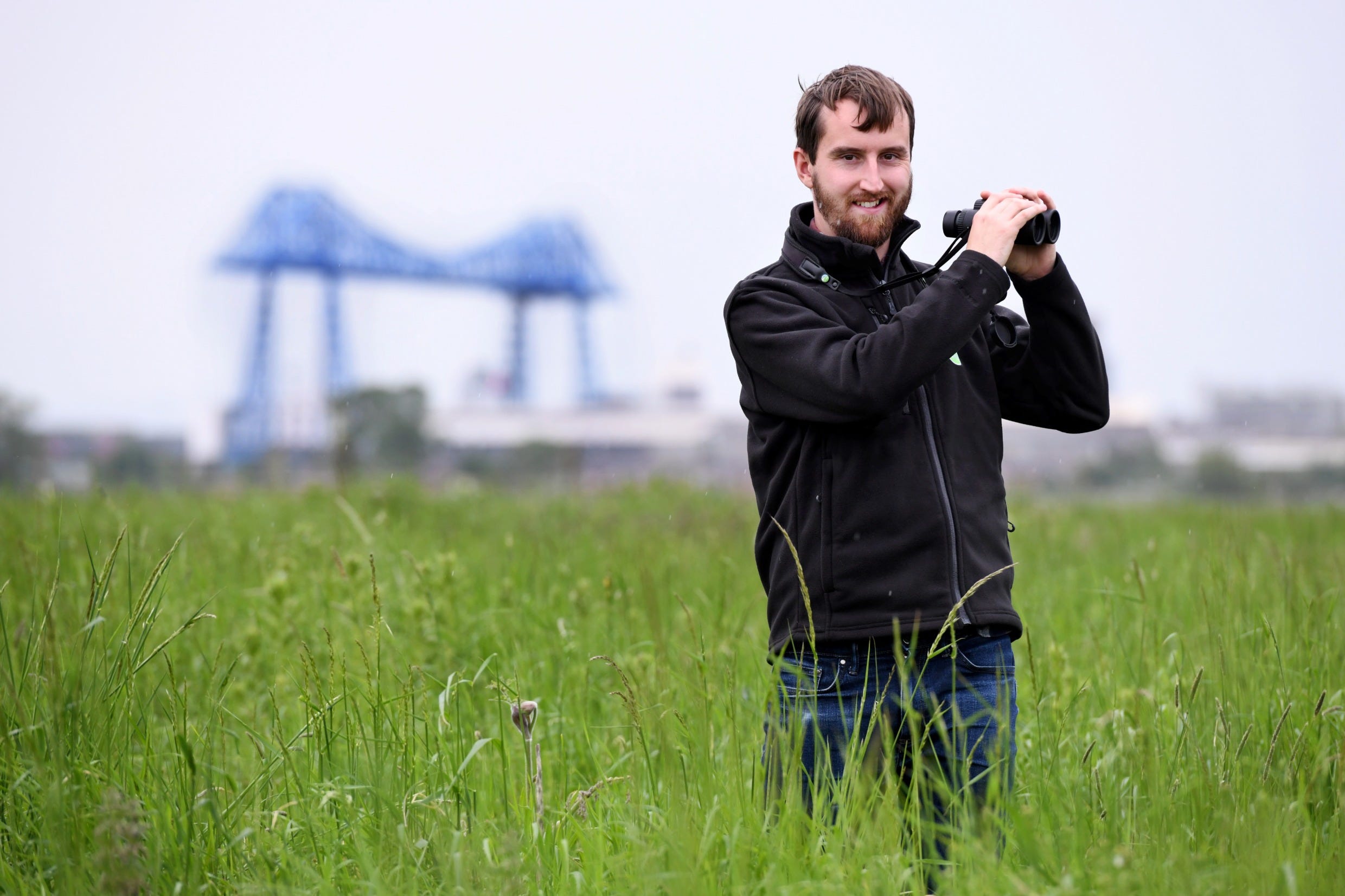
Working closely with academic staff at Teesside University and conservation teams at RSPB Saltholme, PhD research student Edward Hearn, 26, will study habitat change and biodiversity over time across the site, using drone surveys to monitor how habitats develop alongside surveys of plants, insects and birdlife.
Ed gained a Master of Mathematics at Durham University and found a love for wildlife conservation through local volunteering in Durham. He is now dedicated to pursuing a career in wildlife conservation.
The project aims to make soils more suitable for delicate wildflowers, including native species such as Bird’s-foot Trefoil, Common Rock-Rose and Bee Orchid.
Ed said: “I’m excited to help make a genuine difference for nature recovery, improving our understanding of wildlife conservation techniques. There could be economic benefits too if we can give our birds the best habitats without intensive intervention.
“Sadly, many bird species are in decline, and I hope this study will help local wildlife as well as offer guidance for best practice across the UK”.
Chris Francis, senior manager at RSPB Saltholme, said: “Denis Summers-Smith was a passionate bird lover and scientist who became increasingly interested in understanding why house sparrows and birds in general were declining. It’s exciting to see Ed follow in his footsteps, beginning what we hope will be a lifelong career in conservation.”