


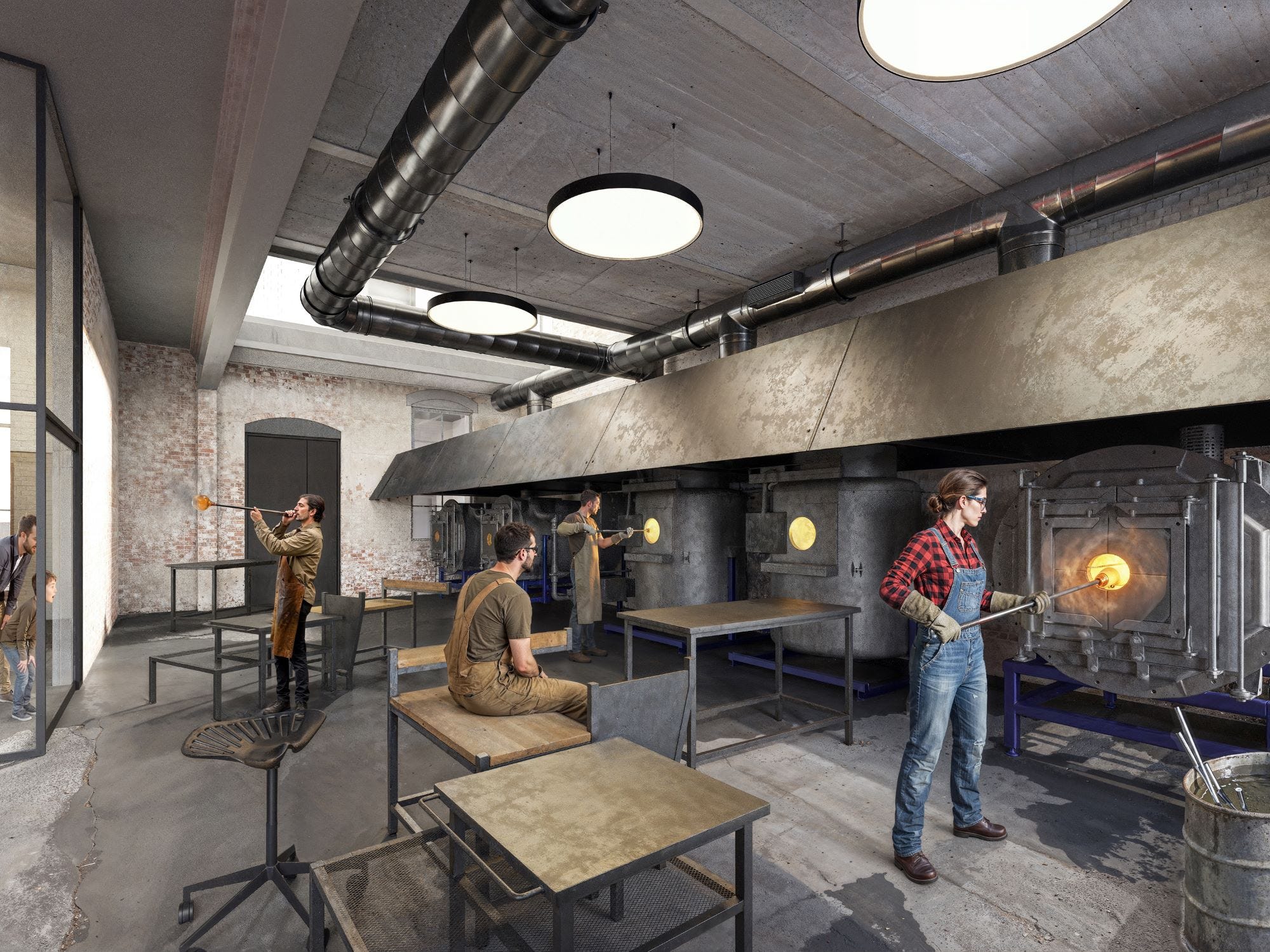
Images have been released to show how Glassworks: Sunderland might look, just days ahead of the proposed closure of the National Glass Centre.
The latter, at St Peter’s Riverside on the north bank of the Wear, is due to cease operations at the end of the month despite a concerted campaign by supporters to save it.
The architect-designed images of the proposed new facility have been submitted with a planning application to Sunderland City Council to develop the former Peter Smith Antiques building, in Sunniside, into a hub for glassmaking, ceramics and creative production.
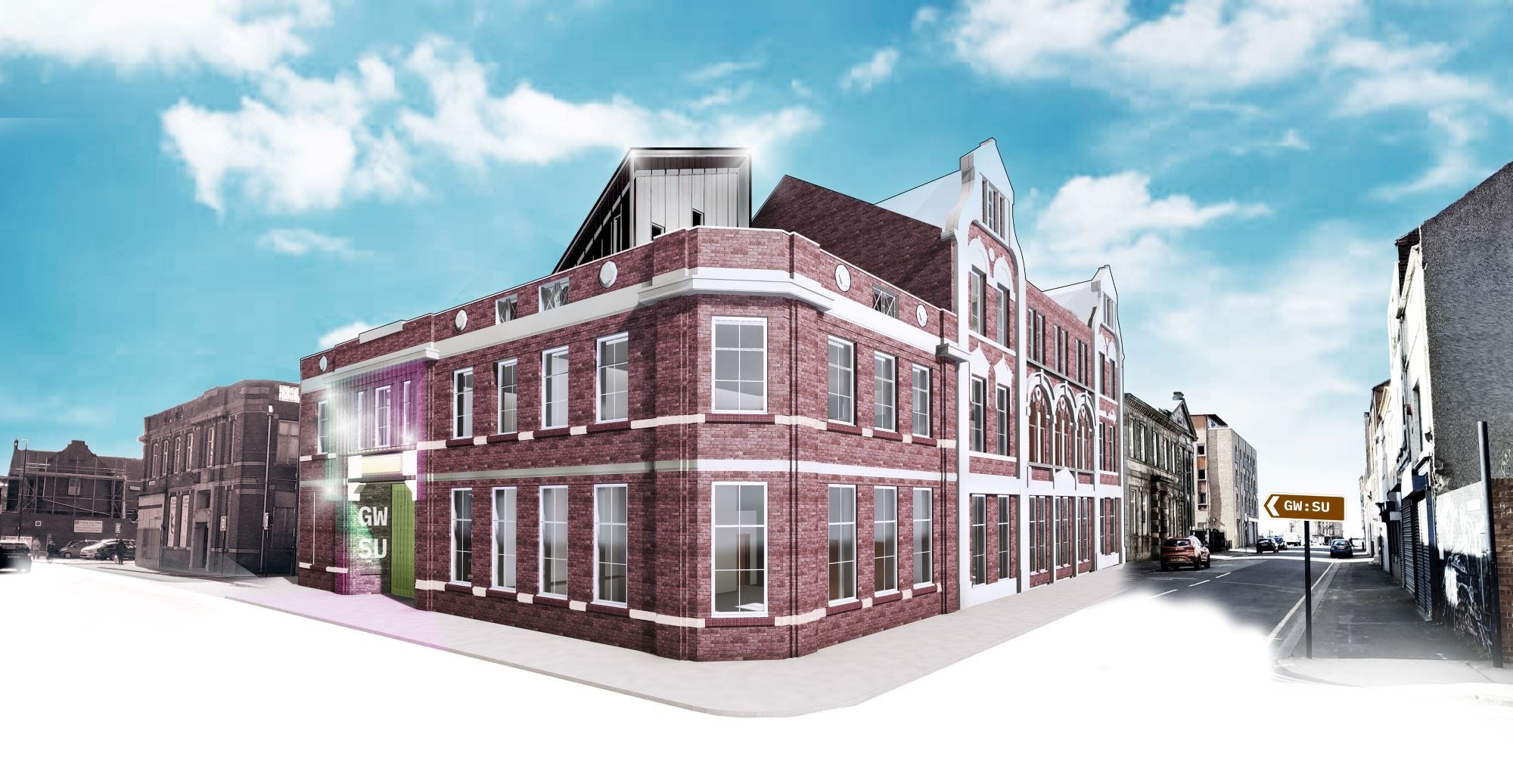
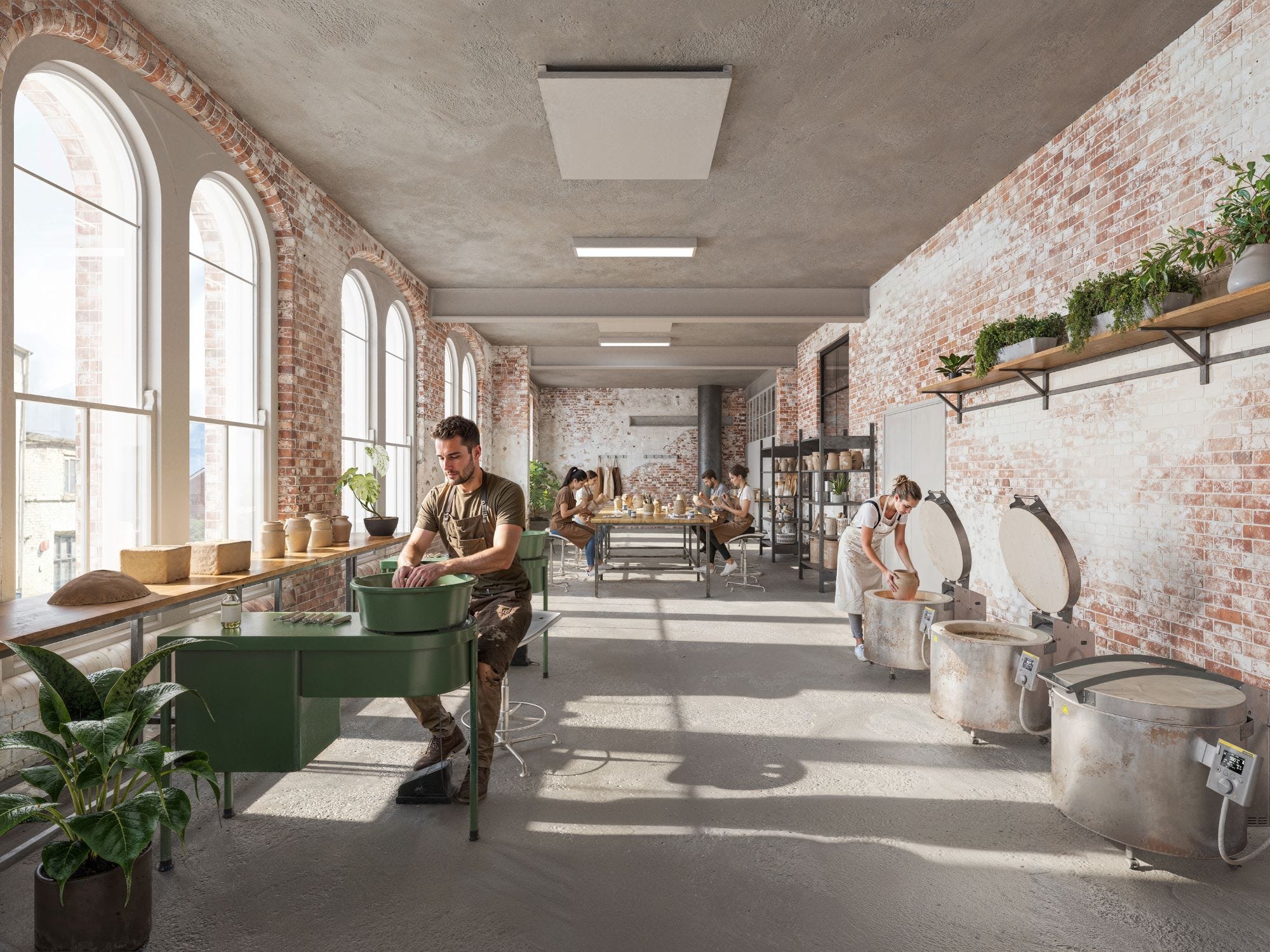
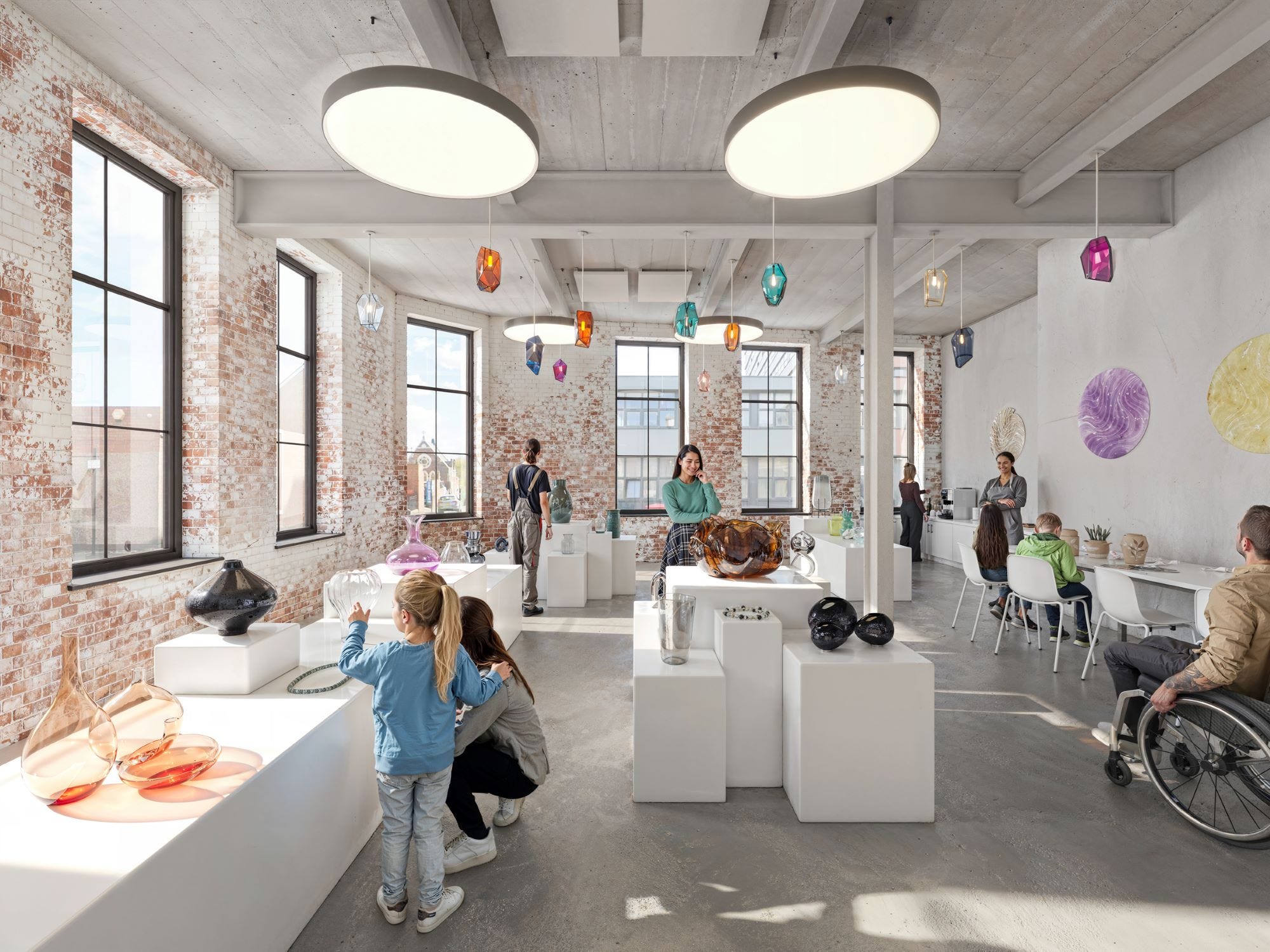
The images, attributed to PB Imaging and xsite architecture, show airy and accessible-looking spaces with large windows admitting plenty of natural light.
Ceramicists (potters, some might call them) can be seen working in one image showing what the ceramics studio would look like, while glass blowers are shown in another of the proposed ‘hot shop’.
Another photo shows people, including children and a wheelchair user, looking at pieces of ornamental glass in what is described as a flexible space.
According to Sunderland Culture, which submitted the application, Glassworks: Sunderland will – assuming it gets the nod - provide specialist facilities, workspaces, learning opportunities and business support for glassmakers and creative enterprises.
Sunderland Culture chair Tom Billington said the new venture was not intended to be a replacement for the NGC.
It would have no café or exhibition galleries.
Rather, it was “a critical intervention to retain skills, talent and production capacity in Sunderland”.
He described Glassworks: Sunderland as “a reimagined, future-facing, community-driven centre of excellence that will safeguard world-class glassmaking in the city”.
Nick Malyan, chief executive of Sunderland Culture, added: “Glassworks will support makers through access to facilities, shared resources, routes to market, commissions, business support and professional development.
“Our aim is that Glassworks will build a larger, more resilient maker ecosystem.”
He thanked Sunderland glassmakers “for their support and practical advice in drawing up our plans”.
Sarah Brown, chair of the Contemporary Glass Society, said: “Sunderland’s connection with glass is recognised around the world and Glassworks: Sunderland plans to enable glassmaking to continue in the city for many years to come.
“We hope that the provision of much-needed facilities, skills development and business support for artists and makers will help to inspire the next generation of talent.
“Its impact will be felt not only in Sunderland but across the UK glass sector, making it a project of genuine national importance.”
The planning application envisages a building open to the public on its ground and first floors that will be used for classes and activities.
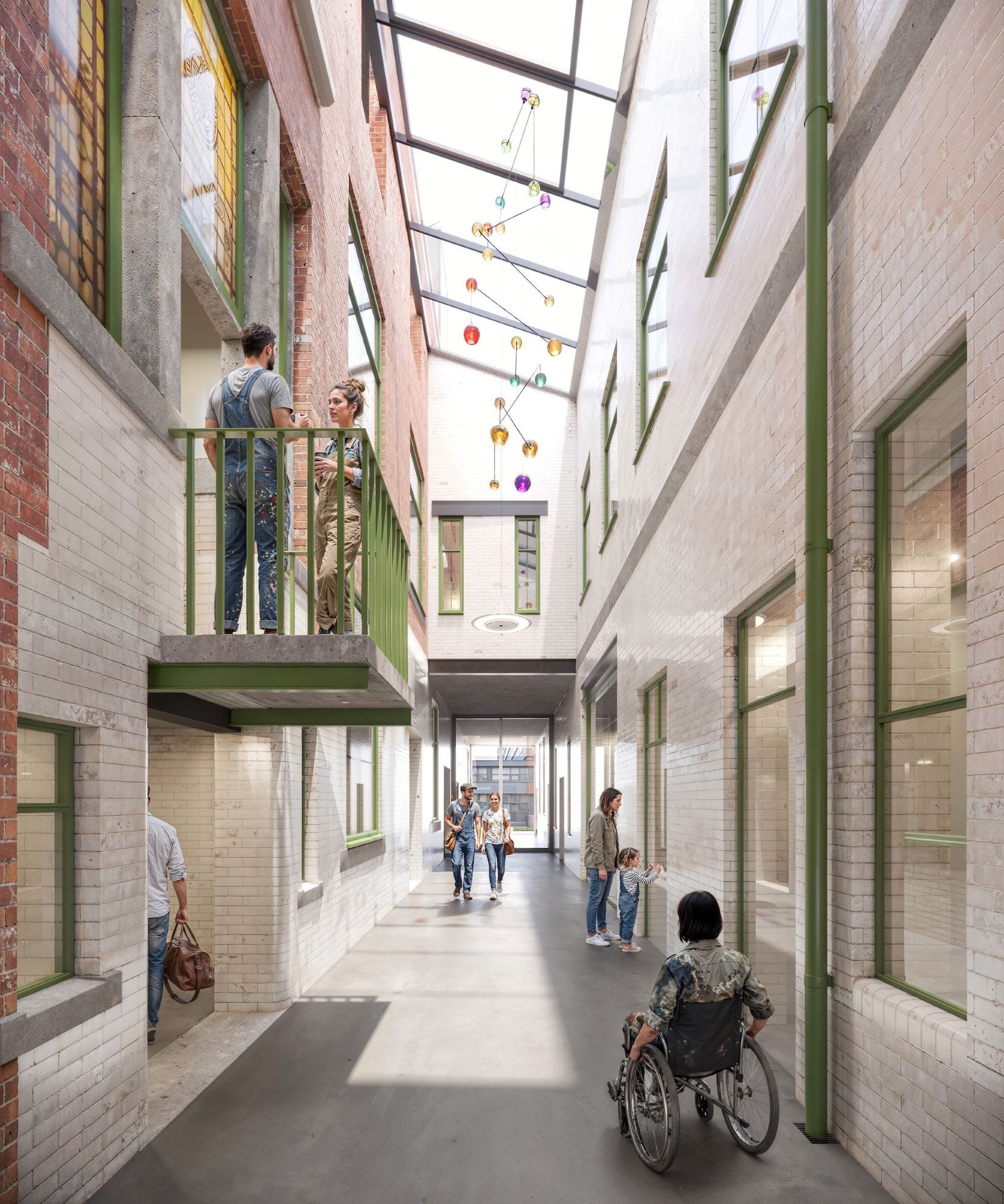
Primarily, however, it is conceived as a space for glassmakers and ceramicists, with each discipline currently available at the NGC retained in the new facility.
The upper floors will be available for creative office space and studios – more so, claim the applicants, than is currently available at the NGC.
The historic fabric of the building will be retained, with exposed brickwork, stone staircases and features from its original 19th Century use as the Durham and Sunderland County Institute for the Blind. A lift will link all floors.
A decision by Sunderland City Council’s planning committee is expected in early autumn.
This is the latest chapter in a story which goes back to 2022 when a feasibility study commissioned by the University of Sunderland identified multi-million-pound repair costs necessary to keep the NGC open.
The university, which had taken over the running of it in 2010, concluded it could not afford to repair the building which opened with some fanfare in 1998 as one of the first arts lottery millennium projects.
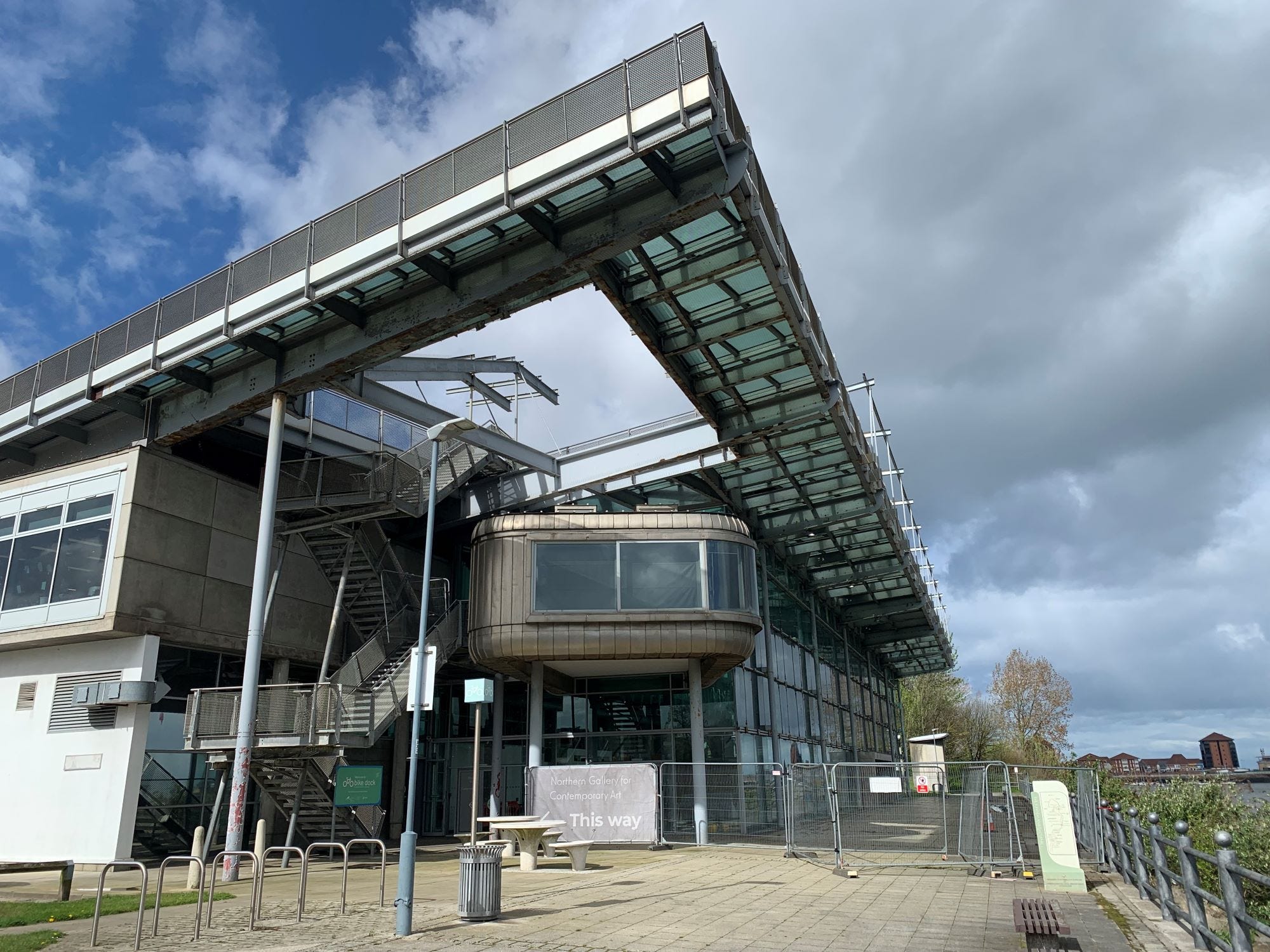
Following the closure decision, Sunderland Culture has worked with the university and city council to find a suitable base for the retention of glassmaking skills in the city.
A £5 million grant from the Department for Culture, Media and Sport’s cultural development fund, administered by Arts Council England, will help to pay for Glassworks: Sunderland.
Sunderland Culture is leading a fundraising campaign to match that sum in order to realise a project scheduled to open in 2028.
The hope must be that a two-year gap between the closure of the NGC and the opening of Glassworks: Sunderland won’t prove insurmountable for the skilled practitioners based in the region, especially since the university’s glass and ceramics degree courses have been scrapped.