


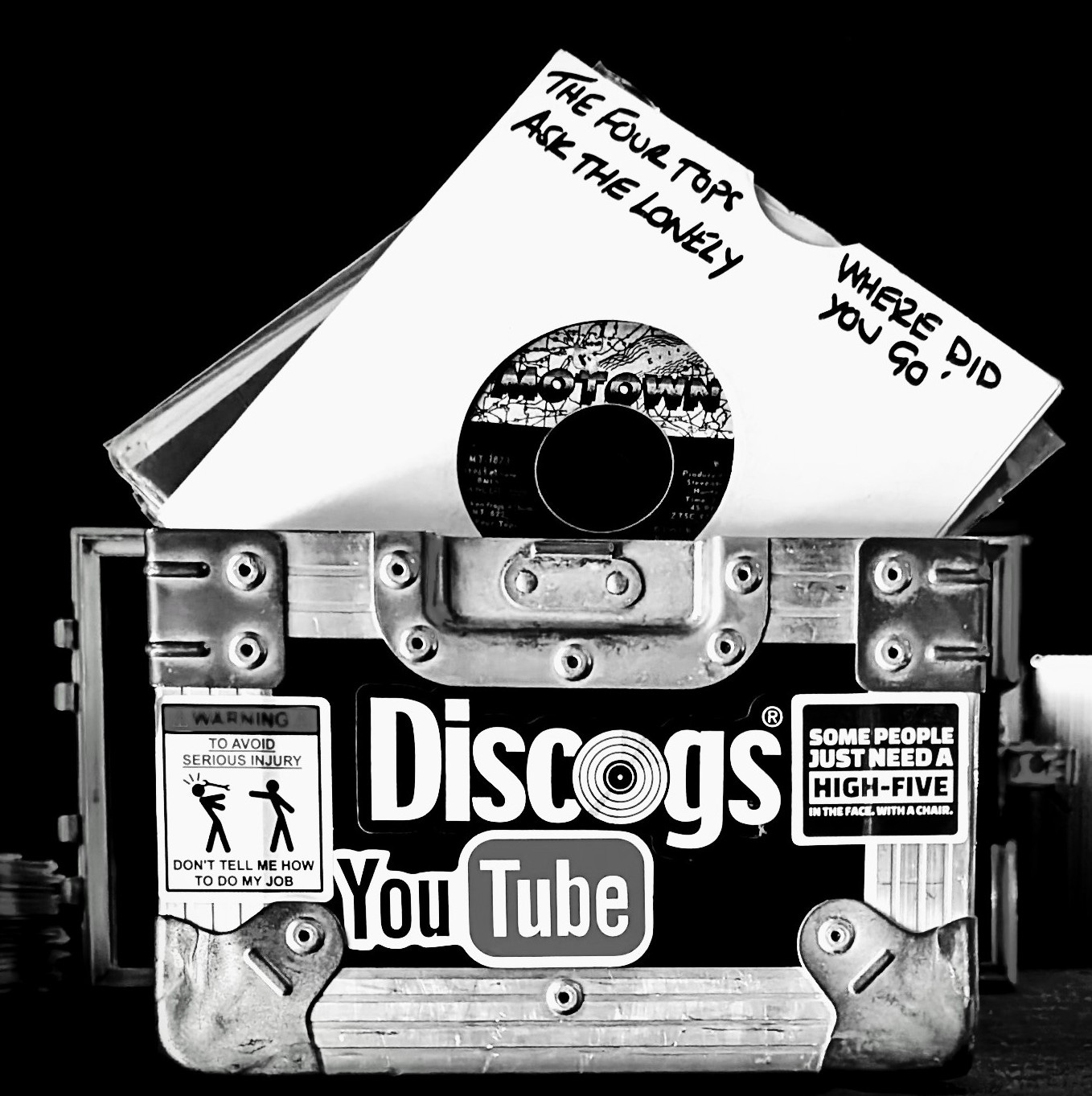
For Paul Conroy, it began with a transistor radio in the back of his dad’s car.
He was eight or nine and an altar boy opting to wait in the car on a Sunday tea time and listen to the Top 40 rather than take in a third service at church.
He didn’t know what he was hearing - Northern Soul wasn’t even a term he had heard yet.
“All I heard was this one, two, three, four, one, two, three, four beat. It sort of grabbed me,” he remembers.
More than half a century later, it still has him.
On August 30, Paul and Tyneside Soul Promotions will bring a 12-hour Northern and Modern Soul All-Dayer to The Glasshouse in Gateshead, filling two spaces with DJs, dancers and music spanning decades.
For Paul, now 66 and approaching 50 years since he and his friend Toma put on their first event as teenagers, it will also tick off something that has been on his wish list for a very long time.
“I remember just after Covid, I was on the [Newcastle] Quayside for my friend’s birthday and I went outside to have a sneaky tab.
“Bear in mind how many times I’ve been in The Glasshouse and gone passed it - this was the first time I’d really noticed it lit up and I thought, ‘I want that!’.”
Paul had already had some involvement with events at what was then The Sage Gateshead, including shows featuring American soul singers Kim Weston and Candi Staton and the BBC 6 Music Festival.
But putting on one of his own soul events there remained elusive.
“There were chats and plans came close before Covid, but we just never got there… but then The Glasshouse got in touch last year and opened the door of possibility.”
Now the door is open, Paul has no intention of tiptoeing through it.
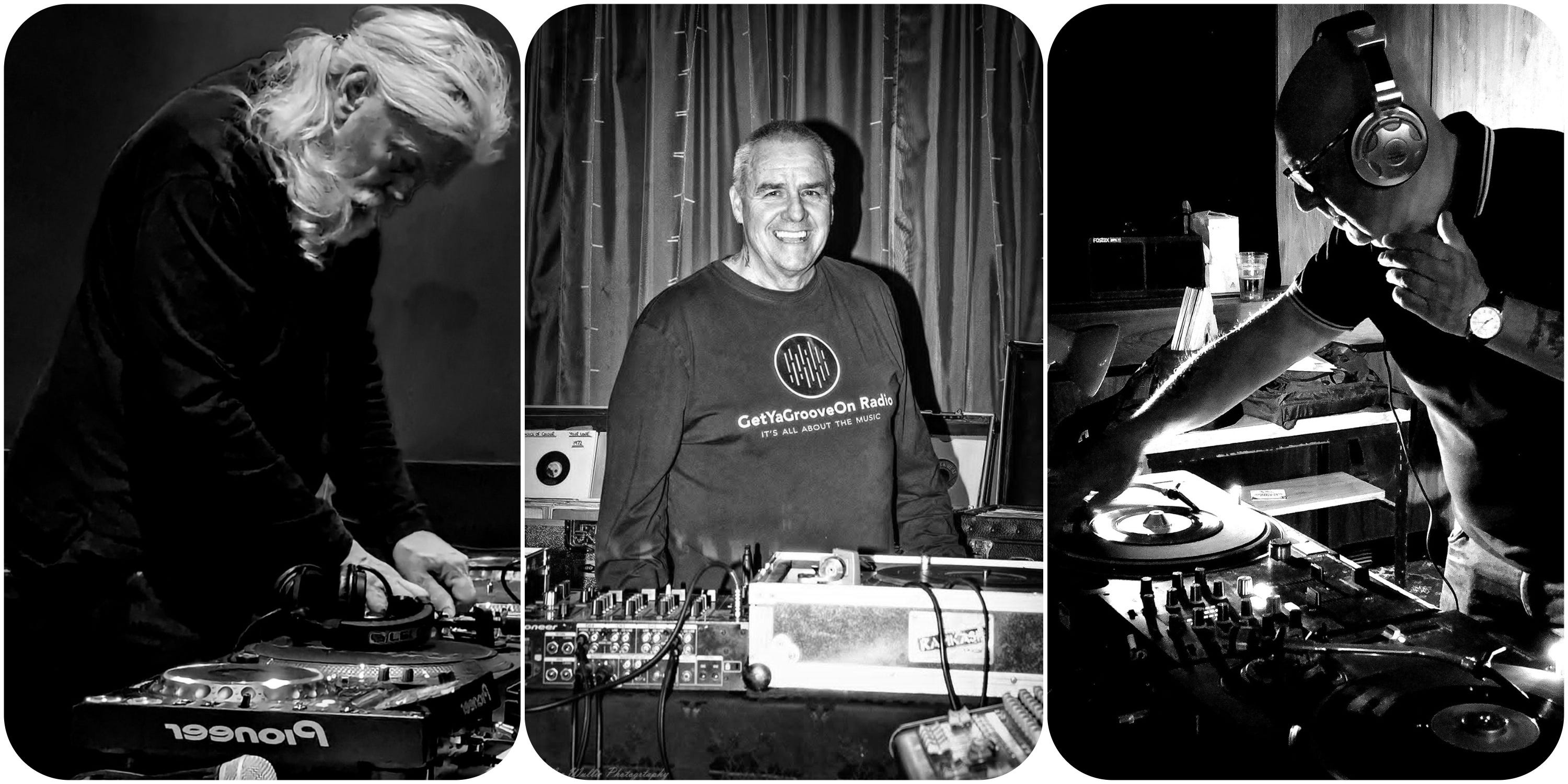
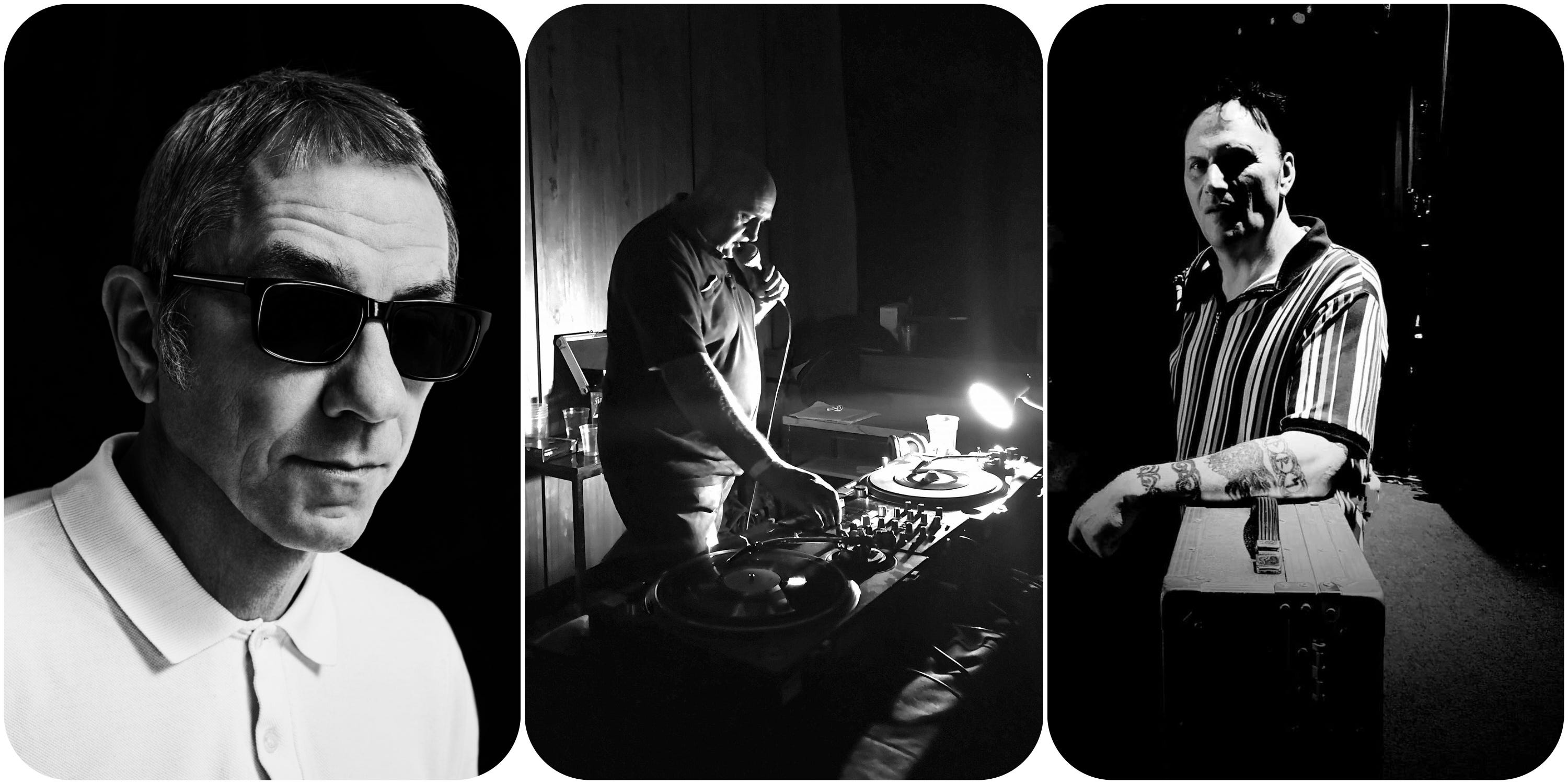
Running from 1pm until 1am, the All-Dayer will feature more than 20 DJs across two spaces, with the main floor devoted to Northern Soul and Motown while upstairs stretches into Modern Soul, jazz funk, soulful house and music from the 1970s onwards.
Among those taking to the decks will be Colin Curtis, Eddie Piller, Simon Hunt, John Kane and Andy Dyson, alongside DJs from across the North East and further afield.
There won’t be any live acts. For Paul, the records are the live attraction.
“It’s got to be the music from the records themselves,” he says.
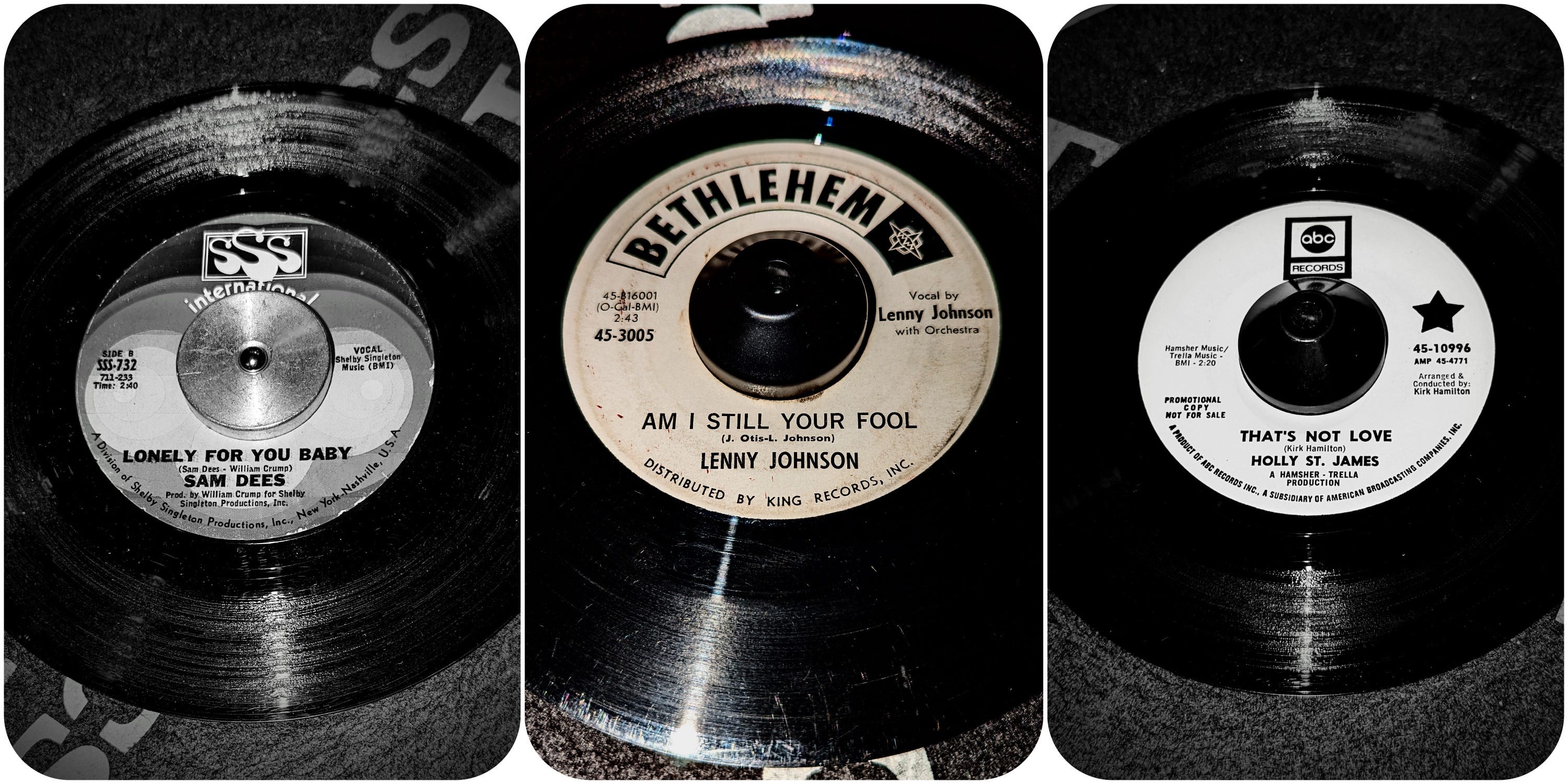
In the main Northern Soul room, that means original vinyl – no laptops, bootlegs or re-pressings – with DJs bringing records which can be worth thousands of pounds.
That reverence for the records is a clue to understanding a scene which, despite periodically being rediscovered by the wider world, Paul insists has never needed reviving.
“It sometimes sticks in my throat a little bit when I hear people writing things saying it’s a Northern Soul revival. It never ever went away.”
Rather than music made in the North of England, the Northern Soul scene grew around a passion for predominantly American soul records – often obscure, fast-paced releases – and the clubs where devotees gathered to dance to them.
The term itself emerged in the late 60s/early 70s, when London record dealer and soul music champion Dave Godin noticed football fans visiting from northern towns were repeatedly asking for a particular type of record.
He began grouping those records together for his northern customers and the name stuck.
By then venues such as Manchester’s Twisted Wheel had become magnets for a new generation of soul fans. Later came clubs whose names remain almost mythical within the scene: Stoke’s The Torch, Wigan Casino, Blackpool Mecca and London’s 100 Club.
Paul discovered the culture closer to home.
At around 12, he walked into his local Methodist youth club and saw older teenagers dancing to soul records. And it wasn’t only the music that caught his attention.
“They were as smart as darts,” he says, remembering Ben Sherman shirts, neatly pressed trousers and ties tucked into top pockets.
“I thought, ‘I want to do that’. That’s basically how we got into it.”
By 16, he and Toma were putting on their own events.
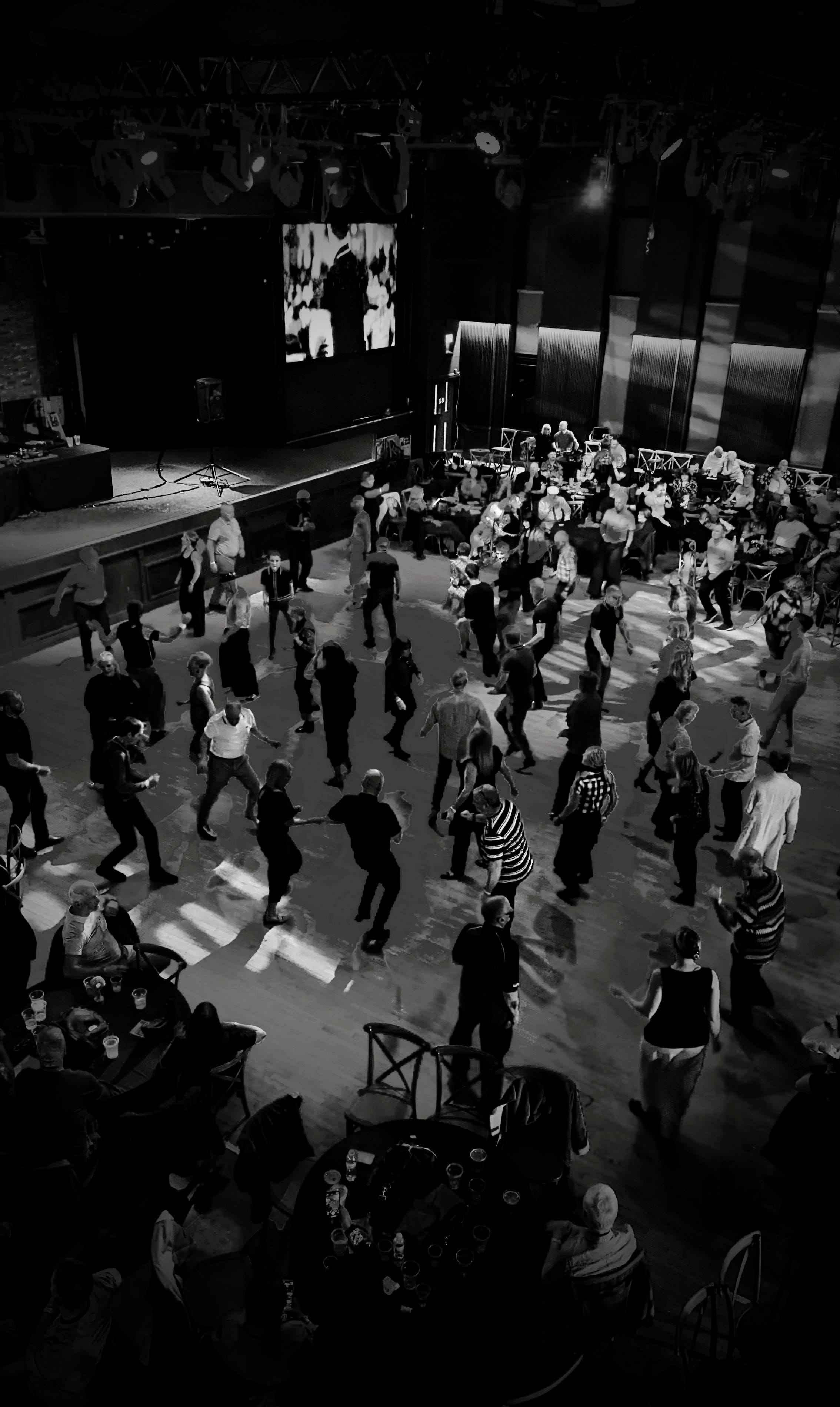
Over the decades that followed, Paul helped keep soul dancefloors busy across the North East, including nights at the Broadway Ballroom in Pelaw as well as all-nighters, all-dayers and the long-running Tyneside Soul Weekender which has been based at the Federation Brewery in Gateshead for many years.
There were interruptions. His working life included long spells as a police officer and paramedic, while family circumstances meant stepping away from promoting for periods. But the music remained.
And although Northern Soul is what most people associate him with, Paul’s own tastes have always travelled further.
“I’m not an out-and-out, tunnel-vision Northern Soul fan,” he says. “Jazz funk – I love it. Soulful house. I’m 66 and I’m jumping around like an idiot. I love funk. I love crossover. I love it all.”
That breadth is reflected in August’s event.
While the main room will offer the classic Northern Soul experience, the upstairs second space gives DJs room to move through Modern Soul, jazz funk, 1970s, 80s, 90s and Y2K soul and soulful house.
Paul is also keen to avoid a greatest-hits version of Northern Soul.
The famous “Top 500” records have become a familiar entry point for newcomers, but he stresses they represent only a fraction of the music that has kept the scene alive.
“There’s more than 500 records – thousands more,” he says. “There’s records that don’t get played now, or tunes that don’t get played now, that were huge back in the 70s and early 80s.”
The challenge now is making sure another generation discovers them.
Paul is under no illusions about the need for younger dancers and DJs if the scene is to continue, and points to pockets of younger enthusiasts around the country as evidence that the baton is being picked up.
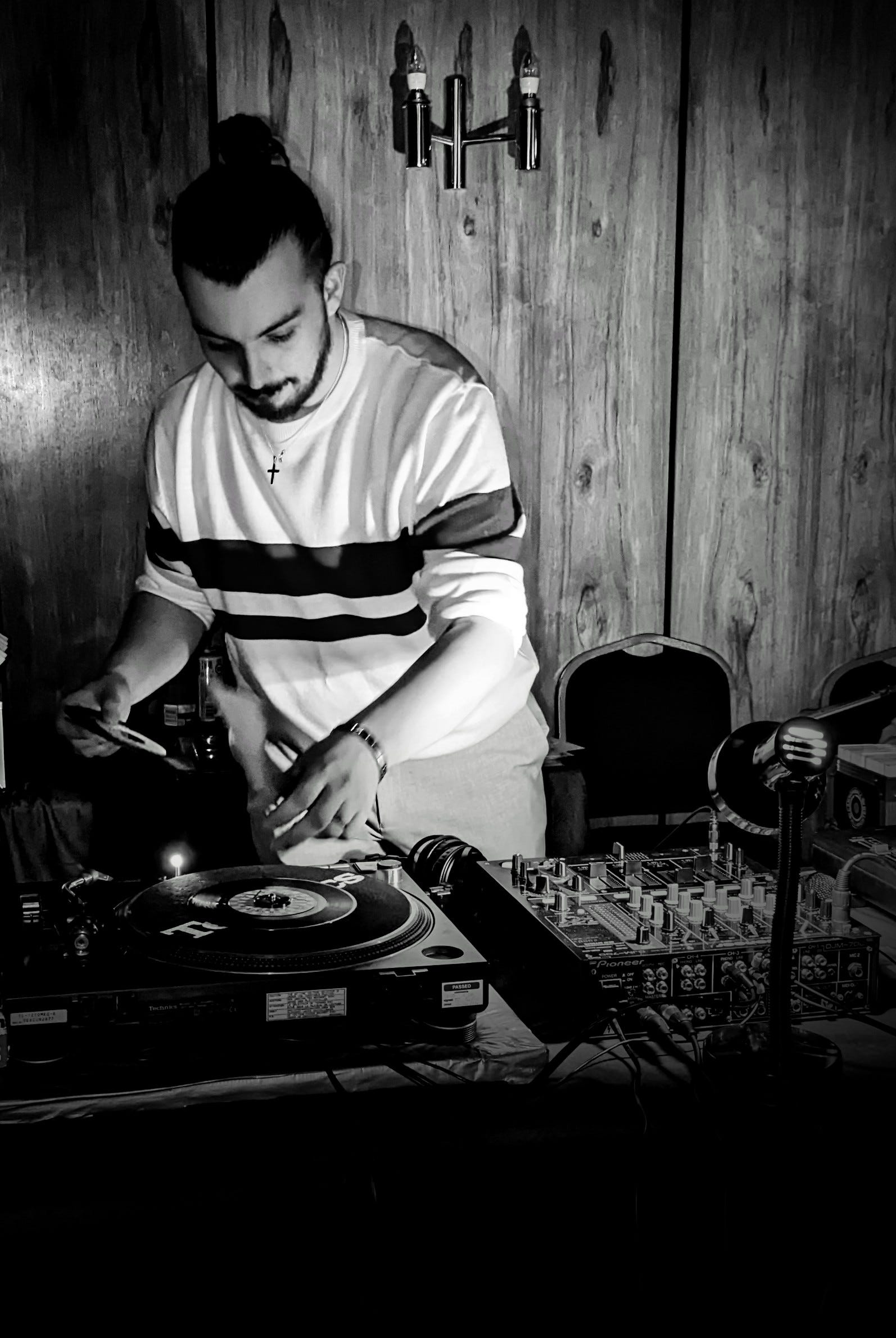
Among those appearing at The Glasshouse is younger DJ Ethan McDermott, part of a generation Paul believes has the energy and passion to take the music forward.
He thinks the analogue nature of the music is part of its attraction.
“It’s not false music. It’s not computer generated, it’s not AI generated. They haven’t got voice enhancers on it,” he says.
“There’s an honesty of the music itself.”
Paul describes its driving rhythm as almost industrial – perhaps fitting for music forged in cities such as Detroit and subsequently embraced in the industrial towns and cities of northern England.
Whatever its appeal, it hasn’t diminished for him.
“I get as much pleasure out of hearing it as I did when I first heard it in the back of that car, not knowing what it was,” he says.
The Glasshouse All-Dayer will bring that lifetime of listening, collecting and putting on events into one of the region’s biggest cultural venues.
There will also be record and memorabilia sellers, and Paul hopes the building itself – with the Tyne, bridges, Quayside and Newcastle just outside – will encourage people travelling from elsewhere to make a weekend of it.
And, inevitably, he is already wondering what might come next.
If the first event works, his ambitions include expanding into more of The Glasshouse, with different rooms dedicated to different strands of soul and even a space devoted to disco.
“There are so many possibilities and ideas and I can’t wait to see that venue filled with people enjoying the music, and the setting. Let’s hope it’s the first of many!”
The Northern and Modern Soul All Dayer is at The Glasshouse from 1pm on August 30. For tickets, visit theglasshouseicm.org.