

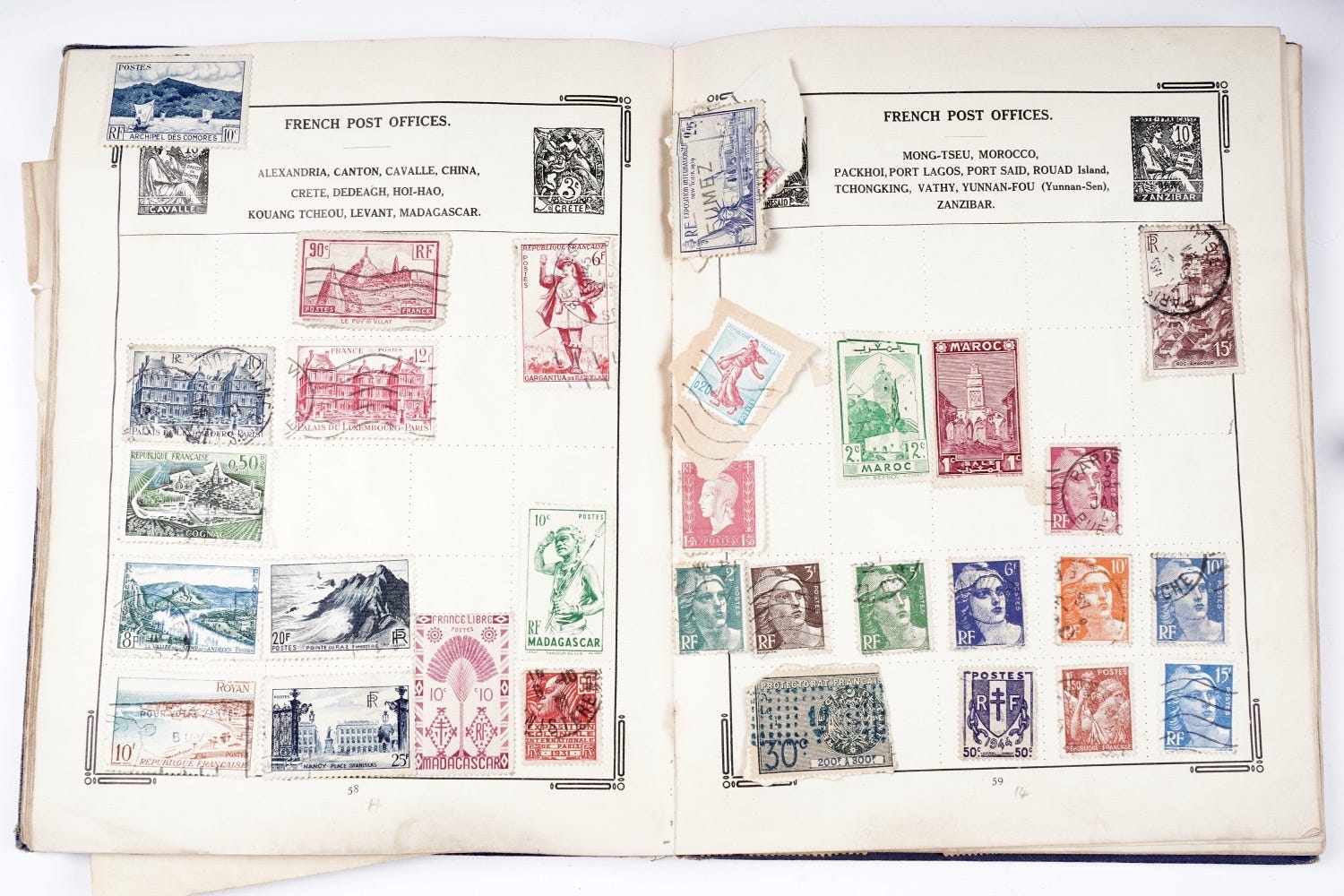
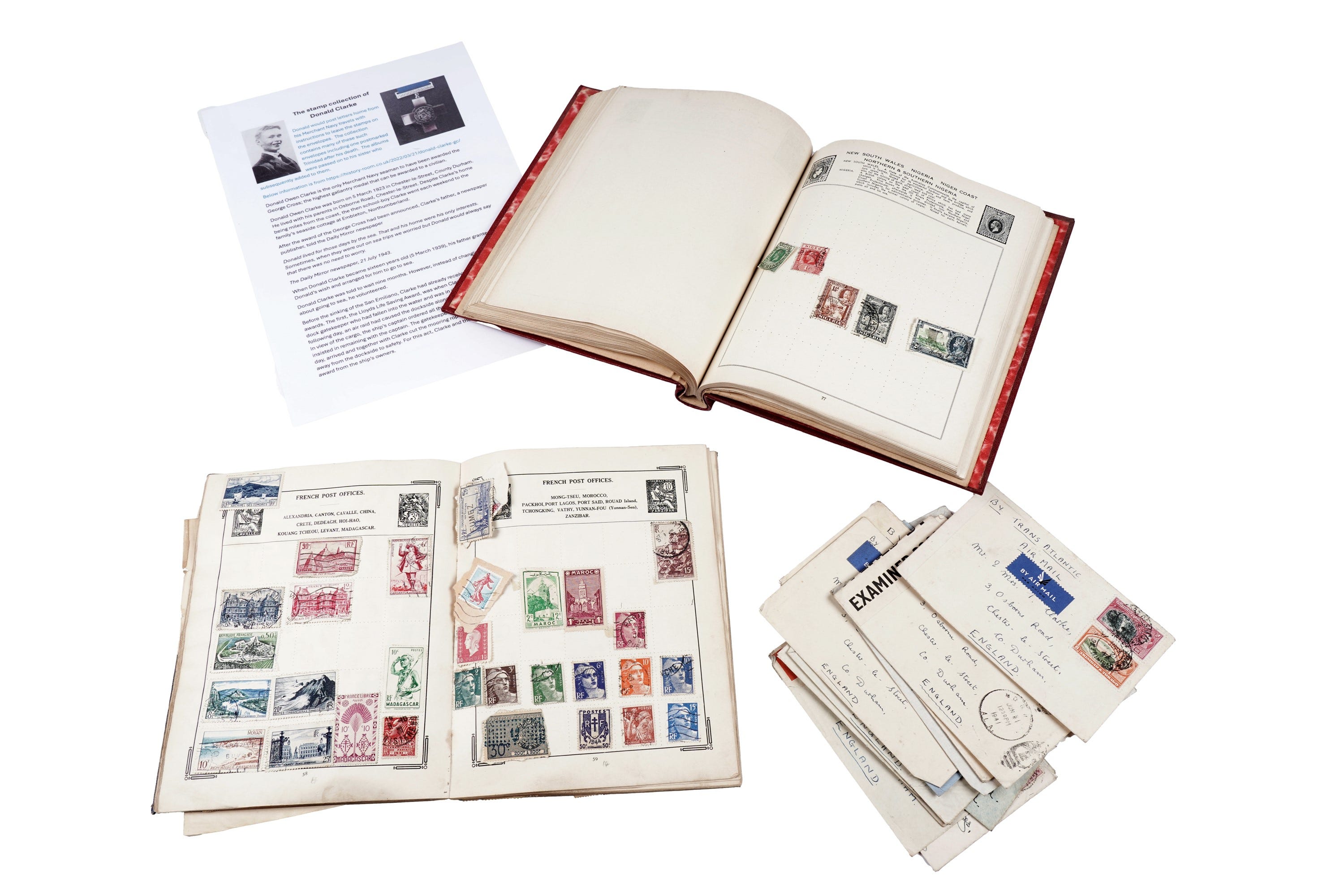
Albums of stamps up for auction have illustrated a young man’s dream of going to sea and seeing the world.
But it would end in an act of “supreme heroism’ by Donald Owen Clarke and his death at the age of 19.
In 1943 his parents were presented by the King with his posthumous George Cross - the highest award for gallantry for a civilian. The seagoing apprentice from Chester-le-Street was also the only merchant seaman to be granted the medal.
His collection of world stamps and air mail covers from a host of destinations worldwide in the sale by Newcastle auctioneers Anderson & Garland were mainly addressed to his parents Thomas and Bertha Clarke.
Donald sent these covers home with instructions for the stamps to be kept.
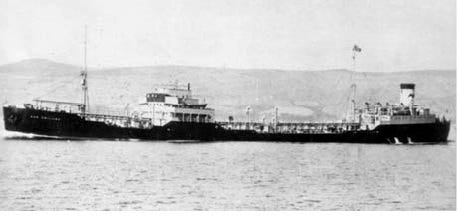
One of the covers was posted from Trinidad where, to the south east of the island, Donald lost his life after his tanker, the San Emiliano, was torpedoed and sunk by the German submarine U-155.
The tanker was engulfed in flames but despite being so badly burned that he died the next day, he helped save other severely burned victims by rowing a lifeboat clear of the stricken ship.
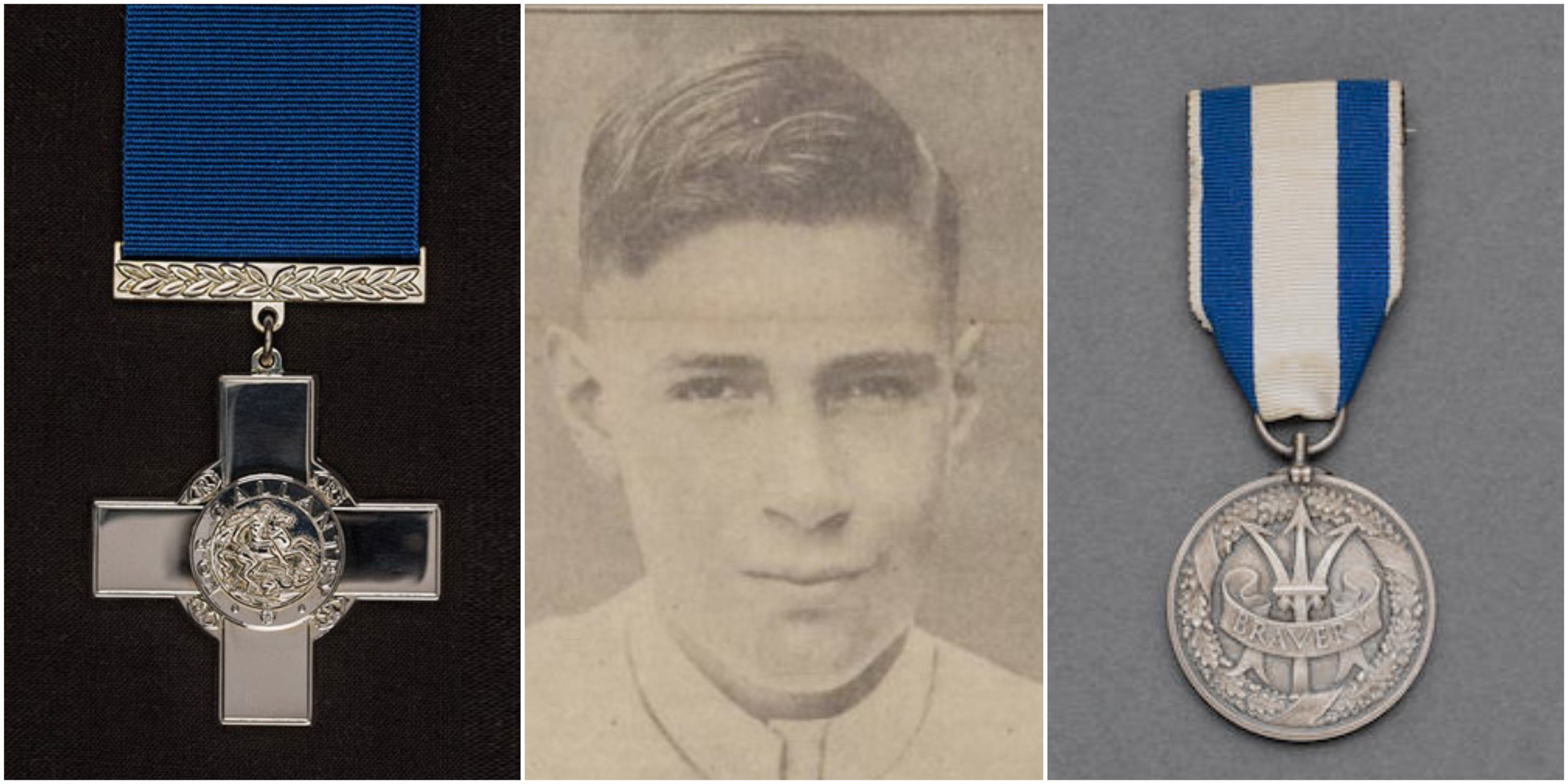
The citation for Donald Clarke’s George Cross reads:
“The ship, sailing alone, was attacked by the enemy and hit by two torpedoes. Fire broke out immediately, flames sweeping the vessel from bridge to poop.
“Apprentice Clarke was trapped in the accommodation and was severely burned. Despite this he made his way on deck and was one of those who got into the only boat which left the ship.
“The boat drifted back and it was clear that a tremendous effort was needed to pull it out of danger. Most of the occupants, however, were so badly burned that they were unable to help, but Apprentice Clarke took an oar and pulled heartily for two hours without a word of complaint.
“It was not until after the boat was clear that it was realised how badly he had been injured. His hands had to be cut away from the oar as the burnt flesh had stuck to it.
“He had pulled as well as anyone, although he was rowing with the bones of his hands. Later when lying at the bottom of the boat his thoughts were still with his shipmates and he sang to keep up their spirits. Next day he died, having shown great fortitude.
“By his supreme effort, undertaken without thought of self and in spite of terrible agony, Apprentice Clarke ensured the safety of his comrades in the boat. His great heroism and selfless devotion were in keeping with the highest traditions of the Merchant Navy.”
The nine survivors were eventually picked up by an American ship. One was later killed after joining another ship which was also torpedoed.
Donald’s father ran an ironmongery business in Chester-le-Street and was also a printer and former proprietor of the Chester-le-Street Chronicle.
The family owned a seaside holiday cottage at Embleton in Northumberland and visited most weekends.
After the award of the George Cross had been announced, Thomas Clarke told the Daily Mirror: “Donald lived for those days by the sea. That and his home were his only interests. Sometimes, when they were out on sea trips we worried but Donald would always say that there was no need to worry.”
He also spoke to the Newcastle Journal about the boy who always wanted to go to sea. “His heart was set on it. From being a tiny tot he talked of the days when he would be a captain and have a ship of his own.”
The Journal also reported the provision of a bed in the Royal Victoria Infirmary in Newcastle in memory of Donald.
“The bed, which has been provided by the donation of £1,000 from the Eagle Oil and Shipping Company, the firm to which Clarke was indentured, is in the window of the Chester-le-Street showroom of the Newcastle and Gateshead Gas Company. With it is the tablet inscribed: To the memory of Donald Owen Clarke. G.C., of Chester-le-Street, endowed by the owners of m.v. San Emiliano to be erected above the bed in Ward 19.”
A Sea Cadets building on Chester-le-Street Riverside is named after Donald and Dorothy Hall, chair of Chester-le-Street Heritage Group, said that a long-term aim was that a commemorative plaque could be installed at Donald’s home in the town.