


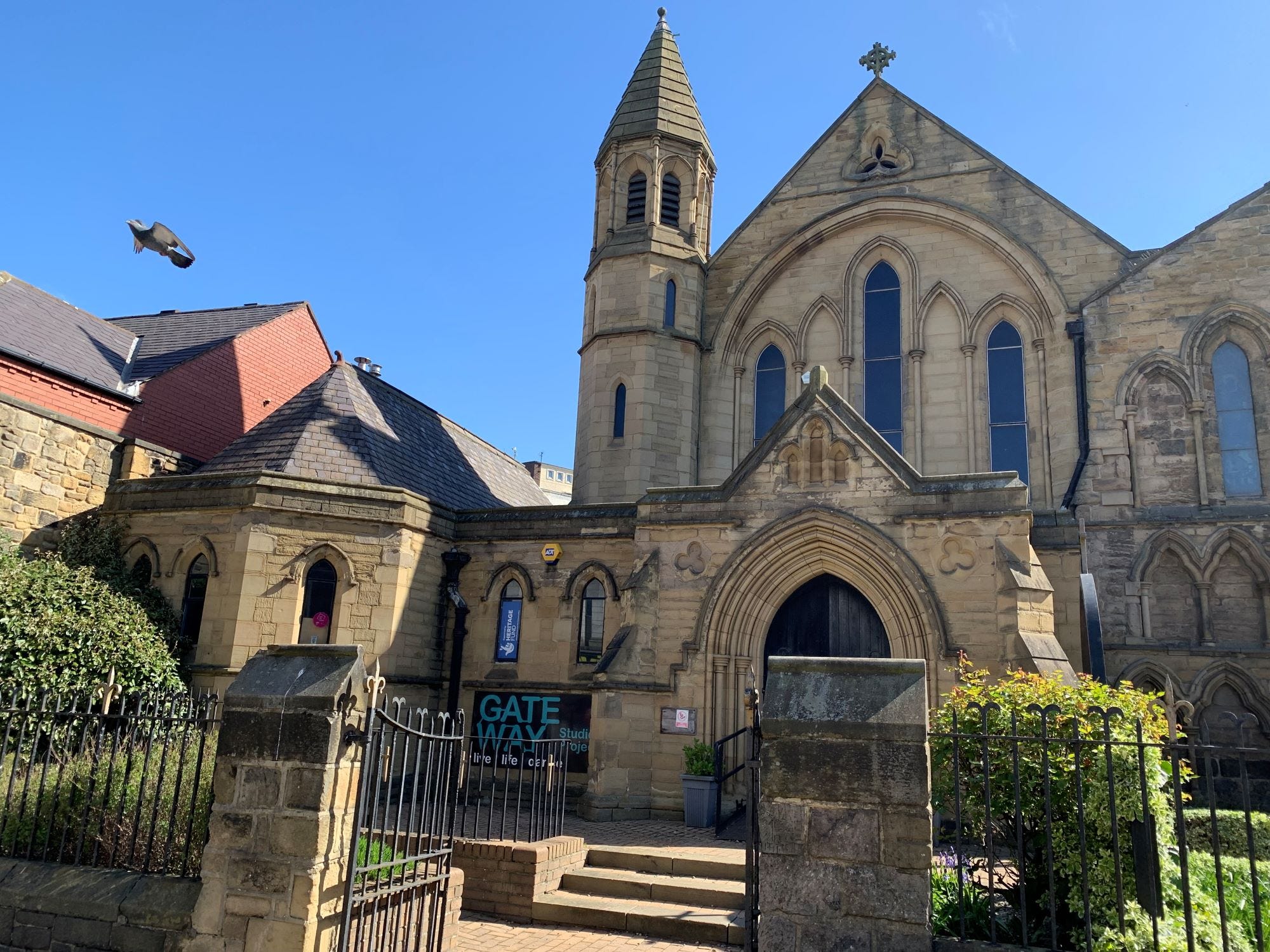
One of the lesser known North East beneficiaries of the Government’s Creative Foundations Fund back in April was Gateway Studio, an arts charity based in Gateshead, which received £400,000.
That it’s less well known than other recipients including Northern Stage, Queen’s Hall Arts in Hexham or even Newcastle music venue The Cluny is attributed by founders Martin and Debbie Hylton to lack of visibility.
They admit you could walk the length of Gateshead High Street and not know it’s there.
That’s a drawback for an organisation intended to be a ‘gateway’ to a professional dance career for some; to fitness, friendship, learning and personal development for others.
But what a story is quietly unfolding at Gateway Studio!
That £400,000, after the best part of a decade, took Martin and Debbie to within a whisker of being able to buy the building and shortly they will complete the purchase.
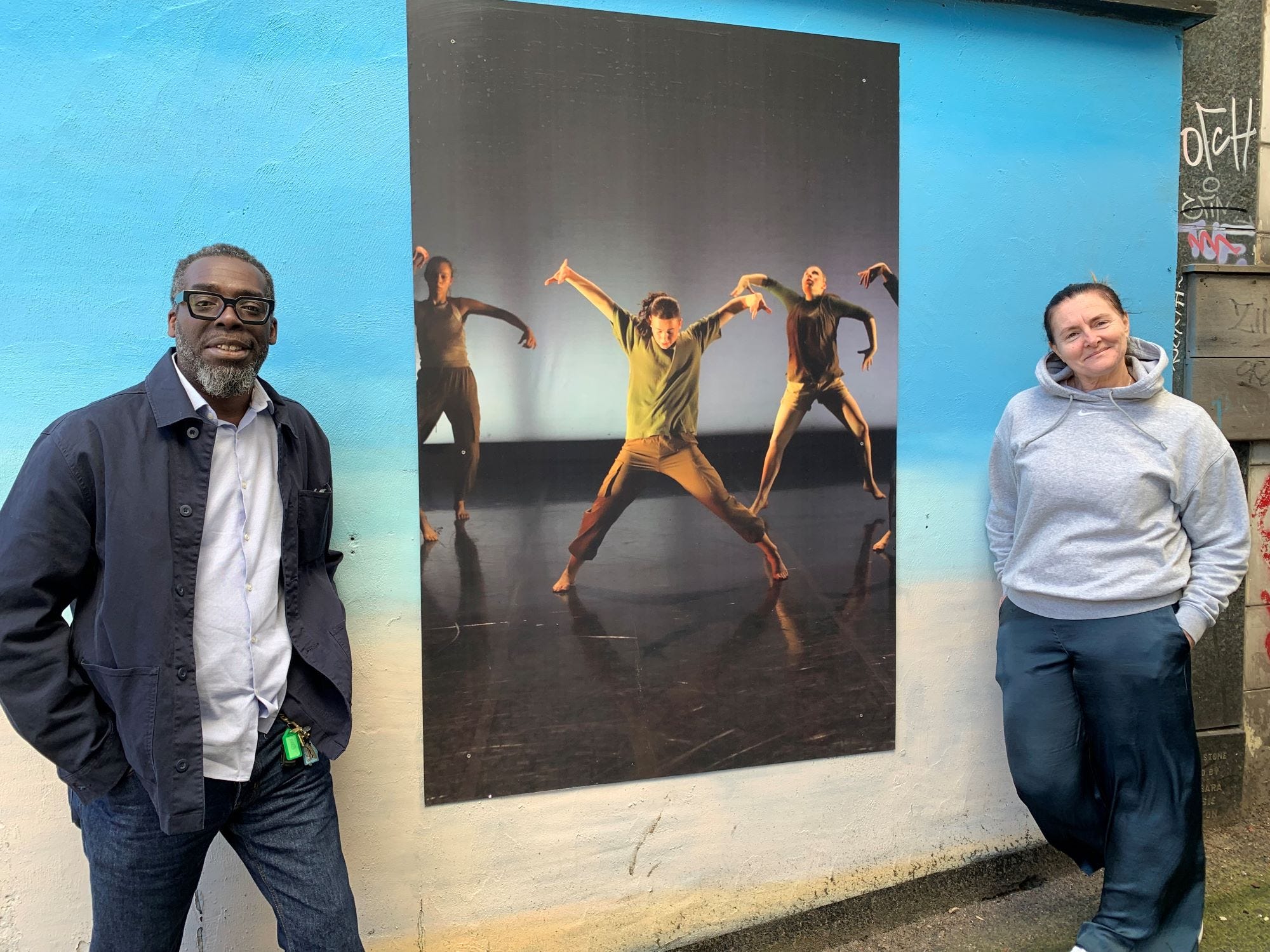
I went to meet them at Gateway Studio which, despite the sign, still looks like a church – and a very closed church at that.
The building actually was a church and half of it still is, the Grade I-listed St Edmund’s Chapel with its roots in medieval times.
Gateway Studio occupies the portion which was added in the 1890s to accommodate a growing congregation, when the whole premises became the Church of the Holy Trinity.
In 1969, attendance having dwindled, the newer part of Holy Trinity was deconsecrated and became a community centre (the Trinity Centre) – although the adjacent St Edmund’s Chapel is still used for services.
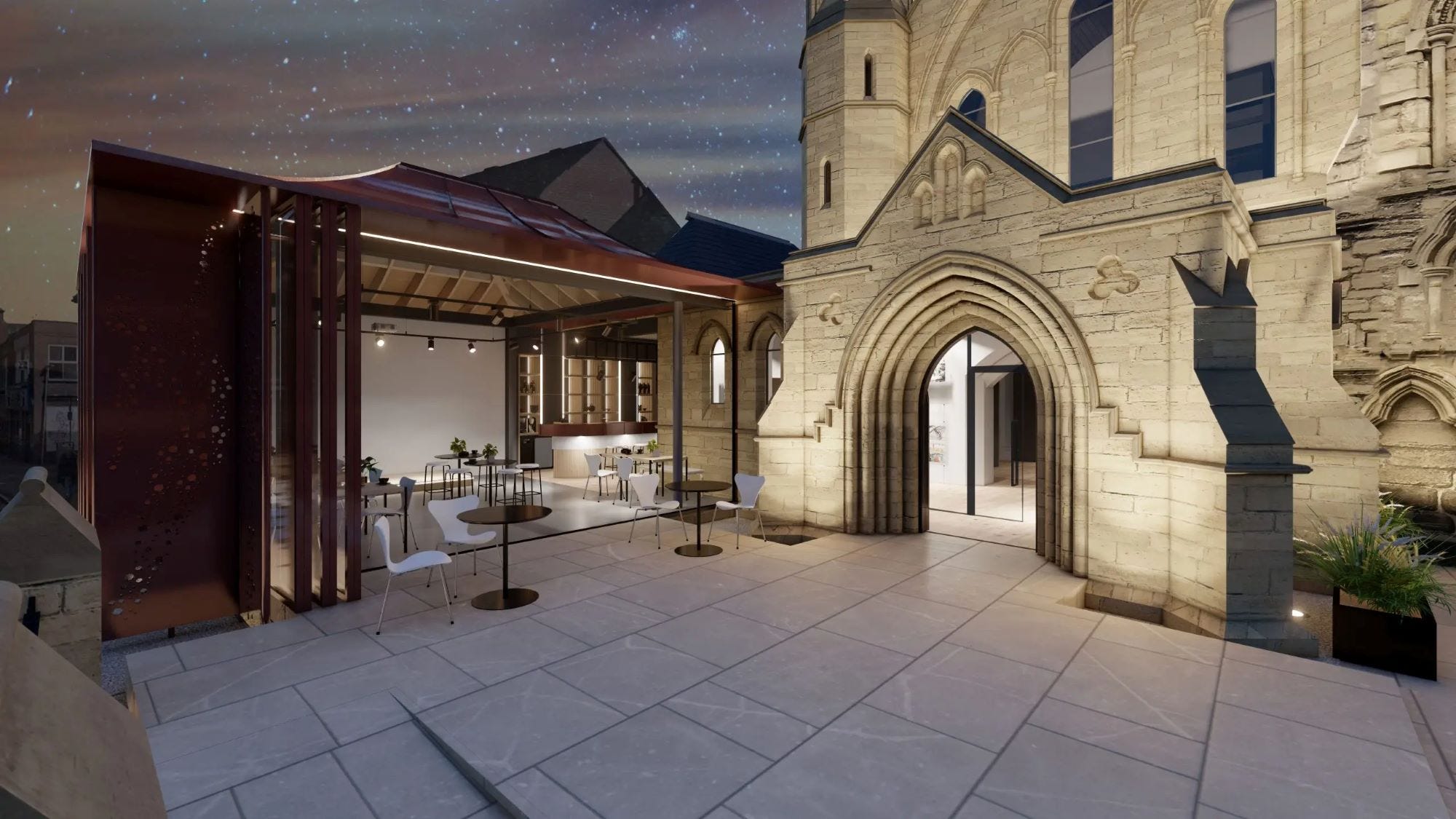
The Hyltons’ dream has long been to buy the old Trinity Centre and transform it into a centre of arts, heritage and community, as envisaged in an architect’s eye-catching masterplan.
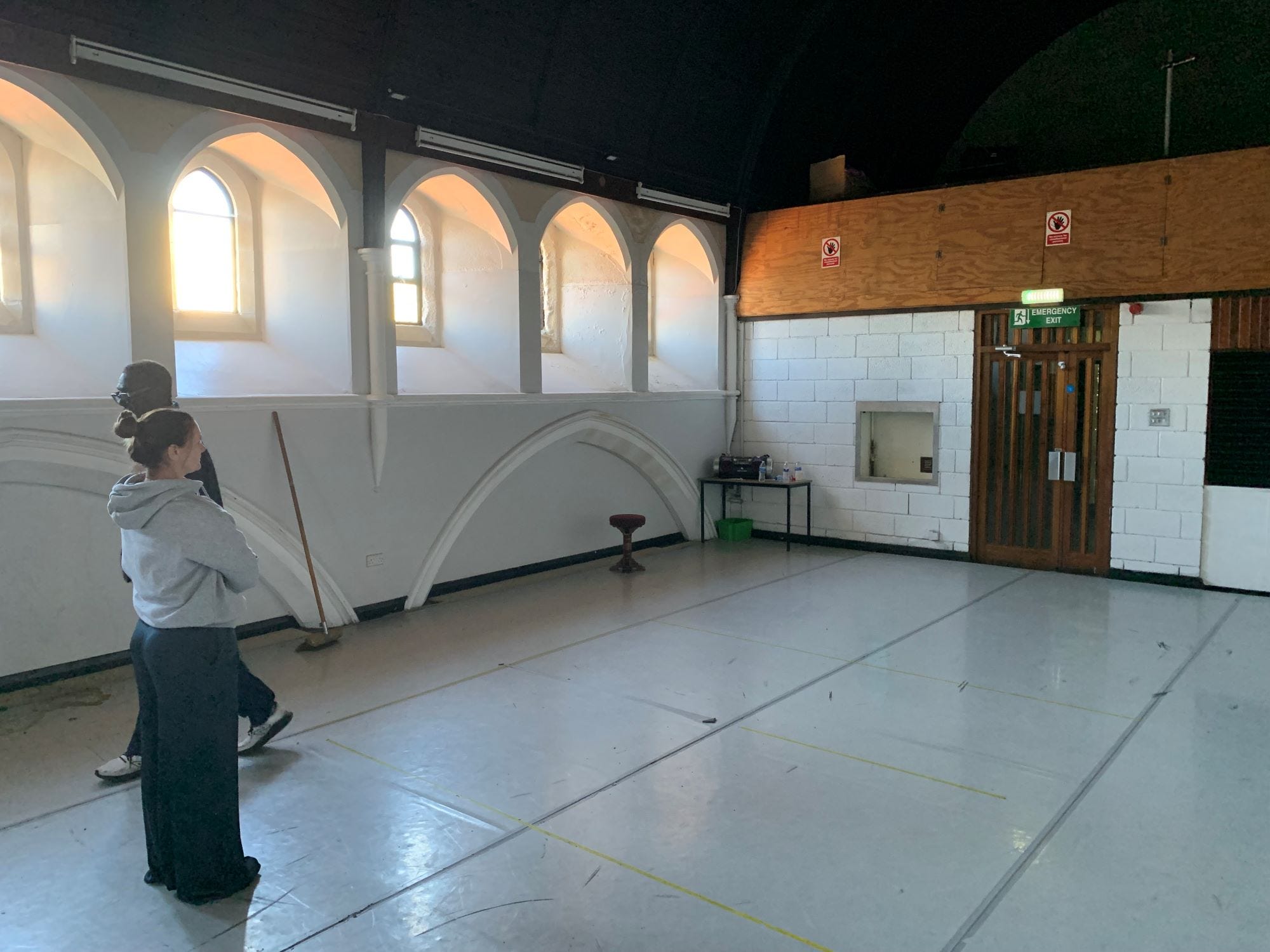
But it was from another imposing building across the road that Martin came to find me and it was on the ground floor there – a space which could easily accommodate five-aside football - that he and Debbie explained their ambitions and shared their story.
“We haven’t really been very good at shouting about what we do,” admitted Martin. “But for a small organisation we’ve had a significant impact.
“Our numbers might be small but over the last 10 years we’ve had a 100% success rate in getting every student dancer who wants conservatoire training to where they want to be.”
These aspiring performers have gone to the Laban Dance Centre, The Place or Rambert, all notable London dance schools, and also the Northern School of Contemporary Dance (NSCD) in Leeds where Martin and Debbie trained.
One was accepted by a conservatoire in Austria.
And that’s not all. “There are lots of musical theatre schools, too, which are not classed as contemporary dance conservatoires but are amazing,” said Debbie who’s originally from Manchester but, like Martin, now happily settled in Gateshead where their children have grown up.
“Our students apply there, too, and get accepted.”
In Gateshead, where the path to professional dance is not well-trodden, that’s a brilliant result. Gateway Studio is a proven portal to a career.
Martin was born in Leeds and started dancing at the age of nine. After graduating from NSCD, he danced professionally in Scandinavia and then back in the UK with the likes of Phoenix Dance Theatre.
He came to the North East to teach, first in the Tees Valley and then at Dance City in Newcastle.
It was after being made redundant from Dance City in 2010 that he and Debbie set up Gateway, offering dance and Zumba classes in hired spaces.
Then one day Gateshead Council invited Martin to a meeting and asked if he fancied setting up a dance company in the borough.
He politely declined.
As he explained to me: “I didn’t believe it would work. Me getting in touch with colleagues from around the country and bringing them to Gateshead to form a new company would look like something bolted on.
“But I did say that if they could give us a studio, we would set about building an infrastructure for dance in Gateshead and then maybe they could have a dance company.”
The council agreed and Martin and Debbie set up first in a space at an indoor bowling centre.
An eye-watering rent rise forced them to seek alternative premises which brought them to the former Trinity Centre at the top of the high street which they’re now on the verge of acquiring from the Diocese of Durham.
It has been a long haul. Originally costed at £1.3 million, their project was interrupted by Covid and then the estimated cost of purchase and transformation soared to £4.6 million.
They remained undeterred and funding has been secured from the National Lottery Heritage Fund, Arts Council England and various trusts and foundations – albeit some of it with strings attached.
Now they also have this other building which they’re renting from the council as a temporary base while the building over the road is transformed.
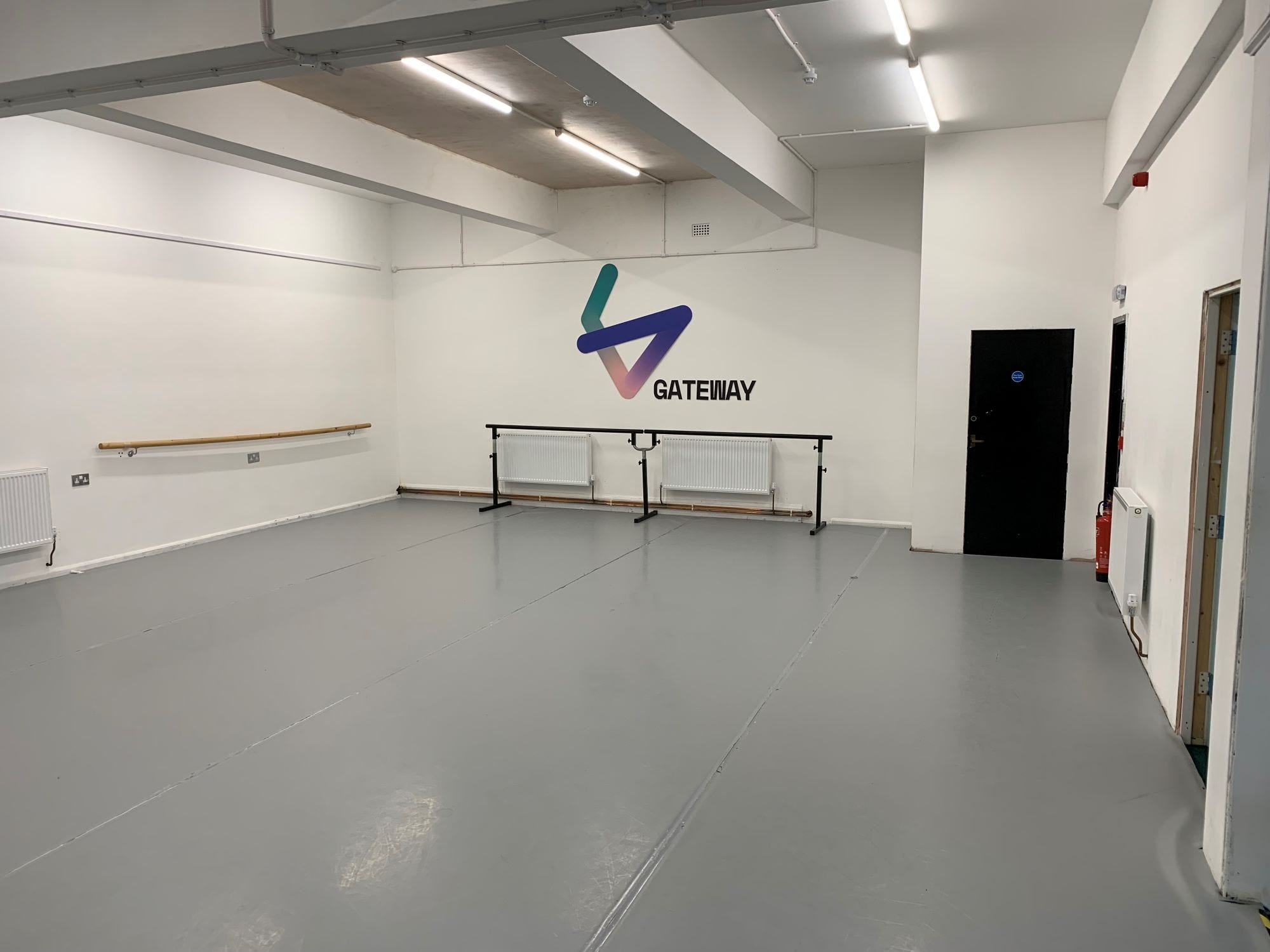
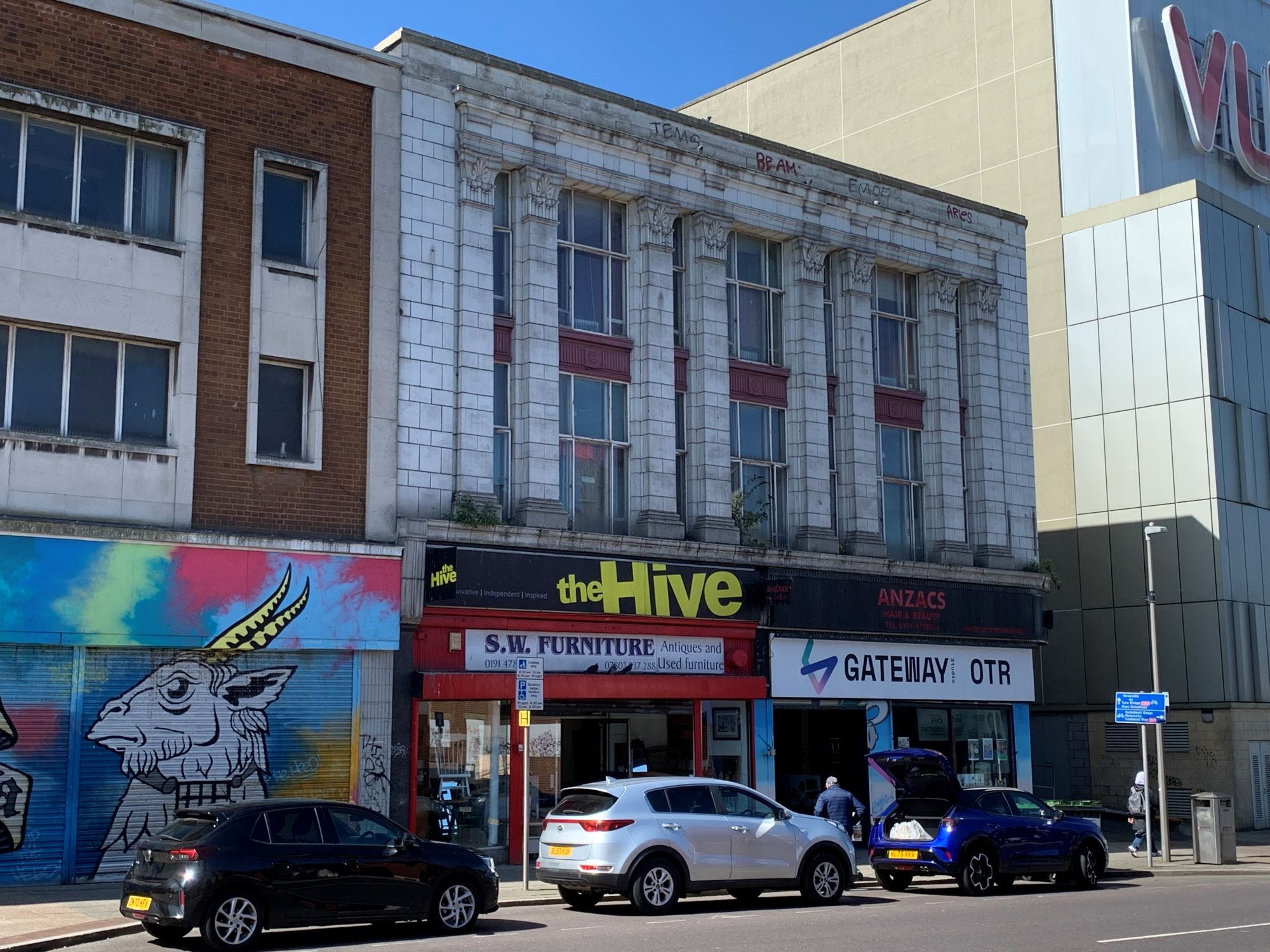
Here, with the help of local builders such as Lee Miles who also runs Gateshead community pub The Tynesider, they’ve worked wonders too.
“Originally we were upstairs and put a sprung dance floor in and knocked a few walls out,” said Martin. “That was £70,000 spent.
“Then the council, when they’d seen what we’d done, decided to give us the whole building.”
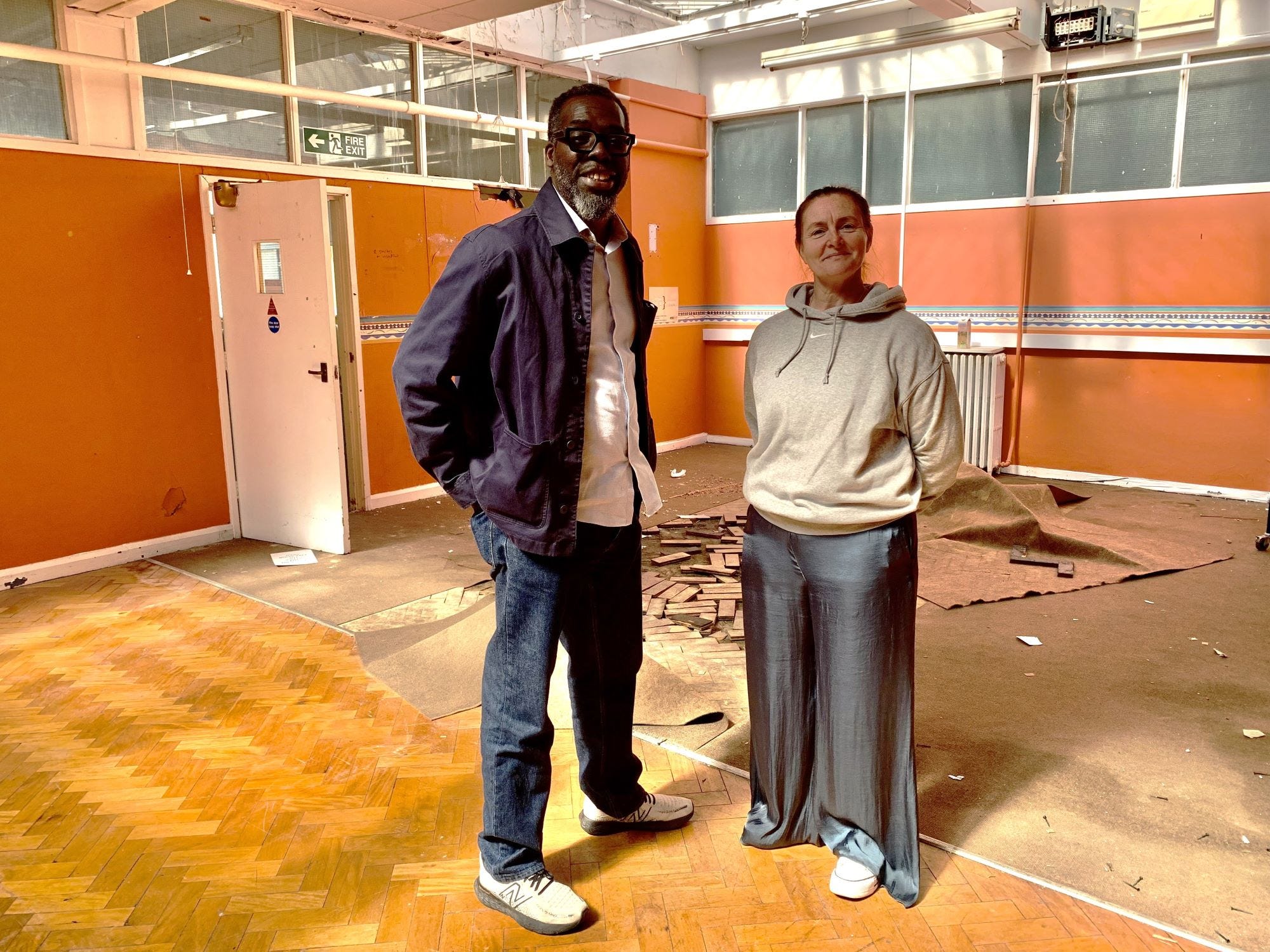
The place is an intriguing and atmospheric labyrinth encompassing open spaces, offices and corridors, fit for purpose in parts but with others best described as full of potential.
Upstairs used to be a hairdressing salon and downstairs was a pawnbroker’s whose safes are now concealed behind a new wall because they were too awkward to remove.
This building has given Gateway Studio some high street visibility and enabled it to become a meeting place for groups such as HERE North East and the North East of England African Community Association.
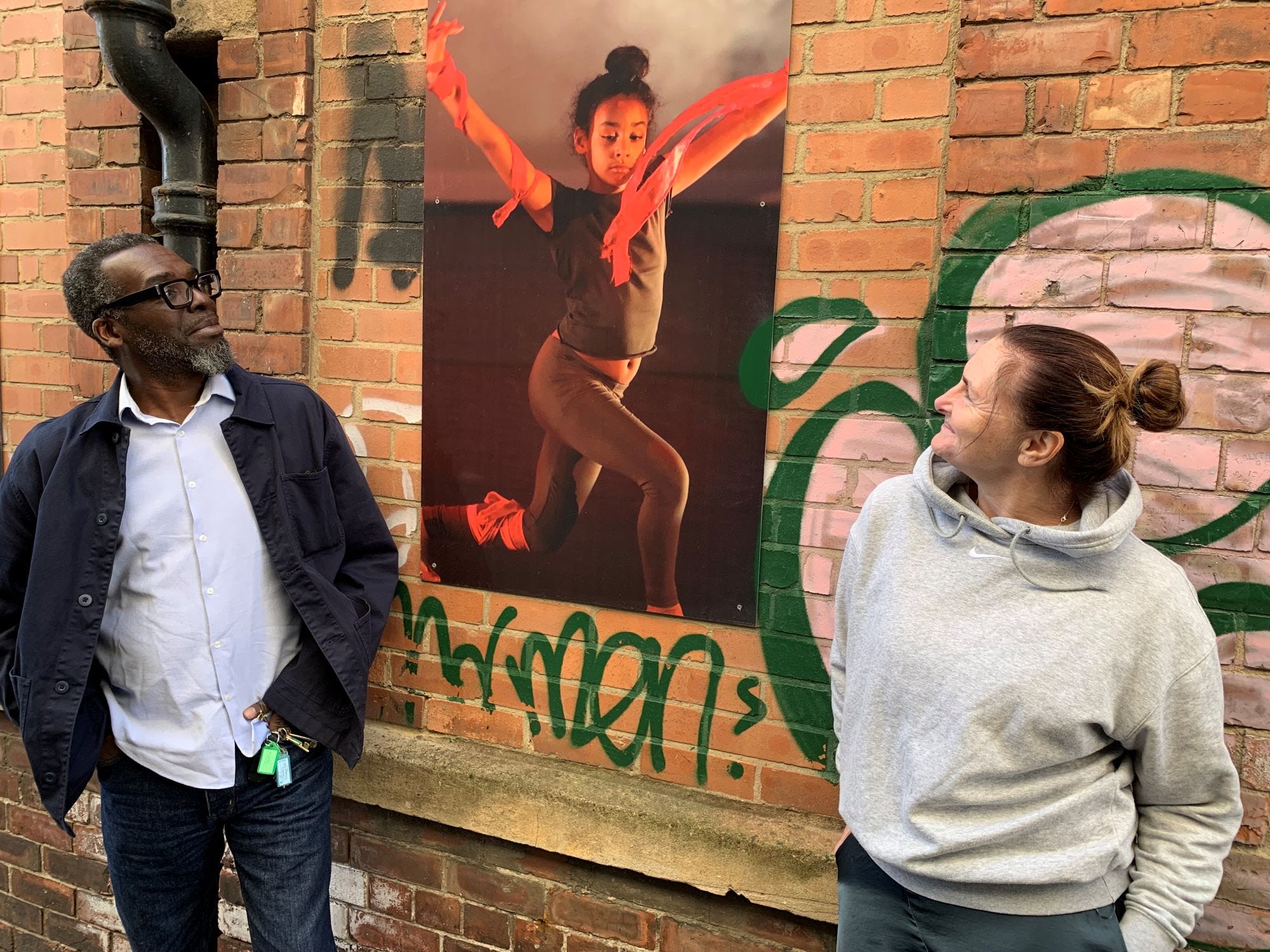
“This space has allowed us to be more versatile, lending itself to workshops in textiles, scriptwriting and DJing,” said Debbie.
“We can think of programming lunchtime concerts and small theatre readings here but we haven’t really promoted the space at all.”
Upstairs in what are now the dance studios, accessed through a side door, other dance organisations hold regular classes.
But on the unrenovated floor above that is an old ballroom which was integral to the building when it was opened nearly 100 years ago as a branch of Burton Menswear.
Explaining the legacy of Burton founder Sir Montague Maurice Burton, Martin said: “He was a refugee from Russia and came to this country with nothing.
“His philosophy was that he wanted his clothes to be for the community so in each of his buildings – there were over 400 at its height – he would have either a billiards room or a ballroom.
“The foundation stone of this building was laid by his son Stanley and daughter Barbara.
“Stanley Burton used to live in Harrogate and I actually met him because he used to donate funds to Harehills Youth Dance Theatre, in Leeds, which I was a member of.
“Stanley Burton’s daughter was a dancer so there’s a sense in which we’ve gone full circle.”
Gateway Studio has recently signed another five-year lease on the building but Martin said they’re hoping to acquire it permanently.
It would help to progress their greater ambition to create an artists’ village in this part of Gateshead, providing accommodation and creative opportunities.
This is a concept, unusual and possibly unique in this country, which Martin has seen working well during trips to Sweden, the United States and Hong Kong.
It ties in with the Gateway Studio vision of creating “rich, welcoming and nurturing cultural environments in which artists and communities come together to inspire people and change lives”.
Areas south of their buildings on Gateshead High Street are scheduled for clearance to make way for new housing.
While hoping fervently that their recently acquired former Burton premises is spared demolition, Martin and Debbie look on the proposal positively as potentially providing ‘footfall’ for their project.
Despite going under the radar in some respects, Gateway Studio is progressing its aims in impressive fashion, offering a pathway for aspiring professional dancers and also working with North East schools and community groups.
While the Trinity Centre development across the road will be the showpiece, this building also has scope for enhancing lives in this part of Gateshead.
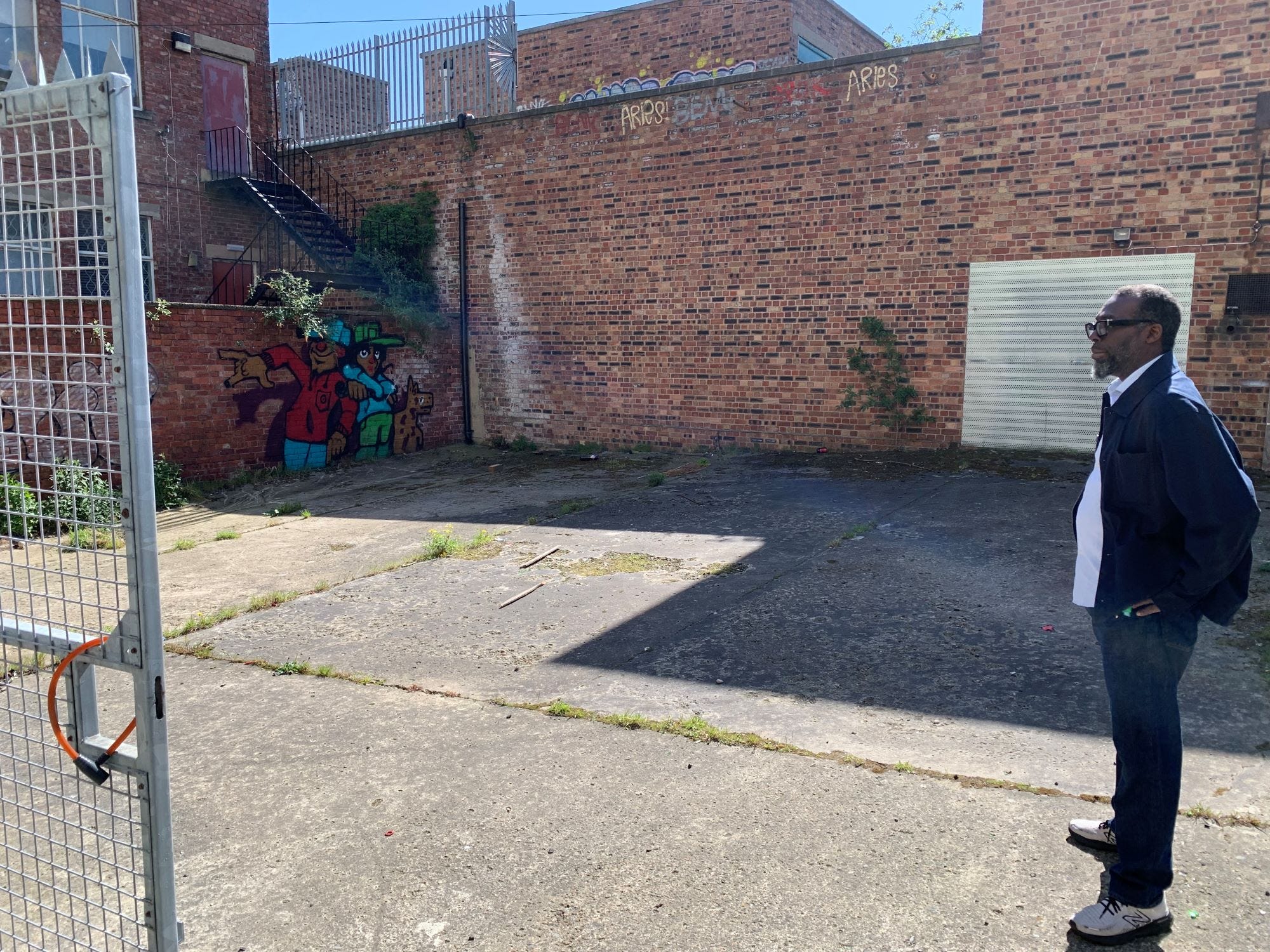
There’s even an outdoor space round the back which the couple want to see cleared up to host community events such as musical performances.
If all this happens, it will be a profile-raising catalyst for further developments… but it’s still a dream the couple are pursuing.
“It’s still just us really, along with a part-time administrator and a team of freelancers,” said Debbie.
“We even had to lay the carpet in here ourselves.”
But now they hope to see the old Trinity Centre ready for action as Gateway Studio by September 2028 – and the refurbishment work will also include the building’s stained glass windows.
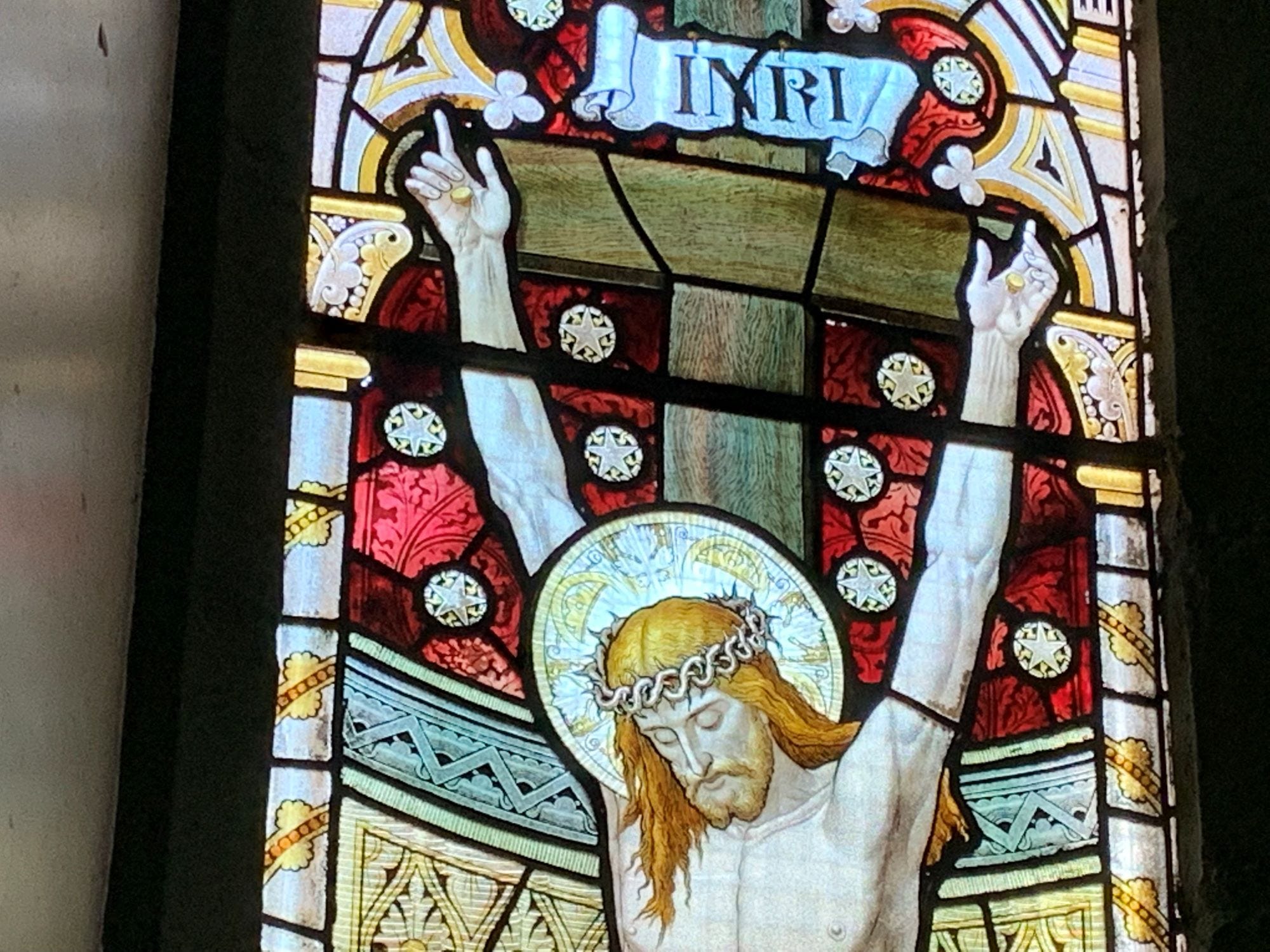
Martin said the Diocese of Durham, when they enquired, hadn’t seemed too concerned about their fate. Feeling uncomfortable, though, about consigning them to a skip, he’d called in an expert.
Laughing, he recalled the “nice guy” who came up from Yorkshire for the day with his wife.
“He said, ‘If you do anything to damage these windows I’ll make sure you go to prison’.
“Apparently you can’t get the blue you see in those windows any more so it’s irreplaceable. And he said this might be only the second church in the country whose windows have a ginger Jesus.”
For an organisation eagerly seeking greater visibility, a ginger Jesus must surely be a good omen.