


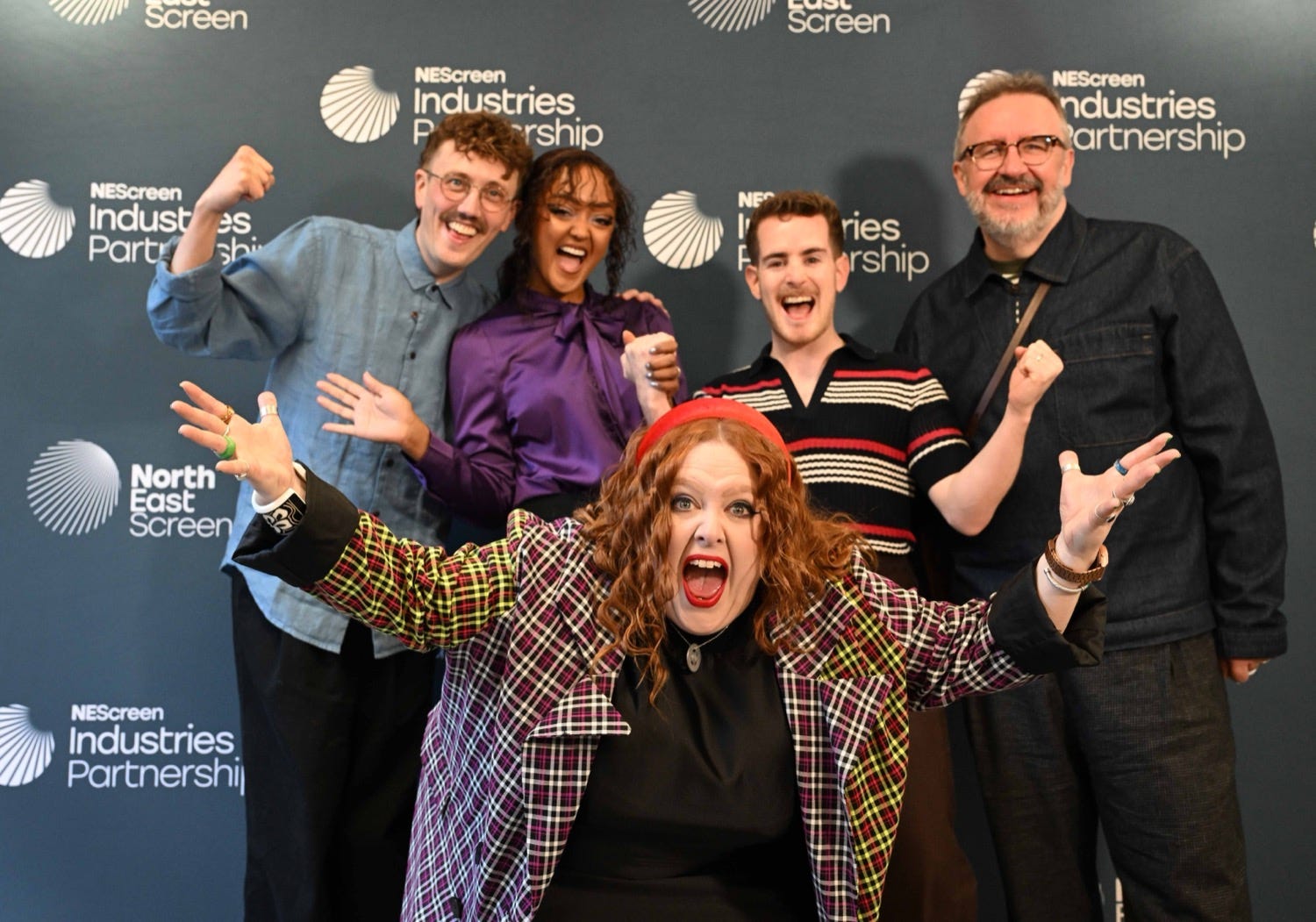
For years, the North East’s screen industry story was often told in terms of potential.
The locations were here. The talent was here. The appetite was certainly here.
What was missing was the infrastructure and investment needed to turn occasional productions into a sustainable industry.
According to new figures from North East Screen, that picture is beginning to change rapidly. The agency’s oven-fresh impact report says film and television production has generated £88.5 million in gross value added for the regional economy over the past four years, while creating the equivalent of 1,419 full-time jobs since 2022.
Production spend in the region has risen by 83% to £72.5m, while filming days have increased by 58% as productions stay longer and make greater use of local crews, suppliers and locations.
Behind much of that growth has been the £3.6m North East Production Fund, backed by North East Mayor Kim McGuinness and Tees Valley Mayor Ben Houchen.
The fund has supported 15 productions so far, helping bring a steady stream of cameras to streets, coastlines and landmarks across the region.
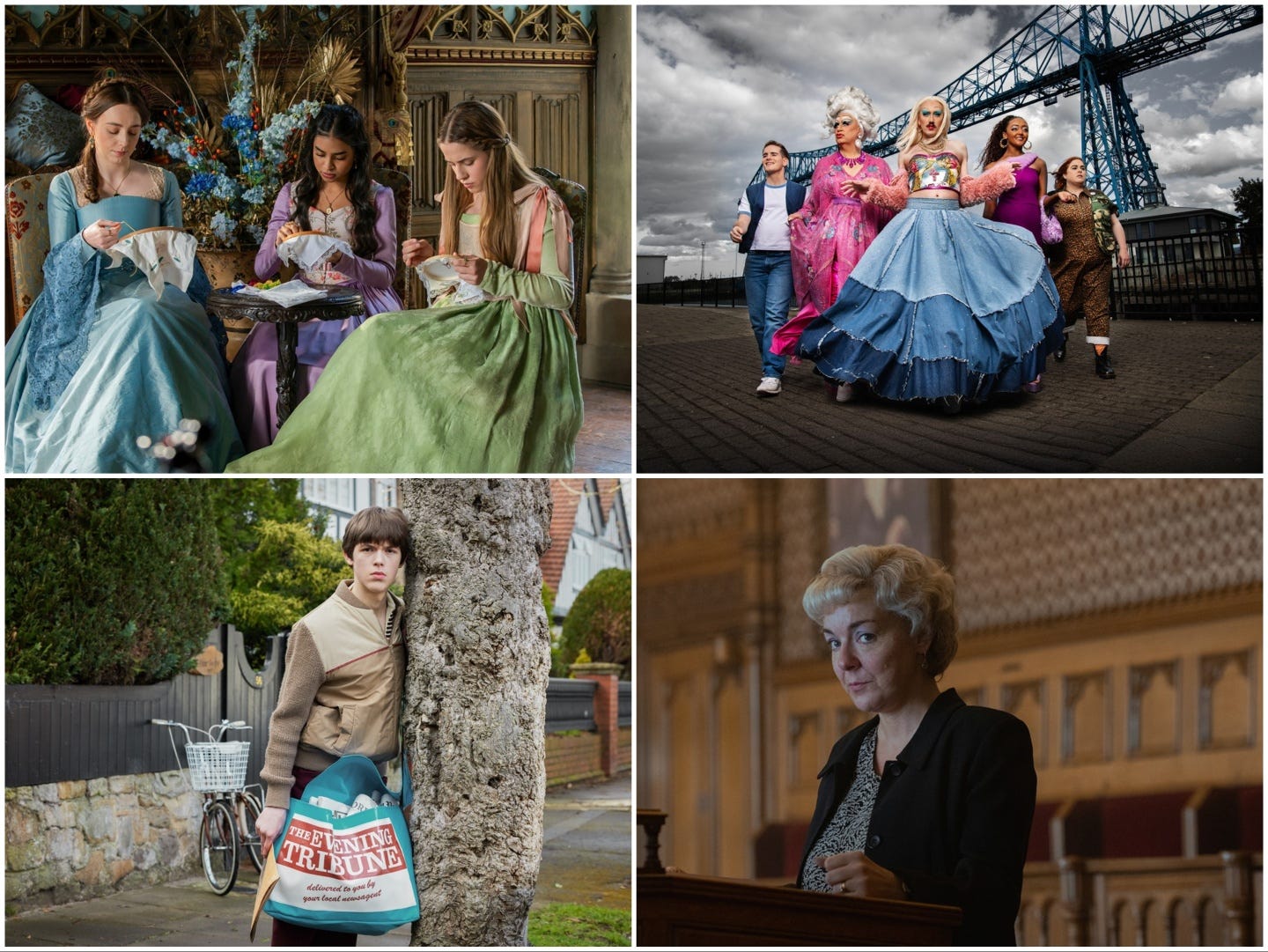
Among them are Tina Gharavi’s adaptation of Night and Day, based on the novel by Virginia Woolf and filmed in locations across Newcastle and County Durham; Channel 5 dramas The Fortune and The Feud; UKTV thriller The Red King; ITV drama I Fought the Law; ITV2 sitcom, Transaction; and returning BBC comedy Smoggie Queens.
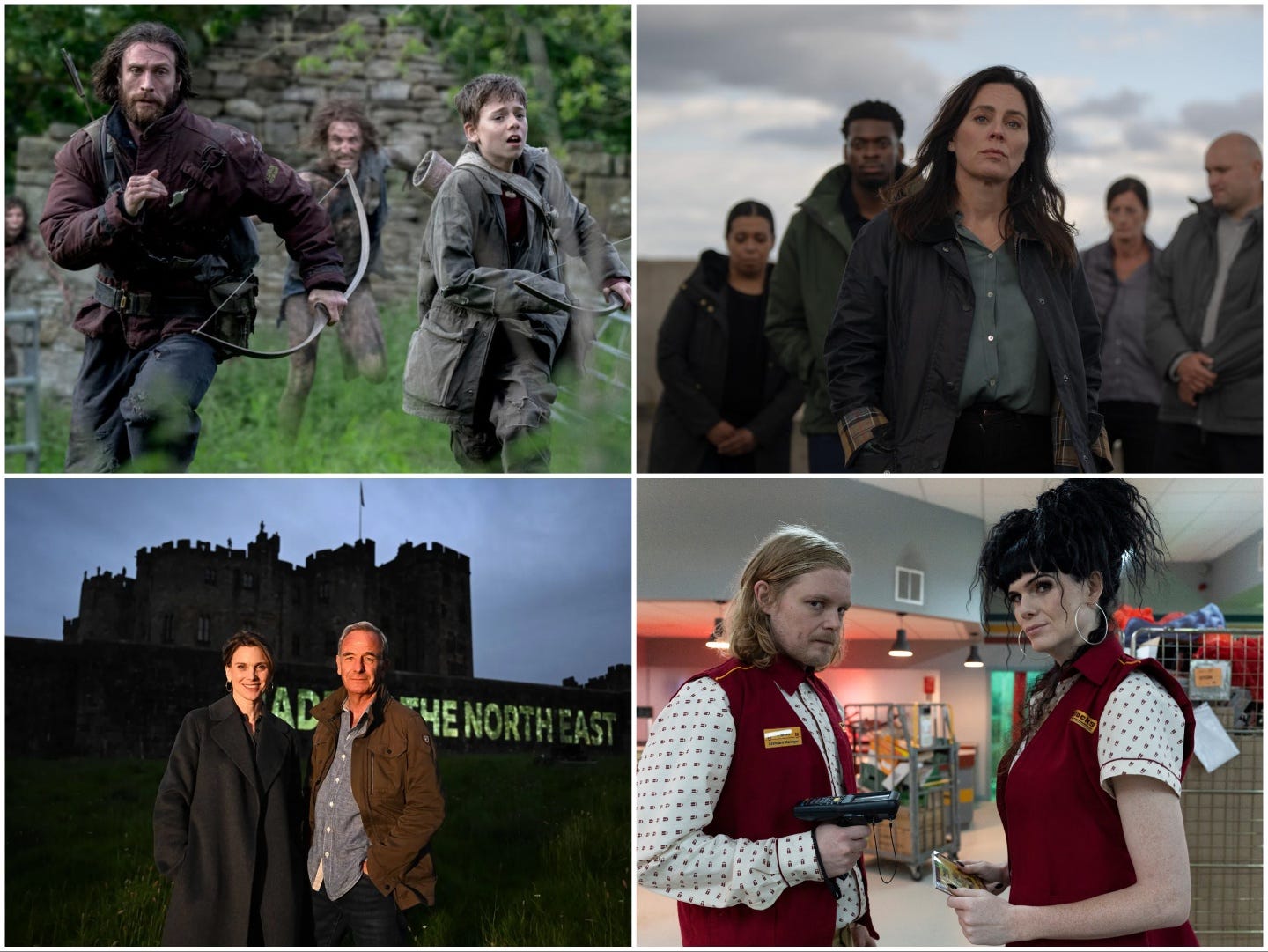
The North East also provided the dramatic backdrop to Danny Boyle’s 28 Years Later and its sequel 28 Years Later: The Bone Temple, while a growing number of indigenous production companies are creating work from within the region itself.
Shows currently in production include Lonesome Pine’s (The Feud, The Fortune) new serial drama, The Northumbria Mysteries with Robson Green for BBC daytime and The Secret Diary of Adrian Mole 13¾ also for the BBC.
The figures suggest the North East is moving beyond simply attracting productions to becoming a place where careers can be built.
North East Screen reports that 65% of crew working on productions backed by the fund were based in the region, while more than 9,000 paid training days have helped support the next generation of camera operators, production staff, costume designers and technicians.
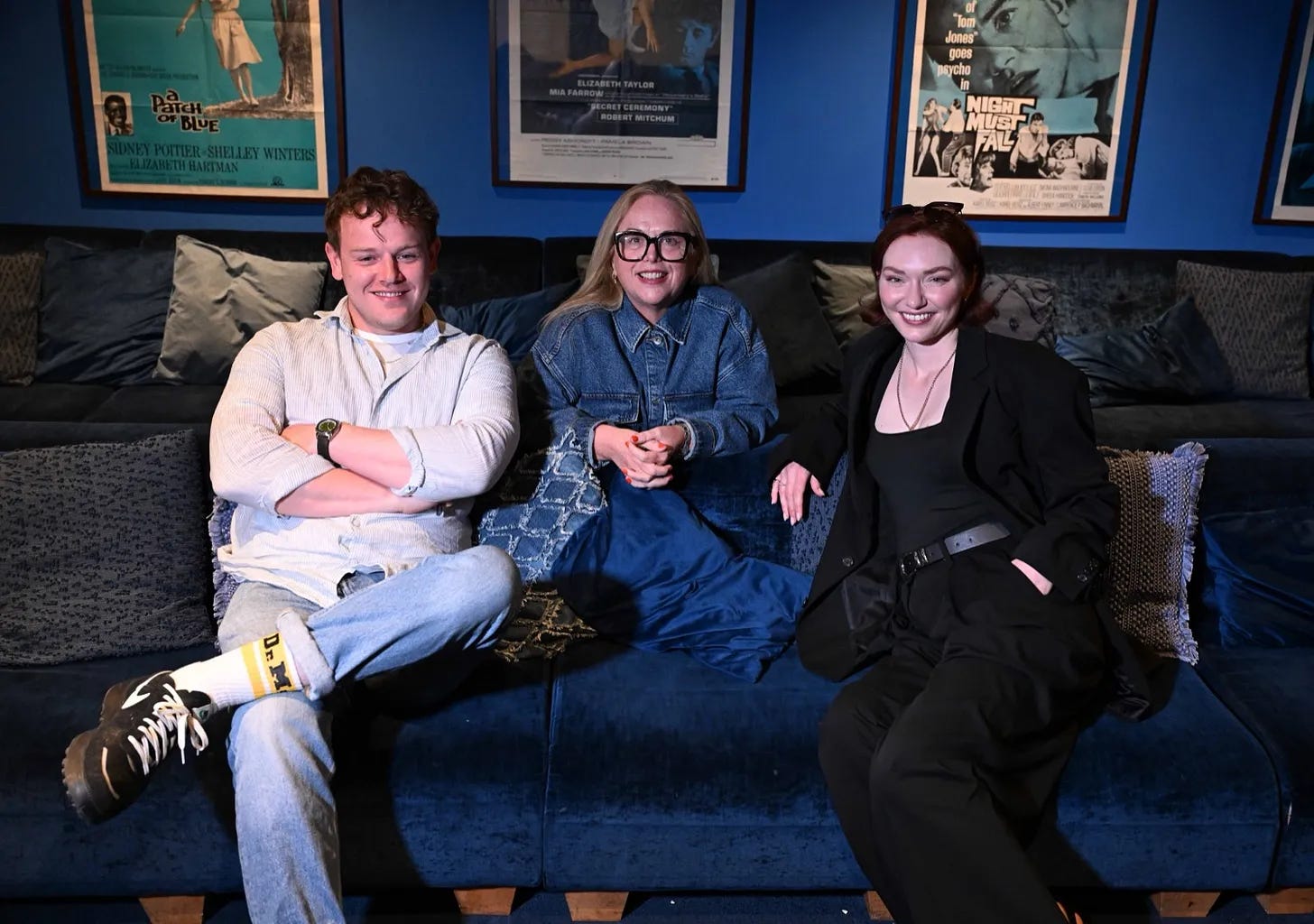
Alison Gwynn, chief executive of North East Screen, said: “Production has never been better in the North East, the growth rate is phenomenal and we already have a number of productions lined up to shoot across the North East for next year.”
“Once they are here, they benefit from our filming friendly region - 12 local authorities and two combined authorities supporting production, our breadth and quality of locations, our first class talented crew and the vital support of our film office.”
The agency says the benefits are also being felt beyond the set. More than 350 companies are now registered in the regional screen supply chain, while local production companies including Candle and Bell, Film Nova, Lonesome Pine, Twentysix 03 and Signpost continue to win commissions and employ North East teams.
The next phase of that growth is already taking shape.

Construction is due to begin this summer on Sunderland’s £38m Crown Works Studios development, while Hartlepool Production Village and the expansion of Northern Studios are intended to give productions permanent homes in the region rather than temporary bases.
Kim McGuinness, North East Mayor said: “It is great to see new productions coming to the region, but it’s even better to see that 65% of their crews are North East creatives.
“Creating opportunities for local people is behind every decision I make as Mayor. It means investing in industries and boosting training places so that normal working class people can get their dream jobs.”
Ben Houchen, Tees Valley Mayor, said: “A few years ago, nobody was talking about Teesside in the same breath as major film and TV production. Today, that’s exactly what’s happening.
“From productions like The Secret Diary of Adrian Mole and I Fought the Law, our region is increasingly being recognised as a place where world-class television can be made.
“That’s creating opportunities for local people, supporting our businesses and showcasing everything our area has to offer to millions of viewers.”