


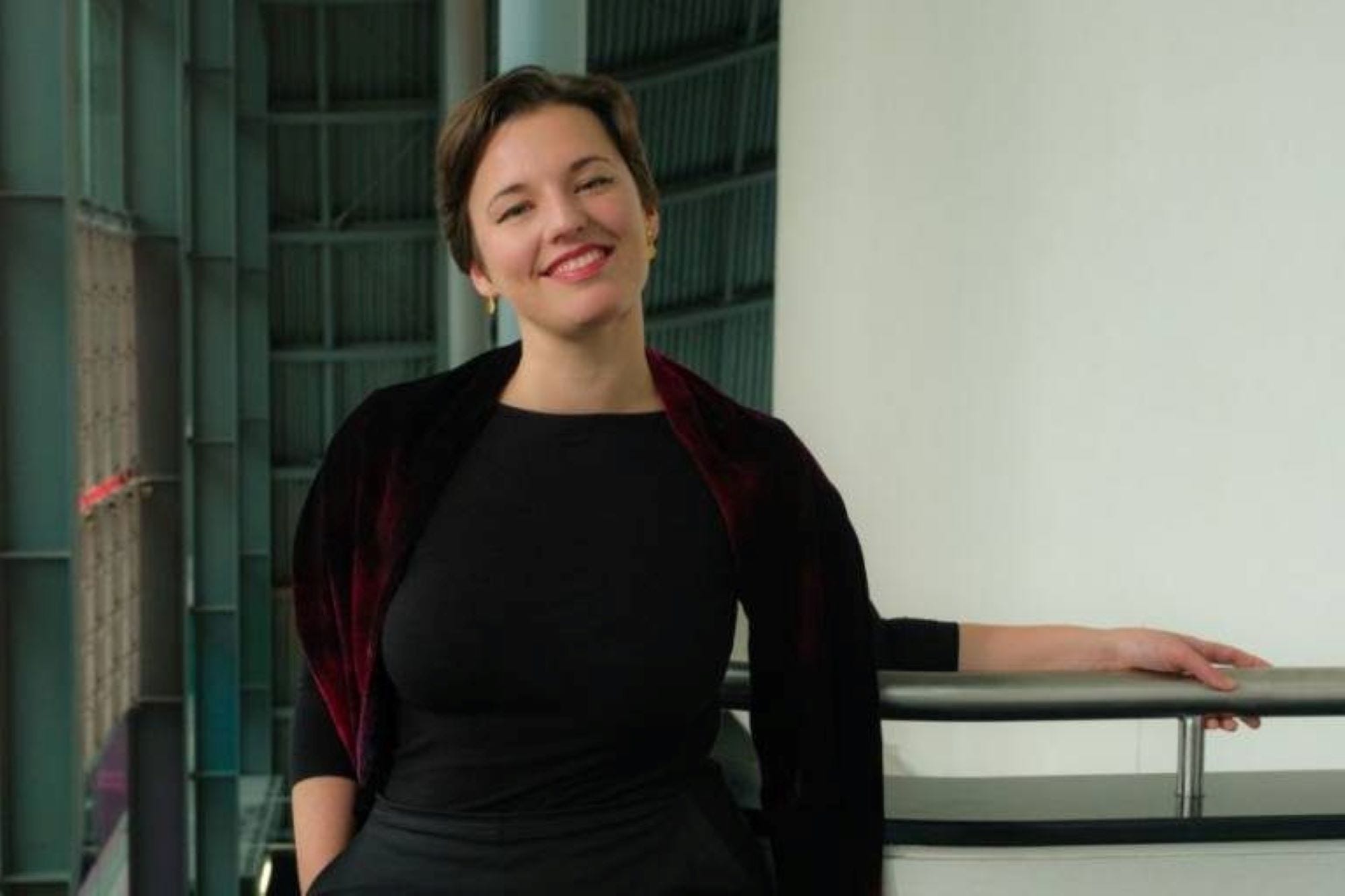
Thirty seven years ago a recording of The Four Seasons by Nigel Kennedy, brilliant maverick violinist and Aston Villa fan, soared up the classical album charts to become a smash hit for him and the English Chamber Orchestra.
Among the millions who would get to listen to that famous 1989 interpretation of Vivaldi’s masterpiece was a Polish girl called Maria Włoszczowska.
This was a good while after its release, at which time Maria wasn’t born, but she is sure there was a copy of the album at home when she was growing up.
Kennedy, incidentally, married a Pole and has spent a lot of time there, even running orchestras in the country.
Now a brilliant violinist herself, Maria is established in the UK, at least for now (she has a flat in Newcastle but her partner, Colombian double bass player Jose David Ospina Gaviria, is based in Oslo).
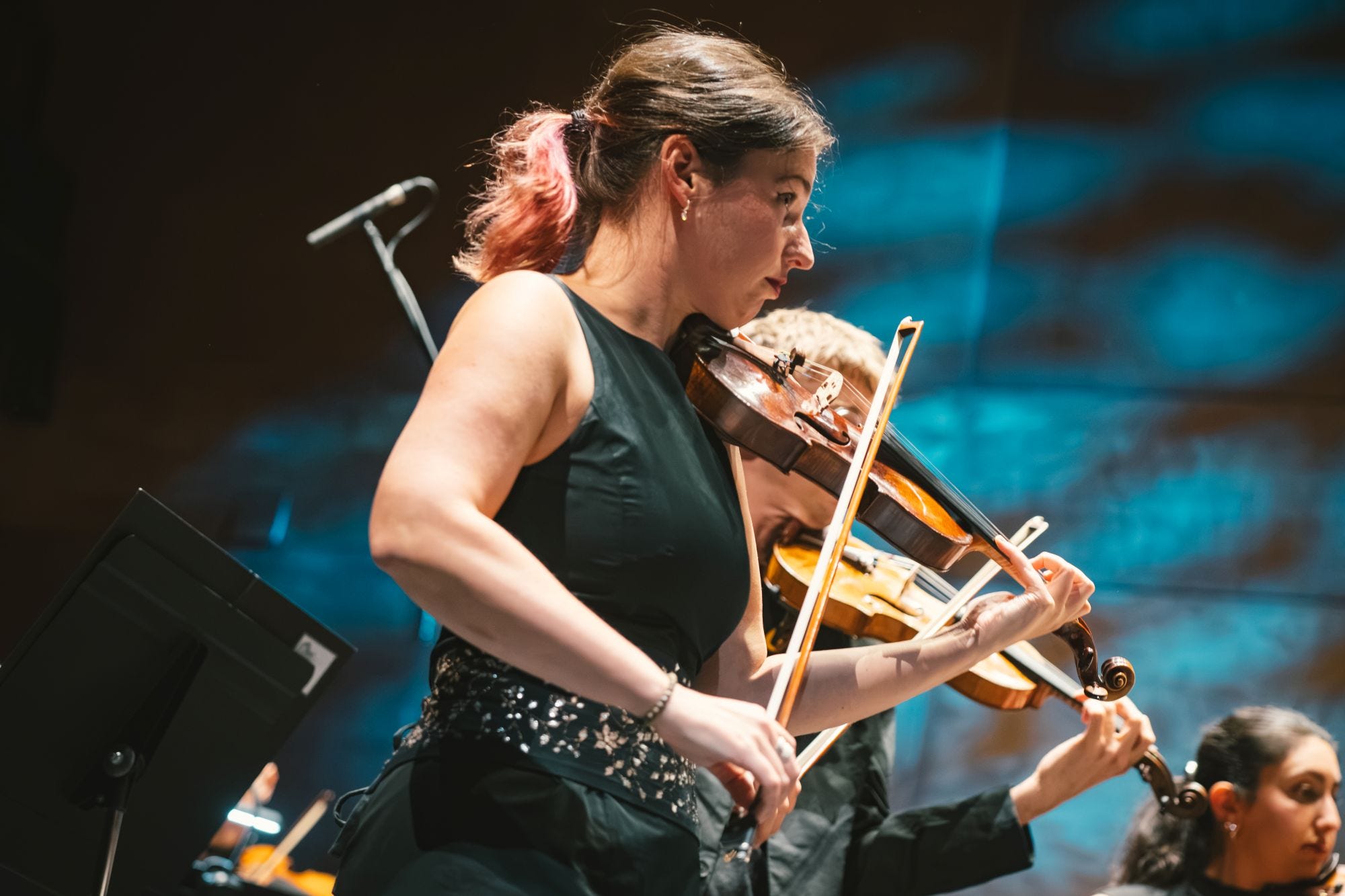
In the coming days Maria will be on stage for three performances of The Four Seasons with our own Royal Northern Sinfonia (RNS).
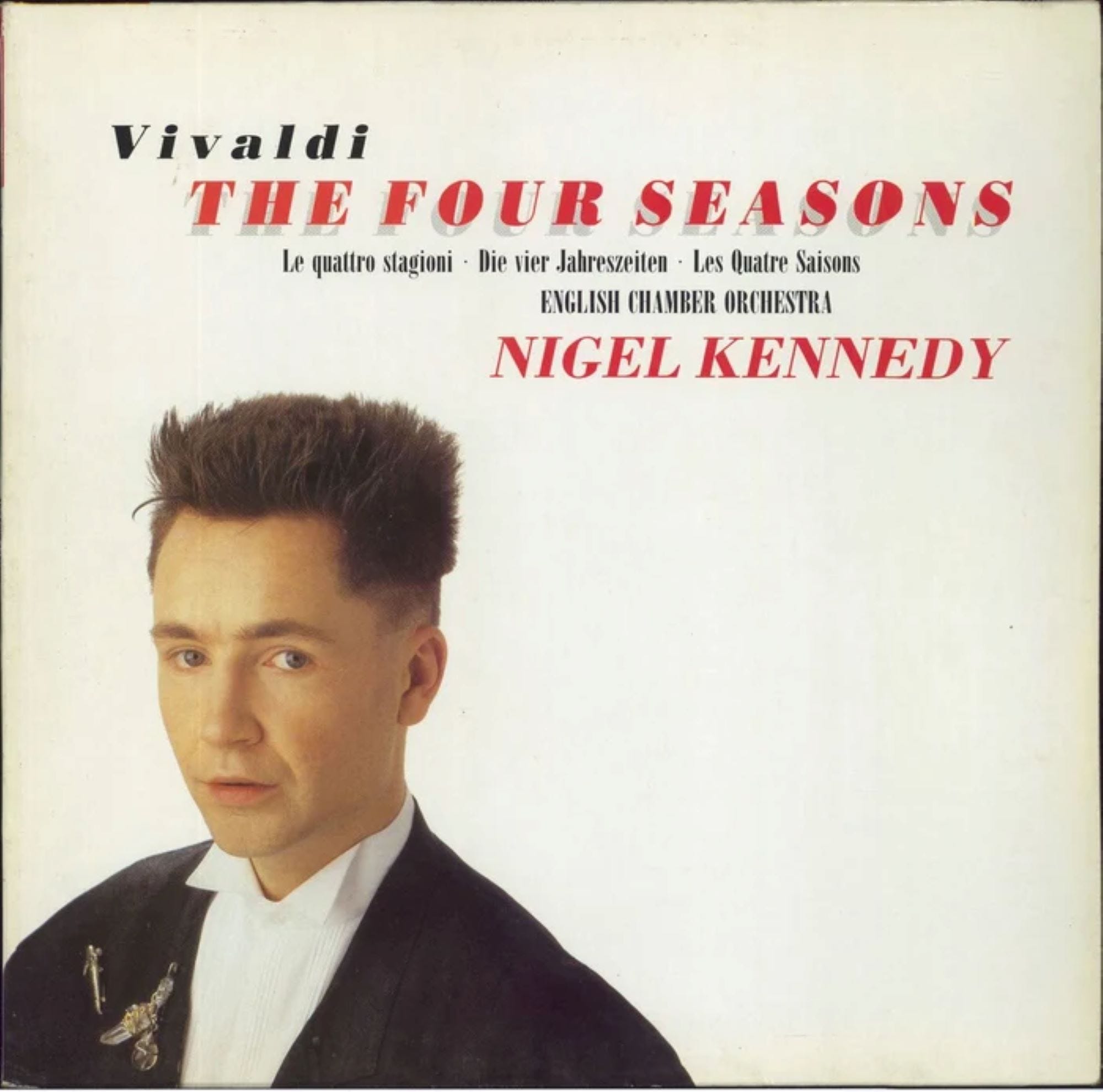
The first is on Wednesday (October 21) at the Sands Centre, Carlisle; the second is the following day (Thursday, October 22) at The Glasshouse, Gateshead; and the third is in London, at Kings Place, on Sunday (October 25).
Speaking on the phone from London, Maria says she’s excited at the prospect of this quickfire trio of concerts, in which she will play and also direct the orchestra.
This is not as hard as it might sound, she insists, relying on body language and “those other antennae we all have”, rather than a conductor’s hand movements and baton.
“I absolutely enjoy it and I’d also argue it’s a more direct way of communicating with the musicians.
“We do it all the time in chamber music and it’s not such a stretch to apply it to a slightly bigger repertoire, and of course we’re not a symphony orchestra.
“Also, it creates a more level playing field for the musicians, I think, and allows more spontaneity.”
It was in 2021 that Maria joined RNS as leader, a position bestowing responsibilities on the concert stage.
She fulfilled the role with distinction for three years but always had ambition and the qualities to go with it.
“I’ve always been keen to keep my musical life varied,” she says.
“I enjoy doing all sorts of things and I guess I fell in love with doing unconducted projects, and RNS gave me a lot of opportunities to do that.
“Then we managed to find a new way for me to have more freedom but also for us to be more creative together.”
Formalising that ‘new way’ was her appointment in 2024 as artistic partner at The Glasshouse.
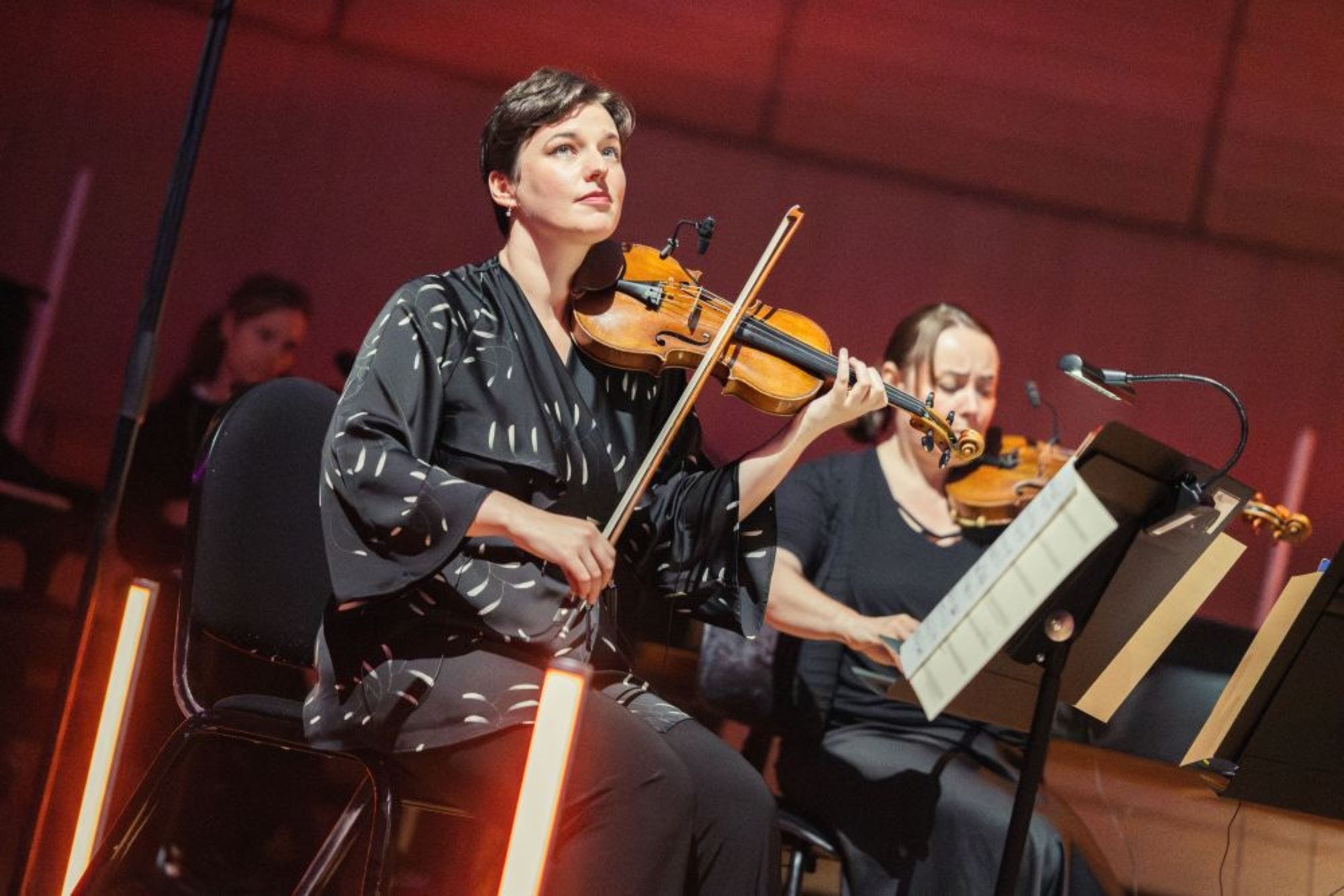
Her brief was to work with RNS and principal conductor Dinis Sousa to explore ways of taking the orchestra in “bold new directions”.
Having met that challenge, there’s a suggestion her initial three-year appointment might be extended, which clearly would be welcome.
She is enjoying herself immensely, Maria says.
“It’s hard to imagine not being connected in some way with that group of players who are such a special bunch of people.
“They mean a huge amount to me and I feel I grew into myself next to them.
“They made me feel welcome and also gave me such a licence to go for it. I’m really indebted to them, and also to the management who’ve been crazily supportive.”
All of which brings us back to these forthcoming concerts and a piece of music regarded as a Baroque masterpiece.
But a bold new direction? Thanks to Kennedy and others, it’s one of those pieces of classical music nearly everyone will have heard.
Maria has performed it several times, including with RNS.
But she says one thing she learned as a teenager, not only from Kennedy but from distinguished Italian violinist Giuliano Carmignola, who made two landmark recordings of The Four Seasons, was that there’s always a fresh way to approach something.
“It was a challenge to find a new angle but my idea was to create a programme around it that would maybe reveal something about it.
“I saw it as an opportunity to introduce other gems people maybe haven’t heard.”
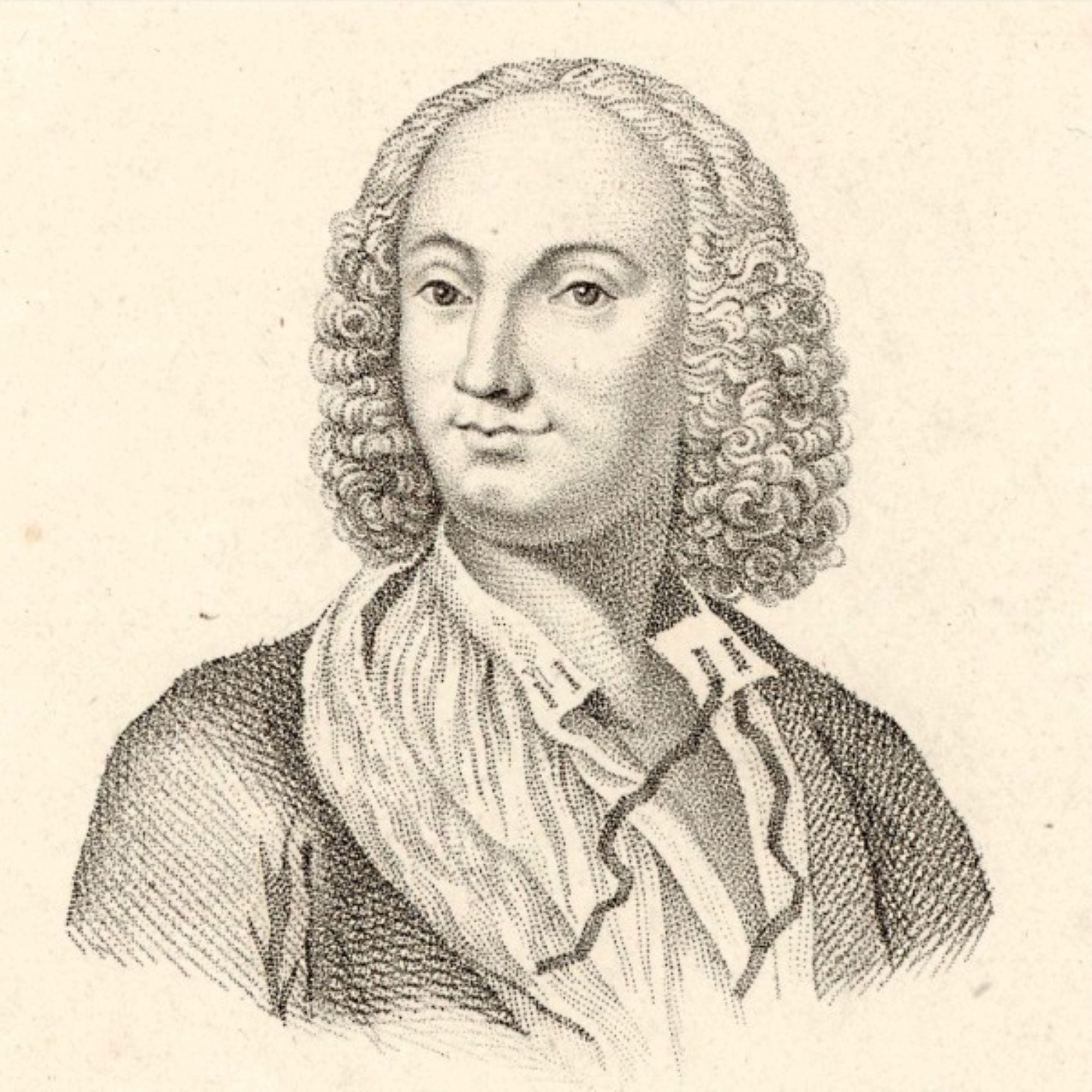
Musicologists hail The Four Seasons as one of the earliest and finest examples of what they call programmatic music, characterised by a flowing narrative that tells a story.
In relating his story, Vivaldi reflected in each of his four violin concertos the sounds of the respective season, such as a shepherd’s barking dog, drunken dancers and a hunting party.
“But he was not an island,” asserts Maria.
“I mean, he was a genius and that’s why we love The Four Seasons but I think it’s interesting that composers even before him were dipping their toes in those waters.”
So it is that preceding the main course will be three starters, short pieces by Baroque composers Heinrich Ignaz Franz von Biber, Georg Muffat and Georg Philipp Telemann, whose lives spanned the late 17th and early 18th centuries.
A gold star to anyone who can hum one of their tunes.
Maria promises an evening of surprises, even suggesting there might be some audience involvement over and above applause.
It sounds exciting and Maria gets to the nub of the matter when issuing a reminder that every concert is unique.
“I came to know the RNS players just out of lockdown when we had become so incredibly aware of how much live music means and how impossible it is to replace it by recordings.
“A concert is the alchemy of all the elements that contribute to that particular moment with the musicians on stage, the audience and even the time and weather.
“The foremost thing, for me anyway, is that you can never expect something to remain the same. We’ll put all that and more into The Four Seasons and I hope people hear it afresh.”
That things change is exemplified by Antonio Vivaldi who, for all his achievements, died poor in 1741, aged 63… whereupon his now beloved work drifted into obscurity for 200 years.
Meanwhile further evidence of Maria’s adventurous spirit comes on October 31 in Sage Two at The Glasshouse when she will join soprano Claire Booth to perform Kafka Fragments by Hungarian composer György Kurtág who turned 100 in February.
The song cycle comprises “40 tiny masterpieces”, according to The Glasshouse.
“Claire is incredibly familiar with this piece but it will be the first time for me so I’m getting to know the music,” says Maria. “It’ll be rather special to share it with the audience.”
Find further details about all the concerts mentioned, and more, on The Glasshouse International Centre for Music website or call the box office: 0191 443 4661.