

The drive to restore damaged peatland in three northern counties has reached a 20-year milestone.
The work by the North Pennines National Landscape team in the uplands of County Durham, Cumbria and south west Northumberland has attracted national and international recognition.
It has covered an area of 50,000 hectares as part of the North Pennines wider nature recovery and conservation work, in partnership with landowners, land managers and local contractors.
And the team has brought in over £49 million in investment to improve the condition of the peatlands, through private sector finance, government funding and grant initiatives.
Restoring peat brings many benefits such as reducing the risk of flooding, filtering water, storing carbon and increasing biodiversity. Globally peatlands cover only three per cent of the Earth’s surface but store twice as much carbon as all the world’s forests combined.
The North Pennines is home to the largest area of adjoining blanket bog peatland in England.

Dianna Kopansky, global peatlands initiative coordinator of the United Nations Environment Programme, said: “Peatlands are powerhouse ecosystems and restoring them is fundamental to protecting our planet. The North Pennines National Landscape team’s efforts over the last two decades to scale up their peatland restoration work is a huge achievement.
“They have brought in investment in nature-based solutions and contributed to the local economy through the creation of jobs. Their work is a blueprint for how organisations can carry out peatland restoration at a landscape-scale.”
Paul Leadbitter, peatland programme manager, who has led the project since February 2006, said: “This is a significant milestone for the North Pennines National Landscape and represents an area of our work that has gone from strength to strength over the past 20 years.
“All of the work has been carried out in partnership with landowners and land managers from across the North Pennines and it is this collaborative approach that has brought such large areas of damaged peat under restoration.
“Restoring damaged peatlands is vital for the planet and it is a proud moment to be celebrating just how much has been achieved by our team and our partners in the North Pennines.”
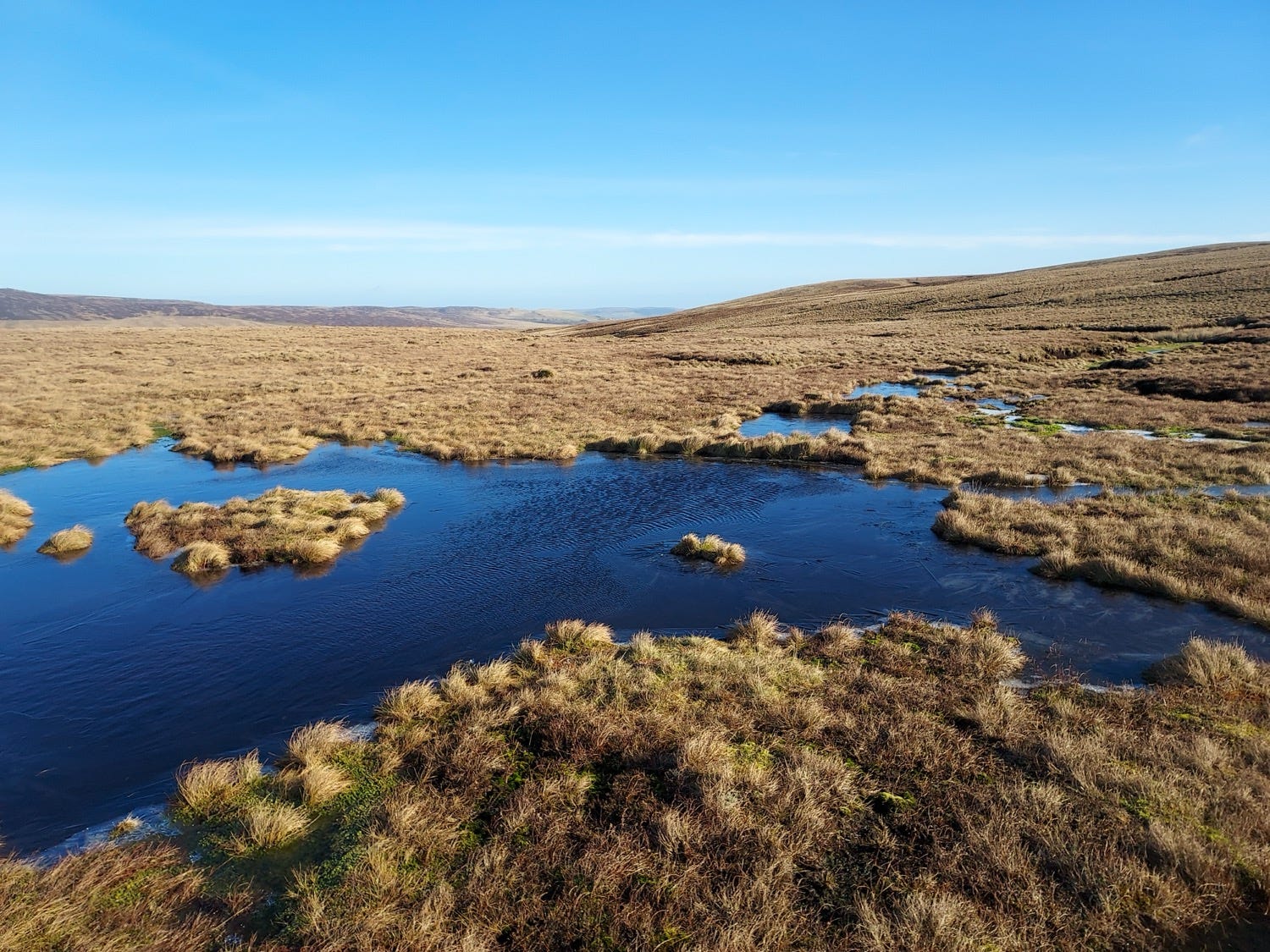
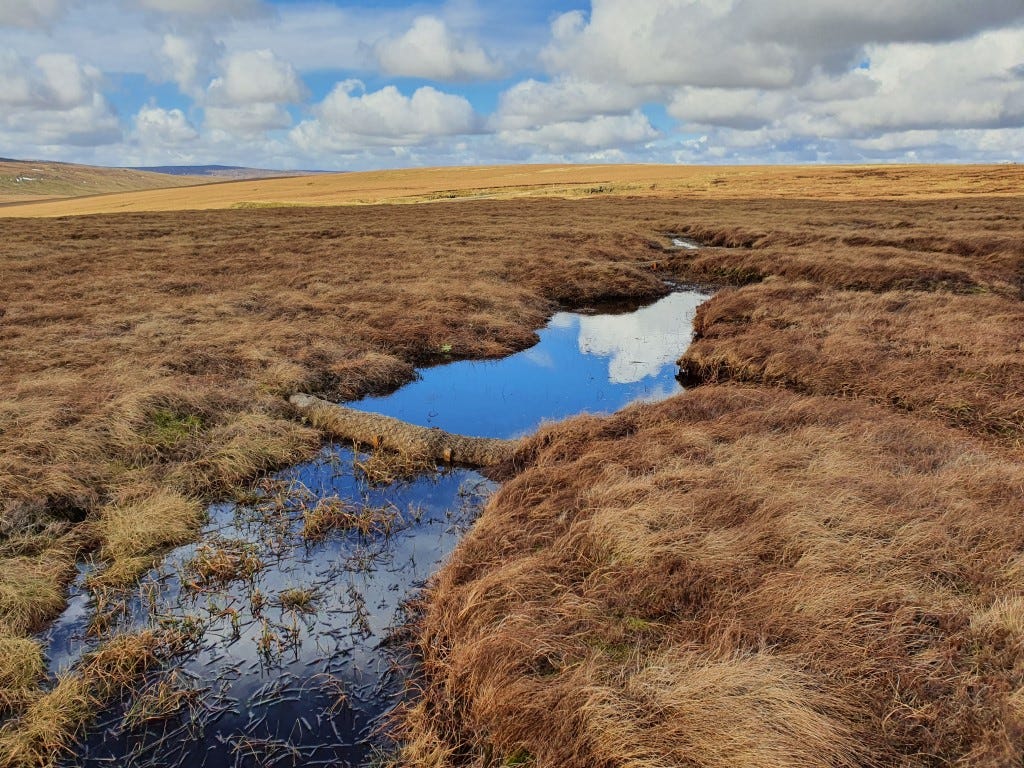
Funding at the start of the project came from the Environment Agency, and work on the ground began by restoring areas of damaged peat by blocking grips - channels cut into the peat to drain the land for agriculture - rewetting the blanket bog and allowing it to revegetate.
Today, the team uses a variety of techniques to restore peatlands, having developed skills and best practice over the past two decades.
Land on the Raby Estate in County Durham, whose work on peat restoration goes back even further, was among the first sites in the restoration programme.
Duncan Peake, chief executive of Raby Estates, said: “Raby has been working closely with the National Landscape’s peatland restoration team for many years now. That collaboration has resulted in better decision making, more creativity and improved delivery through enhanced learning.
“We’re proud of what we have achieved together and look forward to more collaboration in the future so that we can continue to deliver climate, ecological, hydrological, and economic benefits for the North Pennines.”
The National Landscape is also part of a collaborative peatland initiative across the North of England, known as the Great North Bog. The six delivery partners, covering Yorkshire, the North East and North West, work together on this landscape-scale approach to restoring peatlands, making a collective contribution to the UK’s climate and carbon sequestration targets.