


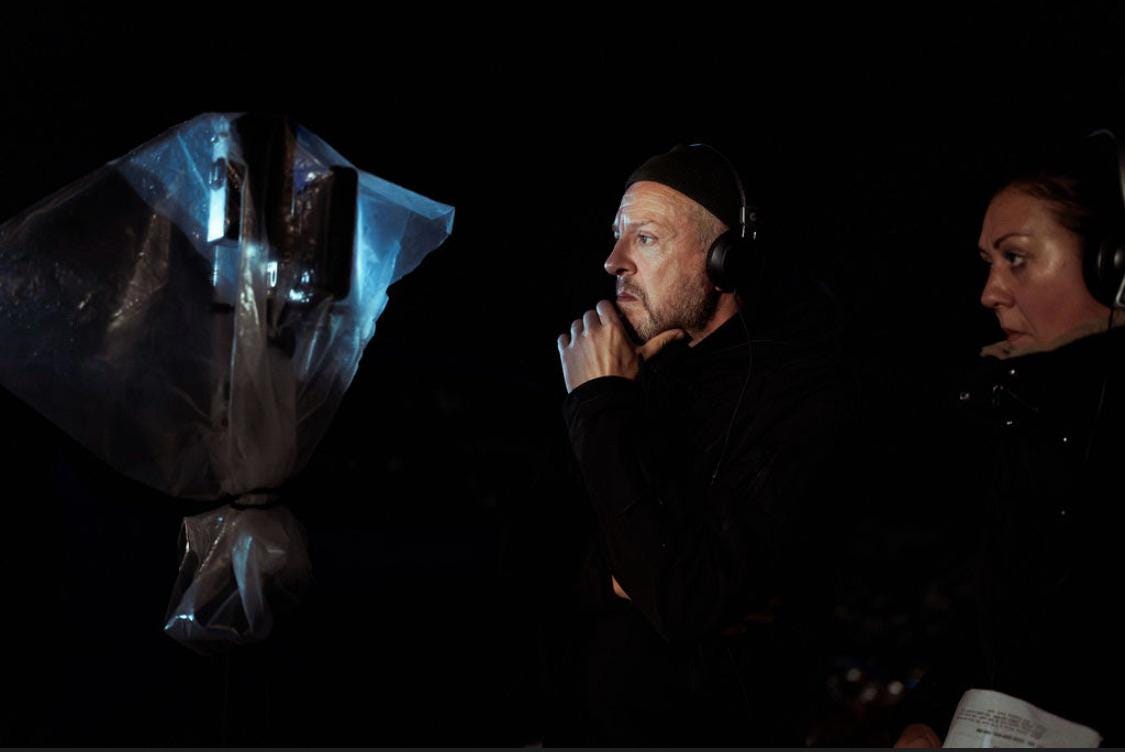
Craig Conway has spent much of his career inhabiting other people’s visions.
As an actor he has appeared in cult favourites including Dog Soldiers, The Descent and Doomsday, working closely with Newcastle-born filmmaker Neil Marshall and building a reputation as a compelling presence in films which require some (me) to watch through their shaky fingers.
Now, after decades of performing in front of the camera and many years producing projects behind the scenes, the North East creative has settled fully into the director’s chair for the first time.
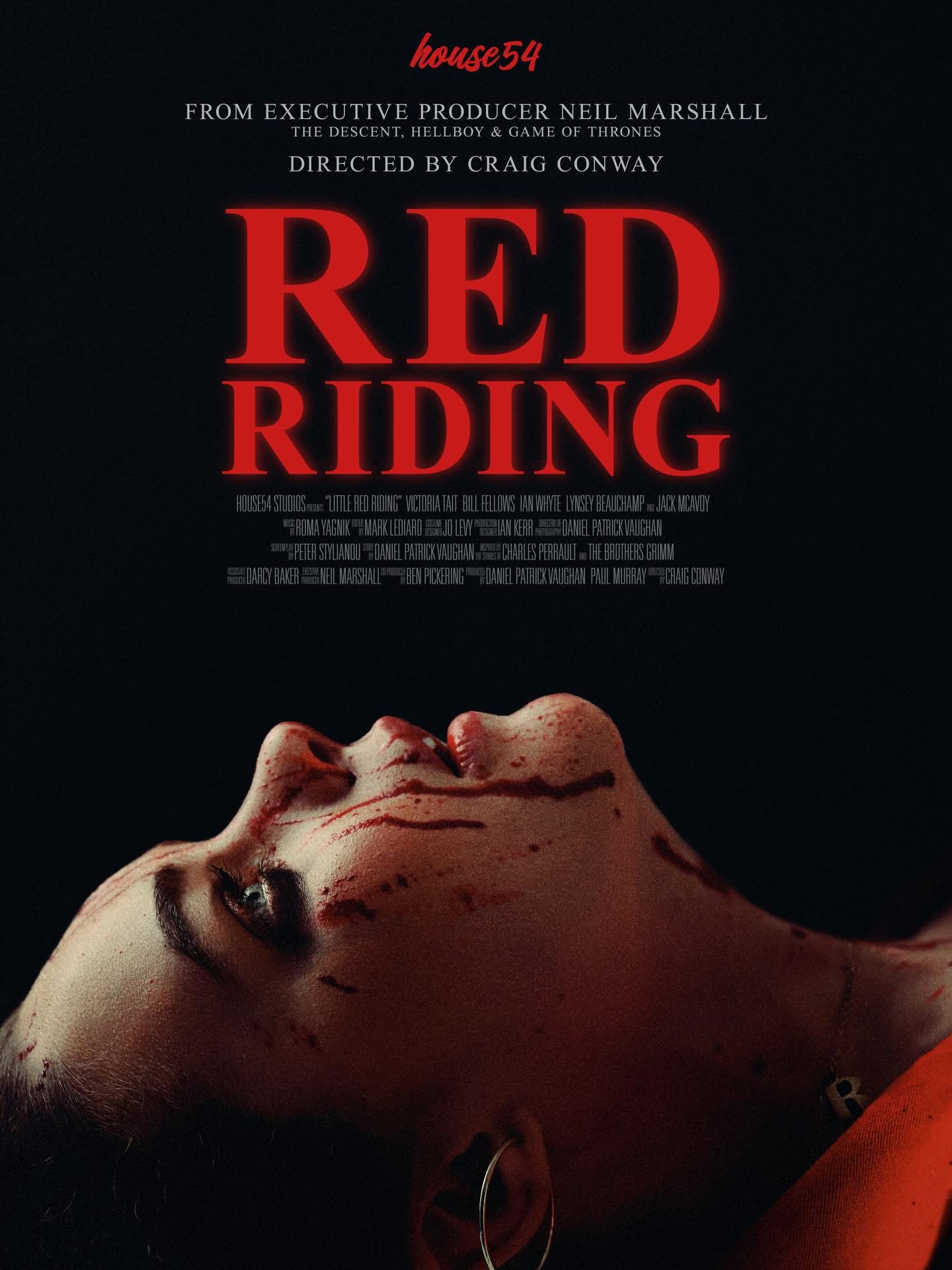
His debut feature, Red Riding, premieres this weekend (March 7) at the Glasgow edition of FrightFest — an appropriately atmospheric launch for a gothic horror rooted in folklore, family secrets and the darker corners of the British landscape.
I’m already reaching for a cushion.
For Craig, the moment feels both exhilarating and nerve-wracking - I’m paraphrasing.
“I’m absolutely shitting myself,” he admits with a laugh, speaking ahead of the screening. “I think I’m more nervous for this than I’ve ever been as an actor on a film.”
The film centres on troubled teenager Redele Riding, played by Victoria Tait. After her mother overdoses, the girl is sent from her council estate to live with an estranged grandmother in a remote Scottish manor.
***This is a trailer for a horror film. You have been warned***
What begins as a seemingly protective relocation quickly unravels into something more sinister - with rumours of missing children, whispers of a monstrous wolf in the surrounding woods and the unsettling influence of the estate’s inhabitants.*
*Currently typing with my eyes shut.
Craig describes it less as a traditional horror and more a psychological drama steeped in the DNA of fairy tales. I mean there’s definitely blood too, unless the trailer is a big bluff-fest.
“When she gets to her grandma’s, we realise that actually family and that support around you sometimes is the darkness you should be afraid of… and it quickly turns into a very dark, psychological, twisted drama where the wolf and the wood present circumstances that are very, very far from being a fairy tale.”
Although much of the film unfolds in the Scottish Highlands, its origins lie firmly in the North East of England.
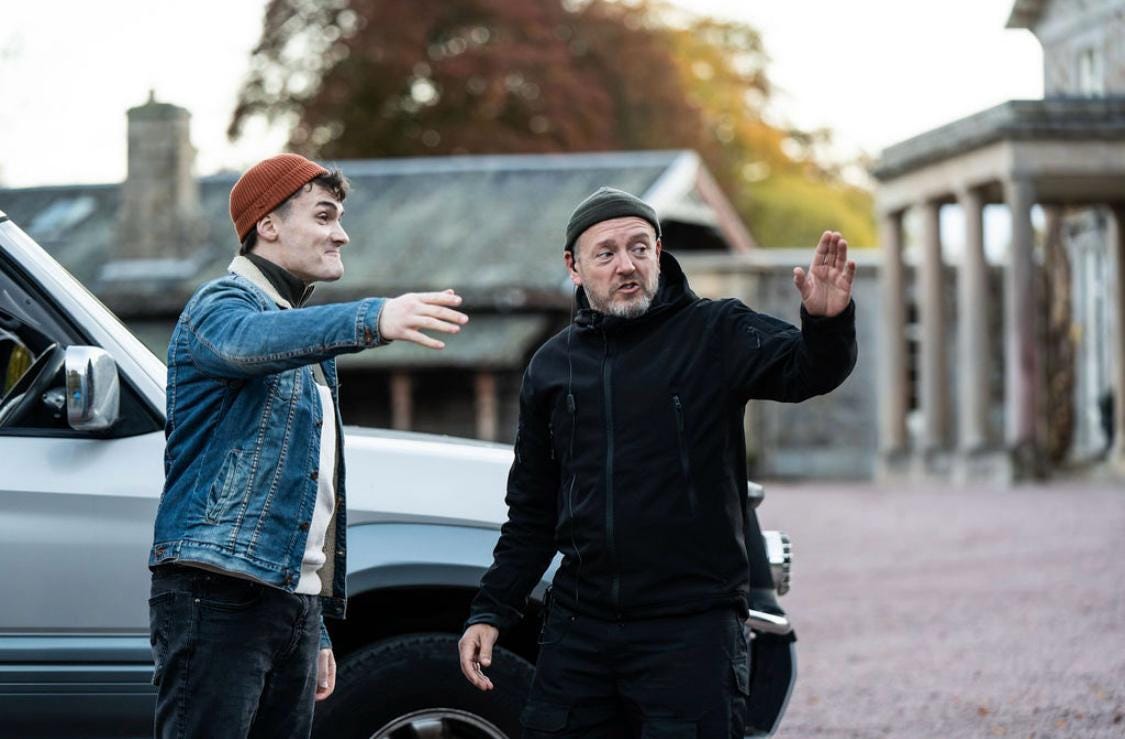
Development began in summer 2024 when producer Daniel Patrick Vaughan approached Craig with the idea of directing a contemporary adaptation of Little Red Riding Hood. At the time, he was in Los Angeles attempting to get a different project off the ground - a supernatural drama that ultimately stalled when funding fell through.
“We were walking along Venice Beach, really, really depressed,” Craig recalls. “And then the phone rang, and he said, ‘Do you want to direct this?’”
The answer was immediate - with one key condition.
“Of course I said absolutely yes, but I wanted to make sure we could shoot as much as possible in the North East.”
The request wasn’t purely sentimental. Craig had already been working with students at the University of Sunderland and saw an opportunity to bring them into the filmmaking process.”
As it played out, part of the production was filmed on the estate in Washington where Craig grew up.
“Shooting in the flats where I grew up as a kid was a bit of a full circle moment,” he says.
Scenes were also filmed on the University of Sunderland campus.
“We used a few of their spaces,” he explains. “And then the lecturers and the students came on board. Some were shadowing and mentoring, and we also used some of the performing arts students as cast.”
After starting in the North East, the production moved north into Scotland, where the team found a secluded manor estate near Nairn, close to Inverness. The remote setting became the atmospheric heart of the film.
“We found a kind of manor home up there with its own land and private estate,” Craig says. “And the cast and crew basically lived there for the 22 day shoot.”
Having dreamed of taking the director credit on a feature film one day, I wondered how the reality compared with the ambition.


“Better than I ever imagined really, and pretty emotional” he says of the first day on set.
“It was a really humbling experience… to be able to turn over the camera and see it all come to life.”
Central to that experience was the performance of newcomer Victoria Tait in the lead role - chosen from hundreds of applicants.
“She is just incredible,” Conway says. “There were so many people up for the role, it was very hard to nail it down. But we absolutely got the right person. I can’t wait for people to see what she can do.
Craig’s journey to directing has been gradual. While audiences know him primarily as an actor, he has spent the past decade or so producing films to learn the mechanics of filmmaking from the inside out.
“I thought if I learn what goes on throughout the whole production, then maybe then I’ll be able to step into a directorial role,” he explains.
That experience proved invaluable once he finally stepped behind the camera.
“I think you get a bit of confidence going, well, I know how it all works now and I know where I fit into that.”
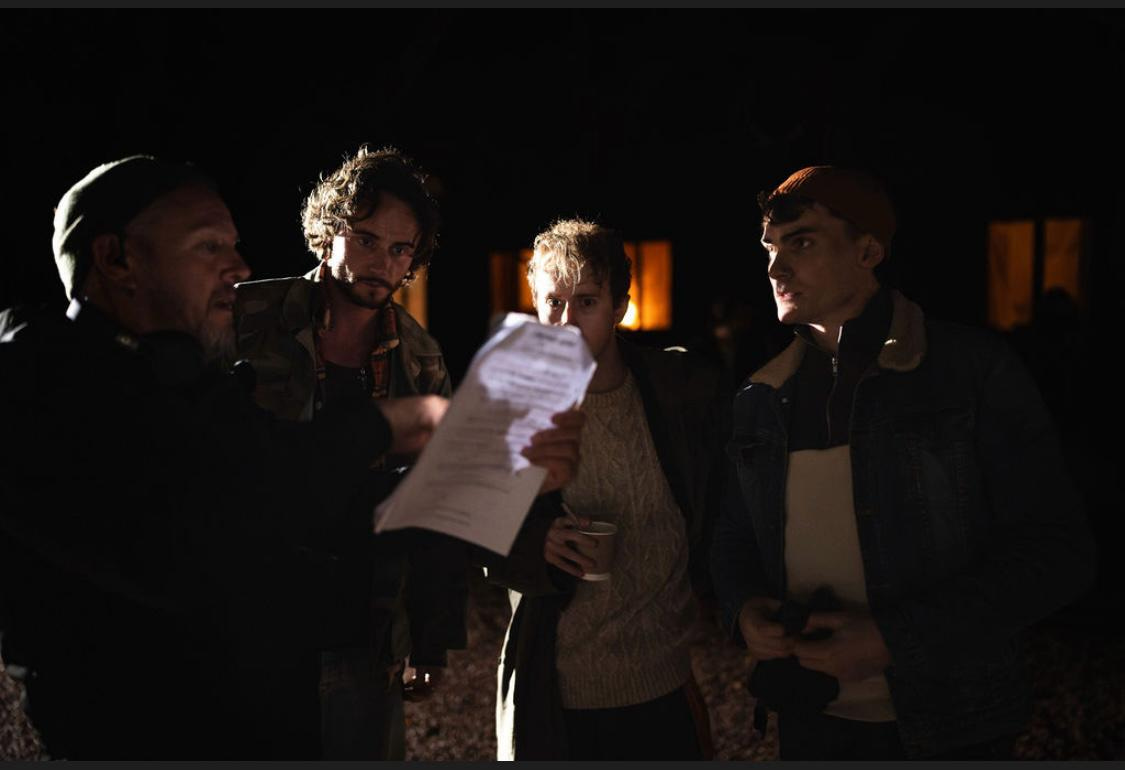
And of course his acting background very much shaped the the kind of director he wanted to be.
“For me, the main job is to make the actors feel confident and comfortable and supported,” he says. “The freedom to fail is always the best thing you can offer your cast. It allows them the space to try - and that’s often where you find the good stuff!”
Another reassuring presence during production was the aforementioned Neil Marshall (you can add TV credits like Game of Thrones, Hannibal and Westworld to the films we rounded up earlier) who serves as executive producer on Red Riding.
Craig first worked with the director decades ago and the pair have remained close ever since.
“He’s been a true friend,” he says. “If I have a bad day, I know I can call him up and he’ll be there for me.”
Having Neil involved in his first film felt like a natural continuation of that creative partnership.
“It was like having a bit of a comfort blanket and it’s kind of like getting excited because you feel like kids again,” Craig says. “He’s watching me going into my baby steps as a director.”
The FrightFest premiere marks the film’s first outing before audiences, with further festival screenings and distribution discussions already underway.
There are also plans closer to home. Craig hopes to stage a special North East screening to thank those who helped bring the film to life - particularly the university students who joined the production.
“It’s really important to me that we get to celebrate in the region with the people who helped make it happen,” he says. “And there’ll hopefully be a lot more of these opportunities coming down the tracks.”
Watch this space. If you dare.