


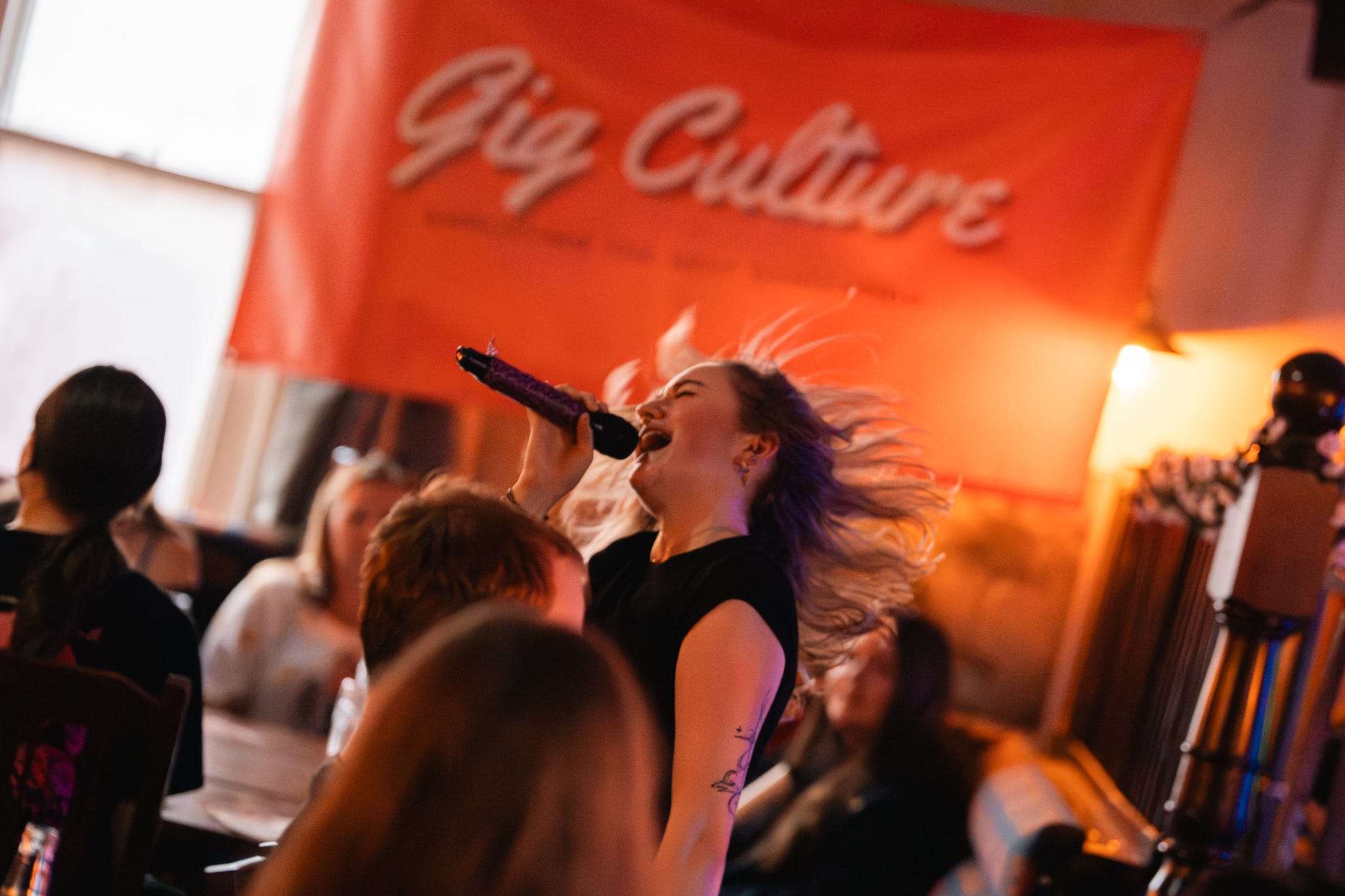
Leopard Print didn’t exist two years ago.
Its five members hadn’t met, let alone written songs, rehearsed or performed together. Now they are playing venues across the North East, recording new music, working towards their first EP and talking about touring.
The band came together through Gig Culture, a project developed and run by The Cultural Spring which used South Tyneside’s rich musical heritage to inspire and support a new generation of young musicians.
Running through 2024 and 2025, it brought young people together to write and perform their own material, develop their skills and learn more about the different ways they might make music part of their future.
When the project came to an end last autumn, Leopard Print faced an important test: could the band continue without the structure and support which had brought them together?
Their first independent booking, at Garden Lane in South Shields, provided the answer.
“It was nerve wracking when the programme finished and we knew we were going to have to find our own gigs,” they say. “But when we landed Garden Lane, we thought ‘yeah, we can do this’.”
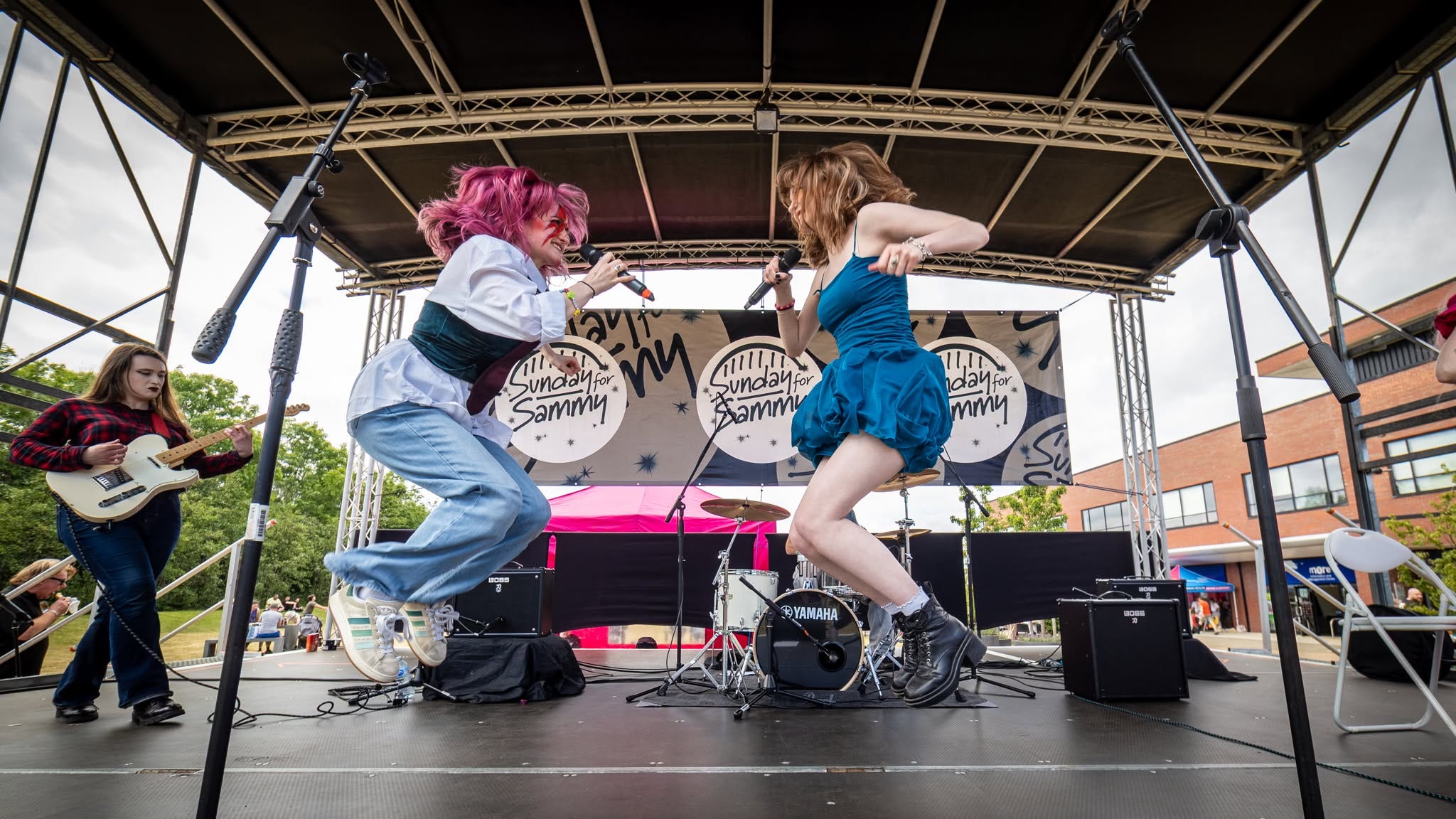
Since then there have been gigs at The Cluny 2 and Little Buildings, new songs and recording sessions, as well as a grant from Sunday for Sammy and a performance on the charity’s stage at the Pride in Cobalt event in North Tyneside this summer.
“Having people believe in our little, nutty band and what we do is just insane and blew our minds,” they add.
What has happened since provides a pretty compelling argument for the value of Gig Culture – and for The Cultural Spring’s plans to bring it back.
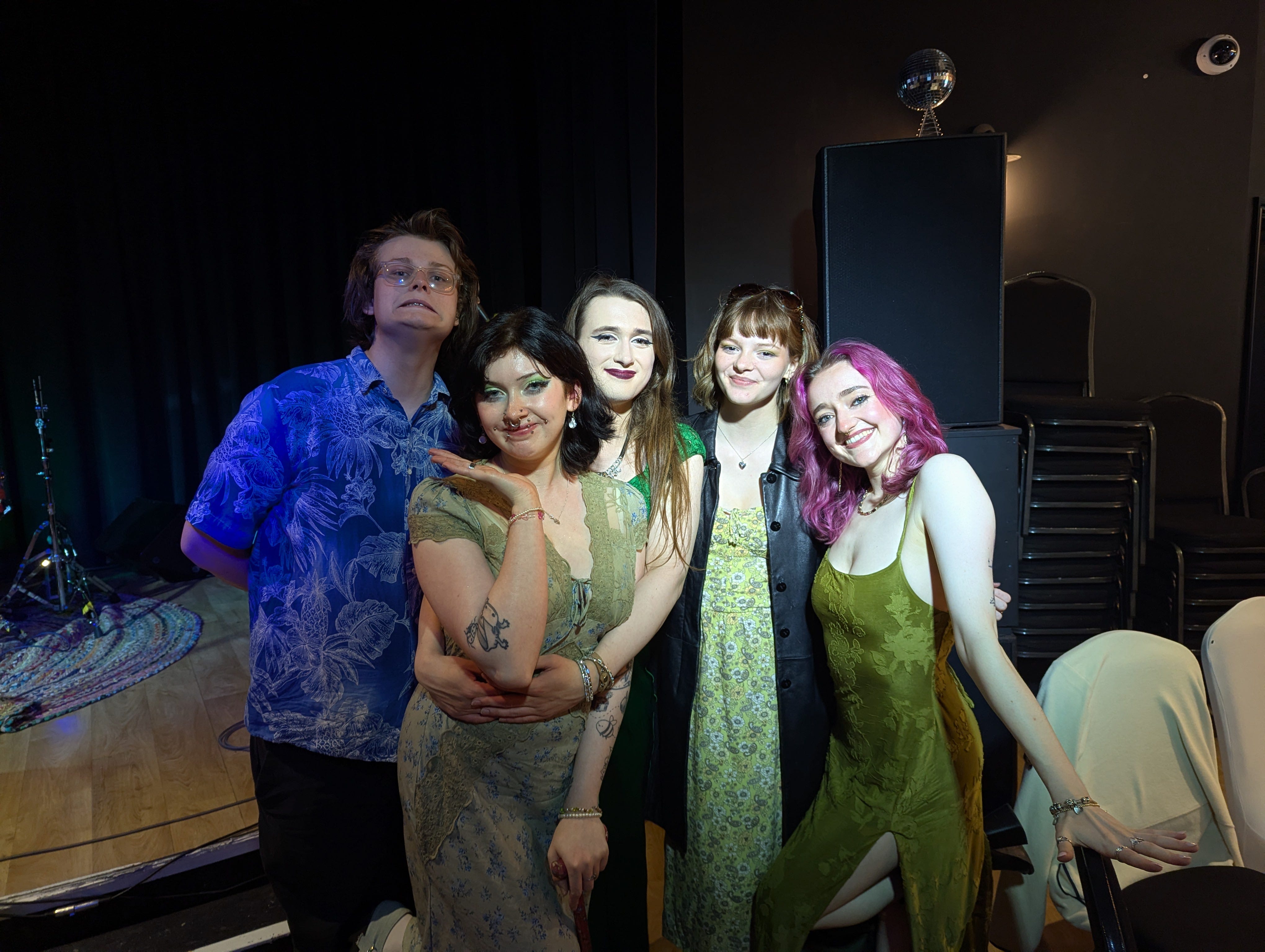
Sharlize Sowden, Josie Littlewood, Billy, Lainie and Alice Taylor arrived at the project by different routes.
Sharlize wanted to write more music and work collaboratively; Josie was looking to meet musicians her own age; while Lainie had stopped playing for two or three years after arthritis in her hands became so bad she had to leave music college.
“We all slotted together like a big jigsaw piece,” they recall. “There’s something to be said about how smoothly we all worked together when we barely even knew each others’ names.”
Now they describe themselves as a family.
“We don’t think there’s any way that we all would have met outside of that programme and formed a band like this. We were all doing music, but we’d never crossed paths, even living so locally to one another.
“Gig Culture was absolutely life-changing for us; as was the team we had supporting us from The Cultural Spring.”
The Cultural Spring has spent more than a decade working across South Tyneside and Sunderland to increase engagement in arts and culture.
Gig Culture, funded through an Arts Council England project grant, was devised by the charity’s then development worker Catherine Scott around two strands: bringing young musicians together and exploring the considerable live music history on their doorstep.
Jimi Hendrix, Tom Jones and Eric Clapton were among the artists to perform in South Tyneside, while its pubs, clubs and halls provided generations of local people with their own gig memories.
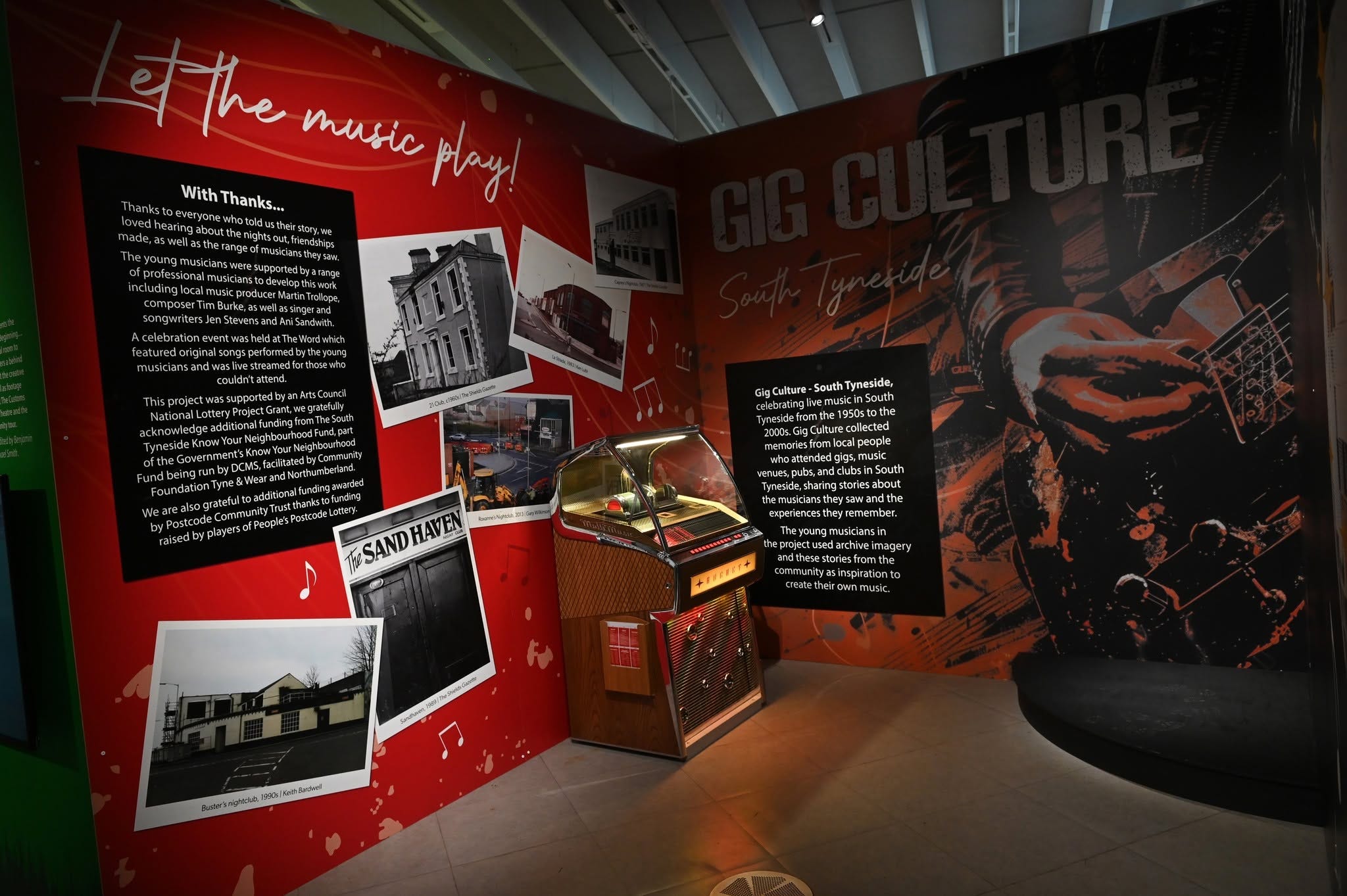
The Cultural Spring began collecting those stories, working with local residents and South Tyneside Libraries to gather memories, photographs and other archive material from the borough’s musical past.
Then the material was put in front of young musicians.
Caroline Liversidge joined The Cultural Spring in summer 2024 and took over Gig Culture from Catherine as the first phase was coming together.
“The young people had formed their own bands,” she says. “They’d used the stories and the photographs and whatever else to sort of inspire their own songs.
“So for most of them, this was like the first time they’d ever tried anything to do with songwriting.”
With musician and producer Martin Trollope of HarbourMaster Productions, they worked through forming bands, writing original material and then performing it in front of an audience.
An early showcase at Hedworth Hall – remembered as The Golden Slipper, or Yellow Welly – was followed by performances at The Word and Sunderland’s Summer Streets Festival.
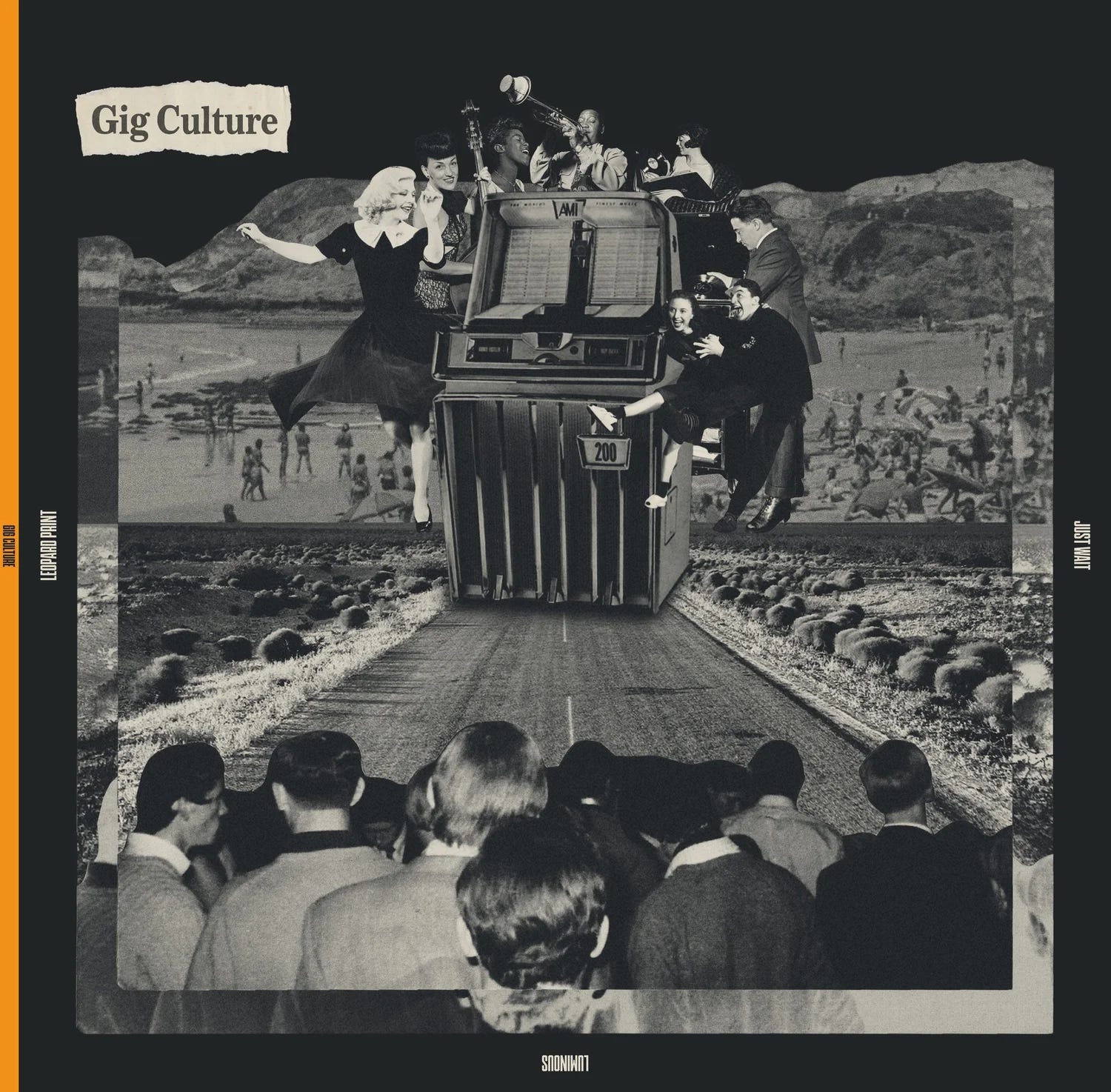
The heritage strand also found a permanent form. An exhibition at The Word brought together archive pictures and stories with music created through Gig Culture, while the young musicians recorded their songs for a specially produced vinyl.
On one side were their tracks; on the other, a podcast drawing on interviews with people who had contributed memories. Artist Emma Tominey worked with the young people and some of the original contributors to co-create the record sleeve.
As the project progressed, its focus increasingly moved towards what the young musicians might do next.
Caroline brought in local industry professionals to show that making a living from music doesn’t necessarily depend on becoming a chart-topping recording artist.
“It became a little bit more about sort of kind of employability,” she says.
“Yes, you can go and be a band, and that would be brilliant. Please go and do that. But also, these people are making money out of teaching, out of writing music for theatre productions, out of writing music for film productions or whatever.
“It was a really nice way of them all going, okay, like this isn’t just a pipe dream. If we don’t make it to the pyramid stage at Glastonbury, that’s not the end of the road.”
The Futureheads’ Ross Millard was among those who shared their experience, while performer Max Easter worked with the young musicians on stagecraft before a final performance at The County in South Shields.
By then, Caroline could see a marked difference.
“When I came on board, they’d just done their first gig basically together, and they were all obviously very proud of what they’d done.
“But by the end you could just tell they were so much more confident to get on stage and own it.”
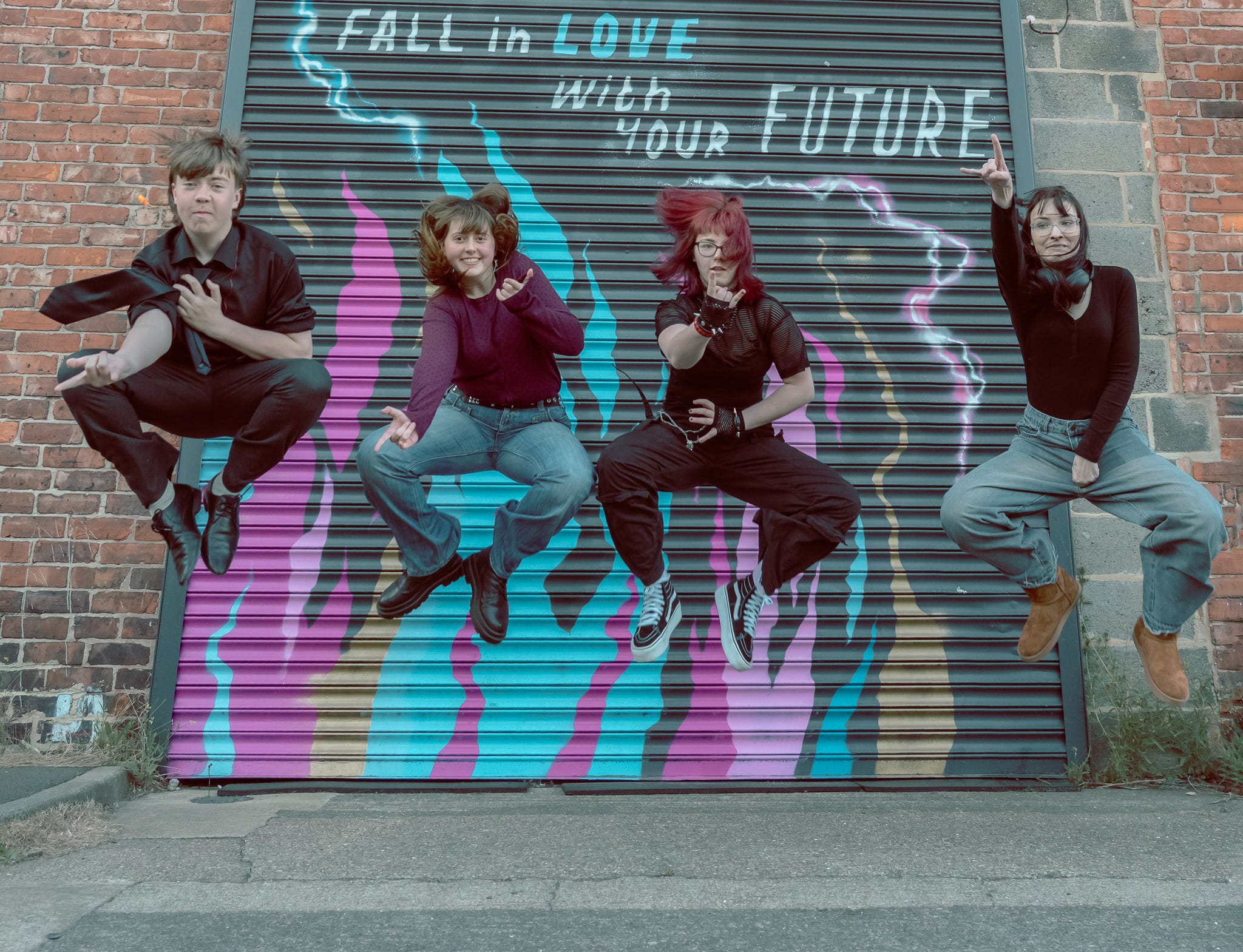
Around a dozen young people were still involved by the end. Two bands, Leopard Print and Luminous, had stuck together, while others pursued solo work or joined different bands.
But Caroline says one of the most important outcomes had little to do with music.
“The biggest thing that I’ve learned is just the social benefit of it,” she says.
“It’s not just about them developing their skills and forming bands and being famous. It’s about them going, we’ve built a little family.”
She recalls one participant who had dropped out of school while struggling with anxiety and stress. By the end, he was starting to return to school and social situations, with his parents attributing the change to finding his “little tribe”.
Leopard Print’s Josie has also spoken publicly about the difference the project made to her.
Last autumn, she addressed a South Tyneside conference on hate crime and extremism, talking about her own experience of being bullied at school.
“Because of what I was going through at school I needed a safe space, an environment where I could be myself – and that is exactly what Gig Culture provided,” she said.
The Cultural Spring is now fundraising for a new iteration of Gig Culture, which it hopes could begin in April 2027.
Dependent on funding, the intention is to open the project more widely to 16 to 25-year-olds through two potential strands.
One would give complete beginners the chance to try different instruments with support from a regular tutor. The other would work with young people who already have some musical experience but want to develop their skills and find some direction.
There are also plans to invite members of the first cohort back as young mentors.
“We’ve been through this process, and here’s what we learned. This is where we are now,” Caroline says of what they could bring to a new group.
Meanwhile, Luminous are still together and gigging, although Caroline hears less from them these days – something she regards as a good sign.
“They’ve just sort of flown the nest,” she says. “Which you know is brilliant because it means that they’re independent. They don’t need us. Job done. You know that’s the goal is to make ourselves redundant.”
Leopard Print certainly aren’t hanging around waiting for anyone to tell them what to do next.
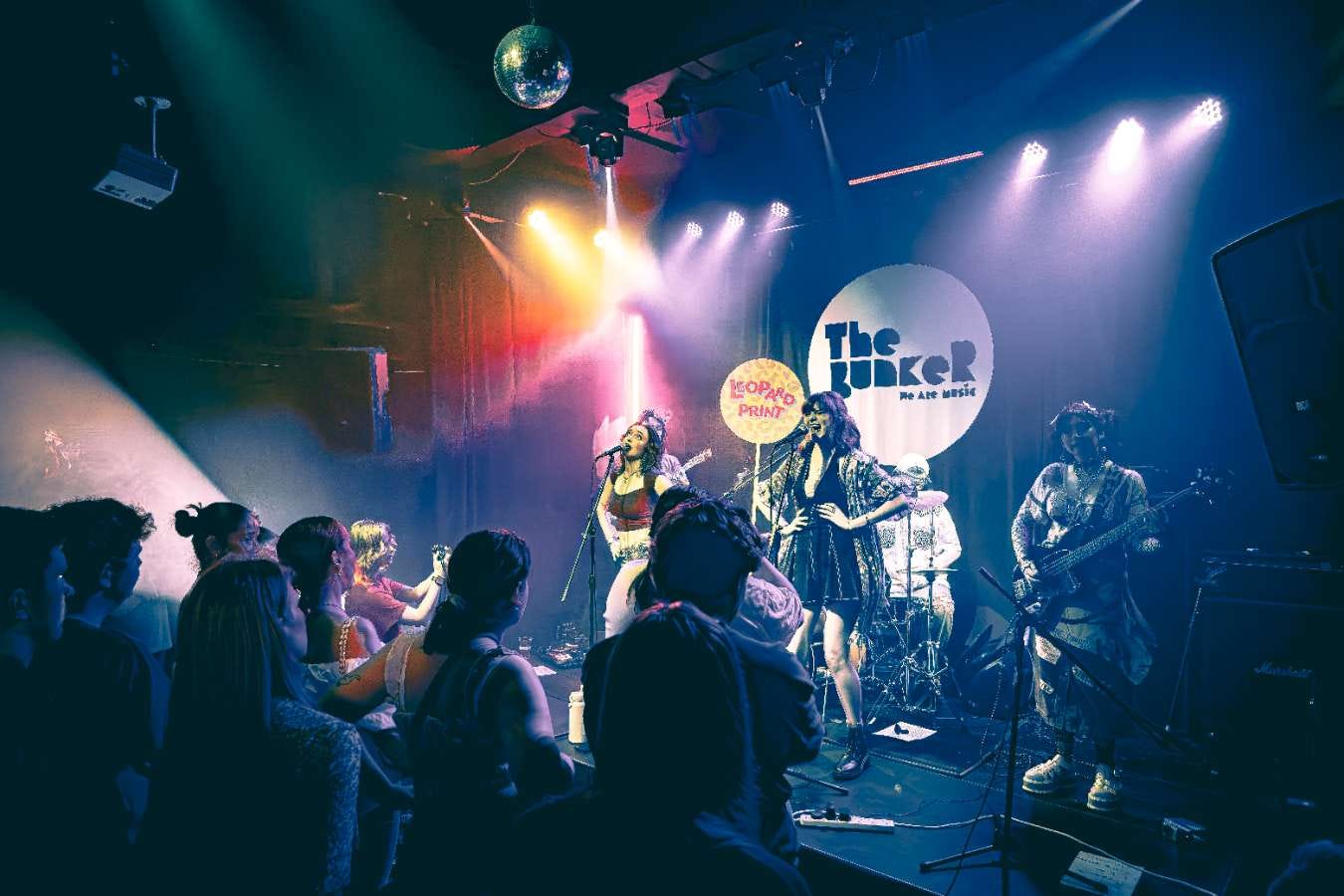
They now describe their music as “very energetic riot grrrl”, with influences stretching from country and metal to pop and indie rock. Their live performances incorporate dance routines, sketches and storylines.
They are recording with HarbourMaster and working towards that first EP, while their ambitions have expanded considerably since securing a paid gig felt like the big challenge.
“This question feels huge because a year ago we were just trying to get our first paid gig!” they say when asked where Leopard Print might be in another year or two.
“It would be amazing to get some opportunities to tour in a year or two and get to show our music to not only the North East scene, but all of the scenes across the UK (dare we say the entire world?).”