


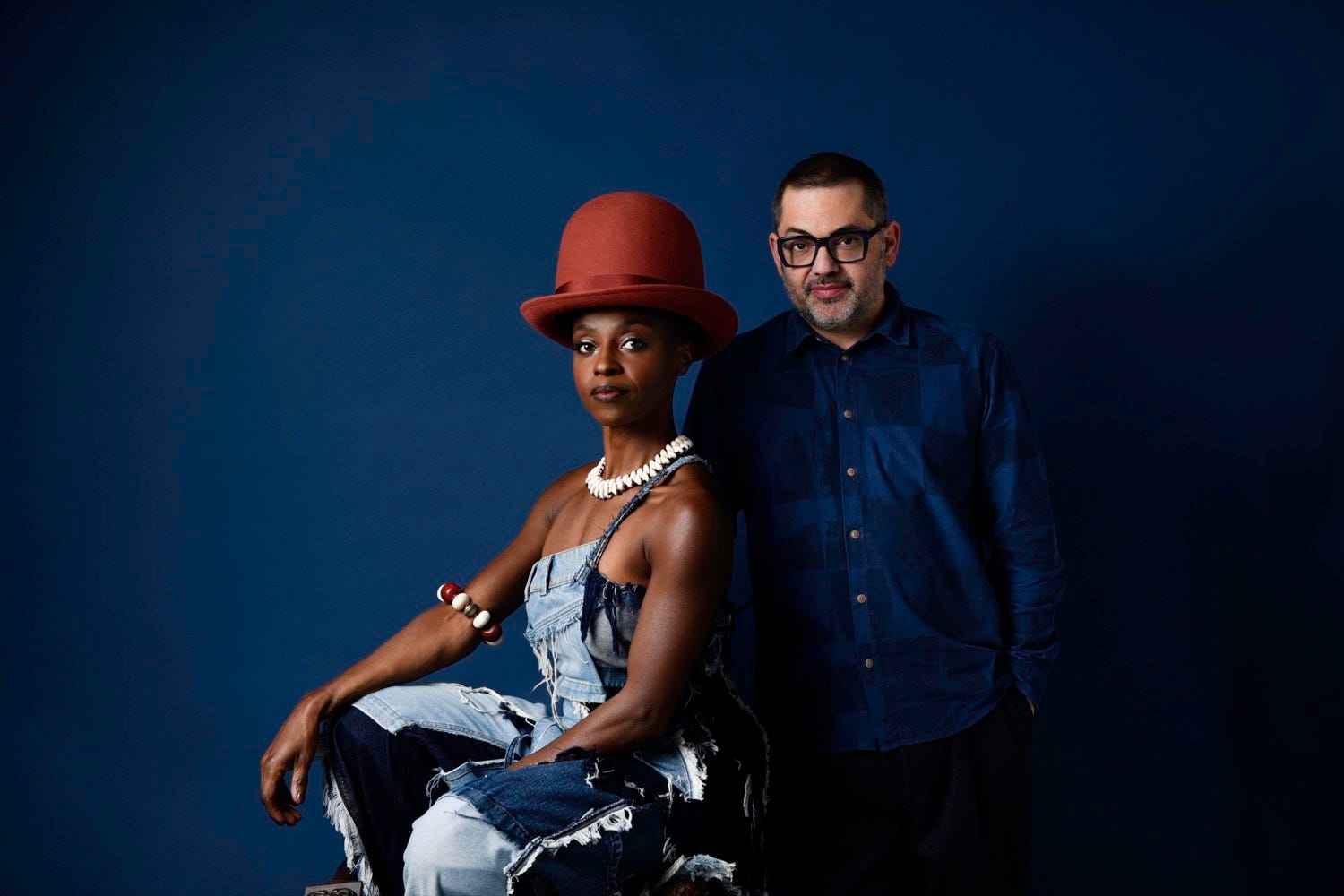
Morcheeba’s Ross Godfrey has been taking inspiration from some rather distinguished musicians when it comes to the prospect of growing older on stage.
“We recently hung out with Iggy Pop and Grace Jones and they showed us that there is a special kind of dignity in playing music as an older person and we respect that a lot,” he says. “I have just turned 50, so I’ve got a couple of decades left to go hopefully!”
And with Morcheeba celebrating three decades in music, there’s plenty of evidence to suggest he means it.
The band, who return to The Glasshouse in Gateshead on November 9, have navigated changing line-ups, periods of separation and an industry transformed by technology since emerging from London’s music scene in 1995.
Formed by Ross, his brother Paul and singer Skye Edwards, Morcheeba developed a distinctive blend of trip-hop, soul, blues and electronica that helped define the sound of the late 1990s.
Albums including Who Can You Trust? and Big Calm established their reputation, with the band going on to sell more than 10 million records worldwide.
There have been some significant changes along the way. Skye left in 2003 before returning in 2010, while Paul subsequently stepped away, leaving Ross and Skye to continue as a duo.
“Skye and I were both quite shy and nervous when we started out so we have slowly become more confident and sure of ourselves, although Skye does still get a bit of stage fright,” Ross says.
“We have been through a lot together and I think we trust each other and know our boundaries as people. It’s a tough business so you have to develop a thick skin and value the strong relationships you form in the maelstrom.”
Their sound owes much to the records they grew up listening to. Ross was fascinated by ragtime blues musicians including Blind Boy Fuller and Skip James, while Skye was immersed in her mother’s country records.
Ross also loved Neil Young and Cat Stevens, tastes that didn’t always impress his college flatmates, who wondered why he wasn’t joining them at raves.
Although Morcheeba became closely associated with the trip-hop movement, Ross wasn’t initially enthusiastic about the description.
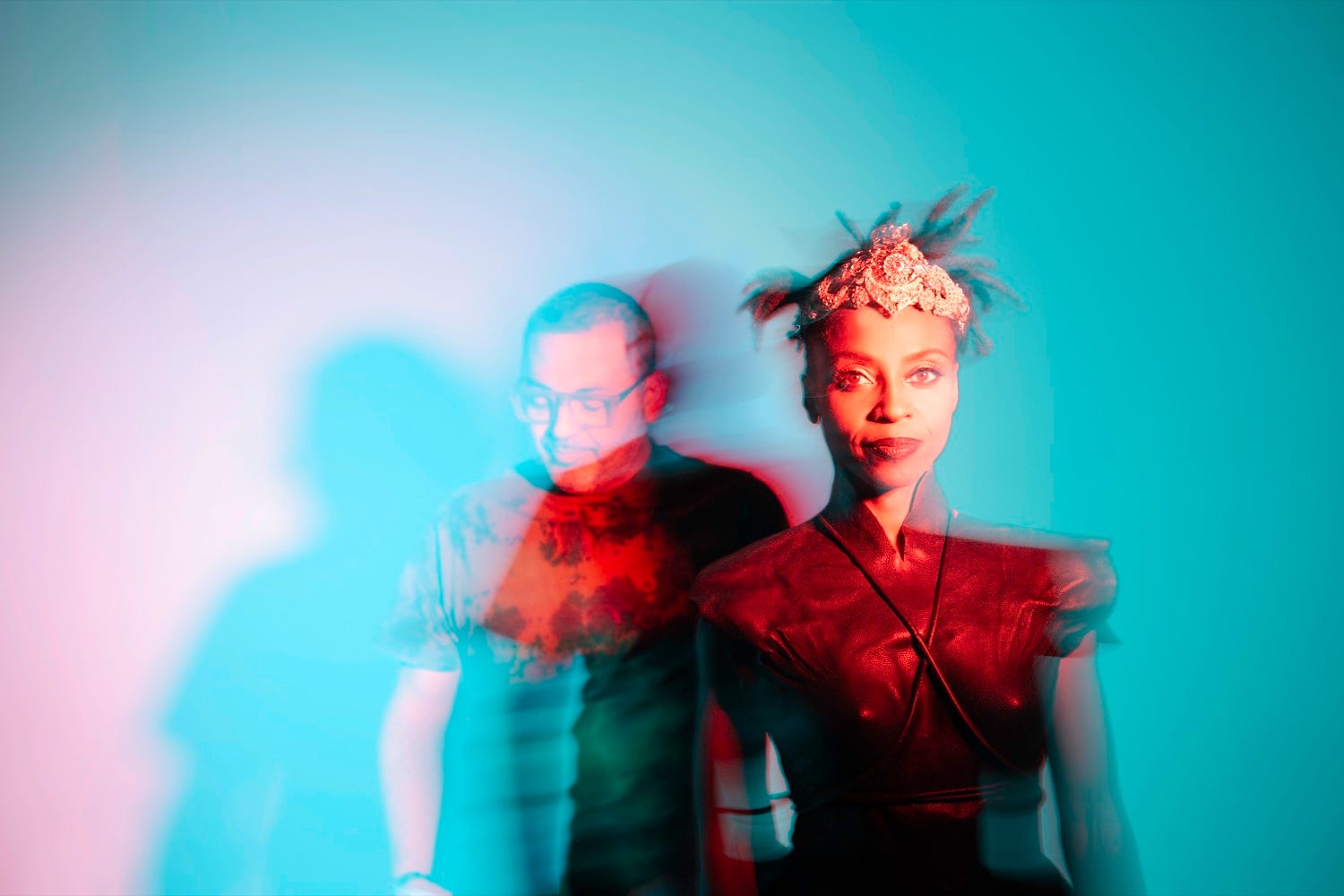
“I used to dislike that term as it felt like a lazy way of describing what we do but over the years I’ve softened to the idea, now I think it’s cute.”
He’s equally amused by attempts to explain the band’s famously laid-back sound.
“My doctors have always told me I have a very slow heart rate so I kinda put it down to that. Upbeat music seems like too much of an effort!
“Creating music is a bit like meditating, a strong out of body experience, and we try to share that feeling with our audience.”
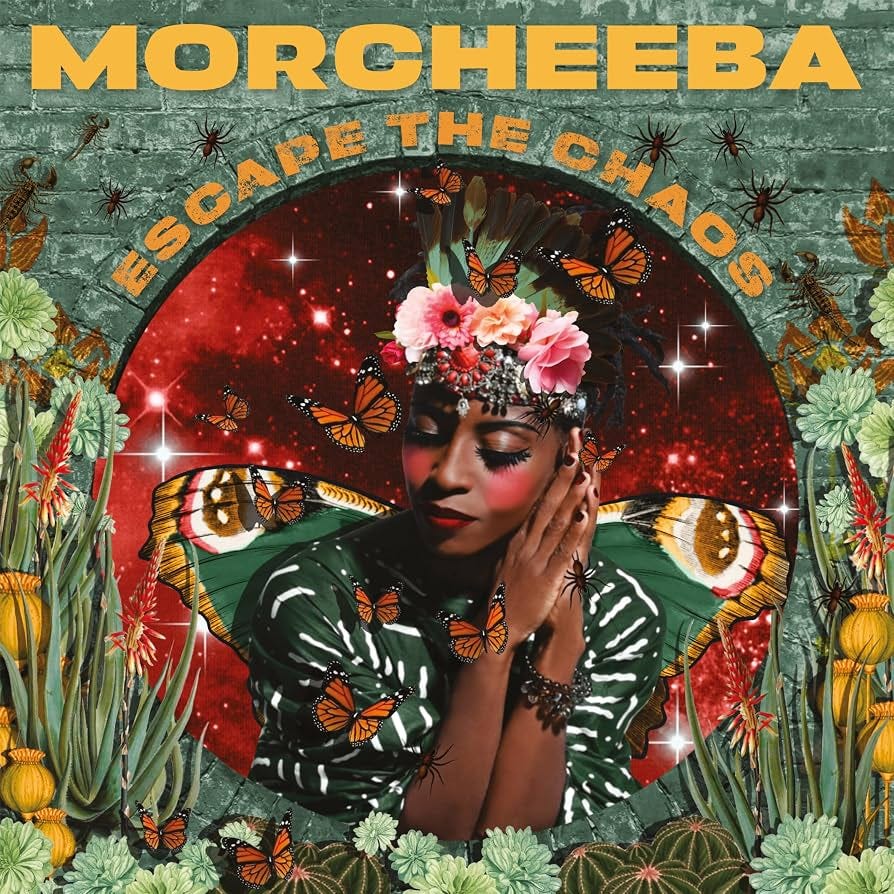
That approach continues on Escape the Chaos, Morcheeba’s 11th studio album, released in 2025.
Produced by Ross, the record features contributions from rapper Oscar #Worldpeace, Australian musician Hugh Counsell and Colombian musician El Léon Pardo, alongside members of the band’s live line-up.
“Escape The Chaos has that warm and deep Morcheeba atmosphere and groove people associate us with and Skye’s voice just gets better and better,” Ross says.
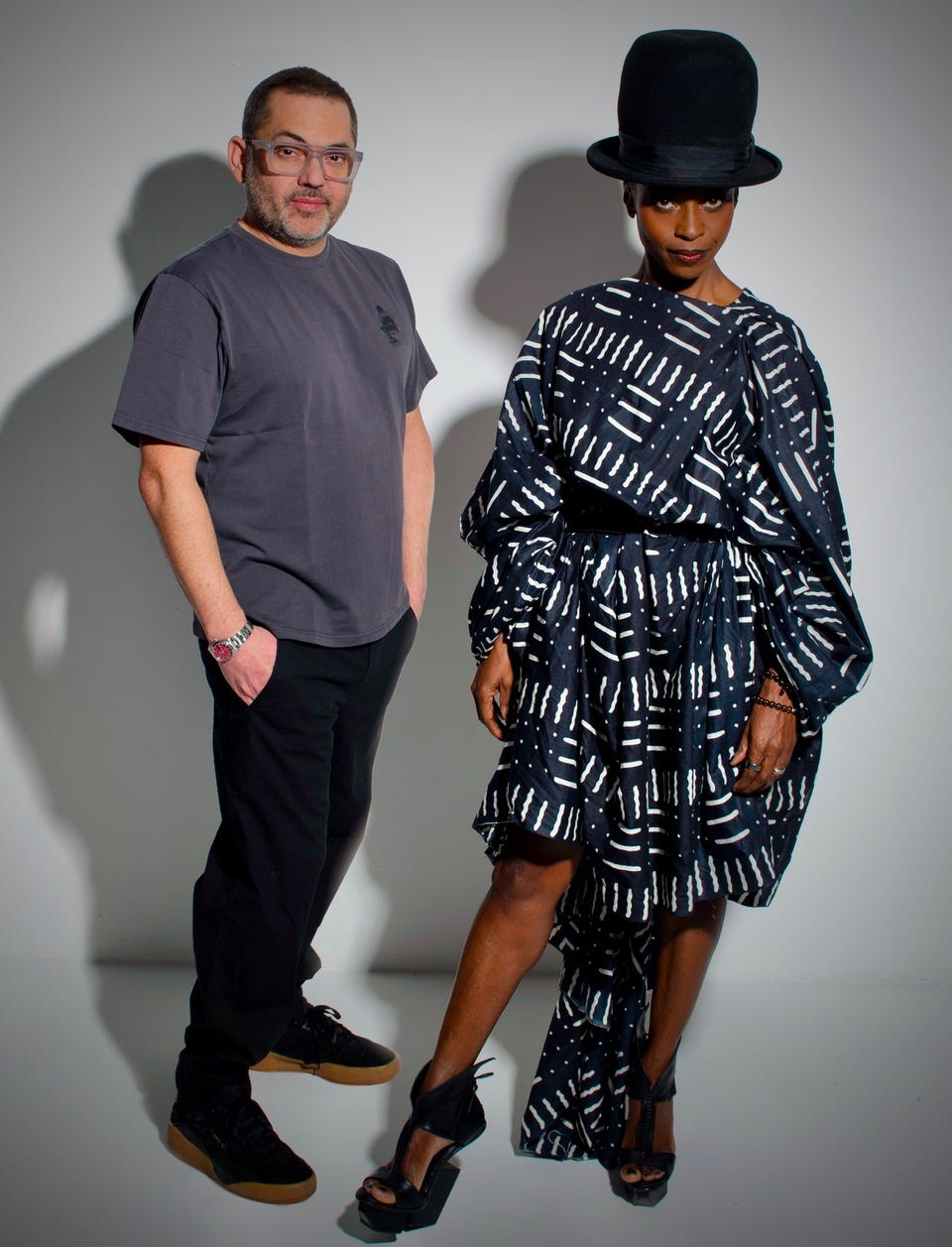
“Our music always sounds like us because we write and perform the lion’s share of it ourselves. I think Big Calm will probably always be our peak record and it is nice to reference back to that when we make new music but we also try to explore new avenues and invite fresh collaborators to the party.”
The album’s title reflects a desire to escape the distractions of modern life and reconnect with more important things. Meanwhile, Morcheeba’s music is finding its way to a generation of listeners who weren’t even born when the band first emerged.
“It is so heartwarming to see teenagers and young people in the front row of our shows,” Ross says.
“We chat to a lot of young fans who say they discovered our music from encountering it in film soundtracks or stealing their parents’ record collections, which circles back to what Skye and I did when we were teenagers.”
Thirty years in, Ross has seen the music industry change beyond recognition.
“I am glad to have had a career that spanned the evolution from analogue to digital, I miss aspects of the old school business but now enjoy the newfound freedoms of running our own cottage industry,” he says.
“I feel for the artists starting out today, Spotify have a monopoly and they don’t pay anything like fair royalties so unless you have rich parents it feels like a Sisyphean task to make a record and tour it only to break even at the end of the day.”
But the live experience remains central to Morcheeba’s appeal, and Ross has fond memories of previous North East visits.
“We have great memories of our shows in Gateshead, the audiences have always been so welcoming. Another fond memory is when we played a fundraiser after the lockdowns, that was such a wild night, it felt like we were young again!”
As for what audiences can expect inside Sage One on November 9, he promises a mixture of old favourites and less familiar material.
“The set will include a bunch of seminal Morcheeba tracks, a couple of more exotic choices, a splatter of newer material and a couple of covers that we have fun with. Our hope is that we will take the audience on an enjoyable ride and by the end they will be dancing and singing along.”
Just as the enthusiasm for the live experience endures, so does the need to keep making music.
“Music is abstract, it expresses things you cannot in any other way. I think we would go mad if we stopped making music,” he says.
“As we grow and experience new things we can process them with music, it’s cathartic and cheaper than therapy.”
Morcheeba play The Glasshouse, Gateshead, on Monday, November 9.