

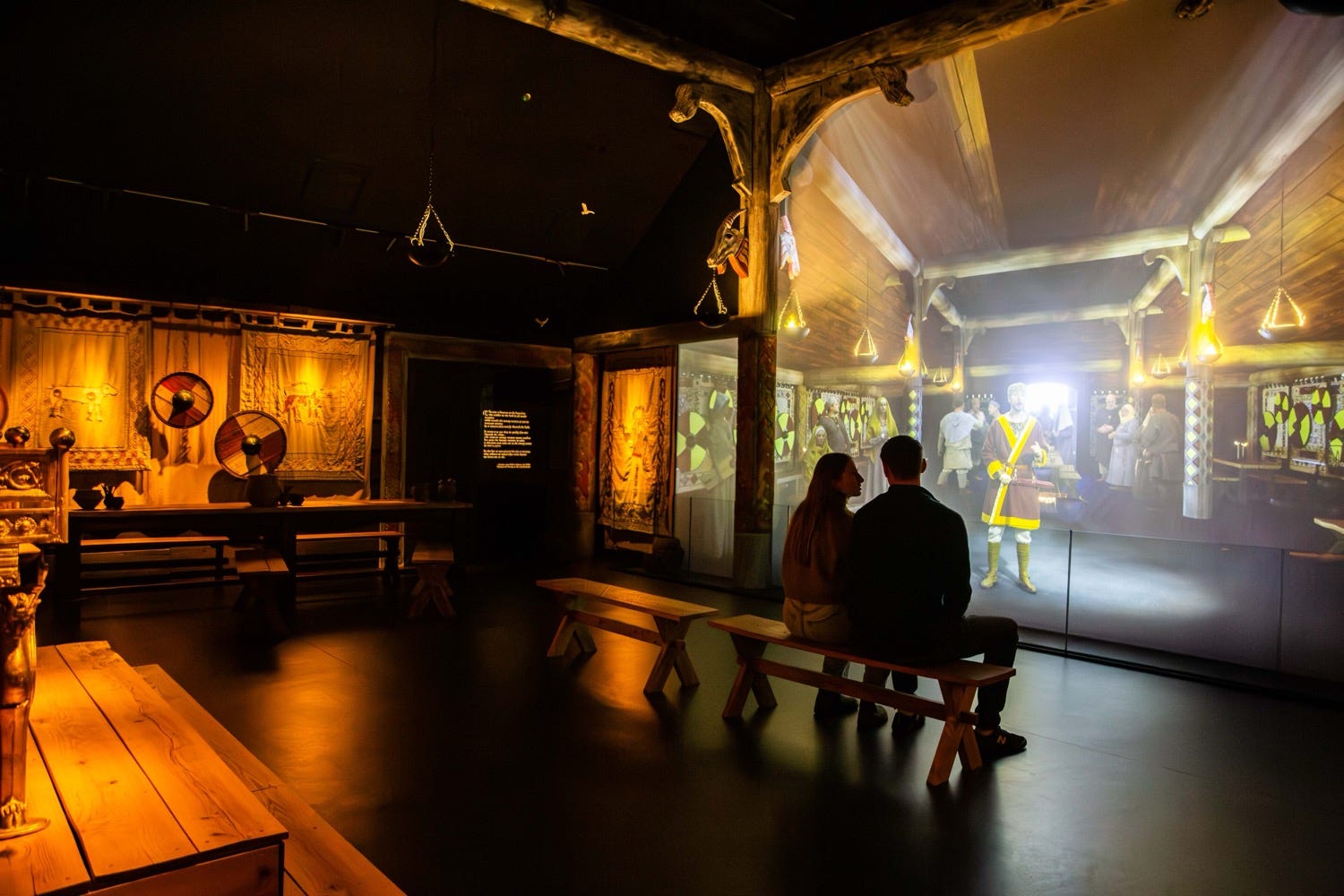
This weekend, the spotlight falls on a historic site where four kings of Northumbria and their courts spent their summers over the course of a century.
Ad Gefrin, near Wooler in Northumberland, was the site of a palace complex from 575-675AD which included what is known as the Great Enclosure, timber halls, a craft workshop and a grandstand or theatre for gatherings.
Now the location will be celebrated in the Yeavering Festival of Archaeology until Sunday (August 2), organised by the Ad Gefrin whisky distillery in Wooler, the Gefrin Trust and Durham University, which has been carrying out excavations at the site.
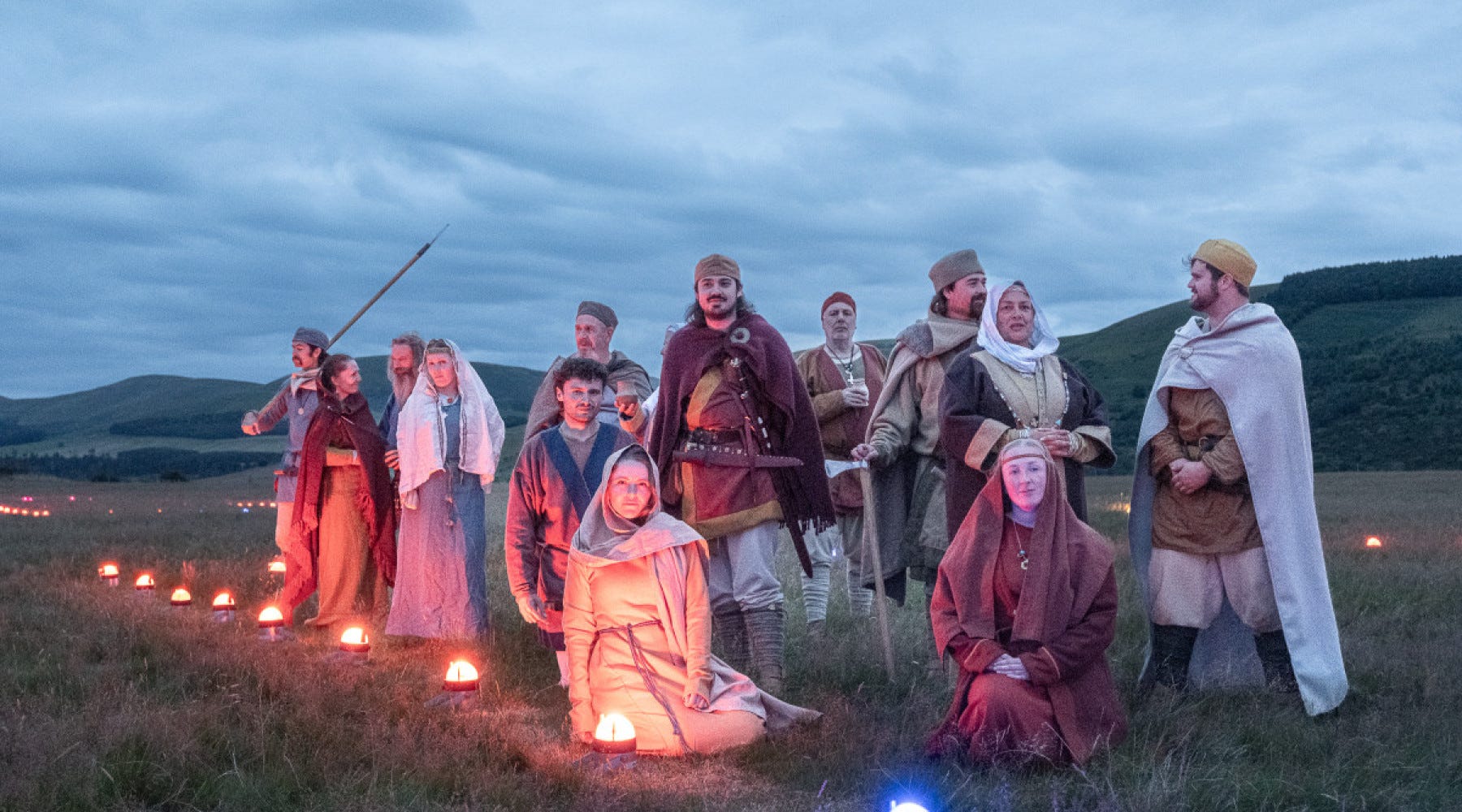
Last night, a light show at the Palace Field near Wooler from Walk the Plank was due to bring the ancient palace and its story to life.
Chris Ferguson, director of the Ad Gefrin distillery’s museum, devoted to the palace, will bring key archaeological finds from the site back to Yeavering so that visitors can hear the stories behind the objects.
He said: “This site is of national and international importance which highlights the Anglo-Saxons and how they lived.”
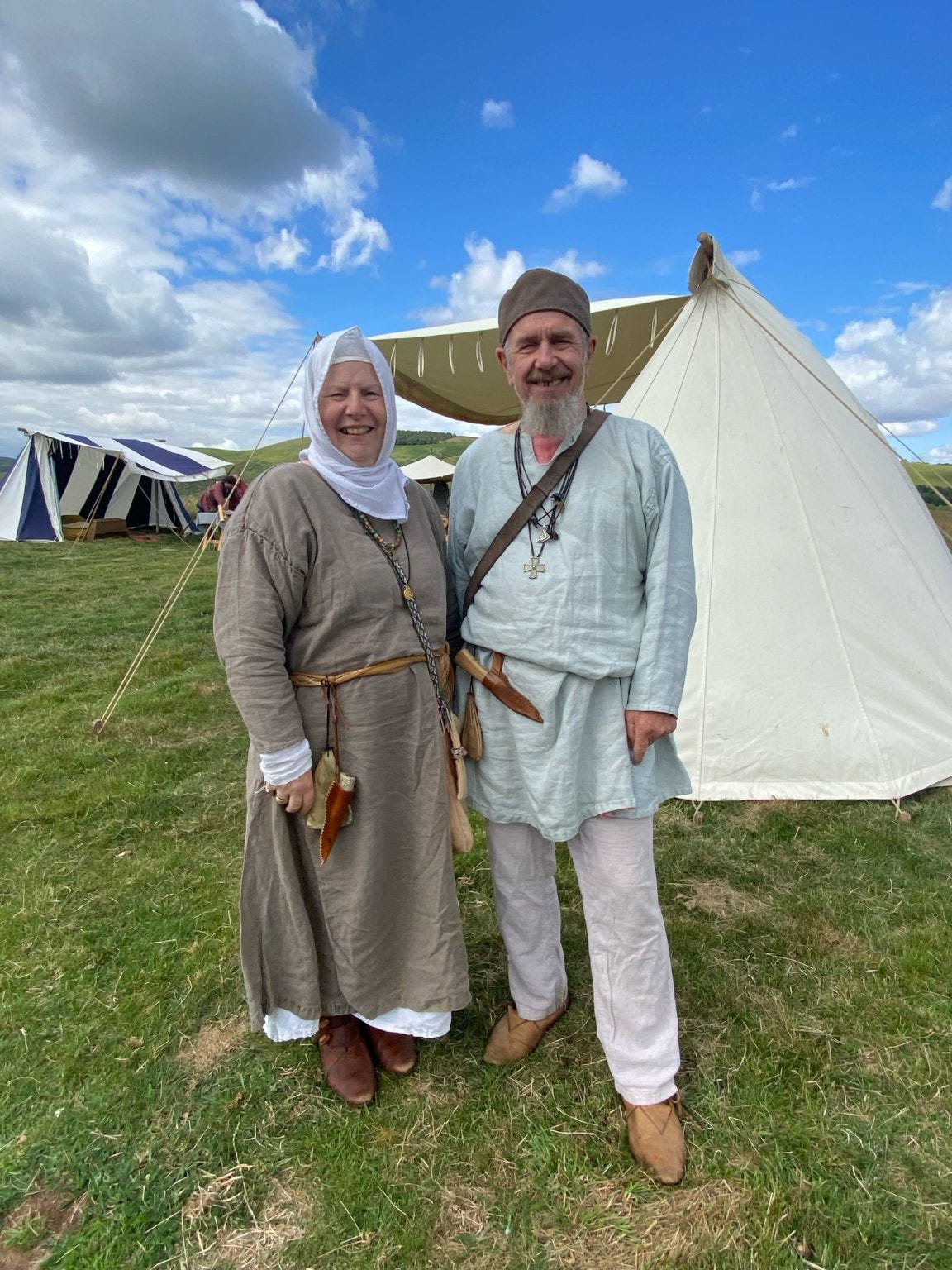
Other events taking place on the Palace Field during proceedings will include the Acle Re-enactments & Encampment re-enactors, offering visitors an experience of the sights, sounds and stories of Anglo-Saxon life with demonstrations, crafts and a working encampment.
There will be object identification with the regional Portable Antiquities Scheme, to which finds are reported, site talks and walks, hands-on skills activities such as geophysical survey, archaeological recording, spinning and cooking, and family craft sessions.
The festival will coincide with the Anglo-Saxon Lammas (harvest) Gaderung, a celebration of Northumbria’s food, produce and spirit, and the launch of the distillery’s first English single malt whisky.
The event brings together local producers, makers, bakers, chefs, creatives, musicians, storytellers and communities for a modern-day harvest festival rooted in the land, people and produce of Northumberland and the North East.
The archaeology festival events on Saturday will take place on the Palace field and the Gaderung celebrations at the Ad Gefrin distillery on Saturday and Sunday.
Lammas was a time of thanksgiving and communal feasting, marking the gathering of the first grains and ensuring sustenance for the winter months.
When the fields in which the royal complex sits came up for sale, the land was secured by the Gefrin Trust charity in 2002. Its mission is to preserve, investigate and recount the story of this Anglo-Saxon power centre, which has been described as one of the most outstanding discoveries in 20th-century British archaeology.
The location is marked by a monument at the side of the Wooler-Kirknewton road, with a panel declaring: “This place is Gefrin, Royal Township of the Anglo-Saxon kings of Northumbria”.
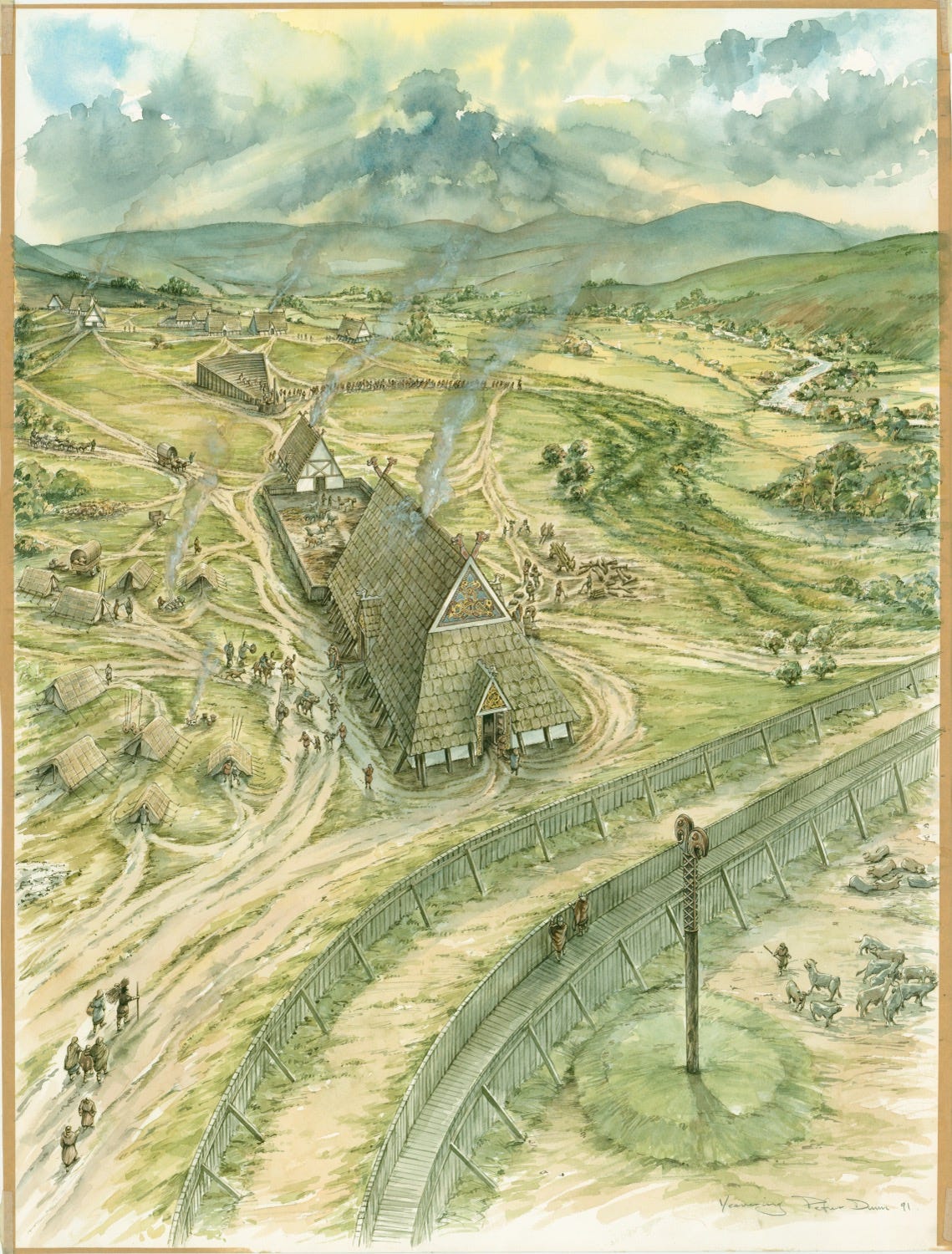
Ad Gefrin, meaning the Hill of the Goats, shaded into the current place name of Yeavering.
Edwin is one of at least four kings thought to have used Gefrin on a seasonal basis, with the other royal residents being Aethelfrith, Oswald and Oswui.
Pioneering archaeologist Brian Hope-Taylor began investigating the site in the 1950s and the work has been continued by Durham University.
Event information and booking link at gefrintrust.org