


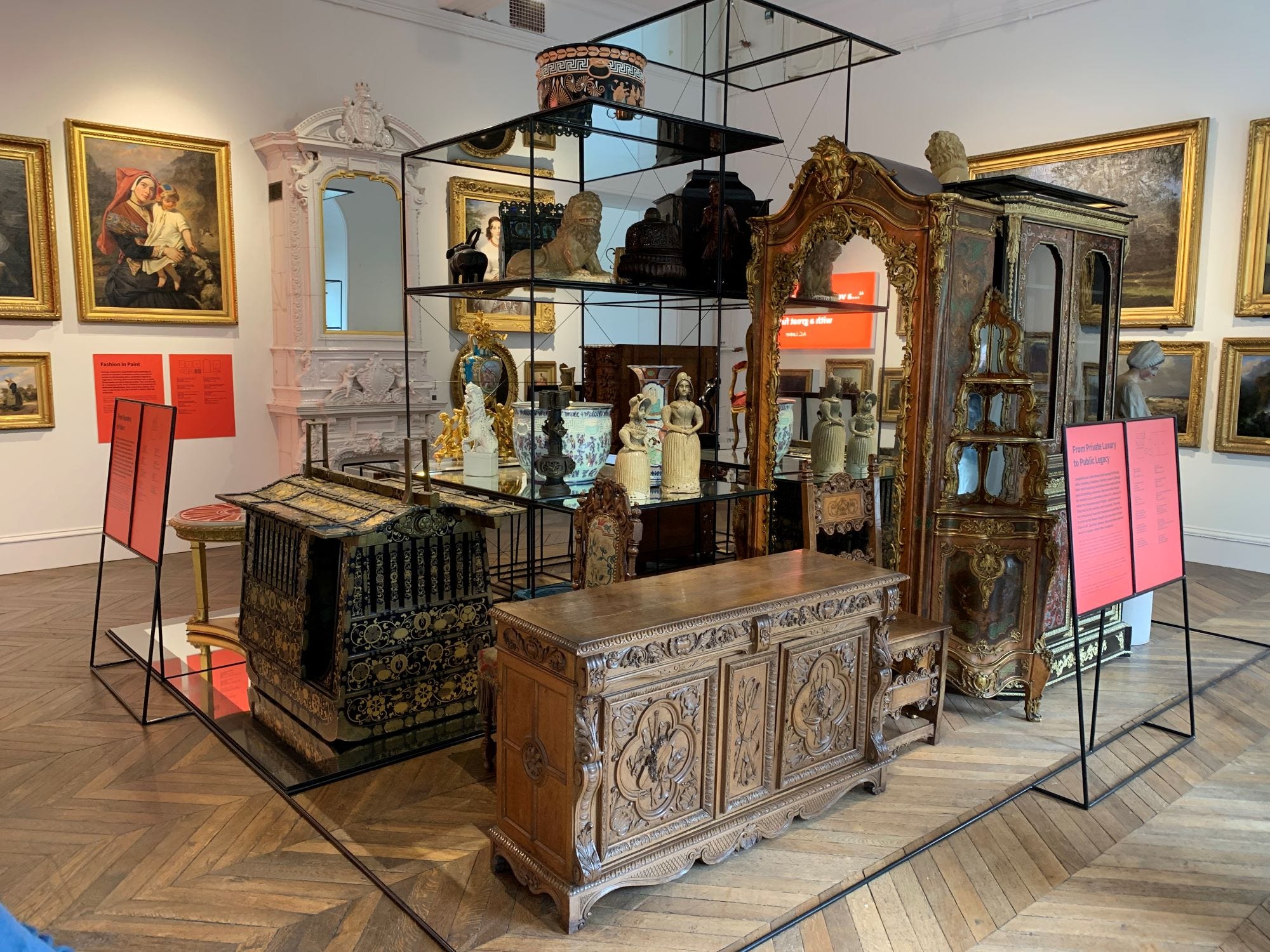
Three linked galleries at the Bowes Museum in Barnard Castle have been reopened and it’s as if someone has walked in and flung open the curtains, literally and metaphorically.
They offer what is described as a contemporary interpretation of the museum’s origin story, “shaped by new research, community collaboration and a renewed focus on the lives and partnership of Joséphine and John Bowes”.
Note that it’s ‘Joséphine and John’ rather than the other way around, as it might have been in the past.
Joséphine, the French actress John Bowes married in 1852, is all over this dramatic rearrangement of the so-called founders’ galleries.
They tell the story of the couple, their museum (which neither lived to see completed) and their huge collection of artefacts, assembled as if by a pair of discerning magpies.
There’s a sense of the galleries as rooms within rooms, the inner walls defined by black metal frames and with mirrors to illuminate each exhibit from different angles.
It’s described as “salon-style” and while John is recalled through items of military uniform and a painting of a racehorse, Joséphine is the dominant presence.
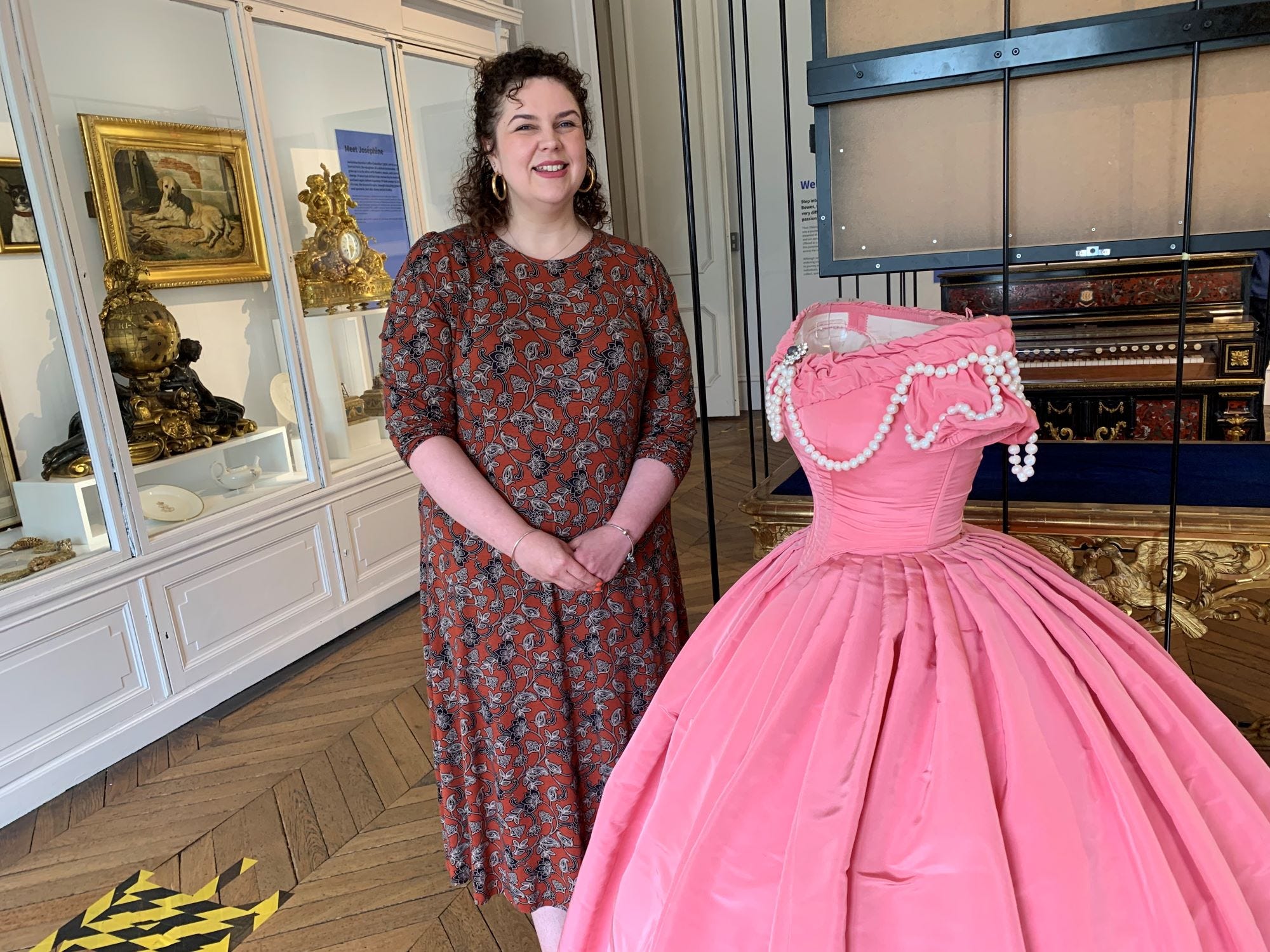
You’ll see her pink dress whose blushing shade was chosen to decorate one of the ‘curiosity galleries’ elsewhere in the museum.
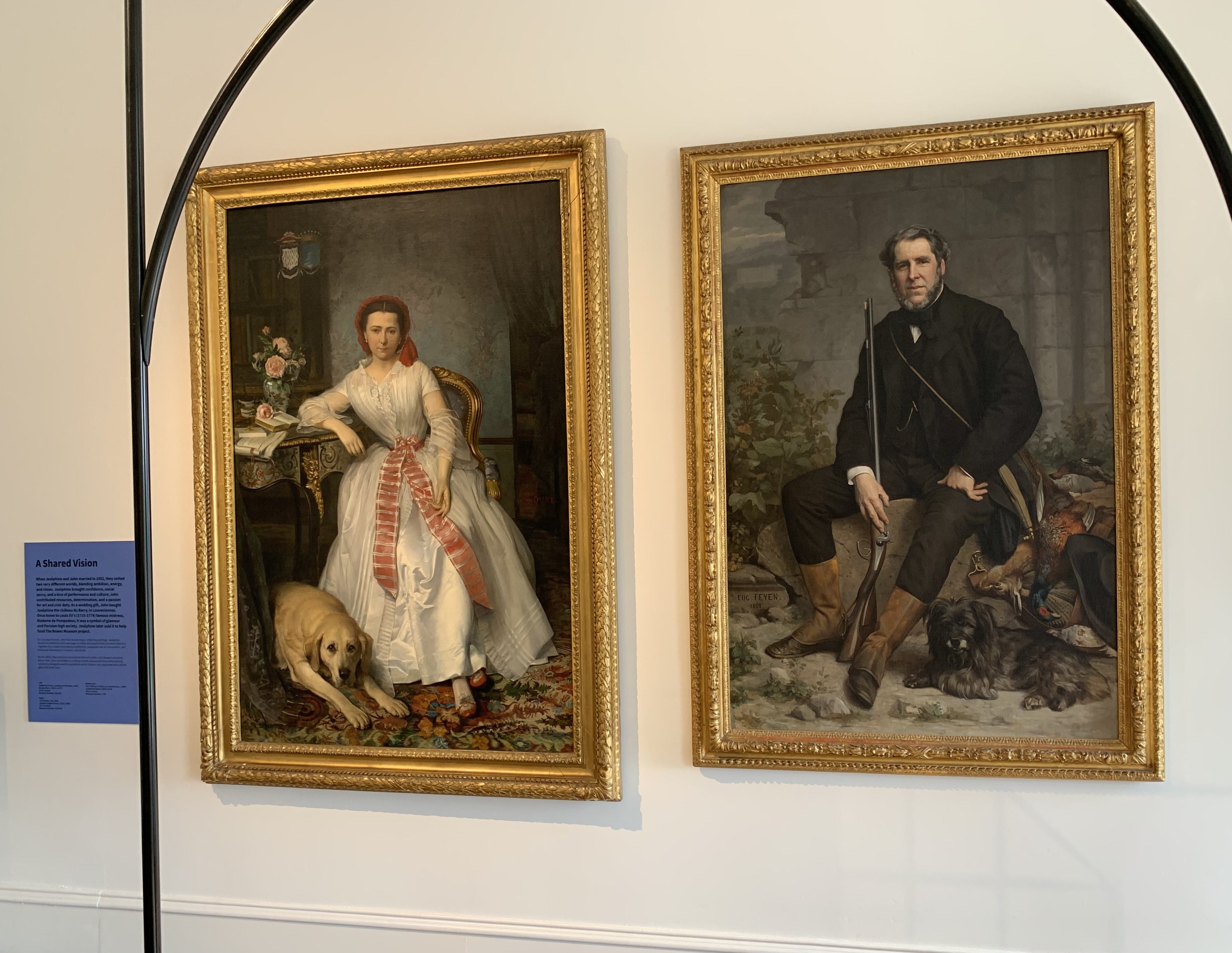
And don’t imagine that the dainty-looking woman scrutinising us from the portrait hanging alongside that of her husband (recalling a stolid country gent) was afraid to get her hands dirty.
We learn that she loved nothing better than to paint outdoors. Her accomplished framed landscapes are much in evidence and a touching exhibit is her paint-daubed artist’s palette.
“It was important for us to have Joséphine’s work in every room,” says Vicky Sturrs, director of programmes and collections, going on to describe the qualities she brought with her from the stage – her networking skills and ability to decorate and define a space.
“That was something we wanted to echo in here. We also wanted to connect to the landscape, so worked with design companies to explore film for the windows that would let in light while protecting what’s inside.
“We wanted to make these spaces you’d want to dwell in rather than dark and shut away.”
As well as a snapshot of an era, the new rooms illuminate the unusual couple whose love for each other and for beautiful and intriguing objects left County Durham with this extraordinary legacy.
Vicky points out the slippers purchased (according to a catalogued receipt) at the Paris International Exhibition and displayed in a mirrored vitrine.
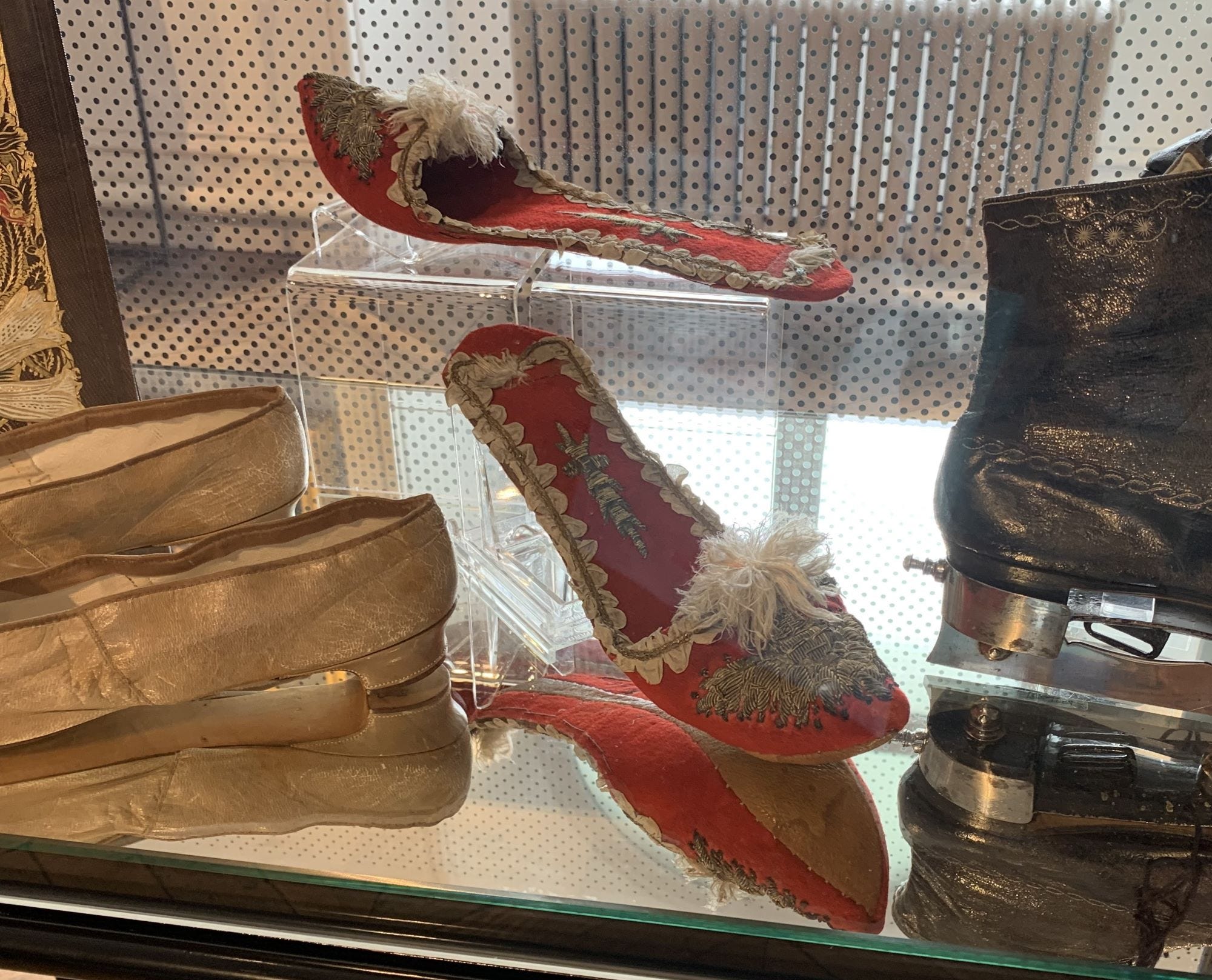
“Absolutely beautiful, and tiny. You can see her in the portrait wearing these same slippers. We liked the idea of linking objects to paintings.
“And this is her belt… wouldn’t fit on a thigh!”
Joséphine painted trees and the sea but one ‘still life’ canvas features a pot from the kitchen of her Paris home, identifiable today as an artefact in the collection.
The most famous Bowes exhibit is the silver swan automaton. That’s not displayed in the founders’ galleries but in the third of them you’ll find another startling purchase, a massive ceramic fireplace bought from the Swedish stand at the 1867 Paris International Exhibition.
“That came to County Durham but you do wonder how,” marvels Dr Jane Whittaker, collections manager.
“They had an interest in all sorts of things, but mainly it was Joséphine. She loved paintings and ceramics.”
She had an eye for talent and was, Jane reminds us, an astute collector of contemporary art. Hanging in the third room is a painting called Landscape With Figures and Goats by Adolphe Monticelli (1824-86).
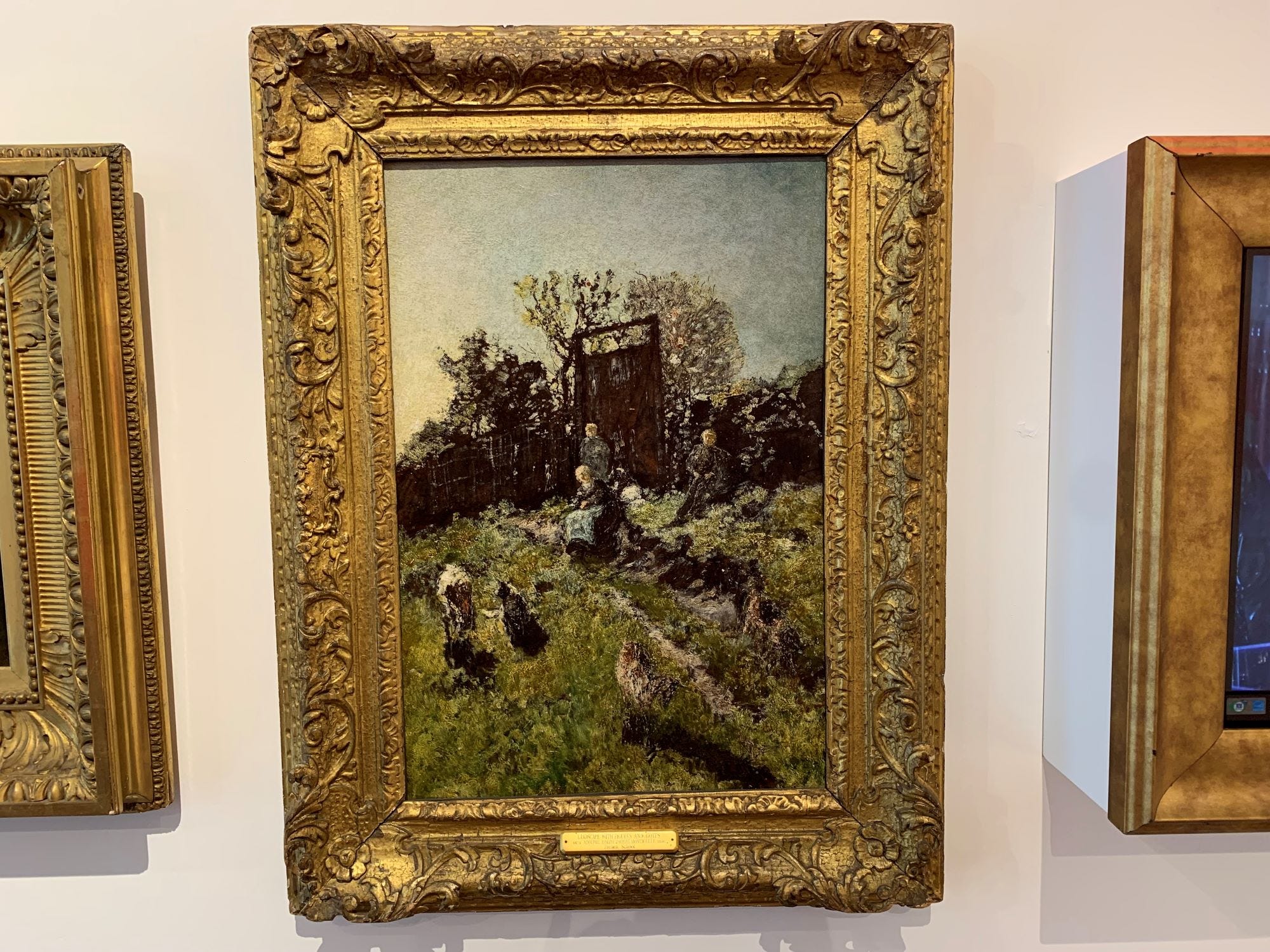
Arguably it’s a modest work but Joséphine heeded the advice of a trusted Parisian dealer who told her: “Mark my words, Madame, he is a lad with a great future.”
“What we now have is a collection created on the cusp of change and it’s this that gives us a really good link to our next show,” says Vicky Sturrs.
This is the forthcoming major Impressions of Light, opening in September and to feature paintings by the Impressionists and those who came immediately before and after.
Jane Whittaker reminds us that in 1867 a painting by Joséphine was accepted for the prestigious Paris Salon exhibition when Manet’s work was rejected as too controversial.
“But I think Joséphine secretly admired Manet because in one of the sale catalogues there’s a pencil mark alongside one of his paintings.”
John Bowes, born into a family made rich by coal, was the illegitimate son of the 10th Earl of Strathmore and Kinghorne; Joséphine became Countess of Montalbo when her husband bought her the title.
But collecting was their passion and the pleasure they derived from it now gives pleasure to many.
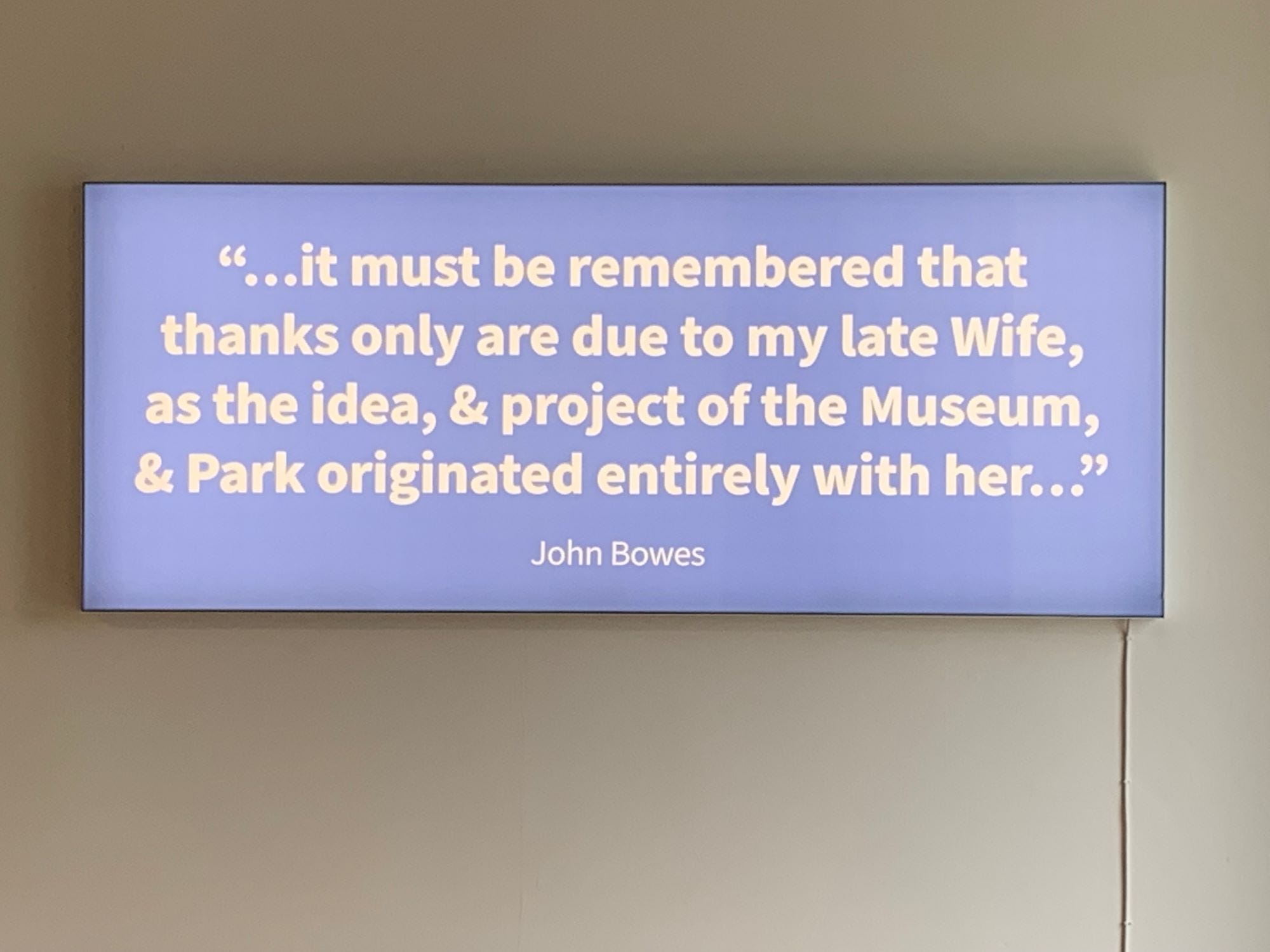
John was happy to forego any credit owing, declaring that the idea for the museum “originated entirely with her”.
Evidence of Joséphine’s guiding hand can be seen in the initial design for a chateau-like museum by French architect Jules Pellechet (known locally in Barnard Castle as ‘Mr Pleshy’) published in The Builder magazine in 1871.
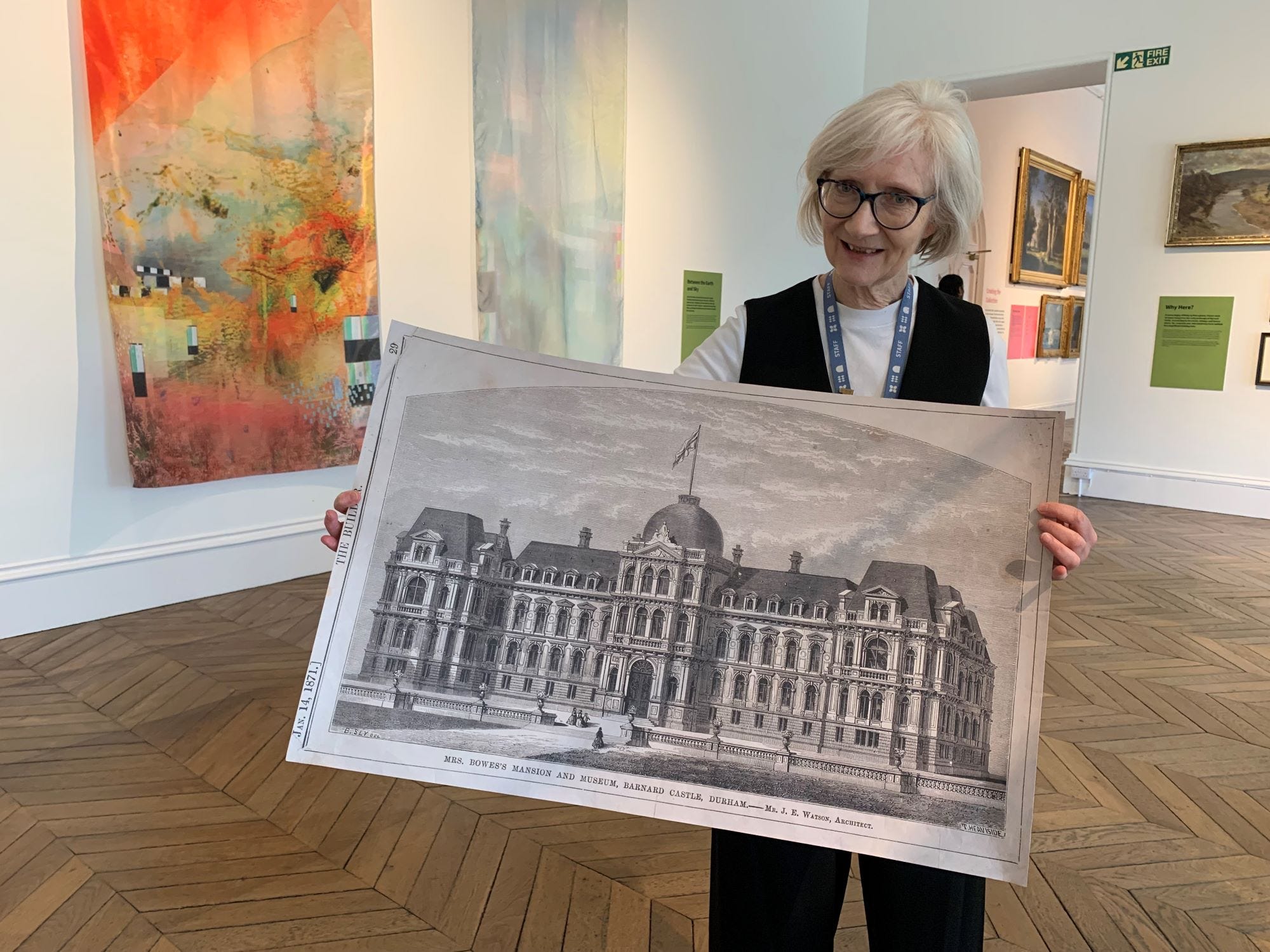
Found during the cataloguing of the Bowes archive, it is clearly captioned ‘Mrs Bowes’s Mansion and Museum’.
This latest updating at the Bowes has been supported by Art Fund, the Headley Trust, the Pilgrim Trust and the Wolfson Foundation – and contributing to its success is the complementary work by living artists and community groups which is in keeping with the Joséphine Bowes approach.
Artist Zoë Allen worked with members of Upper Teesdale Agricultural Support Services (UTASS) to create three large fabric wall hangings reflecting the countryside of the Durham dales and titled Between the Earth and Sky.
Meanwhile members of Weardale Together worked with artist Emma Tominey, writing letters to Joséphine as “artist, influencer, socialite, hostess, collector and founder” and creating mixed-media collages.
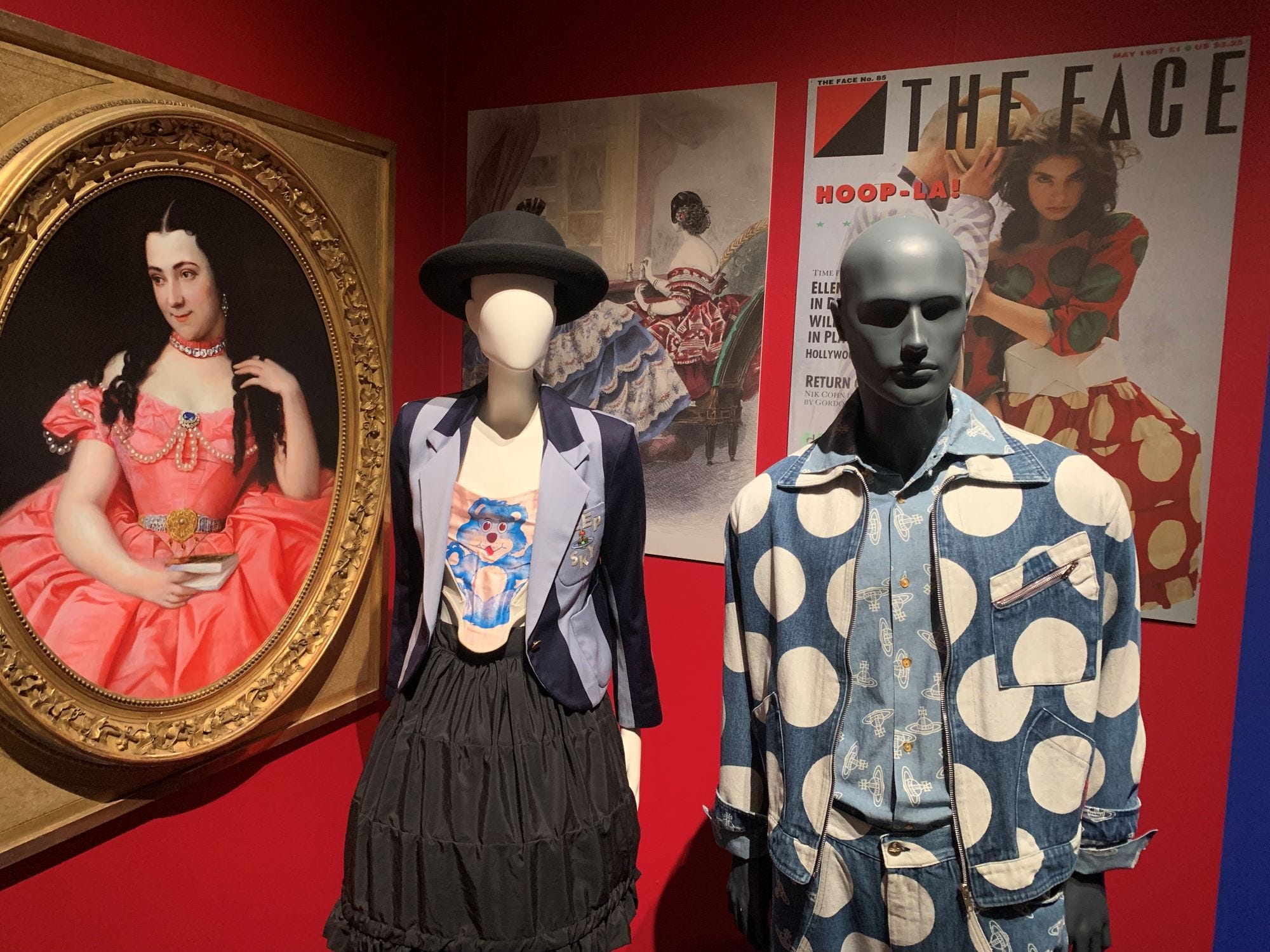
And if there’s one person you can easily imagine would have got on famously with Joséphine, it’s the late fashion designer Vivienne Westwood whose own work is on show in the exhibition Rebel – Storyteller – Visionary (running at the Bowes until September 6).
Her fabulously flamboyant creations inspired by the fashions of the past – the corsets, the wigs, the sartorial flourishes – are beautifully displayed as if in conversation with the dashing folk whose portraits now reside in the Bowes collection.
Of the new-look founders’ galleries, Vicky Sturr says the transformation was aimed at “reawakening stories, rekindling connections and inviting our communities to shape what the museum means for today and into the future”.
In this museum of myriad distractions, it provides more good reasons to look and linger.
Find details of all current and forthcoming attractions on the Bowes Museum website.