


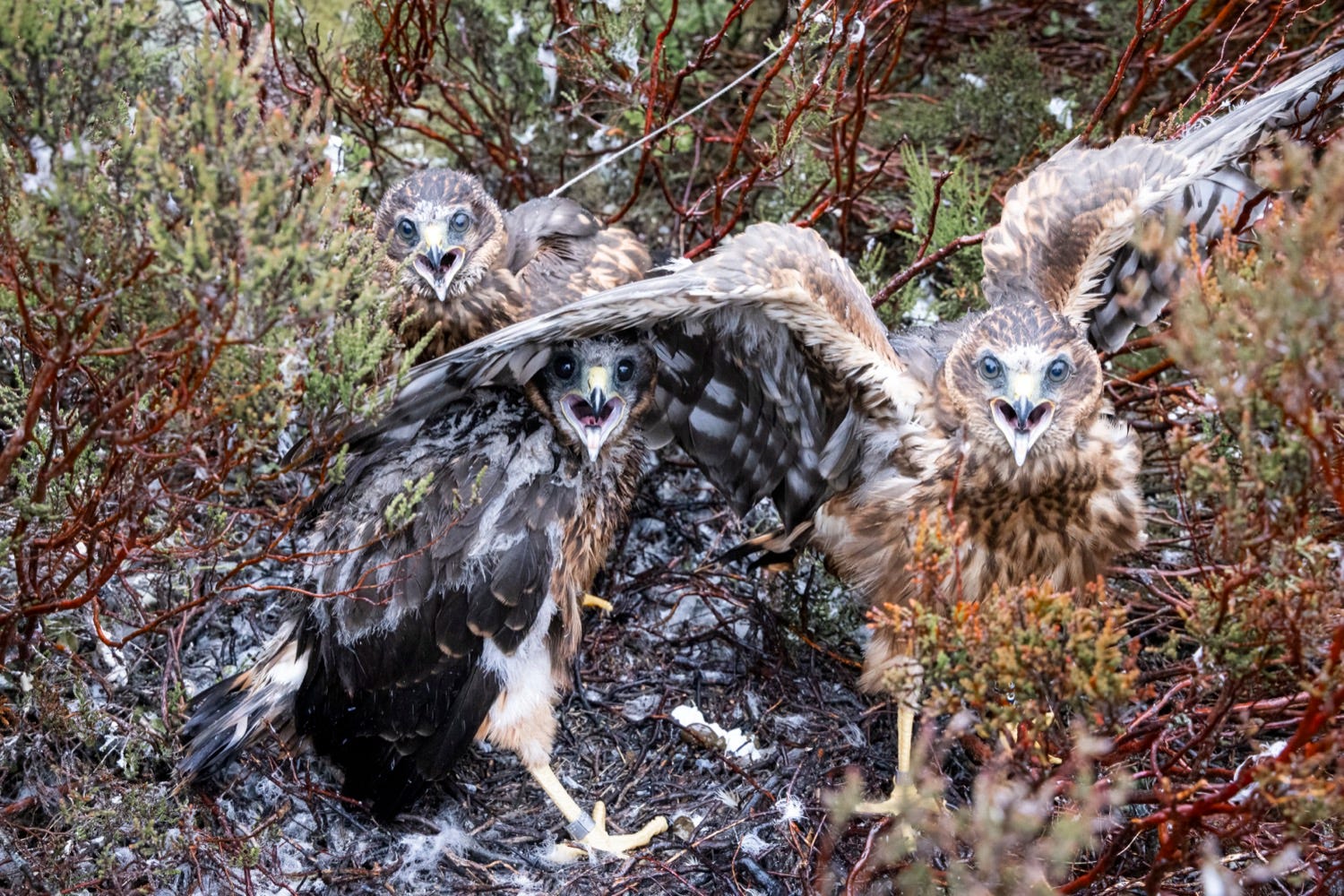
A Northumberland photographer has landed a major award for his set of pictures documenting efforts to save a critically endangered bird species.
Polar explorer Conrad Dickinson from Hexham has won the Conservation Award in the 2026 Bird Photographer of the Year competition – the world’s largest bird photography contest – for a series of six photographs telling the story of the hen harrier, which is the UK’s most persecuted bird of prey.
The competition celebrates bird life from around the world, with over 24,000 entries this year.
Conrad’s portfolio, photographed in Cumbria and Northumberland under strict licence conditions, charts efforts to help the hen harrier, from monitoring young birds and fitting satellite tags to images depicting the birds in the wild and the continuing threats they face.
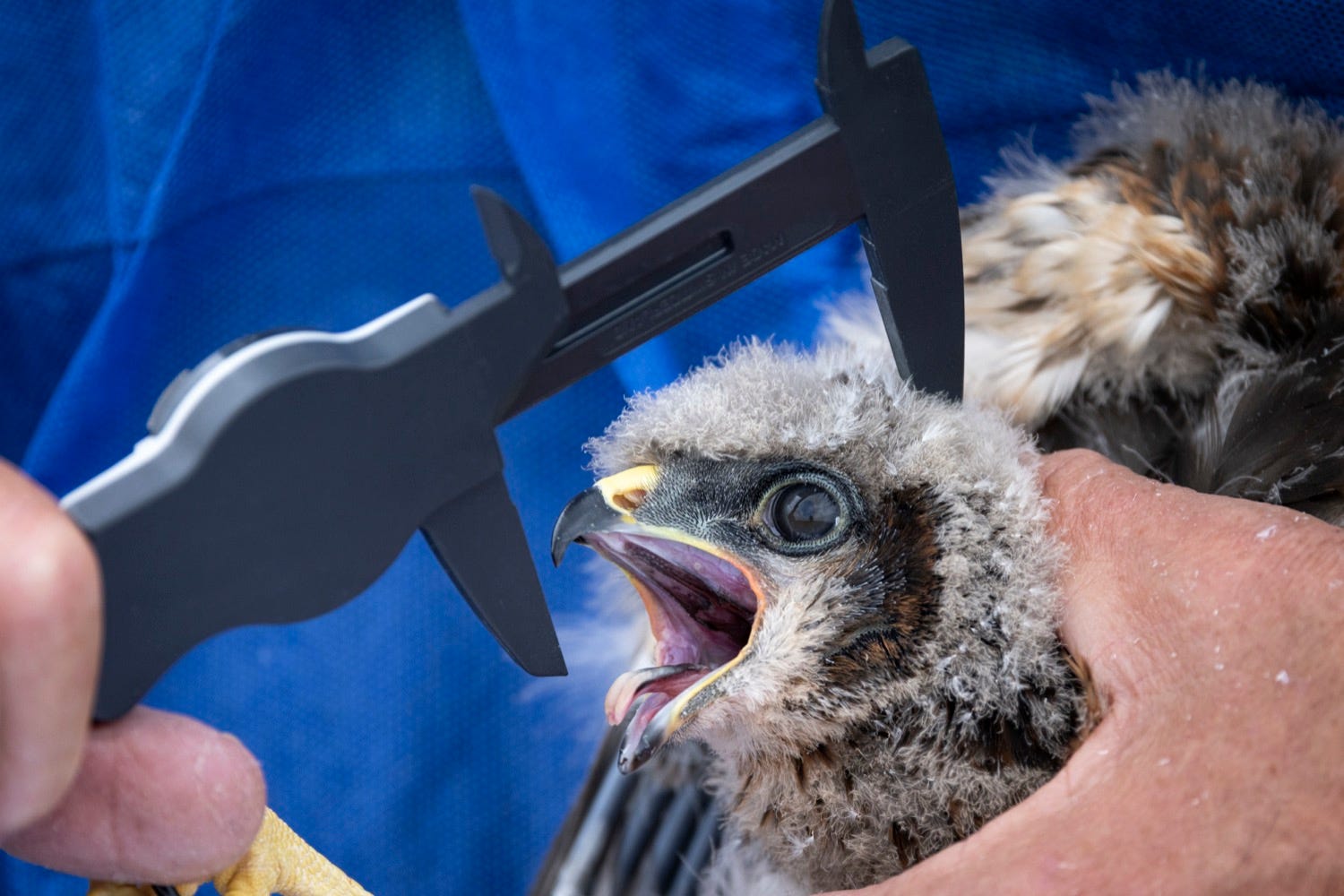
Conrad, who is president of Northumberland Wildlife Trust, will donate his £500 prize money to the RSPB to support its conservation work for hen harriers.
And in a double helping of good news for the species, the RSPB Geltsdale reserve on the Cumbria-Northumberland border has raised a record 13 youngsters this year thanks to round-the-clock efforts from staff and volunteers.
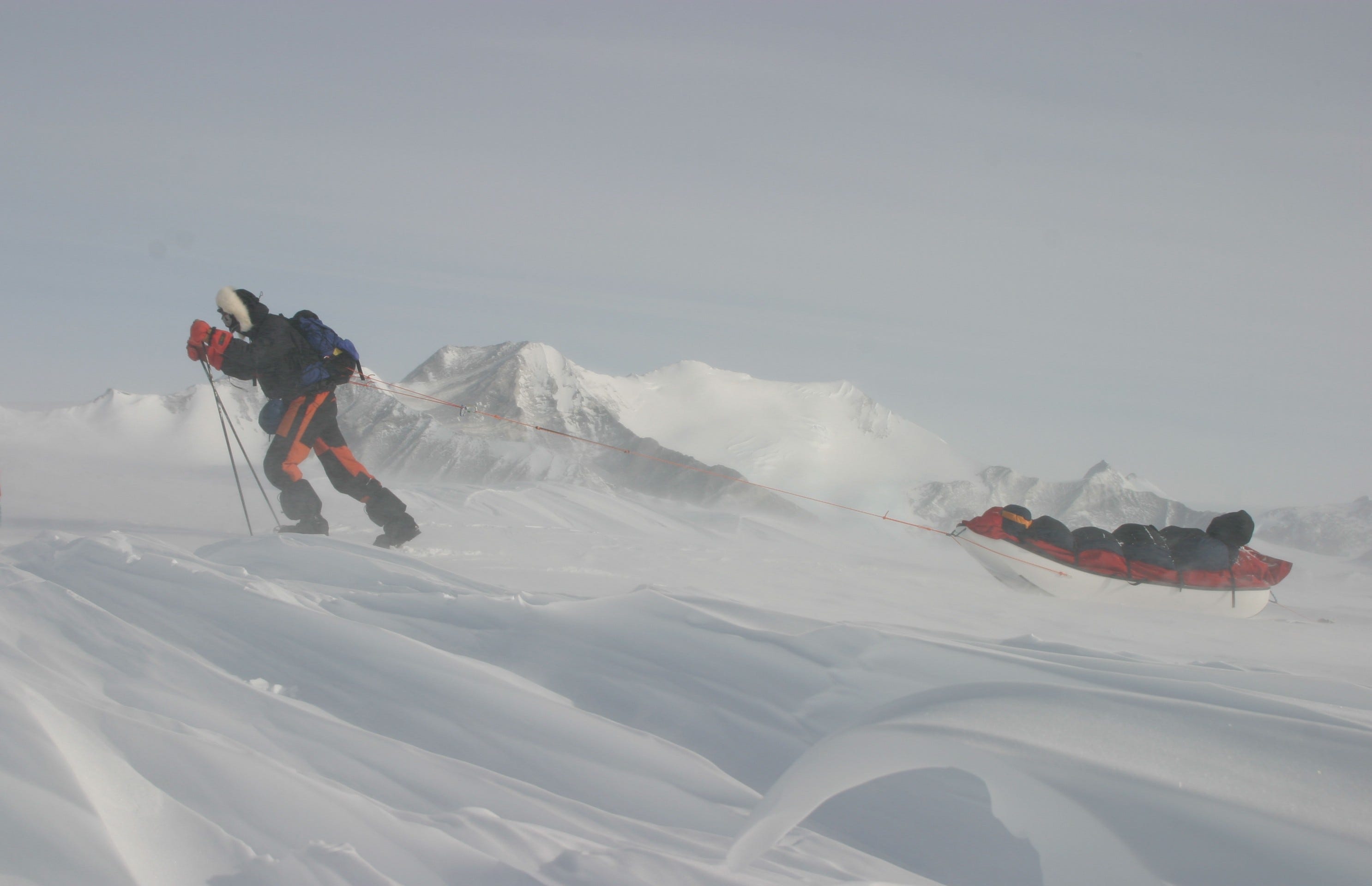
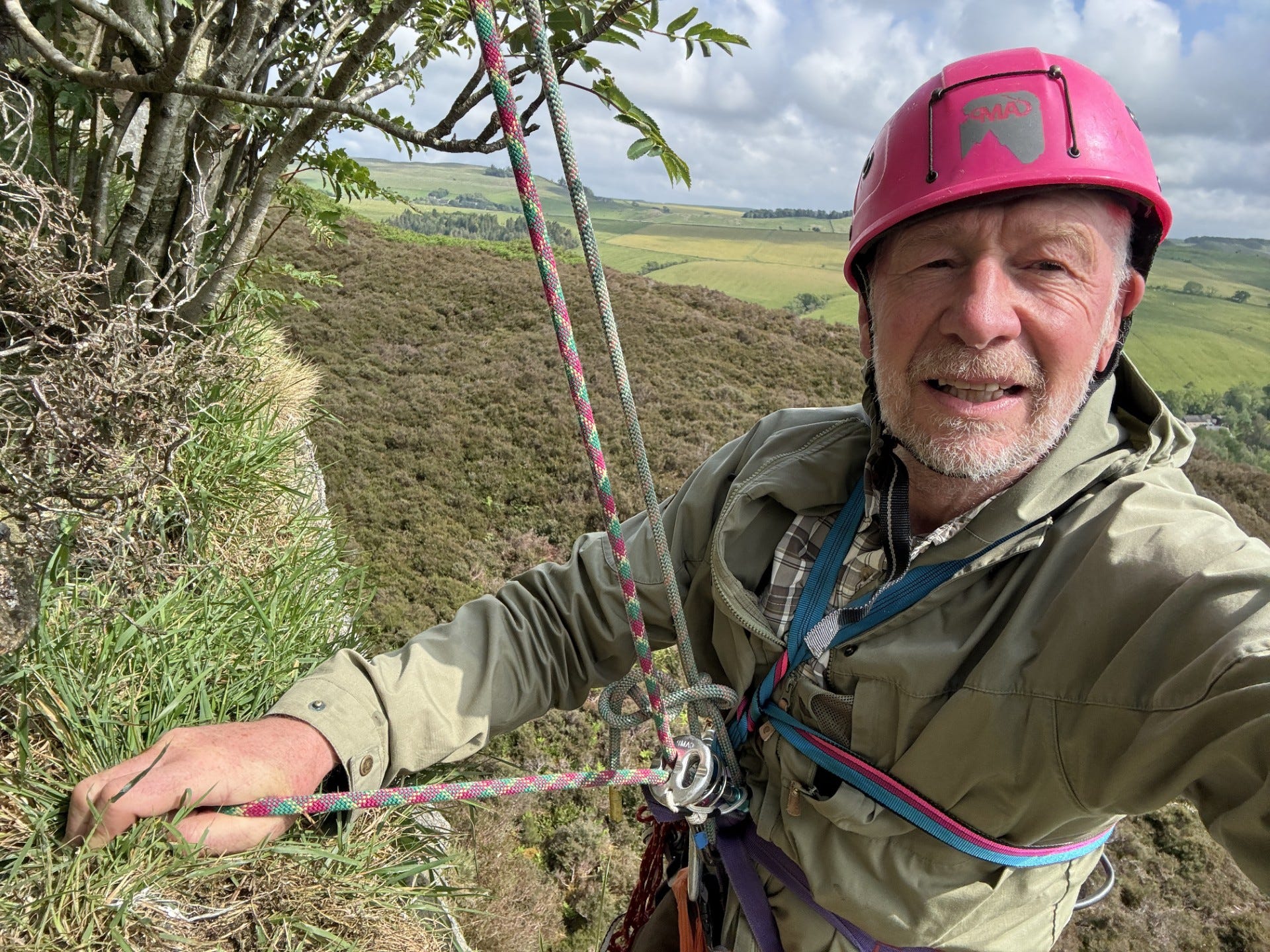
Conrad’s award marks another achievement for a man better known for expeditions in some of the most extreme environments on earth and who is one of the world’s leading figures in polar exploration.
He is the only Briton to have completed the ‘Polar Grand Slam’ through unsupported expeditions to Greenland, Antarctica and the Geographic North Pole. A former British Army Arctic warfare officer, he has also guided major expeditions, including Prince Harry’s successful Walking with the Wounded South Pole Challenge in 2013.
Conrad manages his land near Hexham for the benefit of birds and other wildlife and has turned much of his attention to conservation and wildlife photography.
He said: “I wanted to turn my lens on the plight of one of England’s most persecuted birds. I’ve had a love of birds since I was 10 years old and especially raptors, in fact one of the first birds I ever saw was a hen harrier at RSPB Geltsdale. They are so elegant in flight, so rare, and we need to do all we can to protect them.
“On expeditions I always carried a camera with me and after resigning as a polar guide telling the plight of these birds and other threatened wildlife has become my focus. I’m delighted about the award but what’s even more important to me is the bird.
“It’s not about me the photographer, I’m pleased for the bird, that it’s getting the recognition and attention it deserves and there’s no better place to see them than in the wilds of Cumbria and Northumberland.”
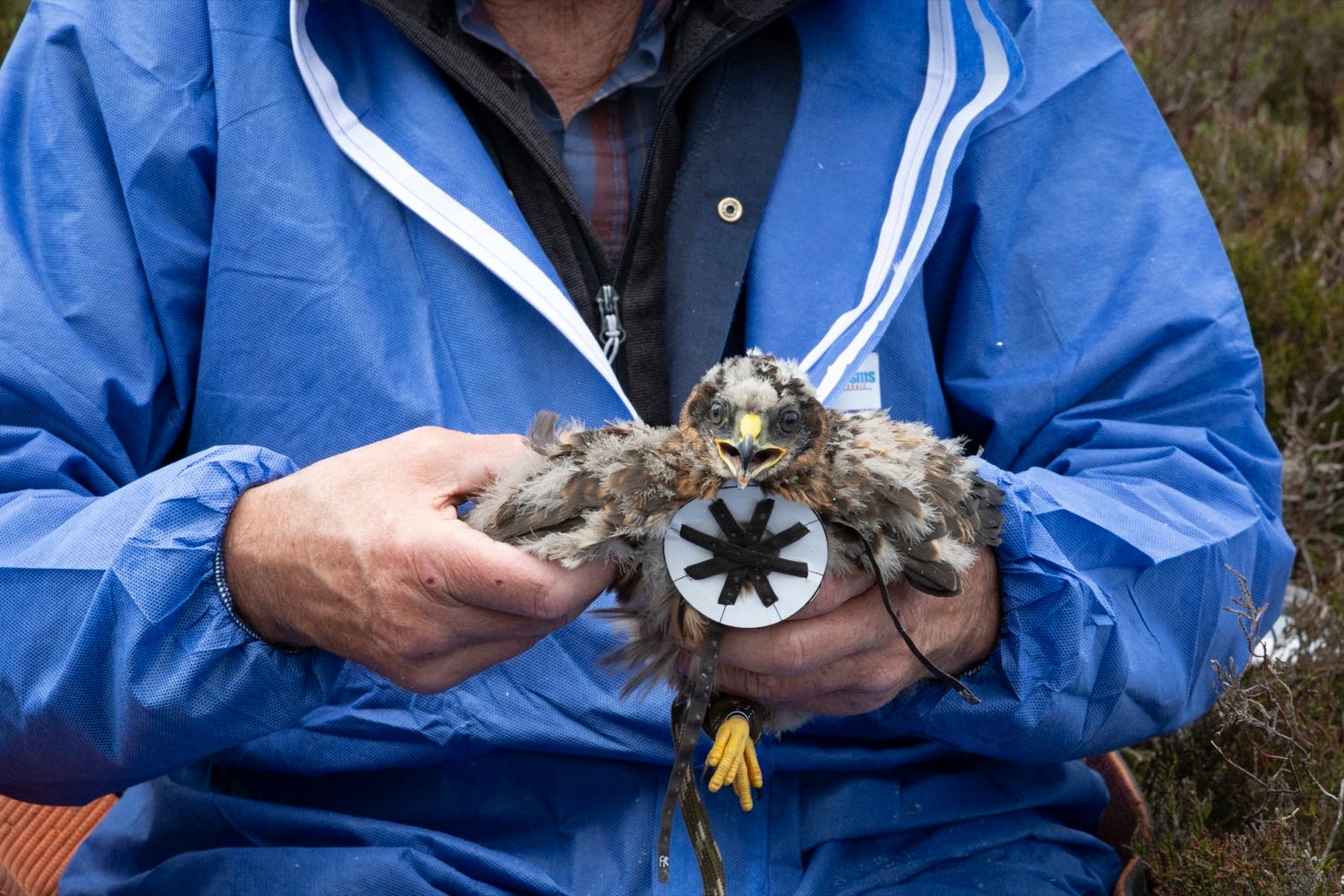
But the species continues to be illegally killed in connection with land managed for driven grouse shooting. Satellite tagging has become an important tool in understanding where young birds travel and identifying where they disappear.
The RSPB works to monitor and protect hen harriers, alongside other conservation measures including diversionary feeding, where nesting birds are provided with an alternative food source to reduce predation on grouse chicks.
Mark Thomas, RSPB head of investigations, said: “We’re delighted Conrad has chosen to shine a light on the story of England’s most threatened birds of prey. His striking images not only celebrate the beauty of hen harriers but expose the very real threat of illegal persecution they continue to face.
“Satellite tagging and monitoring give us a vital window into their lives – helping us understand where they go, where they thrive and, crucially, where they disappear. Conrad’s support will help us continue that work and fight for a future where hen harriers can flourish in our uplands.
“The level of illegal persecution is unacceptable and highlights the urgent need for tighter controls, already introduced in Scotland. Introducing a licensing system in England would be a long-overdue step, bringing us in line with the approach already taken across much of Europe. Proper regulation would help protect vulnerable species, and support shoots operating within the law.”
The 13 chicks fledged from three nests at Geltsdale is the highest number recorded at the reserve in a single breeding season for at least a century.
It reflects the dedication of reserve staff and volunteers, who worked tirelessly to protect nesting birds and support the adults as they raised their young.
Once hunted to extinction as a breeding bird in England by 1900, hen harriers returned to the North Pennines in the 1950s. However, the illegal killing of the birds, celebrated for their sky dancing, has continued and they are still only found at a handful of sites in England.
Ian Ryding, senior reserve manager, RSPB Geltsdale, said: “Thirteen young Hen Harriers taking to the skies above Geltsdale is a reason to celebrate. The challenge is ensuring they survive long enough to return and raise families of their own.”
