

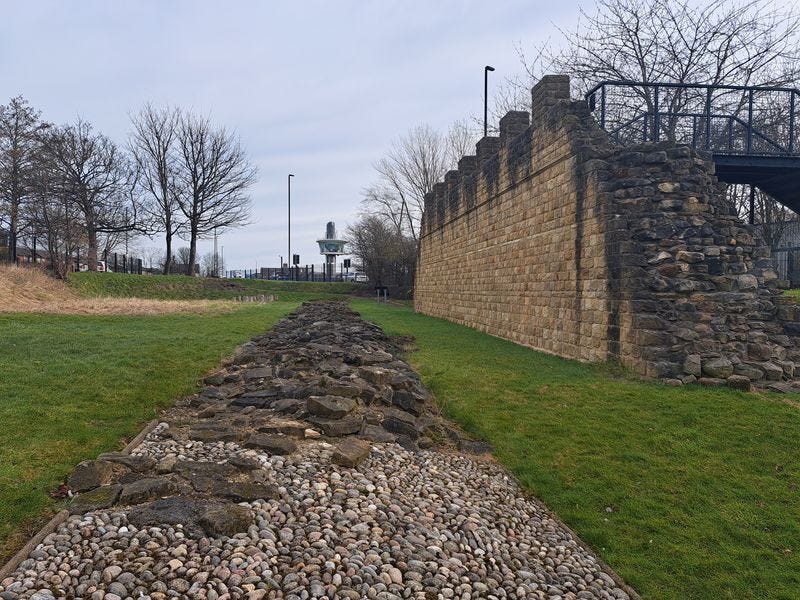
A cash injection is set to enhance the visitor experience at a Tyneside Roman fort which has just unveiled its latest exhibition.
Segedunum Roman Fort in Wallsend, part of the Frontiers of the Roman Empire UNESCO World Heritage Site, has been awarded £213,100 from The Wolfson Foundation and the Department for Culture, Media and Sport.
Over the past 25 years, archaeological discoveries, such as the original Bath House uncovered in 2014, and new research has significantly advanced knowledge of the site.
The project seeks to reinterpret and reinvigorate the fort’s outdoor spaces, ensuring the presentation reflects the latest scholarship.
New interpretive elements will include tactile maps to support accessibility, and augmented reality experiences to bring the site to life. For families, a new self-guided family trail will encourage outdoor exploration and learning.
Segedunum, which attracted almost 30,000 visitors last year, is also a key point on the Hadrian’s Wall National Trail. The project will introduce new signage and information panels for trail users, alongside a welcoming feature marking the start or end of their journey.
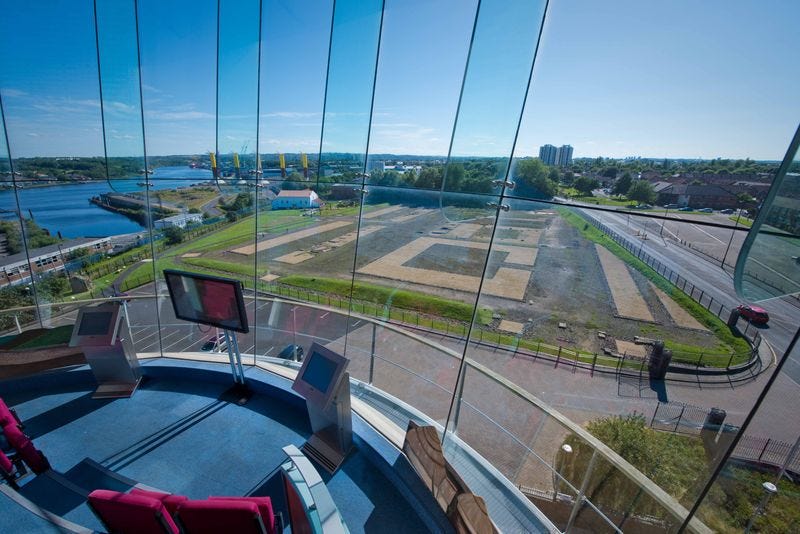
New planting will enhance biodiversity while reflecting plants from the Roman period and the existing Roman herb garden will be expanded.
Geoff Woodward, museum manager, said: “It is often hard for visitors to imagine what the fort would have looked like in Roman times when they are standing on what is now a fairly flat site. This funding will help us to develop layers of interpretation to bring the site to life for all visitors from children to Roman enthusiasts.”
Segedunum is one of the most extensively excavated and accessible forts on Hadrian’s Wall.
Covering 1.64 hectares and built around AD 126 where the Wall meets the River Tyne, Segedunum marks the eastern end (or beginning) of Hadrian’s Wall. It is managed by North East Museums on behalf of North Tyneside Council.
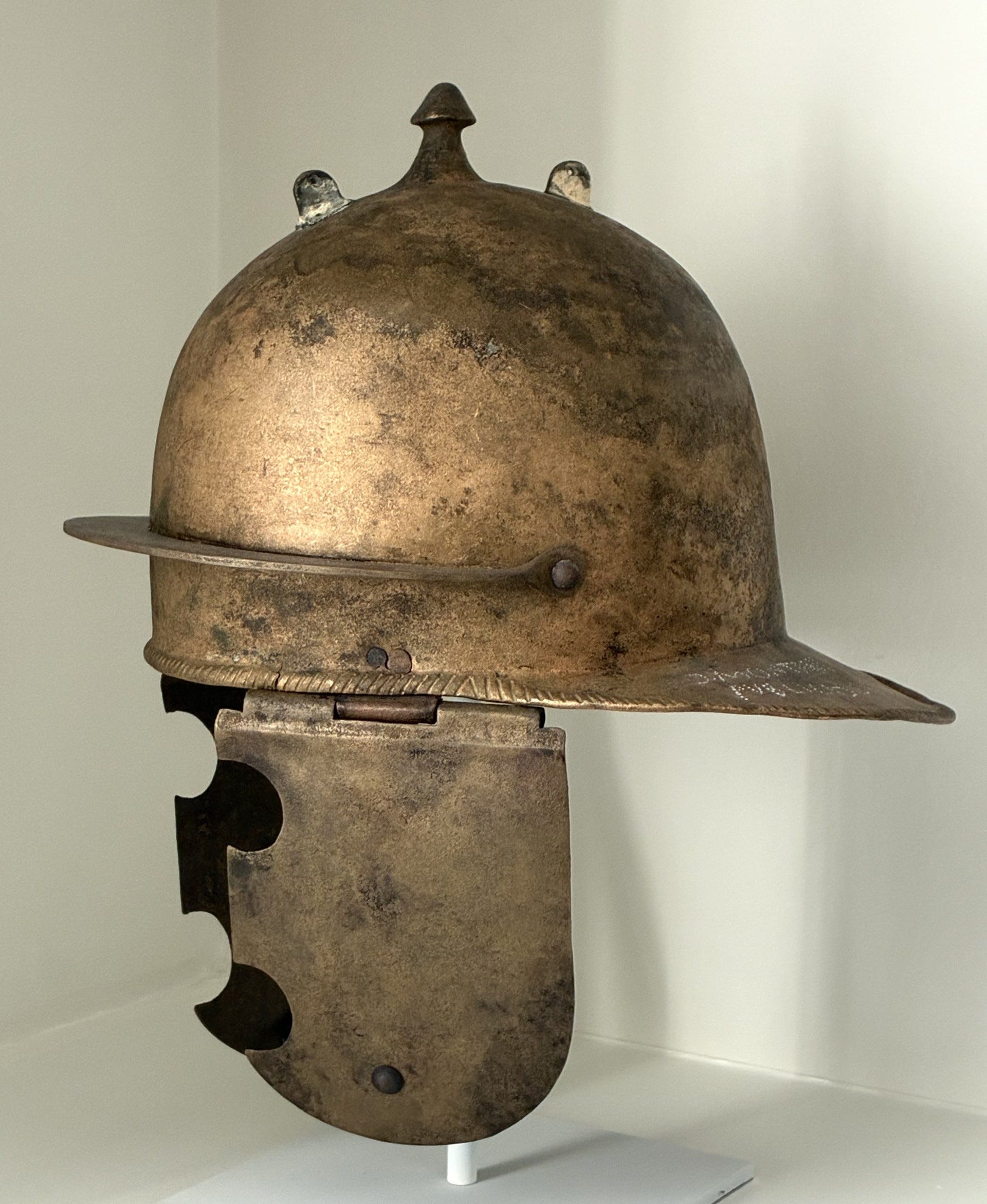
The Following the Eagle exhibition, which runs until October 3, includes rare bronze Roman military diplomas, three of which have never been seen on display in the UK.
The diplomas, mostly presented to a soldier or sailor on completion of 25 years of service, granted him Roman citizenship.
They recorded the service and person details of the recipient. Alex Croom, keeper of history at North East Museums who curated the exhibition, said: “ They could prove to officials that you were a Roman citizen.”
The diplomas reveal the diverse identities, careers, and long-distance movements of soldiers across the Roman Empire, including a Syrian archer.
The holder of one of the diplomas had served as a member of the Praetorian Guard, which protected the Emperor.
He may have accompanied the Emperor Severus who is known to have stayed at Arbeia fort in South Shields during his campaign into Scotland.
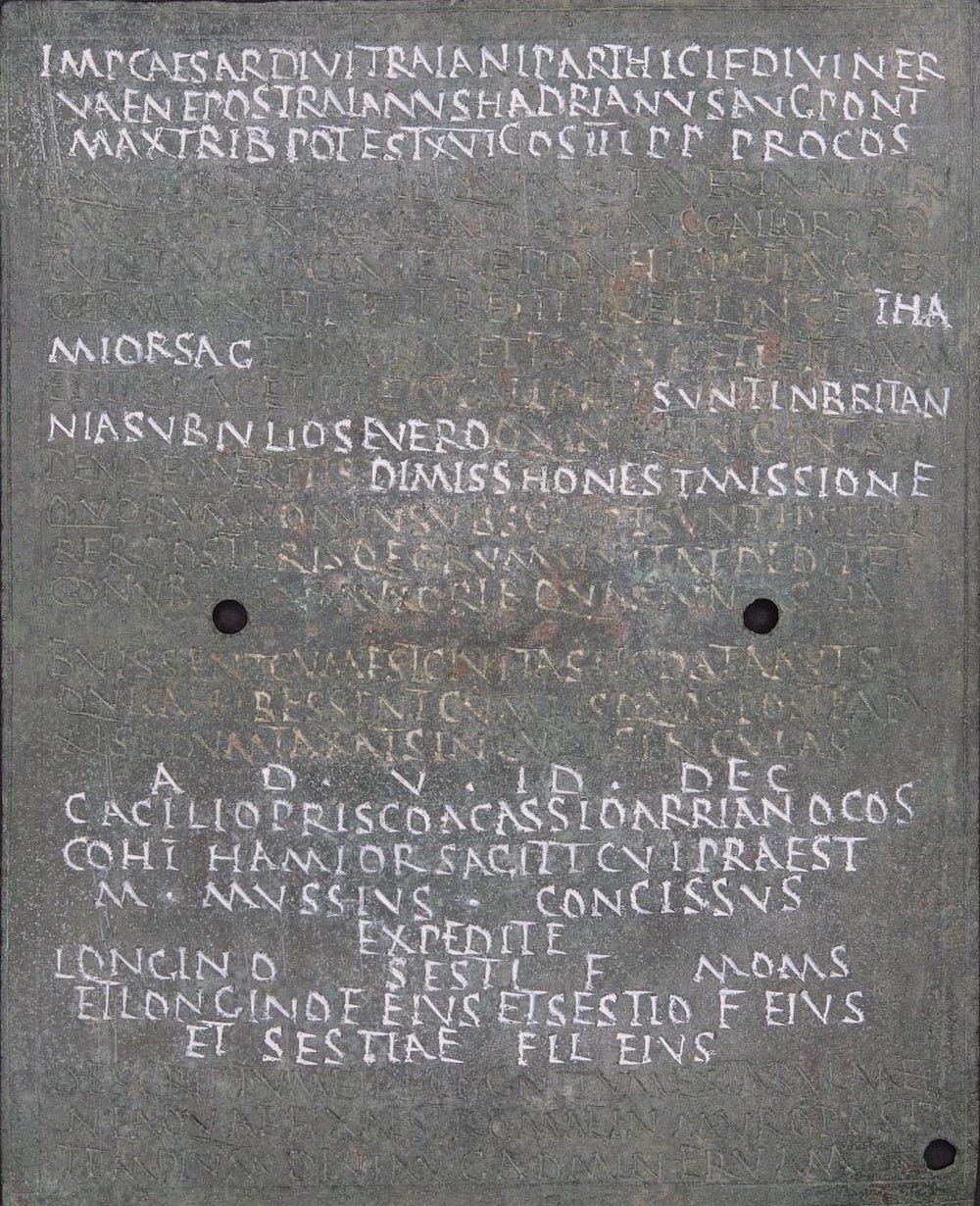
Alex Croom said: “The bronze diplomas give us an extraordinary window into the lives of Roman soldiers. Because they survive almost complete, they allow us to trace individual units, movements across the Empire, and sometimes even glimpses of personal identity and family.
They are rare documents, and having five examples together makes this an exceptional moment for Segedunum. We’re enormously grateful to our lenders for making it possible to share these stories.
“I hope visitors come away with a sense of just how diverse, mobile, and interconnected the Roman army really was, and how powerful symbols like the eagle shaped the identity of those who served.
“The exhibition tells the story of mobility and identity in the Roman world and the eagle was a symbol of Rome,” said Alex.
Many of the pieces of military equipment and domestic goods have added inscriptions, recording details such as peoples’ names, their place of origin and their rank.
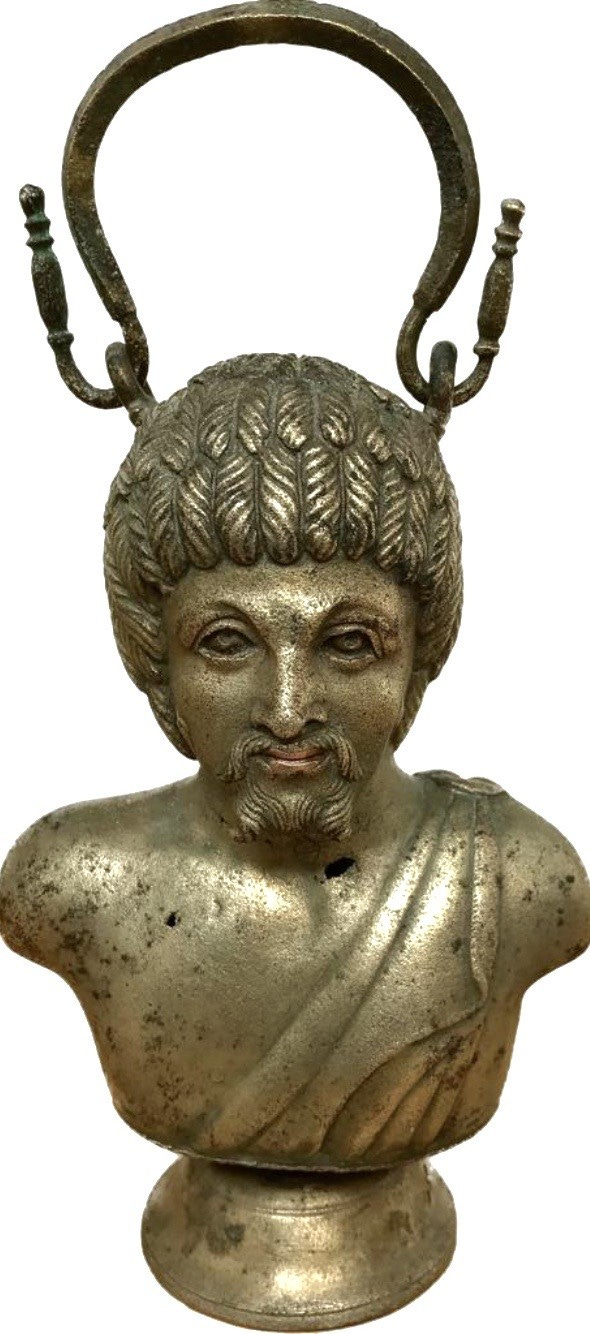
A soldier’s lead curse tablet singles out his officers. The eagle itself is featured in a section that includes an element of a Roman military standard and eagle-decorated horse armour.
Units of the Roman army were stationed in every province of the Roman Empire. A unit raised in one province was usually sent to serve in a different province, often great distances away.
The career paths of higher military officers and civilian administrators also took people huge distances round the Empire.
This is evidenced in the career of Statius Priscus, who once commanded the Fourth Cohort of Lingonians - a unit which was later stationed at Wallsend - and the 18 different posts he held in seven provinces.
Geoff Woodward said: “We’re delighted to be launching our 2026 exhibition, Following the Eagle, which has been made possible through the generosity of our lenders and partners. Their willingness to share such remarkable objects allows us to tell an expansive story of the Roman army.
“It’s also a great pleasure to display alongside the loan’s, items from our own collection, connecting discoveries made in the North East directly alongside objects found much further afield across the Empire.”
For details of opening times, view : www.segedunumromanfort.org.uk