


New theatre company Ensemble ’84 (the date recalling the national miners’ strike) announced itself publicly in 2024 with a call out to local people to audition.
A period of paid training and the chance to perform was on offer – and if it seemed unlikely it was because this was happening in the former pit village of Horden in County Durham.
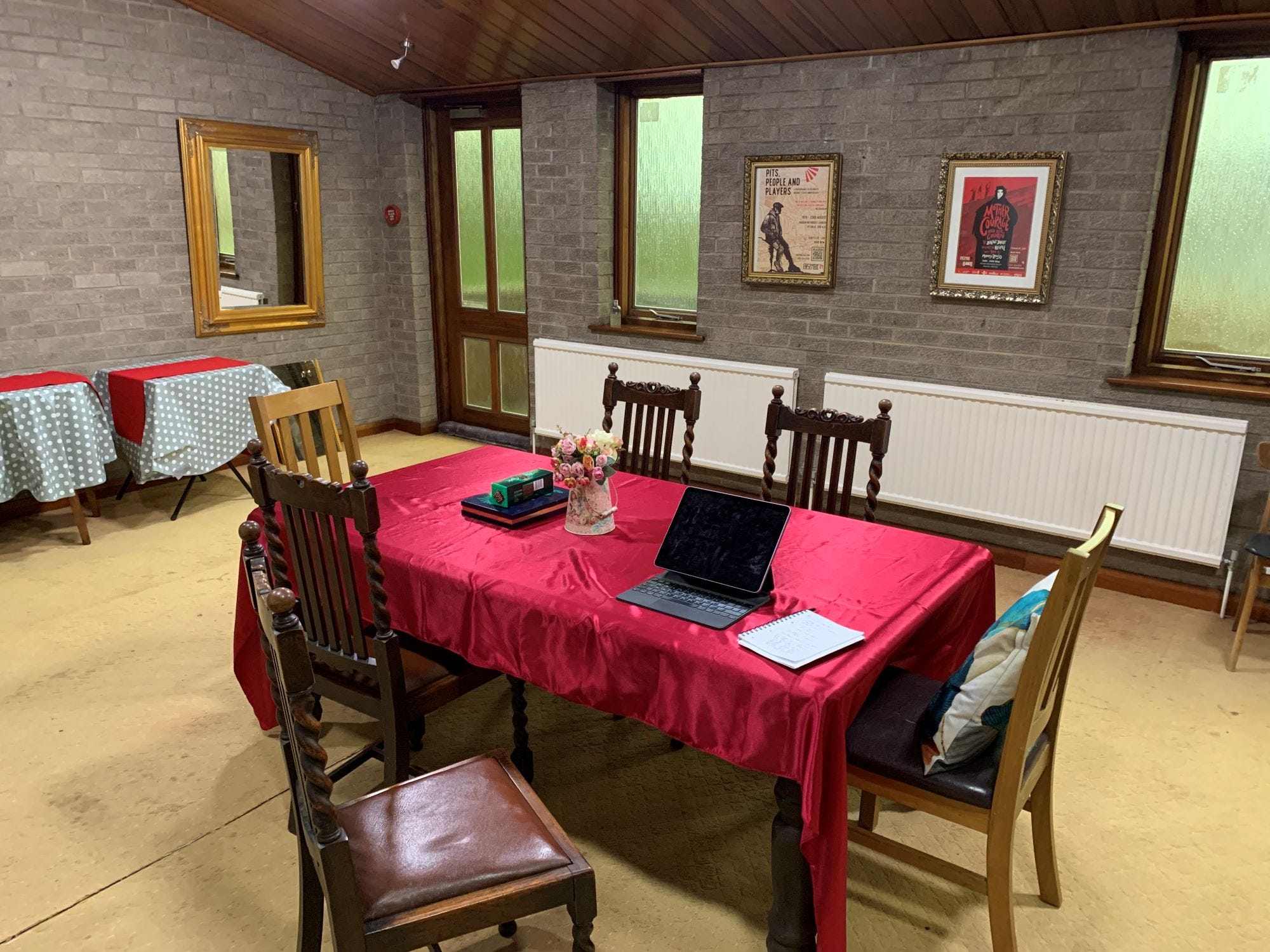
Mark Dornford-May, with an impressive record of achievement in theatre, both in this country and South Africa, sat at a trestle table in Horden Methodist Church, whose availability to rent had determined the choice of location for this new venture, and exuded quiet confidence.
This and a friendly demeanour had the effect of winning local trust and eroding scepticism.
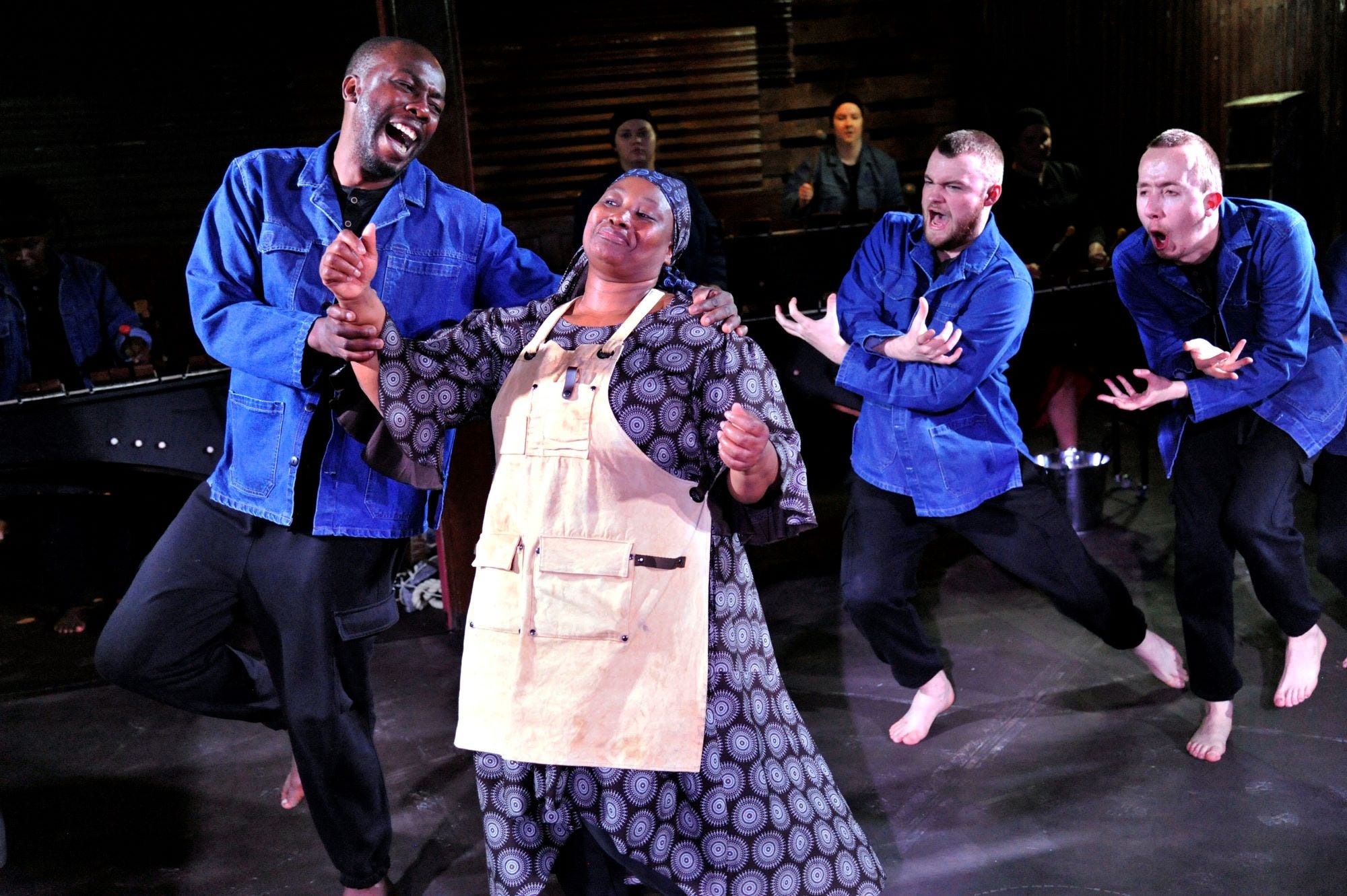
An extraordinary opening production last summer of Mother Courage and Her Children, Bertolt Brecht’s classic anti-war play, saw the (mostly) raw County Durham recruits perform alongside actors from Isango Ensemble, the company Mark formed a quarter of a century ago in a South African township.
Lee Hall, who had tailored his adaptation of the play for Horden, took a bow on opening night which ended, like every other performance, with tumultuous applause.
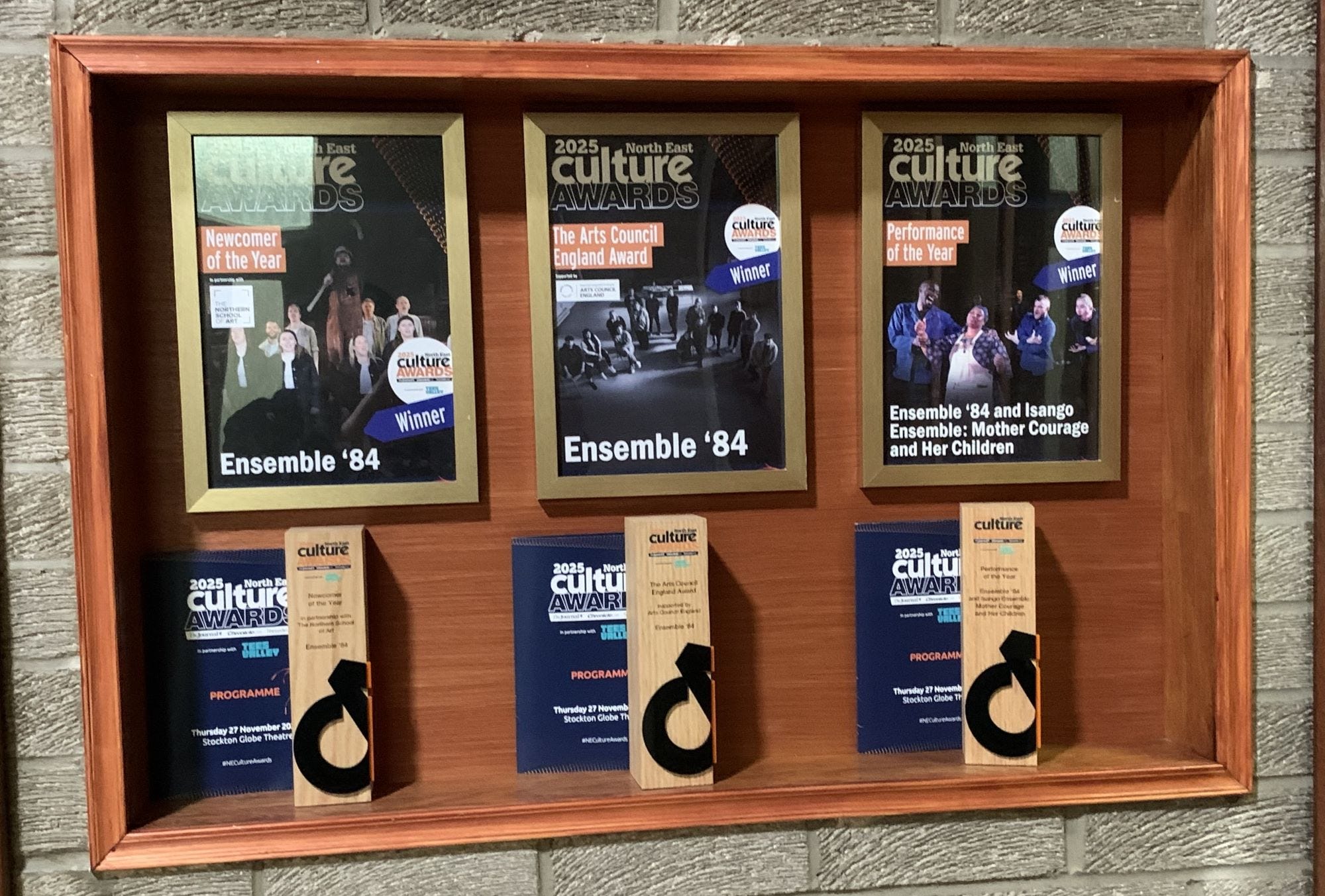
There were rave reviews (local and national) and late last year the company was rewarded with an unprecedented three North East Culture Awards. There was even a revival at Newcastle’s Live Theatre.
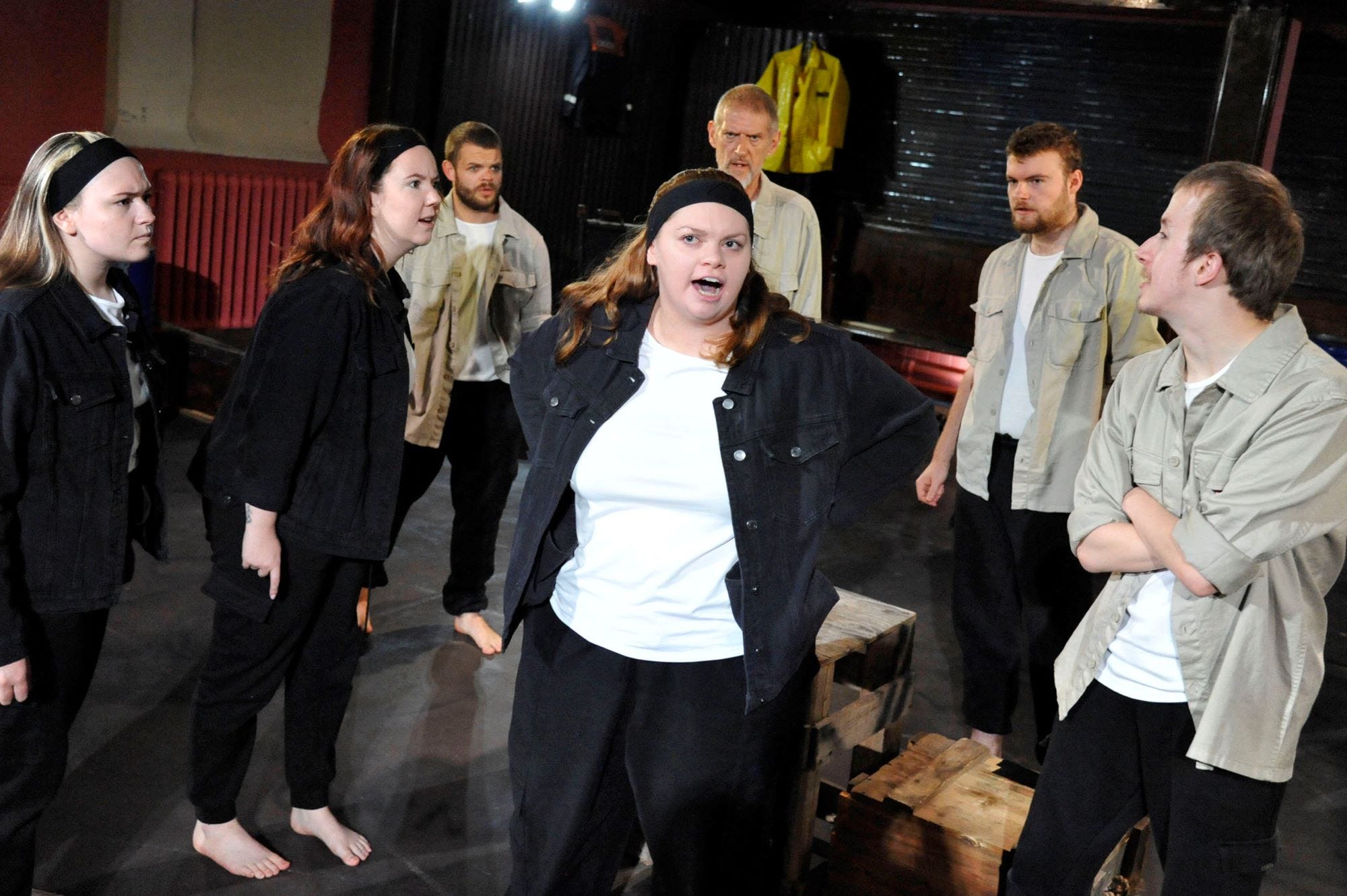
And just to show the Brecht wasn’t a flash-in-the-pan, the company followed up with a play of its own, Pits, People and Players, drawing on local stories and explaining how the village’s fortunes, for better or worse, have been tied to coal.
In front of a home audience, the rookie actors from County Durham showed they could go it alone.
So what happened next… and what of the future?
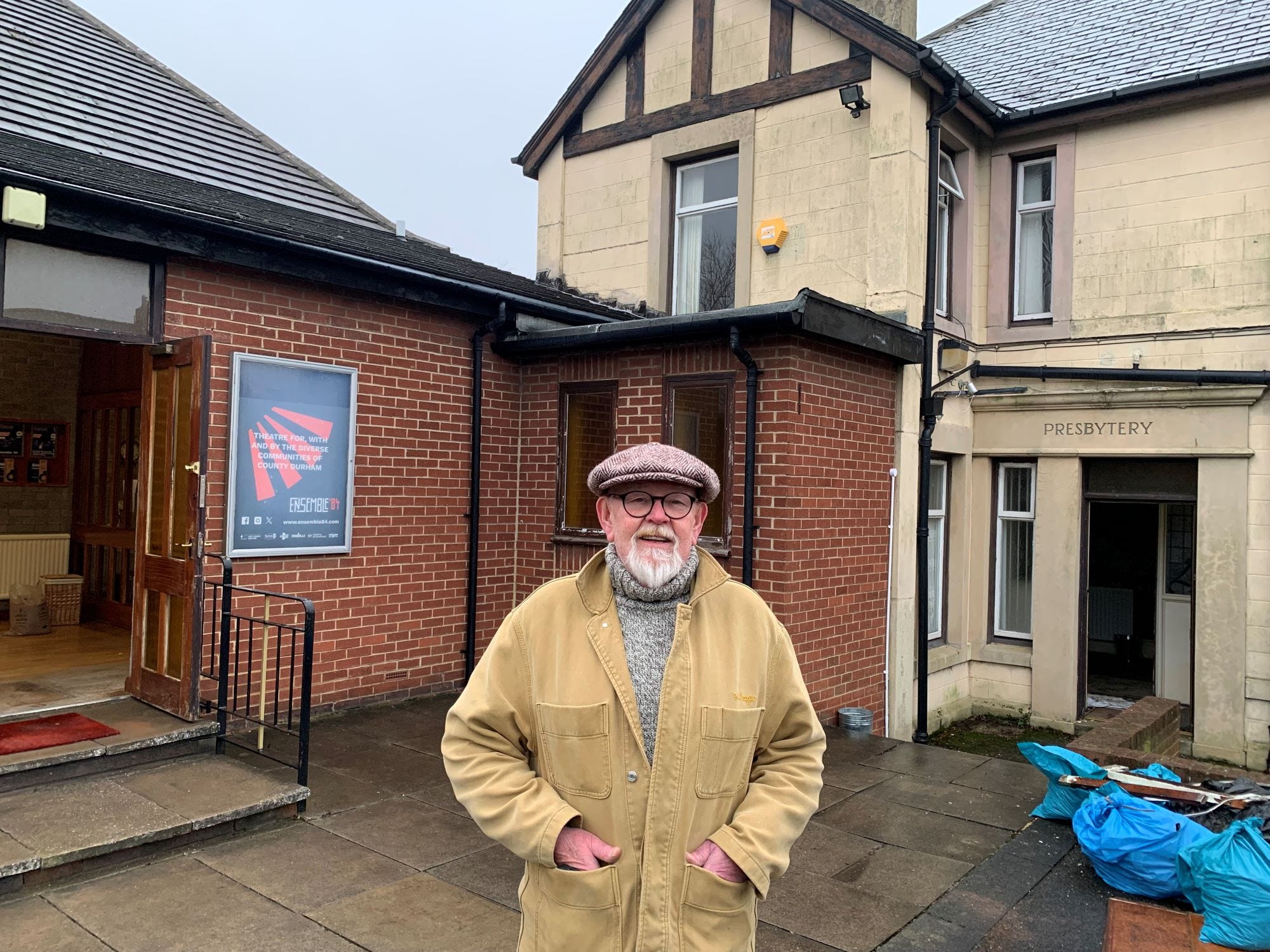
On a typically bleak January day I went to meet Mark at the new home of Ensemble ’84, the former Roman Catholic church known as Our Lady, Star of the Sea, on South Terrace.
He’s outside having a fag.
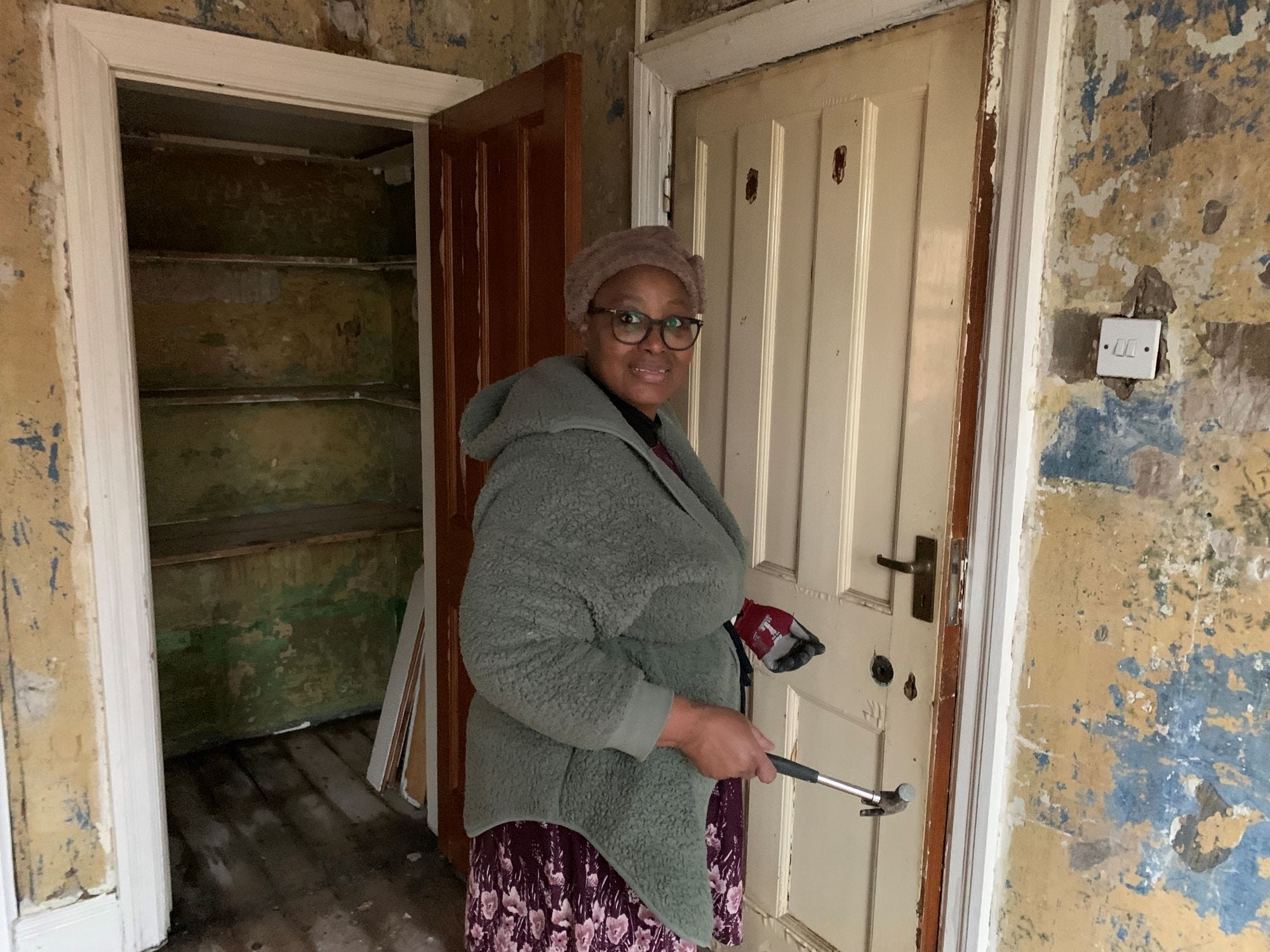
Inside the adjacent former presbytery, Paulina, his wife, is wielding a hammer – the same Paulina who has sung at the BBC Proms and twice with the Berlin Philharmonic, and last year delivered a Mother Courage to give you goosebumps.
I remember sitting just feet away, on the terraced seating erected by scaffolders in Horden’s little Methodist Church, mentally pinching myself. How could this be happening… here?
I confess at that time I didn’t know they were married. But Mark and Paulina, who is South African, have two daughters and an adopted son (Mark also has another daughter from a previous marriage).
Proudly, he explains that their eldest, Chumisa, not long out of drama school, was nominated for an Olivier Award last year and is currently playing Cinderella in Into the Woods at London’s Bridge Theatre.
Paulina, he explains, will be off again soon to South Africa where she lectures in music at the University of Cape Town. “And then she has concerts all over the world. She travels a lot.”
Mark, though, is looking to a shared future in Horden.
“I love everything about Horden and genuinely feel at home here,” he says over tea kindly brought to us by Eve Booth (originally from Hartlepool but now living in nearby Blackhall Colliery, a former fitness instructor and now enthusiastic backstage member of Ensemble ’84).
“There are so many decent people about and we’ve been helped in so many ways and there’s such a warm feeling about what we’re doing – which in a way you shouldn’t expect. Why would you? But there’s a sense that we belong to them.”
Mark says the company was happy at the Methodist church but there was no room for interval mingling and no chance of an alcohol licence.
Driving along South Terrace one day, he saw that the Catholic church was to be auctioned, the Catholics having retrenched to Blackhall Colliery.
For sale with the church – built in 1979 on the site of an older wooden structure, and round like Liverpool Metropolitan Cathedral – was the attached presbytery and adjacent former Catholic Social Club with large carpark.
With some money set aside from the sale of his late mother’s home, Mark put in a winning bid (and for good measure, found a replacement tenant for the Horden Methodists).
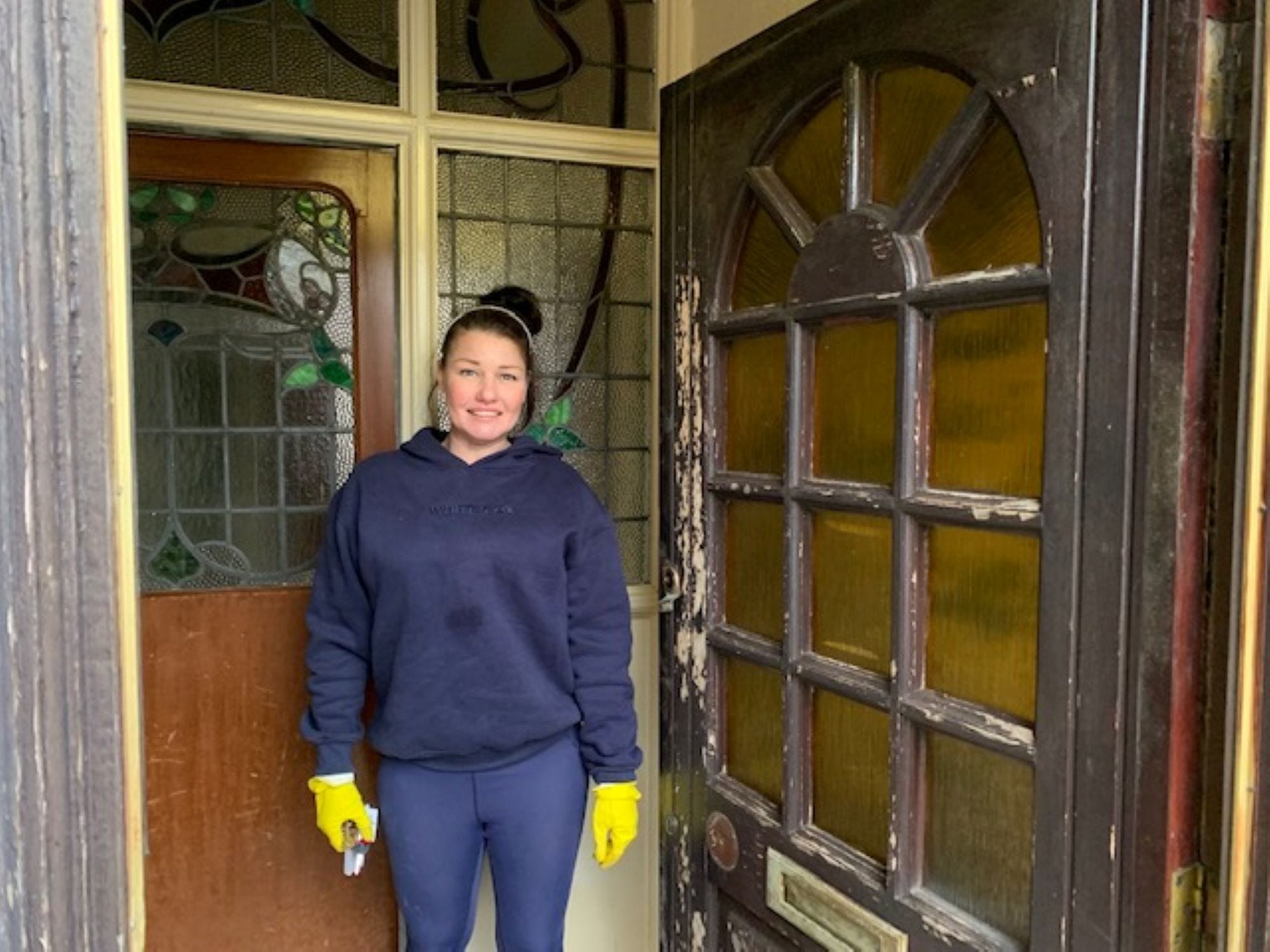
The process of breathing new life into his new acquisition has begun, which explains why Paulina and Eve have been getting their hands dirty.
While the church – warm, airy and with those Culture Awards displayed in a recess which previously accommodated a tablet blessed by the Pope – would appear to require little work, the same, to my mind, couldn’t be said of the rest.
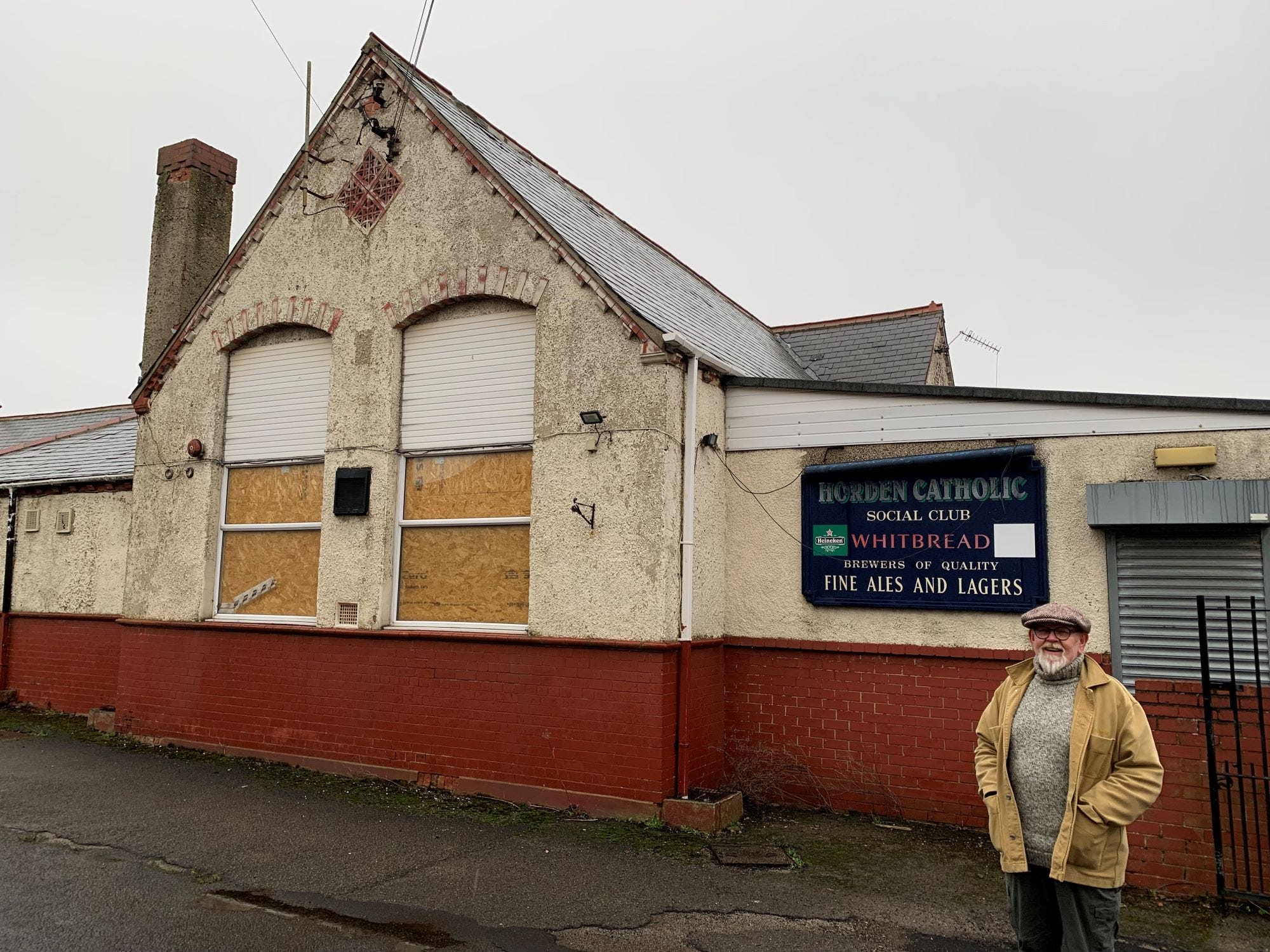
Mark, who in the 1990s played a part in bringing the run-down Wilton’s Music Hall, in London’s East End, back to life, shows me round the social club which he says was buzzing even quite recently.
Eve tells of bands and karaoke sessions. “Kevin, our production manager, used to drink in that corner,” says Mark, insouciantly dodging wires left dangling by the intruders who stripped the place the moment it closed.
He talks of reopening it as a club, bar revenue generating funds for Ensemble ’84, and of running a weekend theatre school for local kids.
“We’ve got a drip in the roof there,” he says as we go from room to room. “But most of it’s a clean-up job.
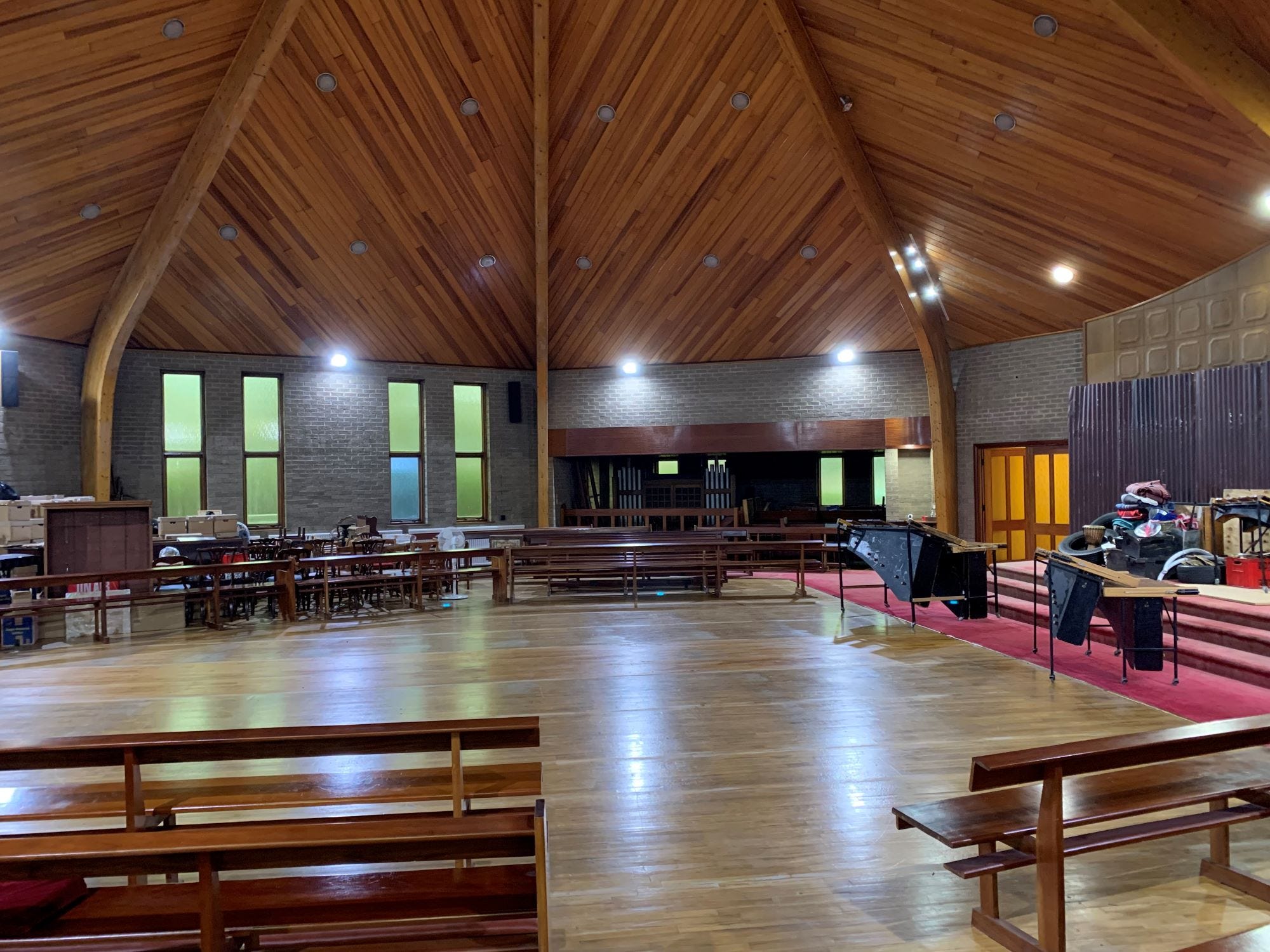
“There’s plenty of space – and altogether in my life I’ve done three theatres, one in South Africa and two in this country, either renovating buildings and turning them into theatres or actually building them from scratch.”
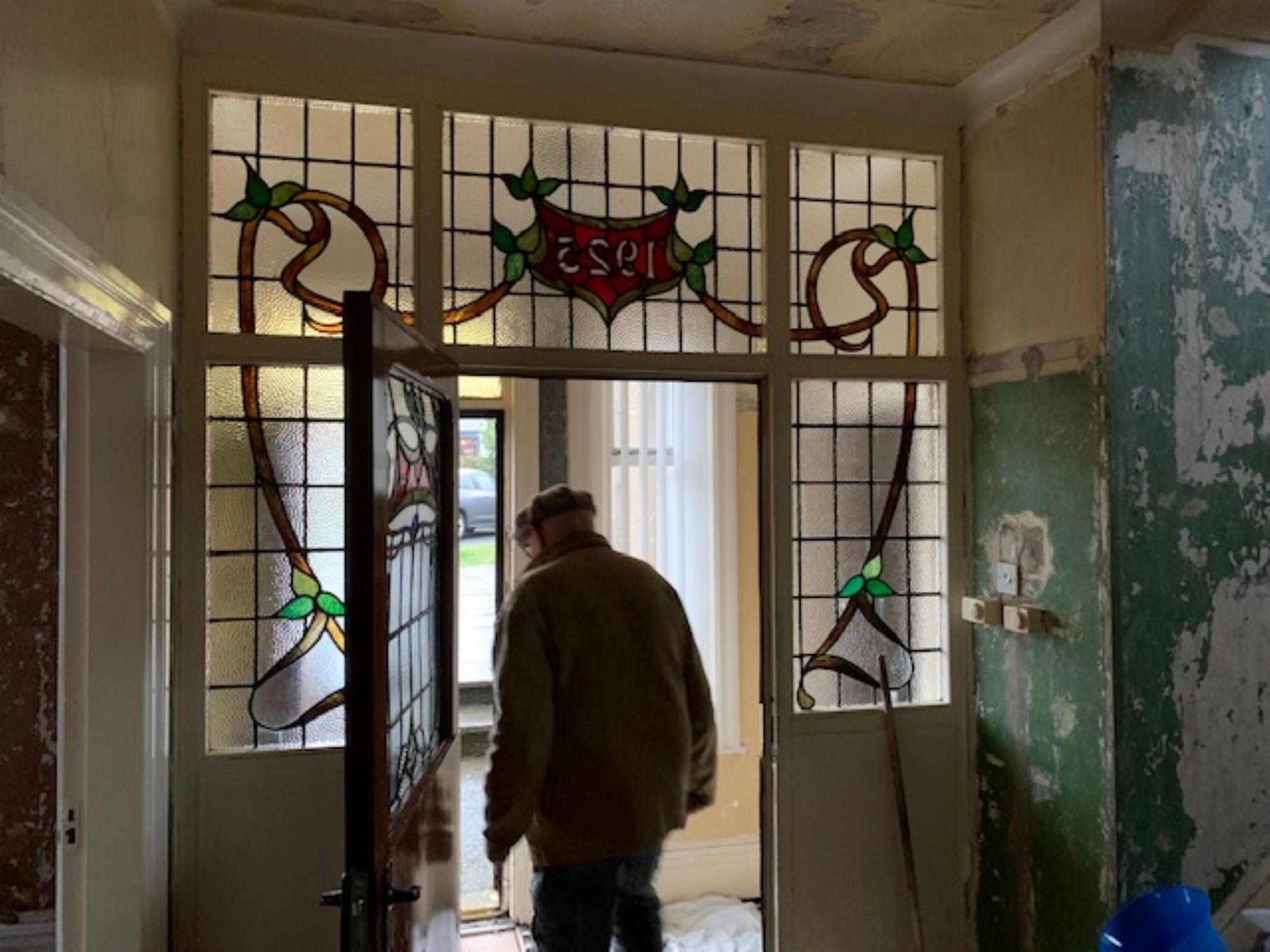
The former presbytery, with 1925 in stained glass above the door, is where he and globe-trotting Paulina intend to live and put down roots. It’s where we find her with the hammer, lacking something of her Mother Courage radiance.
Mark, having explained that “we can do quite a lot of the work ourselves”, smiles indulgently.
“Paulina and I have known each other since Isango first started 25 years ago so she’s used to my slightly eccentric risk-taking,” he says.
“She thinks it’s a great idea.”
I believe him. But I might be inclined to steer clear of the hammer.
Back in the warmth of the church, Mark tells me about intended forthcoming attractions.
“For our first production here in May, I’m looking at doing the quarto version of Hamlet,” he says, explaining that ‘quarto’ literally describes the size of the paper the plays were printed on, smaller than the more familiar ‘folio’ versions.
“There are all sorts of theories about what the quartos are.
“Some people feel they were pirated by people who would come to see a show three or four times, scribble it down and present it as a version… and you will often find references to the ‘bad quarto’.
“But it seems to me - and this is the theory of quite a number of scholars - that actually it was an adaptation used by Shakespeare for touring productions.
“It’s slightly cut down and with a couple of scenes which aren’t in the folio but involve more of the women, which is great.
“The language is at times… not simplified but altered, so Hamlet’s famous ‘To be or not to be’ in the quarto version is: ‘To be or not to be? Aye, that’s the point’.
“It’s fantastic. It has a real drive and energy to it.”
For one Ensemble ’84 actor in particular, a mighty challenge awaits.
Then, says Mark, he plans a revival of the popular Pits, People and Players.
And as the autumn highlight, following a competition for North East writers (keep an eye on the website), he is planning a new stage adaptation of Robert Tressell’s The Ragged-Trousered Philanthropists, a 1914 classic tale of working class life and exploitation.
But before all that, there’s the extraordinary matter of a play to be performed in Doha, capital of Qatar, which came out of a commission from Qatar Museums to Isango Ensemble.
Mark explains that “they wanted to do something on Palestine”, contacted Tariq Ali (82-year-old activist, writer and polymath) and he, knowing of Mark’s past work, put his name forward.
Mark, meanwhile, had been enchanted by the writing of a young Palestinian woman, Sondas Sabra, whose diary of recent horrific events in Gaza had been published by Manchester-based Comma Press.
“This diary is extraordinary,” he says. “This one young woman’s experience of what was happening is just devastating but also uplifting in terms of the humanity she displays.”
Sondas Sabra is now studying for an MA in creative writing at Lancaster University but she came to Horden before Christmas to attend an open rehearsal of the stage version of her diaries.
The plan is that this will now be performed in a 1,000-seater theatre in Doha in April by a cast comprising actors from Isango Ensemble and Ensemble ’84, some of whom, you’ll hardly need reminding, are very new to this game.
There is nothing parochial, then, about Mark’s ambitions for Ensemble ’84, into whose hands he hopes one day to place the keys to the new Horden theatre (an application to the Arts Council for regular funding is a clear aim).
A Yorkshireman by birth, and grandson of a miner, Mark may have stumbled on Horden, having been given three years’ funding under County Durham’s Into the Light cultural programme, but he feels an affinity for the place.
“There’s a beating heart to this community, there really is,” he says.
“And what else do you want if you’re working in the arts? You want a community that’ll be there for you… and it seems this community will be.
“We had a guy come to take a load of scrap we were clearing out and he said, ‘You’ve got to bring back Pits, People and Players because I couldn’t get a ticket last time’.
“That’s magnificent. This is not some sort of arty connoisseur. People here have been hugely welcoming… and the group we’ve got is phenomenal.”
Considering what’s coming up, they’ll need to be.
But it all sounds very exciting, not just for Horden or County Durham but for the region.