

It was a Boys’ Own passion which turned into a collection of national importance.
As a small boy living in Byker in Newcastle, Peter Hansen spent his sixpence-a-week pocket money on comics and from the age of six he began collecting them.
Over the years it has grown into what is rated as the biggest British comics-related collection in the world.
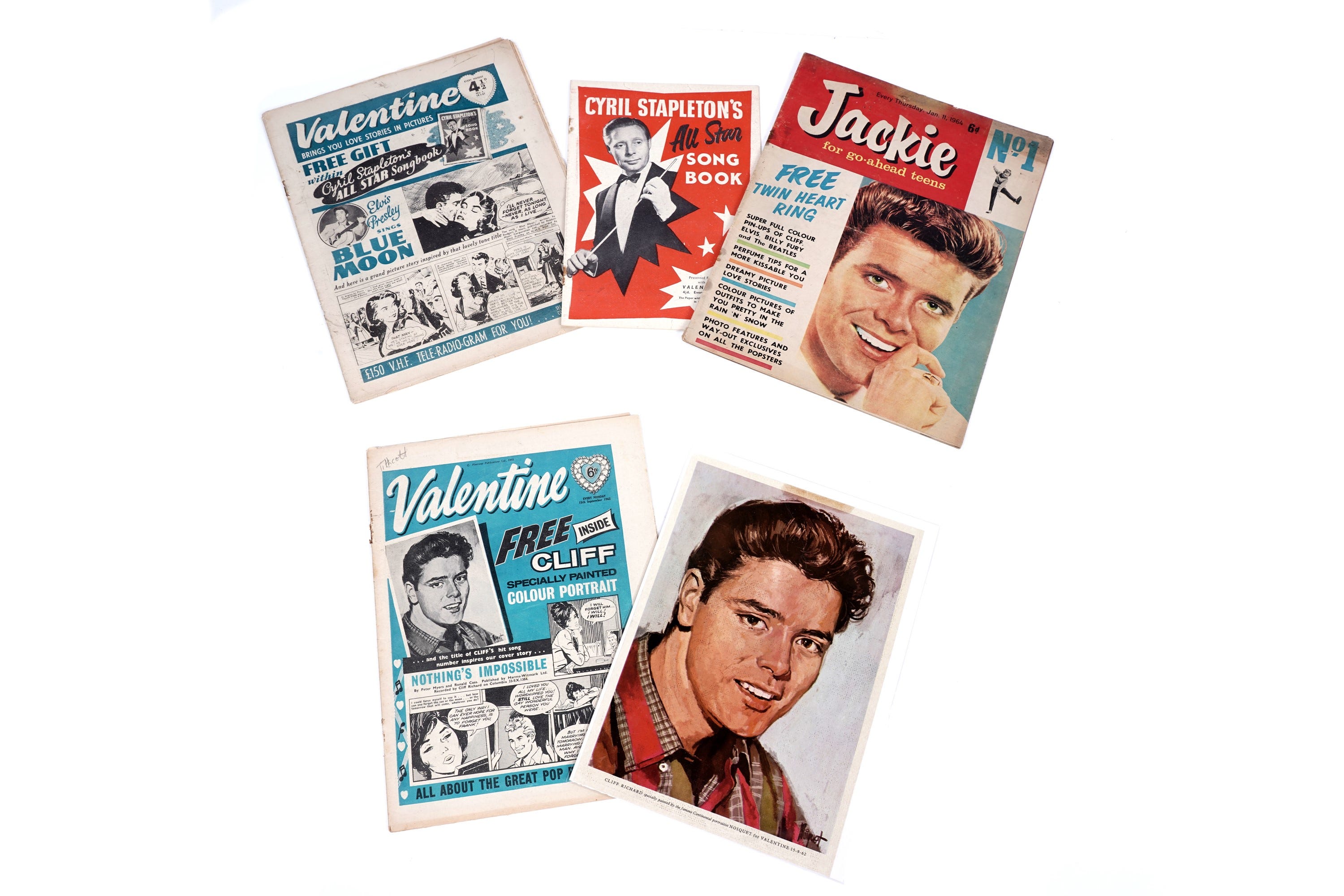
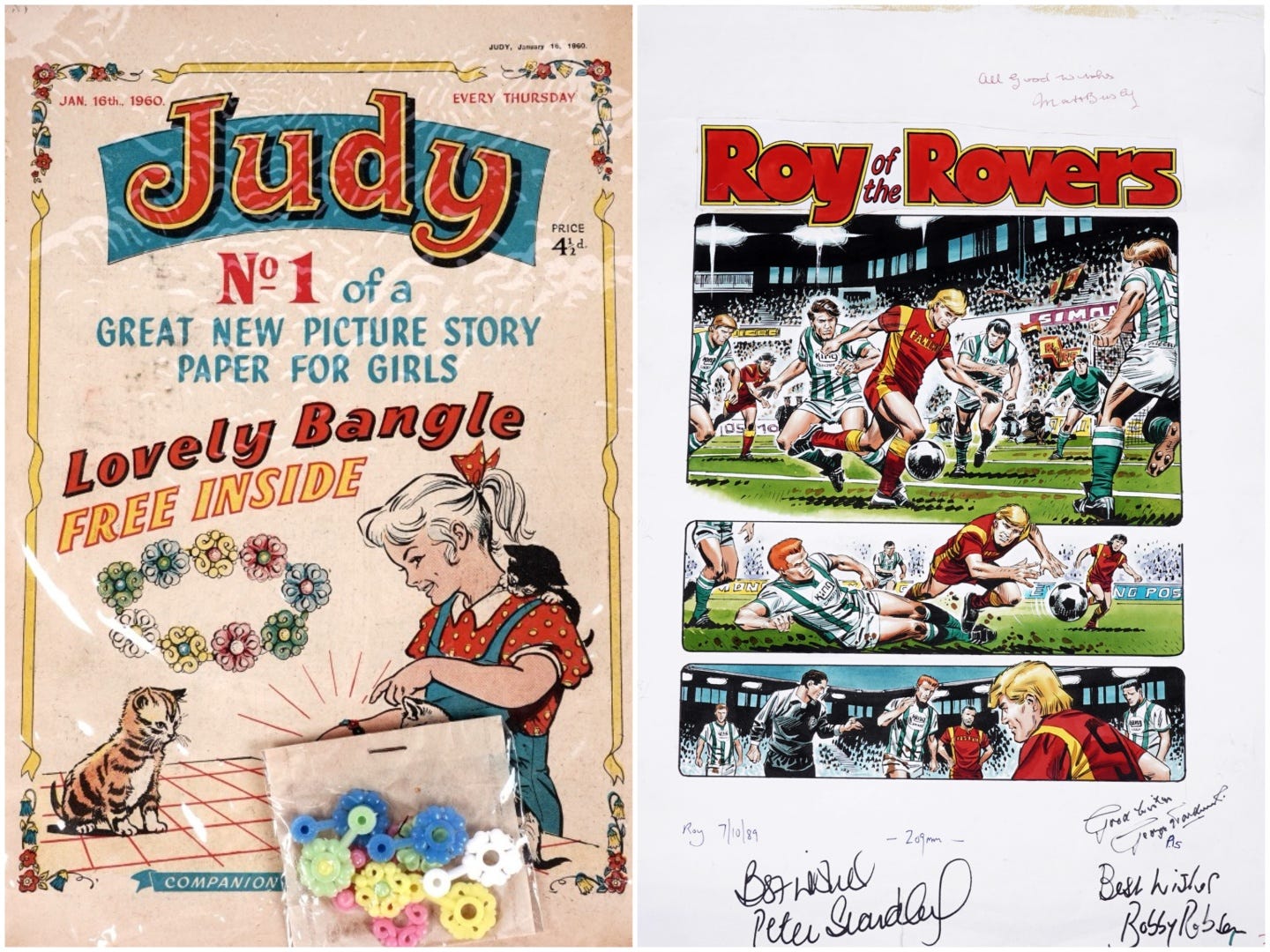
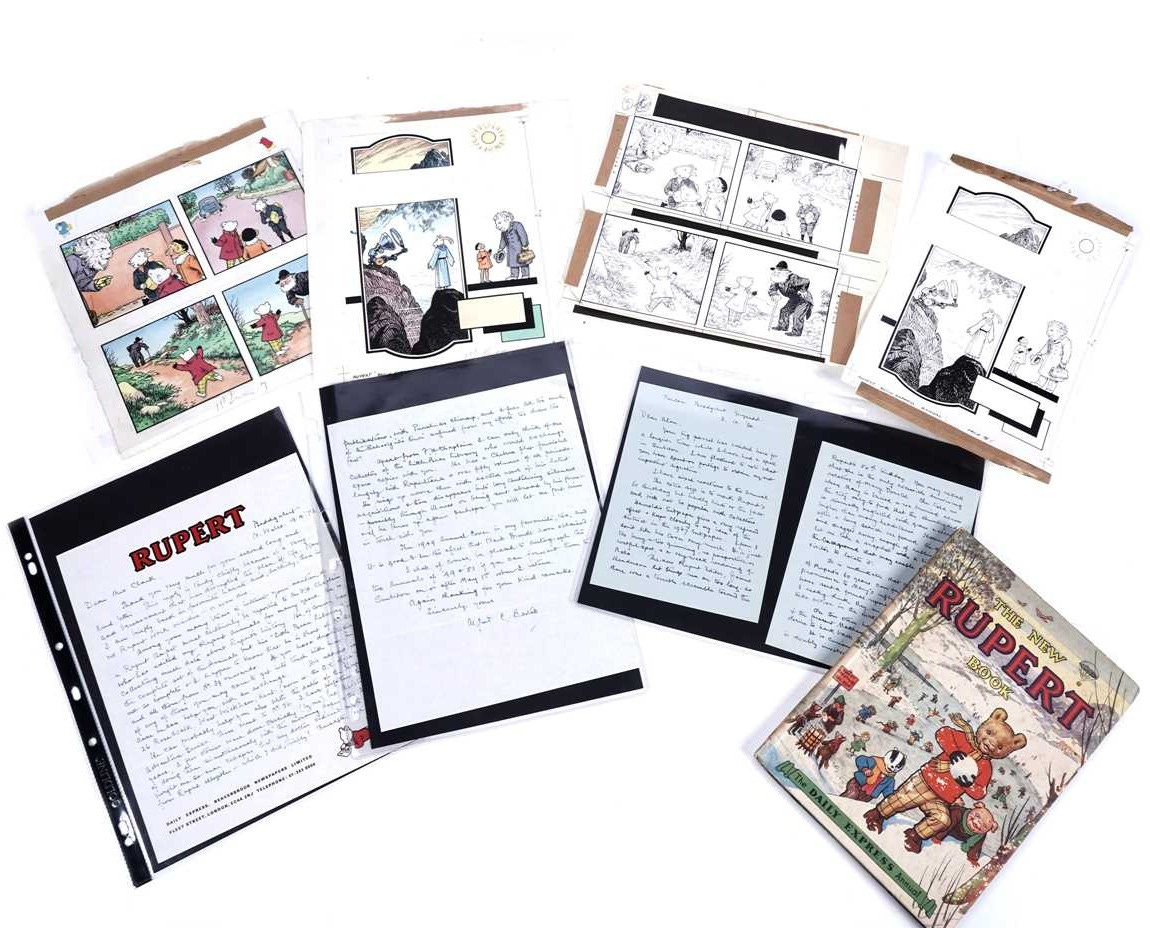
It adds up to an estimated 40,000 comics, 20,000 artworks for the publications by top comic artists, nearly 900 bound publisher volumes, rare first issues, publisher records and pay books revealing who created what, toys, and even the letters, badges and membership cards which young readers acquired when they joined clubs devoted to their favourite comics, which were run by the titles and various newspapers.
Peter moved to Northumberland where he could store his collection, mostly in a barn.
He had continued collecting as he built up his own environmental engineering company after moving to Canada and sold it to an American firm before coming back to the UK.

Now in retirement he is leaving Northumberland to return to Canada and his vast collection will be sold, starting with a two-day event staged by Newcastle auctioneers Anderson & Garland on March 11–12.
The sale features more than 500 lots, many of them made up of multiple items, and will be the first in a series of auctions which, because of the scale of the collection, will see the Newcastle firm split the undertaking with Excalibur Auctions.
Peter, and many other experts, view the range of comics as a social history, charting changes in life and attitudes in Britain throughout the 20th century.
He had hoped that the collection could be kept intact and preserved for the nation. But despite many efforts that has not proved possible.
“It would have been great if it could have been kept for Britain and it is a shame that this has not been possible,” said Anderson & Garland comics auctioneer John Anderson.
“Peter is regarded as one of the foremost authorities in the field, and the breadth and quality of material he has assembled over a lifetime in what is a famous collection is simply extraordinary.”
Comics editor and writer John Freeman, who has run the downthetubes comics website since 1998, said: “This is one of the most important collections ever to come to auction and it is sad that, despite all efforts, it could not be saved for the country. It would have been amazing in a museum.
“It is a fantastic and amazing British comics collection in terms of its breadth and scope, the astonishing items it contains and the sheer amount of material amassed over the years.”
John Freeman, who travelled to Northumberland to talk to Peter, said: “The collection offers a vital resource, especially given growing academic interest in comics research, which is focused on the socio-economic issues of the day, from the war years and their impacts, war series outside of the two world wars, the swinging Sixties, anarchy of the late 1950s, love and romance, humour, adventures, exploration, space, history, anarchism and sport.
“It comprises an amazing range of comics-related material, including girl’s and boy’s comics, teenage titles and juvenile comics, annuals, flyers, original free gifts, advertising, toys and games related to the comics, original artwork, fanzines, memorabilia, artists’ and publishers’ archives.
“Most of the collection spans what is considered by many to be the Golden Age of British comics, from 1950–1975, though there is also material spanning from 1852–2008.
“Throughout the 20th century, famous movie stars of the big screen and latterly the TV were portrayed in the comics, to the pop groups from the 1950s to the 2000s, or Doctor Who, Thunderbirds, The Six Million Dollar Man, On the Buses and many more.”
Peter told John: “Comics are part of British cultural history. Historically documentation of any kind can be a vital window into society and can provide crucial narratives into the way people live during any time period.
“In essence, comics are no different from any other printed primary publication in relation to social history. Since their earliest days they have also conveyed messages, whether political, social, emotional or economic, that contributed to forming readers’ views of the world in many ways.
“My favourite comics were the Beezer and Topper, which were broadsheet comics costing four pence each. Even the Beano and Dandy were three pence, so typically I bought one a week.
“However, I started renting my old comics to my friends at school for a halfpenny a day or two and soon had enough to buy the Beezer and the Topper and the Beano.”
Peter started work as an apprentice engine fitter at Swan Hunters shipyard. Next came studying mechanical engineering at Newcastle Polytechnic and then a degree at Newcastle University, after which he and his wife, Jill, moved to Vancouver.
He became a chartered engineer and after legislation was introduced to address environmental clean-up problems he started his own company.
“My interest in comics was further accelerated as the years went by, and my belief in the need for a national collection grew into a significant obsession,” he said.
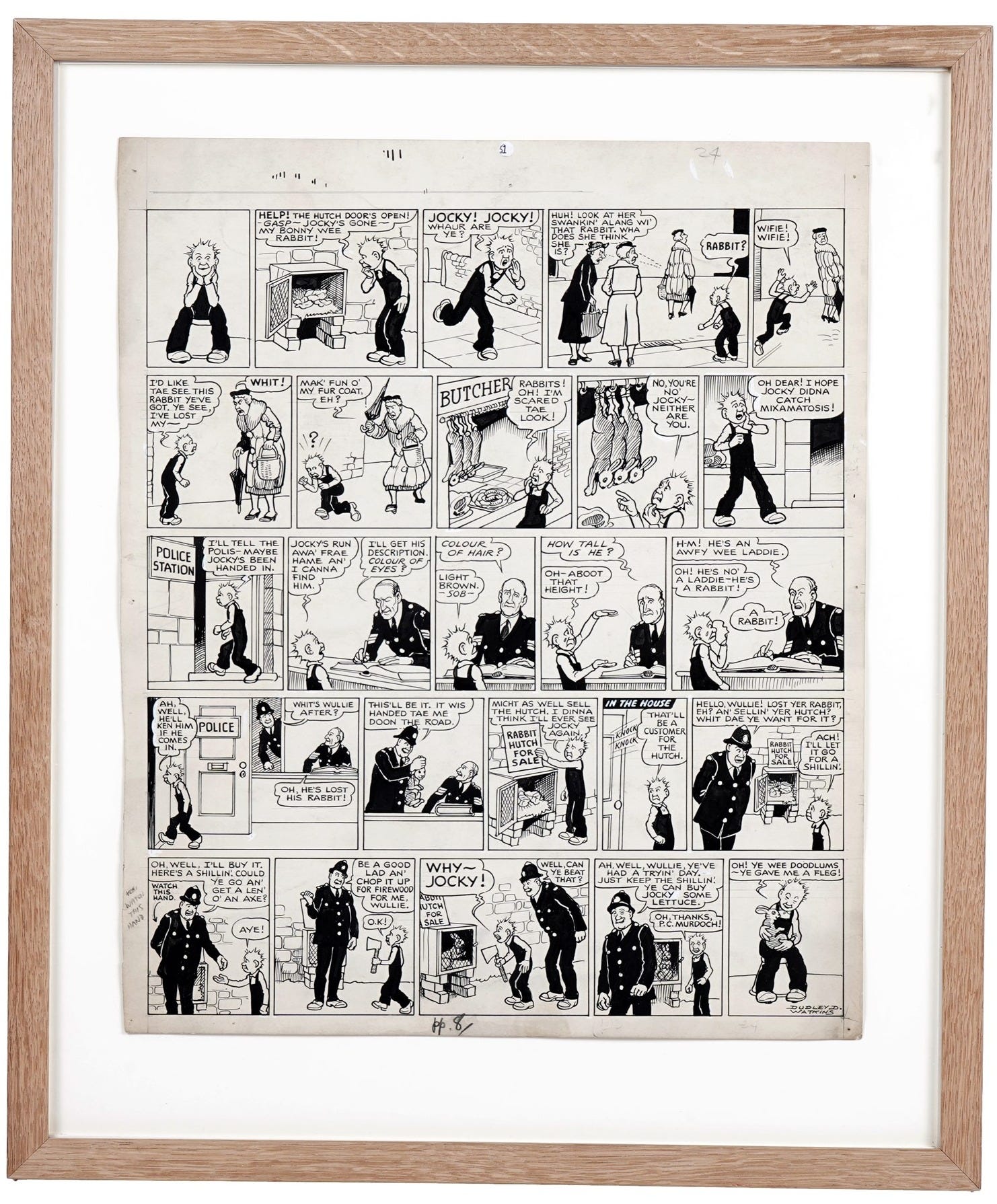
Among the highlights in the Newcastle sale are original artwork for Roy of the Rovers signed by Bobby Robson, Peter Beardsley and Matt Busby at £300–£400, Oor Wullie artwork by Dudley D. Watkins, estimated at £600–£900, The Beano Annual No. 1, estimated at £1,000–£1,800, and Radio Fun comics from the 1940s.
Isn't it extraordinary that no museum or institution saw merit in saving this collection? In 2004 there was excitement in high art circles when a small painting called The Madonna of the Pinks was sold by the Duke of Northumberland to the National Gallery for £22m (£35m before the deduction of tax). That included an £11.5m grant from the Heritage Lottery Fund (now National Heritage Lottery Fund). What constitutes our national heritage? A small, 500-year-old religious painting by an Italian or countless examples of publications that have brought joy to millions in this country within living memory? Discuss...