

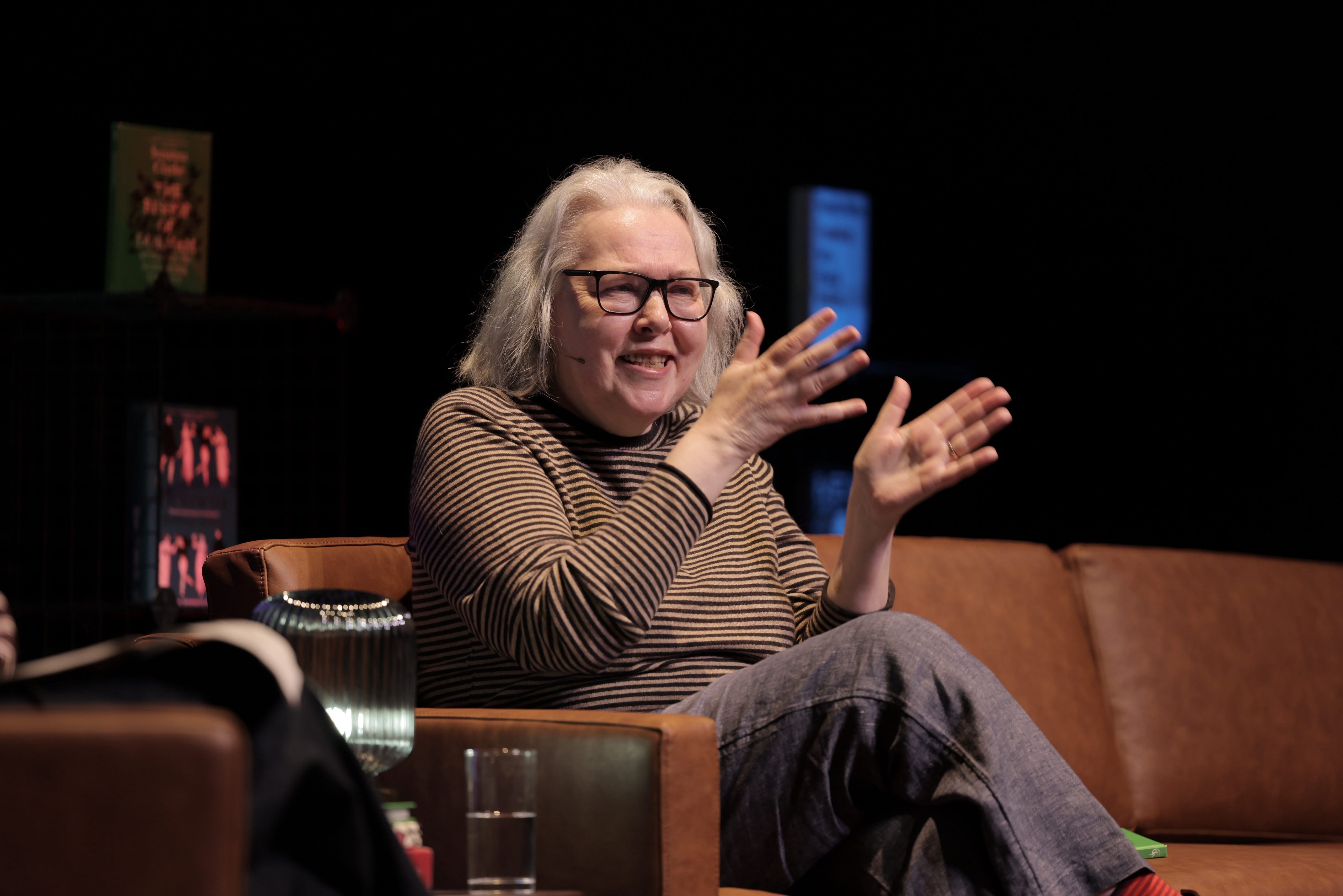
In Susanna Clarke’s new novella, The Bishop of Durham Attempts to Surrender the City, the titular bishop traverses entire worlds by walking a single step. This sense of multiplicity and expansiveness is characteristic of Clarke’s work, and was thoughtfully captured in her Durham Book Festival event, thanks in part to chair Claire Malcolm’s insightful questions.
Guiding the discussion from Clarke’s literary beginnings to her recent successes, this engaging event took its audience members on a journey though windswept Northern forests, ancient wooden castles, and into the heart of the fay world itself.
If the event were viewed as a series of steps, like in Clarke’s impressive novella, the first would take us to Susanna’s literary beginnings. The discussion of Clarke’s childhood favourite authors was particularly engaging: Clarke’s enthusiasm for her favourite books was infectious. It was also interesting to hear Clarke’s perspective as a reader, as well as a writer.
I saw nods of approval from fellow audience members when she discussed the desire to escape from social gatherings with a book. This relatable perspective effectively formed a connection between speaker and audience.
For the event’s second ‘step’, discussion moved to the North as a place of literary inspiration. Clarke’s vivid descriptions of the Northern landscape were just as engaging live as on the page. This portion of the event was particularly strong, vividly exploring the “magical” (as Clarke put it) world just beyond the theatre walls.
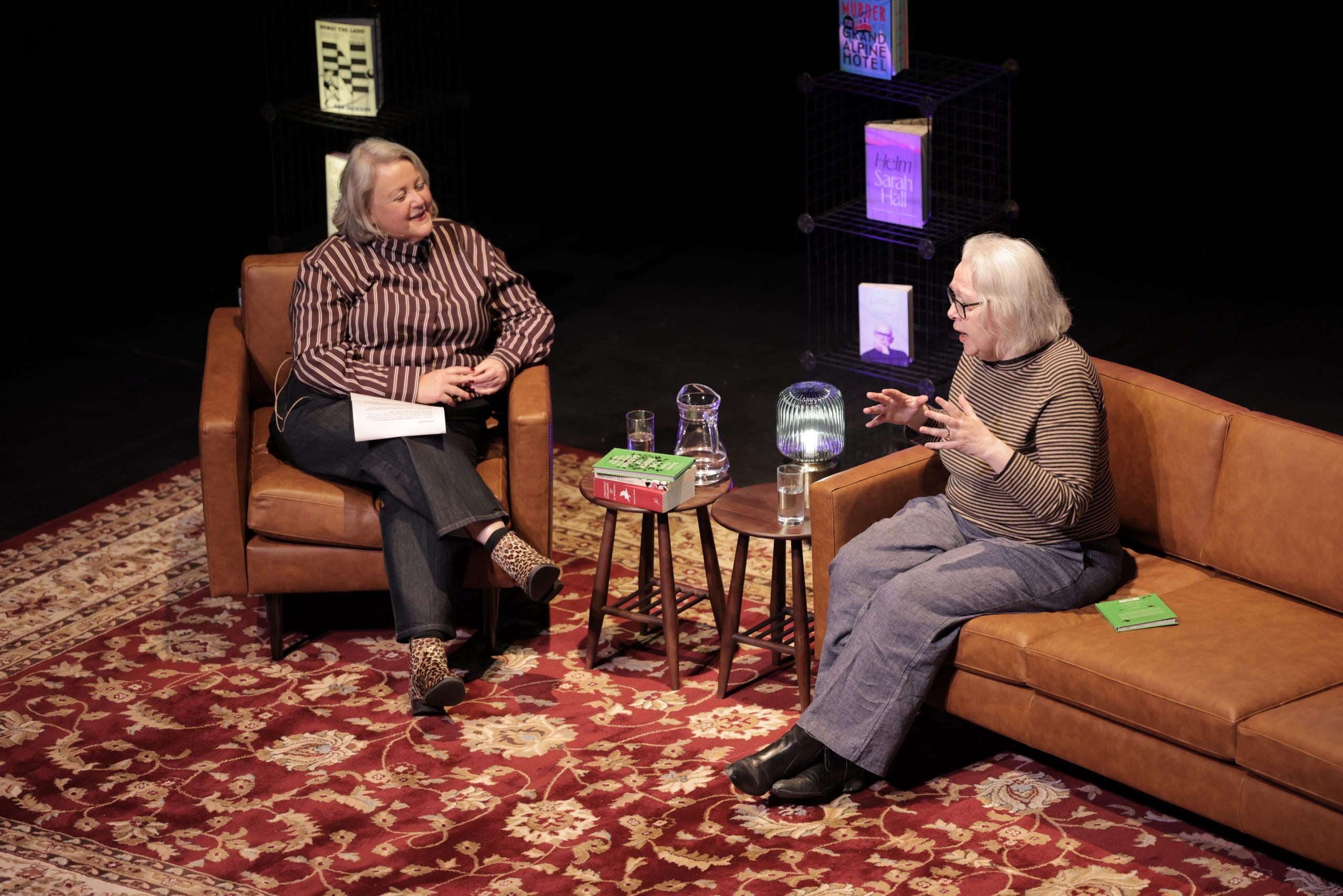
Moving into the third ‘step’, Clarke and Malcolm explored the connection between Clarke’s work and the natural world. The effective use of lighting in the Gala Theatre provided an apt backdrop to this part of the discussion: the slips of light panning slowly down the back wall of the stage recalled Clarke’s description of trees stirring “soil until it swirled like turbulent waters” in her new novella.
It was inspiring to hear Clarke read aloud from her work: hearing the story in Durham itself was particularly fitting.
The event’s next ‘step’ took us into Clarke’s writing process. Articulate as always, Clarke’s description of her planning process conjured images of a fantastical world: she described plot points as “islands over there in the blue” which she aimed her narratives towards. Clarke powerfully conveyed her love of writing: fantasy novels are “in her bones”, she described, while a potential sequel to the critically acclaimed Jonathan Strange and Mr Norrell is “still inside” her.
To me, this description recalls the fairy king in Clarke’s novella, whose fox familiar at one point “fold[s] back” into the king’s body. Clarke’s literary works, the event showed, are similarly important to her – her passion for her stories came across throughout the evening, making for an endlessly engaging audience experience.
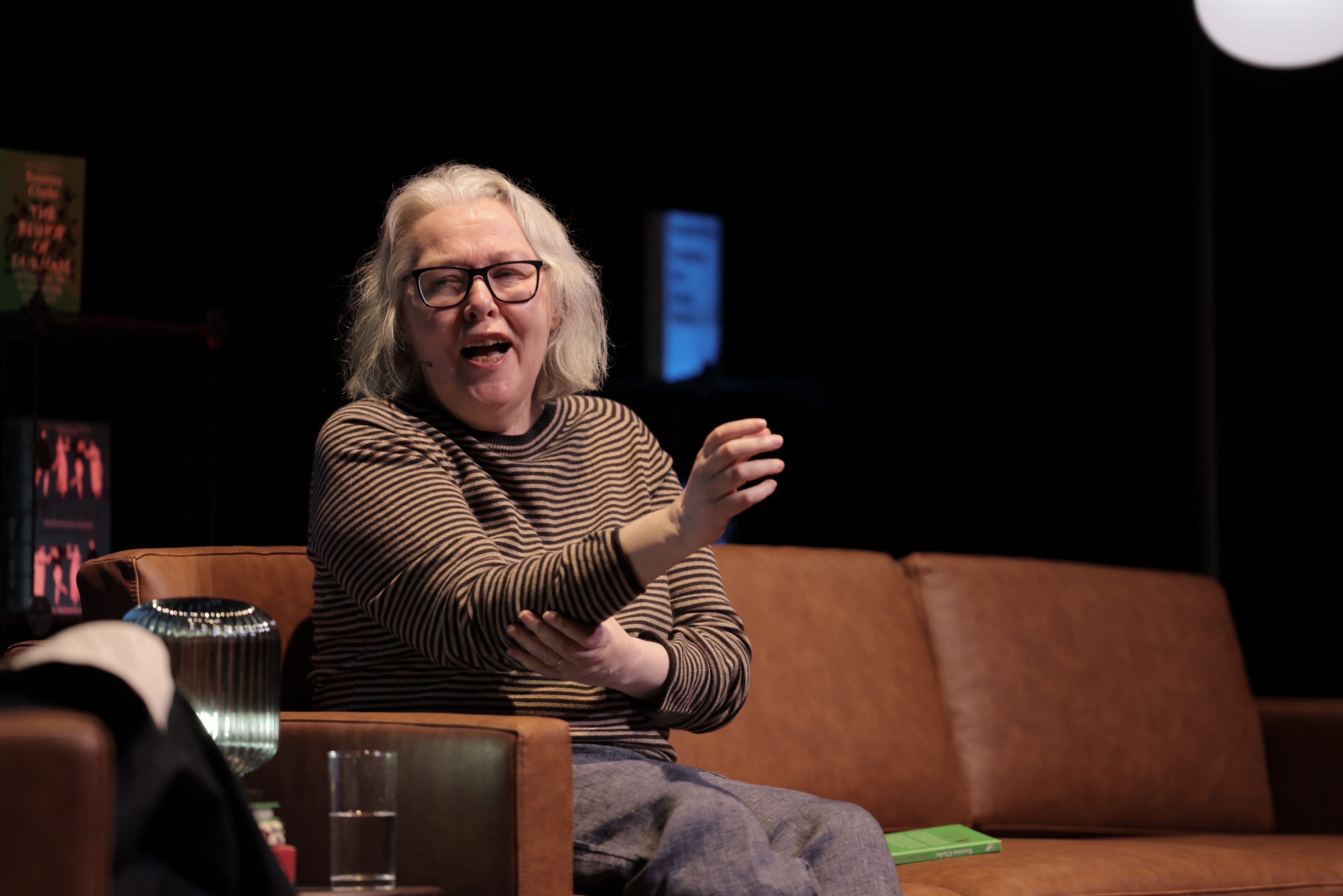
Where did the evening’s final ‘step’ lead? Beyond the woodlands and the hills of the North, beyond Clarke’s childhood and her writing process, there was something else. In the postscript to her Durham-based novella, Clarke speaks about the role of mystery in fantasy writing: the sense that there is always something just beyond our understanding – “unnameable, unknowable”.
Clarke spoke powerfully about this sense of mystery in her Book Festival event, too: I was particularly taken by her nostalgic recollection of a line from a C. S. Lewis novel, involving a magic mirror – I cannot tell you what the mirror does, Lewis recounts, because I am not a wizard.
I experienced a similar feeling during the evening: the sense of indefinable magic, evident in Clarke’s passion for her writing and the fantastical quality of her stories, illuminated the event from start to finish. In terms of what specifically makes Clarke’s work so special – well, I am not a wizard. You’ll just have to read the books and find out for yourself.