

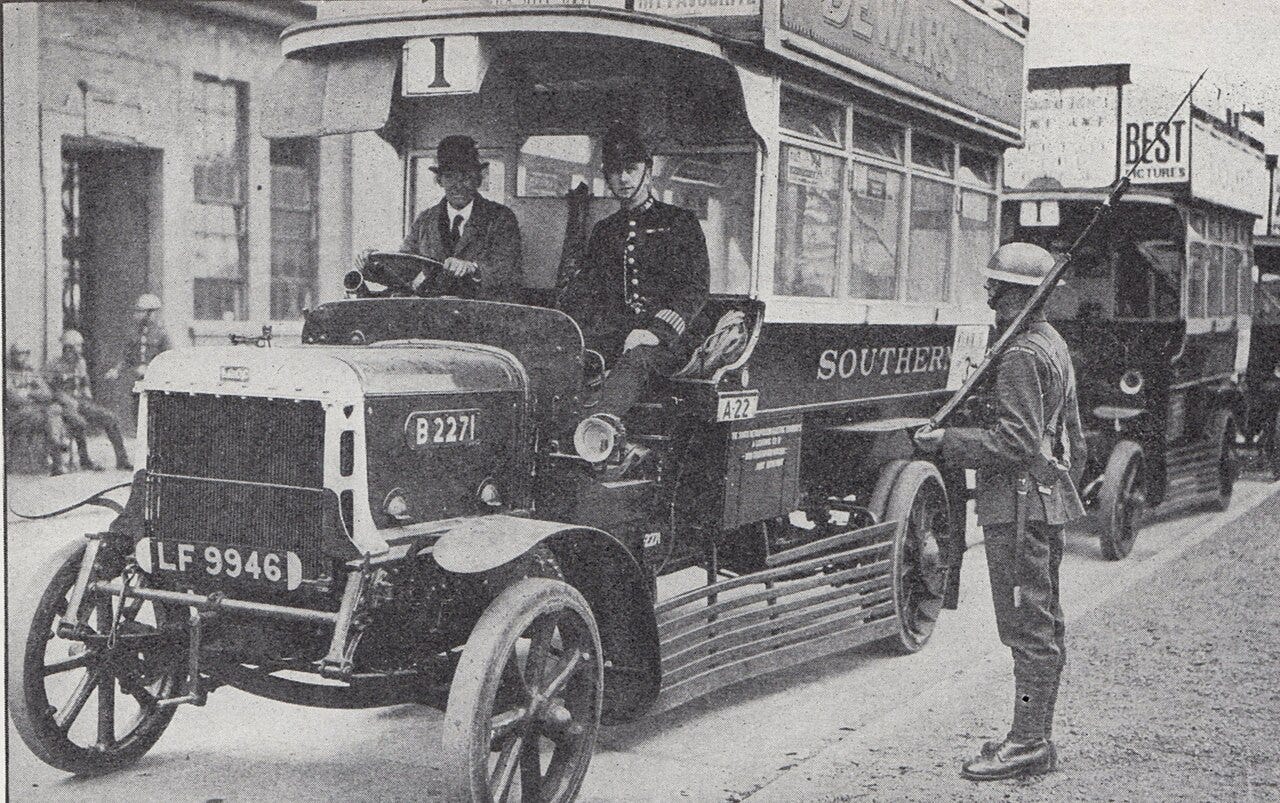
Tyneside is gearing up to mark the centenary of the General Strike.
The strike lasted from May 4-12 1926 when an estimated 1.7 million workers stopped work, especially in transport and heavy industry in support of 1.2 million locked-out miners in a dispute after pit owners announced their intention to reduce wages.
A two-day conference on May 7-8 will be held on the history of the General Strike at Newcastle University’s School of History, Classics, and Archaeology.
And on Monday May 4, a show titled Centenary will be staged at The Glasshouse Gateshead which will comprise songs, comedy sketches, stand-up comedy and recitations.
The producer of Centenary is South Shields playwright Ed Waugh who penned The Cramlington Train Wreckers, which tells the story of striking miners who inadvertently derailed the Flying Scotsman. The play transfers to Newcastle Theatre Royal in July.
Ed said: “Centenary is an appropriate name because it’s amazing to think we’ll be performing the show exactly 100 years to the day that the General Strike actually started.
“While Centenary will commemorate the UK’s only General Strike it will also celebrate other working class struggles using popular culture.”
Newcastle University’s Labour & Society Research Group is organising the conference which revisits the historical experience of 1926.
“While we intend this to be a scholarly conference, we also wish to make space for an active dialogue between people studying protest and industrial disputes in the past and practitioners of solidarity in the present,” said Newcastle University’s Dr Joe Redmayne.
“The aim is to bring together scholars, trade unionists, and interdisciplinary thinking to discuss the new areas of study of 1926. It brings together papers that focus on histories of solidarity and the General Strike, whether at sites of coal extraction, transportation, distribution, and everywhere in between.”
There will be a public roundtable discussion on Day 2 of the conference on May 8.
The event will include a contribution by Newcastle University’s Prof Matt Perry on Ellen Wilkinson’s 1926.
Ellen was elected Labour MP for Middlesbrough East in 1924, and supported the General Strike. She became Jarrow’s MP in 1935 and played a prominent role in the Jarrow March by the town’s unemployed to London, later serving as Labour’s Education Minister.
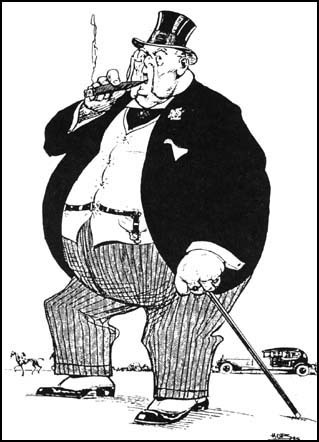
Also speaking will be Dr Joe Redmayne of Newcastle University on a maritime and transport perspective of the General Strike within and beyond the North East; Dr David Lyddon on decision-making and tactics, funding, and solidarity in the strike; Janet Hughes on Labour Women: The General Strike and Lockout and Dr Shirin Hirsch and Dr David Swanson on Photographs of the General Strike.
The one-off Centenary show will be compered by Micky Cochrane, who won the Performer of the Year accolade at the 2025 North East Culture Awards for his performances in The Cramlington Train Wreckers and Carrying David.
Ed said: “Paul Weller and Tom Robinson have given us personal permission to use their songs. Likewise Paul Simmonds of The Men They Couldn’t Hang and the estate of the late-great Alan Hull of Lindisfarne.”
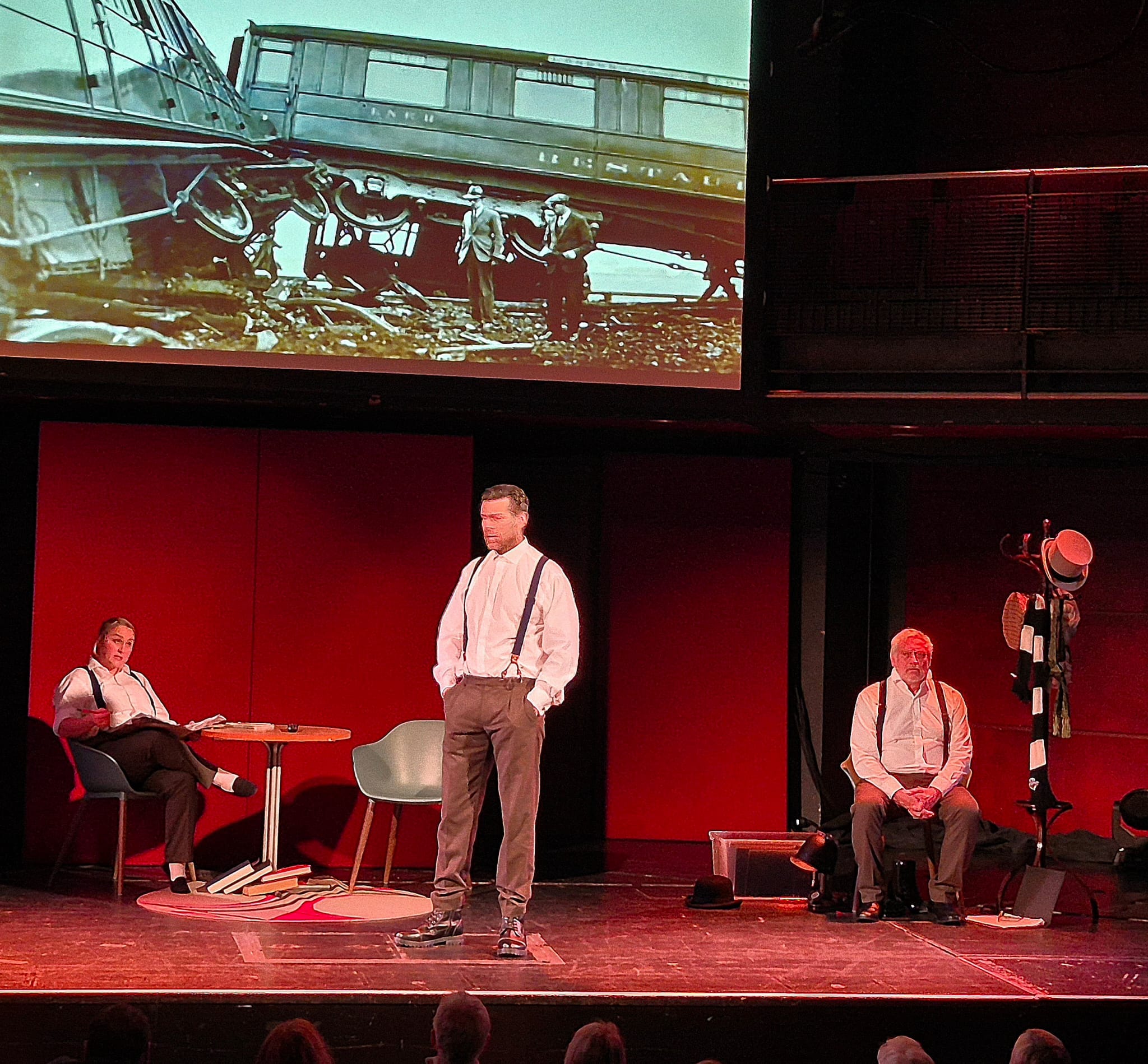
“Not only will it be first-class entertainment, we think people will come away inspired, having learnt about real, working class, history.”
For further details about Centenary visit www.cramlingtontrainwreckers.co.uk.
There will be two performances of Centenary at 4pm and 8pm on May 4. For tickets visit theglasshouseicm.org
The General Strike was called by the General Council of the Trades Union Congress (TUC) in an attempt to force the government to act to prevent wage reductions and worsening conditions for the 1.2 million locked-out miners.
When mine owners announced plans to reduce miners’ wages, it was opposed by the Miners’ Federation of Great Britain: “Not a penny off the pay, not a minute on the day.”
The Conservative government intervened by declaring that a nine-month subsidy would be provided to maintain the miners’ wages and that a royal commission would look into the problems of the mining industry.
The commission’s report in March 1926 recommended a reduction by 13.5% of miners’ wages, along with the withdrawal of the government subsidy, sparking the strike.
The government enlisted middle- and upper-class volunteers and the armed forces to maintain essential services.
In a rare political radio broadcast, Francis Cardinal Bourne, the leading Catholic prelate in Britain, condemned the strike, knowing that many strikers were Catholic.
He advised that “It is a direct challenge to lawfully constituted authority. ... All are bound to uphold and assist the Government, which is the lawfully constituted authority of the country and represents therefore ... the authority of God himself.”
After the General Strike ended, the miners maintained resistance for several months before being forced by economic needs to return to the mines.
By the end of November, most miners were back at work.
However, many remained unemployed for many years. Those still employed were forced to accept longer hours and lower wages.