


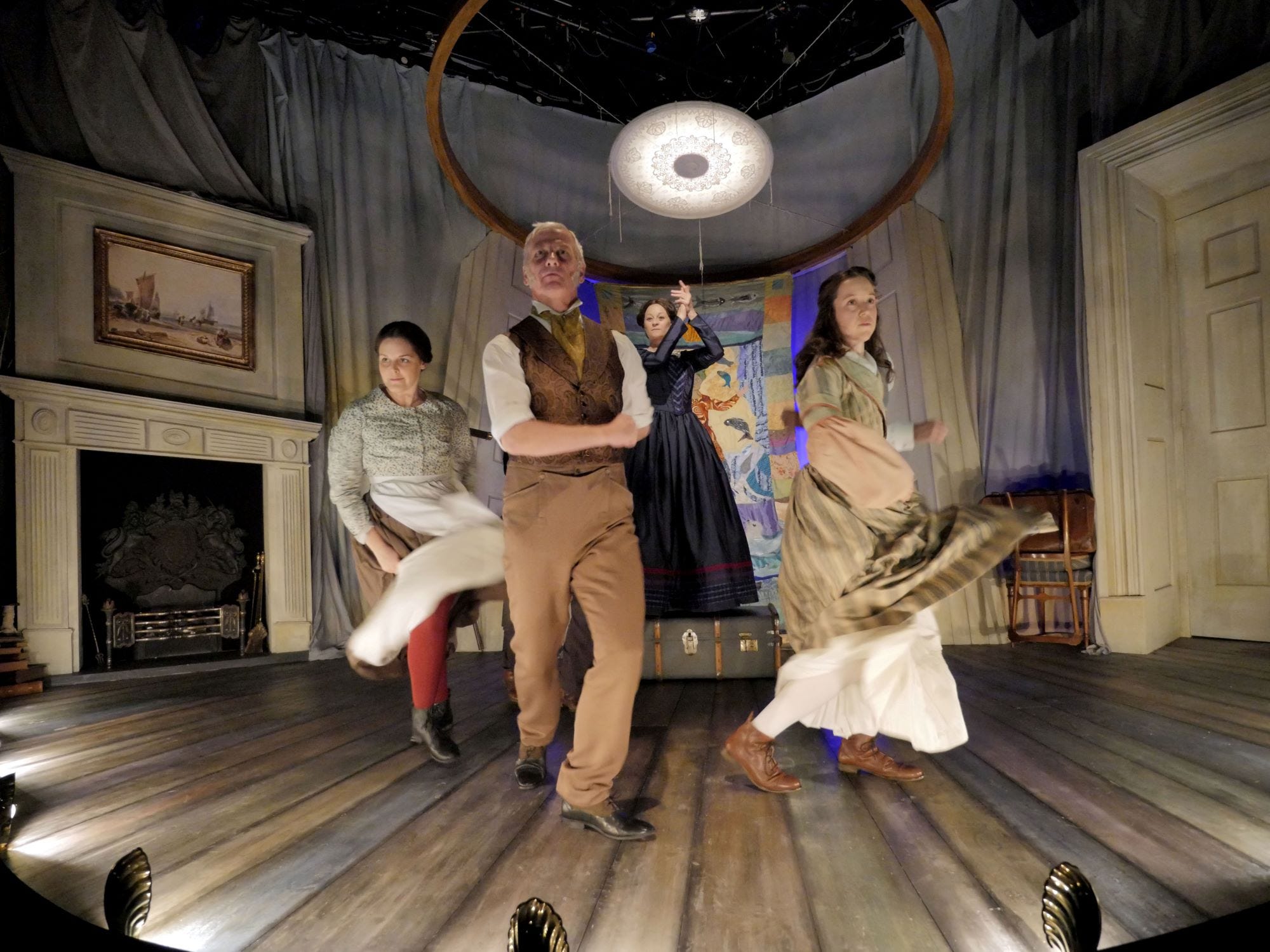
It’s 10 years since Shelagh Stephenson took a plaque on Tynemouth Front Street and turned it into a sparkling, funny play called Harriet Martineau Dreams of Dancing.
Martineau, a writer who campaigned against slavery and for women’s rights, came to Tynemouth and took to her bed while supposedly receiving treatment from her mild-mannered brother-in-law, Dr Thomas Greenhow, who proved no match for her powerful personality.
Or at least, that’s how it was in this telling (and a re-reading of the play will remind you how clever it is, having a little fun at Martineau’s expense without diminishing her achievements).
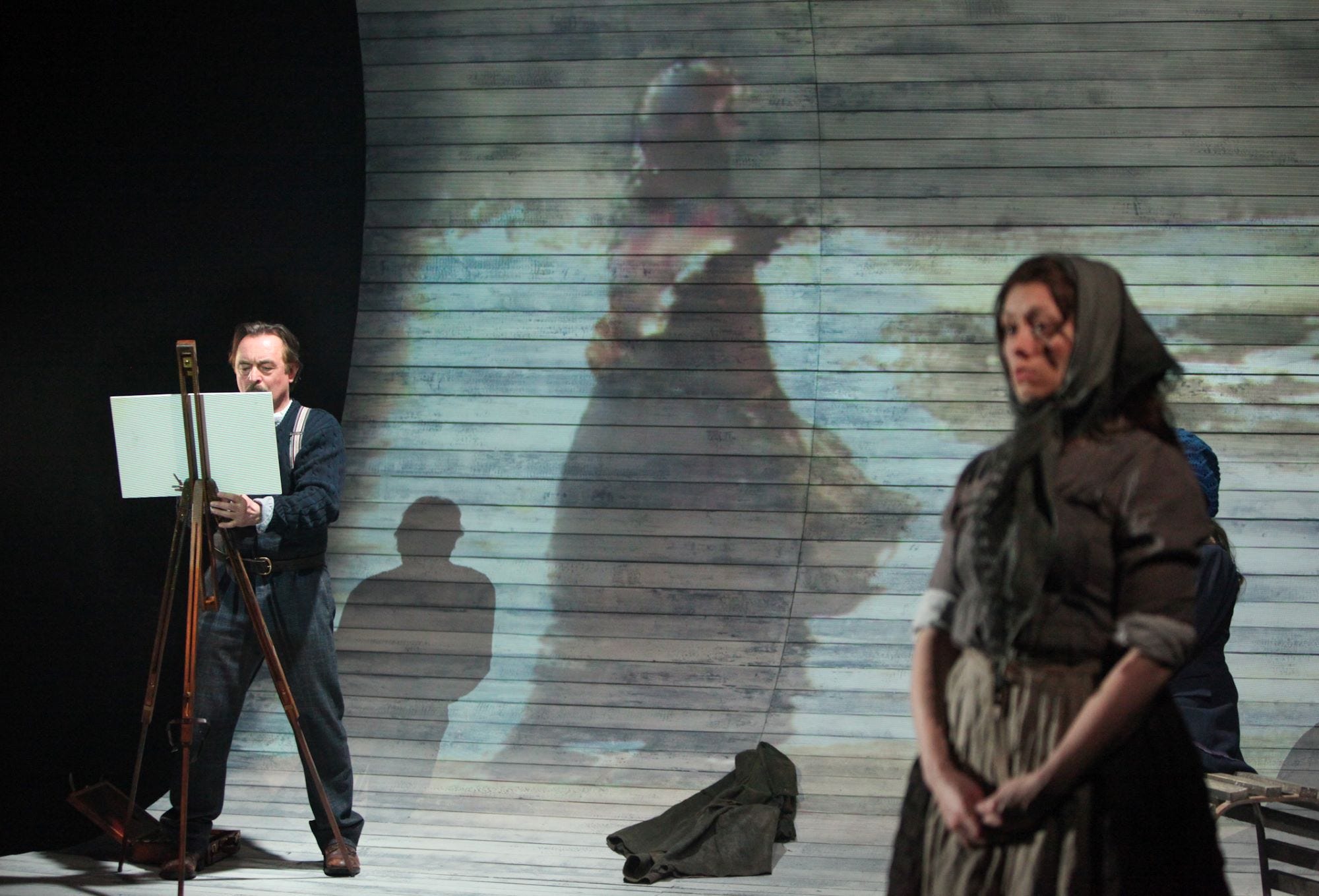
Even more years have passed – 16, in fact - since A Northern Odyssey, in which Shelagh speculated tantalisingly about the American artist Winslow Homer’s 19th Century love affair with Cullercoats, just along the coast.
And now comes Astell & Woolf, the (long ago) promised third play which was “supposed to be part of that trilogy but it isn’t because I couldn’t think of a third one”, says the playwright with refreshing candour.
Live Theatre artistic directors have come and gone since that initial loose arrangement of some two decades ago.
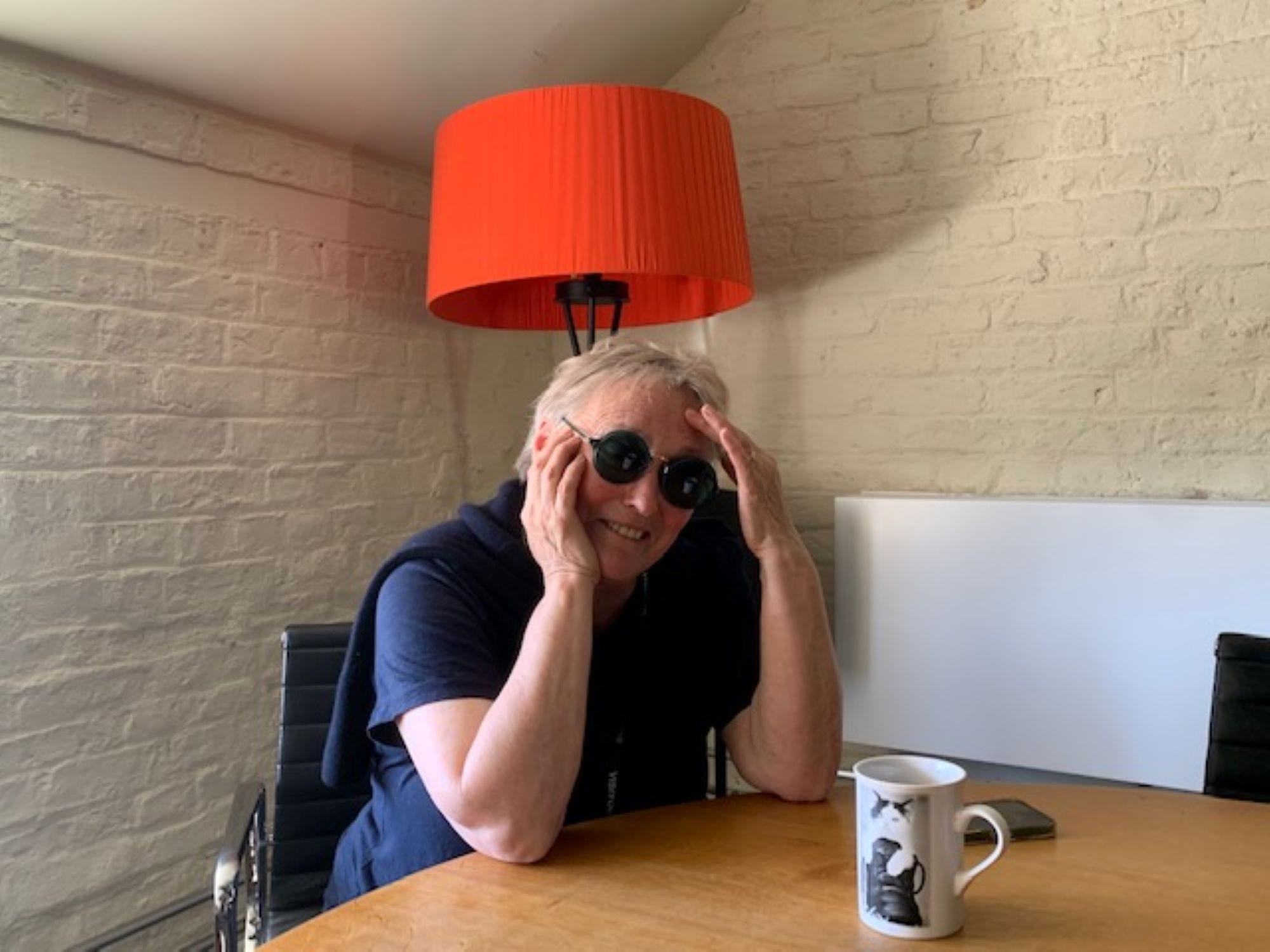
“I think like most writers – me, anyway – you have to get yourself into a state of panic, like it’s got to be delivered in a minute, before you can actually do it,” muses Shelagh in a studio at Live Theatre.
“If someone says you haven’t got a deadline, you don’t have any urgency or you think, I’ll just keep doing some more research. You have to get yourself in a state of anxiety and terror.
“My agent’s used to it now. Whenever I say, ‘Can we just give the commission back because I can’t write this play?’ they go, ‘Oh, I know. But why don’t you just write it?’”
This approach, says Shelagh, has tended to work, so along comes North East play number three, sitting apart from the others in that it isn’t set in North Tyneside where Shelagh grew up.
It came about, she says, because Jack McNamara, current artistic director of Live Theatre, asked if she’d write a one-woman play about Mary Astell.
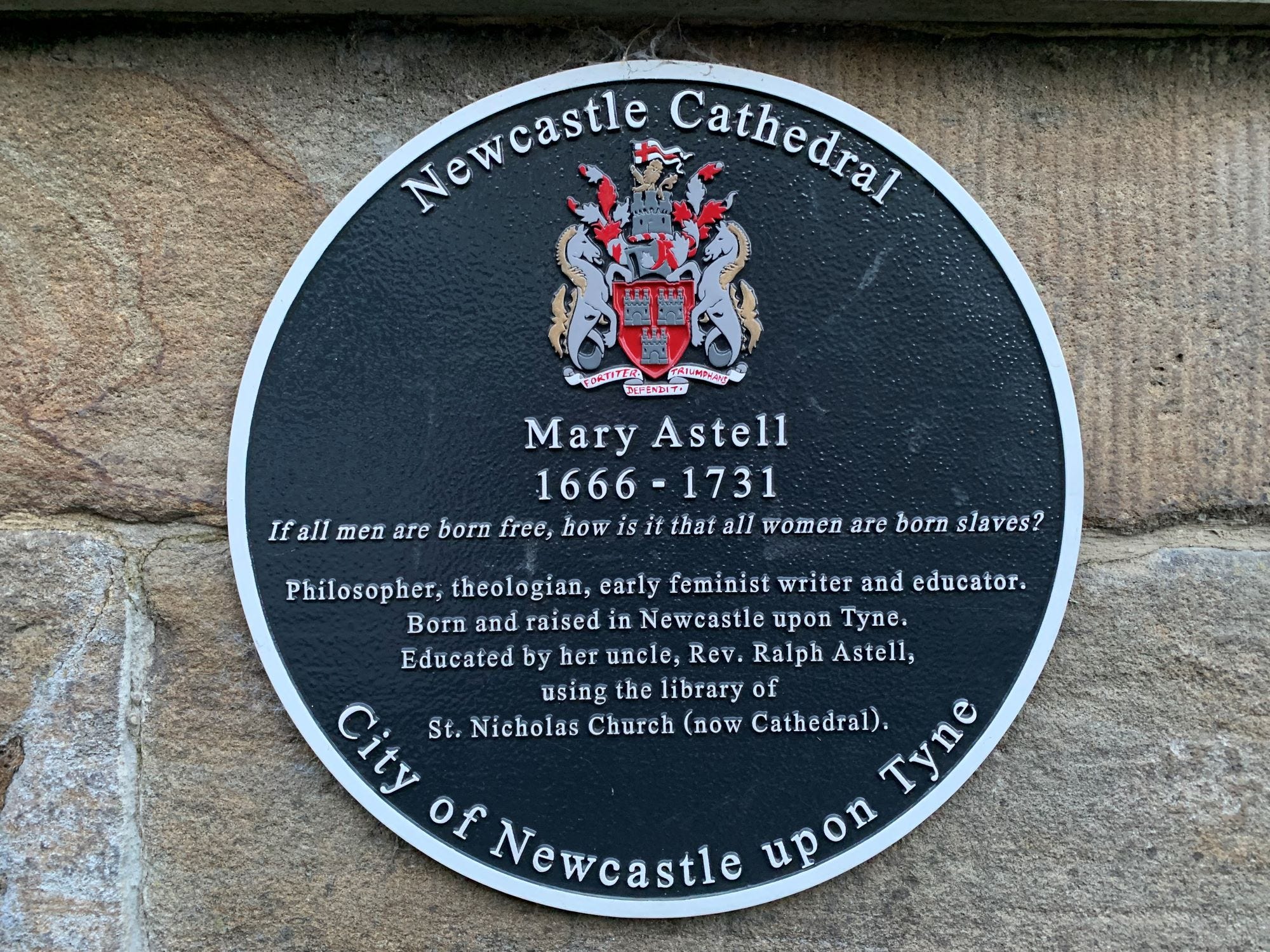
Like Mrs Martineau, the only memorial to this lady in the North East is a plaque, erected more recently than Harriet’s on the boundary wall of Newcastle Cathedral.
And since she was born in 1666, 136 years before Martineau, the mists of time have enshrouded her even more completely.
Shelagh said she’d check her out, this Newcastle-born pioneer of feminist thinking from a time before feminism was, as they say, a thing.
But having checked, she wasn’t enamoured.
“I came back and said, ‘I’m having huge difficulties because she’s so Christian in a really irritating way and I just can’t write a one-woman show and ignore that. And in any case I hate one-woman shows’.”
Jack, taking a different tack from Shelagh’s agent, reportedly said: “Don’t worry, we’ll think of something else.”
Then two things happened. Shelagh was reading Three Guineas, a book by Virginia Woolf “about the patriarchy”, and saw that she mentioned Mary Astell several times.
“And then I discovered that Mary Astell had a parrot and everything fell into place. Once you get the parrot, you think, Oh, that makes her a different personality to what I thought.”
So she presented the idea of a play involving Mary Astell and Virginia Woolf (1882 to 1941) to Jack who asked the obvious question: “How are they going to meet?”
Well, obviously, Shelagh replied, they were going to be dead. And she’d put them in a waiting room, somewhere municipal. “It’s not a period drama, you know. It’s not flim-flam. They’re sitting in a waiting room.”
Equally literal-minded questions from a journalist draw similar exasperation.
“The thing is you can make anything up. It’s not about the real Mary Astell. I don’t know what she was like.
“I don’t even know what Virginia Woolf was like, to be honest. They’re dead. There will be people coming to see this who will say, ‘Actually Virginia Woolf didn’t do this or that’, and you think, no, well they’re dead and it doesn’t really matter.
“It’s not real. It’s not a biographical piece in any sense of the word.”
This waiting room, though. Is it purgatory, this half-way house?
Cue another deep sigh: “It’s a waiting room. On a stage. In a play. That’s what it is. I mean, it’s whatever you want it to be. I don’t know what it is.”
So Astell and Woolf (with shades of French and Saunders, Morecambe and Wise, Newman and Baddiel) are in a waiting room, the former with a stuffed parrot and the latter with… a stuffed dog?
“Virginia Woolf wrote a book about Flush, Elizabeth Barrett Browning’s spaniel, and there’s been a misunderstanding and somehow she’s ended up with it on a lead.”
And stuffed.
And what’s more, Mary is tethered to an exit sign and wants Virginia, who is free to come and go and is armed with two bottles of sherry, to cut her free.
Don’t imagine Shelagh hasn’t done her research. She can tell you that Mary, denied the university education bestowed on her brother, was the daughter of a wealthy Newcastle coal merchant who died and left his family with nothing.
“She was obviously extraordinarily bright and hugely brave because she went to London by herself, aged 22.
“She’d never been there before and didn’t have enough money to live on, so she wrote a letter to the Archbishop of Canterbury who gave her money. I don’t think she’d met him before.”
Perhaps the thing most people know about Mary is her published rhetorical question: “If all men are born free, how is it that all women are born slaves?”
“I haven’t put that in the play, though,” says Shelagh.
“Bad plays are ones where all the research is on the stage. You do the research and throw most of it away. You know what you’re talking about but you only keep the bits that work… like Mary Astell’s parrot.
“I don’t know why that’s interesting but it is and it does make her a bit different.”
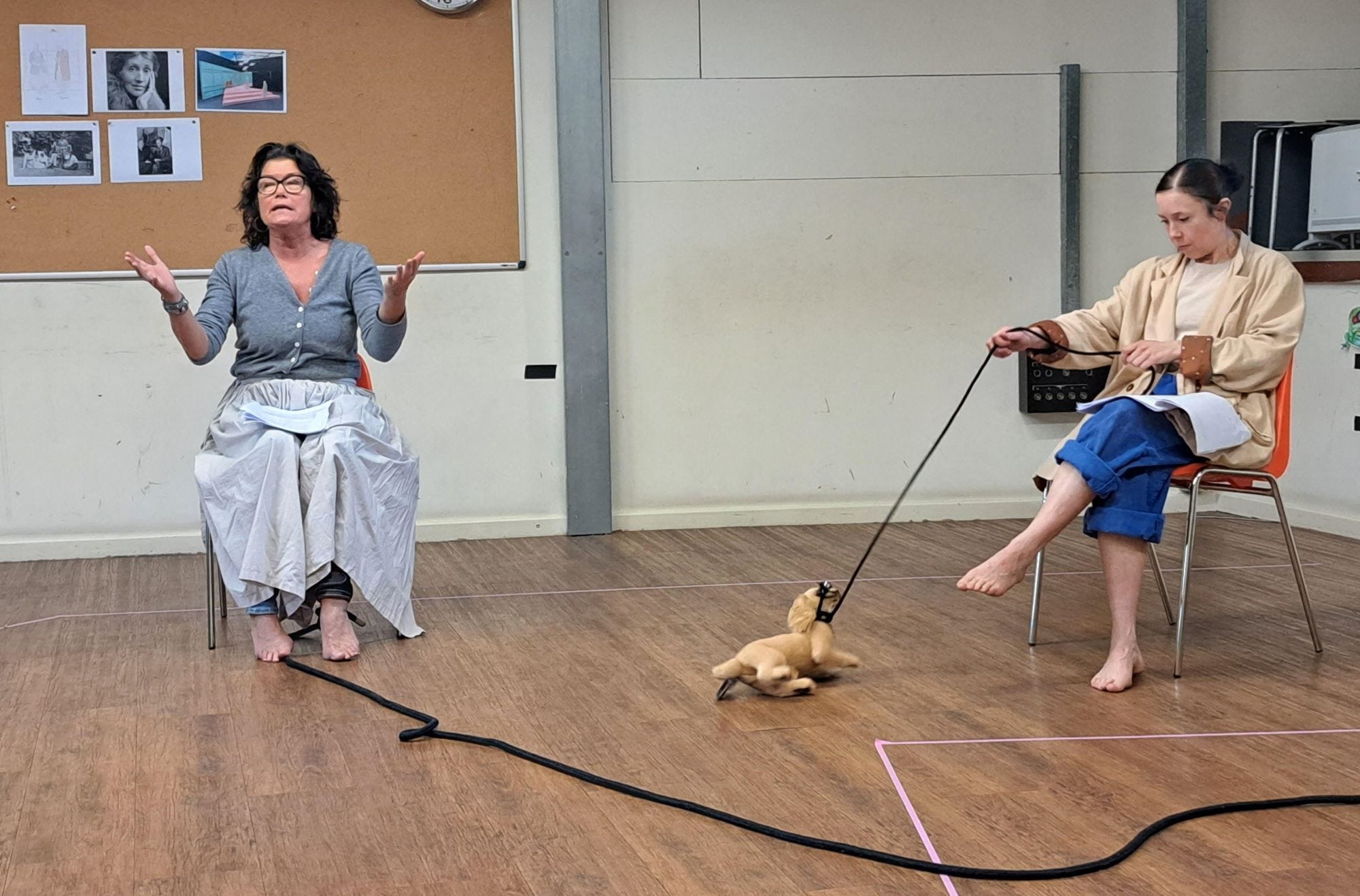
Both were feminists of their respective eras but here they display their differences, says Shelagh, because “you can’t have a play with two people getting on. That’s just having a chat.”
The pair get drunk. Virginia introduces Mary to “the concept of wave particle duality”. And whatever that might be, it introduces a scientific element reminiscent of one of Shelagh’s most famous plays, An Experiment with an Air Pump, set in Newcastle but premiered in Manchester in 1998.
Shelagh left the North East when she went to Manchester University to study drama but says she still comes back often to see family, even if she spends most of her time in London or at their house in France, where her husband is currently looking after their beloved Bedlington terrier.
She’d wanted to be an archaeologist for a long time, she says. But she became an actress although she insists she shouldn’t have – “I can act but I’m not an actress” – before finding her groove as a writer.
“Don’t think I haven’t written anything for 10 years,” she says.
Seemingly television and radio – much more lucrative – have consumed her recent output.
But it’s good to see her back at Live Theatre where Phillippa Wilson (Mary) and Tessa Parr (Virginia) are bringing her latest creation to life under director Karen Traynor and with the aid of two stuffed creatures.
“It’ll make you laugh,” promises Shelagh.
“It’s funny but also sad… like life.”
Astell & Woolf runs from May 14 to June 6. Tickets from the Live Theatre website or call the box office on 0191 232 1232.