

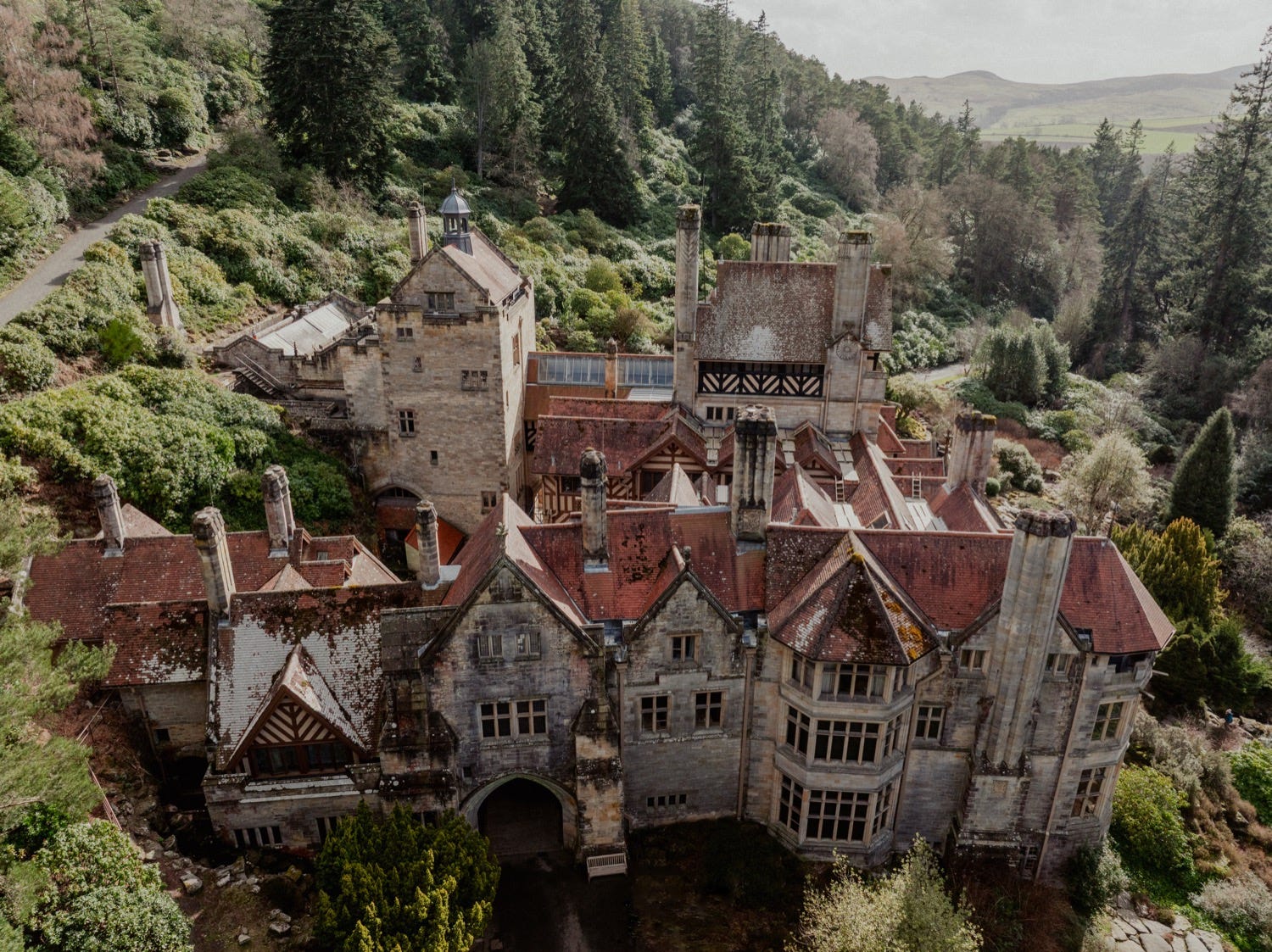
It’s not a job you would want to tackle after a night on the tiles.
A major, £1.8 million roofing conservation project has begun at the National Trust’s Cragside property in Northumberland.
The roof is a network of over 100 roof drops, in a series of elevations, with interconnecting ridges at different heights. At its tallest point, the roof is 26 metres (85ft) high and beyond is a pattern of towering chimneys.
A complex scaffold will be used to carry out the works safely and efficiently.
The Cragside team is working with specialist contractors while the house remains open.
Works include re-tiling gaps; lifting and re-bedding all ridge tiles; re-roofing flat roofs; leading parapet gutters; removing foliage; re-pointing brickwork and chimneys; and complete replacement of large rooflights.
Clara Woolford, property curator, said: “The roof is the first line of defence against the weather. Although the house was largely re-roofed in the 1970s, natural ageing is now evident across several sections, and in some areas the impact of cumulative severe weather events has accelerated that deterioration.”
The house is built into the surrounding crag. This, coupled with an elaborate multi-roof design, does not lend itself to dealing with heavy rainfall and storms, and the Victorian drainage systems struggle to cope with today’s climate patterns.
Longer, wetter winters, intense rainfall and increasingly frequent storms overwhelm gutters, drown roof junctions in hard-to-reach places, and push water into the building’s fabric, leading to significant leaks that threaten Cragside’s interiors and collections.
Recent storms, some with wind gusts reaching almost 100mph, have also blown off tiles and dislodged roof ridges.
“Cragside is one of the most extraordinary places in the National Trust’s care. This crucial roof project will protect the house’s remarkable architecture and the stories it holds,” said Clara.
“By investing in this work now, we will halt the deterioration of the house and ensure Cragside remains resilient in the face of a changing climate, safeguarding the future of this remarkable home.”
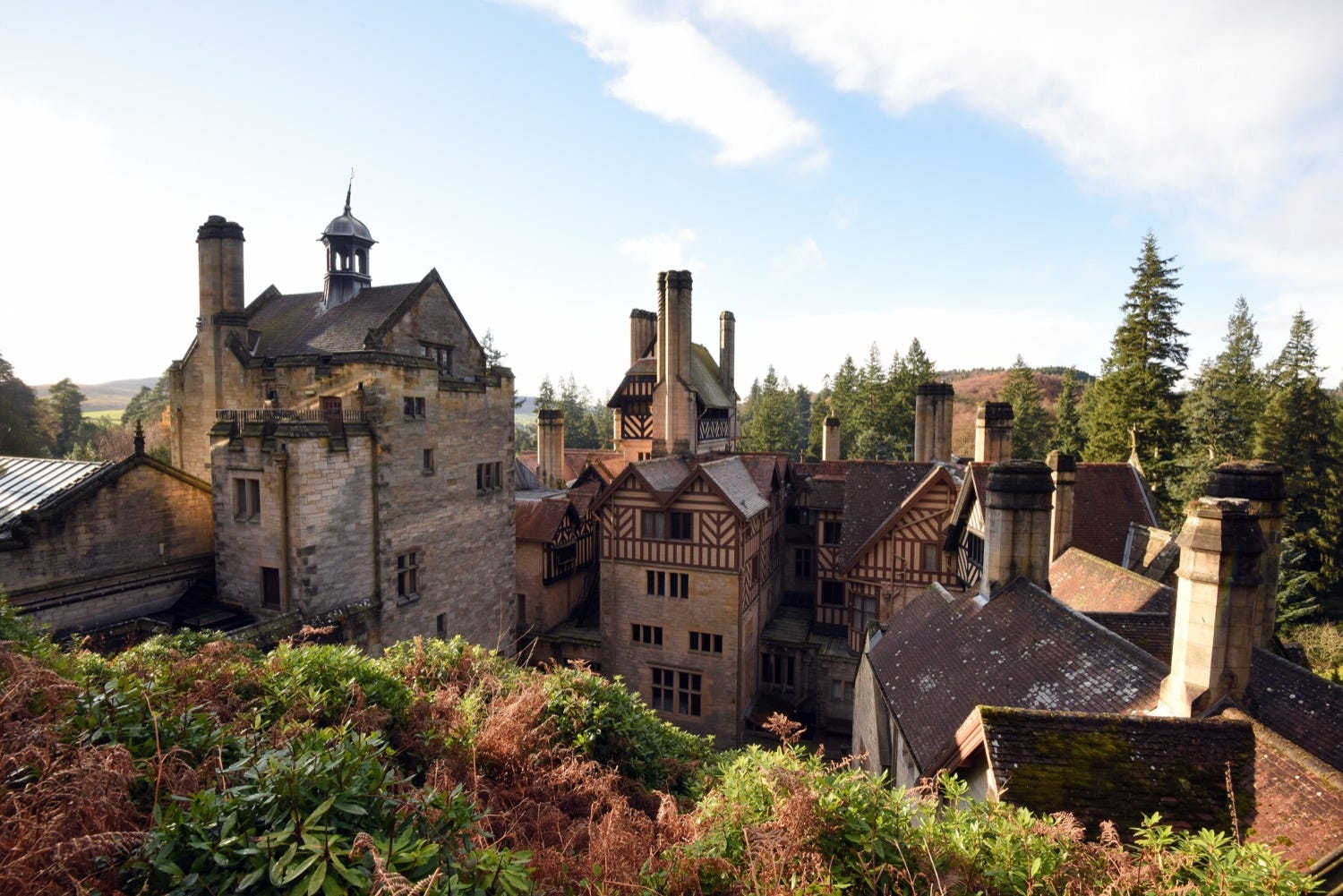
The project will have to accommodate a significant resident bat population, with all eight of Northumberland’s bat species calling Cragside their home – seven of which live in the many nooks and crannies in the eaves.
All bat species in the UK are legally protected, so it is critical that conservation repairs do not disturb them, especially during their breeding season. To safeguard the colony, works will pause between May and August to ensure project activities do not impact their breeding.
A scaffolding tunnel is now in place between the house archways to maintain safe access while works are carried out overhead. The extensive scaffold build will begin on April 13 and then take a bat break from May 1.
Work to the roof itself will start on August 3 for 10 weeks before pausing over the winter season. Cragside will be taking visitors behind the scenes through their online channels. Visit nationaltrust.org.uk/cragside.
The project has been funded by the National Trust and grants from the Wolfson Foundation and Sylvia Waddilove Charitable Trust.