


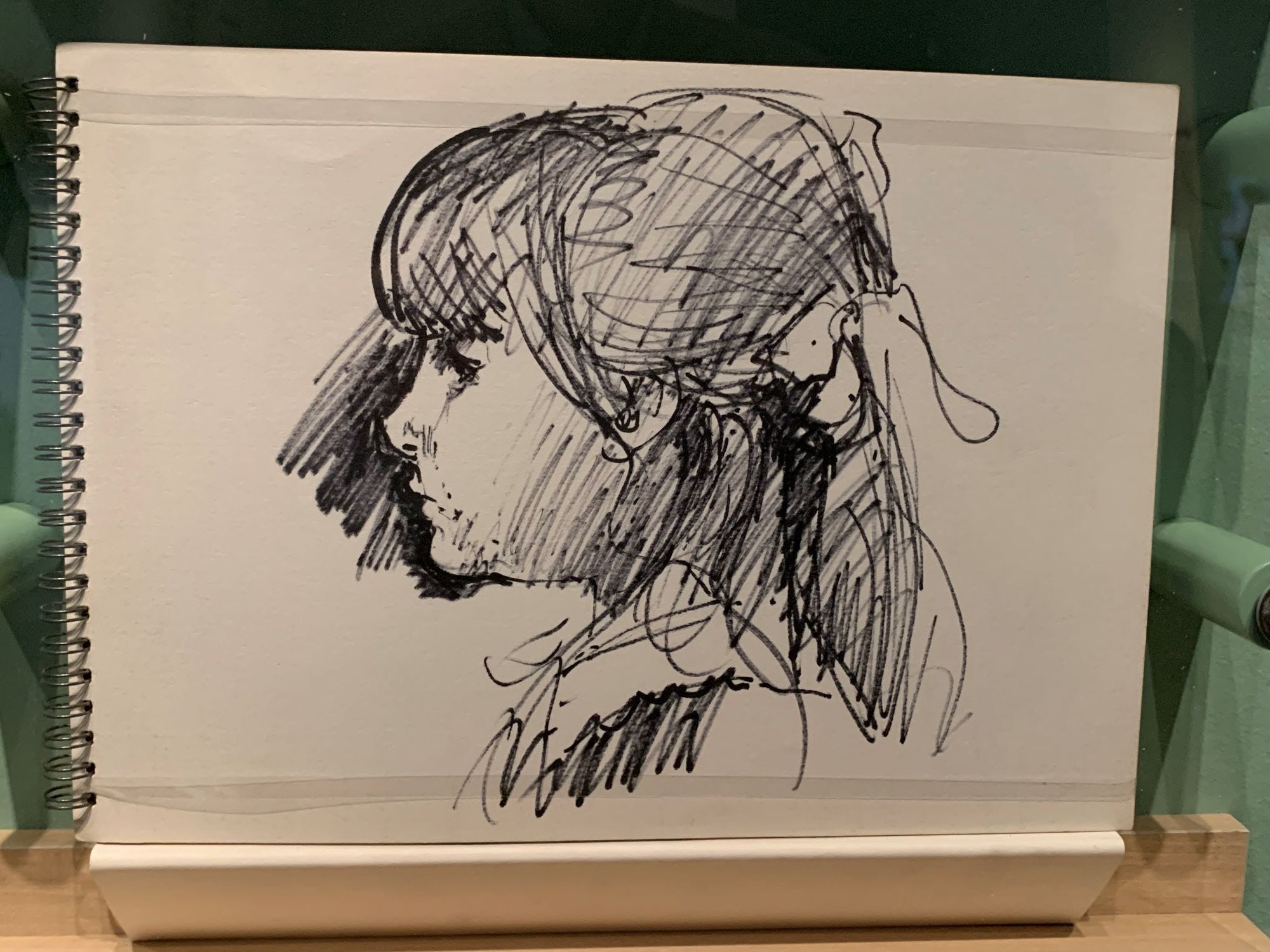
The deft hand of Norman Cornish is evident everywhere in the latest exhibition of his work at the Bowes Museum – as potent an attraction as that of the European masters with their gilt frames and fancy names.
Cornish, who found all the inspiration he needed along the road in Spennymoor, has a room of his own.
It could have been much bigger.
Vicky Sturrs, director of programmes and collections at the Bowes and one of those tasked with selecting work for Norman Cornish: A Life in Sketchbooks, said it had been a challenge, albeit an enjoyable one.
“We were struck by the sheer volume – 269 sketchbooks with about 30 or 40 pages in each. We’ve got about 60 on show and they’re so incredibly varied and beautiful.
“Norman always had a sketchbook with him. They were his constant companions.”
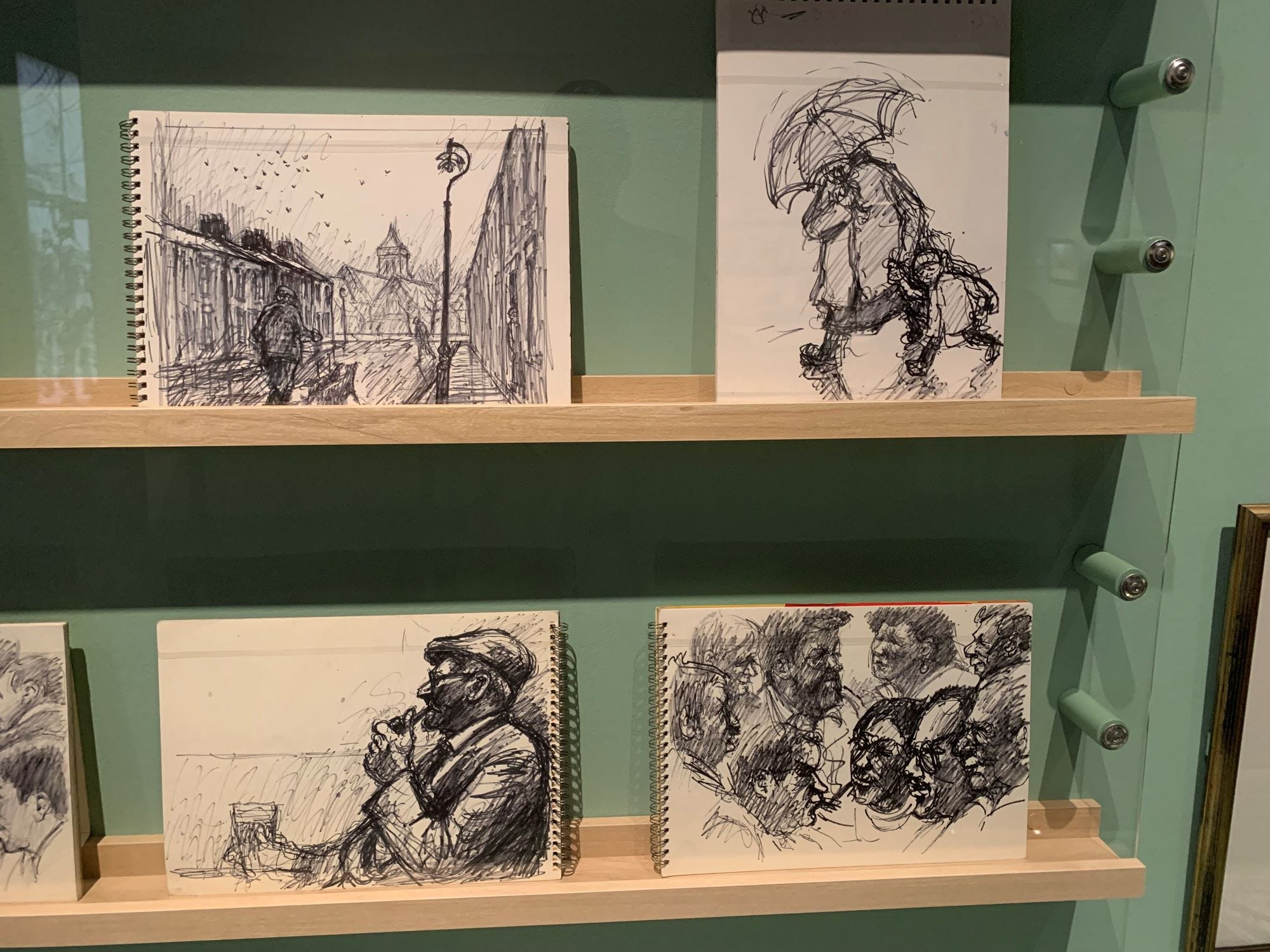
It was the sketchbooks, she said, which had really intrigued visitors to the last exhibition two years ago, Kith and Kinship, which had displayed the work of Norman and L.S. Lowry side by side.
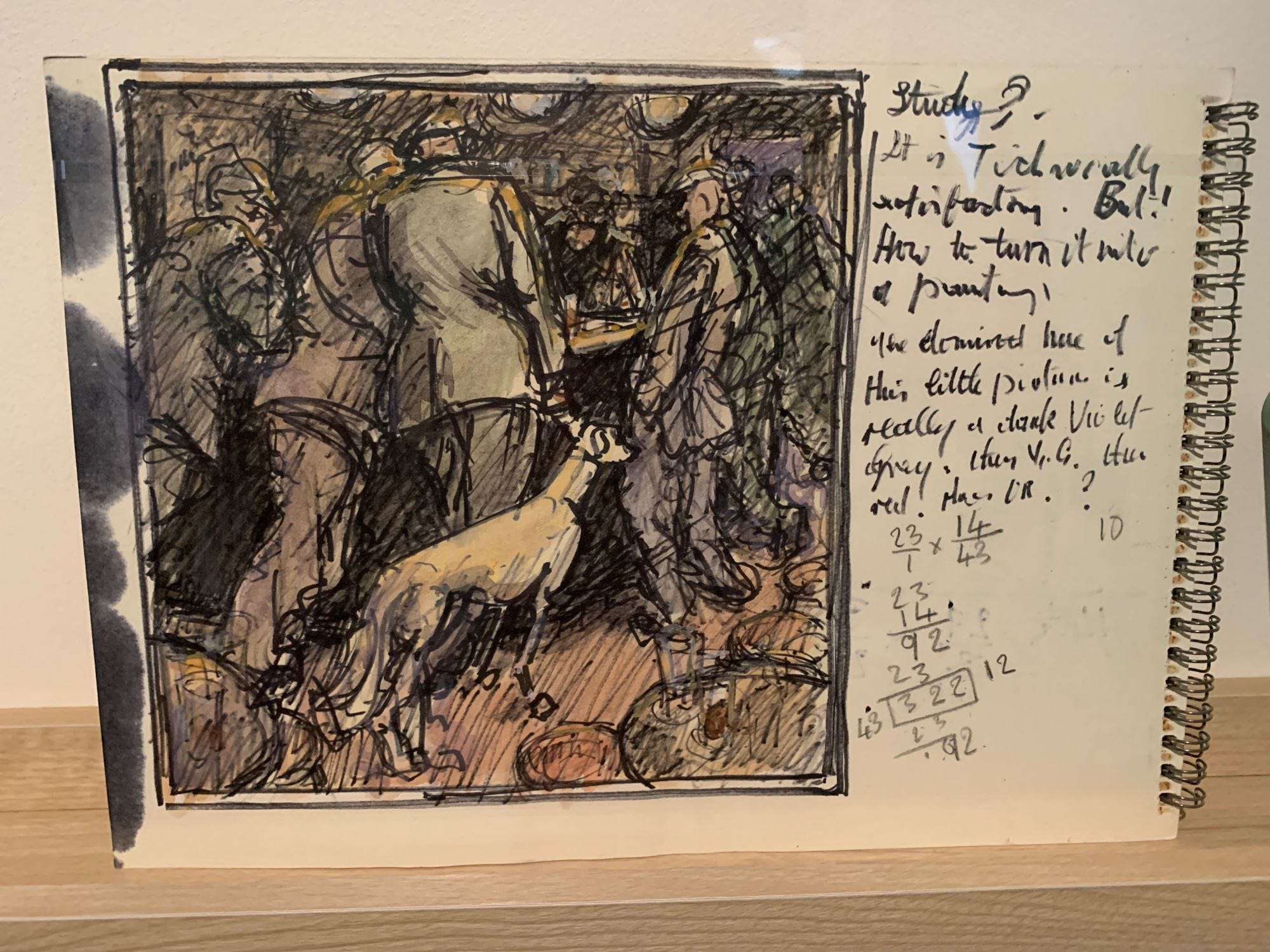
They showed how Norman explored his world and offered a glimpse of the preparatory work behind each framed painting.
To Vicky and her team they also gave occasional glimpses into Norman’s domestic life, since shopping lists would sometimes appear amid the artist’s ‘notes to self’ about colour and composition.
John Cornish, Norman’s son, remembered his father sketching with his favoured Flo-master felt tip pens.
“They were very special to him. The ink was indelible and dried very quickly. The speed was important because he liked to catch unguarded moments and people don’t stand still for long.
“I remember his pen would squeak when going across the page and then squeak differently when it changed direction so it would almost become a tune.
“The crescendo was when he was doing the shading.
“Then there was the smell of the solvent in the ink so as a child I’d hear a sketch and even smell it before I saw it.”
Norman Cornish is sometimes called a ‘pitman painter’ but he never liked the description. Vicky said he had been an artist far longer than he was a miner and John said you never hear Lowry referred to as a ‘rent collector painter’.
It’s a misleading description in any case. Norman may not have gone to art college but he was a naturally gifted artist who sketched and painted life as he saw it in the coalfield communities.
John Cornish said he liked an observation by broadcaster Norman Bragg, that Spennymoor might have been akin to a grain of sand but in it Norman saw the whole world.
It was a world that changed gradually around him throughout his long life (Norman died in 2014, aged 94). “That would be a white van man now,” said John, pointing out a man with a horse and cart.
Among the sketches are many character studies, often men in pubs with glasses and pipes, nonchalantly propping up bars or deep in conversation.
But Norman would paint members of his family, too – wife Sarah and their children, John and his sister, Ann.
Sometimes, said John, he would be asked to put on his father’s jacket and adopt a certain pose, just so Norman could get the hang of the fabric right.
It was something he couldn’t do in the pub or on the street where he preferred to be a discreet observer.
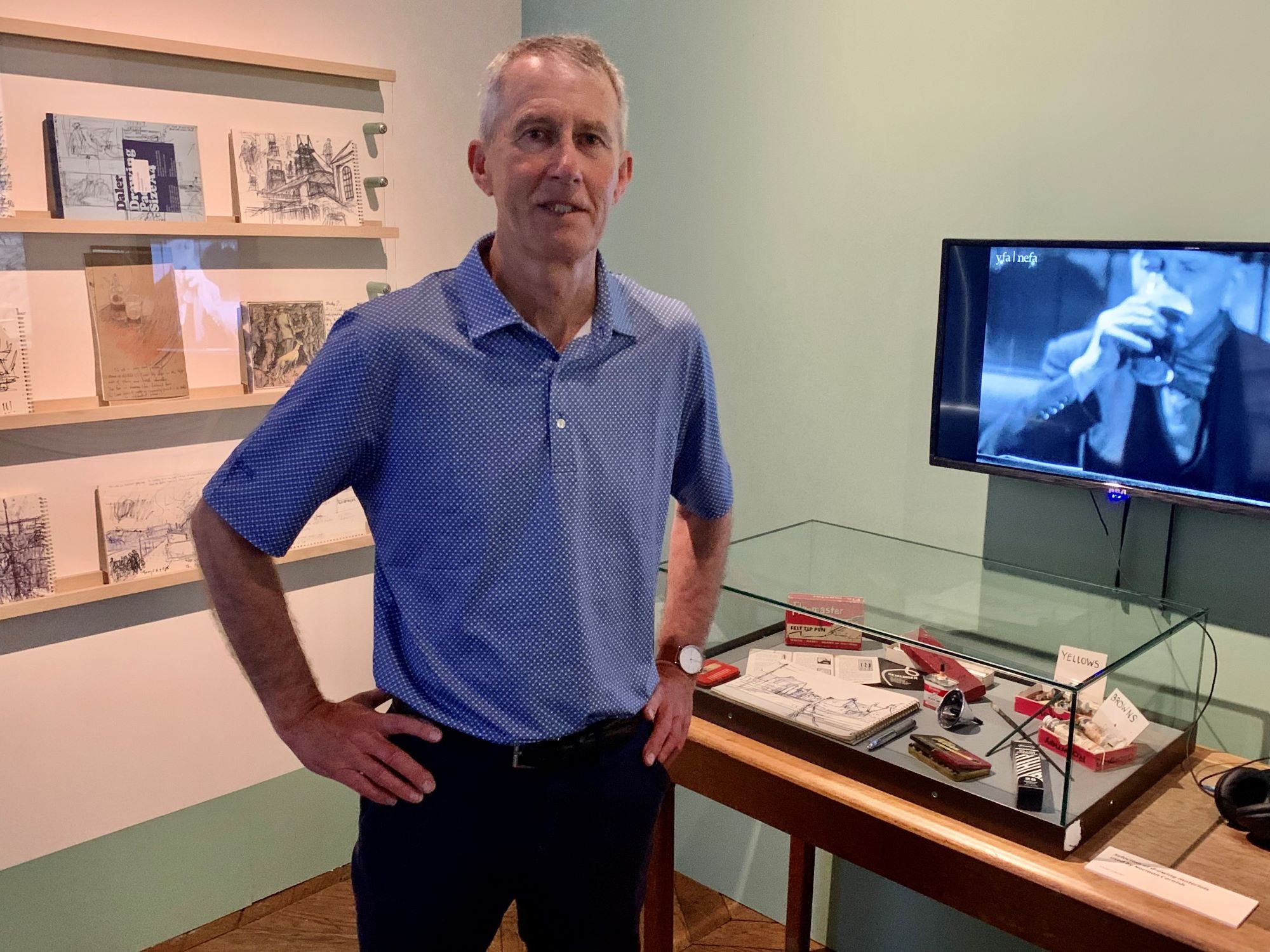
As well as the sketchbooks, the new exhibition has some archive footage – Norman out and about in his natural habitat – and there’s a newly commissioned film showing John and others reflecting on the man and his work.
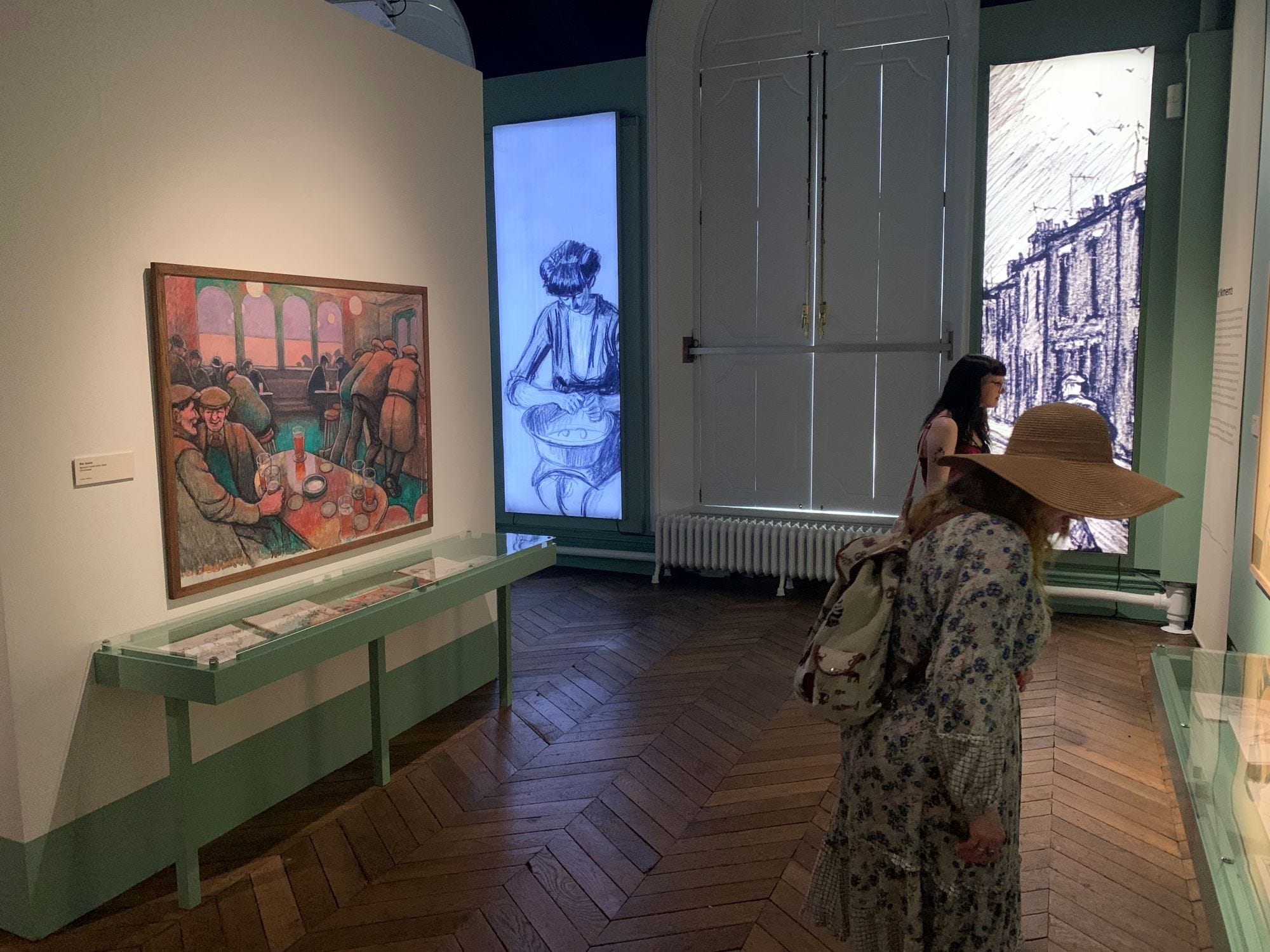
In a display case are some of the artist’s materials, including a box of the Flo-master pens from the 1950s.
Among the framed paintings, two in particular are notable.
One is a portrait of Sarah which the Bowes has acquired for its collection thanks to legacy funding from The Friends of the Bowes Museum.
It’s a tender and beautiful painting which has worked its magic on people over the years.
The title, typically descriptive and pragmatic, is Sarah Peeling Potatoes but John said an Australian admirer remarked on a website that it should really be called The Pitmen’s Madonna.
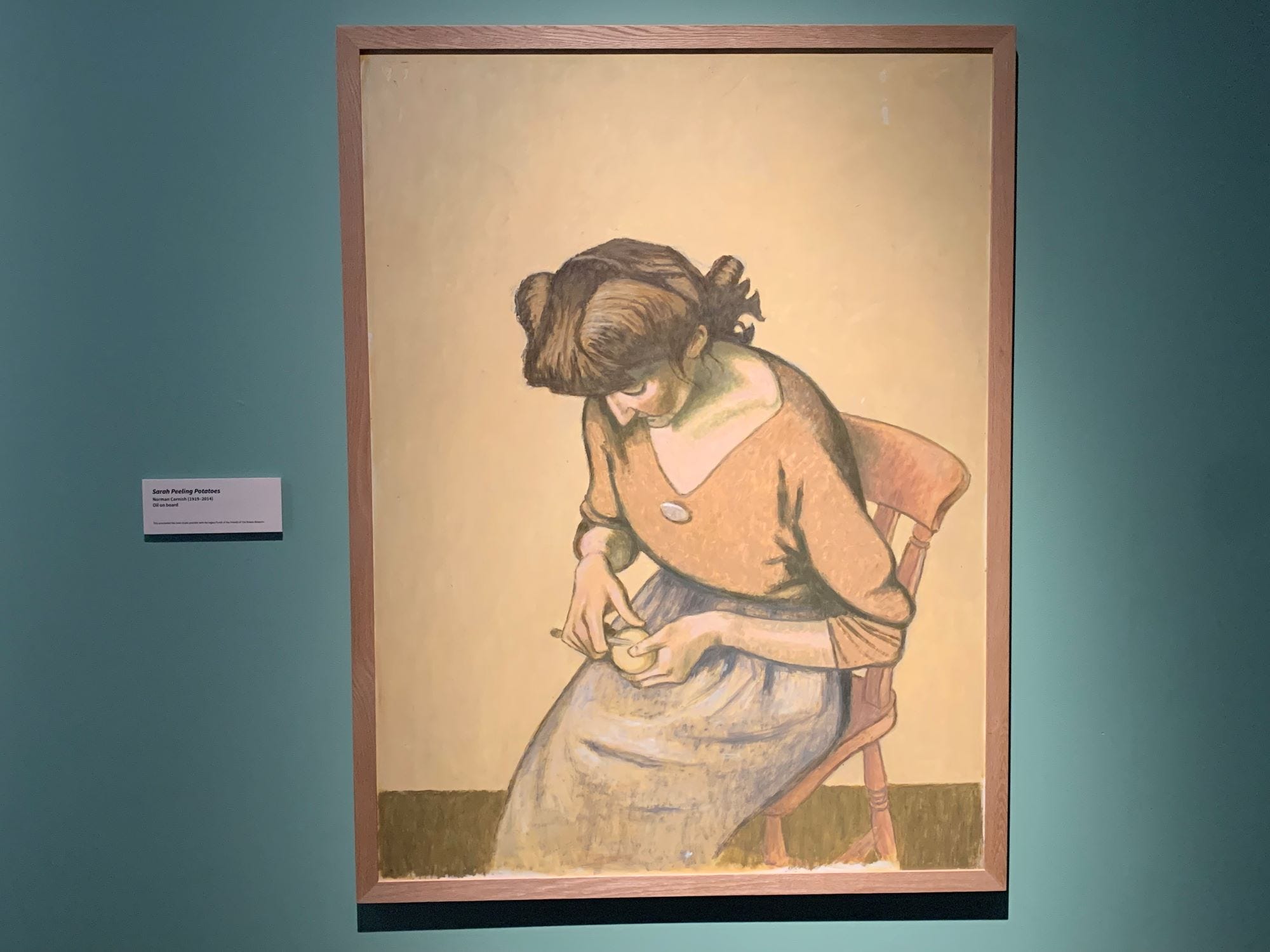
“The way she’s crouched over the potato and the reverence with which Norman sketched and then painted her makes it seem like an incredible tribute to Sarah and women like her,” said Vicky.
“We’re incredibly thrilled this is going to be part of the Bowes Museum collection.”
Once this exhibition is over it will take up permanent residence in one of the picture galleries, Sarah and her potato joining the throng of bewigged notables and Biblical figures immortalised in paint.
It might soon be joined by another since the Bowes is fundraising to buy the oil painting titled Slavin Street.
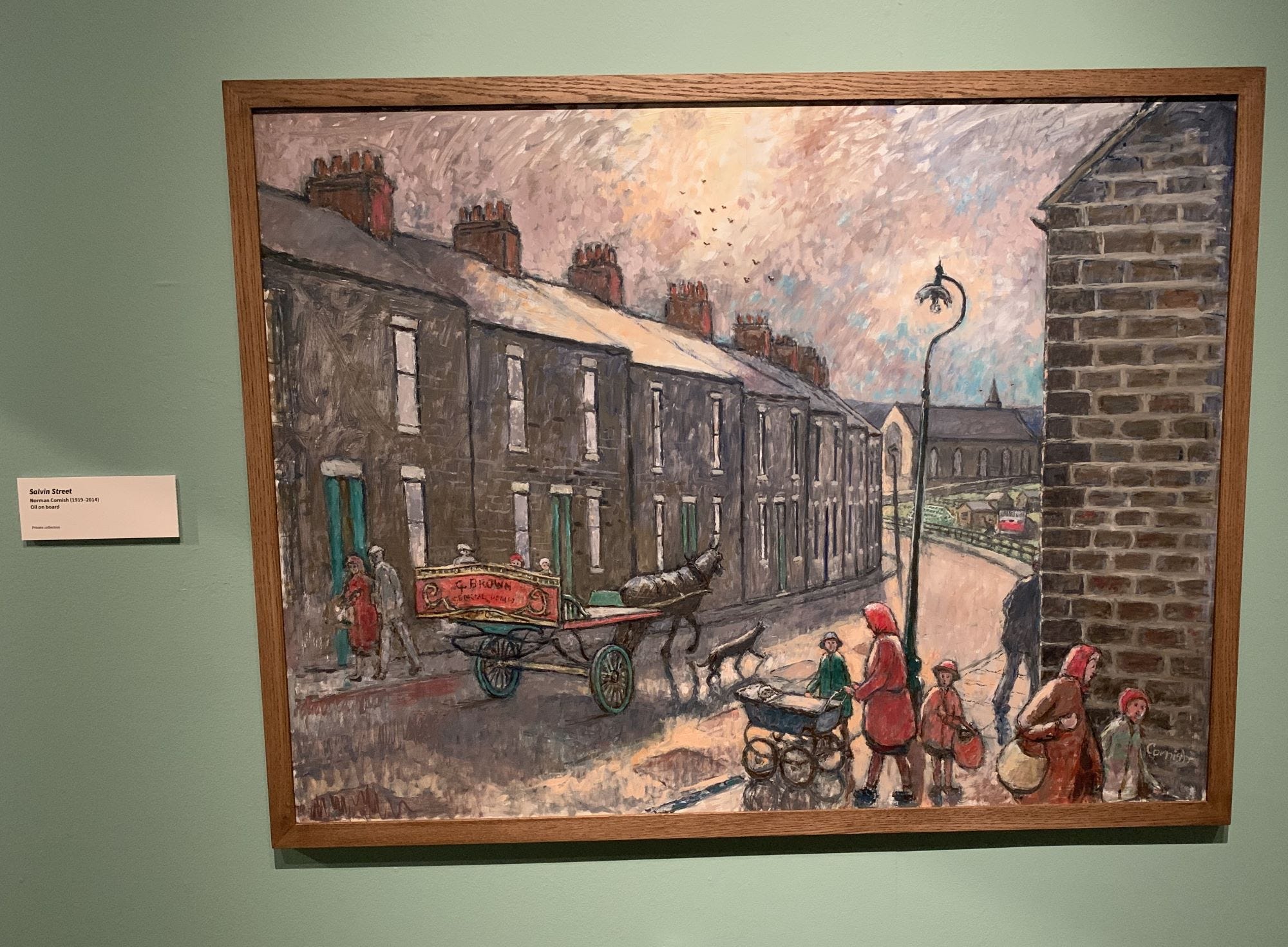
This is another popular Cornish work which depicts one of the bustling urban scenes he loved and which he infused with the colours that less astute observers might have failed to see.
John Cornish said his father, when required to say something at exhibition openings, was likely to mutter: “All I’ve got to say is hanging on these walls…” and leave it at that.
But he did once say, as recorded on one of these walls: “I would like my sketchbooks to have a life of their own and be of interest to people. I hope they are not cast aside and forgotten in some way.
“They should be available to the public to view and to teach people to look at things.”
The Cornish family and the Bowes Museum work hard to make that happen, as they have done in this absorbing exhibition which brings together material from many different sources.
Norman Cornish: A Life in Sketchbooks opens at The Bowes Museum on Saturday, June 27 and runs until January 3, 2027.