

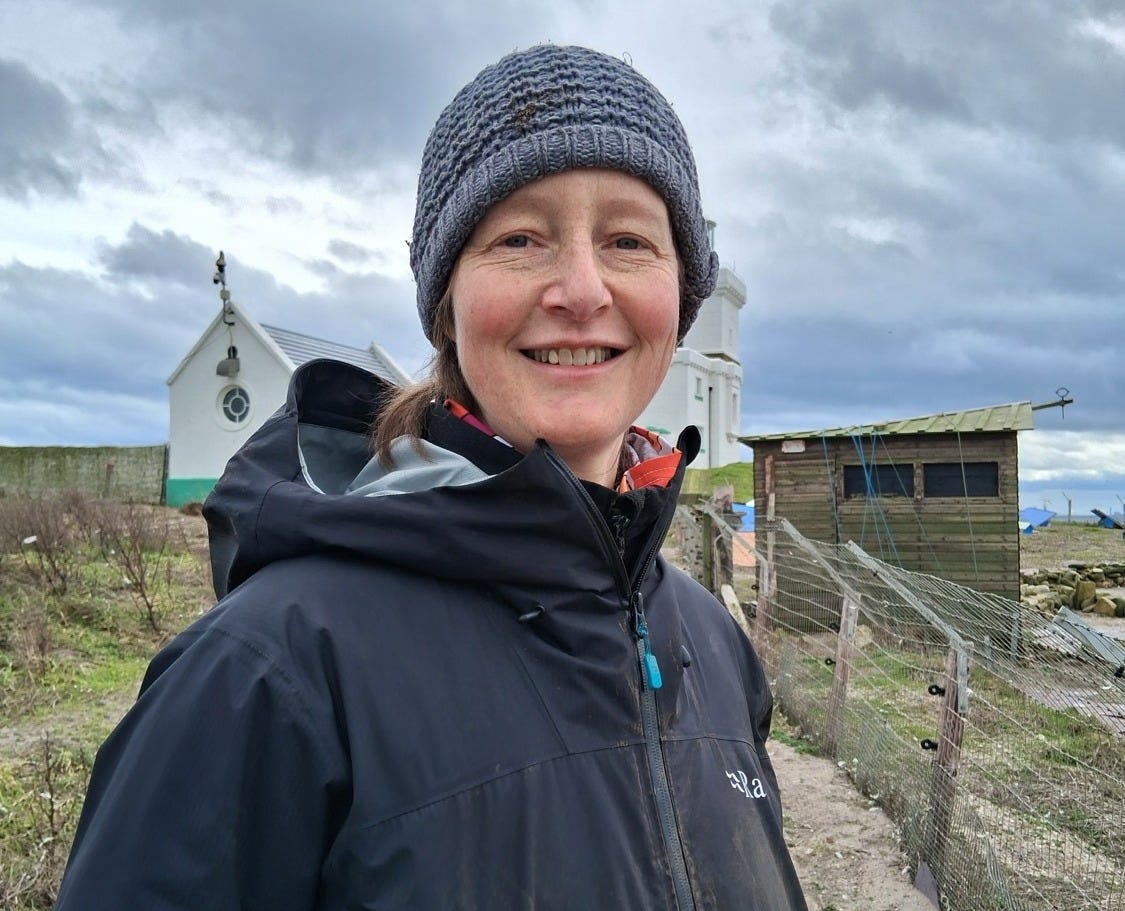
Conservation expert Sarah Dalrymple has island-hopped her way back home to her native North East.
Her latest job in 22 years of working in the conservation field has seen her become the first female reserve manager of the RSPB’s Coquet Island off Amble in Northumberland.
Marine biology graduate Sarah, originally from Heaton in Newcastle, has a taste for island life.
Her career has included working on Lundy Island off the coast of North Devon, where the Atlantic Ocean meets the Bristol Channel. The granite outcrop, three miles long and half a mile wide, is owned by the National Trust and the Landmark Trust.
Another post was on Skokholm Island off Pembrokeshire. The island is half a mile across at its widest point and a mile in length and, in the warmer months, is colonised by tens of thousands of nesting seabirds.
She also spent seven years in conservation work on South Walney Island off Cumbria. The island’s northern and southern areas are both nature reserves.
“I’m very proud of the North East and for someone who loves seabirds, Coquet Island is the crown jewel. It’s brilliant and a dream come true.
“I can’t imagine not living and working by the sea. Northumberland’s coastline is incredibly special, and to be able to work here feels like a real privilege.”
Sarah began volunteering in conservation as a teenager and worked as a ranger, camping during the summer months at Long Nanny on Beadnell Bay in Northumberland to guard little tern and Arctic tern beach nests.
Her wanderings have also included a project tracking the locations of brown bears in Greece and a job at Rockcliffe Marsh in the Upper Solway saltmarshes in Cumbria, which is the location for a significant gull colony.
Coquet Island is one of Europe’s most important seabird sites, protected by intensive wardening throughout the breeding season. Sarah leads an island team of warden Rebekah Goodwill and two seasonal assistant wardens, supported by around 30 local volunteers who help prepare and maintain the nature reserve each year.
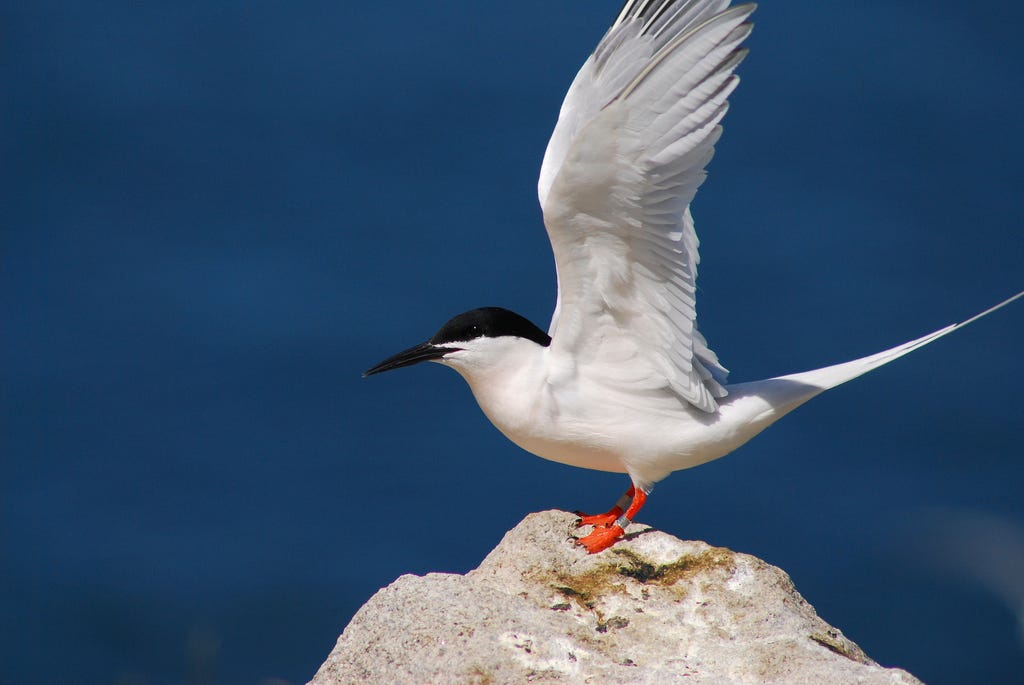
The island is home to around 45,000 breeding seabirds and is the only roseate tern colony in the UK. It also supports breeding puffins, common, Arctic and sandwich terns, eiders, razorbills, fulmars, kittiwakes, and herring, lesser black-backed and black-headed gulls.
“Preparation for the breeding season is in full swing, and I cannot wait to see what this season brings. Hopefully, it will be a good year for the birds that call Coquet Island home,” said Sarah.
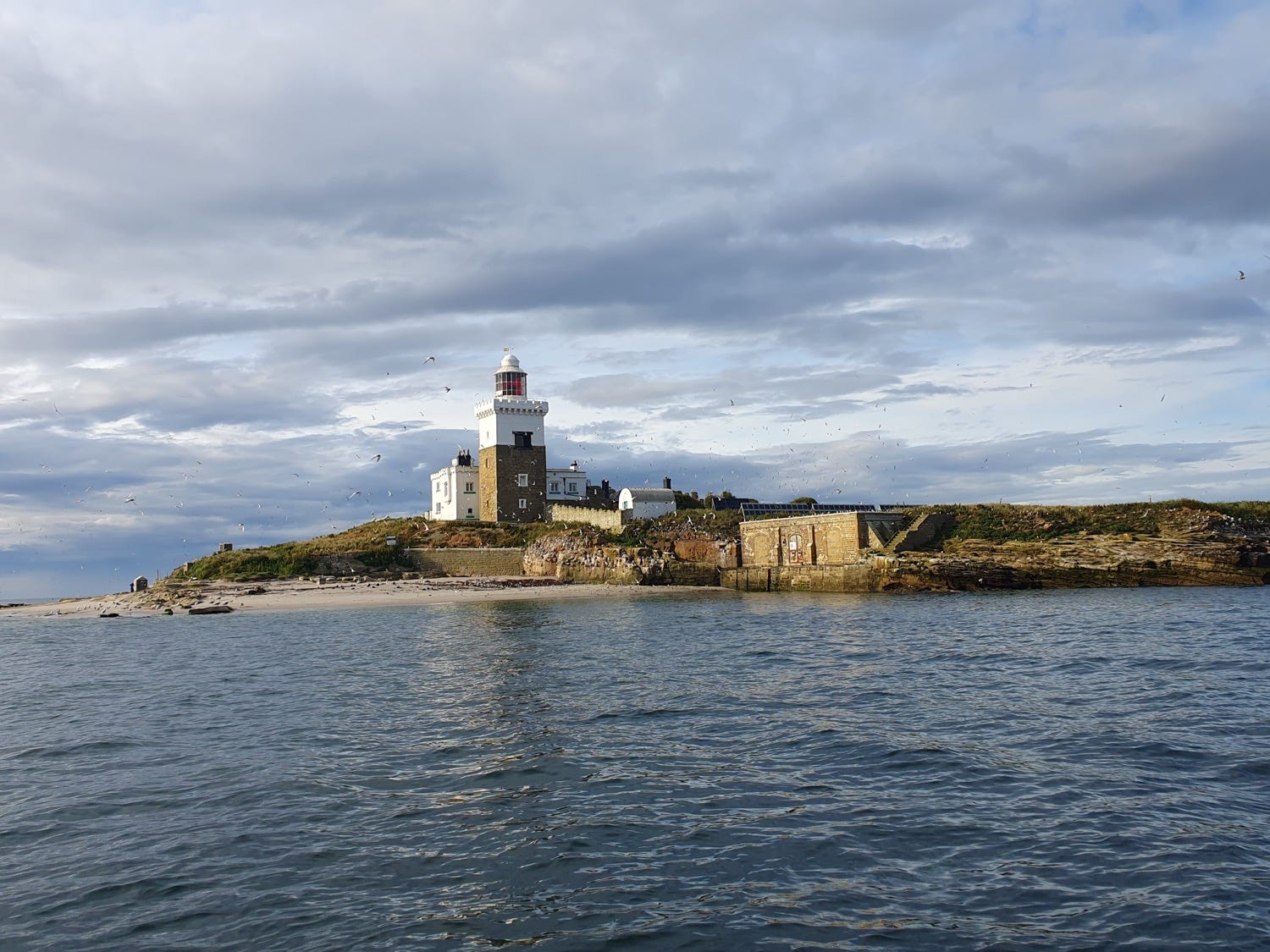
Staff accommodation is in former lighthouse keeper cottages built in the 1800s, on foundations that date back over a thousand years.
The most recent figures show that the roseate tern colony recorded 144 pairs in 2025, which was its third highest number; puffins were up 6% to 18,704 breeding pairs last year; sandwich terns were at a record high with 2,282 pairs; common terns increased to 536 pairs and razorbills recorded their first confirmed fledging.
“Seeing these figures gives us real hope,” said Sarah. “After the challenges of the last few years, it’s incredibly encouraging to see species showing resilience. Maintaining Coquet as a safe sanctuary, free from mammalian predators and with high-quality nesting habitat, is absolutely key.
“My ambition is to build on the decades of conservation work that have made Coquet such an important sanctuary and ensure it remains a safe haven for seabirds.
“I hope I can inspire other young women to get into conservation too. If you have the interest, anyone can turn their passion into a career.”