


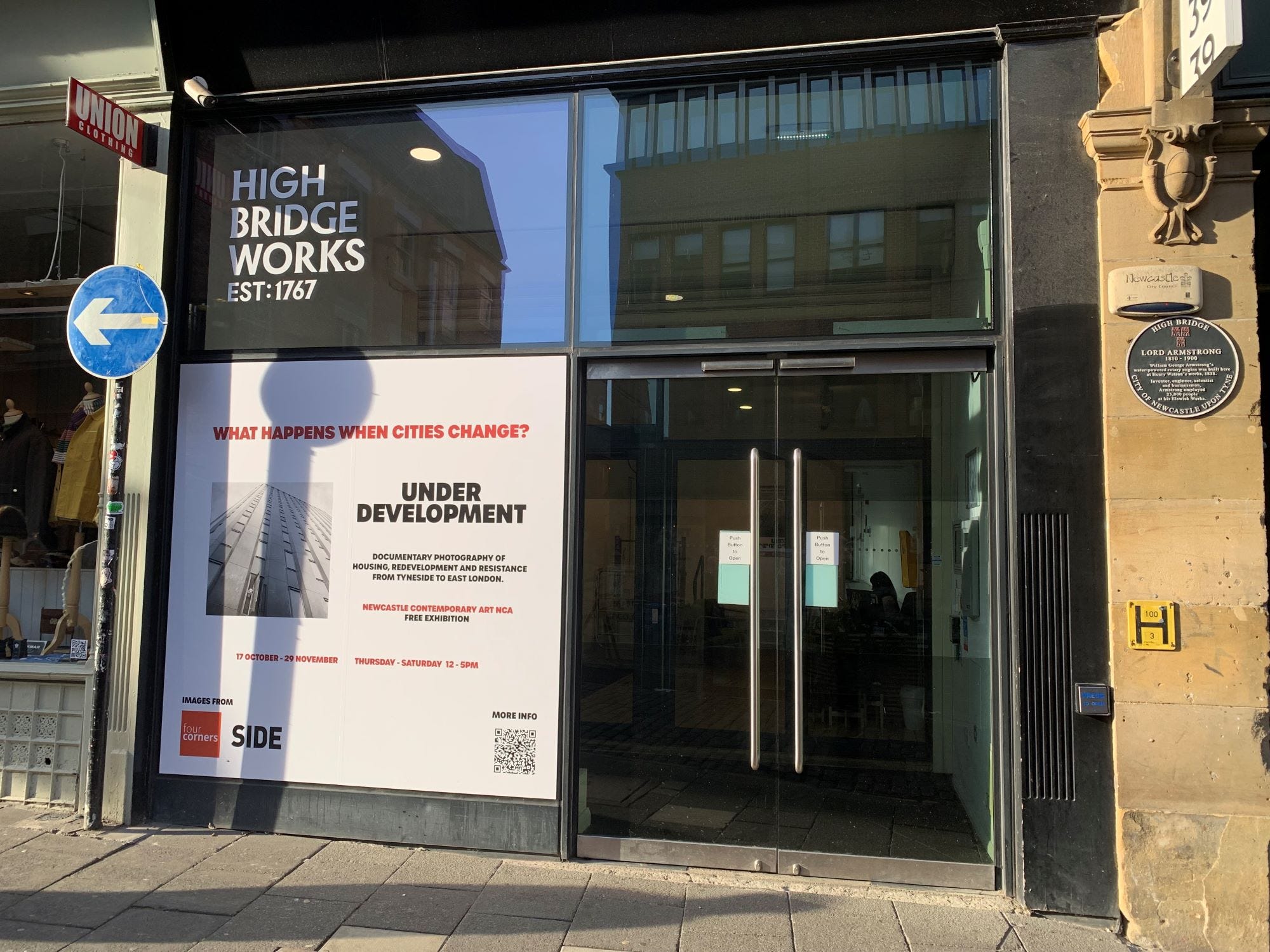
The latest exhibition at Newcastle Contemporary Art is called Under Development and it poses the question: What happens when cities change?
There are many answers, of course.
A survey done in Newcastle in 1963 found that 28,820 households had no bath, 4,350 had no kitchen sink and 2,840 had no internal water supply.
That’s within my lifetime and worth bearing in mind next time you hear someone say Britain is “broken”.
It might not be perfect but in Newcastle, at least, some things have changed for the better.
The exhibition will spark memories for some and be an eye-opener for other, perhaps younger visitors.
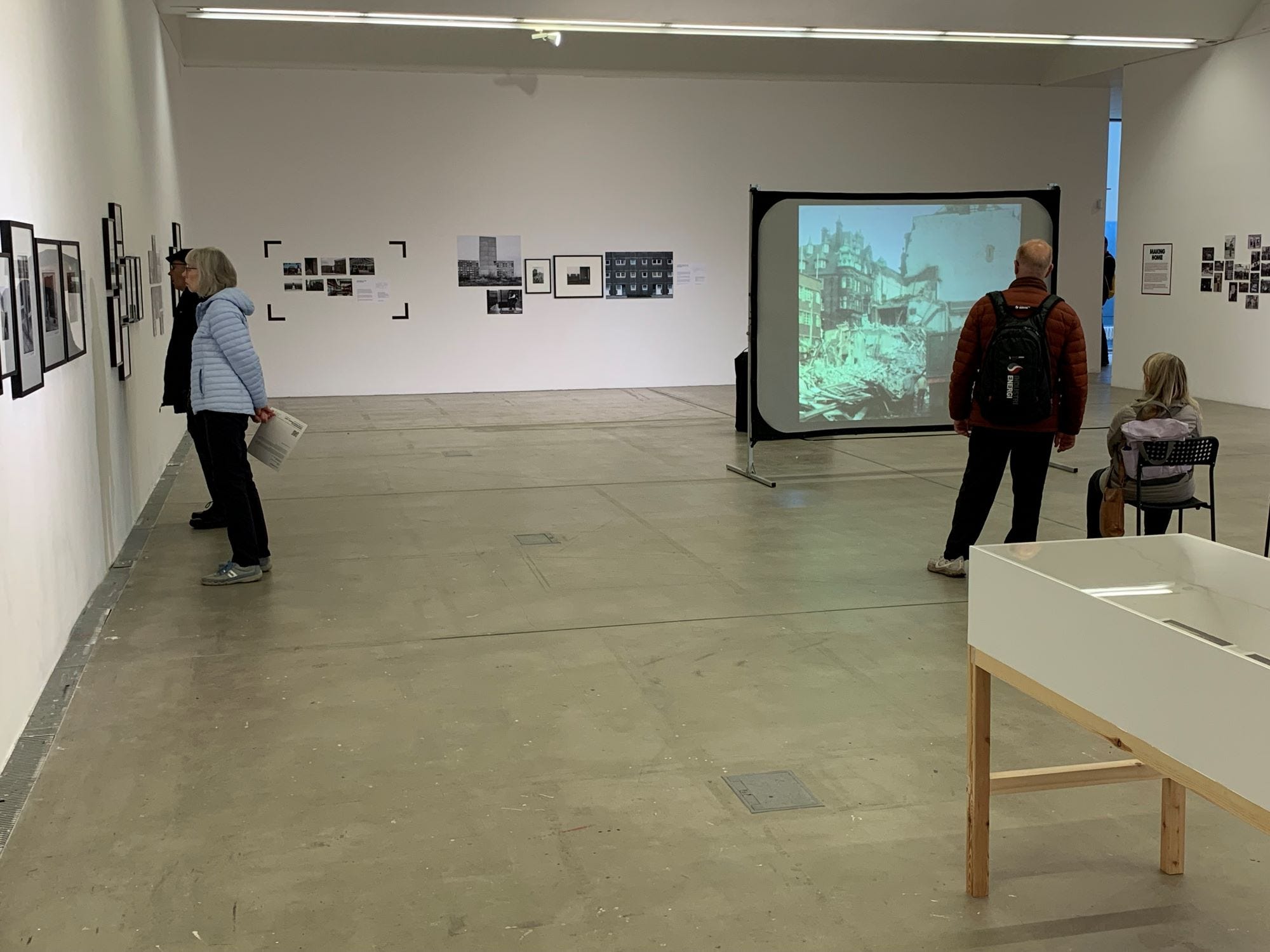
It brings together photos from the AmberSide Collection, reflecting the work of Newcastle’s Amber Film & Photography Collective, and the Four Corners Archive, rooted in the radical photography and film movements of East London.
It’s an absorbing reminder that flux is the natural civic condition.
For years Geordies have been returning misty-eyed to Newcastle, relieved to be back on familiar territory. But what they return to is never exactly the same as what they left behind.
Film footage shows how the Ouseburn Valley used to look before it was turned from decaying industrial relic to cultural hotspot. It’s a landscape of trucks, bulldozers and rubble viewed through a cloud of dust.
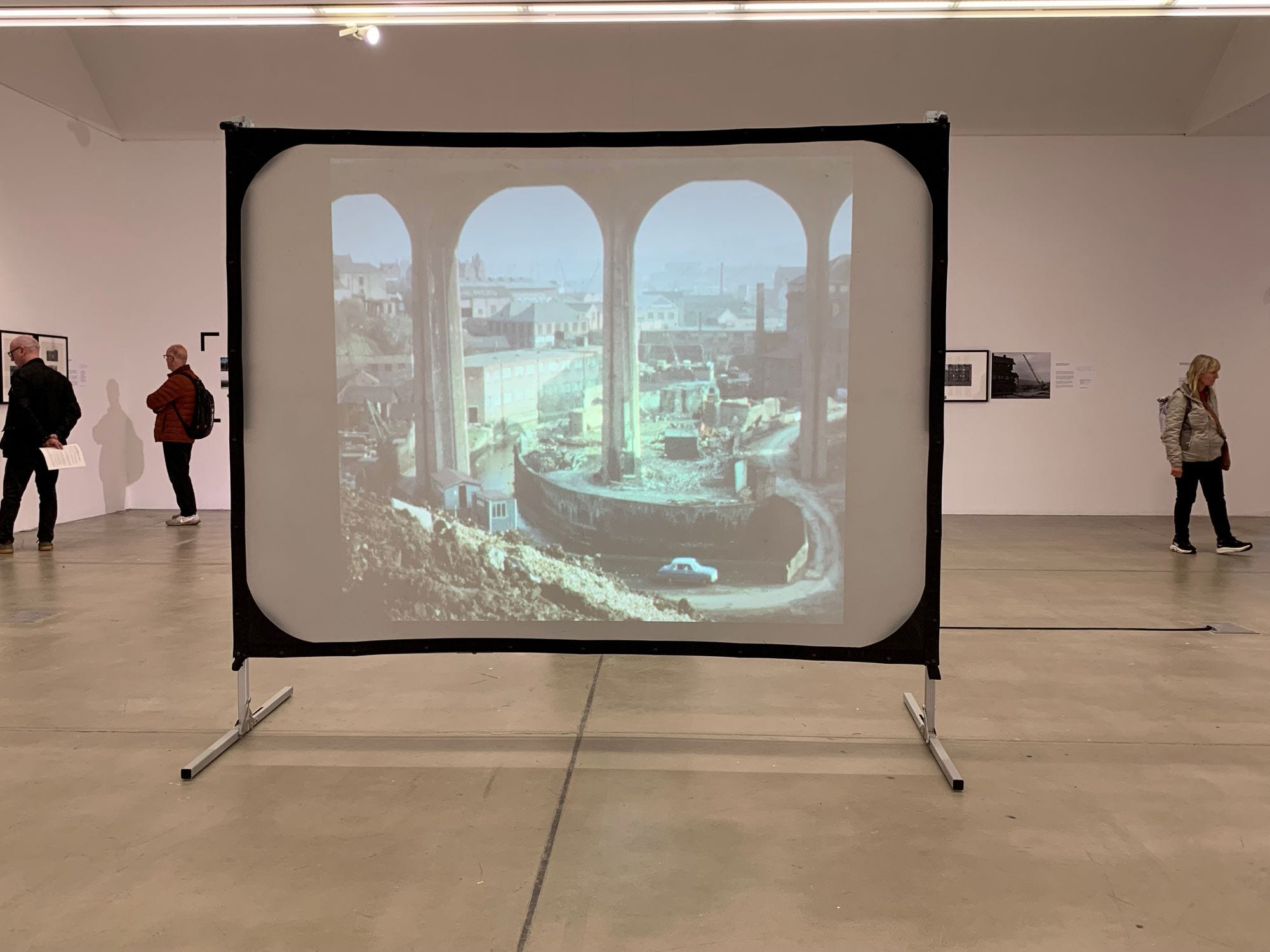
You’ll see guys standing precariously as they engage in demolition work above the Quayside with little regard for health or safety.
In one sequence, from the early 1970s probably, a man in a cap with a pipe between his teeth works alongside another with longish hair and the hint of a flare about his jeans.
Representatives of the older and the younger generations, you’ll think – yet the latter will now have become the former. Time moves on, the city constantly under development and yet somehow still the same, familiar place.
There in the Bigg Market you’ll see the Victorian town hall before it was demolished in 1973, to be replaced by a nondescript mess of buildings whose purpose you’ll probably struggle to recall.
Nowadays, you’d like to think, merit might be found in the old municipal edifice, its character earning it a listing and a search for alternative use.
That, though, didn’t help the old Odeon Cinema, de-listed and demolished along with Commercial Union House next door, to be replaced by the vast new office block, 1 Pilgrim Place, designed to accommodate civil servants from the Department for Work and Pensions.
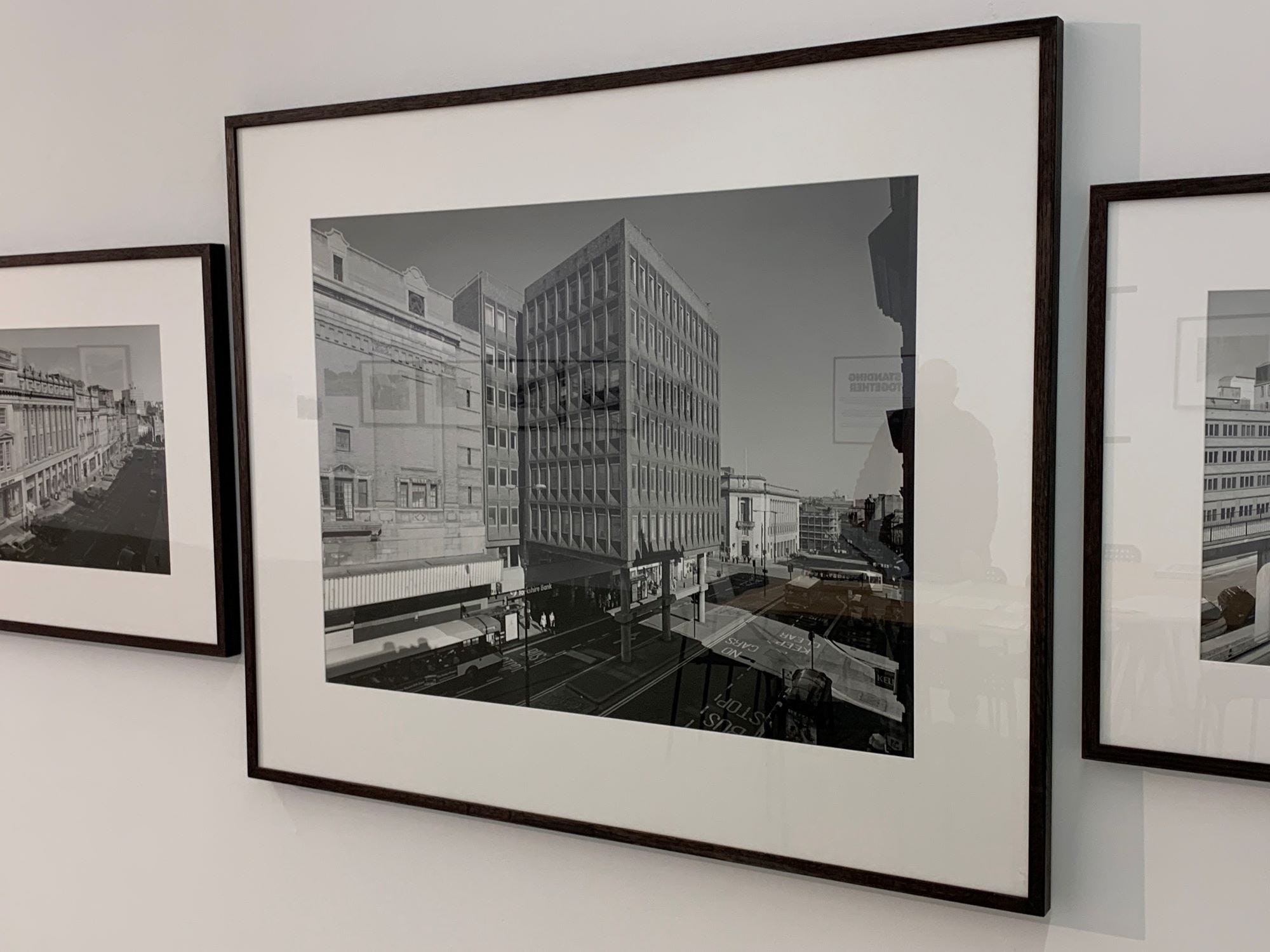
There are evocative photographs by Sirkka-Liisa Kontinnen, who documented the last days of the old Byker terraces, and Jimmy Forsyth who took up photography after losing an eye and trudged up and down Scotswood Road before the houses, pubs and many of the people disappeared.
Jimmy saw and photographed the demolition of the Noble Street flats, as did Chris Killip and T. J. Ermel.
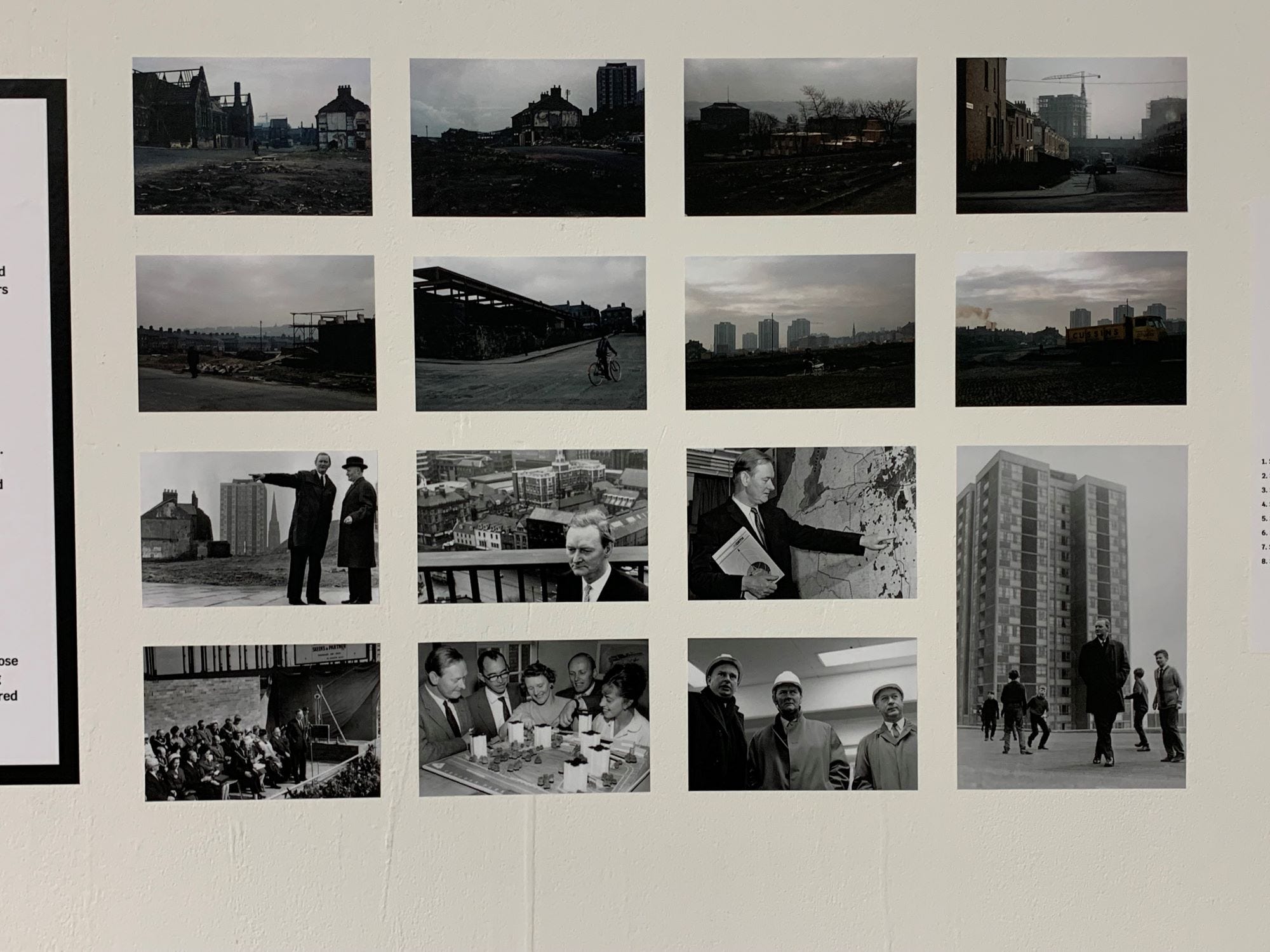
They were built – cheaply - between 1956 and 1960, 19 blocks of them to rehouse families from other, older places in Benwell, and demolished not much more than 20 years later, as you’ll see here.
The exhibition makes the point that, once again, housing is a live political issue, although when wasn’t it?
There’s a visual reminder of T. Dan Smith, who gloried in the nickname ‘Mr Newcastle’ as leader of Newcastle City Council from 1958-65 but sensationally fell from grace, convicted and imprisoned on corruption charges.
High rise housing and urban motorways were part of his vision for the future and we live with the consequence, for good or bad.
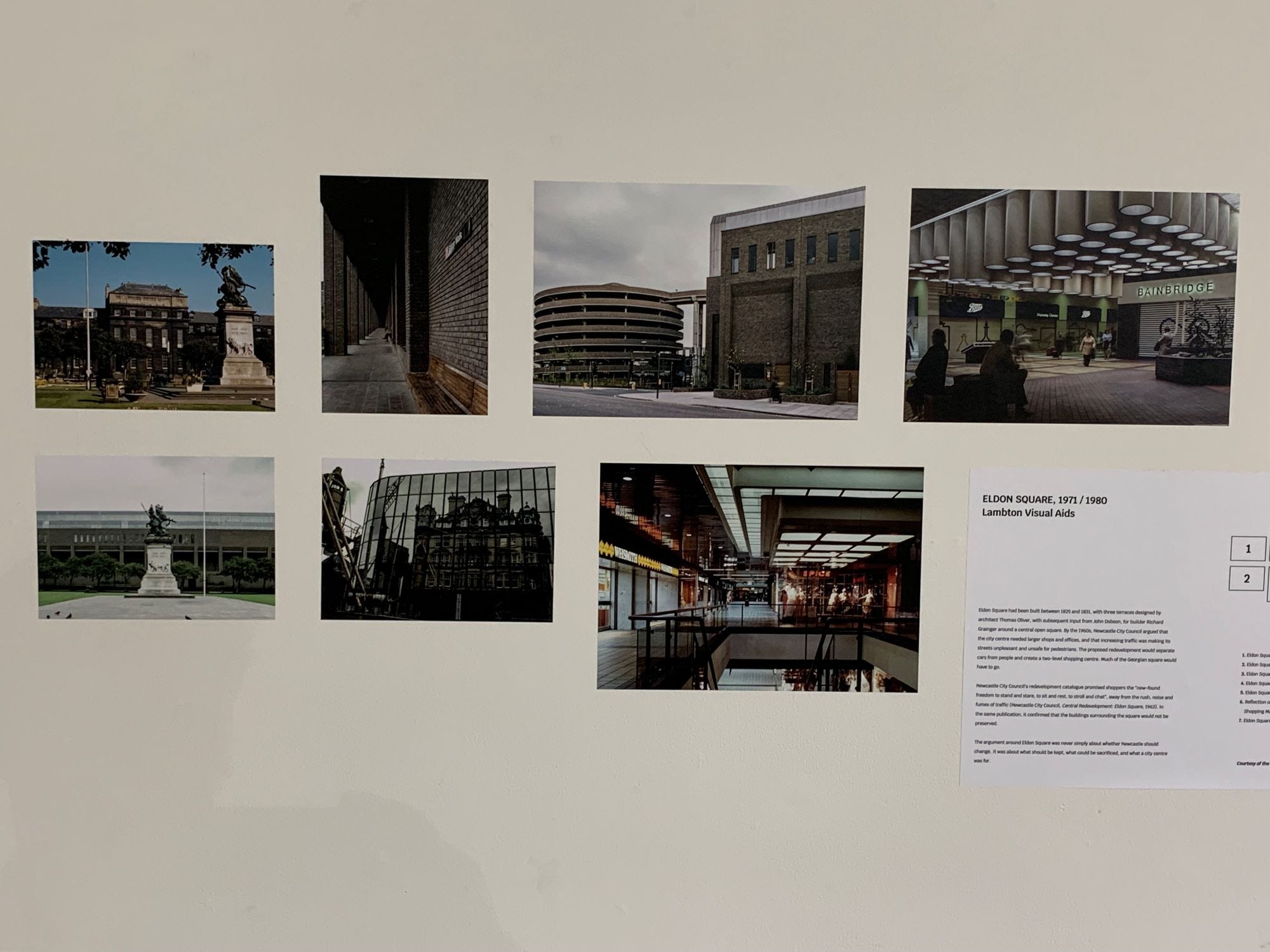
Eldon Square figures in the exhibition, too, the shiny new shopping centre and the historic terraces that were controversially demolished to accommodate it.
Similar things were happening in the part of London documented by the East End photographers, old buildings making way for new and incoming communities replacing others.
Many of the photos here are a reminder that when the North East casts grudging eyes on the South East, there are pockets of deprivation in the capital to match – or even exceed – what this part of the world has seen.
While things might be nowhere near perfect now, it would be nice to think things have improved dramatically for people with disabilities.
Cities have always favoured the fittest but seven years before the Disability Discrimination Art came into force in 1995, Amber photographer Richard Grassick worked with a North Tyneside man called Steve Burns on a documentary project he called Look Me in the Eye.
Steve, paralysed at the age of 22 when an abscess damaged his spinal cord, needed a wheelchair to get about.
One startling photo shows him ascending an escalator in the wheelchair, gripping the moving handrails firmly.
“I don’t need any help” he told Grassick defiantly. “I don’t need patronising. I can do a lot for myself.”
It’s compassion rather than patronising, surely, which means the needs of disabled people are enshrined in law when new developments are planned?
Newcastle Contemporary Art, previously known as Baltic 39, has itself seen a lot of changes.
It’s on the 4th floor (there is a lift) of High Bridge Works, 31-39 High Bridge.
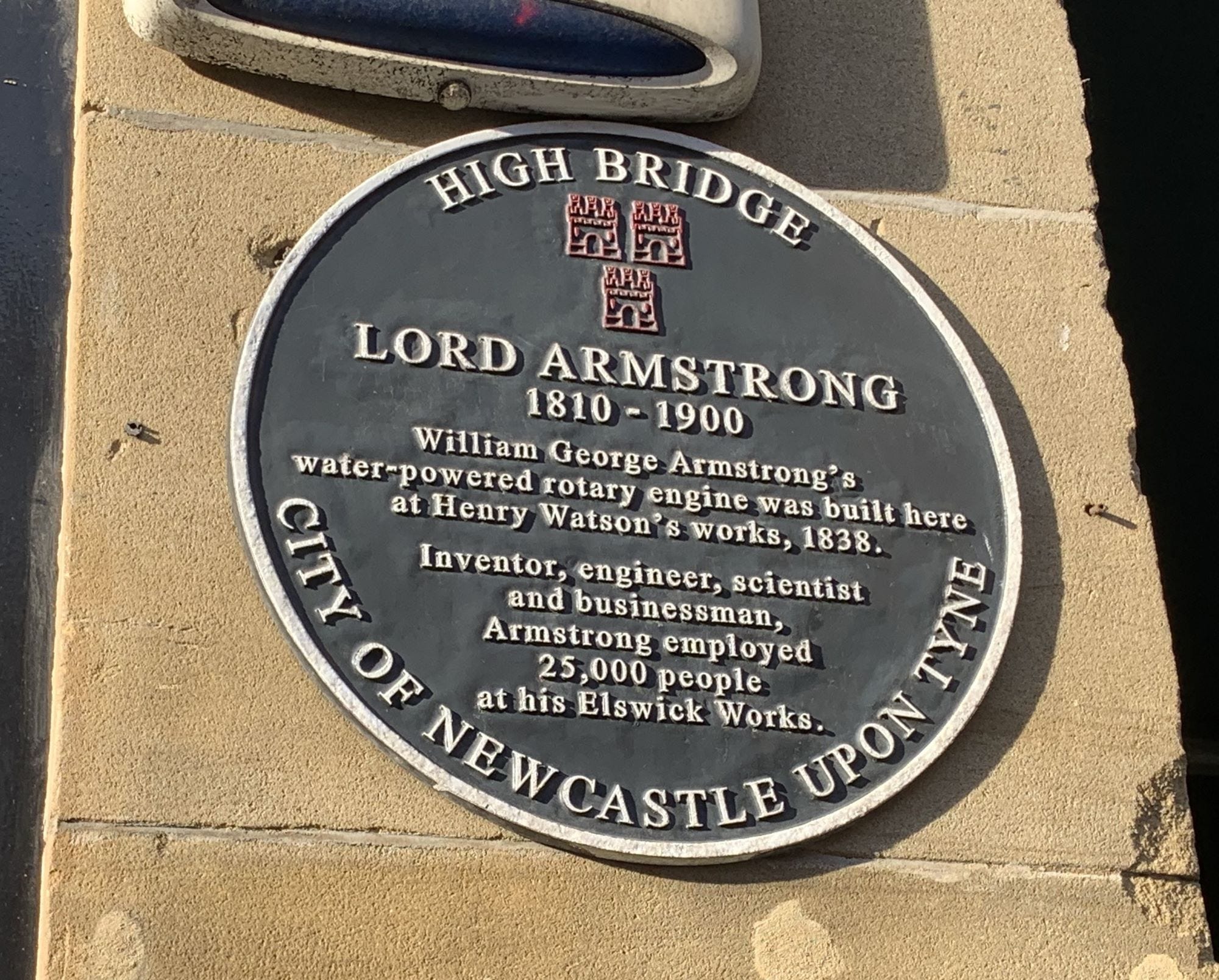
A plaque outside records that Lord Armstrong built his water-powered rotary engine here in 1838 while information boards inside relate a fascinating history of innovation, industry and creativity dating back to 1767.
Under Development runs until November 29. Newcastle Contemporary Art opens Thursday to Saturday, 12 noon to 5pm. Find details on the website.