


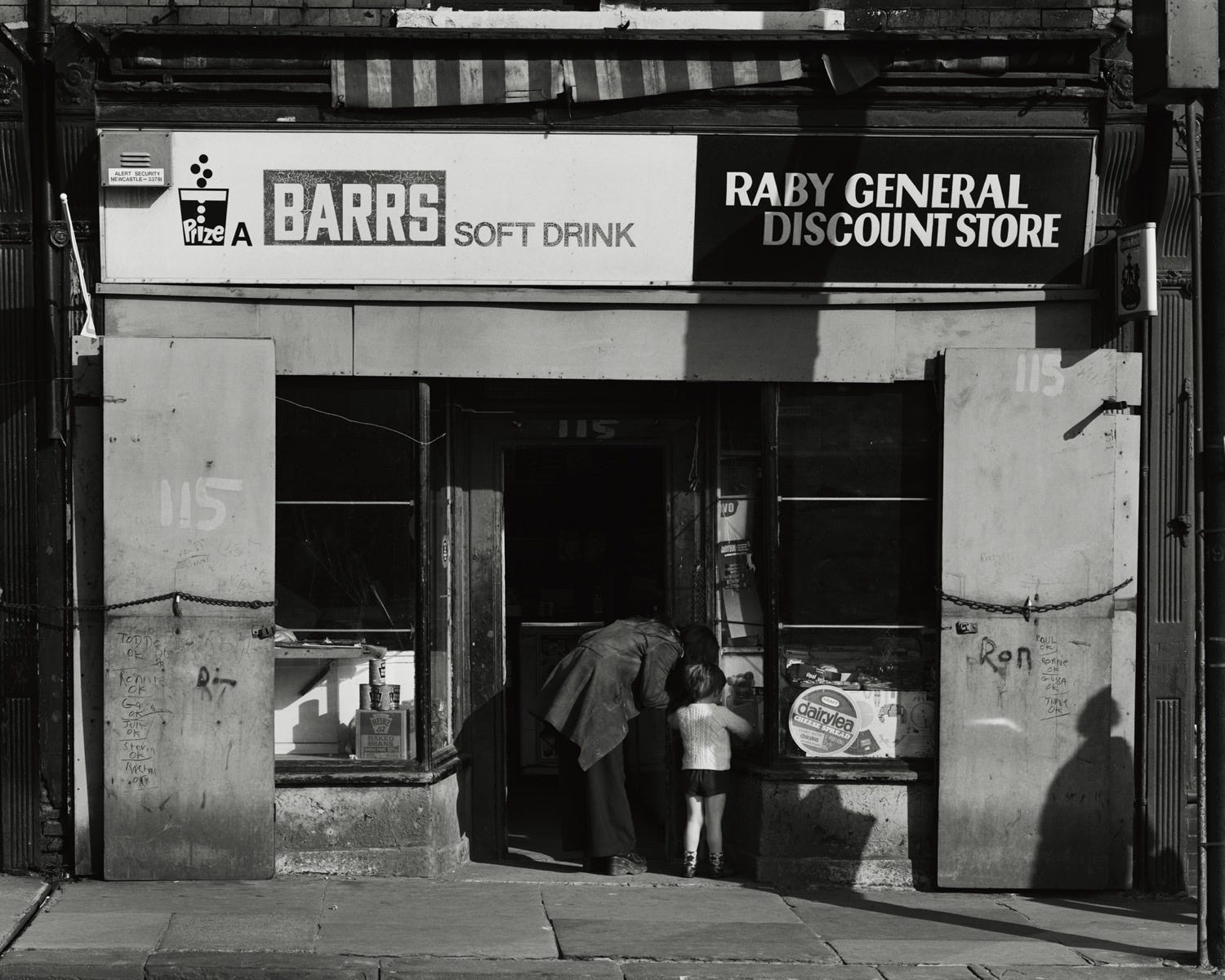
It was a time when the industrial and social landscape of the North East seemed to change in the blink of an eye as shipyards, mines and big factories vanished and terraced rows of communities were demolished.
There to capture it was photographer Chris Killip, recording the last years and later what remained, in terms of people and places, of what he himself called “another country”.
His images were often powerfully bleak. A picture of the demolition of swathes of Bensham Bank in Gateshead looks like a scene from the end of the Second World War.
They filled his 50-image book In Flagrante, published in 1988, which propelled him to national prominence.
Killip died in 2020, aged 74. Now a new book, Chris Killip: North, has been published by Thames & Hudson, in a fresh interpretation of the photographer’s work between 1975 and 1986, featuring many previously unpublished pictures.
From the demise of the shipyards to the miners’ strike, Chris Killip’s lens captures the upheaval, the divisions and communities.
The book is edited by Mark Holborn and produced with exclusive access to Killip’s archive.
Killip himself stated: “I wanted to record people’s lives because I valued them. I wanted them to be remembered.”
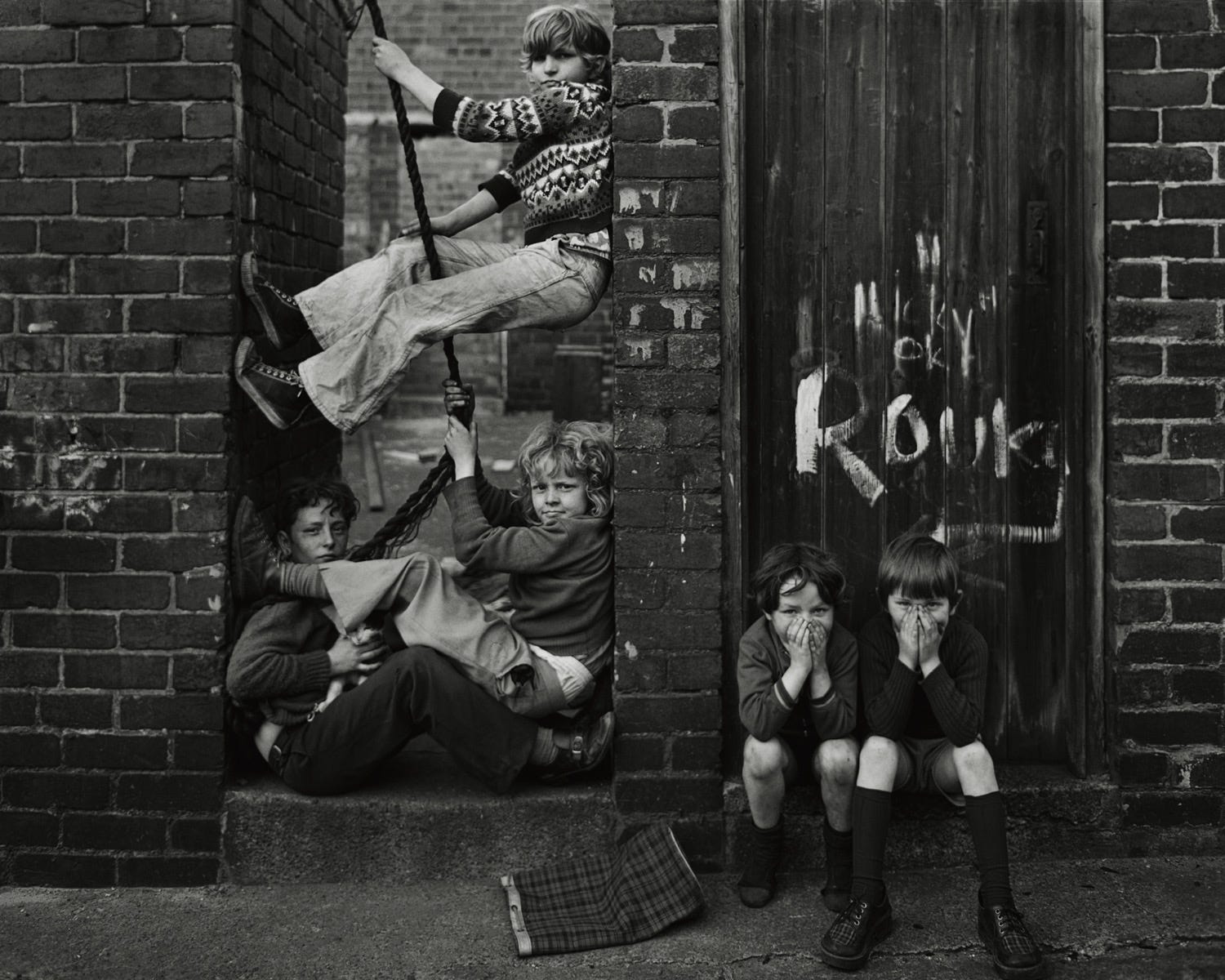
The book includes images such as a row of houses against the backdrop of a pit heap at Pegswood in Northumberland, sea coal gatherers at Lynemouth beach, Durham Miners Gala, the miners’ strike at Easington, the pension day queue outside Welbeck Road post office in Newcastle and an advertising hoarding on Scotswood Road on which has been painted Newcastle Rules OK.
The images reflect the divisions that still exist in Britain, claim the publishers.
Mark Holborn says: “We live in a world as fractured as that Killip witnessed forty or fifty years ago.”
Chris Killip arrived on Tyneside in 1975 to work on a two-year project. He stayed for 16 years.
“I liked the place. I liked the people and I liked the strong working class identity,” he said.
He arrived in the North East on a two-year Northern Arts/Northern Gas fellowship, and went on to be a founder member, exhibition curator and adviser of the Side Gallery in Newcastle, and its director from 1977-79.
He also took pictures, lots of them, including what would turn out to be the last years of shipbuilding on the Tyne and donated more than 30 of the images to the Laing Art Gallery in Newcastle, which staged his exhibition The Last Ships.
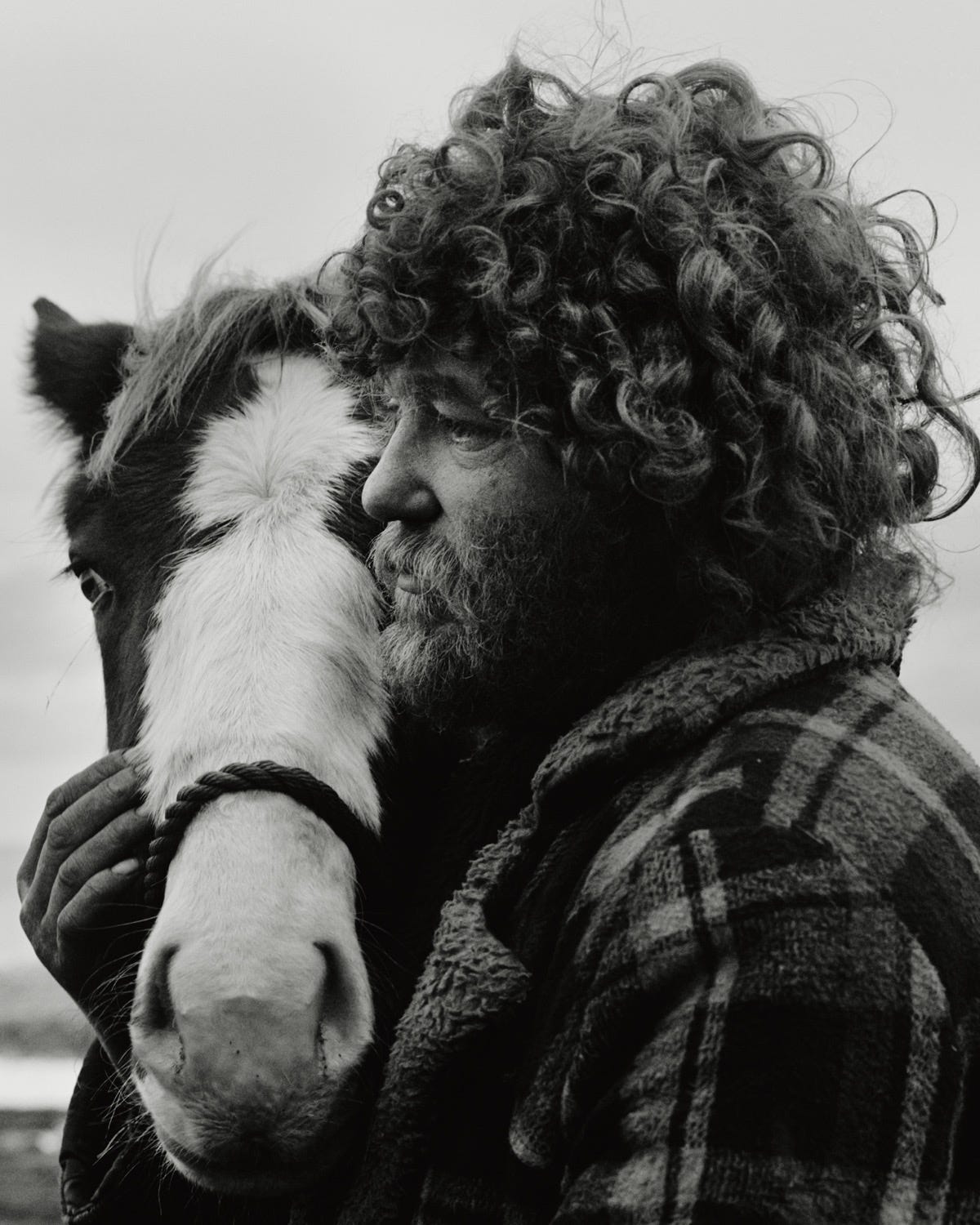
His companion book pictured a working class community that lived and worked in the shadow of the Wallsend and South Shields shipyards. “I didn’t think it at the time, but I suppose I was photographing history,” he said.
Killip pictured a way of life and an industry which would disappear sooner than anyone imagined.
“Even then I had a sense that all this was not going to last, although I had no idea how soon it would all be gone,” he said.
On the rapid loss of the region’s traditional industries, he said: “It was terrible for places like mining villages, where there was nothing else other than the pit.
“In the shipyards, people’s skills were lost - they couldn’t go to another shipyard. Those skills were no longer wanted.
“I was living through a very dramatic period of history and one of dramatic change for working-class communities.”

In 1991, he was invited to the United States to teach photography for a year at Harvard University in Cambridge, Massachusetts. Once again, he stayed, and became professor of visual and environmental studies.
In 1985, Killip’s work featured in an influential exhibition, Another Country: Photographs of the North East of England, at the Serpentine Gallery in London and in 2024 in an exhibition at London’s Tate, The 80s: Photographing Britain, which included the work of photographers such as Tish Murtha and Sirkka-Liisa Konttinen who graphically captured life in the North.
