

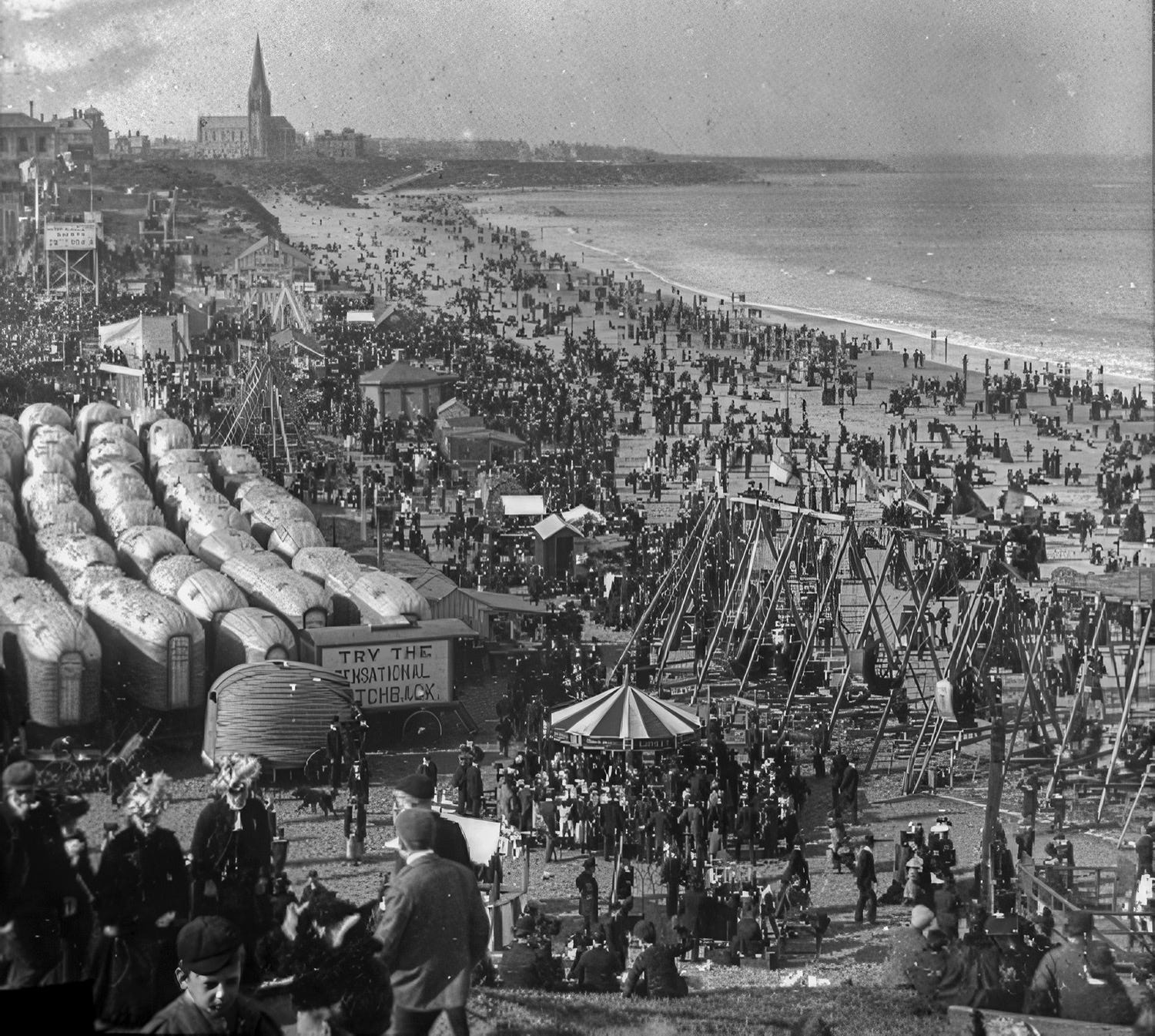
A camera club founded in 1903 has delved into its archive of 2,500 pictures to reveal a Tyneside world now lost to time.
Tynemouth Photographic Society has produced a book of almost 200 images which illustrate life from Whitley Bay to North Shields over the years.
Seafront trams, fisherfolk cottages, small family farms in what are now densely developed residential areas, and people packed like sardines on to beaches, are recalled. There were seven farms in what is now suburban Monkseaton.
St Mary’s Island is pictured as a rather anonymous strip off Whitley Bay before construction began on the lighthouse in 1896.
Known as Bates Island, it was named after a coal mine owner. The island’s house became the Square and Compass pub run by George Ewan, but he was evicted by landowner Lord Hastings after complaints about rowdy behaviour.
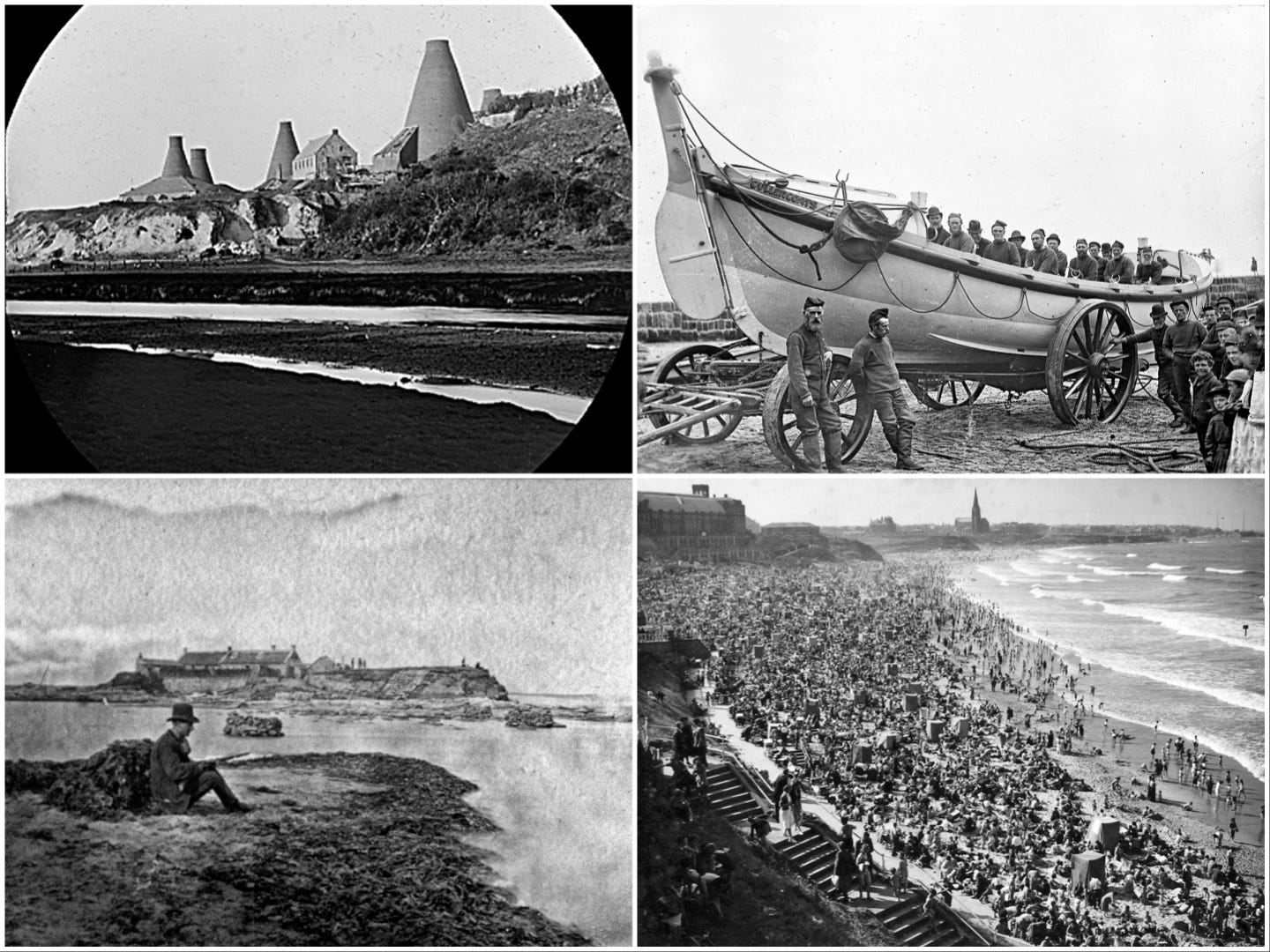
Just to the north is an image of a cluster of brick cones at the Hartley Bottle Works, built by Thomas Delaval. With easy availability of sand, coal and clay for glass making, the site churned out 10,000 bottles monthly which were transported by tunnels to Seaton Sluice harbour for export.
A view of Tynemouth Longsands in 1949 shows a football-match-sized crowd shoehorned on to the beach, and another with bathing machines lined up amid shuggy boat rides, for-hire deckchairs and tents, and, on holiday, working men wearing their only suit, collar and tie for the trip to the seaside.
The importance of the holidaymaker market – especially Scotch Fortnight – is shown with a shot of the expansive (and possibly expensive) Waverley Hotel in Whitley Bay, which opened in 1907 and later became The Rex, and now newly converted into the Bay View Care Home.

A tram is pictured making its way along the front at Beverley Terrace in Cullercoats on the Whitley Bay–North Shields ferry landing route. Work on digging up part of the road in Cullercoats in recent times exposed the tram lines which are still in place.
Pictured are the white-fronted fishing families’ cottages in Cullercoats where the women would put a table in front of their doors and sell fish and other assorted seafood.
At North Shields Fish Quay, packed and busy with huge herring catches, the camera has captured a forest of fishing boat masts.
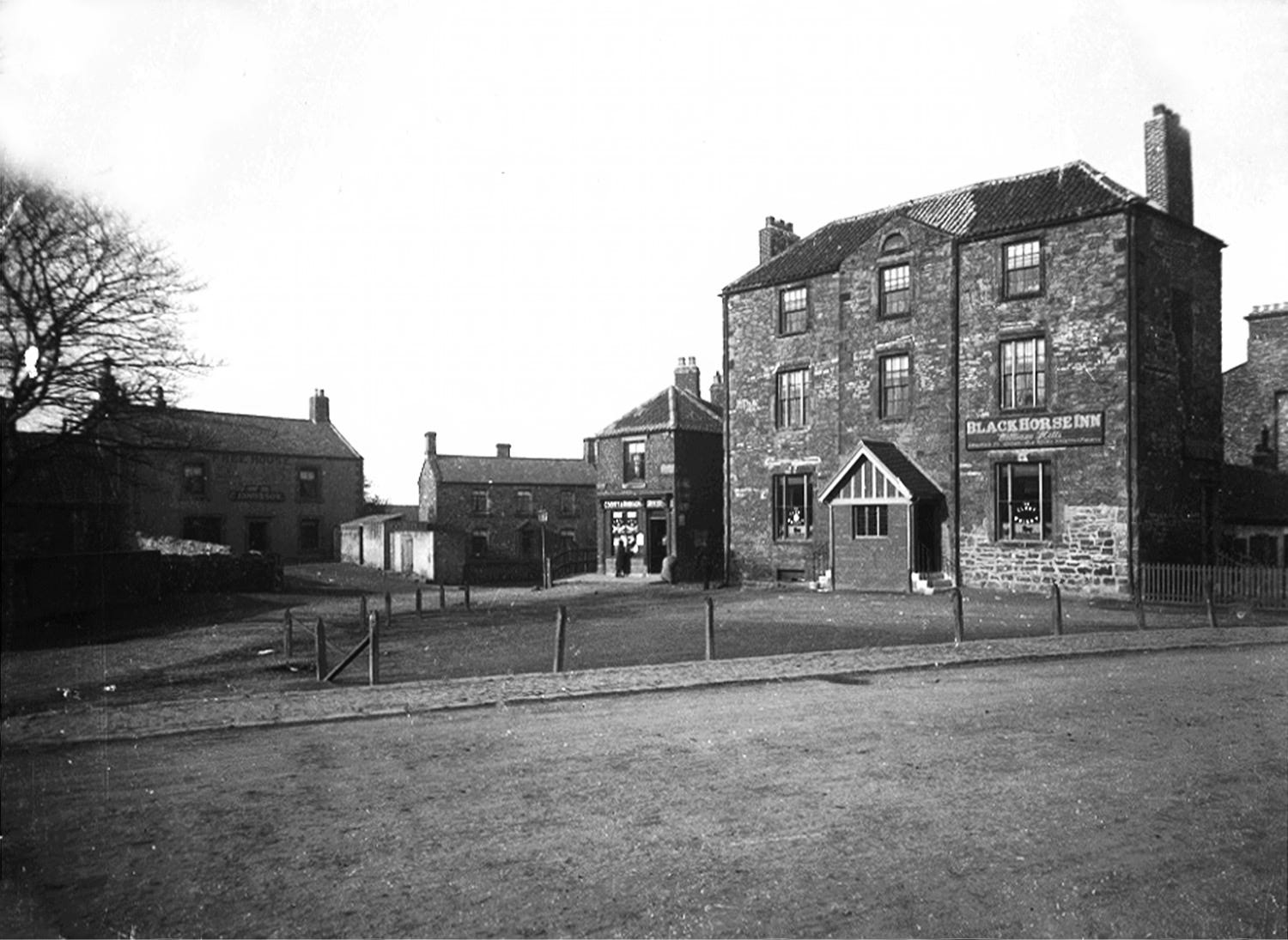
In busy Saville Street at the turn of the 20th century in North Shields is Greggs Café’s Dining Rooms, next to the Methodist chapel which became a Woolworths store.
North Shields community life is also portrayed in a 1920s picture of the Milburn Toffs Jazz Band at a carnival in which most people paraded in fancy dress.
Archive Pictures of Whitley Bay to North Shields, by Tynemouth Photographic Society, £14 from tynemouthps.co.uk, The Bound, Whitley Bay, and in North Shields Old Low Light Heritage Centre, I Love Office Supplies, Rudyerd Street, and Nile Street Post Office.
Thank goodness our fir the kind comment. I just had to do it for the late Stan Bewick who started it. A labour of love.