

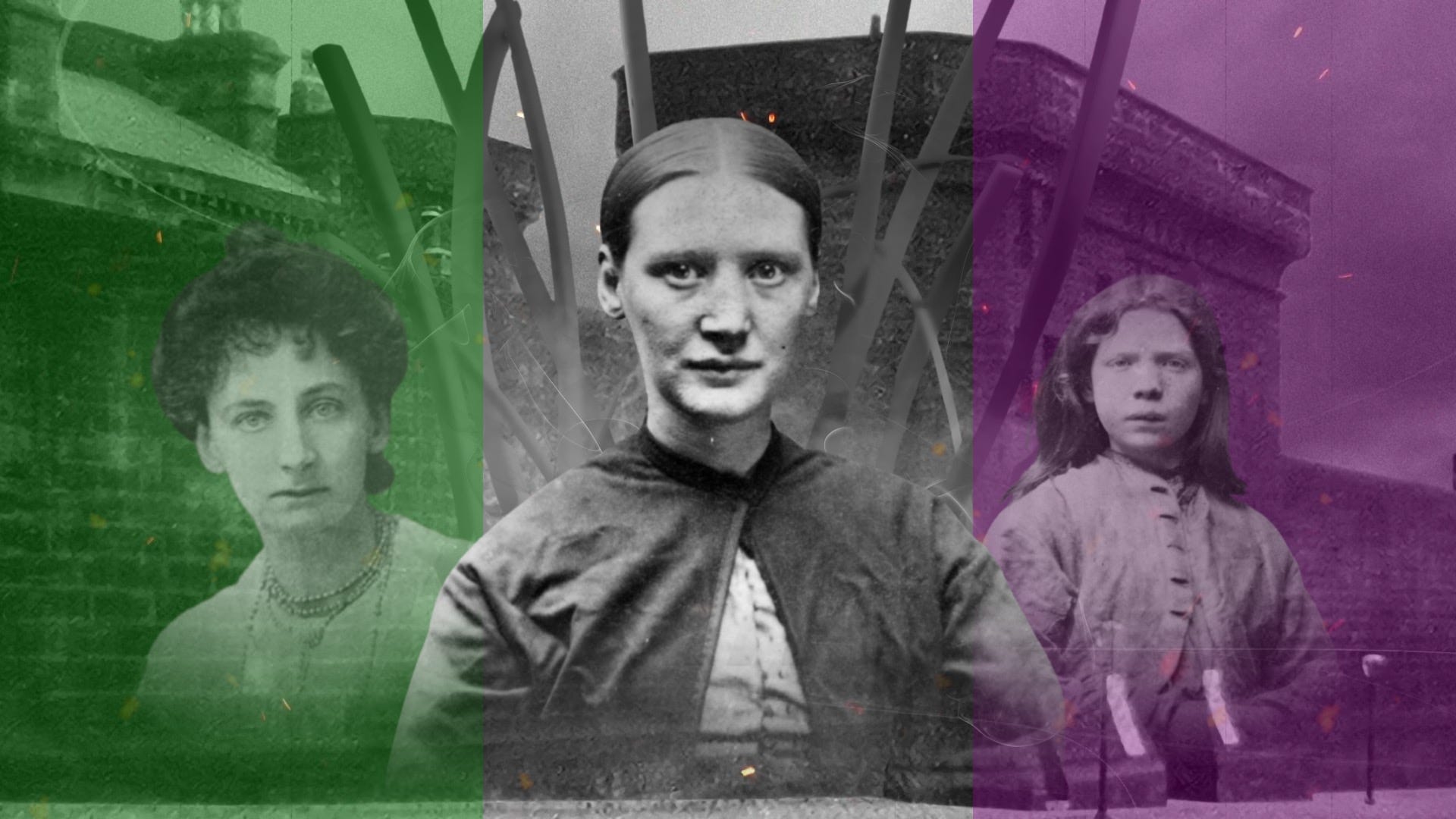
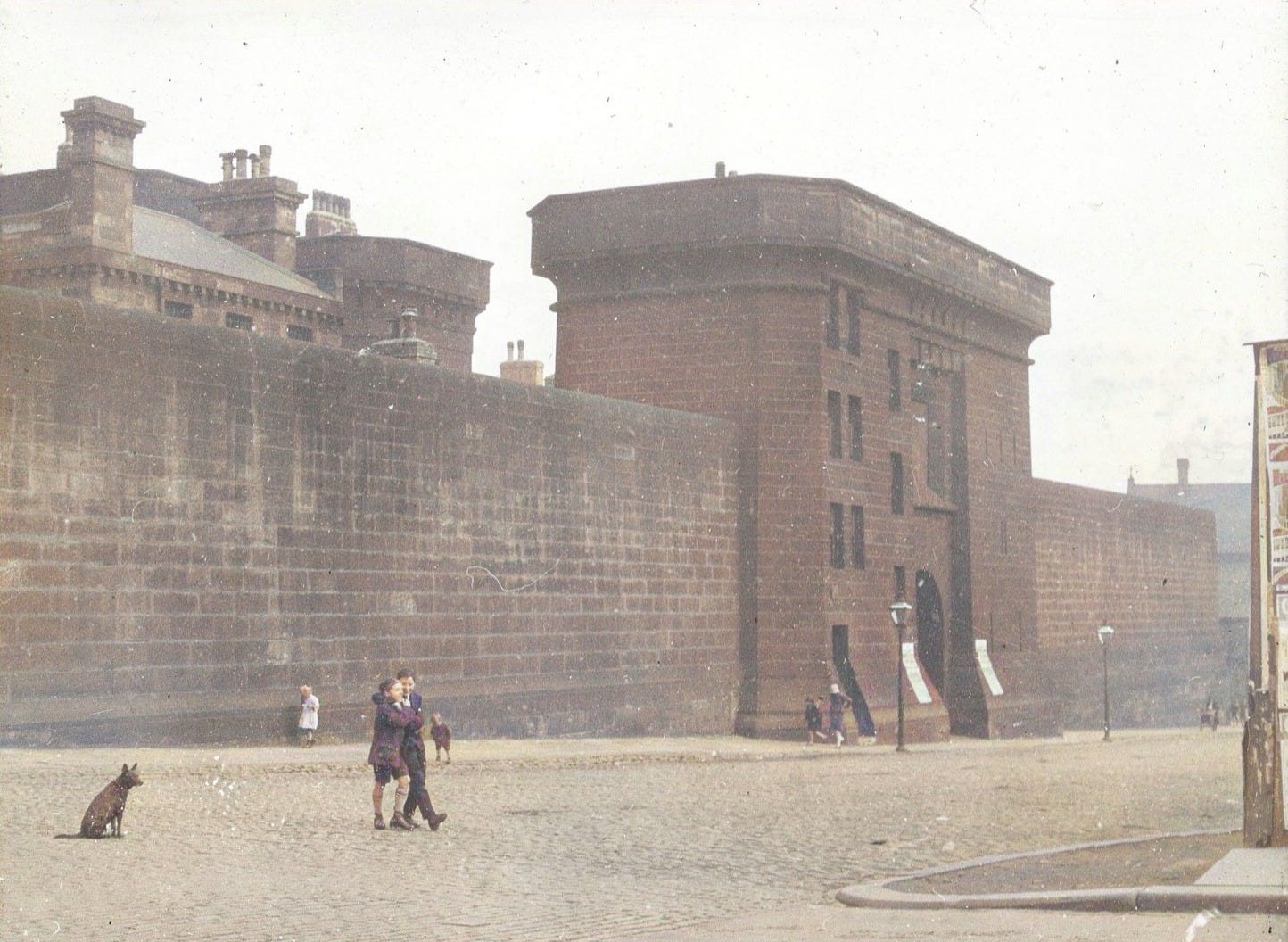
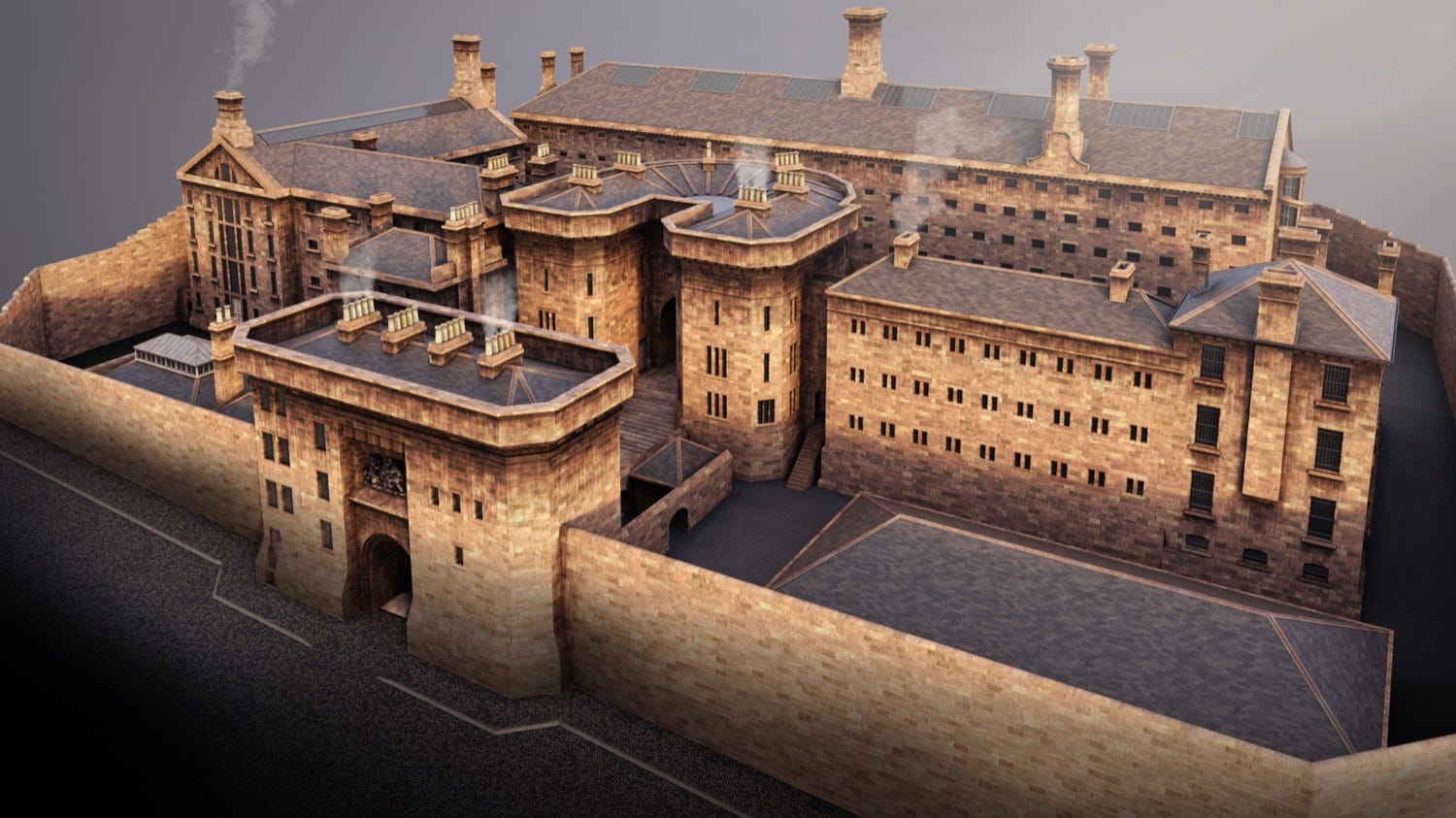
Last year marked a century since Newcastle Prison closed, through which an estimated 250,000 unfortunates had passed in its 97 years of existence.
The fortress-like gaol was notable for its high number of female prisoners. In 1865-66, women accounted for almost a third of all committals, far above the national average.
What were their experiences like as prisoners? What of their lives outside the walls of the gaol east of Pilgrim Street in Carliol Square?
Most were poor and working class. Later, suffragettes also found themselves behind bars in the prison which had opened in 1828.
Now Newcastle Cathedral is staging an exhibition on the prison women, which will run from March 4 to April 27.
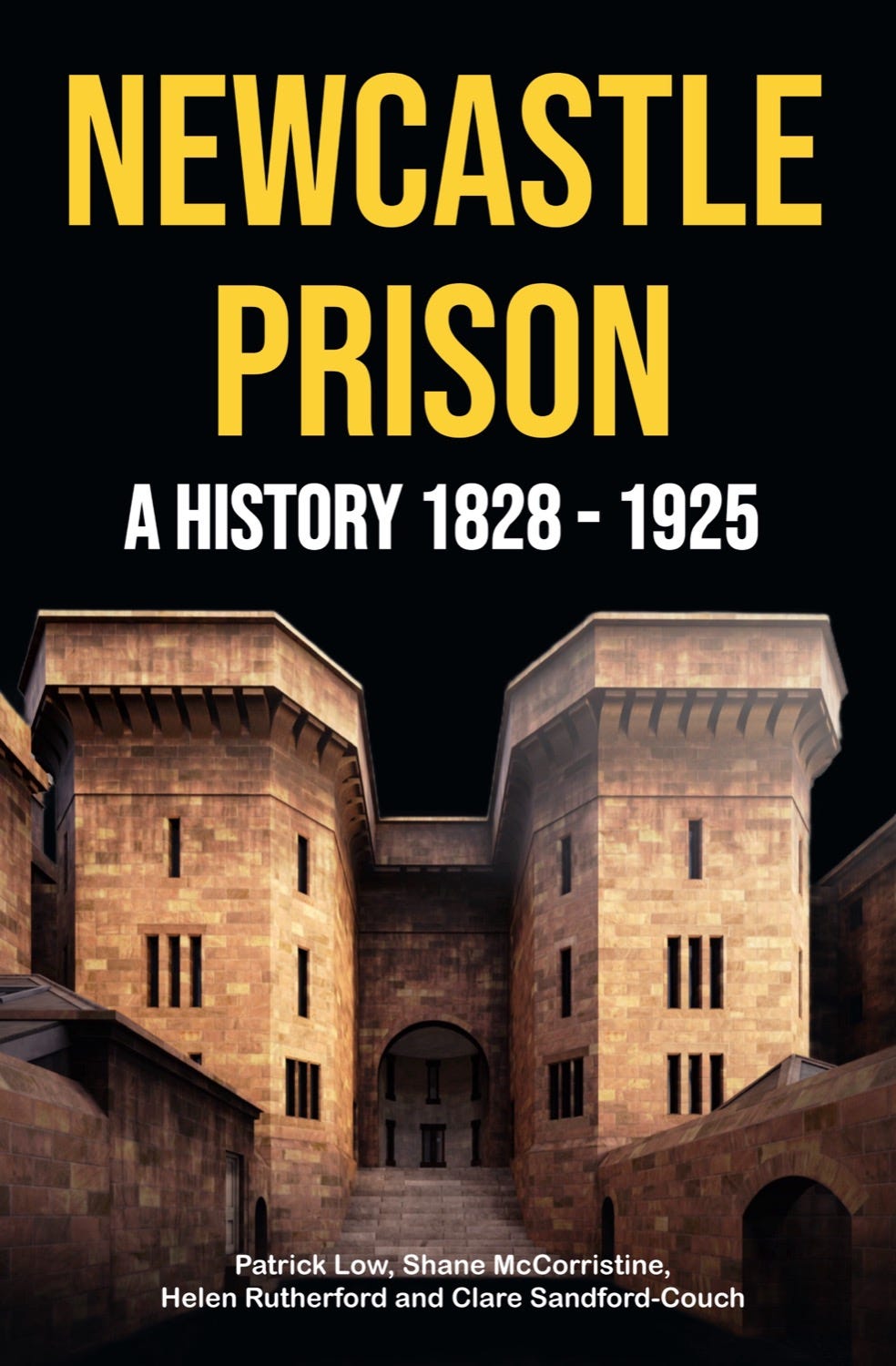
It draws on research for the book last year from Tyne Bridge Publishing titled Newcastle Prison: A History, 1828 written by Patrick Low , Shane McCorristine (Newcastle University), Helen Rutherford (Northumbria University) and Clare Sandford-Couch (Leeds Beckett University).
The launch on March 4 ahead of International Women’s Day (March 8) will feature insights from the authors about their research and the stories they uncovered.
Attendees can then ask questions, buy signed copies of the book, view the exhibition, and hear poetry, folk tunes and ballads from Harry Gallagher, Miggins Fiddle (Marina Dodgson and Maurice Condie) and Bridget Gallagher.
The event quickly reached capacity but a limited number of extra seats have been added. Tickets can be booked here on a Pay What You Feel basis.
Author and researcher Clare Sandford-Couch says: “The exhibition highlights the experiences of young girls, women facing poverty, addiction, and suffragettes who defied societal norms. Their stories reveal the harsh realities of crime, punishment, and resilience in an era marked by inequality.”
Many of the prisoners were married and had children. Some took their youngsters into the prison with them.
In 1881, Mary Jane Dawson was charged with Hugh Hassan with stealing a purse containing 26 shillings in Gateshead. Dawson, a white-lead factory worker, was sentenced to three months and entered prison with her baby son.
At the time, six women in Newcastle Prison had infants under one year old.
Conditions in Newcastle Prison’s women’s wing were regularly criticised. In 1885, prison chaplain John Irwin argued that overcrowding and poor conditions made reform impossible, especially for young women imprisoned for minor offences alongside hardened criminals.
He said: “What right have we, because a young girl commits a brawl in the street and is too poor to pay the fine, or sells oranges on the footpath, or steals her mistress’s lace collar – her first offence – to shut her up, bolted and barred and locked by night and day with the vilest of her sex, women from whose contact she would have shrunk with a shudder had she met them in the street.”
Another view came from a councillor who described the female prisoners as “a deplorable set of wretches.”
Discipline was harsh. In 1855, Margaret Benson was confined in a dark cell after refusing to submit to the punishment of a cold “shower bath.”
Another measure was the muzzle, an iron headpiece to silence women who created disturbance by shouting or disobeyed. This suggests the scold’s bridle, which was closed over the head with a plate on the tongue.
The woman would be unable to speak, eat or drink but could “respire freely.”
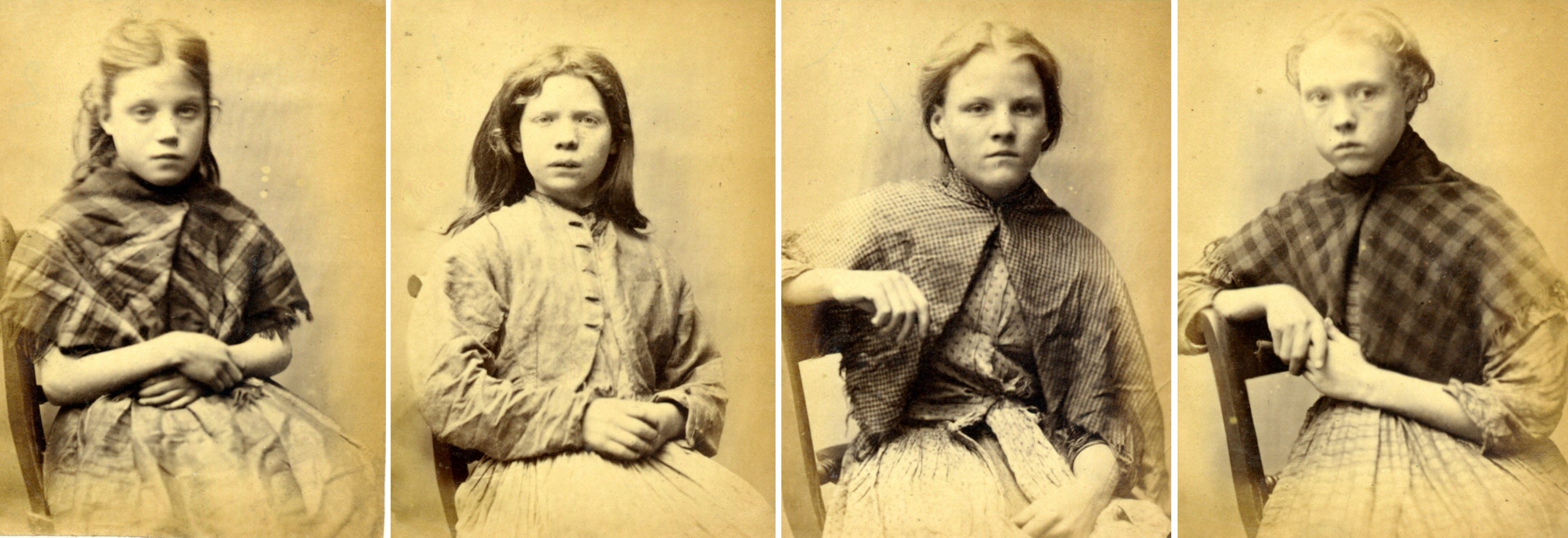
Young girls were frequently imprisoned. Ellen Woodman was 11 when she was sentenced to seven days’ hard labour for stealing iron with three friends.
In 1851, Anne Kelly, 16, Sarah Cain, and Mary Henry, both 15, were convicted of stealing towels. After time in Newcastle Prison, Cain and Henry continued to reoffend.
Cain returned to the prison for trying to steal a pot of bear’s grease from a stall at a fair. Kelly, a repeat offender, was transported to Tasmania for a seven-year term. She served her sentence and married transported convict James Olivrt. They had five children.
In 1891, Jemima Brown, 13, served 10 days in Newcastle Prison for two charges of theft and then attended a reformatory school for five years.
A 1904 “mug shot” image depicts 14-year-old Margaret Ann O’Brien of North Shields, who was remanded for attempting to defraud local fishing firm Irvin and Sons of £1.
Women received similar food – but slightly less – as the men. This was a pint of gruel and 6oz bread for breakfast and half a pound of potatoes or half a pint of soup for dinner.
The prison was also used to confine suffragettes after a disturbance in Newcastle in 1909 during a visit by Chancellor David Lloyd George.
Protesting suffragettes threw stones at the official cars and the windows of the Liberal Club, the General Post Office and the Palace Theatre.
Twelve were arrested and sentenced to time in Newcastle Prison. Dorothy Pethick was given 14 days’ hard labour and, after refusing food for two days, on the third day was tied down and force-fed with egg and milk via a tube inserted in her nose. This was repeated twice daily.
Another suffragette, actress Kitty Marion, was also force-fed. Lady Constance Lytton was sentenced to a month in Newcastle Prison for throwing a stone at an official car and went on hunger strike but was released after a few days when a doctor ruled that her heart condition meant she could not be force-fed.
One of those arrested was Kathleen Brown, a suffragette from Newcastle. Doctors at Newcastle advised that Brown had a heart murmur and recommended that she should not be force-fed again.
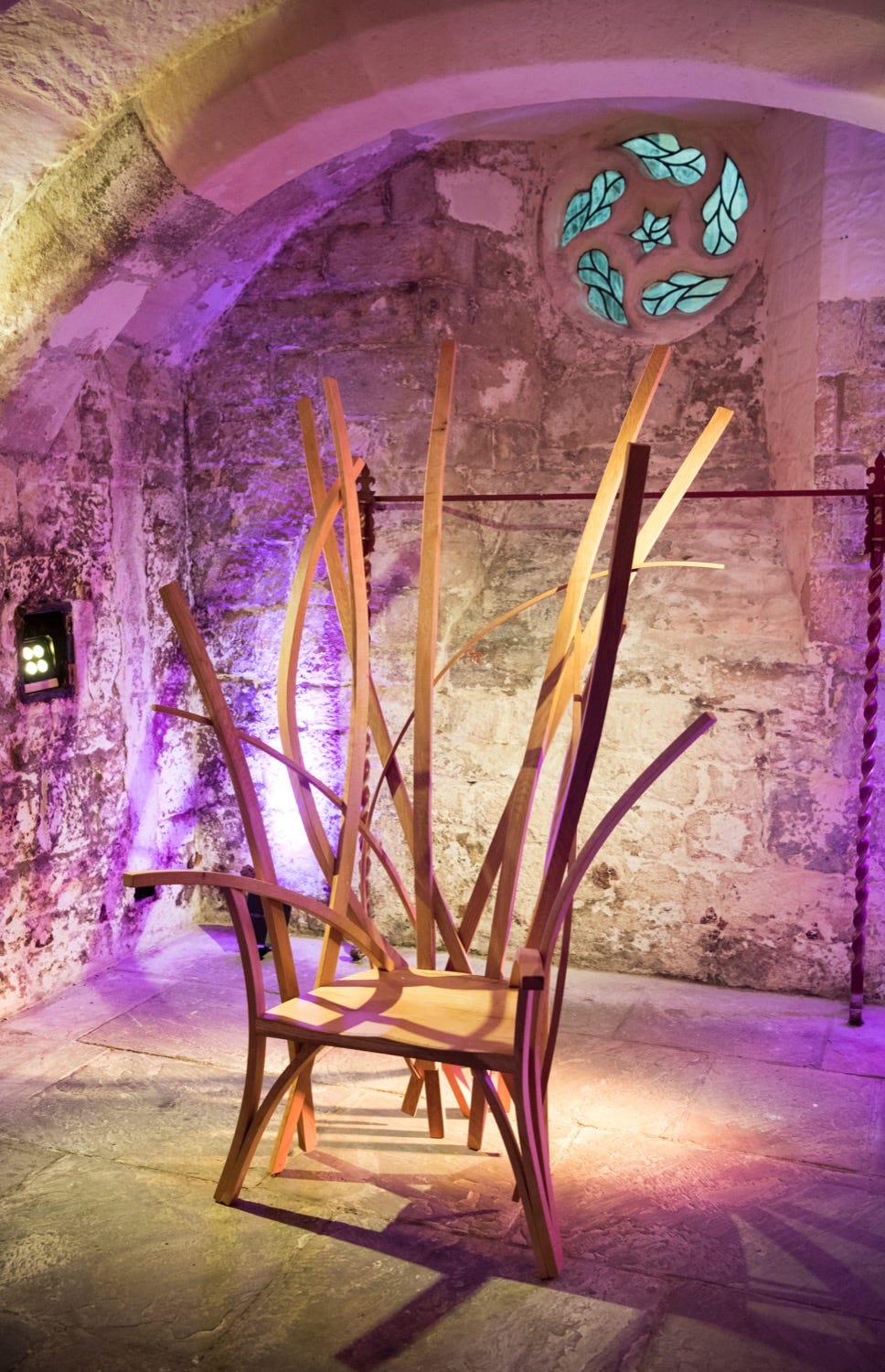
The exhibition also features the Story Chair, which was created at Newcastle Cathedral in 2023 through collaboration involving women with lived experience of the criminal justice system, Changing Lives, Northumbria University and the National Trust, with additional support from the North East Probation Service and The British Academy.
Over eight weeks, the women honed their storytelling skills and worked with local furniture maker Nick James of James Design to design the chair, representing the twists and turns of their lives and highlighting the importance of sharing personal stories.
The cathedral continues its partnership with Changing Lives for the annual Christmas Meal Appeal, serving meals to people experiencing homelessness at Café 16, run by local charity The Oswin Project, which supports prison leavers.
Dawn Harrison, Changing Lives service manager for criminal justice, Northumbria, will speak at the event. She says: “The Story Chair carries the voices and experiences of women who have been impacted by the justice system, many of whom are rarely heard in spaces like this.
“It offers a powerful and authentic way for their stories to be seen, heard and valued, while encouraging reflection on how we understand and respond to women affected by the criminal justice system today.”
Visitors to the Cathedral will also find special Fact Meets Fiction display showcasing the work of female-led theatre company Workie Ticket, who brought theatre project Geordie Gaol Girls to life on the site of the former Gaol last year to commemorate 100 years since its closure.

Supported by the National Lottery Heritage Fund, Geordie Gaol Girls was co-created with community groups across the North East, and featured theatre performances from acclaimed regional actors, original music and soundscapes, and specially made costumes at ReCoCo in Newcastle City Centre, where the Gaol once stood.
JoJo Kirtley, Artistic Co-Director at Workie Ticket, commented: “Geordie Gaol Girls was created with and for local women and girls - their voices shaped the work, just as the women of the Gaol shaped our history. Bringing those voices together has been an extraordinary journey, and we are delighted Workie Ticket has been included in this exhibition.”