

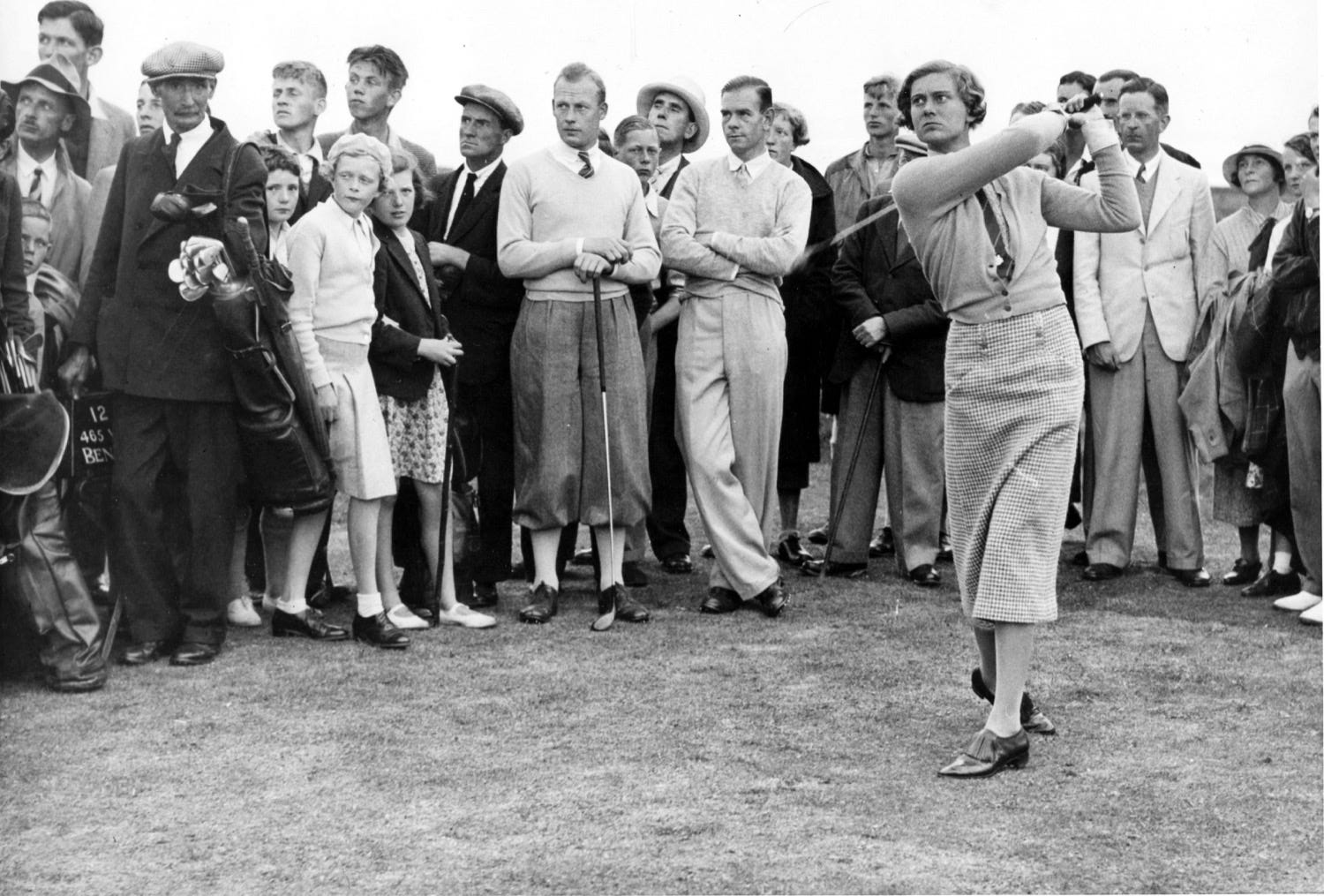
For Tyneside pioneering women golfers there were more challenges than simply improving their game.
The City of Newcastle Golf Club was founded in 1891 with its clubhouse in the windmill facing a course on the Town Moor.
The first female golfers played in heavy, full-length dresses and skirts and stiff petticoats, which all severely restricted movement, but they were determined to make their mark despite disapproval from many men.
The attitude was not confined to women but also applied to working class men who had taken to playing golf on the Moor.
Early club minutes record: “A vast horde of undisciplined people who owned no allegiance to the club took to the pursuit of the game on the Moor and some knew neither the principles nor the etiquette of the game.”
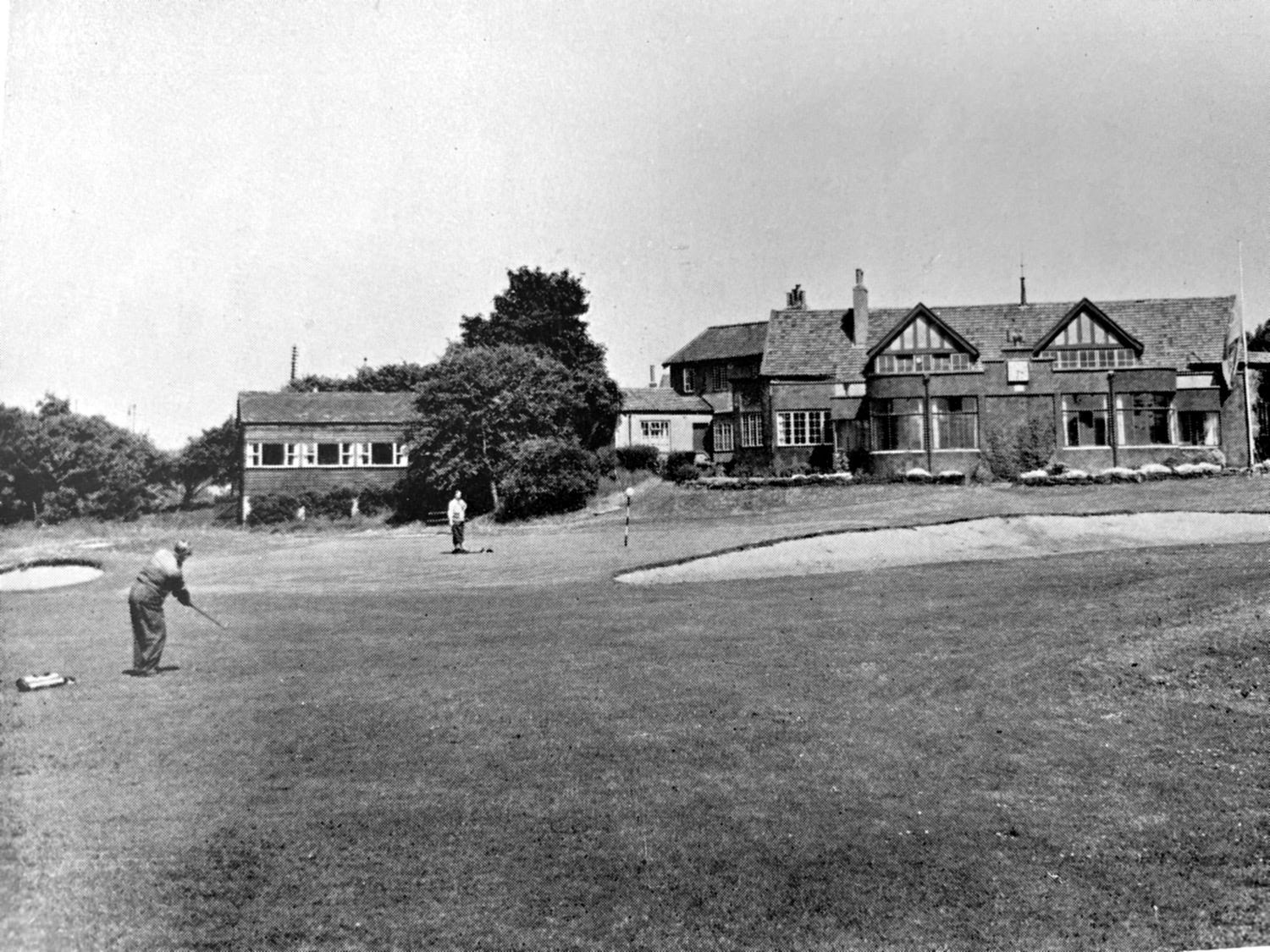
It must all have been too much for the club as in 1907 it leased 130 acres of Grange Farm at Three Mile Inn at Gosforth from the widow of John Bainbridge, who lived there with her two daughters.
The contract included clauses that the mother and daughters were to have free access to the golf course, that they could tether a milk cow and have the right to graze sheep in certain areas, fish in the burn, shoot game, and that birds’ nests should be protected.
Women golfers also faced their own list of restrictions. They were not to use any of the rooms in the new clubhouse, apart from one set aside for them which was entered by a side door.
A match in which a lady was playing was to allow a match in which no lady was playing to pass. Ladies were not to play on Sundays or before 11am on Saturdays.
But change was afoot and it was accelerated in 1921 by a group of 28 women from six clubs: Alnmouth, Hexham, Benton Park (now Arcot Hall), Whitley Bay and Tynemouth who formed the Northumberland Ladies Golf Club.
Four years later a dozen women of the City Club met and decided to form a Ladies’ Section.
They were accommodated in a hut, adjoining the clubhouse, which had been acquired from the huge North East Coast Exhibition in Newcastle.
The hut was paid for, decorated and furnished by the ladies and was in use until the 1980s.

“It had been made clear by the Men’s Club in 1907 the women were not permitted to form their own section. Women were clearly kept at a distance,” says Sharon White, a club member who has written a new book detailing the 100 years of women’s golf at the club.
“The book writing started in 2022 after researching 100 years of ladies’ minutes, AGM reports, local archives, golf history books, magazines, interviews with past and present members who themselves donated scrapbooks, photo albums, newsletters, diaries, speeches, memoirs, even poems,” she continues.
“The book brings to life the stories of women who shaped the club against the backdrop of golf’s growing popularity.”
One member, says Sharon, “had vivid memories of what life was like for the ladies before the Second World War. If one’s husband was in the Men’s Only bar and a wife wanted to communicate with him she had to pass a message in via the steward.
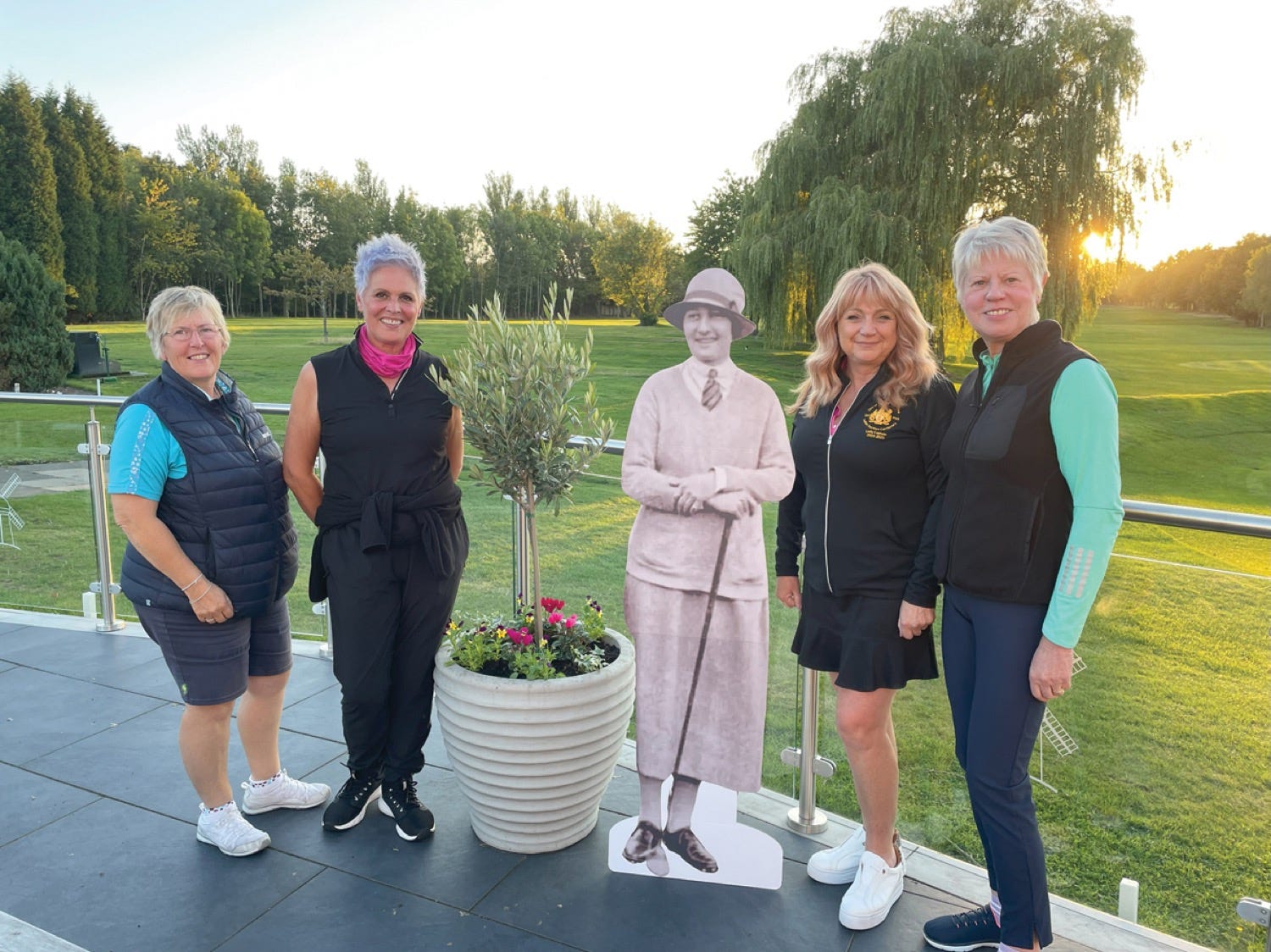
“She was not allowed to go anywhere near the entrance and definitely not to peer in through the glass panel on the door.”
In 1933 the club had 60 female members. They engaged caddies, mostly pitmen from Hazlerigg and other local collieries who reported for work during their night shift week.
“Despite growing from strength to strength the ladies were very much the poor relations in the clubhouse and on the course in the 1930s,” says Sharon.
Poor heating in the hut was a problem. “Despite ladies’ efforts, it took two years for the men to address their concerns,” says Sharon.
“The ladies, who appear to be barely tolerated by the men, were very patient.”
That patience seems to have run out as in 1945 meetings were relocated to Fenwick’s Tea Rooms because of lack of heating and the ladies protested by refusing to bring food to the mixed Bridge drives.
But by 1981 Esme Duncan was appointed club secretary.
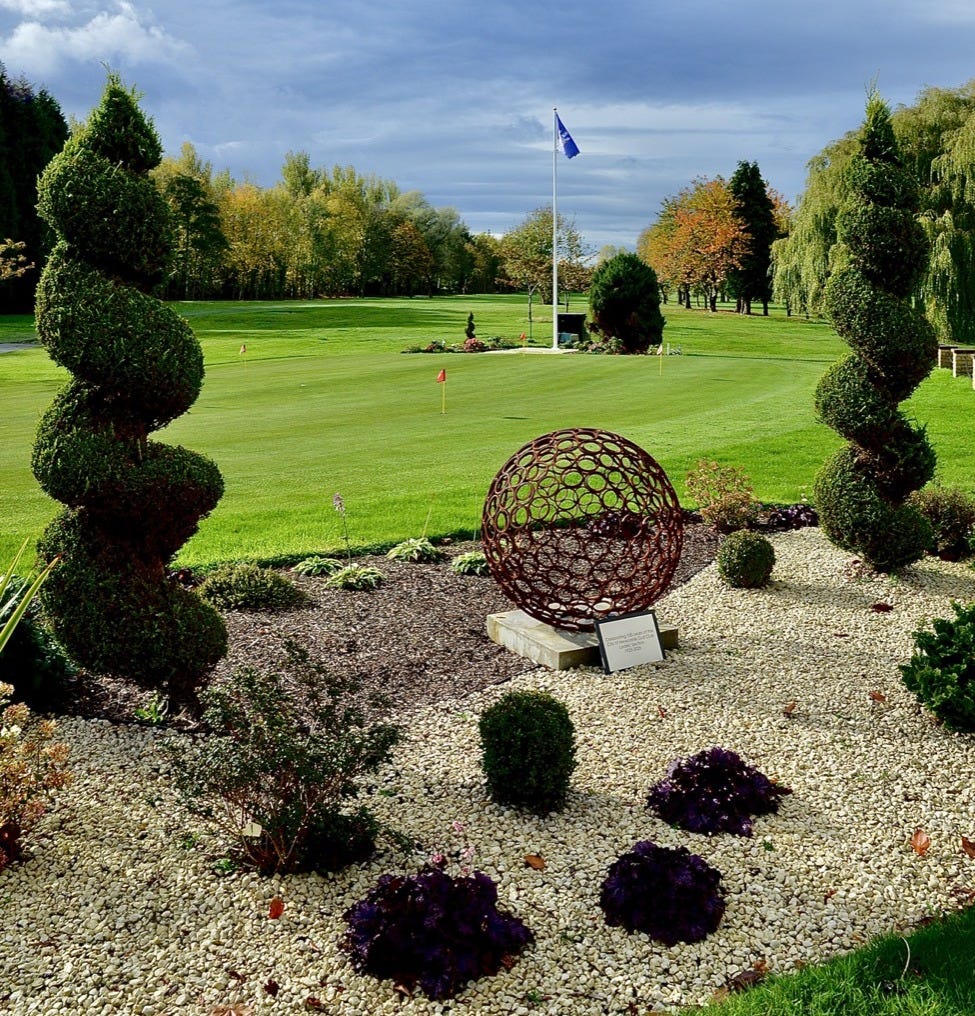
By the 1990s, 35,000 trees had been planted to transform the course. “The 1990s also mark a period of persistence towards equality with the men,” says Sharon.
In 2002 ladies became eligible to attend the AGM with full voting rights and stand for election to the general committee. By 2011 the journey towards complete equality seemed complete.
“The club has never supported the women as strongly as it does now and it feels that the ladies’ section is well and truly an integral part of the club,” says Sharon.
The club now has 650 full members, including 141 women and girls.
“To the founding members of the club and the pioneers of our ladies’ section we extend heartfelt thanks for the history and heritage created. The club continues to demonstrate its commitment to fostering an inclusive and welcoming environment for women, girls and families,” says Sharon.
“To the future members of the club may you build upon this legacy for the next 100 years.”
Celebrating One Hundred Years of Women’s Golf – 1925 to 2025 – at the City of Newcastle Golf Club by Sharon White, published by Summerhill Books, £14.99.