

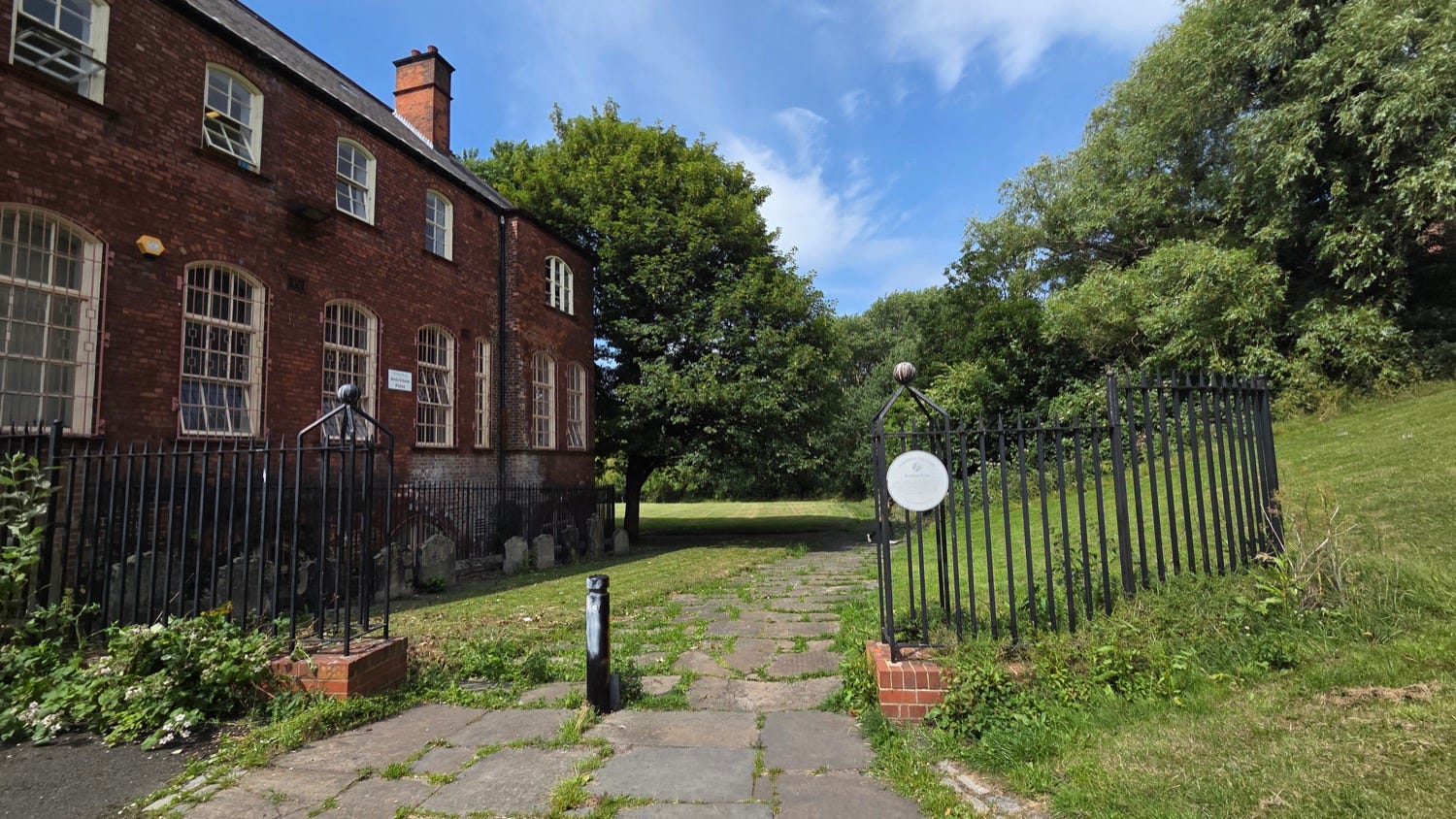
It may be a much delayed wake, but glasses will be raised to almost 40,000 individuals buried under what is now a public green space in Newcastle.
For the last two years a project has investigated the Ballast Hills burial site between the Tyne and the Lower Ouseburn valley.
The oldest recorded gravestone was dated to 1708 and the site closed to burials in 1853, with Westgate Hill Cemetery replacing it.
Ballast Hills was the first such site open to the public for burials of people of all faiths and social backgrounds.
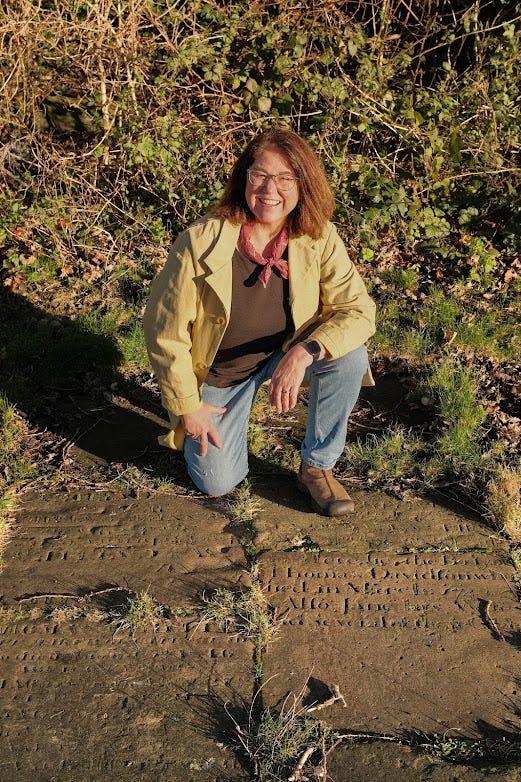
“Most people don’t know the site is a burial ground but it is not just a forgotten burial site. It is such an important location in the history of Newcastle and Gateshead. The lives of those buried there provide a vivid insight into the social history of the region,” said project leader and Newcastle University researcher Dr Myra Giesen.
Now that funding from the Arts and Humanities Research Council has run its course, a public meeting will be held on Monday, June 15 to reveal what has been discovered about the site.
The event will be held at the Brinkburn Brewery in Ford Street adjacent to the site and next to the former “pagoda” architecture Ouseburn School.
Brewery founder Lee Renforth is a backer of the project and the meeting will see the launch of Ballast Hills Brown Ale.
“We are happy to support the project and raise its profile,” he said.
The bottled beer’s label says: “Ballast Hills Brown Ale pays tribute to Newcastle’s long brewery history, including the brewers, maltsters, publicans, coopers, factory workers and their families. Some of those now rest at Ballast Hills.”
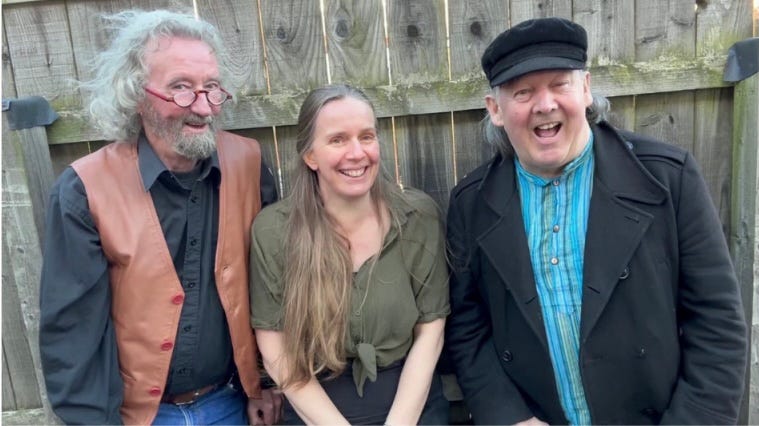
The event from 5.30pm-8.30pm will also include a panel discussion and a performance of Beneath This Ground, written and performed by musicians Maurice Condie and Marina Dodgson and poet Harry Gallagher.
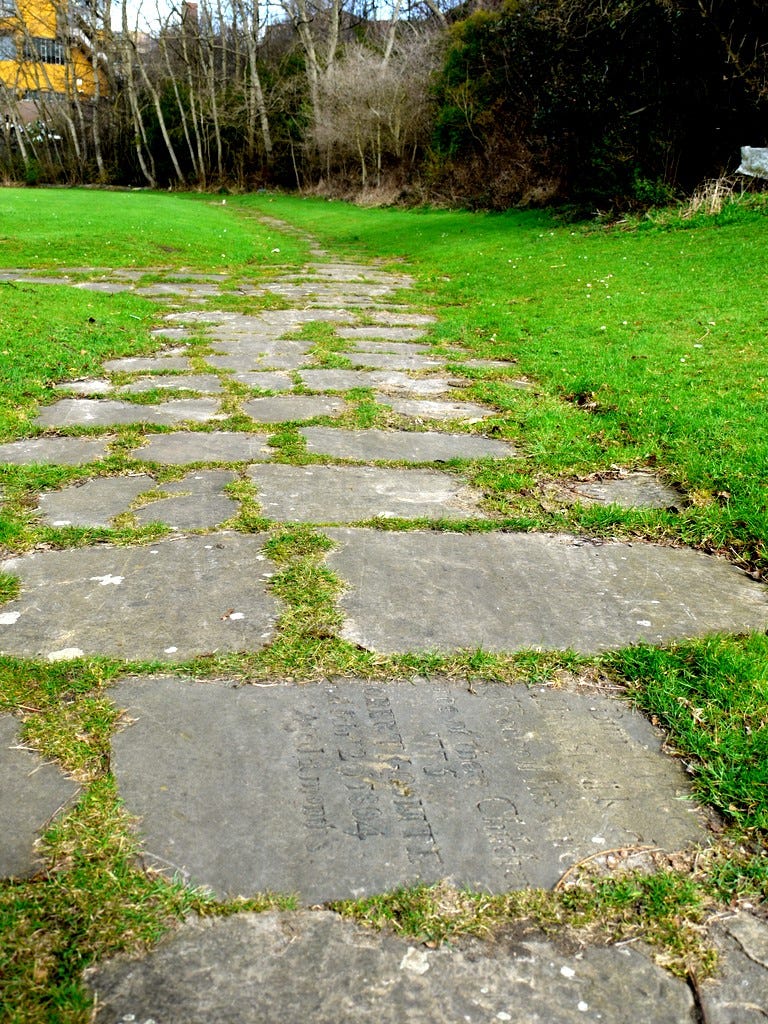
Volunteers have gathered data from gravestones which have been used in the past to create a circular pathway around the green site, and follow-up archival work.
The stones are social documents, providing names, ages and dates of death, occupations and family members, and creating a picture of Tyneside in the past.
“We have so much new information which has a lot to say about those times and there is much more to come,” said Myra.
“It is not the end of the project, but a chance to share what has been learned, recognise the many people who have contributed, and look ahead to the next stage of work.”
Anyone wishing to book a place at the event can do so here.
The site is owned by Newcastle City Council and is one of the largest UK non-conformist burial grounds outside London.
It had more interred bodies than all the churchyards in Newcastle combined, with an average of 599 interments annually from 1820 to 1825. Newcastle Corporation received a sixpence for each burial and in 1824, out of the 1,454 burials in Newcastle, 805 were at Ballast Hills.
In 1903, 920 gravestones were reported at the site, which it is believed may once have covered three acres before development gathered pace in the area.