

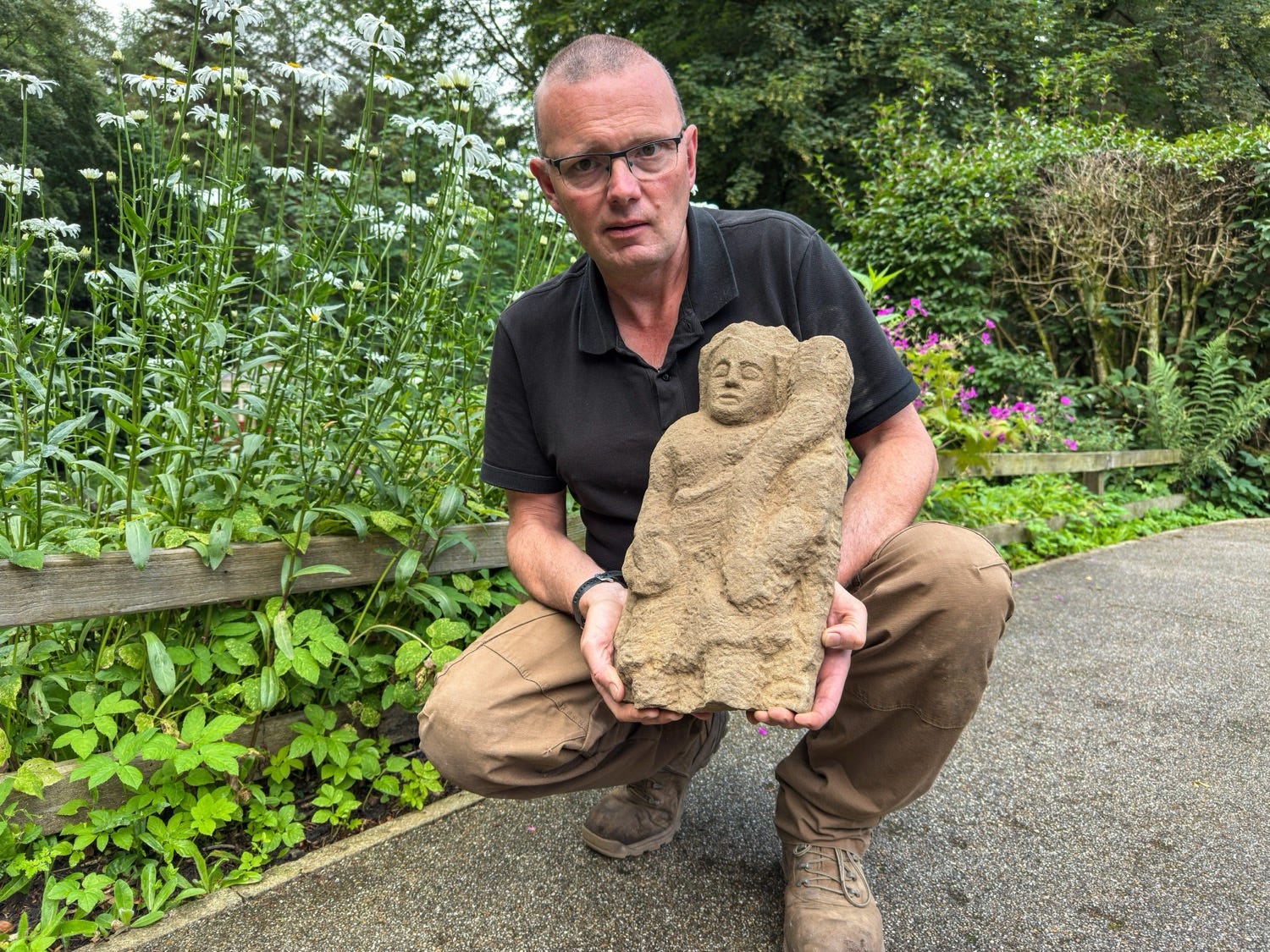
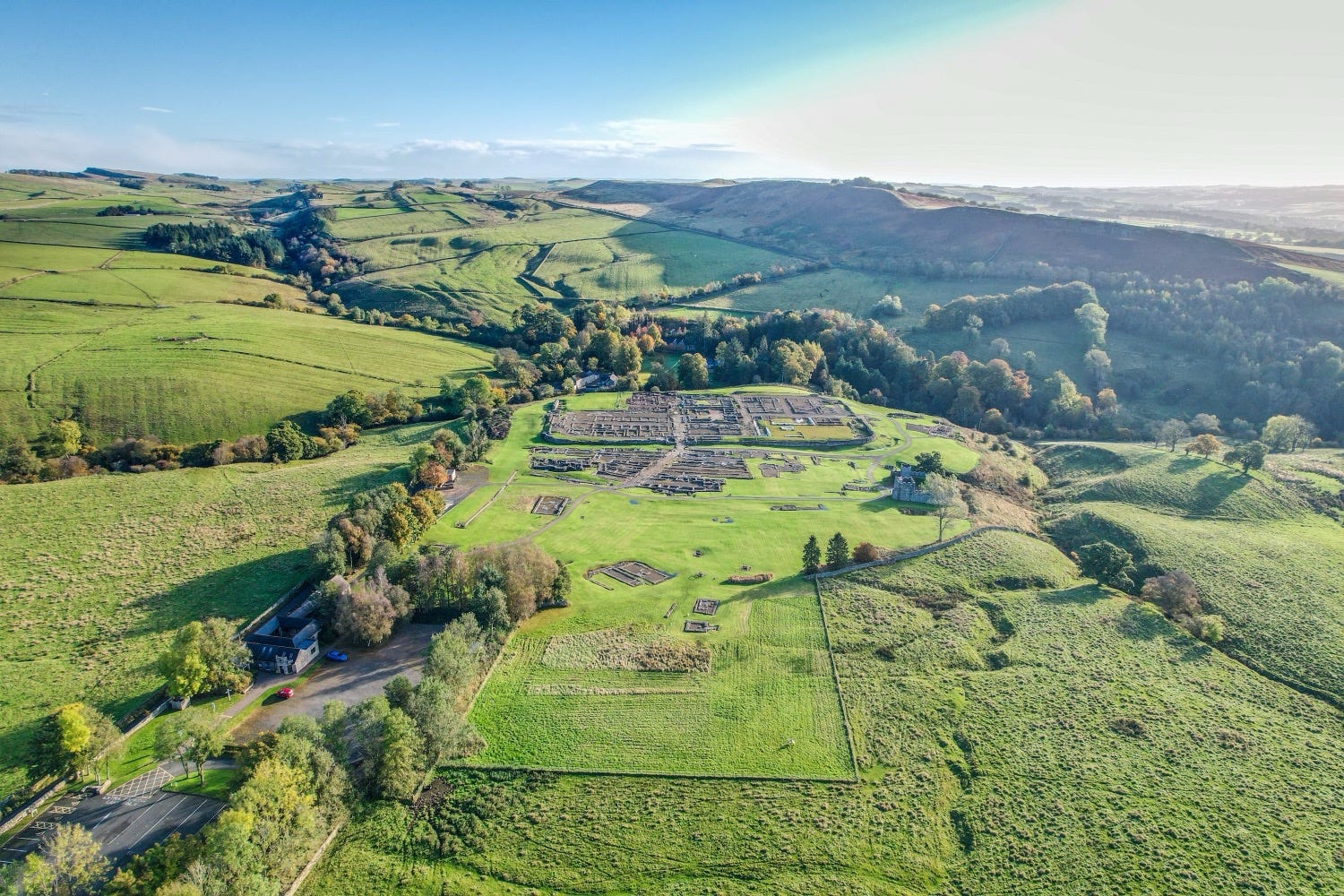
Leading archaeologist Andrew Birley was floored by what he uncovered as he excavated a barrack room at a Northumberland Roman fort.
Andrew, director of excavations at Vindolanda, was investigating the fourth-century building when an unusually rounded flagstone caught his attention.
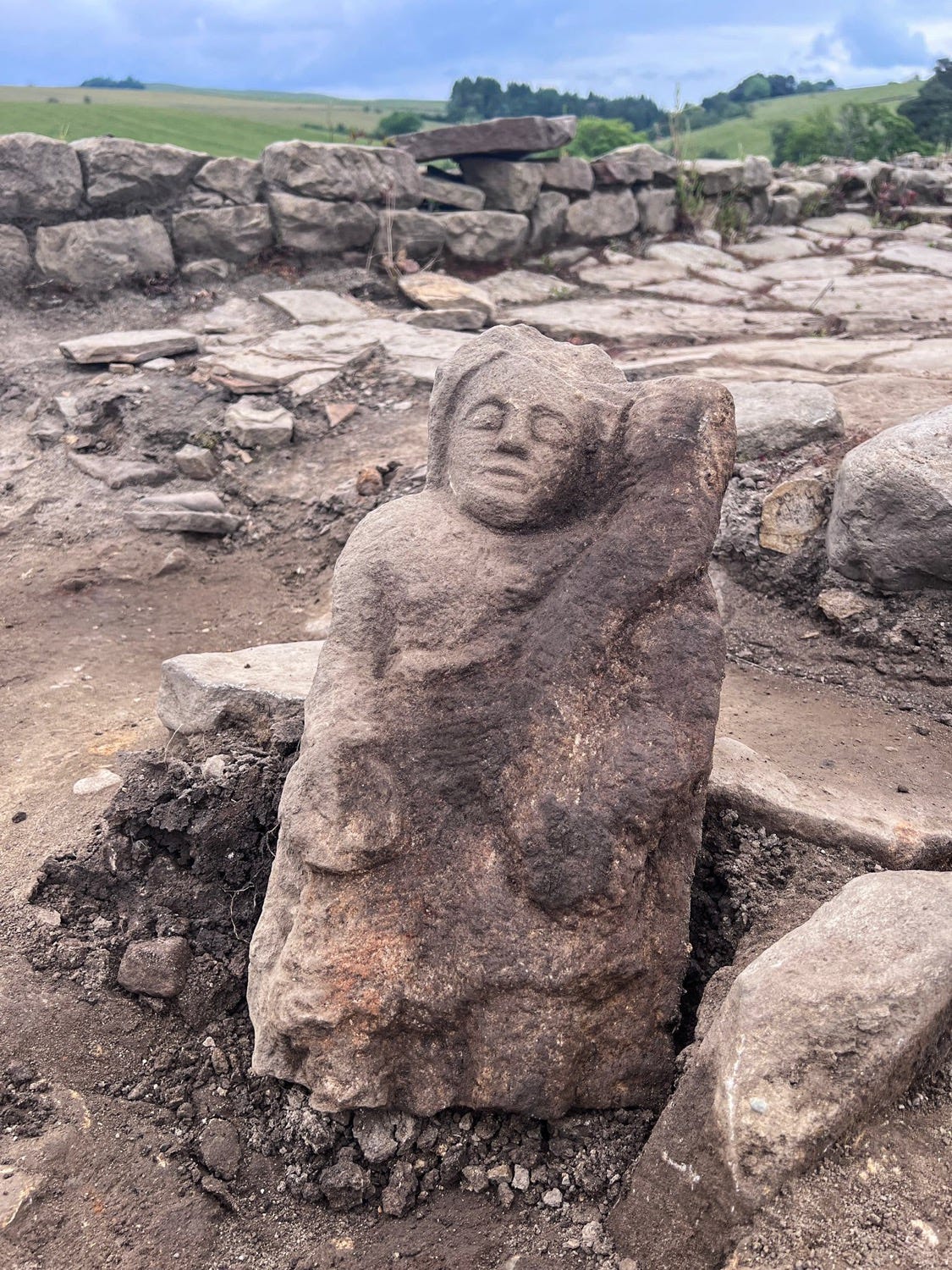
He turned the stone over and was met with the face of a carved Roman figure, unseen since it had been deliberately buried beneath the barrack floor more than 1,600 years ago.
The figure is believed to have formed part of a domestic shrine, where it would have represented a Genius – the protective spirit of a household or place, invoked by the Romans to bring security, prosperity and good fortune.
The moment also carried a special significance. While many of Vindolanda’s discoveries are made by the hundreds of volunteers who excavate at the site each year, this find was made by Andrew - the third generation of his family to dedicate his career to uncovering Vindolanda’s past.
His grandfather, Professor Eric Birley, first established excavations at Vindolanda in the 1930s, while his father, Robin Birley, transformed understanding of the site through decades of pioneering archaeological work.
Andrew said: “I have been fortunate enough to have worked at the site for many years and made some wonderful discoveries along the way, but I was completely unprepared for what I found on the other side of this stone.
“It was an extraordinary moment.
“My first thought was, ‘Who on earth am I looking at?’
“Thankfully, Hadrian’s Wall is home to an incredible community of generous and knowledgeable scholars and the unanimous response was that we had uncovered a previously unknown relief of a Genius – the protective spirit of a place.
“As archaeologists, moments like these are incredibly rare, and we feel privileged to have uncovered and preserved such an important part of the site’s story.”
The relief depicts the Genius holding a cornucopia, symbolising abundance and prosperity, in one hand, and a patera, the shallow dish used in ritual offerings, in the other.
It is believed to have been carved locally, either by a mason working at Vindolanda or perhaps by a sculptor from a regional carving workshop or tradition, such as the Roman fort of Lanchester in County Durham.
The figure offers fresh insight into the religious beliefs of the soldiers and families who lived at Vindolanda during the closing centuries of Roman Britain.
The sculpture is now undergoing conservation and detailed study before going on public display in the site museum, allowing visitors to come face to face with a guardian that has watched silently over Vindolanda for more than 16 centuries.