


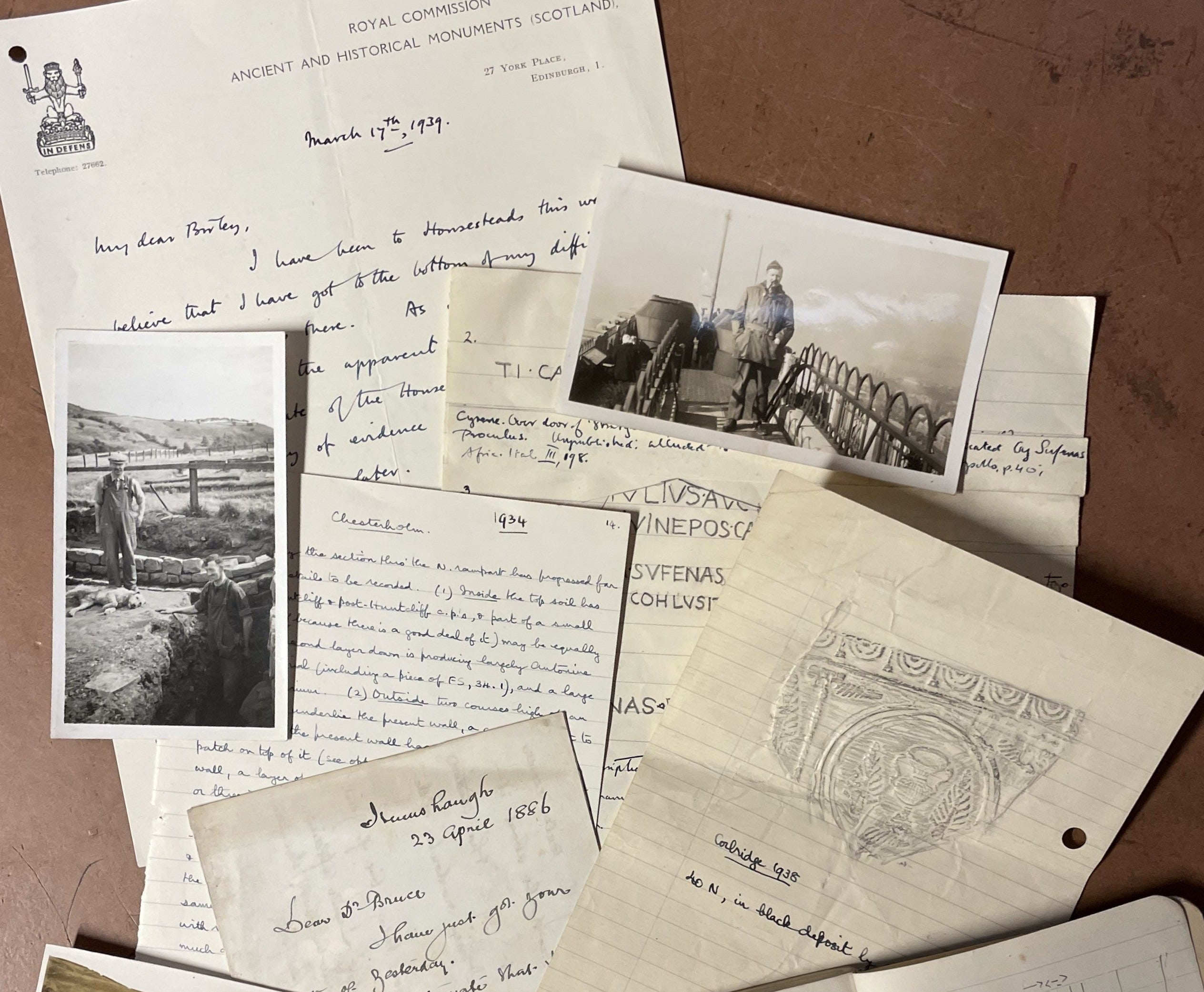
A project will dig into a series of archives to pull together a wide-ranging picture of Hadrian’s Wall for a time when the monument itself may no longer exist.
Years of experience and knowledge of the Roman frontier will be unlocked by a £149,996 award through the Archives Revealed programme to deliver Materialitas, an ambitious new archive project.
The Vindolanda Trust is leading a partnership with Durham University and North East Museums, with the award representing the largest dedicated archival cataloguing grant currently available in the UK.
The project aims to preserve knowledge of Hadrian’s Wall, how people over the centuries have reacted to it and the traces they have left behind, while exploring cultural connections to the historic landscape.
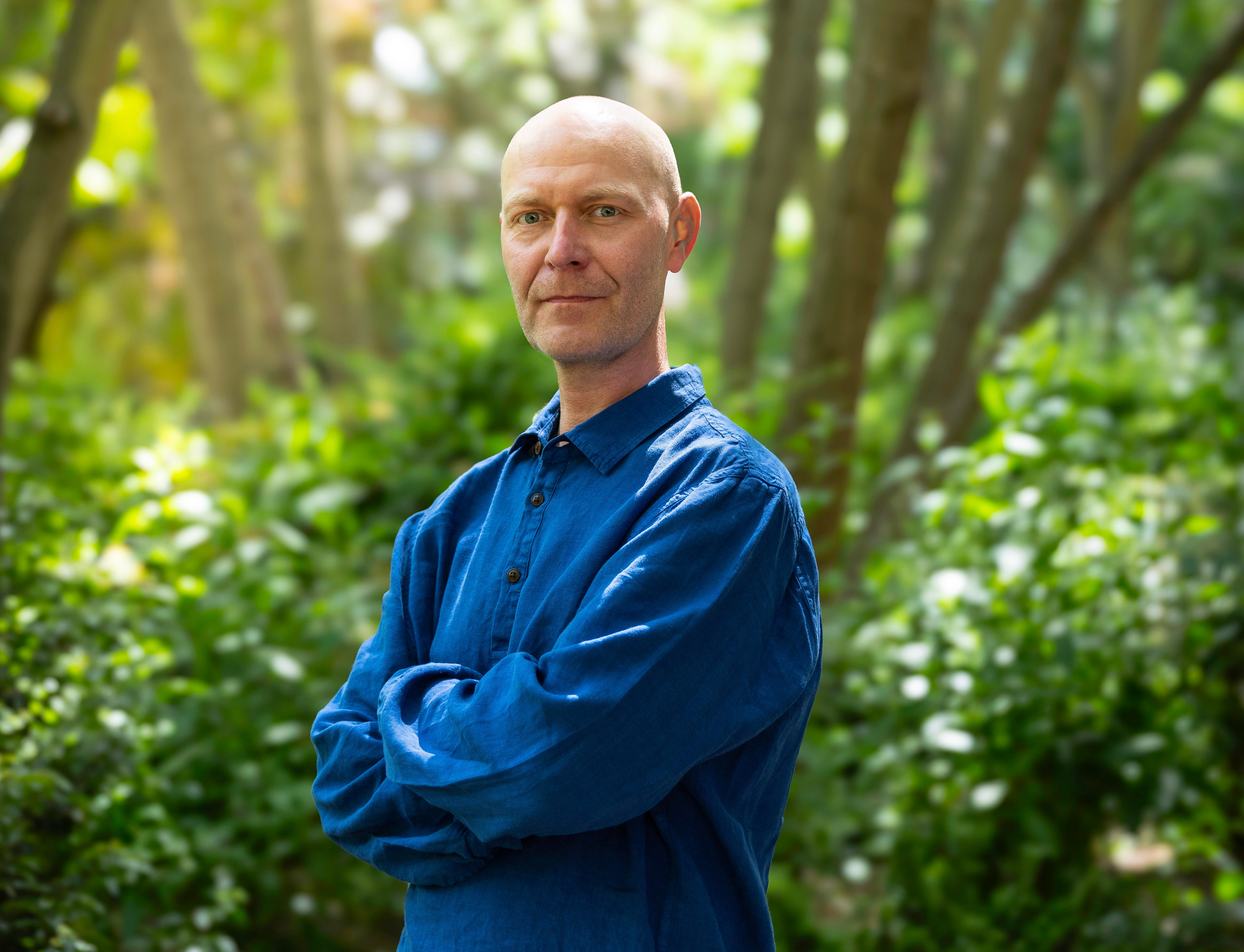
The Trust has appointed artist Siôn Parkinson as artist-in-residence, who will research and develop an artwork for Queen’s Hall Arts Centre in Hexham.
The funding will support the cataloguing and public access of five nationally significant archives relating to Hadrian’s Wall, its archaeologists, sites and material culture. The collections are:
The archive of Eric Birley – personal and professional papers of a pioneer of Roman frontier archaeology, founder of Durham University’s Department of Archaeology and Vindolanda’s first modern excavator.
The Oswald Plicque Reference Collection at Durham University – documentation accompanying 4,500 Samian ware pottery fragments assembled in the late 19th century and later acquired for Durham University by Professor Birley.
The photographic archive of Hadrian’s Wall at the Great North Museum: Hancock – early 20th-century photographs taken by members of the Society of Antiquaries of Newcastle upon Tyne.
The archive of Beryl Charlton, also held by the Great North Museum: Hancock – professional papers of the Northumberland-based Roman archaeologist.
The Arbeia South Shields Roman Fort archaeological archive – material relating to excavations carried out between 1949 and 1983.
The project is a response to the growing risks facing Hadrian’s Wall as a physical structure through climate change and the passage of time. By strengthening access to its archival record, the partners aim to ensure that the Wall’s history remains accessible and valued for when the monument itself may no longer survive.
Veryan Johnston, chair of trustees of the Vindolanda Trust, said: “We are excited about this partnership and the opportunity it presents for people to connect to the history of Hadrian’s Wall from a different perspective, through its archival record, complementing the archaeological remains.”
Bethany Goodman, archivist and project manager, said: “These archives hold extraordinary potential for research, creativity, and public engagement, but much of that potential remains locked without detailed cataloguing.
“This project allows us to bring together collections that are usually encountered in isolation and reveal the networks of people, ideas, and material culture that shaped our understanding of Hadrian’s Wall.”
Materialitas will create publicly accessible online catalogues for all five archives, alongside activities including internships, volunteer opportunities, the artist residency, a conference and an online exhibition.
Siôn, who will be given exclusive access to the collections, said: “When I first heard about this project, it felt as though it had been written specifically for me. As an artist interested in how people use all their senses to engage with heritage collections, the opportunity to explore five archives associated with Hadrian’s Wall is exciting, unusual, and one from which I’m sure we will all learn something new.
“I want to discover what the material reveals about how different people have encountered the Wall, and the traces they have left behind, often without intending to.
“Through art, I hope to tell a different story, to imagine Hadrian’s Wall not simply as a single structure, but as a collection of things — photographs, letters, handwritten notes and memories — whose histories extend into the present.”
Siôn’s work uses sound, smell, performance and moving image. His residency is part of the Vindolanda Trust’s creative programme, The Land We Walk On.
Led by the Trust’s contemporary art curator, Morag Iles, the programme invites artists to undertake research residencies exploring its collections and climate research. Since 2023, the Trust has hosted four artist residencies and commissioned two new contemporary artworks.
Next year it will partner with Queen’s Hall Arts Centre to present Siôn’s new work.
