


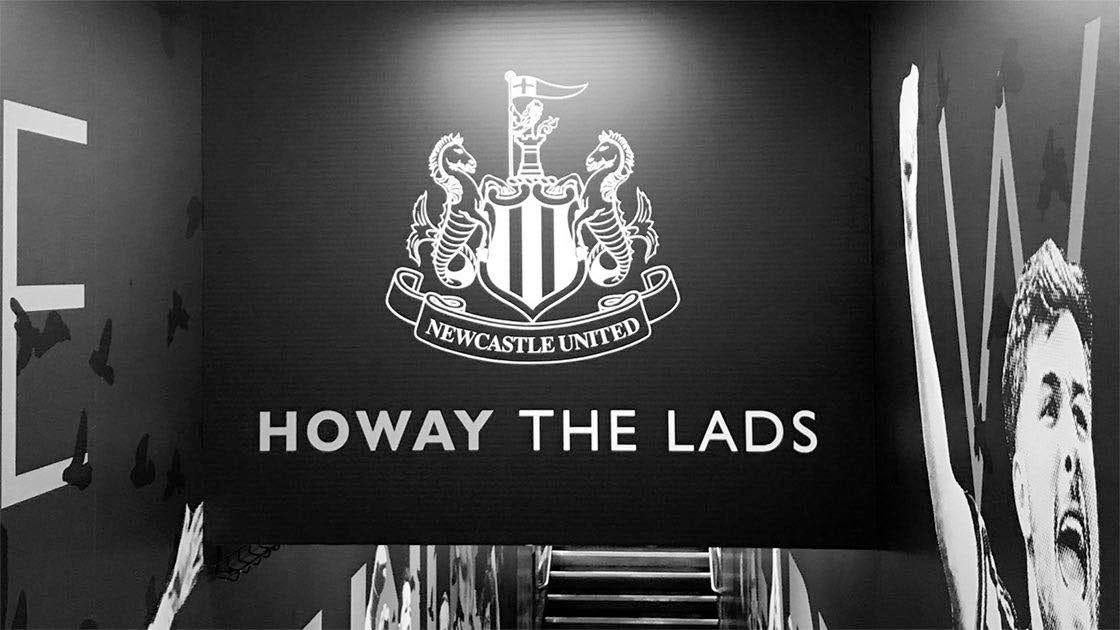
It’s a century since the 1926-27 season when Newcastle United were last league champions.
The gaps between major successes can be measured in lifetimes: it took 70 years for the club to win another major domestic trophy, with the League Cup triumph of 2025.
Northumberland-based Dan Jackson, in his new book on United following his best-selling volume The Northumbrians, puts it into context – Wyatt Earp and Thomas Hardy were still alive when the league title last came to Tyneside.
Yet Newcastle, albeit with a few downs as well as ups, command a doggedly loyal following despite the lack of success – that is, if you discount the glory days of the 1970s which saw them win the Texaco Cup twice.
Why? The publicity for Howay the Lads! A People’s History of Newcastle United weighs in with talk of an “unbreakable bond with the city and the fan culture that somehow made Newcastle United the best supported underachievers in world football”.
The North East, for centuries geographically isolated and a frontier land over centuries of conflict from the Roman era to the Scottish wars, produced a place imbued with a powerful sense of identity and accent, with its own tribal name of the Geordies, its own music, songs and writing.
A telling phrase from the book is how the club “carries the banner” for the city and region – apt, given that armies over the frontier years paraded their banners across the region.
Jackson explores how all that has become entwined with United, creating a weave binding both club, city and beyond.
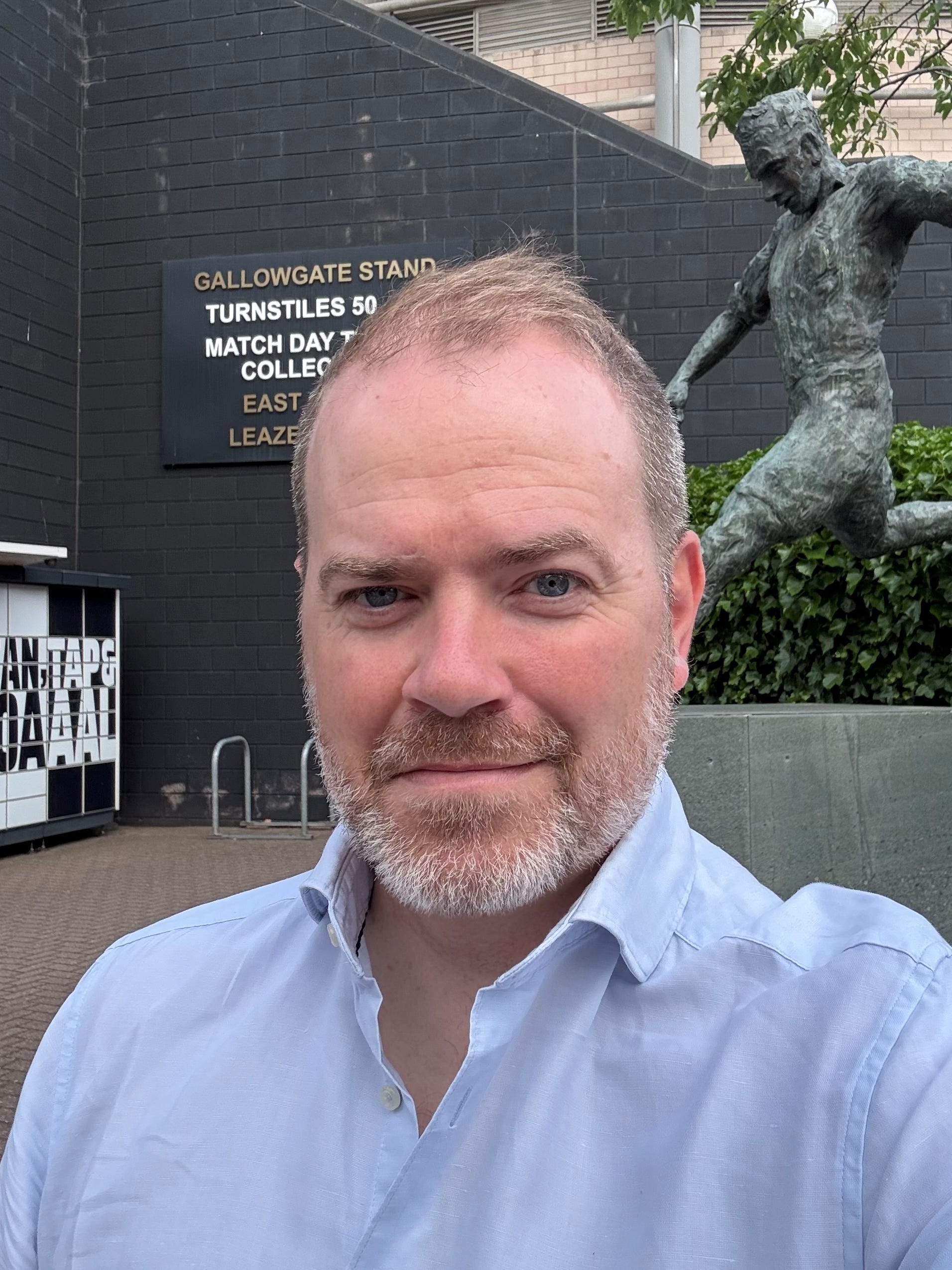
The first photograph in the book chimes with that theme in what is a tale of two terraces.
The view is of the classical Georgian architecture of the Grade I listed Leazes Terrace, built between 1829-34 as high-class residences as Newcastle expanded, alongside the Brutalist concrete East Stand of St James Park, built from 1972 to replace the football terraces of the old Popular side
Together, the two structures, divided by a narrow thoroughfare, span 140 years and the link between the past and today has been reinforced by the club tellingly acquiring a significant stretch of the 1834 terrace in May.
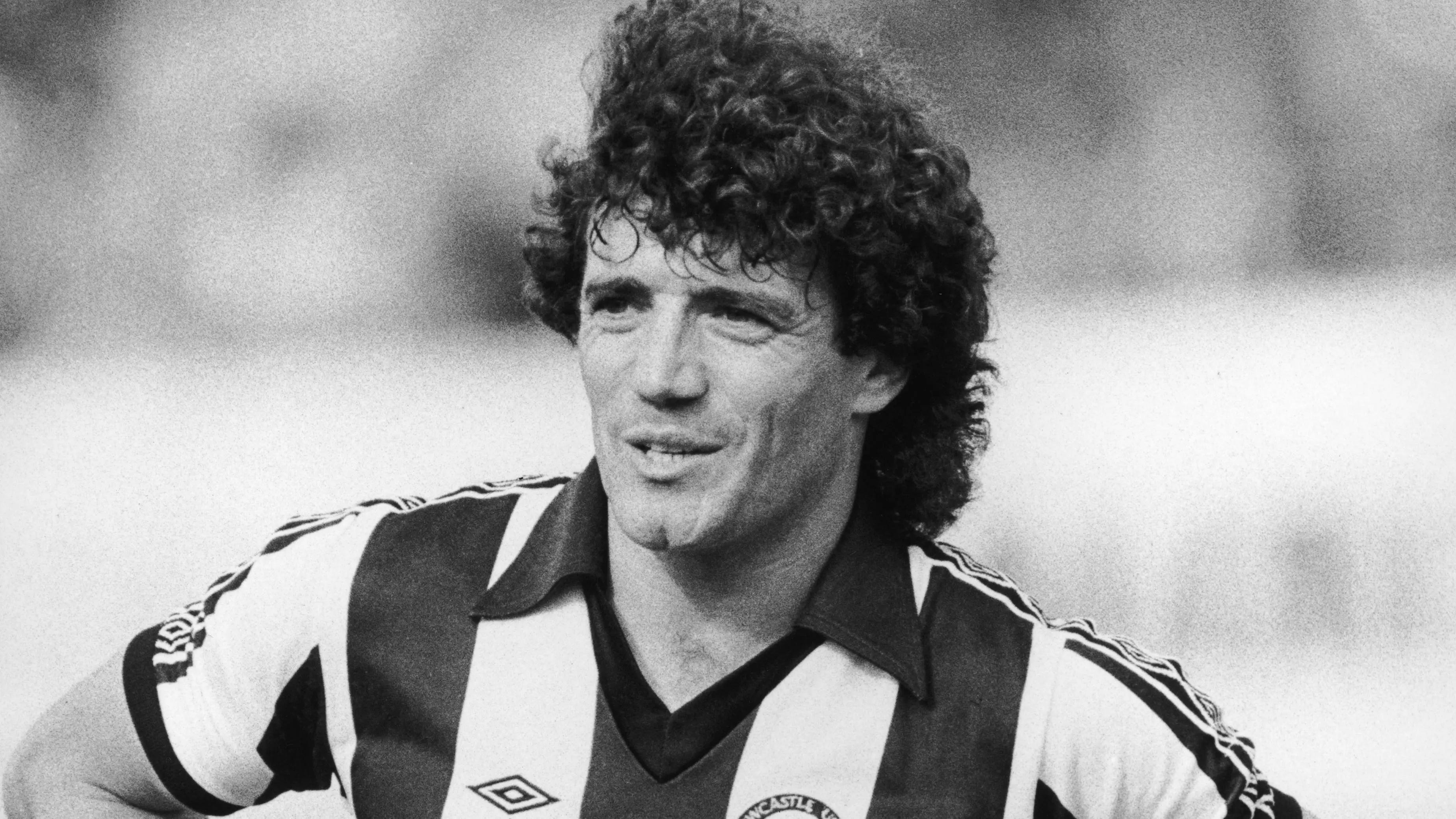
Managers such as Bobby Robson, Kevin Keegan and Eddie Howe “got it” in recognising the link between past and present, fans and football.
No doubt Jackson “got it” early on when he acted as a ball boy at St James Park.
He sees a relationship between United’s fortunes and those of the city and region: the golden Edwardian run of league titles and FA Cup finals as Newcastle grew as an industrial powerhouse; the three Cup wins of the 1950s as Tyneside recovered from the war years and rationing; and Keegan’s Entertainers as the less than lively 1980s were left behind.
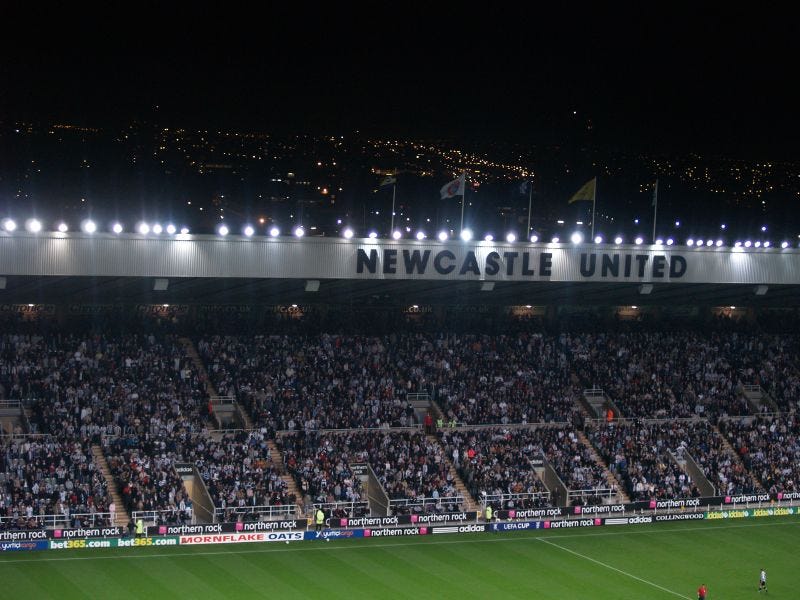
Today the special bond between team and fans is manifested by Wor Flags, currently celebrating their 10th anniversary, and serving up match day displays that no other fan base has yet equalled.
Dan maintains that the area’s historic legacy underpins the fans/club relationship – “a distinctive culture bred from centuries of hard and dangerous frontier life and the heaviest of heavy industrial graft when it was wise to stick together and to carouse with complete abandon whenever possible”.
American president Jimmy Carter struck the chord during his visit to Newcastle in 1977 when he addressed the crowd of thousands outside the Civic Centre with the greeting “Howay the Lads.”
Dan dwells on the ecstatic scenes of the Carabao Cup final. It was a day of remarkable events, such as my mate leaping to his feet when the first goal was scored and his expensive miniature hearing aid shooting out.
It looked to be lost forever, only for it to land in a tray of chips held by the bloke sitting in the row in front. Nothing, it seems, could be allowed to spoil the occasion.
The book also recounts the intriguing story of the United fan in Australia who, just before Newcastle’s 1924 FA Cup final, sent the club a Victorian penny which had proved to be a lucky coin.
It was carried in the match by United centre forward Neil Harris who scored in Newcastle’s victory, by Jack Allen who netted twice in the 1932 final, by Jackie Milburn in the 1951 and 1952 final wins and Vic Keeble in 1955.
By the time Newcastle’s 1974 final came round, the coin had vanished and we all know what happened next.
Football had been embraced by working people in the region as the game took hold. According to the International Journal of the History of Sport, football was “a unifying force within working-class cultural life” for it was “their own game. Not one visibly associated with the ‘superior’ classes like rugby and cricket.”
On April 5, 1901, an estimated 70,000 fans turned up at St James Park for the derby against Sunderland, when the ground capacity was 20,000 and only 25 police were on duty. The game was abandoned without kicking off.
By 1897-98, Newcastle’s gate averaged 18,150 – the second highest in the country.
This was a time when the city had 446 fully licensed houses, 326 beer houses, 36 breweries and 77 off licences. No need for fan zones then.
Today United fans march under the banner of the Toon Army, although in 2019 supporters hired a flotilla of pleasure boats to take them down the Thames to Putney pier for the game against Fulham, and were dubbed the Toon Navy.
Now the big debate centres on whether the club leaves its “cathedral on the hill” home for a new stadium or expands the current ground.
Dan points out that there are only eight clubs in the top four divisions in England who have spent longer at their current home ground than United.
Newcastle East End/United have played at St James Park since 1892, although West End were there from 1886.
Dan says that with 174 pubs in the whole of the city centre, the club already has a fanzone.
“It’s my earnest hope that, by some miracle of architectural engineering, the old place can be sufficiently expanded to meet the requirements of a club with aspirations to reach the very top.
“Acts of devotion have consecrated this corner of Newcastle with joy and sadness for nearly 150 years so that it would feel sacrilegious to ever leave this place.”
Devotion which saw an estimate of up to 300,000 pack the city for the parade of the Carabao Cup.
If there is one more link with history it is at that moment United brought alive the line from Geordie Ridley’s 1862 anthem The Blaydon Races.
“All the lads and lasses there, all wi’ smilin’ faces.”
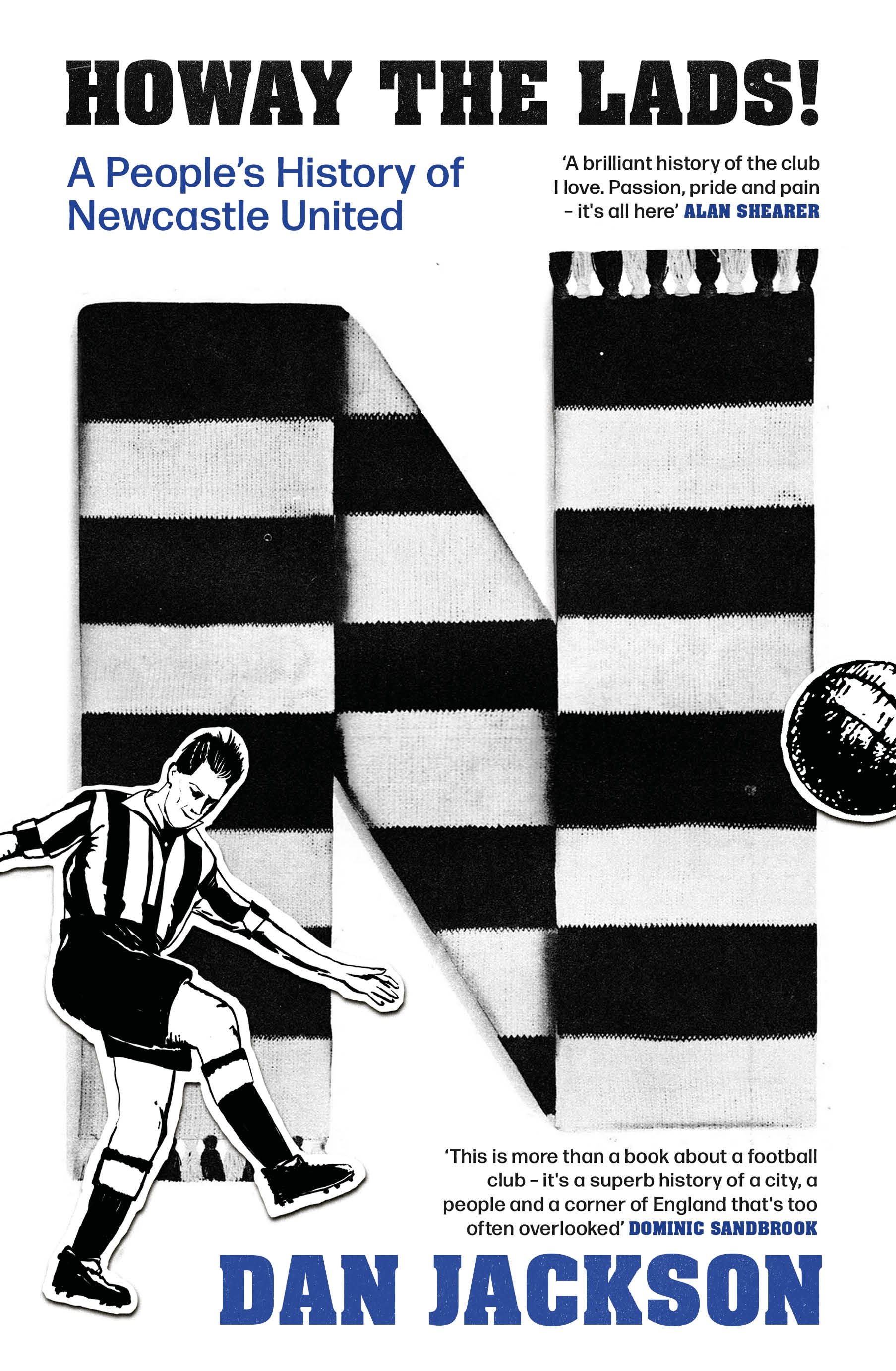
Howay the Lads! A People’s History of Newcastle United by Dan Jackson is published by Abacus and now on sale.
