


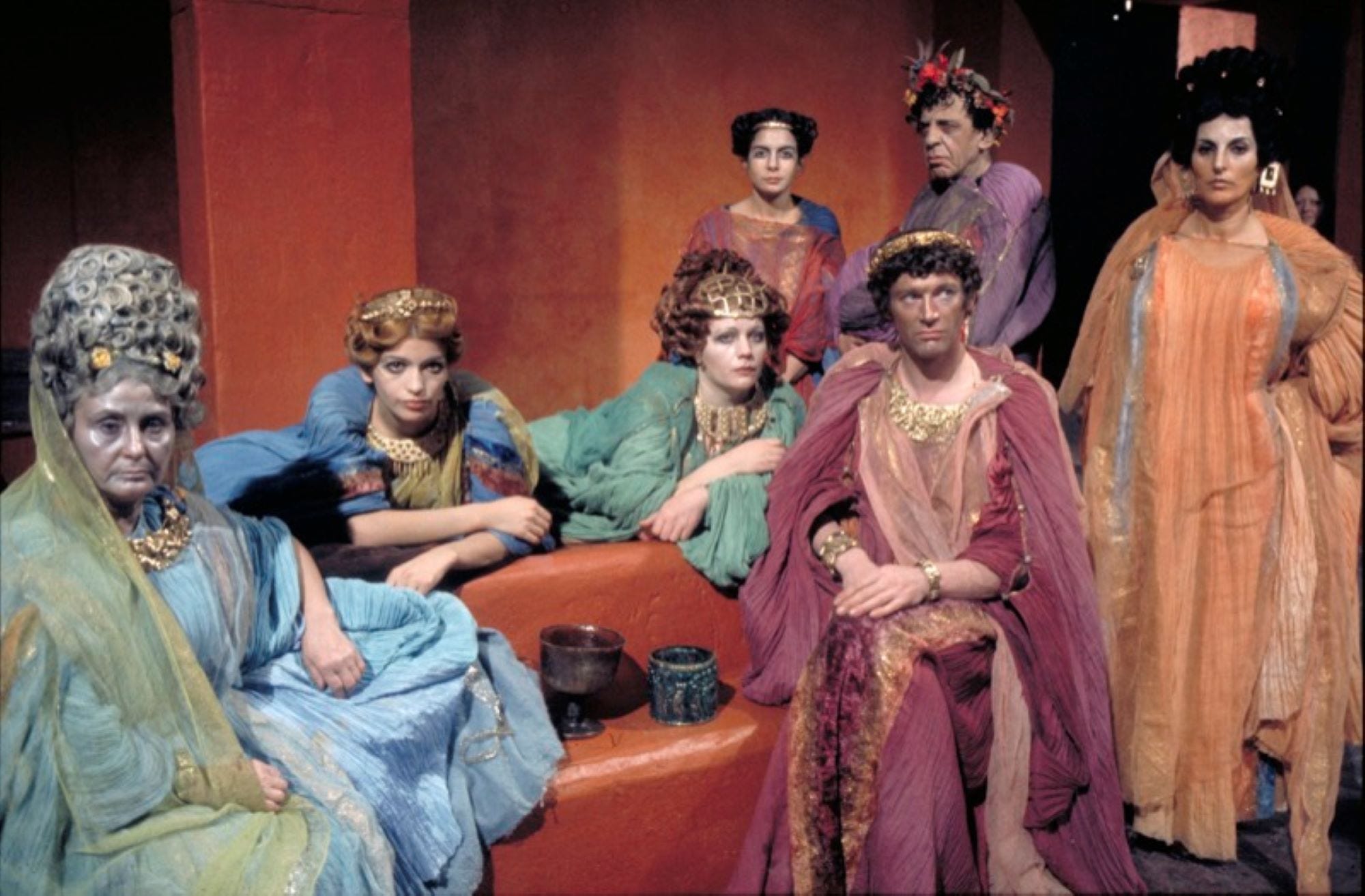
Raise your goblet for ClassicsFest which is returning in May with the focus this year on food, wine and hospitality in Ancient Greece and Rome.
Fans and curious first-timers are invited to the table to sample an enticing menu of talks, discussions, theatrical performances and food and wine tastings.
Designed to blow the dust off classic texts, the festival was piloted in 2024 with its theme of women and love inspired by the heroines – often sorely tested and wronged by men – described in Ovid’s Heroides.
Popular demand saw its return last year with a timely look at politics inspired by Cicero, the Roman statesman and orator.
Now the festival, hosted once again by the Lit & Phil along with Newcastle University’s School of History, Classics and Archaeology, introduces another toga-wearing character from long ago.
Roman gourmet Apicius, a wealthy merchant with a passion for fine food and hospitality, was the spark for this year’s festival, and in particular the creative writing challenge that will see the premiere of winner Abby Walker’s first stage play.
See her comedy Great Granda Apicius, directed by artistic director Ed Cole, at Alphabetti Theatre on May 15 or 16 (7.30pm).
Cinzia Hardy’s aim in founding ClassicsFest was to make the (still startlingly relevant) classical world accessible to modern audiences.
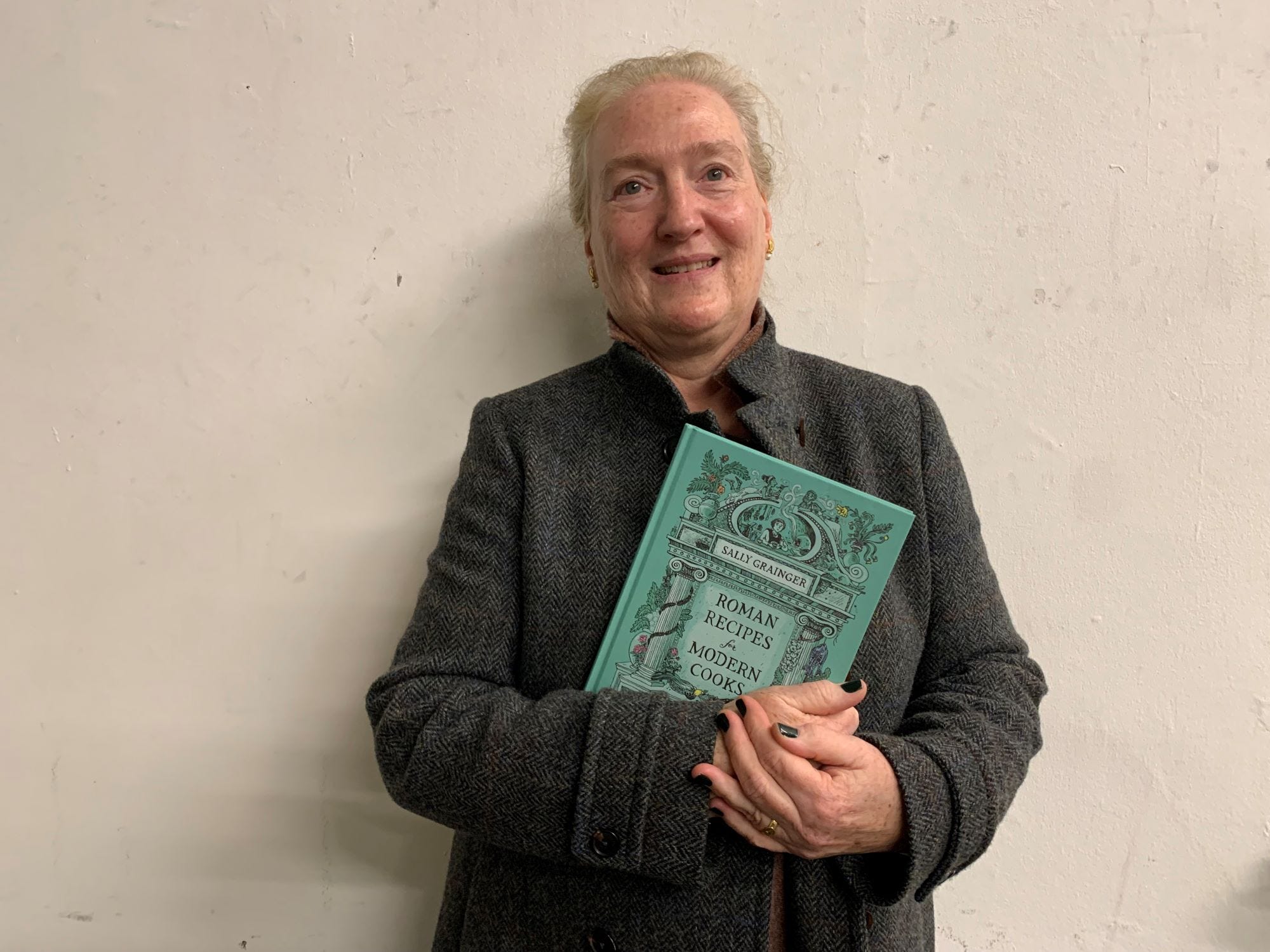
As festival producer, she explains: “Food is one of the most powerful ways to connect with the past.
“Through cooking, storytelling and shared meals we can experience the ancient world in a vivid and tangible way.
“ClassicsFest 2026 invites audiences to explore the flavours, rituals and meanings of food in Greek and Roman culture, while also reflecting on how these traditions continue to shape the way we eat and gather today.”
The festival, preceded by some appetiser lectures, officially begins on May 14 when Sally Grainger visits the Lit & Phil to demonstrate ancient cuisine, as detailed in her new book, Roman Recipes for Modern Cooks.
Sally, who calls herself chef, food historian and ‘experimental archaeologist’ (her MA dissertation was Roman fish sauce: an experiment in archaeology) will be joined by Karen Phillips, who leads the cookery course at Linnels Farm, Northumberland, and Dr Kathryn Tempest, lecturer in Roman history at Leicester University.
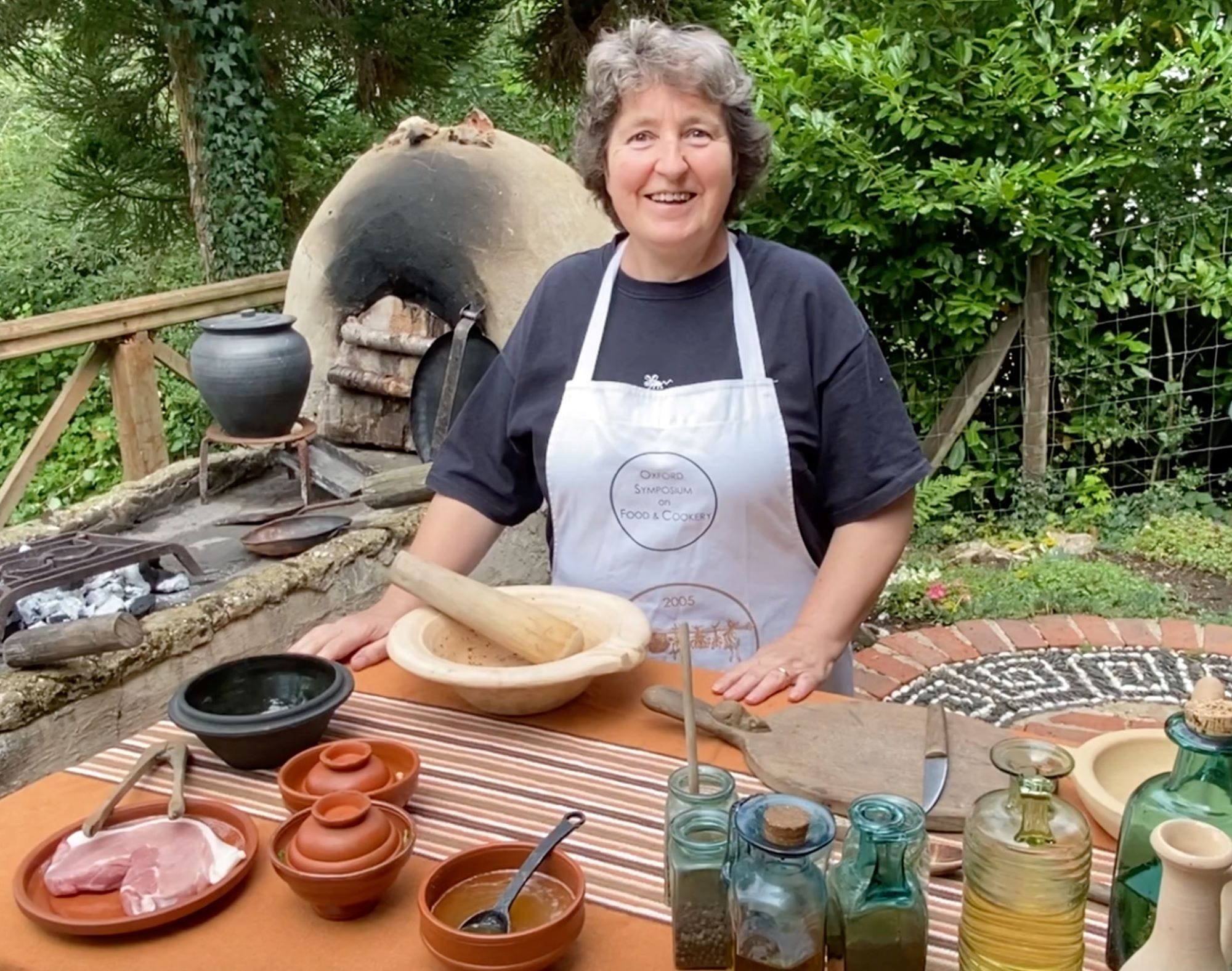
Sally will give another talk and demonstration on May 16 (11am) on the subject Garum at the Roman Table, garum being that fish sauce that Roman foodies drooled over and used liberally.
Wine From Antiquity to Now is the tempting title of a discussion on May 15 (6pm), chaired by Professor Athanassios Vergados, of Newcastle University, and including a wine tasting inspired by classical traditions.
Saturday, May 16 offers a full day of ClassicsFest attractions with one of the highlights being Trimalchio’s Dinner Party at Tyneside Cinema, starting at 12.30pm.
This is billed as a theatrical reimagining of the extravagant banquet described in The Satyricon, a work of fiction attributed to a courtier from the time of the Emperor Nero.
Written by Kirsten Luckins, past winner of the ClassicsFest playwriting competition, it will be performed by professional actors around the audience as they enjoy afternoon tea, “recreating the chaotic atmosphere of one of antiquity’s most notorious fictional feasts”.
Kathryn Tempest will introduce the original text before the afternoon concludes with a screening of Satyricon, Federico Fellini’s controversial 1969 film which pleased audiences but had critics in a quandary.
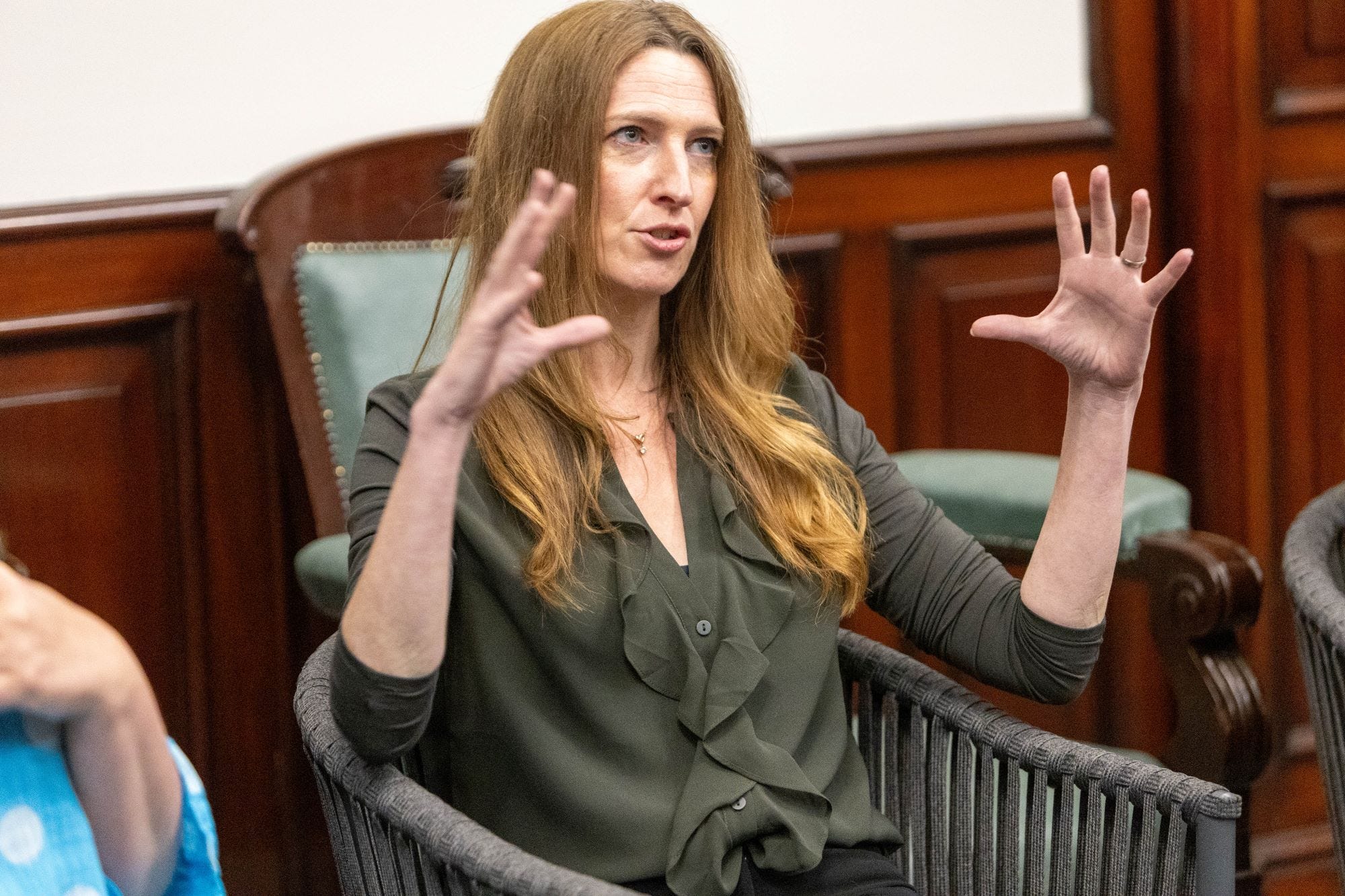
Across the festival, speakers will explore the wider cultural meaning of food in the ancient world.
In Eating, Not Cheating: The Moral Economics of Food in Ancient Rome (May 14, 3pm), Newcastle University lecturer Dr Marta Garcia Morcillo will look at how Rome managed food shortages and what lessons might be learned today.
Dr Christopher Grocock, former head of classics at Bedales School, will talk on the subject of Cooks, Cookbooks and Recipes in Ancient Greece and Rome (May 14, 4.30pm) while author, journalist and traveller Laura Coffey will lead A Gourmet Journey Through The Odyssey (May 16, 1pm).
The closing event, Food & Hospitality from Antiquity to Today, will bring together Prof Vergados, chef Archie Smith from Seven Bridges Café, Laura Coffey and anthropologists Prof James Staples and Prof Luke Heslop, co-producers of The Migration Menu podcast.
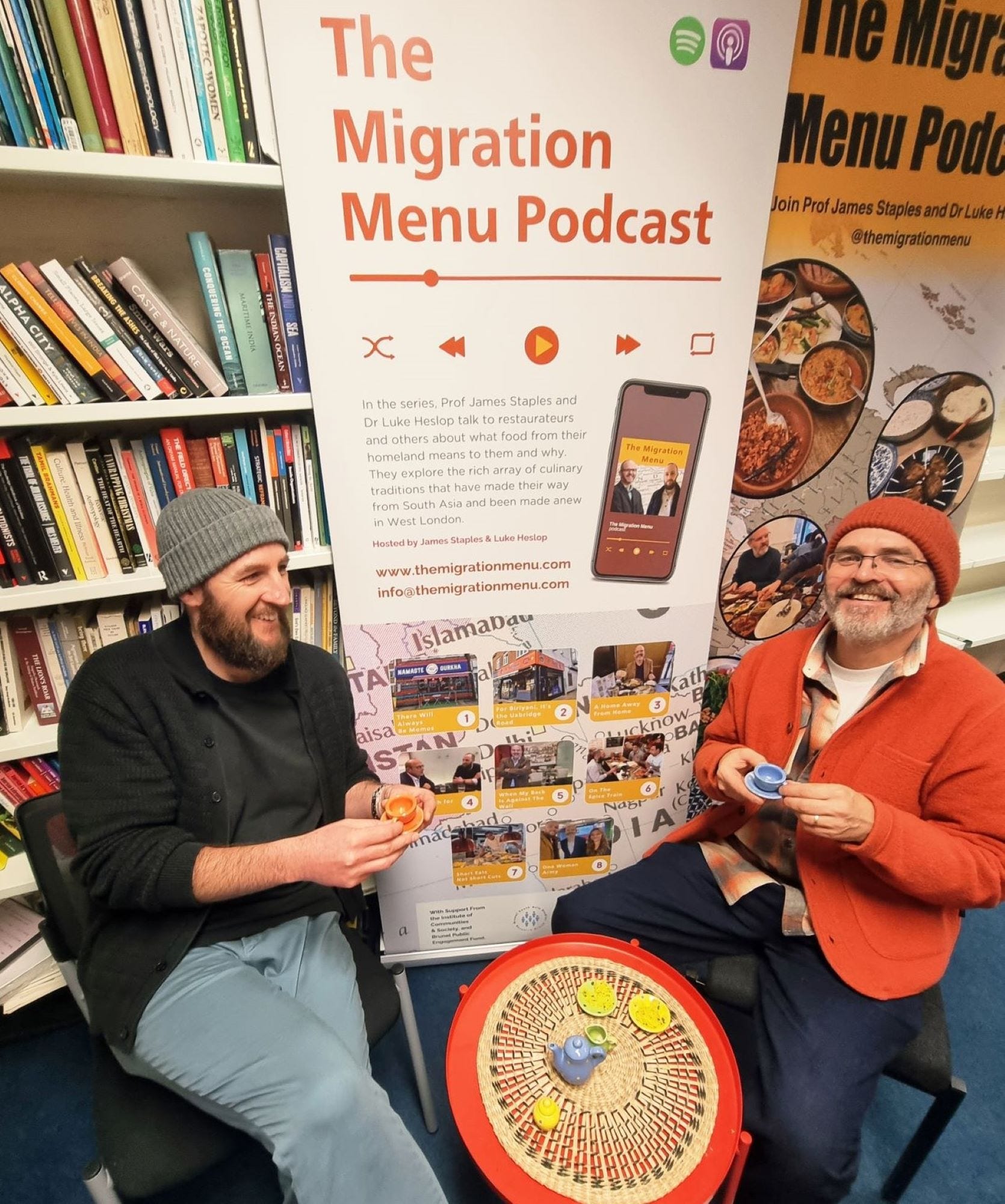
Up for discussion will be the ancient concept of ‘xenia’, the sacred duty of hospitality to strangers, and how sharing food is still an expression of welcome and community.
The festival embraces several Newcastle venues including the Lit & Phil, Tyneside Cinema, Alphabetti Theatre and Great North Museum: Hancock where, on May 15 (2.30pm and 4pm), keeper of archaeology Andrew Parkin will shed light on Greek wine vessels and artefacts.
Kay Easson, chief librarian at the Lit & Phil, says: “ClassicsFest continues to grow as a distinctive cultural event in the North East, bringing together scholarship, creativity and public engagement.
“This year’s focus on food and hospitality offers a great opportunity to explore how everyday practices in the ancient world can still speak to modern audiences.”
Check the Lit & Phil What’s On section for the festival programme and run-up satellite lectures exploring food in classical art, medicine and life on Hadrian’s Wall.
The festival proper runs from Thursday, May 14 to Saturday, May 16.
While many events are free, there’s a charge for those involving food or performances and all require advance booking here, via the Lit & Phil website or by calling (0191) 232 0192.
The festival is supported by The Community Foundation North East – Newcastle Culture Investment Fund, The David Family Foundation, The Leche Trust, Classics for All North, The Institute of Classical Studies, The Gillian Dickinson Trust, The Roman Society, The Classical Association, The Hellenic Society, the Catherine Cookson Charitable Trust, the Faculty of Humanities and Social Sciences at Newcastle University and the Department of Classics and Ancient History at Durham University.