


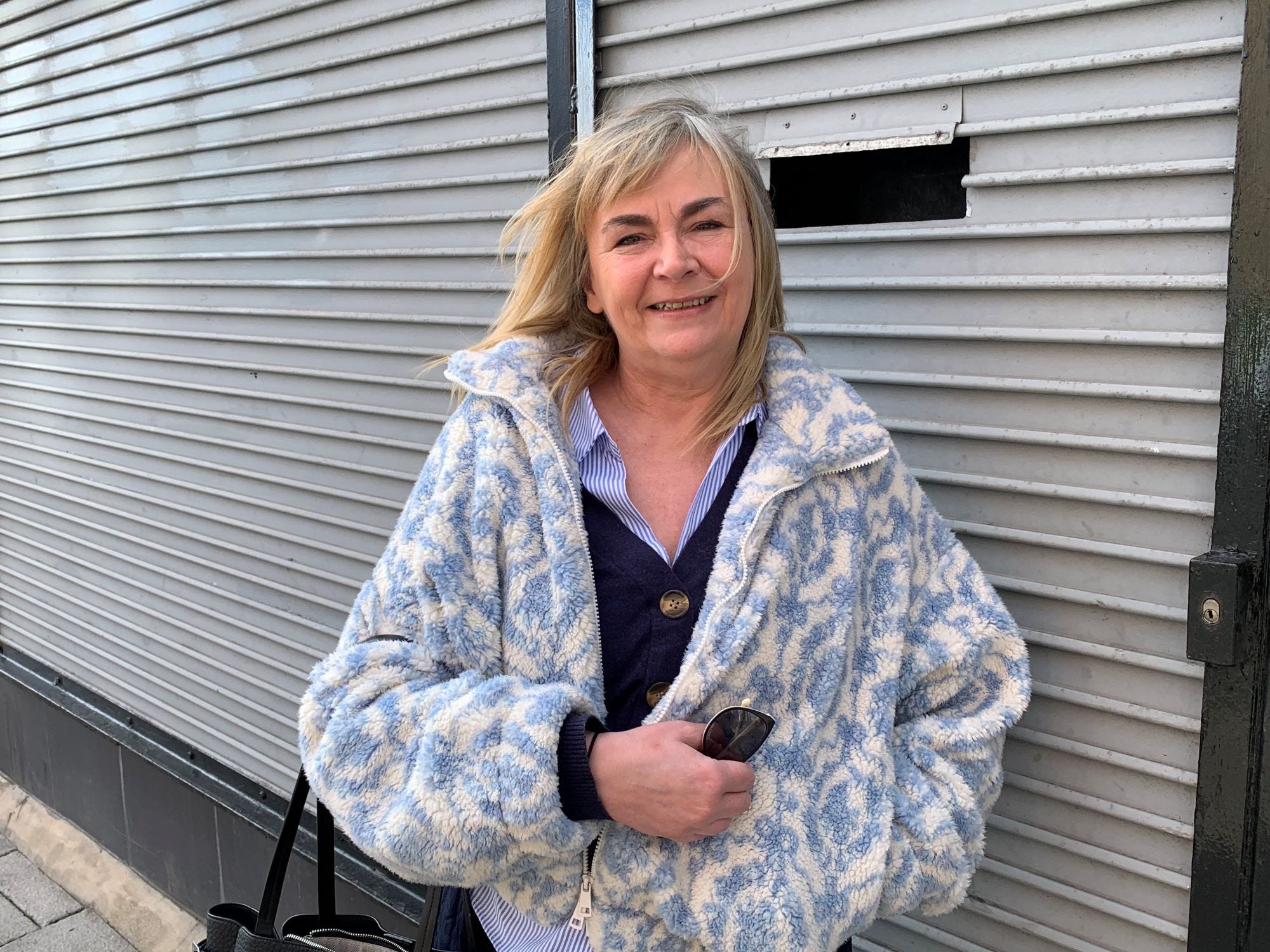
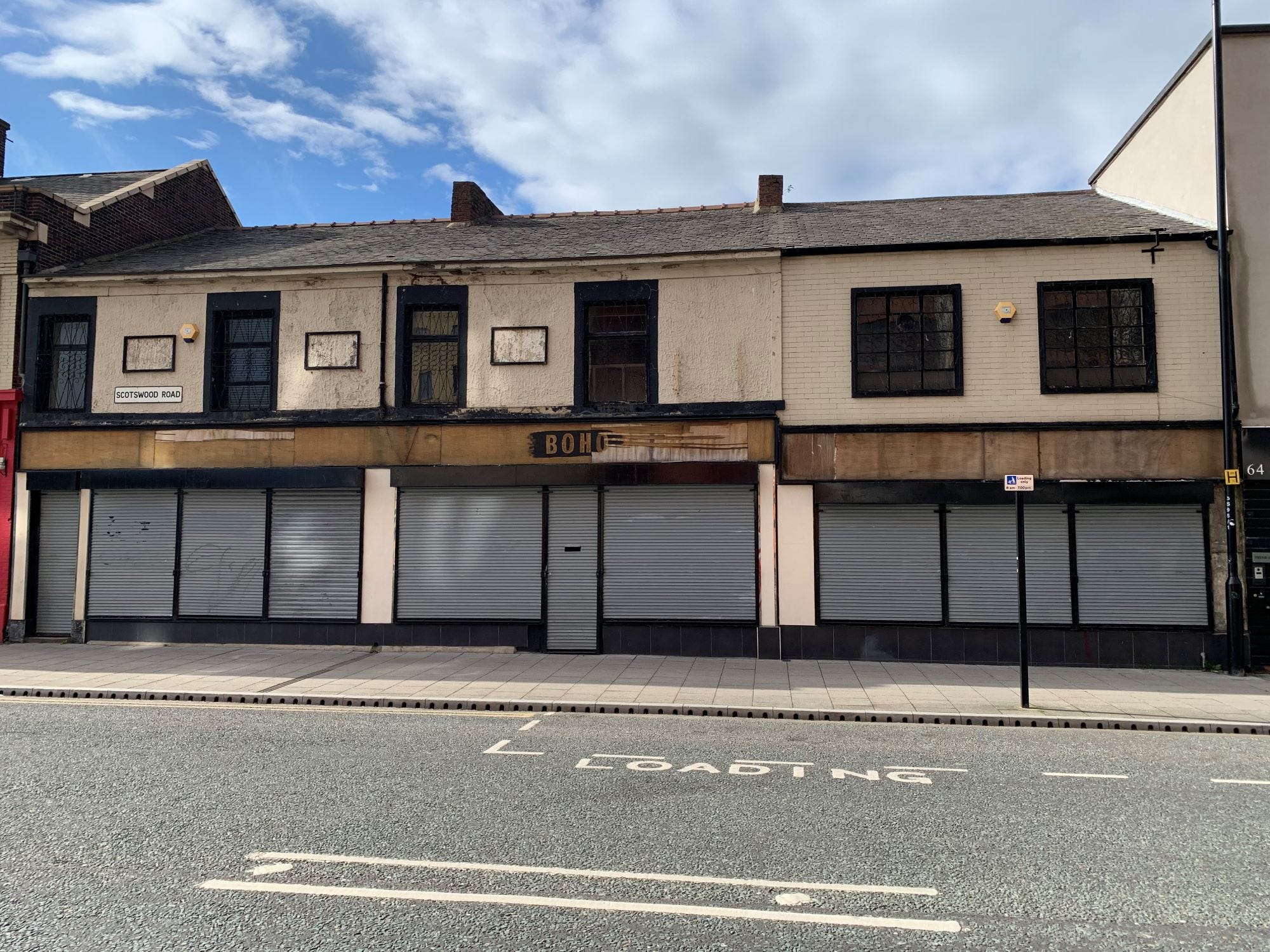
With shuttered doors and windows and paintwork having seen better days, it’s the sort of place you’d drive past without a glance.
Thousands must do every day, melding into the traffic heading for the Redheugh Bridge.
But Bev Fox poses proudly in front of 66-76 Scotswood Road before beetling round the back, keen to show off what a visionary might see as potential and others as a dispiriting mess.
Artists tend to see what others can’t and Bev, co-founder of improv group The Suggestibles, clearly has that gift.
I’m looking at a forbidding wall with barbed wire on top, guarding an architectural mish-mash garnished with buddleia.
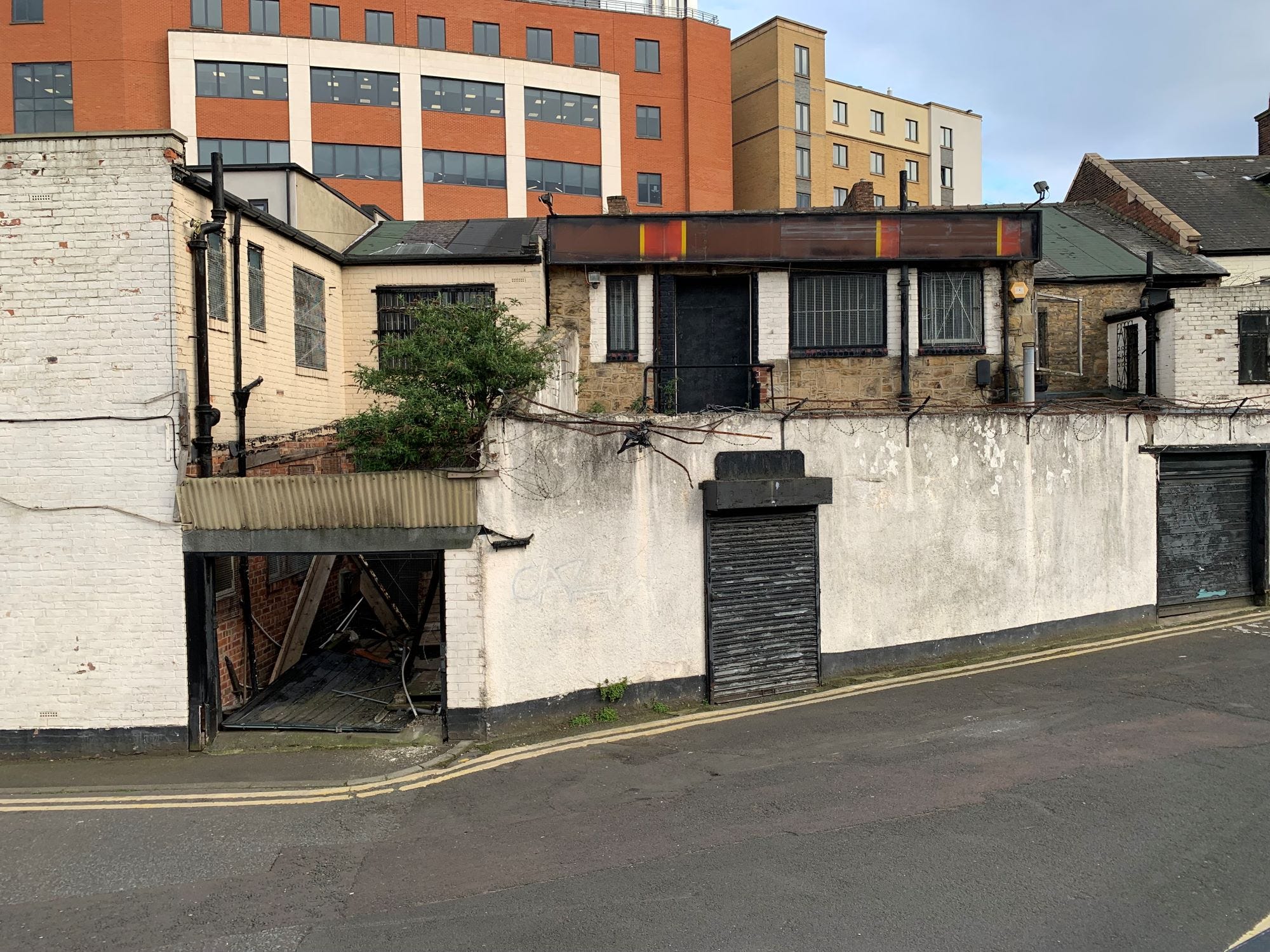
“We’re knocking through here so the outhouses become a garden and then we’ll have a balcony all round,” Bev says brightly.
“The council said we could get a pavement licence because there’s no through route.
“It’ll be really nice. I know you’ve got the traffic (roaring in close proximity along St James’ Boulevard) but you have that in Ibiza, everywhere.”
This place, this dream, falls within the footprint of Creative Central NCL, the creative zone established by Newcastle City Council and the North East Combined Authority (NECA) to ignite a regenerative boost.
“We want to see a city centre brought to life by artists and creatives, where their skills, practice and experience is a cornerstone of what makes the city attractive and unique,” they say.
Invest in creative enterprise, the argument goes, and you unleash potential. Jobs will follow and life will be better for all.
The Boho Arts Community Hub has been supported with grants totalling £296,329, according to Creative Central NCL, with that money helping to unlock further funding.
Other projects in the area have been supported with lesser sums through the NECA-funded programme due to end next year.
It seems to be working wonders in the case of Boho Arts.
“I would say Ian and I (that’s Ian McLaughlin, co-founder of The Suggestibles and Bev’s partner in life and improv) have been doing the equivalent of five people’s full-time jobs,” says Bev.
For years they’ve run an improvisation school in hired rooms at nearby Leonardo Hotel (formerly Jurys Inn), sharing improv techniques with locals and others from as far as Edinburgh and York, it being handy for the station.
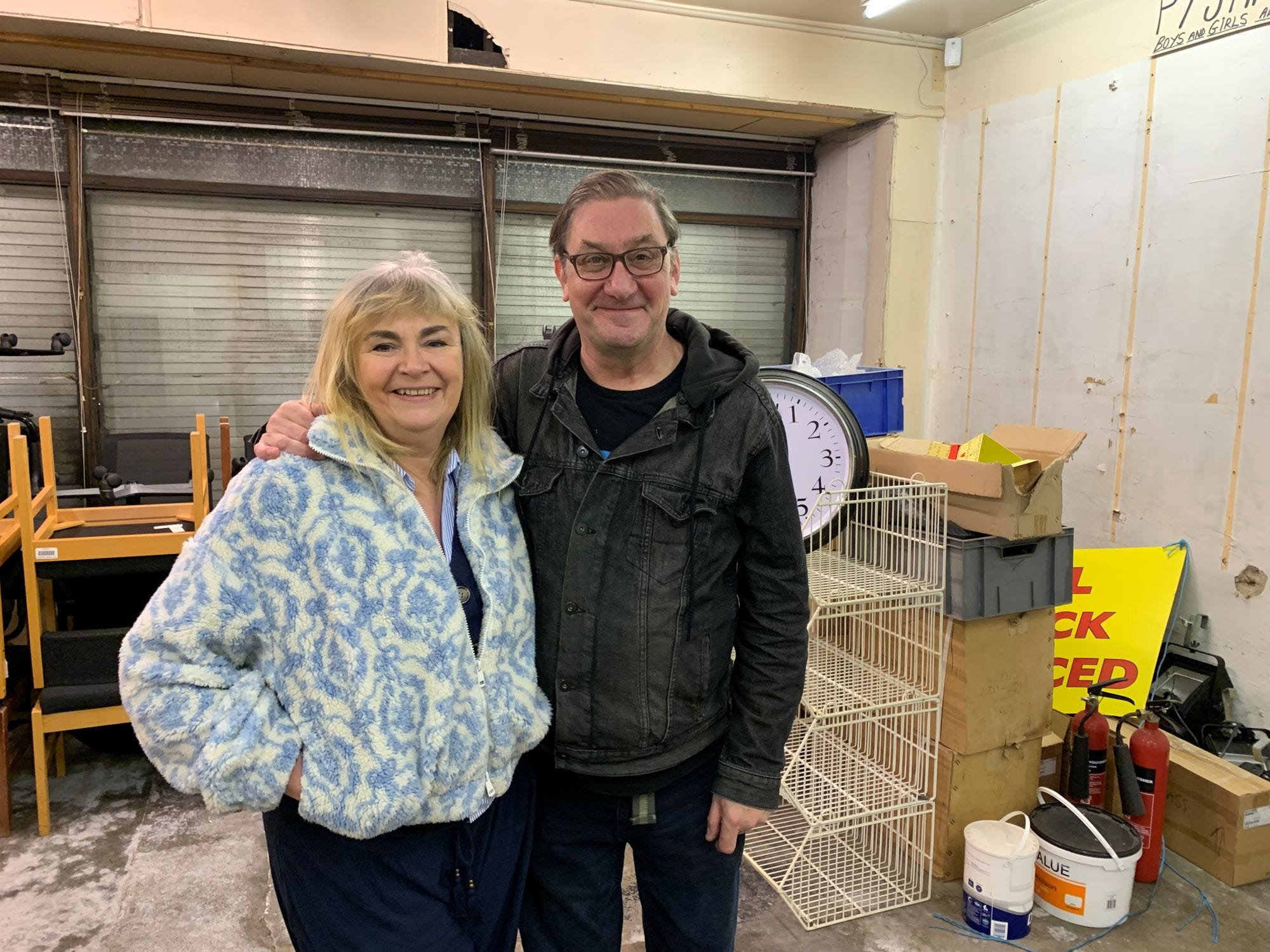
Few of those who attend have designs on being entertainers, Bev explains. Some, in leadership roles, want to become better public speakers; others seek greater confidence.
“Improv was made famous by comedy because the games we play are entertaining to watch, but they were invented for wellbeing and connection.”
As well as a sense that they needed their own place, says Bev, they were also aware of a general need for places where creative practitioners could run workshops and share ideas.
They had been hit by a double whammy of Covid-19 and the loss of buildings like Commercial Union House, colonised by creatives for years, to make way for the massive new Government offices off Pilgrim Street.
Boho Arts initiated a creative spaces survey to find out what people wanted and elicited 400 responses. A subsequent Crowdfunder campaign raised a pretty staggering £44,000, which strengthened Bev’s resolve.
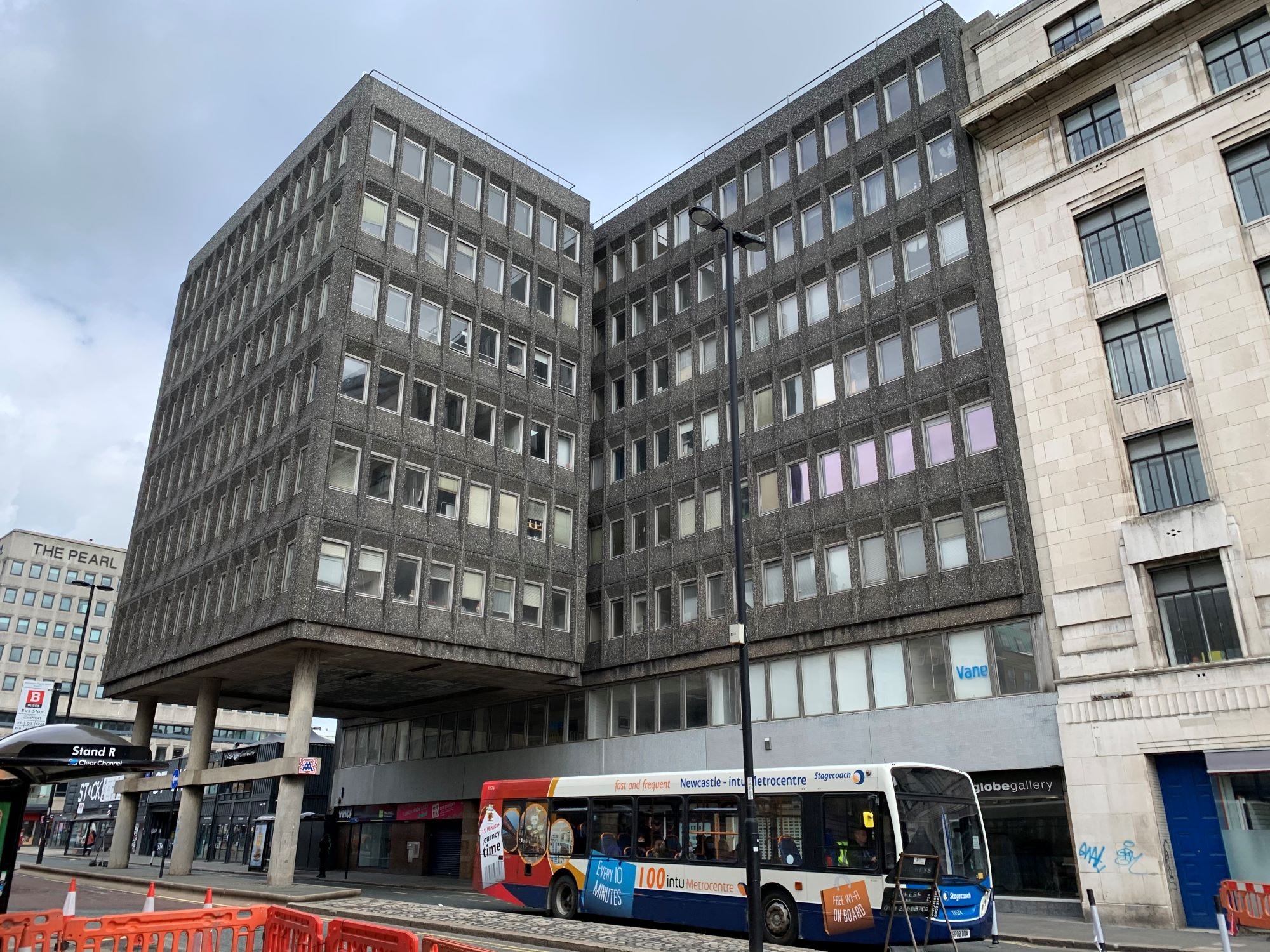
Ever since then, she and Ian have been focused on a solution - in short, finding a building.
This one, which they were surprised to find close by, had been empty for at least a decade.
It was once three buildings, one of which was a butcher’s shop, conveniently situated near the old cattle market. Tiled walls, a red floor and a mighty cold box in the cellar – “handy for when we have our bar,” says Bev – provide clues to past use.
The three became one, deployed for many years as a wholesale clothing enterprise. Now, with the landlord’s blessing, a new future beckons.
You can imagine the estate agent’s jaw dropped when Bev and Ian asked for a viewing but once inside they knew they had found their place.
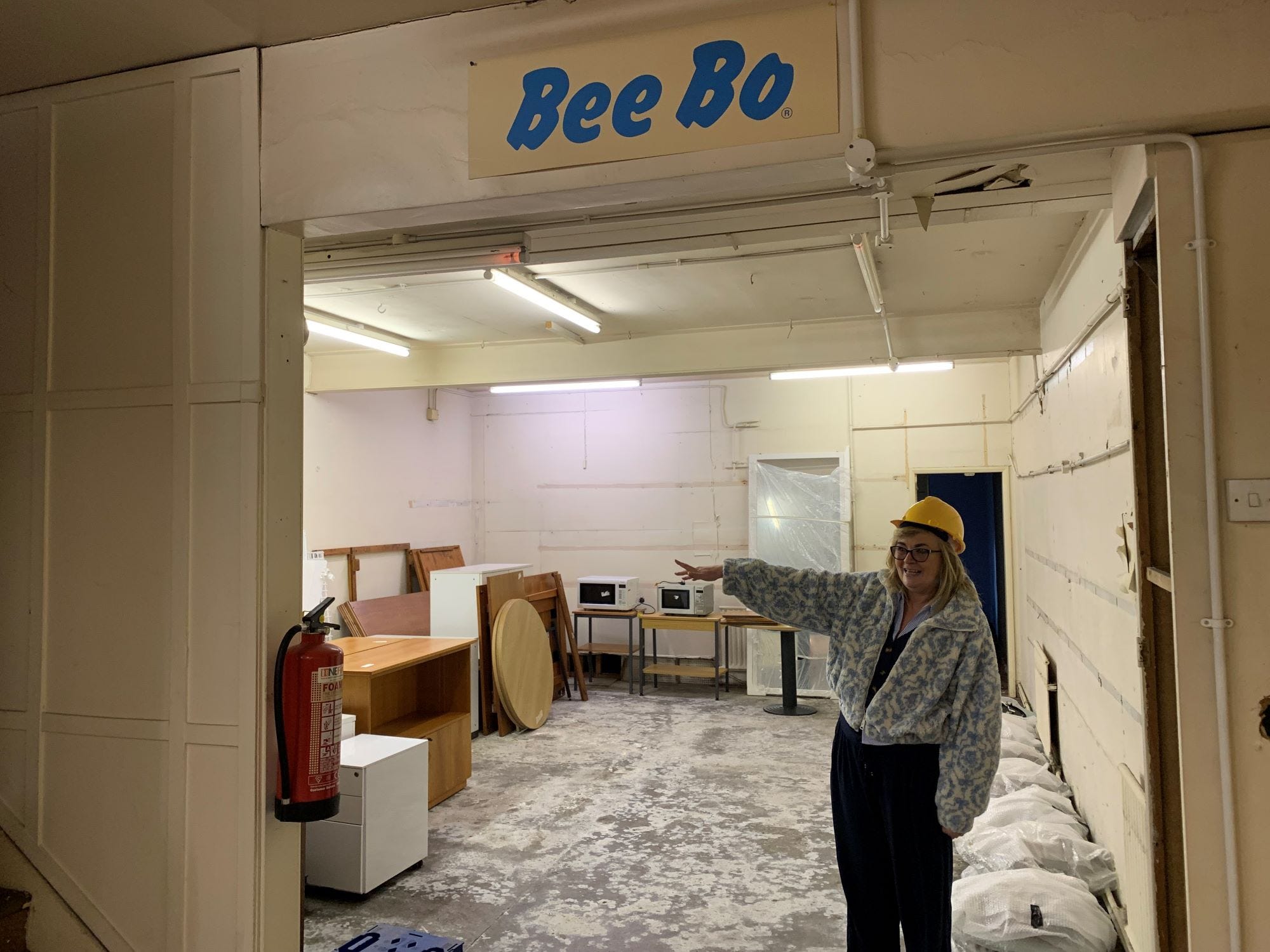
Bev shows me plans drawn up by Napper Architects and explains how the warren of rooms will be opened up, with a café at the front (coffee, she says, featured a lot in that survey) and workshop and performance spaces created.
A contractor is to be appointed soon but that’s not all.
“We’ve got a social investment loan so we’ll be employing a lot of new staff,” says Bev.
“We can’t afford all the salaries straight off so we needed the loan to build our team.”
Meanwhile, an army of volunteers is poised to help, another indication of the support for this venture alongside the donated furniture stored inside.
Amazingly – to me – Bev and Ian anticipate a soft launch for part of the new Boho Arts Community Hub as soon as December.
And naturally, they appreciate the Creative Central NCL backing. “It’s joining up the dots on the cultural map,” says Bev. “It’s just what’s needed.”
Another ‘dot’ is music venue The Lubber Fiend on nearby Blandford Street, recipient of £32,500 refurbishment money from Creative Central NCL which sees it as “a vital part of the cultural ecosystem in the city centre”.
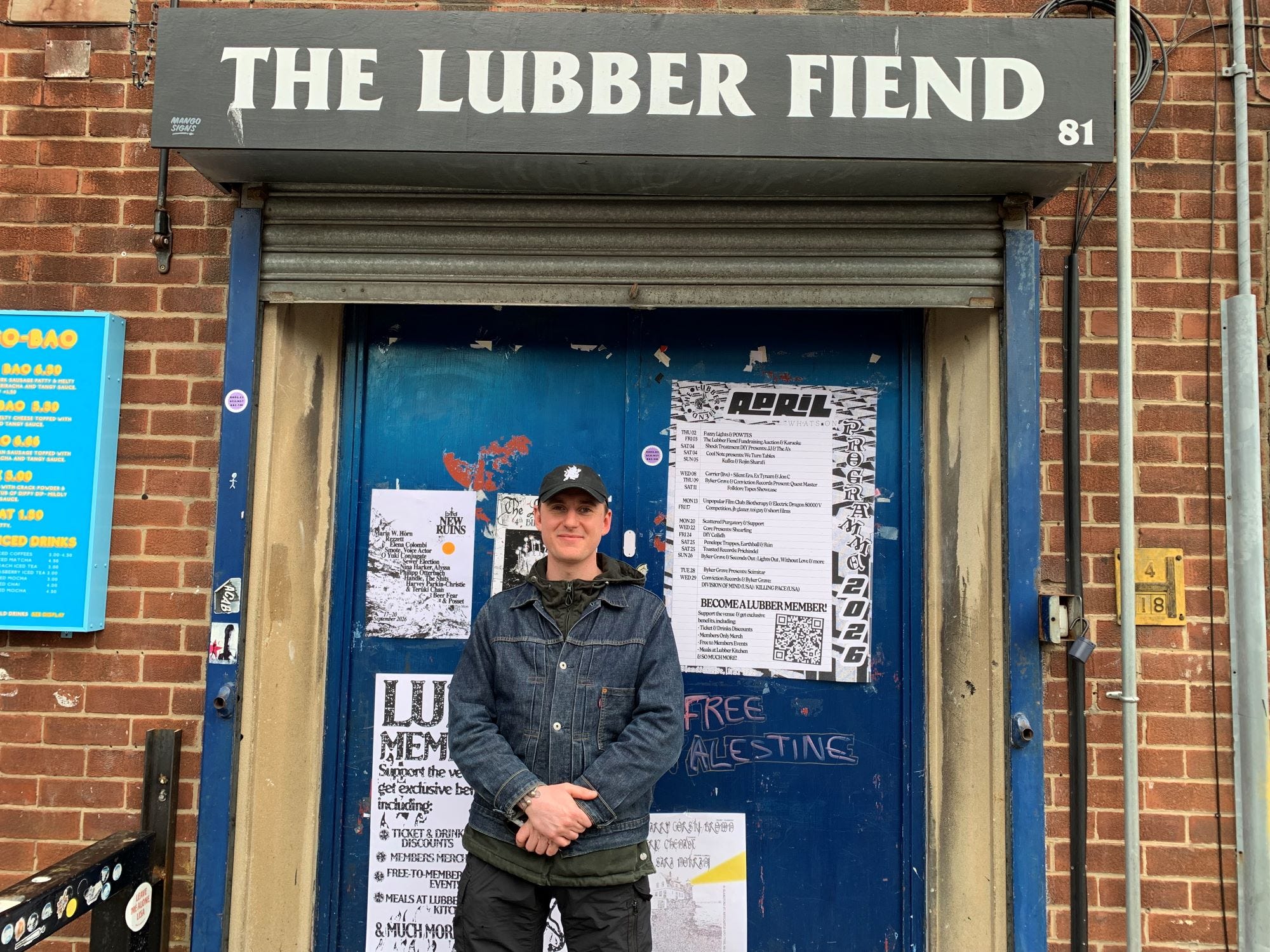
A project cooked up in lockdown by Tom Hopkin, Sam Booth, Stephen ‘Bish’ Bishop and Jon Cornbill, it opened in 2022 with the Lubber Kitchen, downstairs, following last year.
Jon, waylaid while locking up for the night, says: “We’re all artists and musicians in some way. I never set out to be a guy who runs a bar but we just started out in DIY music and it became a logical step to open this place.
“We put on grassroots music, hosting local artists and international touring artists. Our music is mostly niche, so not for everyone. But that’s fine. We’ve built a really strong community and it’s growing.”
Developing that ‘cultural ecosystem’ has also seen grants awarded to Tyne Theatre & Opera House (£45,000), a veteran among the start-ups, and charity Arcadea (£10,861) which works for equality of opportunity in arts and culture.
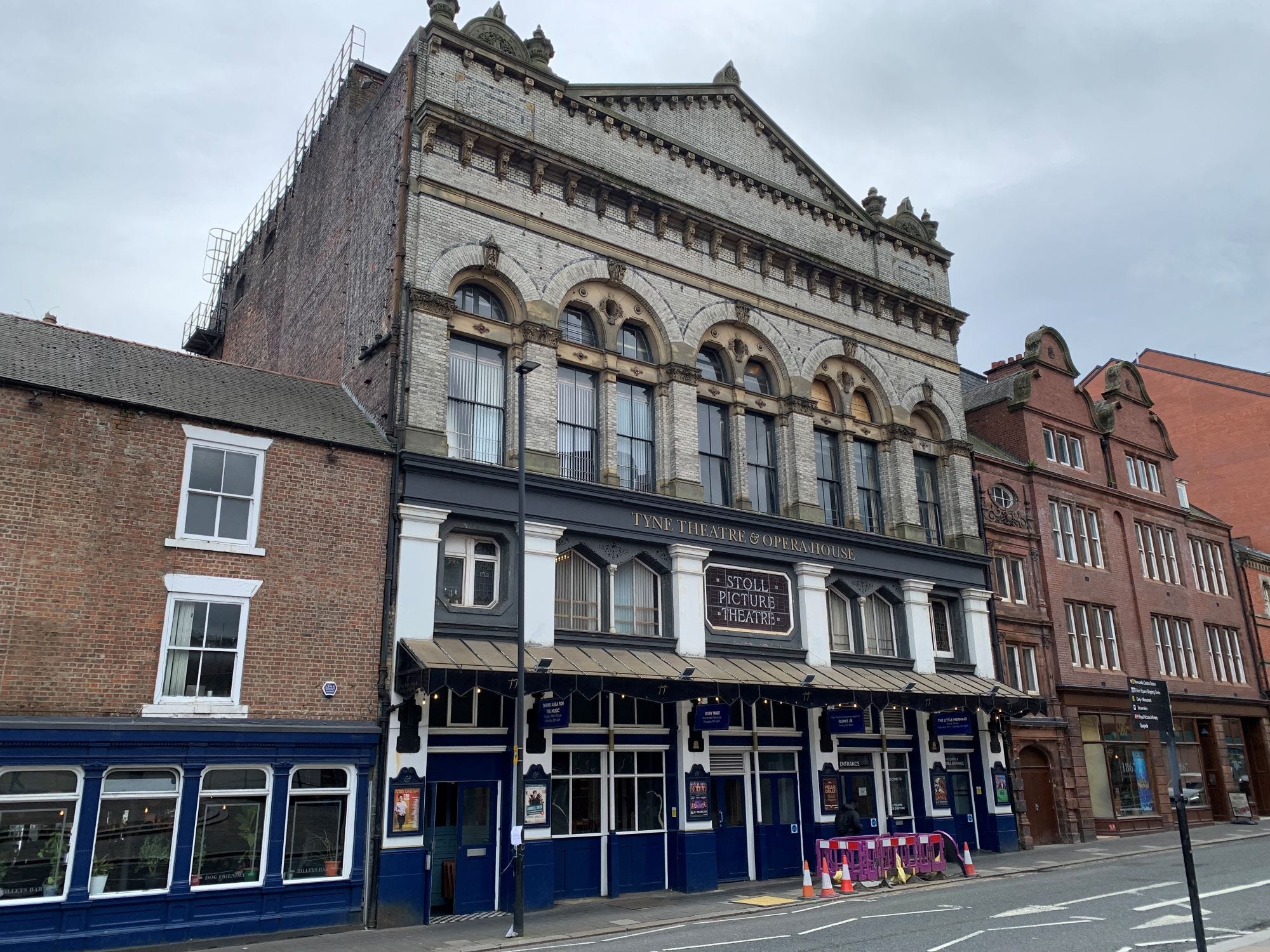
“Creative Central NCL was instrumental in helping the Tyne Theatre to start thinking about long term engagement with local communities,” says consultant David Wilmore of Theatresearch.
“When we created our masterplan we envisaged new facilities including community spaces for daytime use with lift access and additional toilets, bar and front of house spaces.”
Creative Central NCL funding, he adds, was the “catalyst”, enabling applications for listed building consent and to the National Heritage Lottery Fund, the outcome of which is expected in June.
Arcadea runs Hub Studio, a space for learning disabled artists which currently has 40 members who work alongside facilitators under a creative lead.
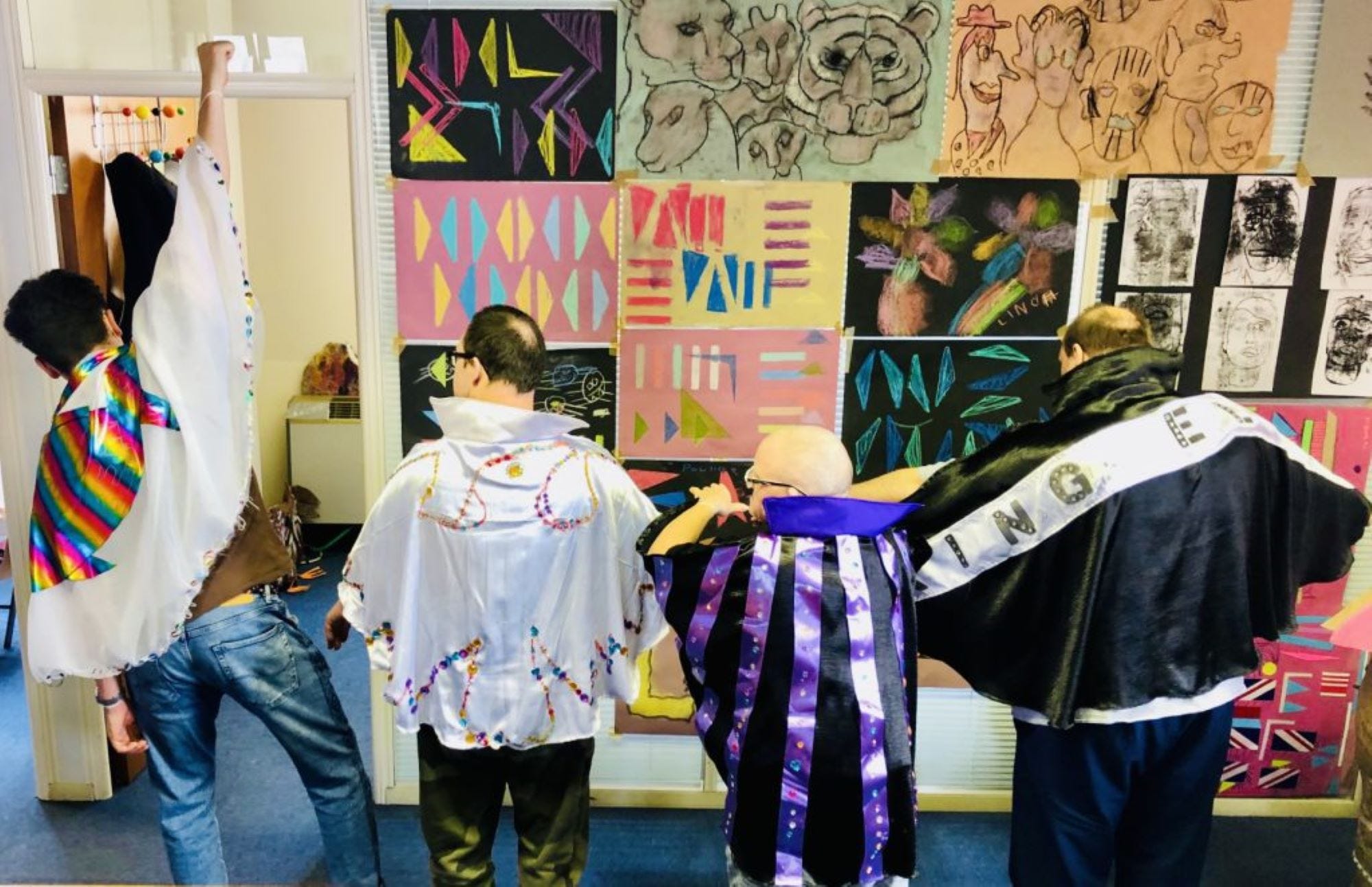
After vacating Commercial Union House, Arcadea was forced into temporary spaces until Creative Central NCL helped secure a lease on the former Barn Asia on Waterloo Square.
Conditions of the lease required the charity to fund flooring and a new boiler, which the grant enabled it to do.
Arcadea chief executive Katy Saunderson says: “The support from Newcastle City Council and Creative Central NCL has been truly transformative.
“This support has enabled us to secure a permanent home, something that brings stability, confidence and long-term vision to our work.”
Ed Banks, economic adviser, capital investment and growth at Newcastle City Council, says Creative Central NCL’s workspace small grants scheme is still open to anyone wishing to open a new creative work space in the creative zone.
“Our maximum grants are around £15,000 but we’ll consider any suggestion. Where our funding isn’t able to stretch, we’re happy to support in securing larger pots of money from other funders.”
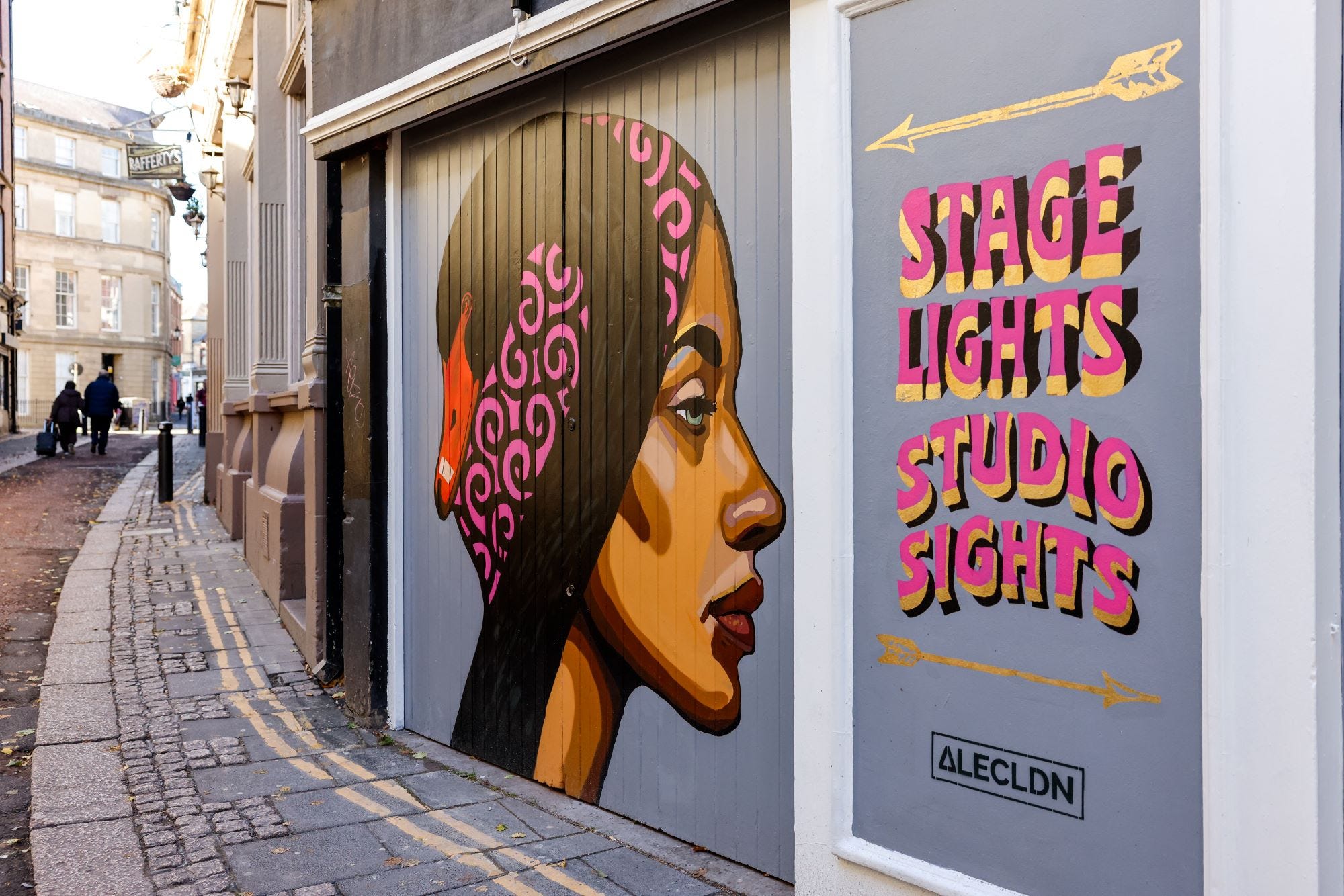
The Creative Central NCL programme has entered an important phase, he adds, where the impact will be more noticeable.
“Building on the success of the Forth Lane Urban Gallery, adjacent Pink Lane is being transformed with pieces from 17 artists appearing across the spring and murals popping up over the next couple of months.
“That means the places in between the spaces can feel just as creative as what’s happening in the venues themselves.”
Find details of the programme on the Creative Central NCL website.