


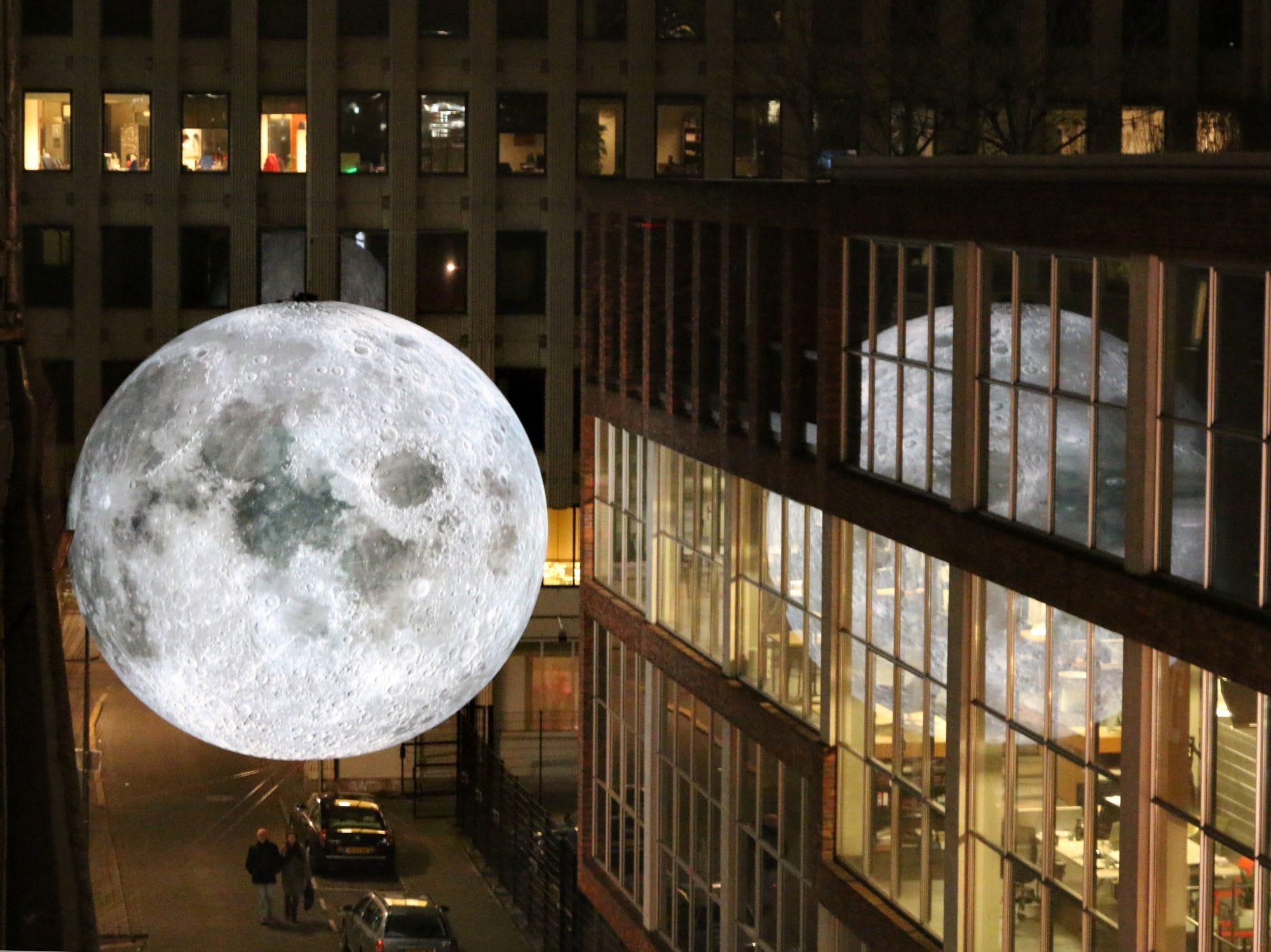
You might have seen one of Luke Jerram’s fabulous planetary sculptures in one of the North East’s landmark buildings.
Newcastle’s Life Science Centre hosted one, as did Durham Cathedral. More recently Seaton Delaval Hall and Hexham Abbey have been transformed by the presence of one or other of them.
But Blyth will soon be able to boast a world first – two Jerram sculptures, his Earth (known as Gaia) and his Moon (Museum of the Moon), together in one place; and a place, moreover, not normally open to the public.
They’re to be a highlight of the Festival of Energy, the climax of the Blyth Celebrates creative programme that began in August.
“I’ve done plenty of festivals,” says Bev Ayre, senior producer with Walk The Plank, the Salford-based outdoor art company commissioned to produce it.
“I’ve done a wine festival, a tall ships festival, even a nonsense festival, but this is my first festival of energy.”
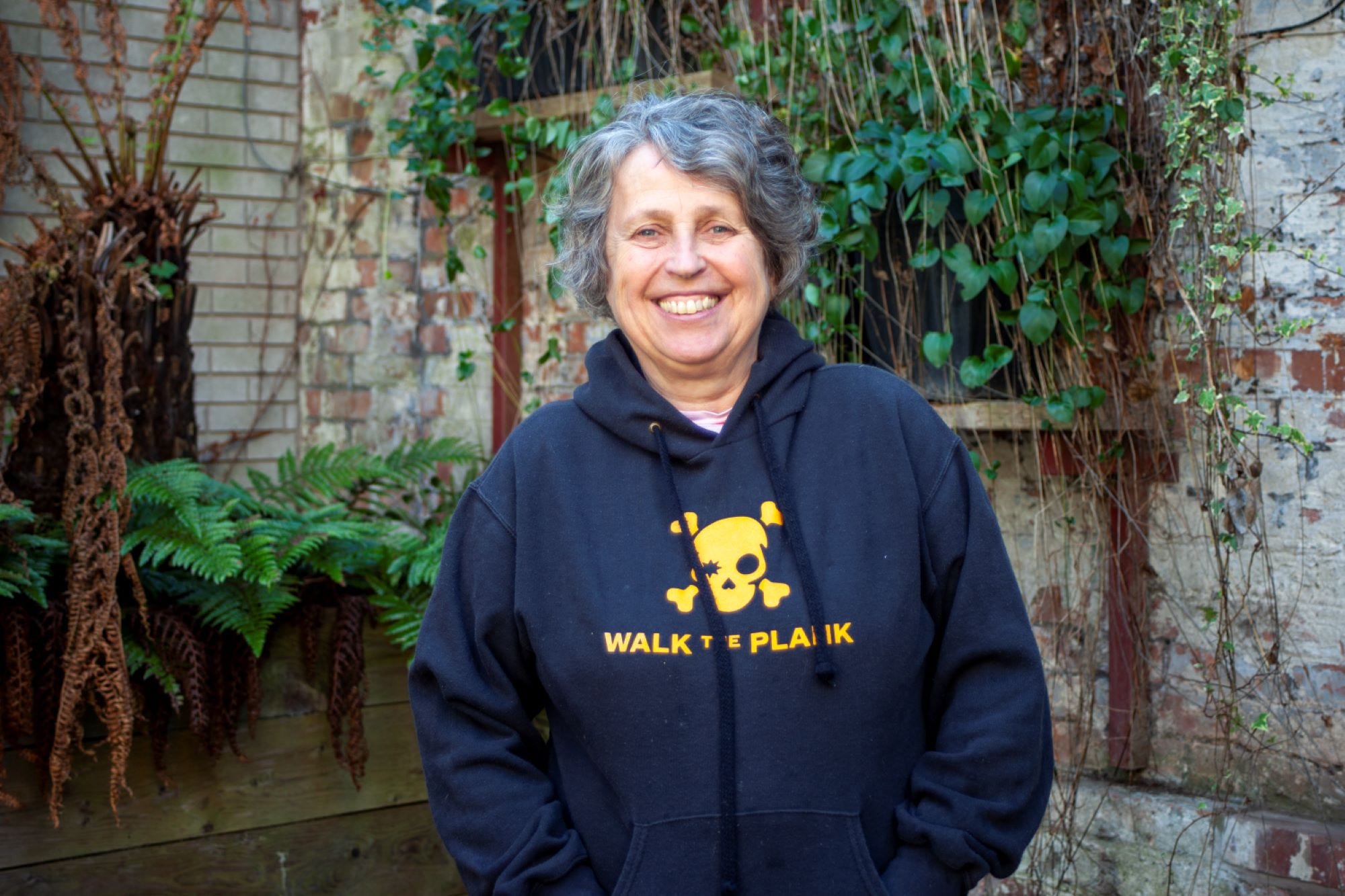
It came, she explains, with “an interesting brief”.
“It was to position Blyth at the forefront of renewable energy, but to do it through arts and culture and to demystify the renewable energy sector.
“Blyth’s already on the map but the idea was to put it even further on the map and maybe get national interest in what’s happening in the town. So there were big ambitions and it was quite a challenge.”
Walk The Plank has a great record of rising to such challenges, having masterminded spectacular events around the country and overseas since its foundation in the early 1990s.
Back then it was known for mooring at Britain’s coastal towns and putting on shows for quayside audiences from the deck of a former ferry turned ‘theatre ship’.
Much of its work nowadays is on dry land and facilitated by a large network of artists, creators and producers.
Walk The Plank has worked a lot in the North East over the years.
Last year it spent 10 months on a culture-led regeneration programme called Animating Ashington so it was only natural it would be up for getting involved in nearby Blyth.
The town, says Bev, has huge potential. “It’s a great landscape to programme work onto with its river and dock and those huge skies.
“With that varied history of coal and shipbuilding, and now being at the forefront of renewables, it’s got a great story to tell.”
Before Christmas Walk The Plank organised a Fire Garden attraction which drew 13,000 visitors to Ridley Park as part of Blyth Celebrates, so clearly there’s an appetite for such events.
Landing the job of producing the Festival of Energy, Bev’s thoughts turned immediately to Luke Jerram.
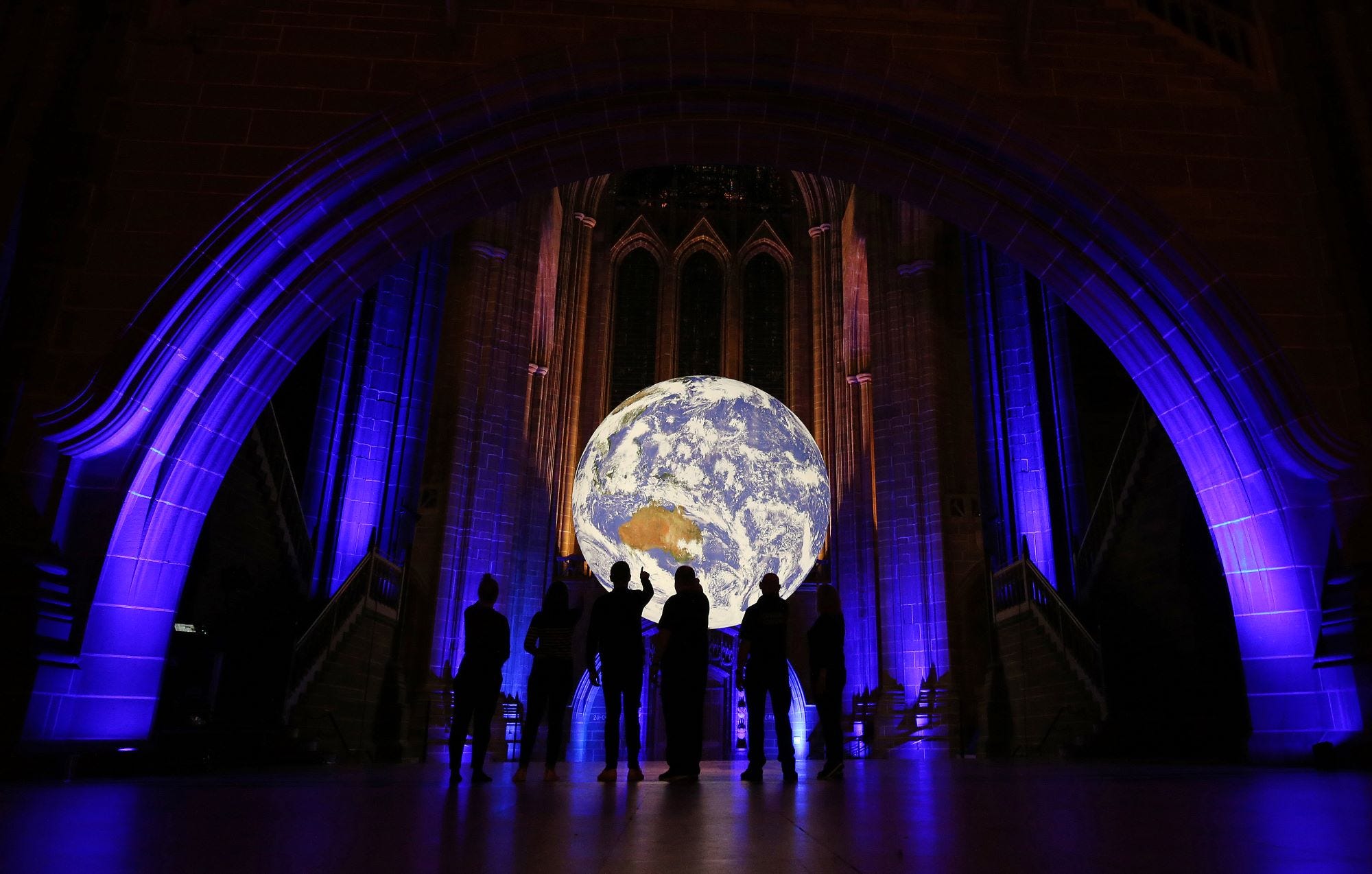
“I’ve worked with him a lot in the past and Gaia (his Earth sculpture, made to scale) is so suitable for this.
“He was inspired by the ‘overview effect’ which is when astronauts look back to Earth and are struck by this beautiful blue dot.
“For explaining Earth’s fragility and the need for renewables it’s the perfect vehicle. But the Moon, with its tidal powers, also seemed suitable.
“I challenged our head of production to find me somewhere to put both of them together, thinking we probably wouldn’t be able to do it.”
But offshore renewable energy specialist Catapult, an employer in the town and a Blyth Celebrates partner, agreed to make its huge turbine testing facility available for the Jerram sculptures.
They should look stunning side by side and one who will see them there is Helen Sharman, Britain’s first astronaut.
“She’s one of the few people to experience the overview effect and see both Moon and Earth from space,” says Bev.
From beneath the sculptures Helen will address 350 local schoolchildren, many of them from the Bede Academy which became the first educational partner of Blyth’s Energy Central Learning Hub.
“If meeting Helen inspires just one young person to pursue a career maybe not as an astronaut but as a wind turbine engineer, that’s quite a legacy,” says Bev.
“There will be lots of opportunities coming along in renewables and the festival is partly about showing what’s available on the doorstep. Young people don’t have to go to London or even Newcastle.”
On March 8, International Women’s Day, there will be a special breakfast under the Jerram sculptures to recognise the ‘heroines’ who make a difference every day in the local area.
“We’re inviting people to nominate their heroine for Blyth,” says Bev, suggesting it could be a cleaner, a carer, a nurse, a teacher, a trusted colleague or even a loyal friend.
To nominate somebody, email getinvolved@walktheplank.co.uk with your name and contact details, the name of the woman you’re nominating and a few sentences about why she inspires.
The chosen nominee, along with the person who nominated her, will get to attend a breakfast to remember.
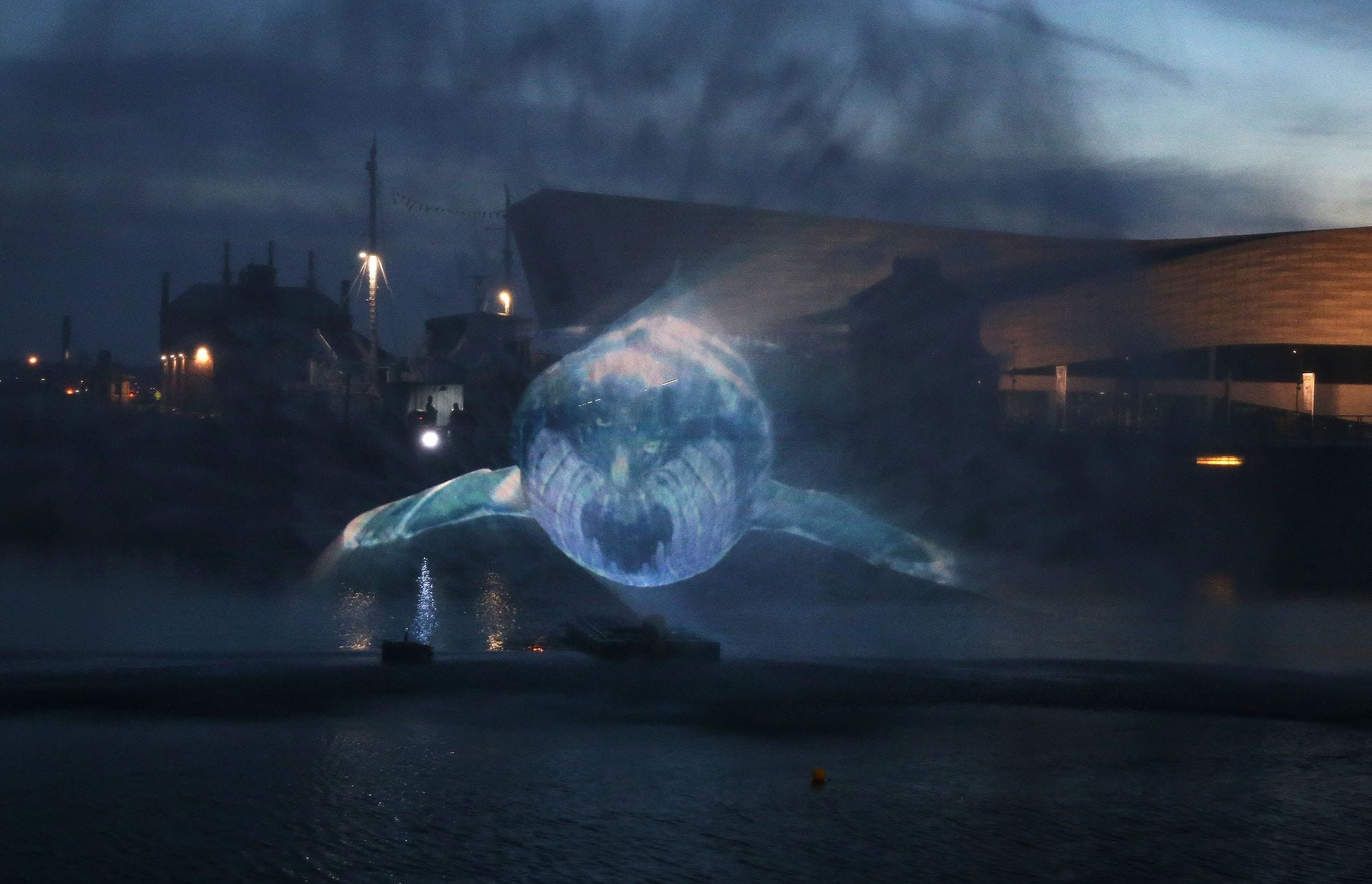
Another festival attraction is to be Whale Song, a sort of magical optical illusion that will conjure a humpback whale from the water at the point where river meets sea.
Made by London-based LCI Productions, it has been seen before only in Liverpool and in Durham a few years ago as part of Lumiere. “It’s stunning,” says Bev. “Really beautiful.”
It will be viewable on the Friday and Saturday of the festival, the 15-minute spectacle running on repeat.
Walk the Plank awarded seven commissions to artists or art organisations with strong Blyth connections and some of their creations will be performed beside the Market Pavilion near a Walk The Plank sculpture called Bubbles of Love.
Bev says a new “immersive” film by Blyth artist Dex Hannon will run in the Energy Central Learning Hub and a permanent artwork is being created at Blyth Tall Ship.
A massed choir will perform a new work called Sobralia, named after a special orchid, and Blyth-based Headway Arts will premiere a new street dance piece featuring what Bev describes as “punk moths”.
Aria Art, meanwhile, have been working on a new aerial dance piece to perform beside the Market Pavilion.
Inside the Pavilion, the cinema will show a series of films by the British Antarctic Survey, highly appropriate in Blyth which was the home of Captain William Smith who in 1819 discovered the continent on the brig Williams.
Replica vessel Williams II is a Blyth attraction and the pride and joy of Blyth Tall Ship.
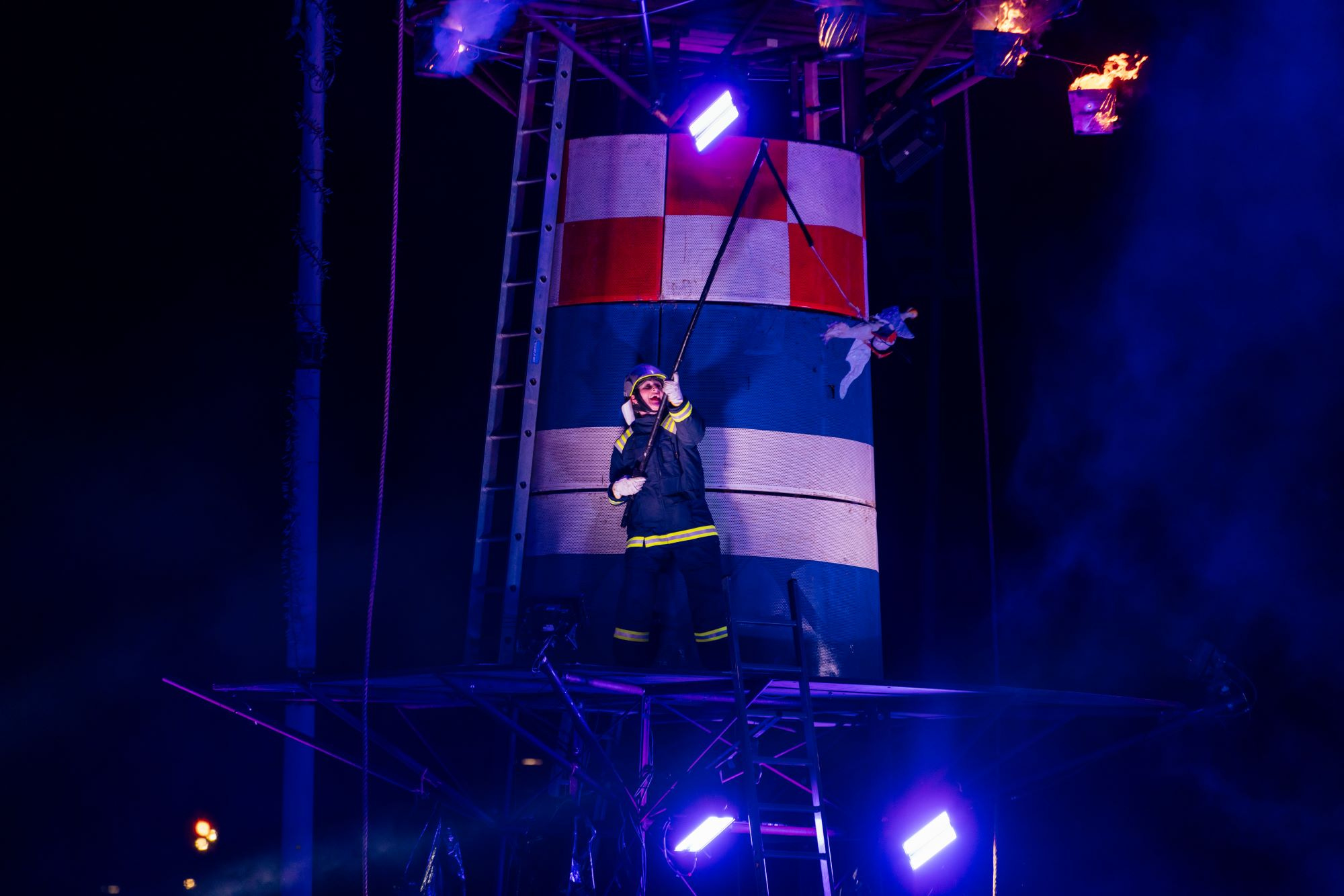
The climax of the festival will be a spectacular performance featuring Tower of Light, Walk The Plank’s giant lighthouse with its clumsy keepers, fireworks and special effects.
Poet John Challis has been working with local people, gathering stories for a new soundtrack referencing Blyth’s history and future.
Bev, who describes her job as “exhausting but a lot of fun”, hopes thousands will feel energised by Blyth’s Festival of Energy.
It is, says Councillor Wendy Pattison, cabinet member for sport and culture at Northumberland County Council, “a chance for everyone to come together, celebrate our town’s innovation and imagination, and see Blyth’s story told in a spectacular new way.”
It runs from March 5 to 8 in partnership with Port of Blyth, ORE Catapult, Energy Central Campus and Newcastle University. Find full details on the Blyth Celebrates website.