

How the bird population in the North East has changed has been revealed by 30 years of weekly observations by garden watchers in the region.
The spotters have participated in the British Trust for Ornithology’s Garden BirdWatch project which was launched in 1995.
And in that time recorders from the region have recorded a staggering 3,558,440 individual birds across 165 species.
People who join the scheme submit weekly sightings on birds which visit their gardens, plus information on any mammals and butterflies which are spotted and what food they leave out for the wildlife.
As the BTO marks the 30th anniversary of the venture figures show that several bird species, which appeared in the 1995 top 10 most-seen, have vanished from the latest table.
Greenfinch, chaffinch and song thrush have been replaced by woodpigeon, magpie, goldfinch, coal tit and great tit.
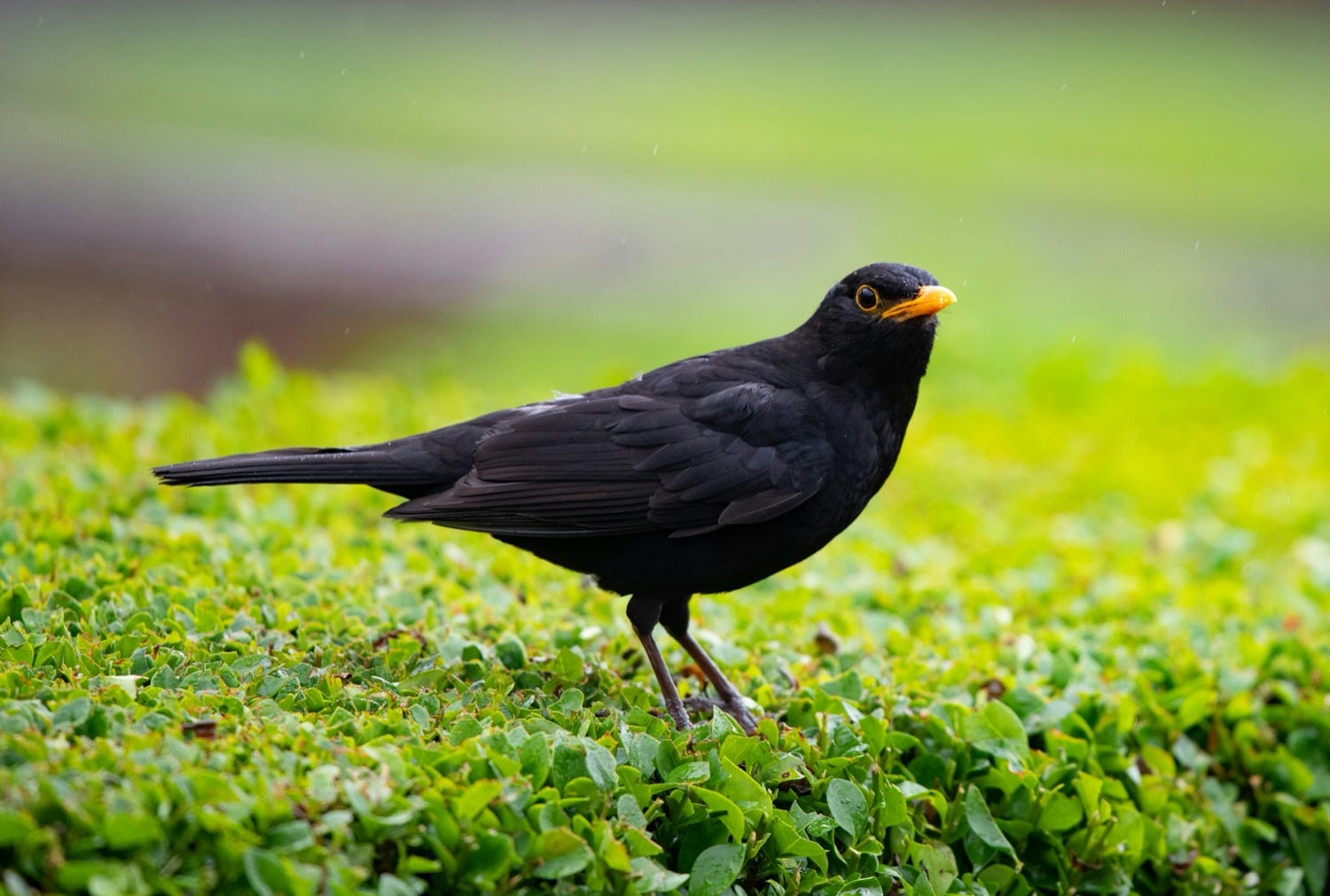
However blackbird presence in North East gardens has been stable across time, topping both tables. Blackbirds appear in 100% of project gardens in 1995, and 98.6% in 2024.
This is notable, given the decline of blackbirds observed in the South of England. But there is evidence of changes in abundance. In 2005, an average of 3.45 blackbirds were counted per garden, whereas in 2024, this figure dropped to 2.11.
Nevertheless, blackbirds continue to be the most frequently recorded bird in the North East.
Once-common garden species have experienced dramatic declines, both in reporting rates and abundance:
In 1995, greenfinches were among the most dominant species, appearing in 100% of gardens. By 2024, their reporting rate had dropped to 73%. This decline is strongly linked to the outbreak of trichomonosis, a parasitic disease that emerged around 2005.
The impact has been severe in the North East, where average counts fell from 4.1 individuals per garden to just 0.7 in 2024.
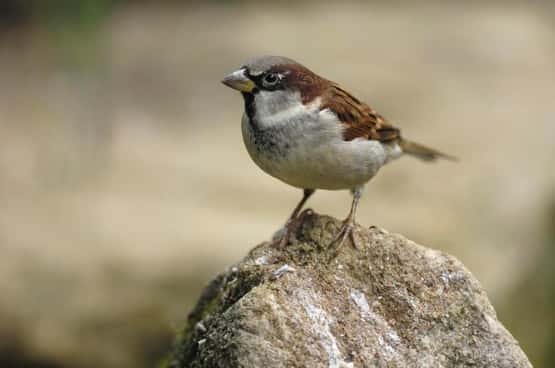
House sparrows were recorded in 95.4% of gardens in 1995, but their reporting rate had fallen to 85% by 2024. Even more striking is their drop in abundance as two decades ago, gardens hosted an average of over seven house sparrows, but by 2024, this number was down to three.
This decline may be due to habitat loss with fewer hedgerows and suitable nesting sites and reductions in insect availability for feeding chicks.
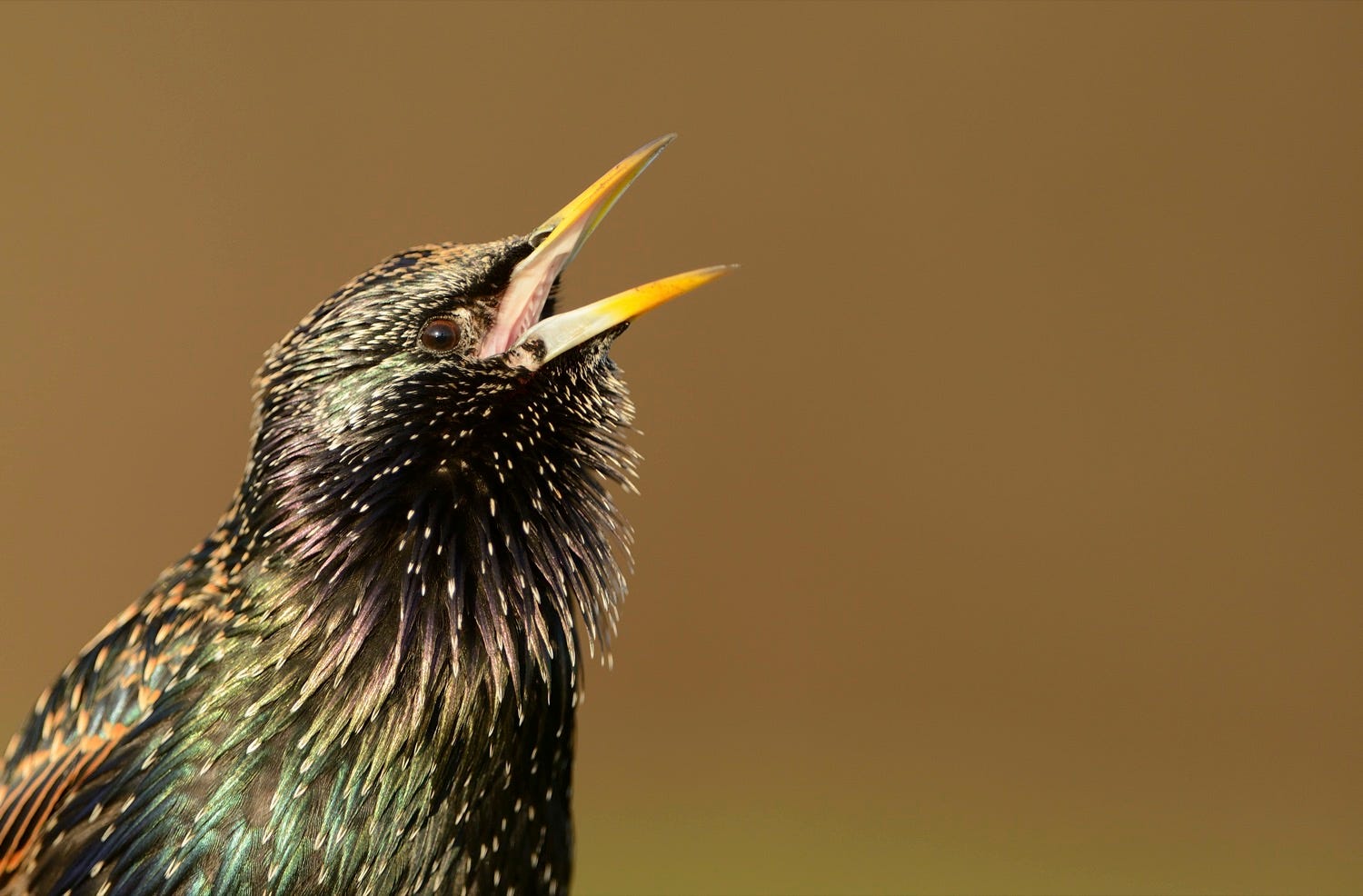
Starlings have also experienced a sharp decline, with their reporting rate dropping by 20% since 1995. Starlings, which rely on invertebrate-rich lawns for feeding, may be affected by changes in land management and reduced access to natural foraging habitats.
Today, fewer than three starlings are spotted in most gardens, compared to nearly five seen in almost every garden 20 years ago.
Reporting rates for song thrushes have plummeted by almost half, transforming them from a relatively common sight in gardens to a rarer occurrence.
Three species – woodpigeons, magpies and goldfinches – have become increasingly prominent in gardens over the past three decades.
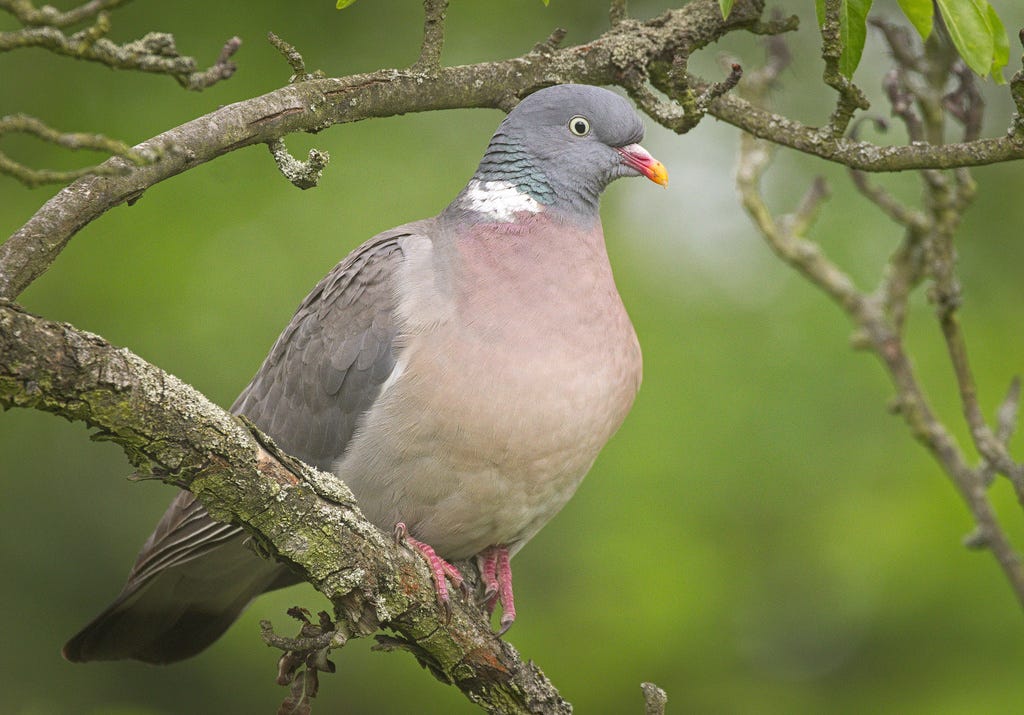
Woodpigeons have seen a remarkable increase in both reporting rates and abundance. In 1995, they were recorded in 53.1% of gardens, with an average count of 1.41 individuals. By 2024, they appeared in 97.6% of gardens, with an average count of 2.1 birds.
This growth is likely associated with their ability to exploit garden resources, benefiting from garden feeding and the widespread availability of places for nesting.
Magpies have also found gardens to be reliable sources of food and nesting sites. Their reporting rate has increased by 11%.
Goldfinches have risen in the rankings, suggesting they may be filling the ecological niche left by the declining greenfinch. This could also be influenced by the increasing use of bird feeders stocked with nyjer and sunflower seeds, which goldfinches seem to prefer.
Ring-necked parakeet populations continue to grow steadily, with 496 individuals reported last year. First recorded in the region just 20 years ago they are now observed in 7% of gardens. Remarkably, this makes them slightly more common than yellowhammers.
Grey squirrels remain the dominant garden mammal, found in 40% of gardens, second only to domestic cats, which were present in 46% of gardens.
Last year, 10,042 lists were made, containing 138,516 records of garden birds and other wildlife. Northumberland is the most active county, followed by Tyne and Wear and then County Durham.
A BTO spokesman said: “Gardens are really important habitats for wildlife, but we need to understand how and why populations of garden birds and other wildlife are changing, and how we can help them.
“The more we can understand about how birds and animals use our gardens, the more we can improve our cities, towns, villages and individual gardens for wildlife.”