

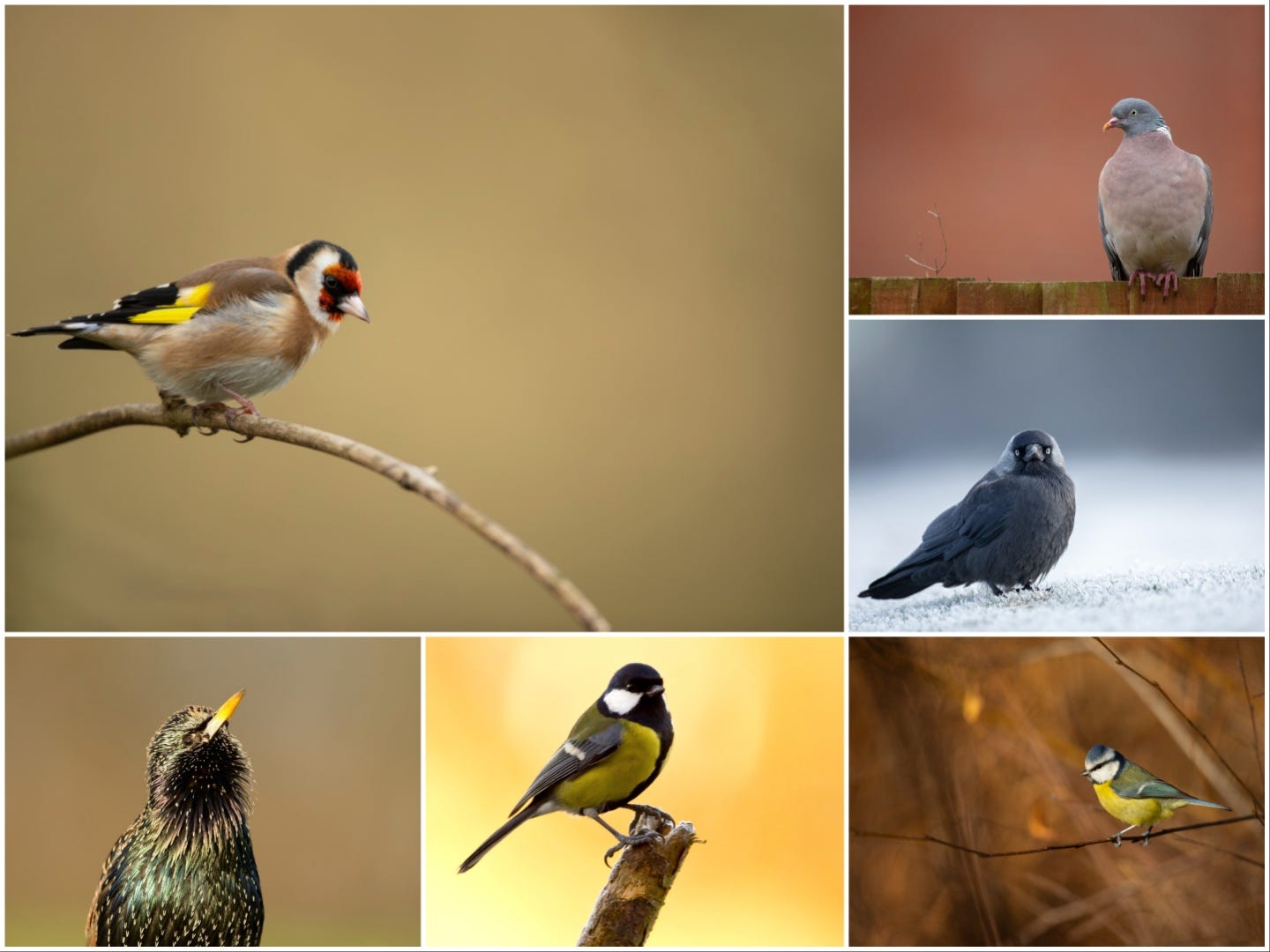
A total of 19,000 North East observers took part in this year’s RSPB Big Garden Birdwatch.
They were among the 650,000 people participating in the world’s largest garden wildlife survey, counting more than nine million birds of over 80 species during the observation period.
The survey provides a valuable annual snapshot of how the most common garden birds are faring.
Tyne and Wear was the only county in which the house sparrow did not take the top spot in the Birdwatch in January, in which spotters monitored their gardens or local green spaces.
The sparrow came second in Tyne and Wear to the starling and the wood pigeon took fourth place, ahead of the blackbird in fifth. The feral pigeon finished in sixth.
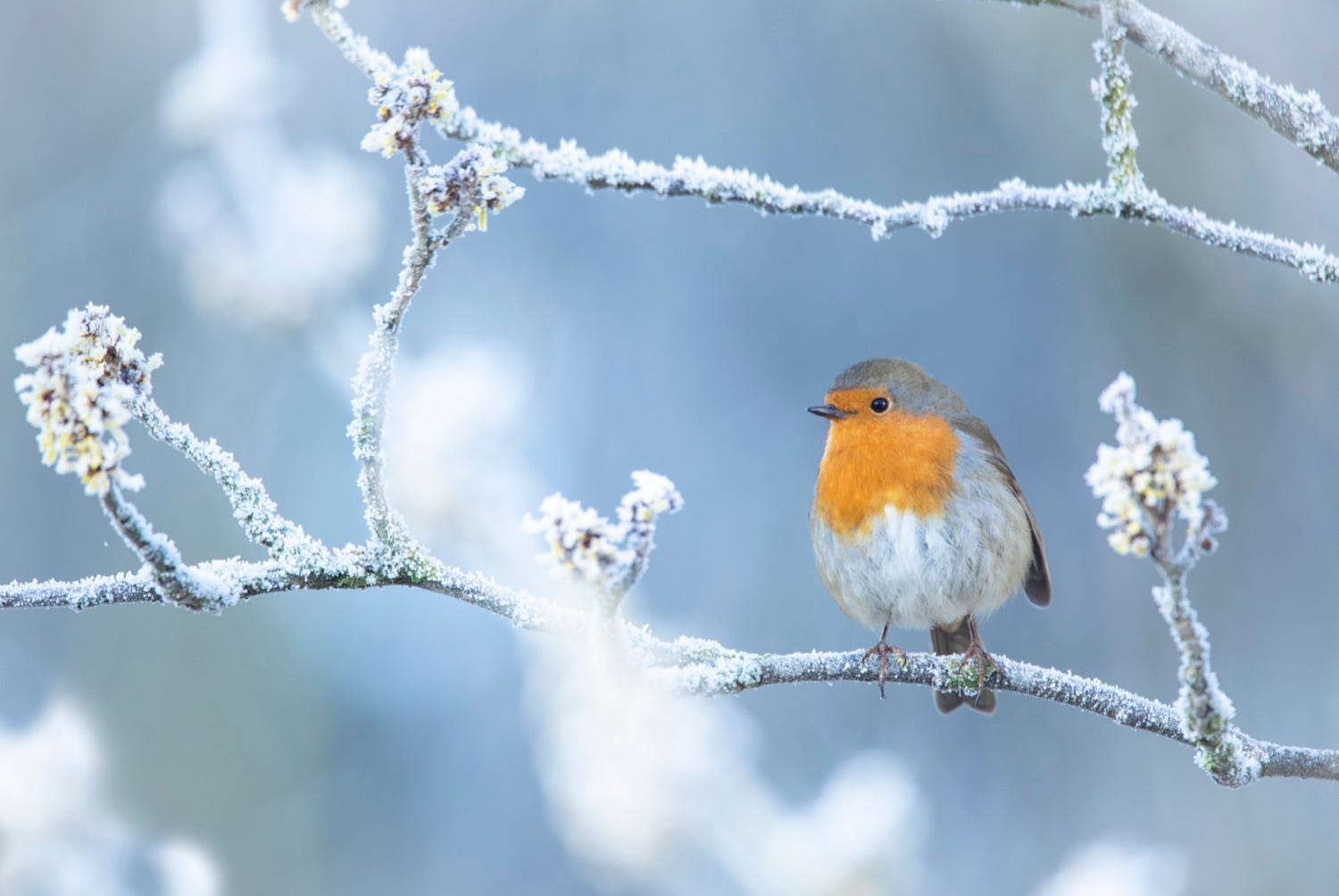
The county was the only location where the robin did not make the top 10.
The wood pigeon was fifth in County Durham and Northumberland and fourth in Tees Valley and is now firmly established in the region’s gardens.
The blue tit appears in the top three of all four regional counties.
Results by county:
Tyne and Wear
1. Starling
2. House sparrow
3. Blue tit
4. Wood pigeon
5. Blackbird
6. Feral pigeon
7. Goldfinch
8. Magpie
9. Jackdaw
10. Great tit.
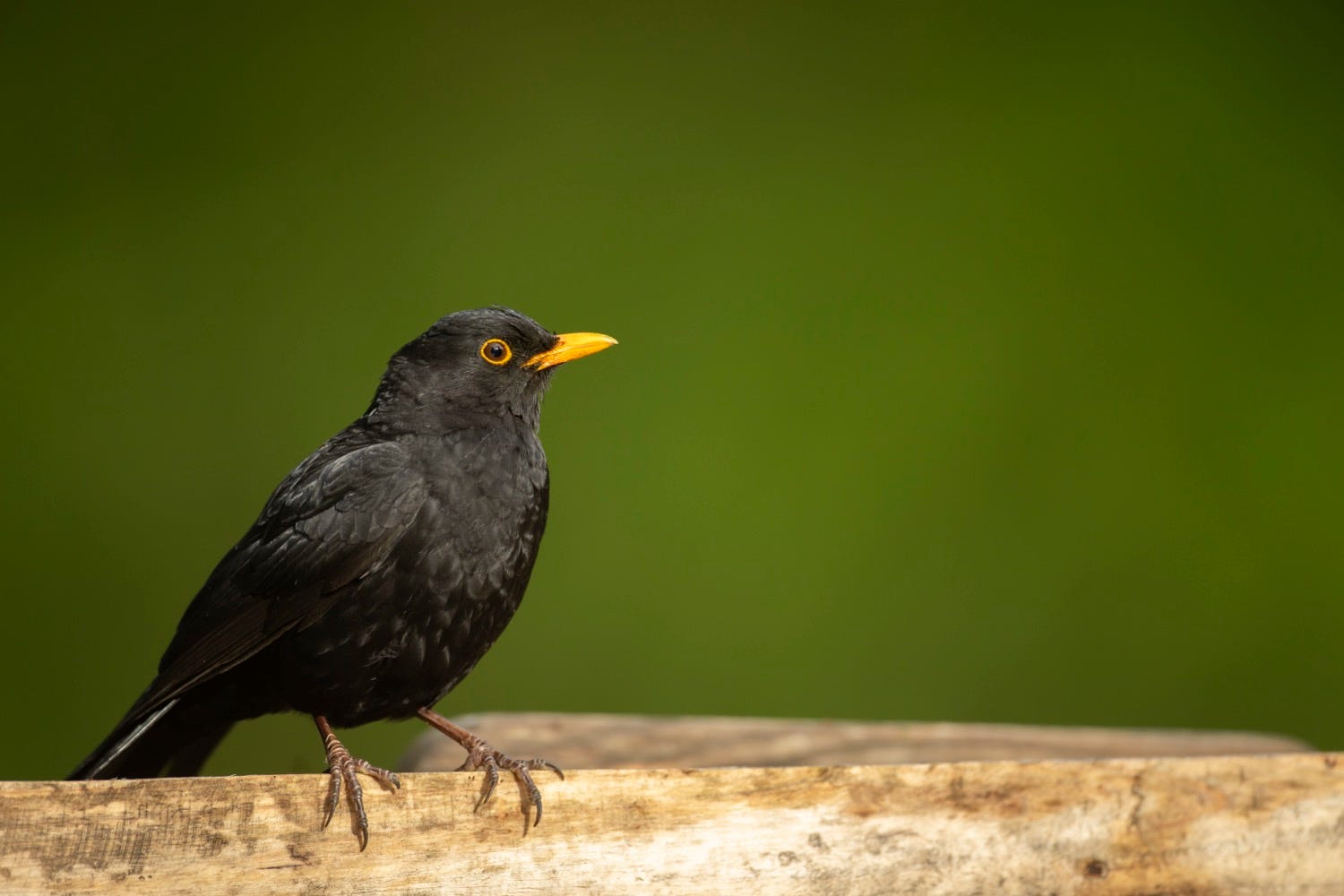
Northumberland
1 House sparrow
2. Blue tit
3. Blackbird
4. Starling
5. Wood pigeon
6. Chaffinch
7. Great tit
8. Goldfinch
9. Robin
10. Coal tit
County Durham
1 House sparrow
2. Blue tit
3. Starling
4. Blackbird
5. Jackdaw
6. Wood pigeon
7. Great tit
8. Goldfinch
9. Robin
10. Coal tit
Tees Valley
1 House sparrow
2. Starling
3. Blue tit
4. Wood pigeon
5. Blackbird
6. Goldfinch
7. Feral pigeon
8. Robin
9. Magpie
10. Great tit