


Home is where the heart is, they say – and that will certainly be true for the people of Charleston, Missouri, now that adopted Northumbrian Mary Manley has had her say.
In a notable act of philanthropy, born of wanting to give something back to the place where she grew up, Mary decided to donate $500,000 to commission a landmark sculpture for the town.
A group of its citizens agreed it might prompt people to spend some time, and maybe some money, in Charleston, thereby helping to boost its flagging fortunes.
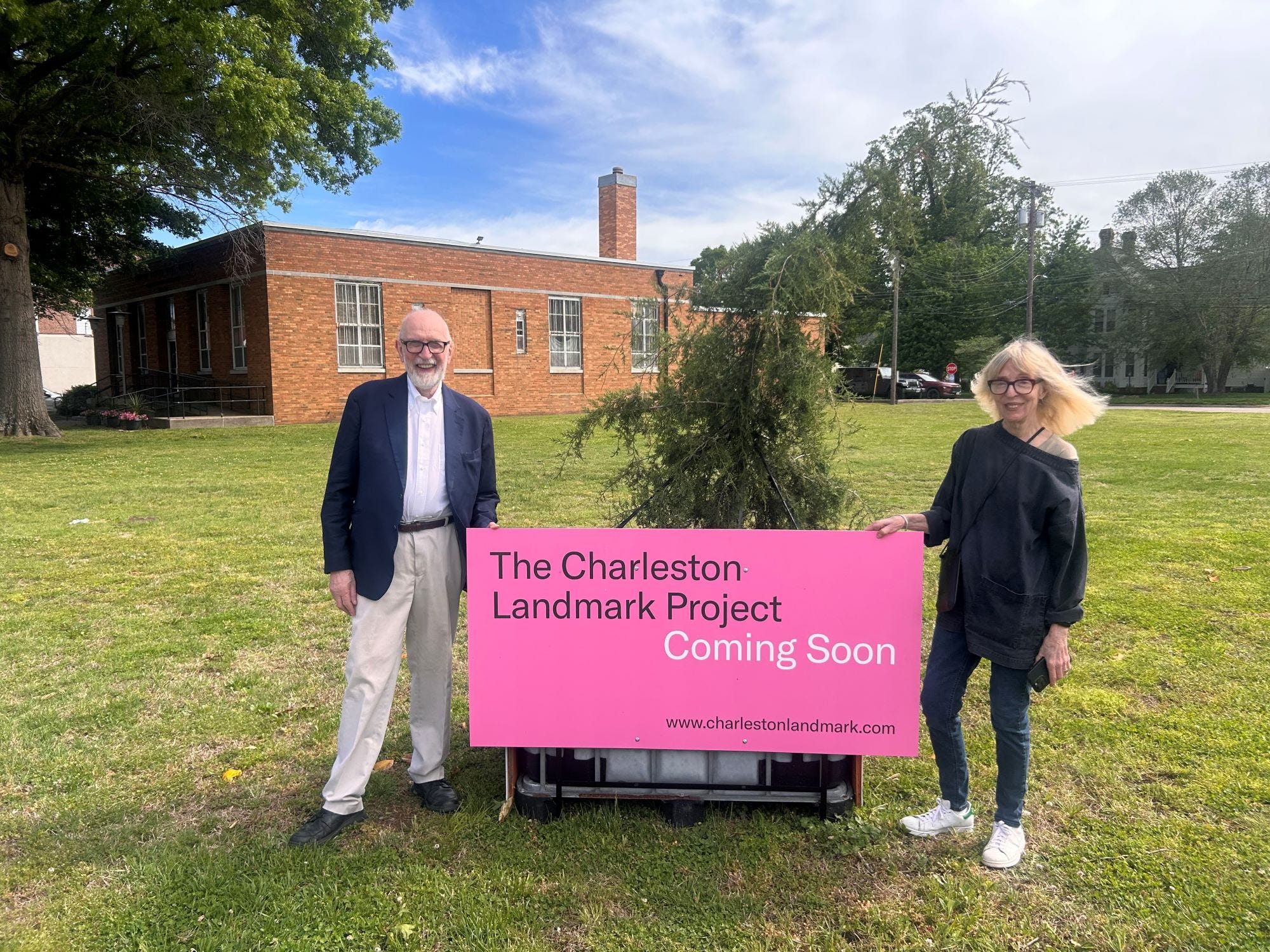
With the aid of public art consultant Matthew Jarratt, who is based in the North East, the Charleston Landmark Project was born.
Proposals were invited and a shortlist of six was drawn up for the public and Mary to peruse at an exhibition in Charleston back in the spring.
Now, taking the public response into consideration, she has made her decision.
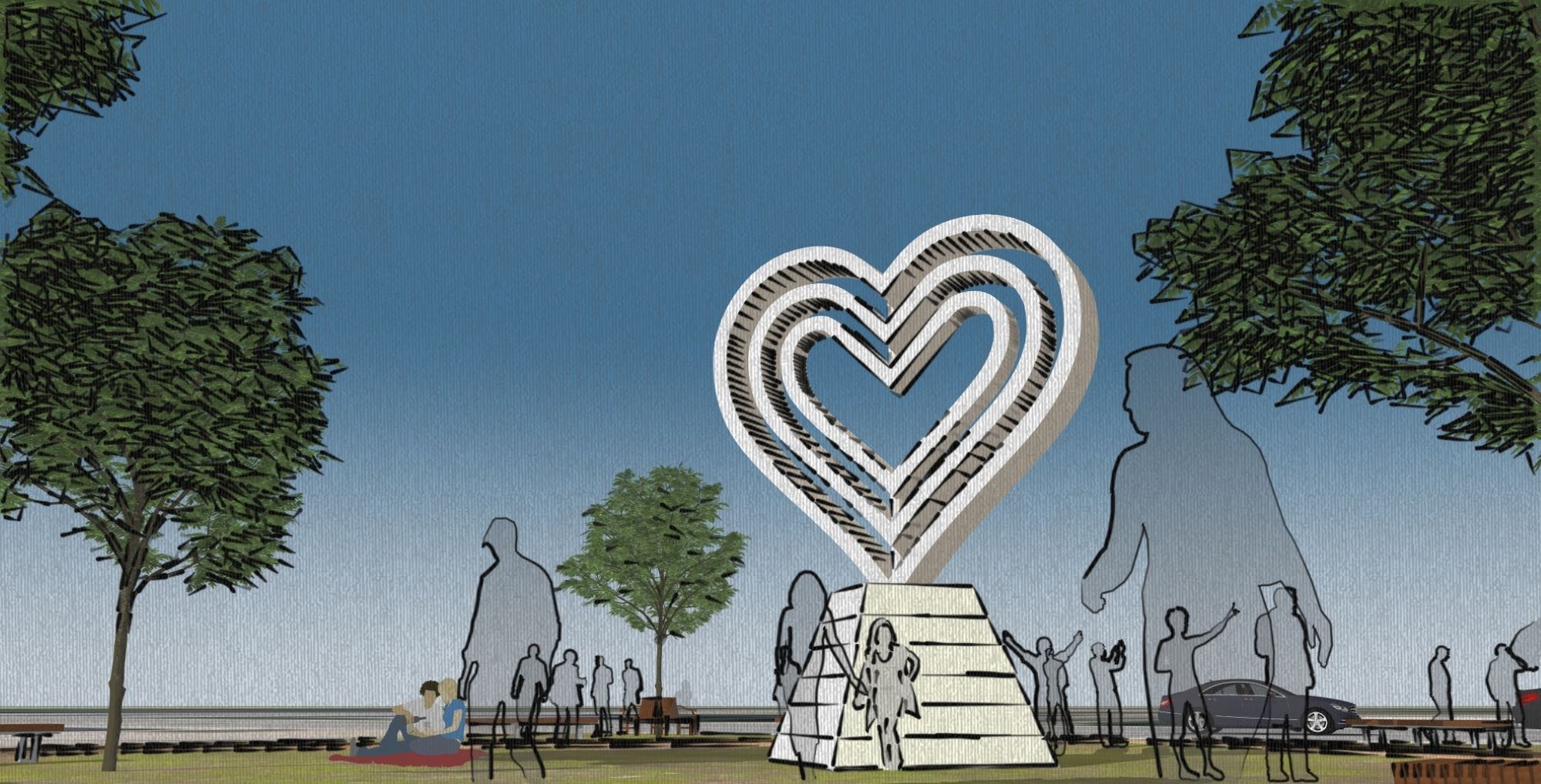
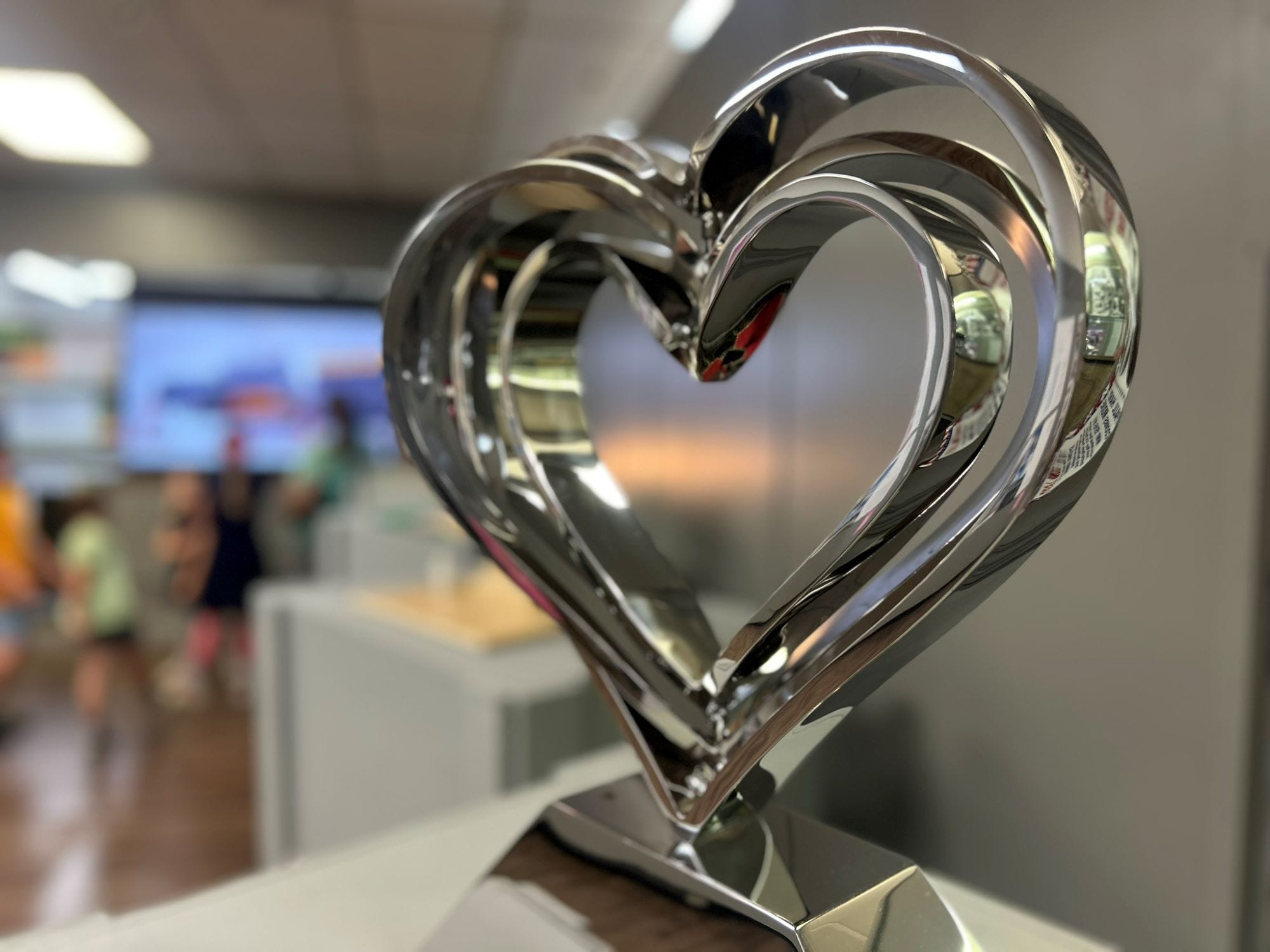
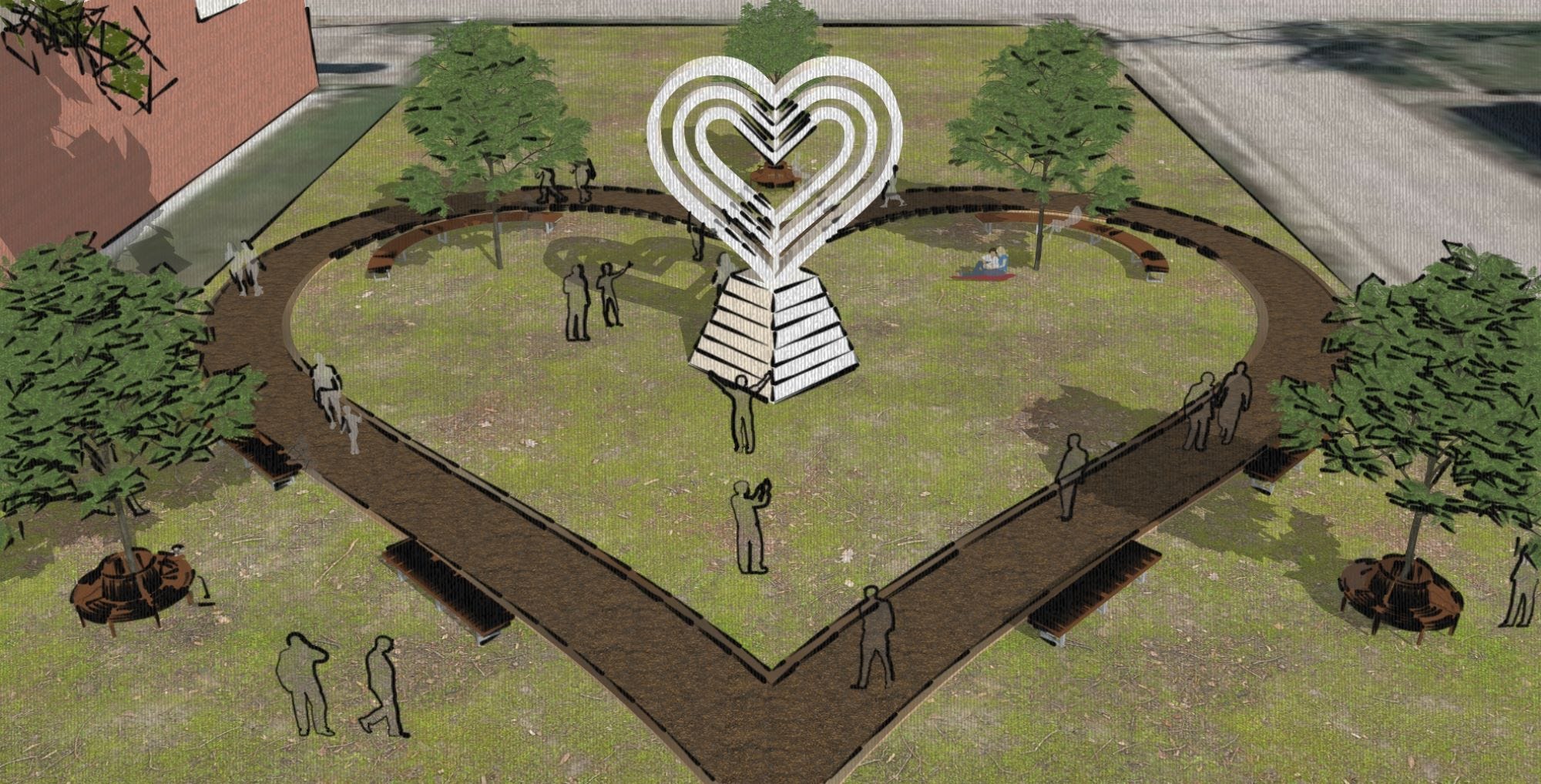
Swiss-American artist Ralfonso gets the nod with his mechanical sculpture The Heart of the Heartland.
With moving elements part of the brief, Ralfonso’s Charleston sculpture will feature rotating heart-shaped forms which will come together on the hour to sound a specially commissioned musical chime.
The technical phase of the project will now begin but the ambition is to see the sculpture unveiled in time for the 60th Dogwood Azalea Festival, a Charleston social event, in April 2028.
Mary Manley – along with husband Stuart, who is from the North East – helped to boost the fortunes of her adopted Alnwick years ago by establishing Barter Books, one of its best-loved tourist attractions.
Now she is making a similar grand gesture in the place where her family is deeply rooted and which she remembers as a bustling agricultural town when she was growing up there as young Mary Moore.
Located near the confluence of the Ohio and Mississippi rivers, Charleston lies just about at the geographical heart of America.
Since Mary left, it has suffered a decline although it lies agonisingly close to the I-57 interstate that whisks traffic from the American south to Chicago.
Mary hopes her new landmark will prove reason enough for some motorists to divert, just for a while.
“Choosing the design between the six finalists’ proposals proved extraordinarily difficult,” she says.
“Each proposal offered something distinctive and imaginative, including kinetically. One admirer summed it up perfectly: ‘I want all of them!’ And I felt exactly the same way.
“Ultimately, however, one design stood out.”
Of Ralfonso’s proposal, she adds: “While appearing to be one of the simplest designs, it is actually rich with meaning for the whole town.
“Charleston is virtually at the very centre of one of the world’s most famous agricultural regions, America’s great heartland.
“Further, Charleston itself exemplifies the heartland’s associations not only geographically and economically, but also historically and culturally: hard work, self-reliance, practicality, hospitality, community spirit, hope for the future.
“In addition, it’s a design that gives Charleston, a small farming town among how many thousands in the heartland, a banner to wave for all of them.
“Why was I doing it?
“I was brought up in Charleston. And while I later married and moved to England, I never forgot my hometown, its people or the influence it had on my life.
“In the interim, and like thousands of towns across America’s heartland, Charleston went through enormous change. Mechanisation transformed farming, jobs disappeared and with them the busy Main Street I so vividly remembered grew ever more silent.
“When I went back to visit, that silence was all too loud.
“I wanted to help and thought of a plan that might do just that.”
Mary acknowledges the support of Charleston residents Dr Ronald Petersen and wife Diane, who donated a prime site on Main Street for the landmark, and Mike Mueller who staged the exhibition of shortlisted proposals at his nearby pharmacy.