


In creating Barter Books, Mary Manley gave Alnwick one of its most popular visitor attractions. Now she’s trying to work her magic for the town where she grew up.
Charleston, Missouri, is near the Mississippi but arguably more than an ocean away from the Northumberland market town.
They’re similar in size, Alnwick with around 8,000 residents and Charleston with about 5,000, and both are rooted in agriculture.
But in divisive times the differences between us and those across ‘the pond’ - in language, in attitude, in geography and even in diet – have been accentuated.
You couldn’t get a bacon butty over there, says Mary with a laugh, having offered me one in the Station Buffet at her famous bookshop. People wouldn’t know what you meant. A hamburger might be on the cards, though.
As for geography: “You’re a small country and no-one is so far away from Edinburgh, London or the major cities,” she argues.
“But America is so big that my little town seemed a million miles from anywhere, and it’s not Charleston, South Carolina, which is a beautiful old town on the east coast. It’s a mid-west farming town.”
Mary was born in St. Louis but moved with the family to Charleston, where her father grew up, when she was two.
He farmed, as had Mary’s great-great-grandfather, Joseph, who laid out the town on land he had purchased in the 1830s, naming it after his brother.
Charleston soil was fertile and still is. The town’s most notable annual attraction is an azalea festival.
Until being sent to boarding school at 14, Mary was happy there. She remembers a good library, a respected local newspaper, a thriving picture house (“I love movies”) and a busy main street.
In adulthood, life took her away. She went into education but says she was a “lousy teacher”, joking that a class of 15-year-old boys could make her yearn for a flame-thrower.
A spell working in a book shop in New York gave her a taste of the sort of life she would fashion for herself later in, of all places, Alnwick.
“It was run by a wonderful Jewish couple,” she recalls. “They were warm, they liked me, they gave me confidence and I was around books. The combination of books and business enchanted me in a way that academia didn’t.”
She met Stuart, who’s from the North East (Redcar originally) and is blessed with a business brain, while on a trip to Oxford.
They were married in 1989 and settled eventually in Alnwick, taking on the grand old railway station which they would turn into Barter Books.
But on a trip back to Charleston in 2007, Mary was dismayed to find it a shadow of what she remembered, the cinema closed, jobs scarce and much of the population scattered.
More recently she heard a Zoom talk on interesting people who’d lived in Charleston. Inspired, she wrote to one of the town’s most influential citizens about her idea to reinvigorate the town.
He wrote back “the warmest, nicest letter” and Mary was encouraged to take her idea forward.
It isn’t a book shop she proposes for Charleston. The Charleston Landmark Project envisages a striking piece of public art – something that, shown on a billboard, might lure people off Interstate 57 and into the town to satisfy their curiosity and perhaps buy a coffee, or even a hamburger.
That I-57 she sees as the potential saviour for a community needing a boost, its 500 miles carrying potential visitors south to north through Arkansas, Missouri and Illinois.
It seems a world away from the office where Mary now holds sway, along with husband Stuart and backroom staff, in what has become a mecca for book buyers and browsers.
But the transatlantic art project is well advanced, with North East art consultant Matthew Jarratt hired to run it along the lines of the North East Emerging Artist Award which for some years has been a popular feature at National Trust property Seaton Delaval Hall.
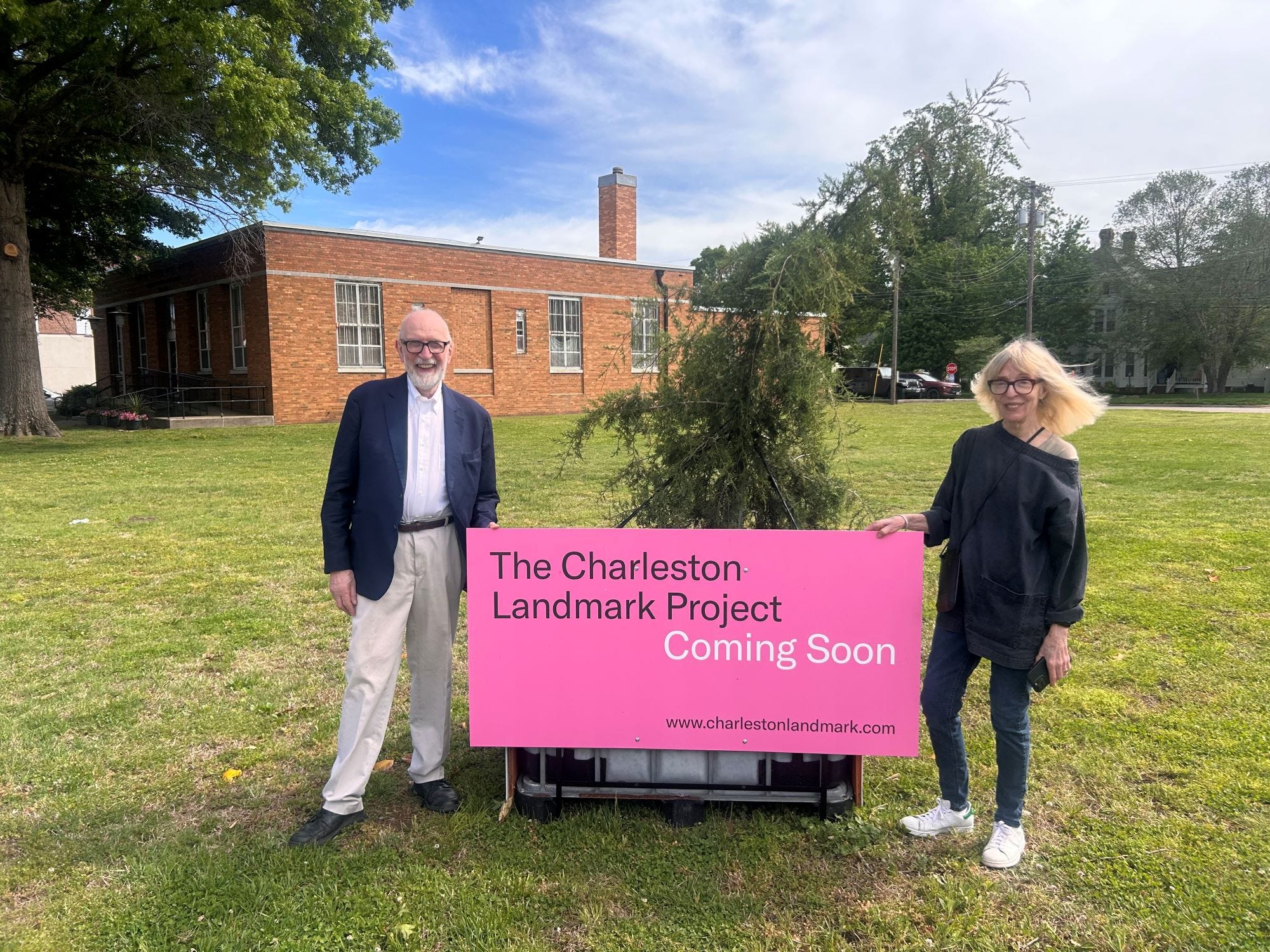
On Easter Monday, to coincide with this year’s azalea festival, Mary and Stuart flew to America to attend the opening of an exhibition featuring the six shortlisted proposals (out of an impressive 140) for Charleston’s landmark sculpture.
Mary’s criteria for artists inspired by the $500,000 commission were pretty short and sweet.
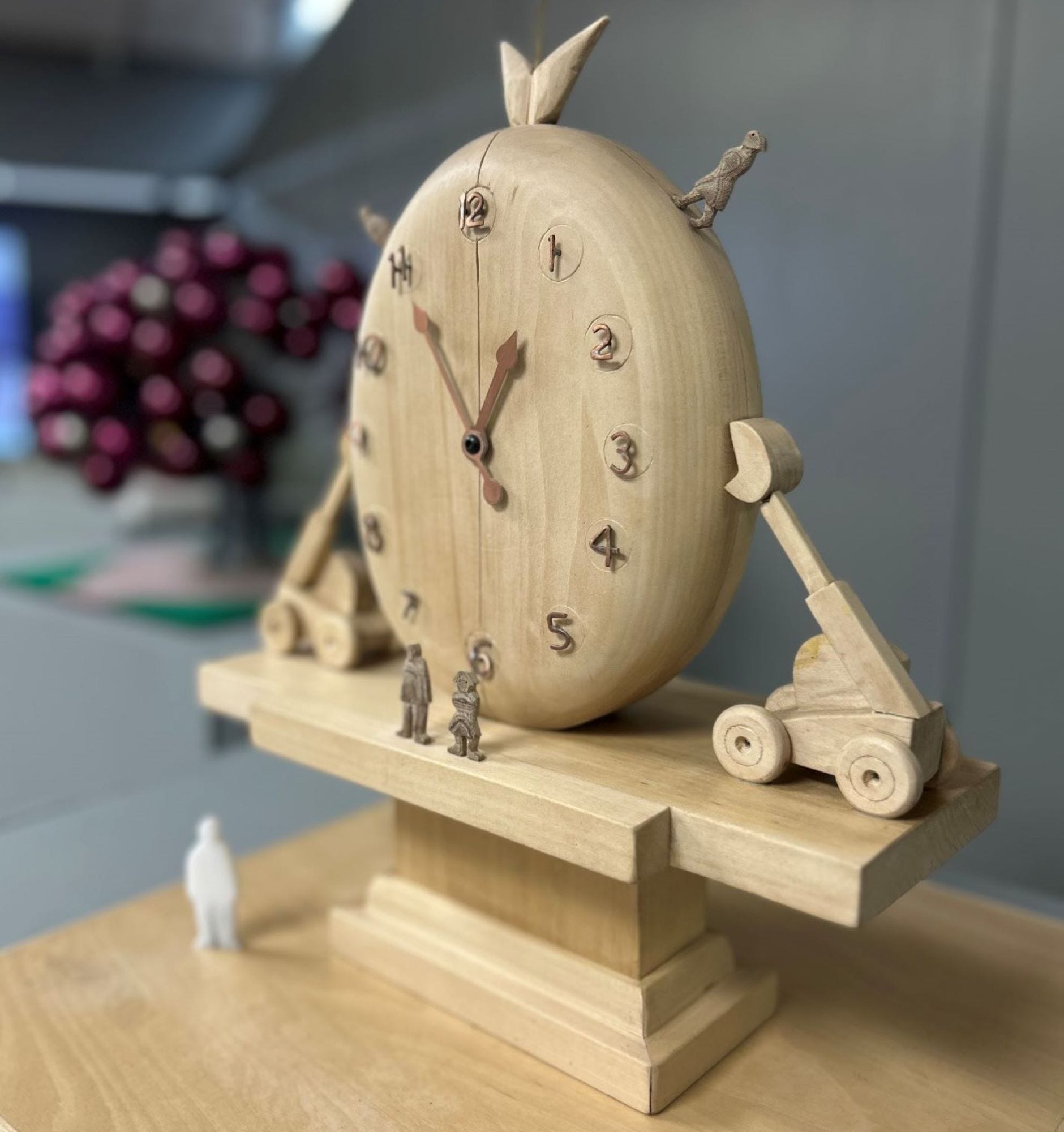
“The only thing I knew was I wanted it to be great art and it had to move in some way.
“That was kind of inspired by going to Prague where they have this big clock (the medieval Orloj) that hundreds of people go to see.
“I had in mind something interesting and Instagramable. I have a little money and thought if I could help to make this happen then I would be using it for the good for the town.”
Mary hesitates before comparing what she proposes with The Angel of the North, which she says is on a far bigger scale.
“That’s a magnificent work of art and it has become an icon.
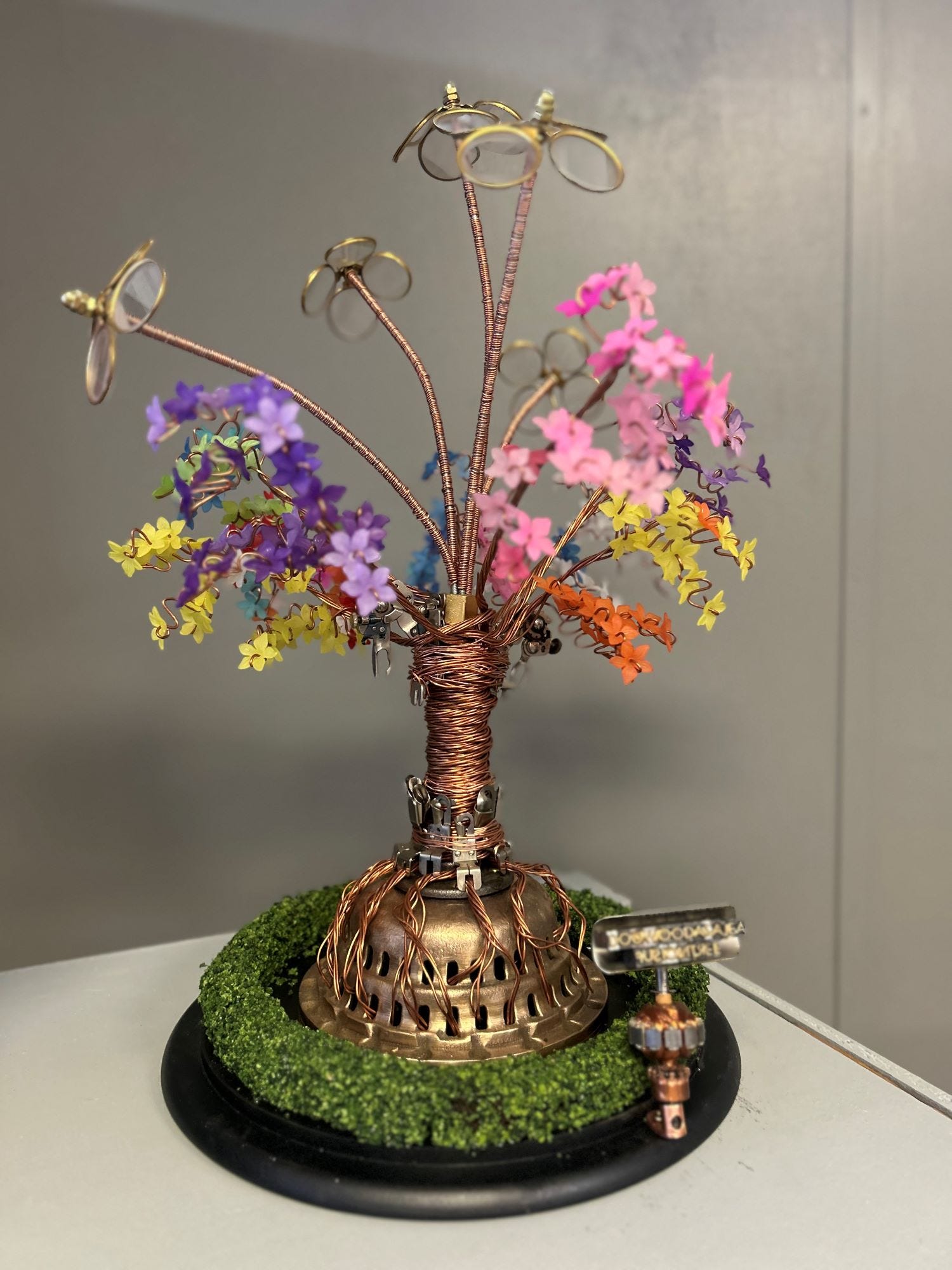
“The advantage of the ‘Angel’ is it’s by the road. I have to get people off the road. Who knows if my project will work? Fingers crossed! I’ll do my best.”
The response in Charleston to Mary’s philanthropic gesture has been encouraging.
A steering committee was set up and a local couple, dentist Dr Ron Petersen and his wife Diane, donated a plot on the main street to accommodate the proposed sculpture.
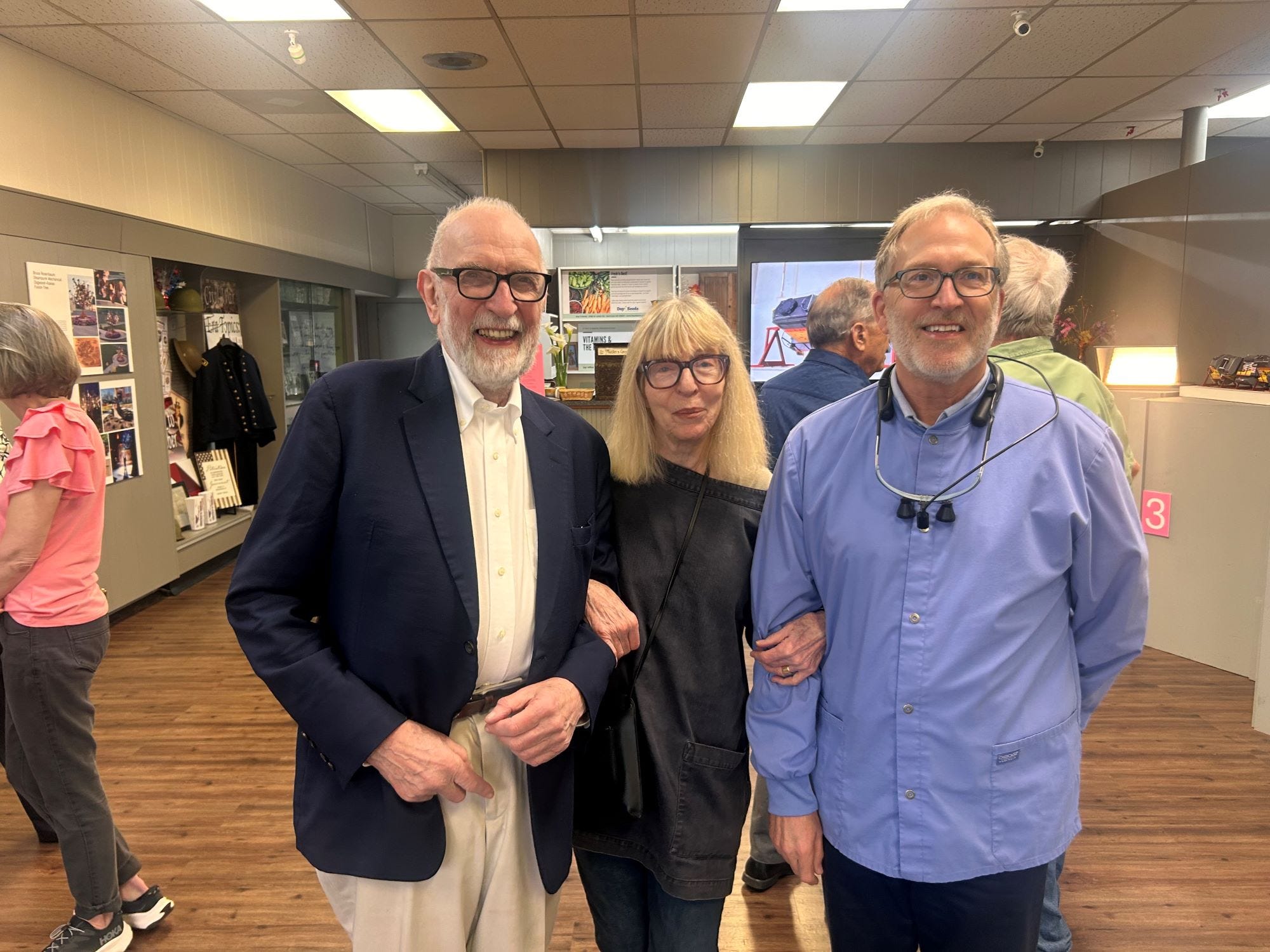
The local council, which is to own and maintain the work, also agreed to landscape the site which is to be called Moore Park in memory of Mary’s ancestor who laid out the town and her parents, Paul Handy Moore, who served more than once as mayor, and Margaret Crockett Moore.
Yes, says Mary, she is also a descendant of Davy Crockett. “But please, please don’t sing the song” (you’ll find it on YouTube if you’re curious).
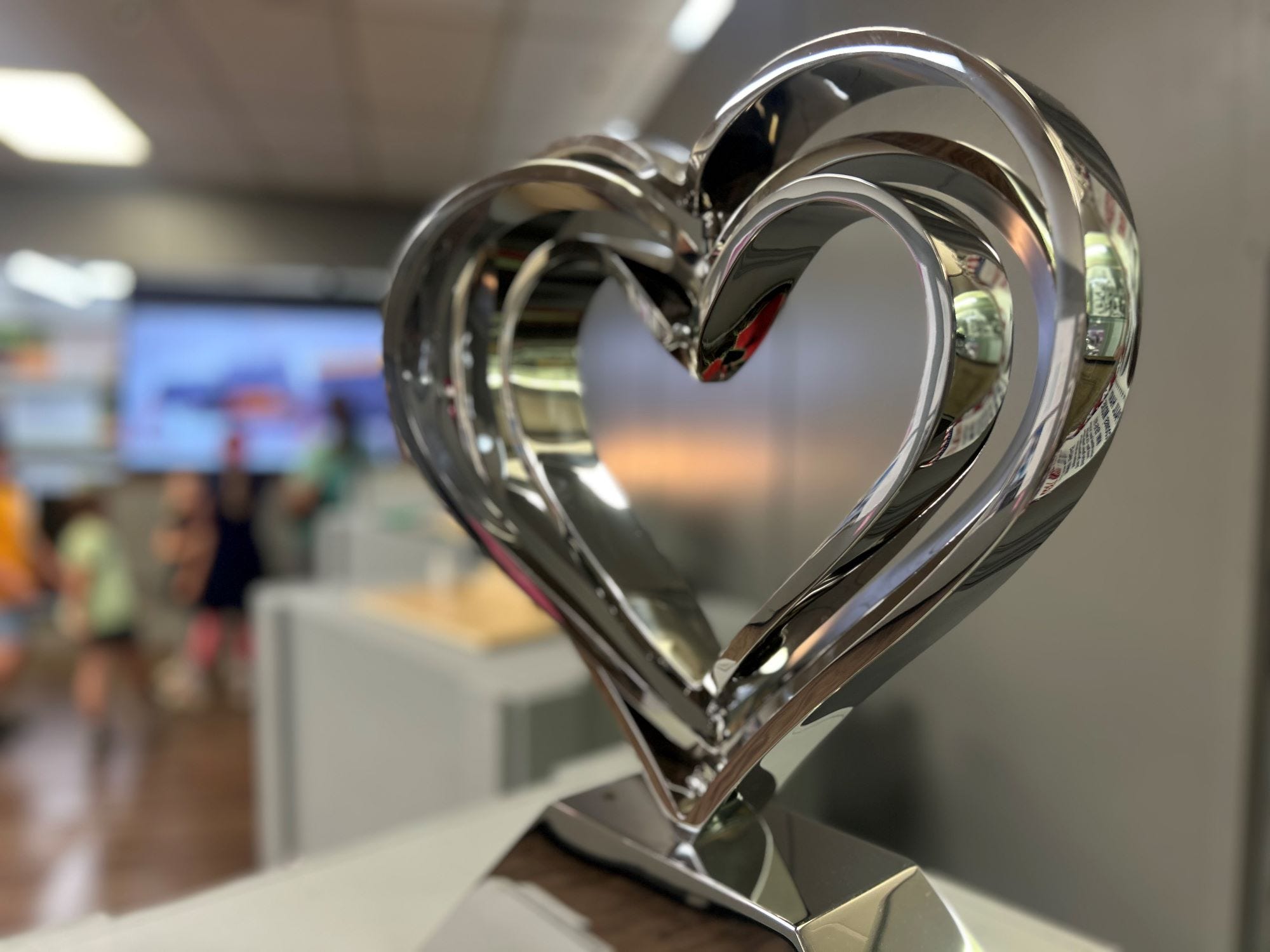
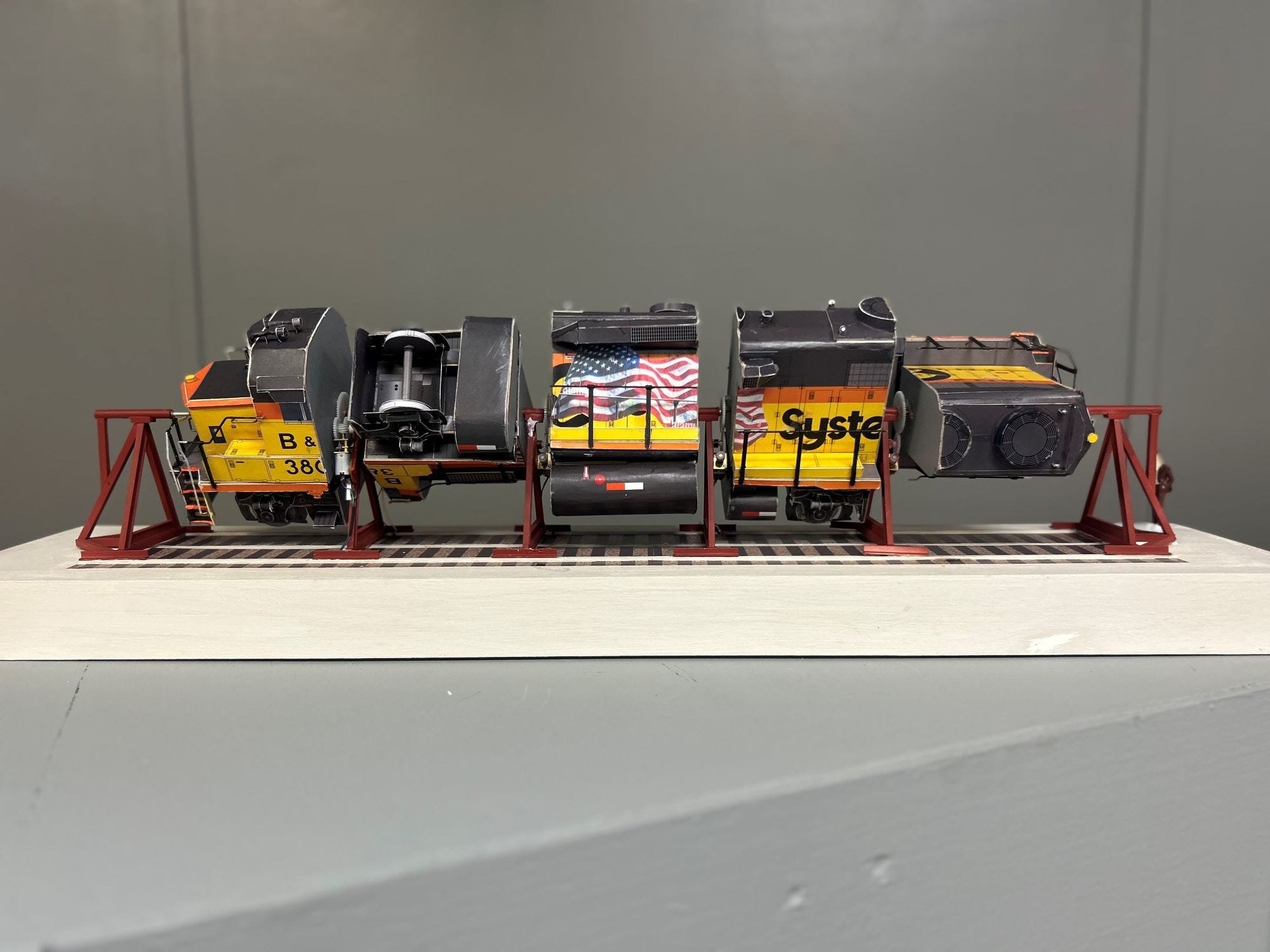
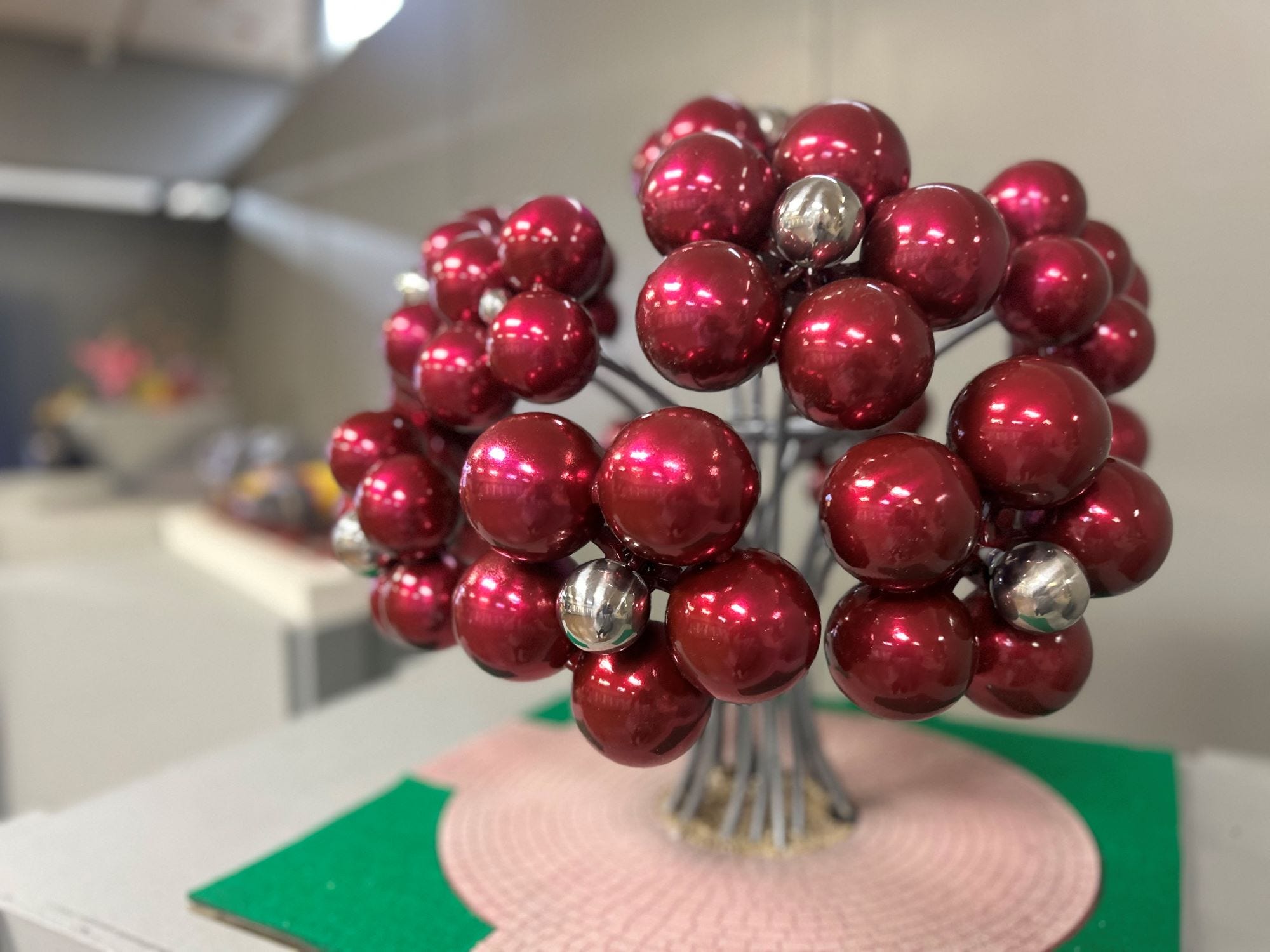
The six shortlisted proposals are on show in Charleston until May 17.
Two are from artists in the UK – one by Andy Plant and Tim Hunkin, the other by Richard Wilson – and the rest from US-based artists: Adam Frank, Joseph O’Connell, Ralfonso and Bruce Rosenbaum.
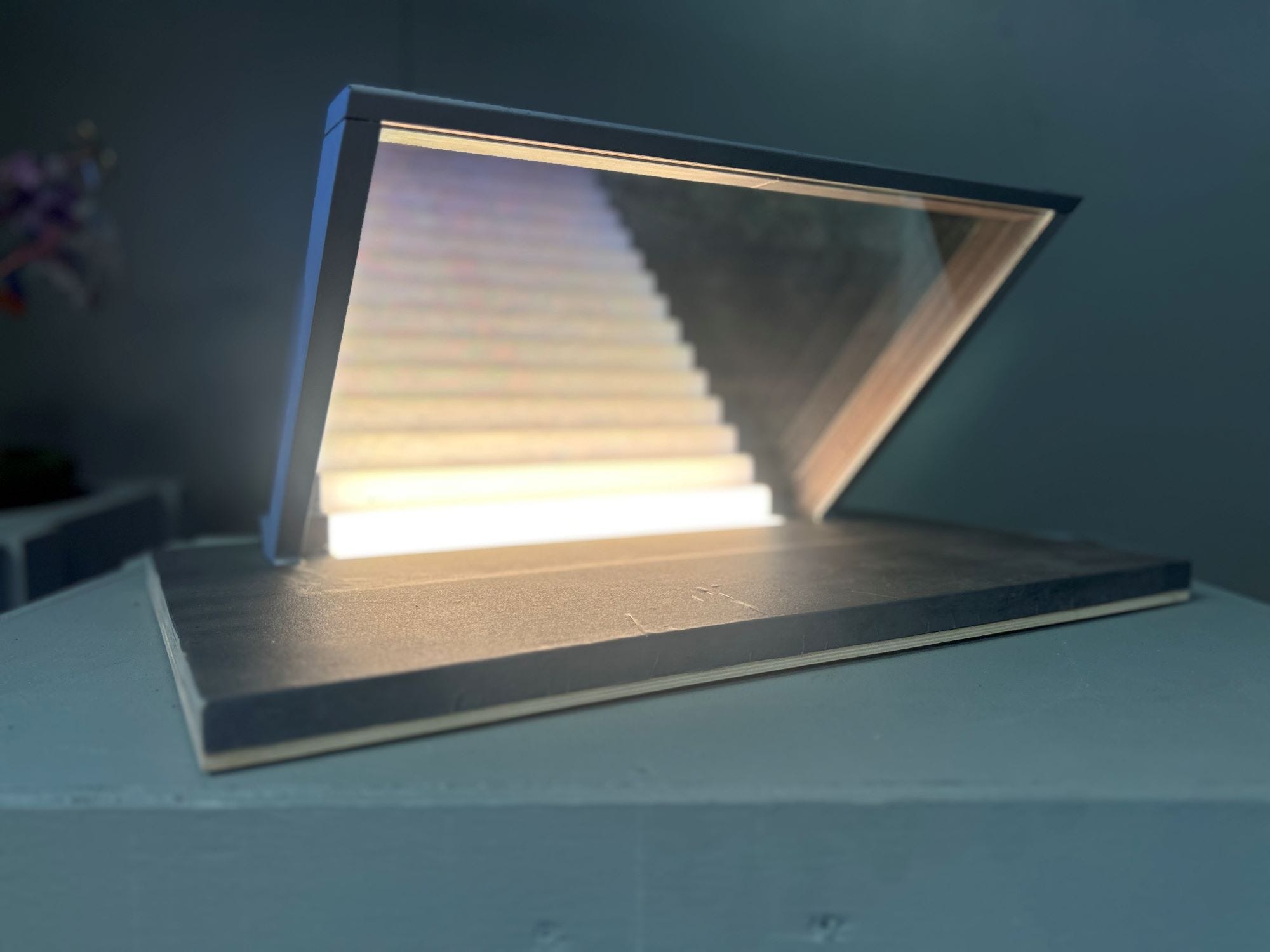
Ultimately it will fall to Mary to make the final decision but, as at Seaton Delaval Hall, visitors have been voting for their favourite.
“If I choose one and 90% of the public vote goes to something else, I really have to think,” she says with a smile.
“But it’s going to be chosen on merit and we’ll try to get it right and fingers crossed people will really like it.”
The winning proposal will be announced during the summer and construction is expected to take up to two years.
Whatever emerges could be seen as symbolising a special relationship between two towns held in affection by a lady who loves books and believes in the power of art to make a difference.